

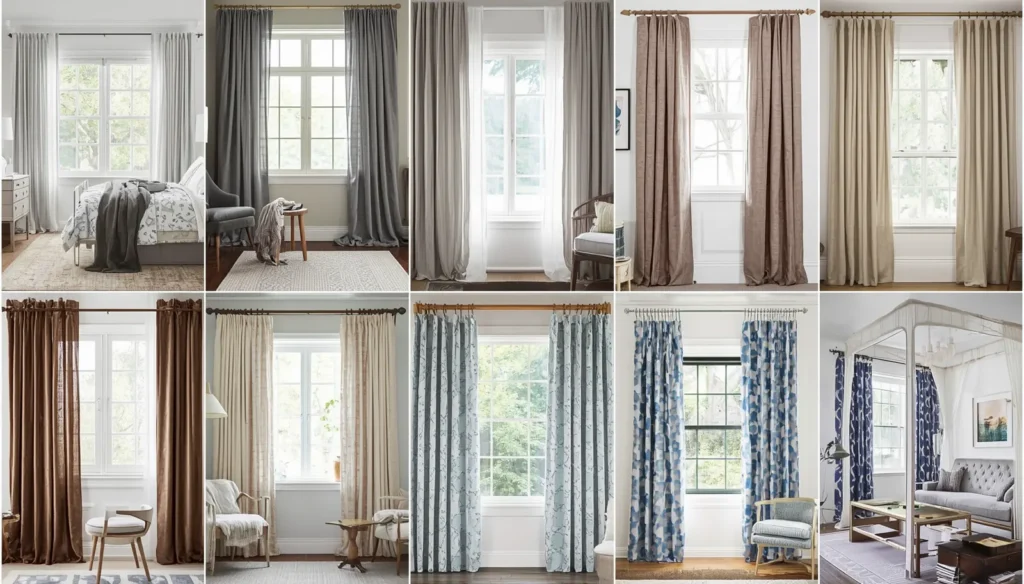
TL;DR
Transforming a bedroom requires balancing light control with tactile comfort through strategic fabric choices. By focusing on material weight, mounting height, and color psychology, you can turn a functional necessity into a design centerpiece that enhances sleep quality.
Introduction
Do you ever feel like your bedroom is missing that final layer of comfort despite having the perfect mattress and bedding? Often, the missing element is how we manage the windows and the light that filters through them. Choosing the right curtains does more than just block the sun; it sets the emotional tone of the entire room. You will learn how to select textures and styles that turn a plain sleeping area into a sophisticated, cozy retreat.
One: The Timeless Appeal of Heavy Velvet Drapes

Heavy velvet remains a favorite for those seeking a sense of enclosure and luxury in their private space. The dense pile of the fabric acts as a natural sound dampener, which is particularly useful if your home faces a busy street or a noisy neighborhood. This material catches the light in a way that creates depth, making even a small room feel more substantial and anchored.
When I worked with a homeowner in a drafty Victorian house, we installed floor-to-ceiling navy velvet panels. The change was immediate. The room stopped echoing, and the fabric effectively trapped a layer of air against the glass, acting as a secondary insulator. This is the second-order effect of heavy textiles; they do not just look good, they actively manage the microclimate of your room.
Velvet also offers an unmatched level of light absorption. While some fabrics allow light to bounce around the edges, the weight of velvet keeps the panels flush against the wall. This minimizes the morning glare that often wakes light sleepers prematurely. Choosing a matte velvet provides a modern touch, while a slight sheen can add a bit of old-world glamour to your decor.
Two: Breathable Luxury With Natural Linen Layers
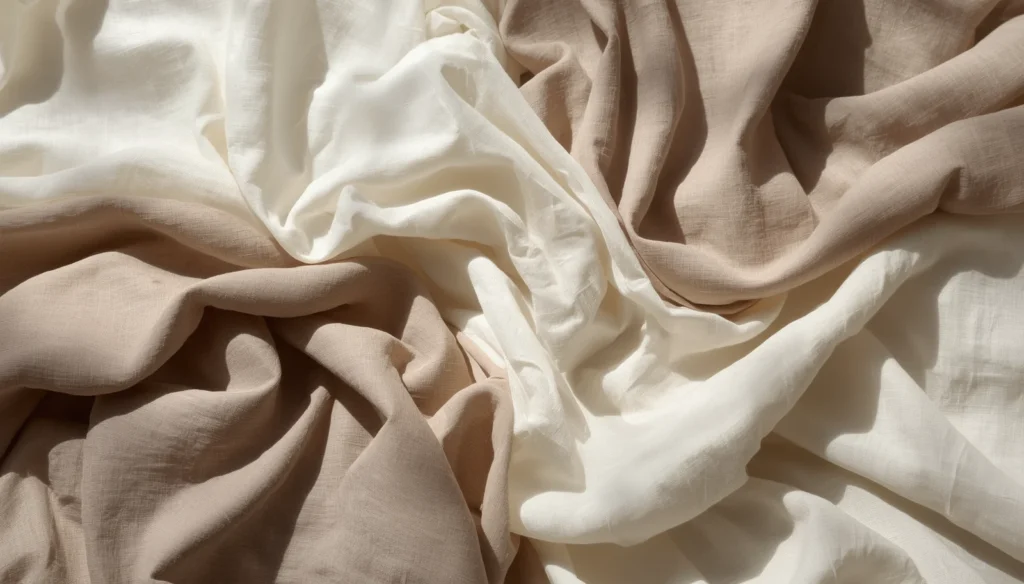
Linen offers a completely different sensory experience compared to heavier fabrics. It represents a casual, lived-in elegance that suits modern and rustic aesthetics alike. The natural slubs in the weave allow a soft, diffused light to enter the room, which can make waking up feel more gradual and less abrasive than a sudden burst of sunshine.
The magic of linen lies in its breathability and how it moves with the air. In a coastal cottage project, we used unlined white linen to catch the evening breeze. The way the fabric billows slightly creates a sense of movement that feels peaceful rather than distracting. It is the perfect choice for anyone who wants their bedroom to feel airy and connected to the outdoors.
However, linen does have a tendency to wrinkle, which some see as a flaw. I view it as a mark of authenticity. If you prefer a crisper look, you can find linen-polyester blends that retain the look of natural fiber while resisting heavy creasing. Pairing these with a hidden blackout liner gives you the aesthetic of a light fabric with the functionality of a dark room.
Three: Integrating Blackout Technology for Better Sleep
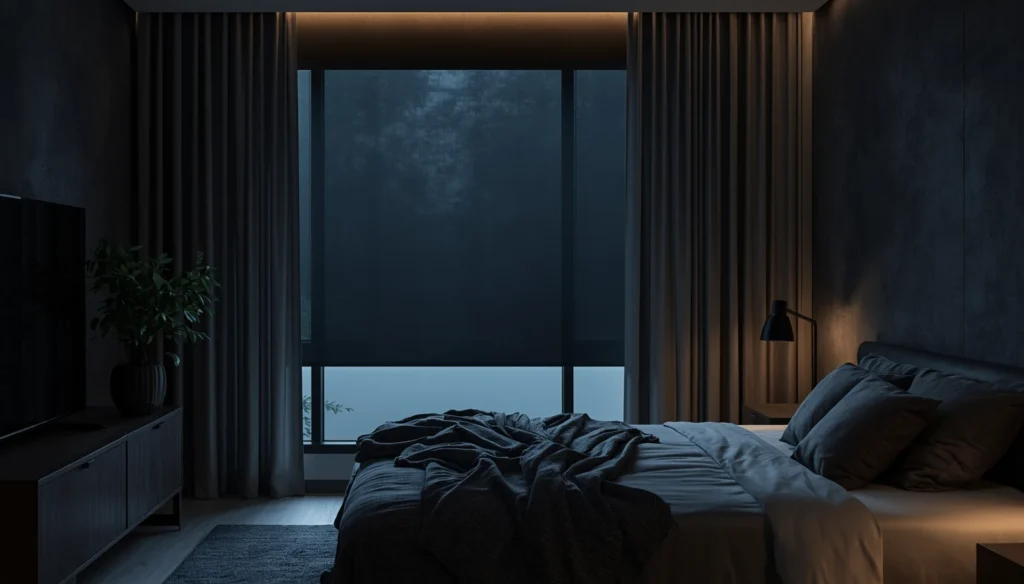
Function often dictates form when it comes to the bedroom. Blackout curtains have come a long way from the stiff, plastic-feeling liners of the past. Modern versions use triple-weave technology where a black yarn is woven between two layers of decorative fabric. This allows for a soft drape that still manages to block nearly all incoming light.
I once consulted for a client who worked night shifts and struggled to sleep during the day. We moved away from standard blinds and installed wrap-around rods that let the curtains curve back to the wall. This eliminated the light bleed at the sides of the window. The result was a pitch-black environment at noon, which significantly improved his rest and overall well-being.
Beyond light control, these curtains offer a significant thermal benefit. By reflecting heat in the summer and retaining it in the winter, they help maintain a consistent temperature. This stability is vital for deep sleep cycles. You should consider the header style here; grommets often let light leak through the top, so a back-tab or pinch-pleat style is usually better for total darkness.
Selecting the Right Header Style
The way a curtain hangs from the rod determines its final silhouette. Pinch pleats offer a traditional, tailored look that feels very intentional. This style works best in formal bedrooms where you want the fabric to fall in consistent, vertical folds. It requires more fabric, which adds to the fullness and “coziness” of the window treatment.
Back-tab or rod-pocket styles provide a cleaner, more streamlined appearance. These are excellent for minimalist spaces where you want the fabric to be the star rather than the hardware. Because the rod is hidden, the focus stays entirely on the color and texture of the textile you have chosen.
Four: Using Floor to Ceiling Length for Architectural Scale

One of the most common mistakes I see is hanging curtains too low or cutting them off at the windowsill. To create a truly cozy and high-end feel, you should mount your hardware as close to the ceiling as possible. This draws the eye upward and makes the ceilings feel taller than they actually are.
This technique transforms the window into a full-height architectural feature. When the fabric puddles slightly on the floor, maybe an inch or two, it creates a sense of abundance and softness. I remember a small apartment project where the windows were quite short. By running the drapes from the ceiling to the floor, we tricked the eye into believing the windows were massive.
The extra fabric also contributes to the acoustic quality of the room. Soft surfaces absorb sound waves, and a wall of fabric is one of the best ways to soften the “hard” feeling of a room with wood or tile floors. Even if your windows are standard size, treating the entire wall with fabric can make the space feel like a high-end hotel suite.
Five: Subtle Color Psychology With Earthy Tones
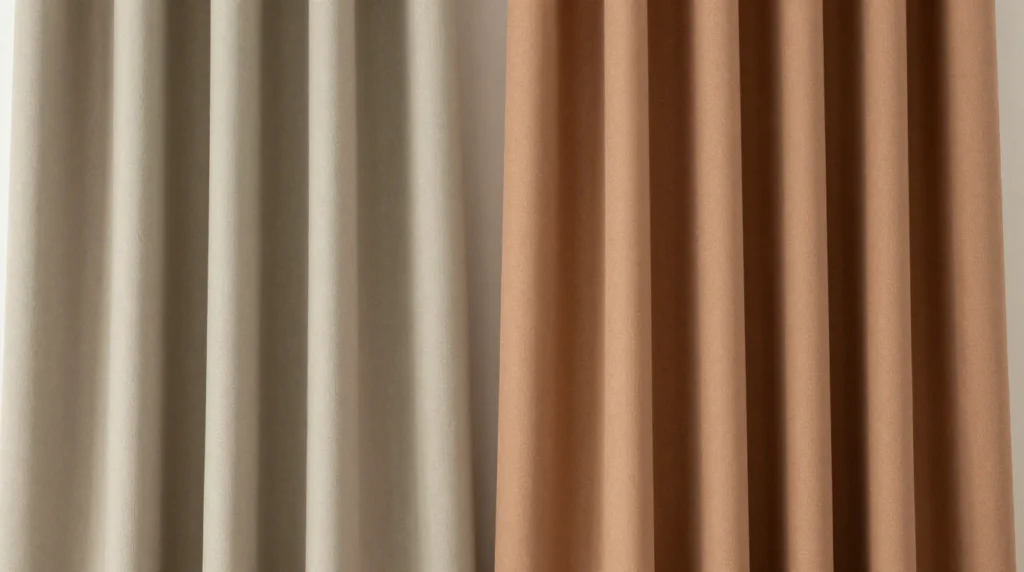
Color choice is where many people get stuck, but the trend is moving toward grounding, earthy palettes. Terracotta, sage green, and warm ochre are replacing the stark greys of the last decade. These colors resonate with our innate need for connection to nature, which is deeply soothing in a sleeping environment.
A bedroom should feel like a cocoon. Using a monochromatic approach, where the curtains are just a shade darker than the walls, creates a seamless look that reduces visual clutter. This lack of contrast allows the brain to relax because there are fewer “edges” for the eyes to process. It is a quiet way to achieve a high-level design.
In a recent renovation, we used a soft clay-colored drape against a creamy white wall. The warmth of the clay prevented the room from feeling sterile. You don’t need bold patterns to make a statement. Sometimes the most powerful statement is a perfectly chosen solid color that harmonizes with the rest of the furniture and floor.
Six: The Depth of Double Rod Layering
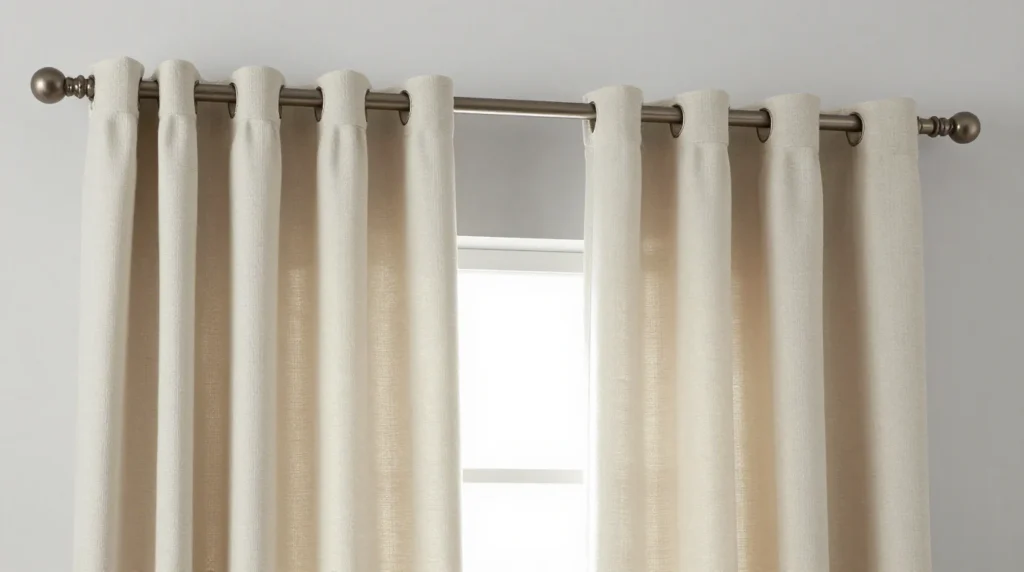
If you cannot decide between the privacy of sheers and the darkness of blackout drapes, double rods are the solution. This setup allows you to hang two sets of curtains on the same window. Typically, a sheer or semi-sheer panel sits closest to the glass, while a heavier decorative drape sits on the outer rod.
This layering provides incredible versatility throughout the day. During the morning, you can pull back the heavy drapes to let in filtered light while still maintaining privacy from the street. At night, closing both layers creates a thick barrier that keeps the room warm and dark. It is a practical application of the layered look found in professional interior design.
Layering also adds visual depth. The contrast between a light, airy voile and a heavy wool or cotton twill creates a rich, textured look. This is especially effective in large bedrooms where a single pair of curtains might look thin or insufficient. Think of it as dressing your windows in a way that mirrors how you might layer bedding.
Balancing Different Textures
When layering, try to mix the weights of your fabrics. If your outer curtain is a heavy velvet, a very fine silk or synthetic sheer provides a beautiful contrast. If you use two fabrics of the same weight, the window can start to look bulky and lose its elegance. The goal is to create a hierarchy of materials.
You can also play with color here. A patterned sheer behind a solid drape adds a hidden surprise that only reveals itself when the sun shines through. Alternatively, using two different shades of the same color can create a sophisticated gradient effect that looks very modern.
Seven: Pattern Play for Personality and Interest
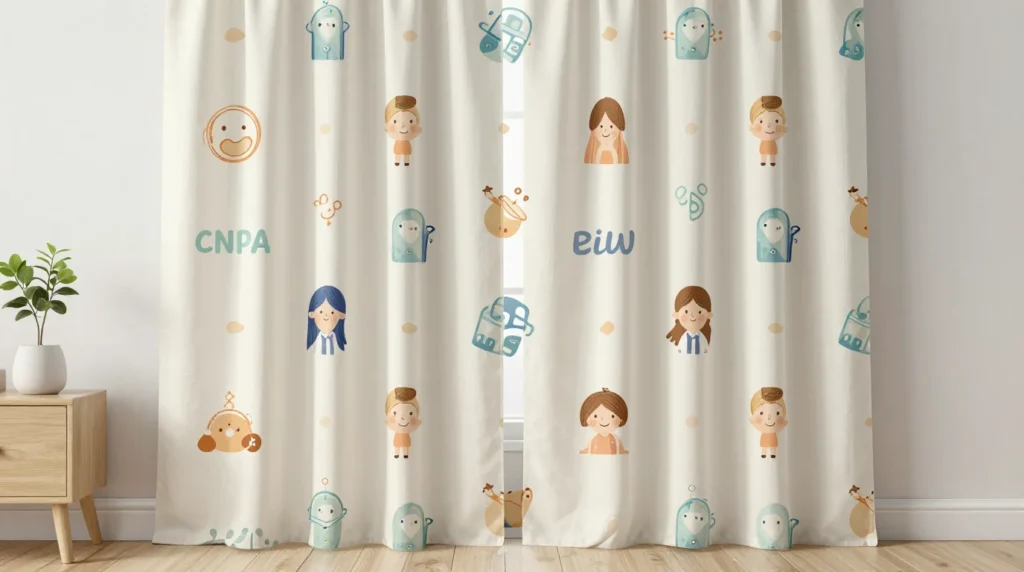
While solids are safe, patterns can inject life into a bedroom that feels a bit too stagnant. The key is to choose patterns that are large-scale and low-contrast. Small, busy patterns can feel frantic and might interfere with the relaxing atmosphere you are trying to build.
Botanical prints and soft watercolor designs are currently very popular. They bring a bit of the garden indoors without being overwhelming. I once used a large-scale leaf print in a guest room, and it became the talking point of the whole house. Because the colors were muted greens and greys, it didn’t feel loud or aggressive.
If you are worried about patterns clashing, look at the other textiles in your room. If your duvet cover has a pattern, your curtains should probably be solid or have a very subtle texture like a herringbone or a small check. If your bedding is plain, the windows are the perfect place to introduce a bold floral or a classic stripe.
Eight: Roman Shades as a Tailored Alternative
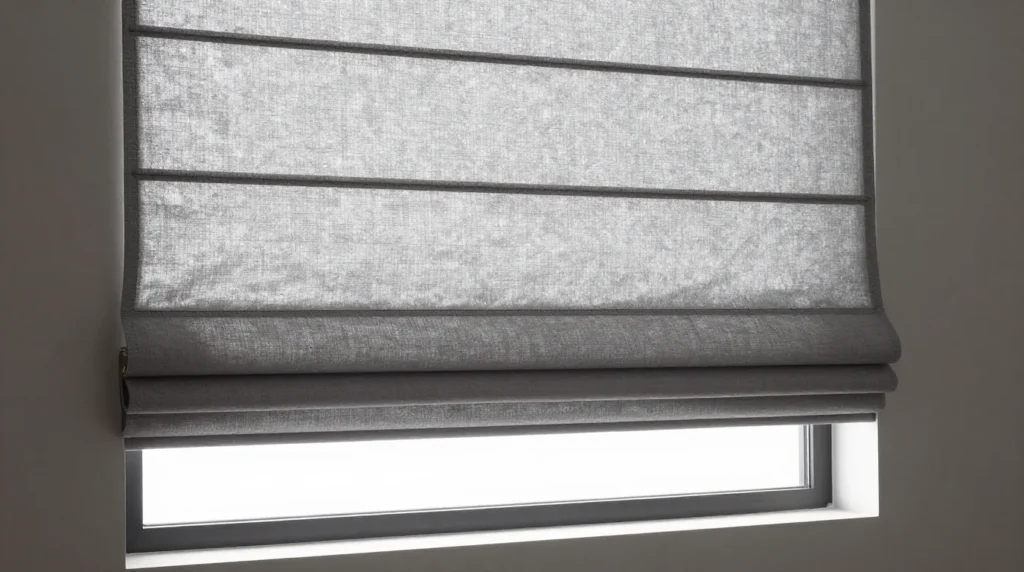
Sometimes traditional curtains are not the best fit, especially if there is furniture like a desk or a radiator directly under the window. In these cases, Roman shades offer a tailored, clean look that still provides the softness of fabric. They fold up into neat horizontal pleats, offering a very structured aesthetic.
Roman shades work beautifully when paired with stationary curtain panels. You get the functional light control of the shade with the decorative framing of the curtains. This “belt and suspenders” approach is a classic design trick that makes a window look finished and expensive. It also allows for multiple levels of light filtration.
In a nursery project, we used blackout Roman shades for nap time, framed by soft cotton drapes for a cozy feel. The shades were easy for the parents to operate with one hand, while the drapes softened the hard lines of the window frame. This combination is highly effective for any room where you need both high functionality and high style.
Nine: Thermal Linings for Year Round Comfort
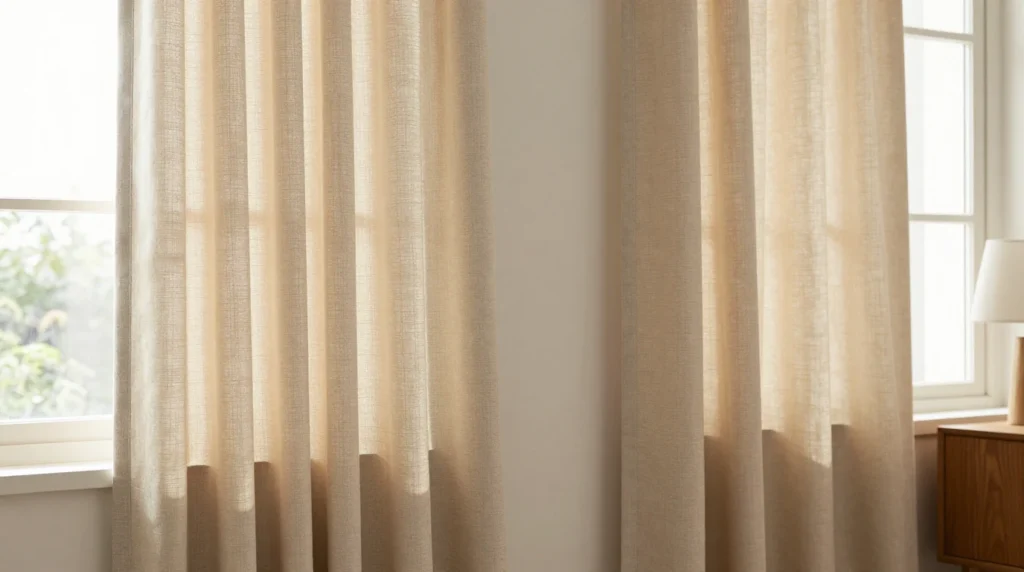
We often overlook the role of windows in a home’s energy efficiency. A significant amount of heat is lost through glass during the winter, and solar gain can make a bedroom uncomfortably hot in the summer. Thermal curtains are designed specifically to combat these issues with a specialized coating or an extra layer of insulating fabric.
These are not just for cold climates. In sun-drenched areas, a thermal lining can prevent your furniture and flooring from fading due to UV exposure. It also keeps your air conditioning from working overtime. It is a smart investment that pays for itself over time through lower utility bills.
I remember a client in a desert climate who struggled with a bedroom that stayed hot well into the night. We installed high-reflectivity thermal drapes. By keeping them closed during the peak sun hours, the room remained ten degrees cooler than before. This kind of practical result is why I always recommend considering the technical lining of your curtains.
Ten: Embracing Natural Fibers and Textures
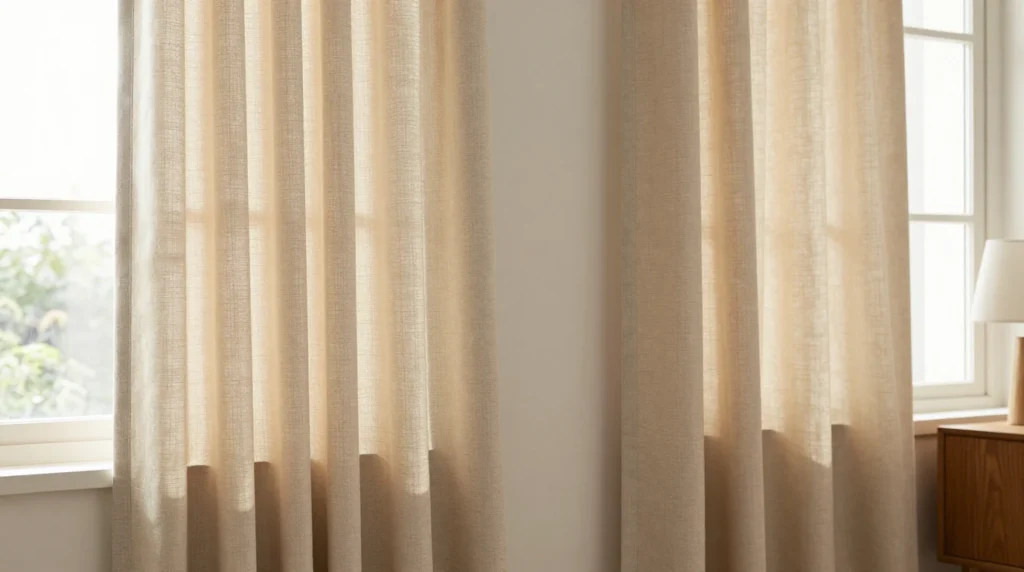
There is a growing movement toward using raw, untreated fibers like hemp, organic cotton, and jute in home decor. These materials bring a tactile, earthy quality to the bedroom that synthetic fabrics often lack. They feel better to the touch and often have a more interesting visual “grain.”
Hemp, for instance, is incredibly durable and has a weight similar to linen but with even more texture. It softens over time with every wash, much like a favorite pair of jeans. Using these materials supports a more sustainable approach to decorating and reduces the presence of synthetic chemicals in your sleeping environment.
In a minimalist “zen” style bedroom, we used undyed organic cotton curtains with a simple tie-back. The lack of dyes allowed the natural creamy color of the fiber to shine. It created an atmosphere of purity and calm that was exactly what the homeowner needed to decompress after a long day at work.
Wrap Up
Refreshing your bedroom with new curtains is one of the most effective ways to change the mood of your space without a full renovation. By considering the weight of the fabric, the height of the installation, and the specific needs of your sleep cycle, you can create a truly customized sanctuary. Remember that the best window treatments are the ones that balance your aesthetic preferences with the practical realities of light and temperature control.
FAQs Section
How high should I hang my curtain rod for the best look?
For the most flattering and cozy effect, hang your rod about four to six inches above the window frame or as close to the ceiling as possible. This creates an illusion of height and makes the room feel more spacious and high-end.
Are blackout curtains better than regular curtains for a bedroom?
Blackout curtains are generally superior for bedrooms because they provide total light control and better thermal insulation. They are especially beneficial for people who are sensitive to light or those who live in climates with extreme temperatures.
How do I choose the right curtain width for my windows?
A good rule of thumb is to ensure the total width of your curtain panels is two to two-and-a-half times the width of the window. This ensures that the curtains look full and lush when closed, rather than stretched thin and flat.
Disclaimer:
The content shared by Fall Rugs is solely for research and informational purposes. Fall Rugs is not a professional interior design or home renovation consultancy, and the information provided should not be considered professional advice for home improvement or decor. All ideas and suggestions are based on current trends and general knowledge in the home decor industry.