

TL;DR
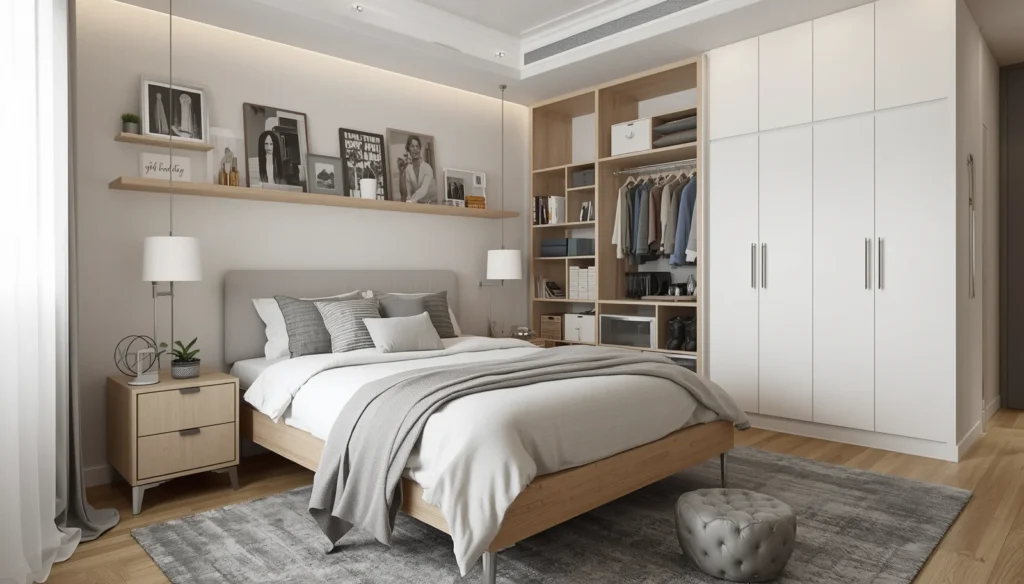
Maximize a small bedroom by prioritizing vertical wall space and selecting furniture that serves dual purposes. Using high shelves, under-bed drawers, and door-mounted organizers ensures every square inch functions efficiently without creating visual clutter.
Introduction
Living in a compact space often feels like a constant battle against physical boundaries. You might find that your belongings quickly outgrow the available floor area, leaving you feeling cramped and disorganized. The secret to a peaceful bedroom lies in how you manage the hidden opportunities within your four walls. By shifting your perspective from horizontal to vertical, you can unlock storage potential that most people completely overlook. This guide explores practical and sophisticated methods to reclaim your room and create a functional sanctuary.
1. Utilize Vertical Real Estate with Floating Shelves
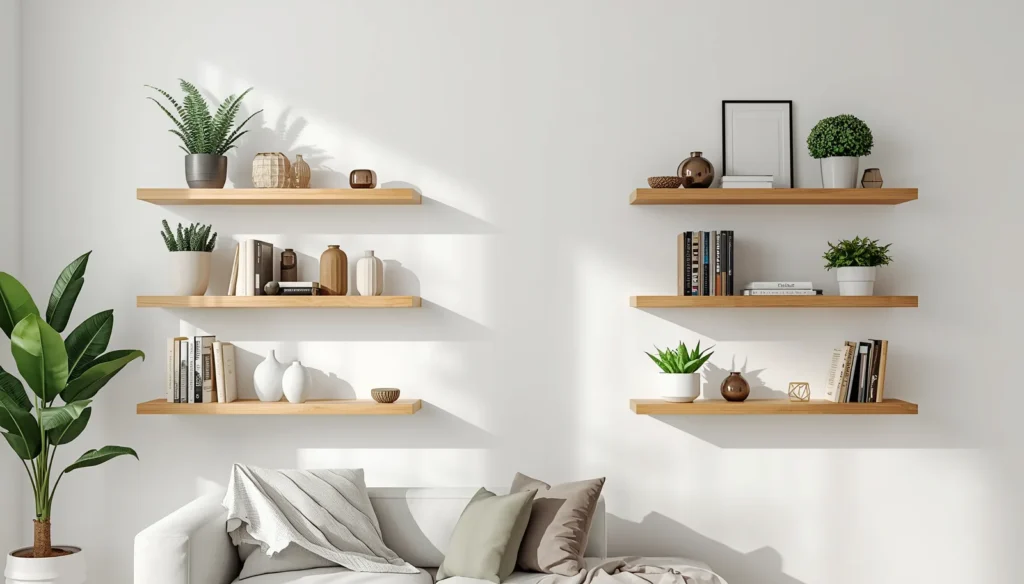
Wall space is the most undervalued asset in a small bedroom. Traditional bookcases take up valuable floor area and often make a room feel smaller than it actually is. Floating shelves offer a lighter alternative that provides plenty of room for books, plants, or decorative boxes without the heavy footprint of a floor-standing unit. You can install these at various heights to draw the eye upward, which naturally creates an illusion of a taller ceiling.
When you position shelves near the ceiling, you create a dedicated zone for items you don’t need every day. This keeps your main living level clear of seasonal decor or old archives. I once worked on a studio apartment where we lined the top perimeter of the room with white shelving. The result was nearly thirty feet of extra storage that felt almost invisible because it blended into the crown molding. It is a simple shift that changes how the entire room breathes.
2. Invest in a Platform Bed with Integrated Drawers
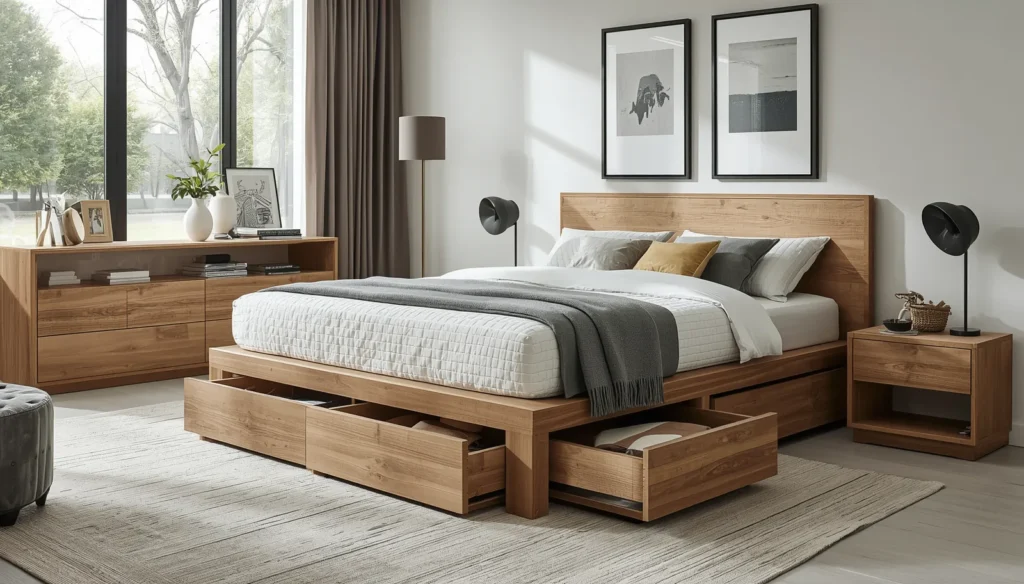
The area directly beneath your mattress represents roughly thirty square feet of prime storage space. Instead of using a traditional bed frame with a dusty void underneath, a platform bed with built-in drawers provides a sleek solution for clothing or linens. These drawers are much easier to access than loose plastic bins that you have to slide out and open. High-quality frames often include soft-close mechanisms that keep the aesthetic clean and modern.
If a new bed frame isn’t in the budget, you can achieve a similar effect with deep rolling bins. The trick is to ensure the bins match the color of your bed frame or are hidden by a tailored bed skirt. This prevents the room from looking like a storage unit while still giving you a place for heavy winter sweaters or extra pillows. Keeping these items off the floor and out of sight is a fundamental step in mastering small room dynamics.
3. Swap Traditional Nightstands for Wall-Mounted Units
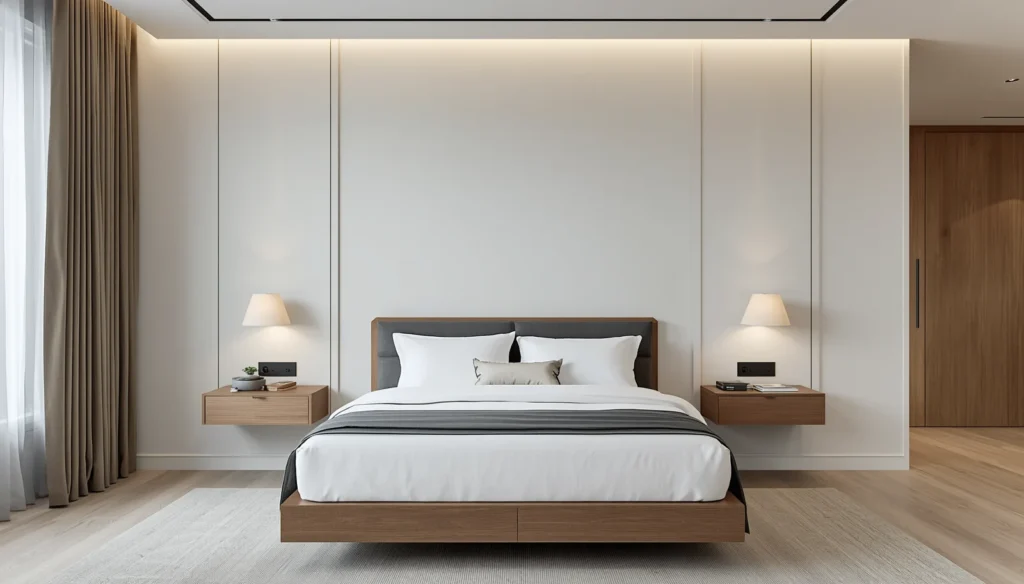
Large nightstands often occupy a significant portion of the space beside your bed. By switching to a wall-mounted or “floating” nightstand, you free up the floor space beneath the unit. This small change makes the room feel much more open and airy. You can even tuck a small basket or a pair of slippers underneath the floating shelf to maximize that newly found gap.
A floating unit can be as simple as a sturdy wooden block or as complex as a small drawer. The key is to choose a design that hides charging cables and keeps the surface clutter-free. In my experience, a minimalist bedside shelf encourages you to keep only the essentials nearby, such as a lamp and a single book. This reduction in visual noise helps the brain relax, making the bedroom a better place for rest.
4. Install a High-Level Perimeter Shelf Above the Door
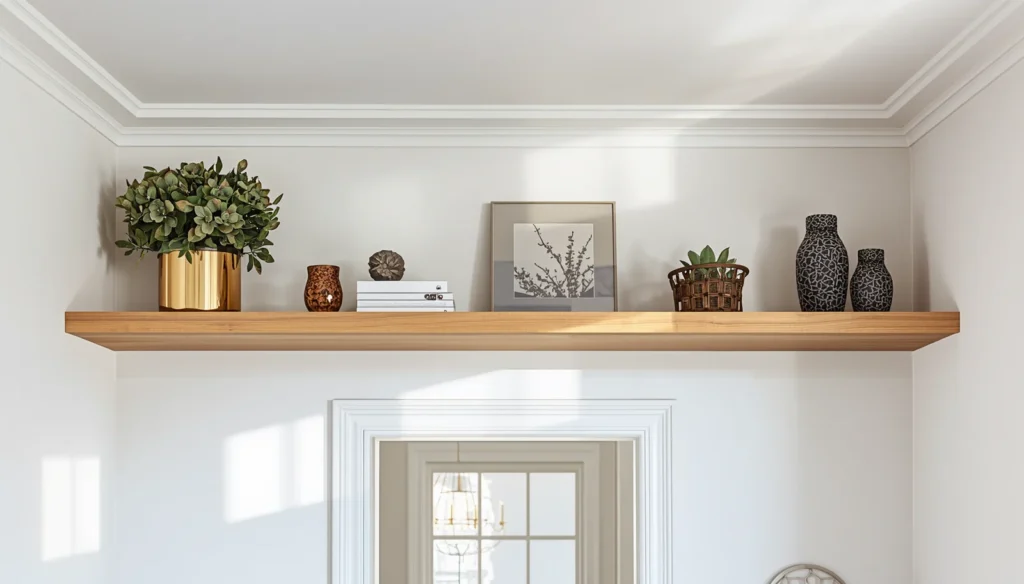
The space above a bedroom door is almost always wasted. By installing a single deep shelf about twelve inches below the ceiling, you create a perfect spot for extra blankets or travel bags. Because this area is usually out of your direct line of sight when entering the room, it doesn’t contribute to a feeling of being boxed in. It is an excellent way to use the “dead space” that exists in standard room layouts.
This strategy works particularly well if you paint the shelf the same color as the wall. This makes the storage disappear into the architecture of the room. I have seen homeowners use this trick to store everything from shoe boxes to seasonal sports gear. It keeps the bulky items out of your closet, leaving more room for the clothes you wear every week. It is a low-cost renovation that provides immediate relief to a crowded wardrobe.
Choosing the Right Brackets for High Shelves
Selecting heavy-duty brackets is essential when you are storing items overhead. You want to ensure the shelf can support the weight of full storage bins without sagging over time. Steel brackets with a minimalist profile offer the best balance of strength and style. Always make sure you are drilling into wall studs to guarantee the installation is secure and permanent.
5. Implement an Over-the-Door Organizing System
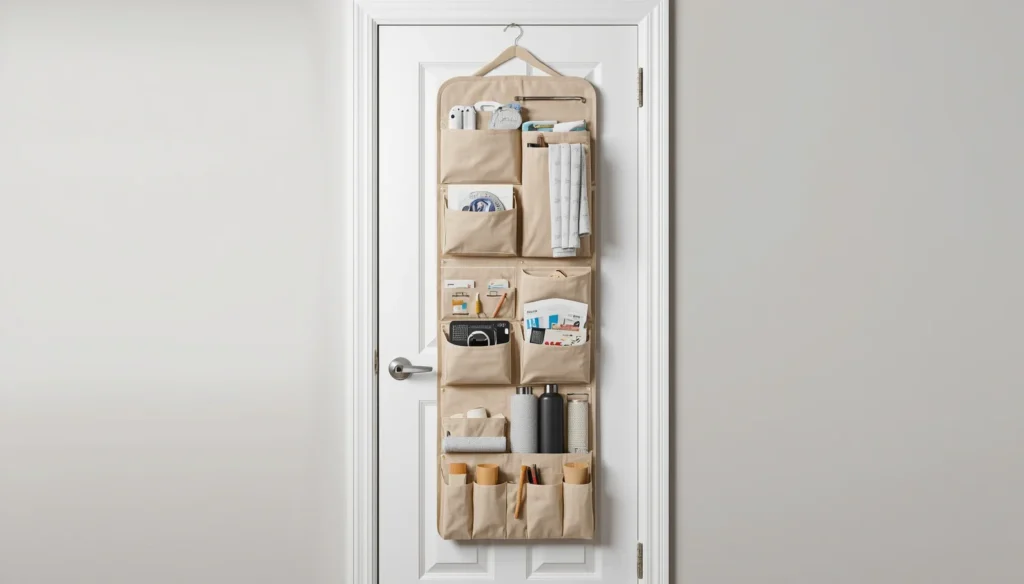
The back of your bedroom or closet door is a versatile storage grid waiting to be used. While many people think of cheap plastic shoe bags, modern over-the-door systems are much more sophisticated. You can find metal racks with adjustable baskets that can hold everything from accessories and scarves to cleaning supplies or hair tools. This keeps these smaller items organized and prevents them from getting lost in larger drawers.
Using the door for storage is especially helpful in rooms where you cannot fit a chest of drawers. By moving your smaller accessories to the door, you free up your closet shelves for bulkier items like jeans or sweaters. Just be careful not to overload the door hinges with excessive weight. A well-balanced rack will stay quiet and functional for years, providing a hidden pantry of sorts for your personal belongings.
6. Create a Multi-Functional Seating Area with Ottomans
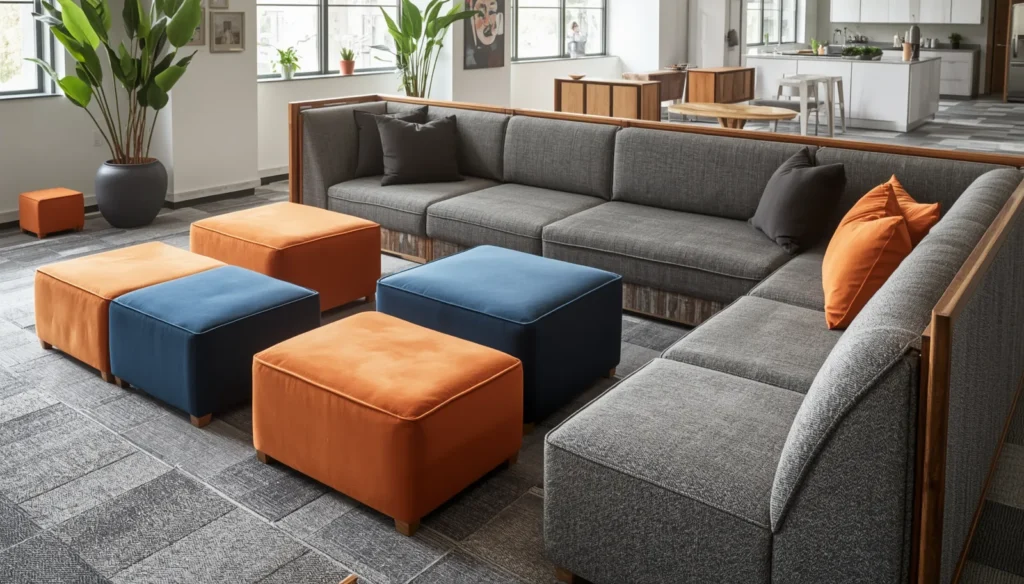
If you have enough room for a chair or a bench at the foot of your bed, make sure it offers storage inside. A hollow ottoman or a storage bench is a perfect place to tuck away extra linens or decorative pillows at night. These pieces of furniture serve as a seat for putting on shoes while hiding a significant amount of clutter. It is a classic example of furniture that works twice as hard for your space.
Look for ottomans with a flip-top lid that can also serve as a hard surface for a tray. This versatility is vital in a small bedroom where every piece must justify its footprint. I remember a client who used two small cube ottomans instead of one large bench. This allowed them to move the seats around easily when they needed to access different parts of the room, proving that flexibility is just as important as capacity.
7. Maximize Corner Space with Tiered Shelving
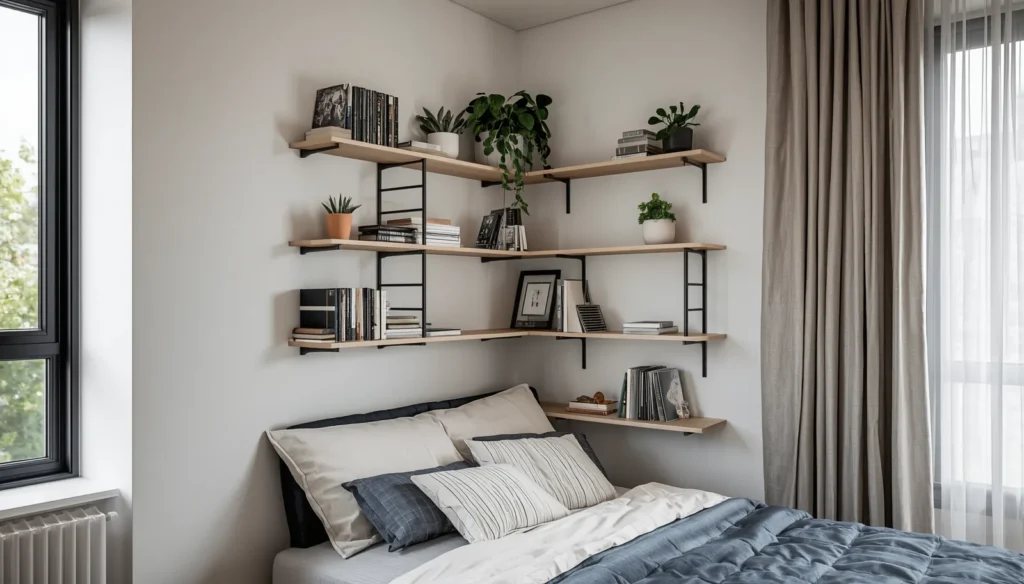
Corners are frequently ignored in bedroom design, yet they offer a unique opportunity for deep storage. Tiered corner shelves can turn an awkward angle into a functional display or storage zone. These units are great for stacking folded clothes or displaying a collection of hats. Because they tuck into the corner, they don’t interfere with the natural walking paths in the room.
If you want a more integrated look, consider a custom-built corner unit that spans from floor to ceiling. This creates a built-in appearance that adds value to your home and provides a surprising amount of shelf space. It is often more effective than trying to squeeze a rectangular dresser into a tight spot. By embracing the corners, you soften the edges of the room and make the layout feel more intentional and curated.
8. Use a Tension Rod for Secondary Hanging Space
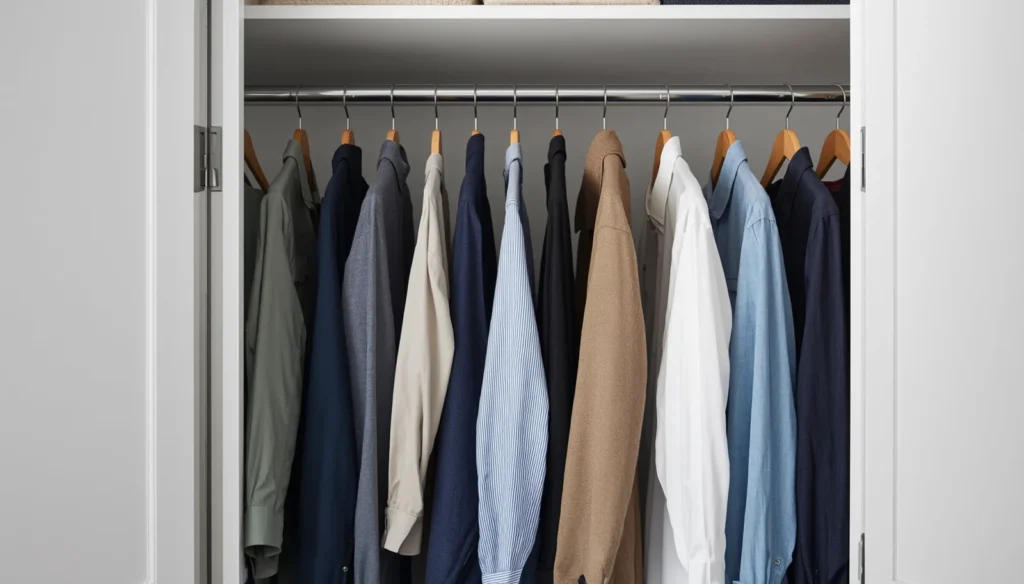
Closets often have a single high rod that leaves a large amount of empty space near the floor. Adding a second, adjustable tension rod halfway down the closet allows you to double your hanging capacity for shorter items like shirts and skirts. This is one of the fastest and most affordable ways to upgrade a small bedroom. It requires no tools and can be adjusted as your wardrobe changes over the seasons.
This method works best when you group your clothes by length. By keeping all your long dresses on one side and double-hanging your shirts on the other, you create a clean and organized visual. I have found that this simple adjustment can often eliminate the need for an external garment rack, which saves even more floor space. It forces you to look at your closet as a three-dimensional volume rather than just a flat wall.
Organizing by Frequency of Use
When using a double-rod system, place your most-used items on the top level. This prevents you from having to bend down constantly to find your daily outfit. Reserve the lower rod for items like dress slacks or seasonal pieces that you only reach for occasionally. This ergonomic approach makes your morning routine faster and less stressful.
9. Transform the Space Behind the Headboard
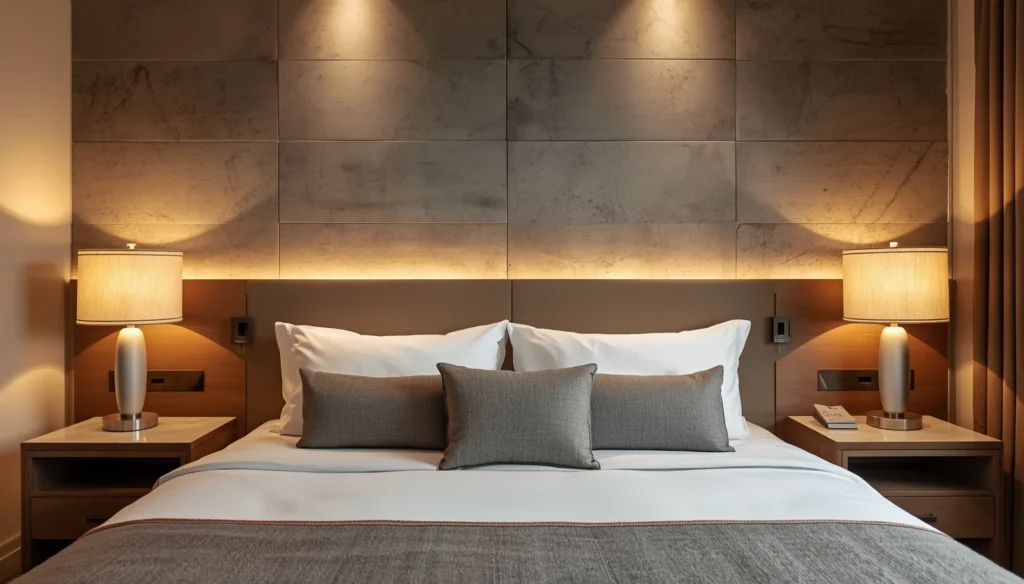
Many people push their bed directly against the wall, but pulling it forward just six inches can create a hidden storage niche. A deep headboard with side-access shelving allows you to store books and electronics without needing a traditional nightstand. This is a brilliant solution for narrow rooms where there is no space on the sides of the bed for furniture.
Some custom headboards even feature a lift-top design that hides a large compartment for bulky items like suitcases. If you are handy with basic tools, you can build a simple wooden box behind your bed frame to act as a shelf. It provides a landing strip for your phone, a glass of water, and a lamp while keeping the floor completely clear. This “hidden” depth is a game-changer for anyone living in an urban apartment.
10. Integrate a Window Seat with Deep Drawers
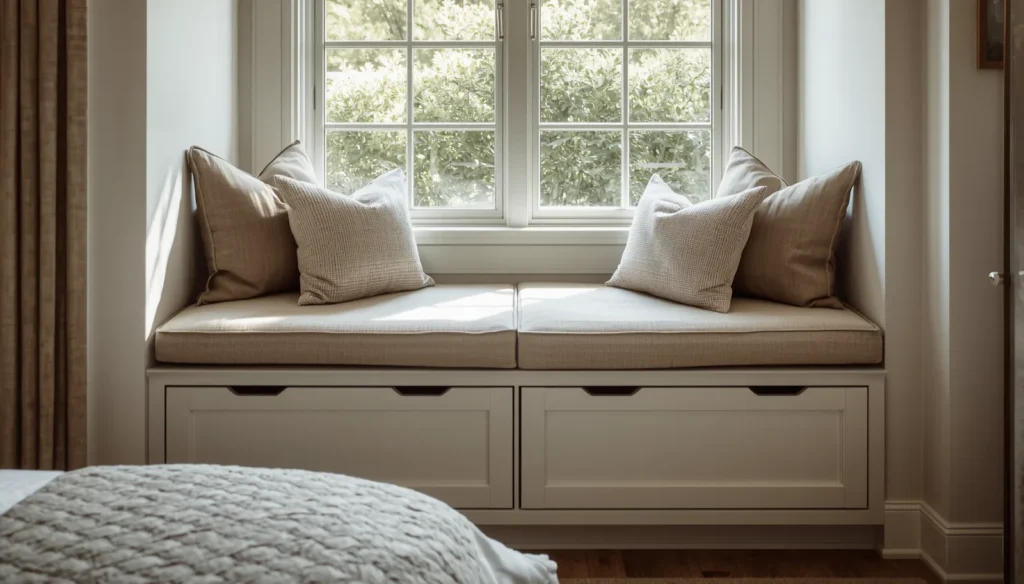
If your bedroom has a window, you can build a low bench underneath it to create a cozy reading nook that doubles as a dresser. Window seats provide a natural transition between the wall and the floor. Large drawers built into the base of the seat are perfect for storing shoes or workout gear. It utilizes a space that is often left empty because people are afraid of blocking the natural light.
The top of the bench also serves as an extra surface for bags or books. By adding a comfortable cushion, you create a secondary zone in the room that makes it feel like a suite rather than just a sleeping area. I have seen this work beautifully in attic bedrooms where the slanted ceilings make traditional wardrobes impossible. The window seat follows the lines of the architecture while adding significant utility to the room.
Wrap Up
Maximizing a small bedroom is about finding a balance between clever furniture and disciplined organization. By utilizing vertical space, choosing multi-functional pieces, and keeping your closet rotated, you can turn a cramped room into an efficient retreat. The goal is to ensure that your storage solutions don’t just hold your things, but also improve the overall flow and feeling of your home. Start with one or two changes and you will quickly see how much potential your space truly holds.
FAQs Section:
What is the best way to store shoes in a small bedroom?
Utilizing an over-the-door rack or slim rolling bins under the bed is often the most efficient way to keep footwear organized without using floor space. These methods keep shoes paired and protected while staying out of the primary walking paths.
How can I make my small bedroom look less cluttered while adding storage?
Choose storage solutions that blend with your wall color, such as white floating shelves on white walls, to minimize visual noise. Additionally, opting for closed storage like dressers or ottomans instead of open shelving helps hide the variety of items you are storing.
Are Murphy beds worth the investment for small rooms?
Murphy beds are excellent for multi-purpose rooms, such as a home office that doubles as a guest room, because they completely reclaim the floor during the day. However, for a primary bedroom, a platform bed with drawers is often more practical for daily use and consistent storage access
.Disclaimer: The content shared by Fall Rugs is solely for research and informational purposes. Fall Rugs is not a professional interior design or home renovation consultancy, and the information provided should not be considered professional advice for home improvement or decor. All ideas and suggestions are based on current trends and general knowledge in the home decor industry