
TL;DR
Increasing space in a compact eating area requires a strategic focus on furniture profiles, lighting, and layout geometry. Selecting pieces with exposed legs and utilizing vertical wall surfaces prevents visual congestion. These practical methods establish an open atmosphere without sacrificing necessary seating capacity.
Introduction
Does your eating area feel tight, cramped, and closed off from the rest of your home? Transforming a restricted layout requires moving past traditional design rules that favor heavy, bulky furniture sets. By focusing on visual weight and clever spatial geometry, you can easily alter how scale operates in a compact area. This discussion covers practical spatial methods that expand your floor plan while maintaining functionality for daily meals.
1. Emphasize Slender and Raised Furniture Profiles
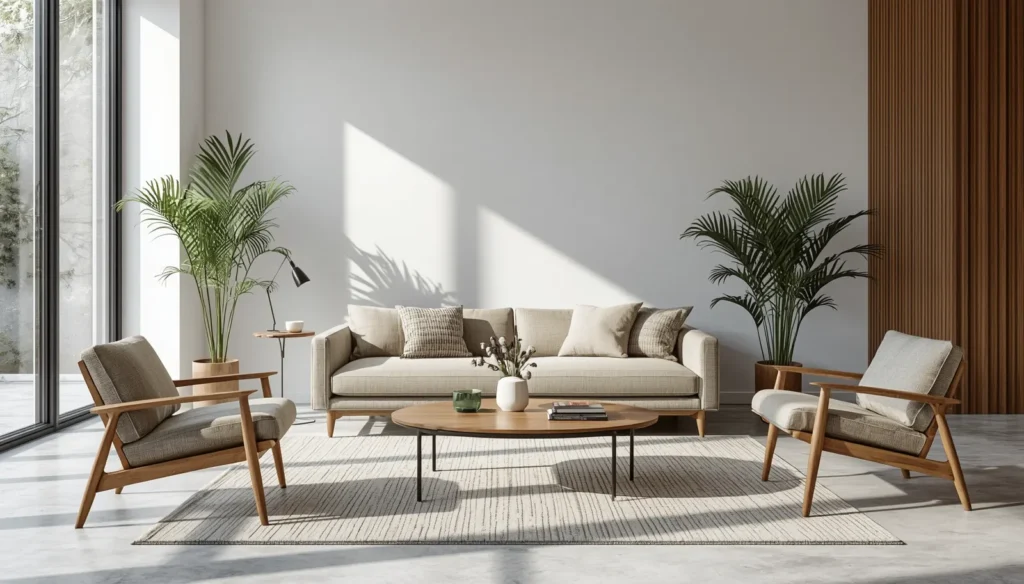
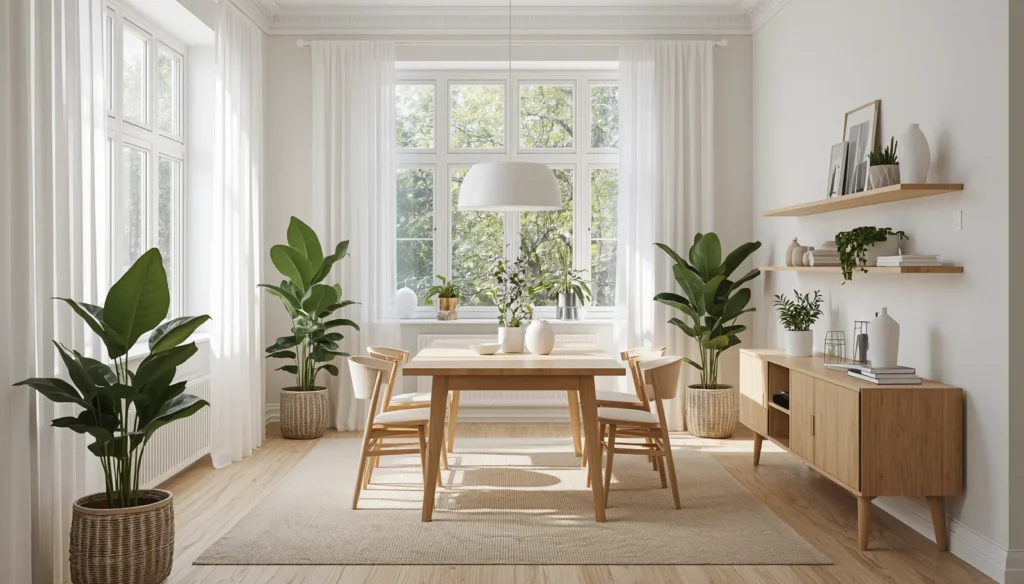
Heavy, solid furniture weights down a room by blocking the floor from view. When you select tables and chairs with long, thin legs, you allow light and sightlines to pass straight through the pieces. This optical illusion tricks the brain into perceiving a larger total floor area because the boundaries remain fully visible. Choosing pieces with open bases prevents the room from feeling blocked.
Consider choosing mid-century modern designs or minimalist metal frames that lift the main bulk of the furniture high off the ground. When people can see the flooring extending underneath the seating arrangement, the entire zone feels instantly unconfined. This simple modification shifts the focus from structural limitations to open air. Exposed legs create a sense of fluid movement and continuous flooring.
Maximizing Negative Floor Space
Arranging these slender items requires careful positioning away from tight entryways. Leaving even a few inches of negative space around a delicate chair leg enhances the feeling of breathability. This approach proves that spatial comfort depends heavily on what your eye can see beneath the surface. When floors remain clear, the layout feels intentional and uncrowded.
2. Incorporate Integrated Banquette Seating Against Walls
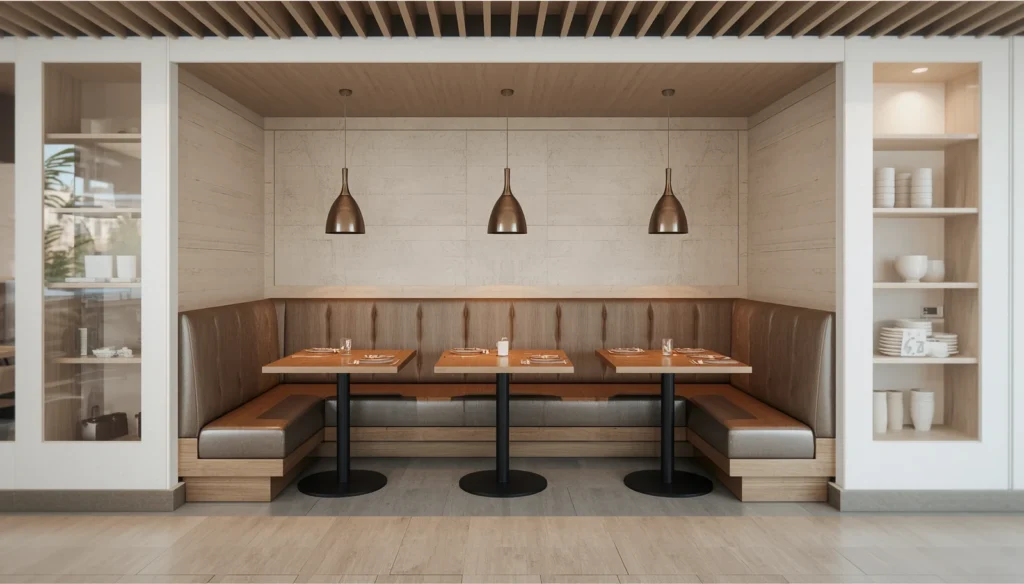
Standard dining chairs require significant clearance behind them so people can pull them out comfortably. Pushing a built-in bench or banquette directly against a structural wall eliminates this dead zone entirely. You instantly reclaim valuable square footage that would otherwise be wasted on chair movement. This structural alignment shifts the usable boundary of the room outward.
In a historic townhouse renovation project managed by designer Sarah Jennings, a narrow four-foot niche became a functional eating area. By building a custom storage bench directly into the drywall and pairing it with a pedestal table, the client cleared twenty inches of walkway space. This layout change enabled a family of four to eat together without blocking the main kitchen entry pathway.
Utilizing Hidden Storage Solutions
Banquettes also offer hidden storage opportunities beneath the cushions, which keeps dining accessories out of sight. Eliminating standalone sideboards or china cabinets prevents the room from feeling crowded. Keeping the floor clear remains a reliable method for establishing an open environment that handles daily traffic smoothly.
3. Select Round or Oval Tables to Soften Traffic Paths
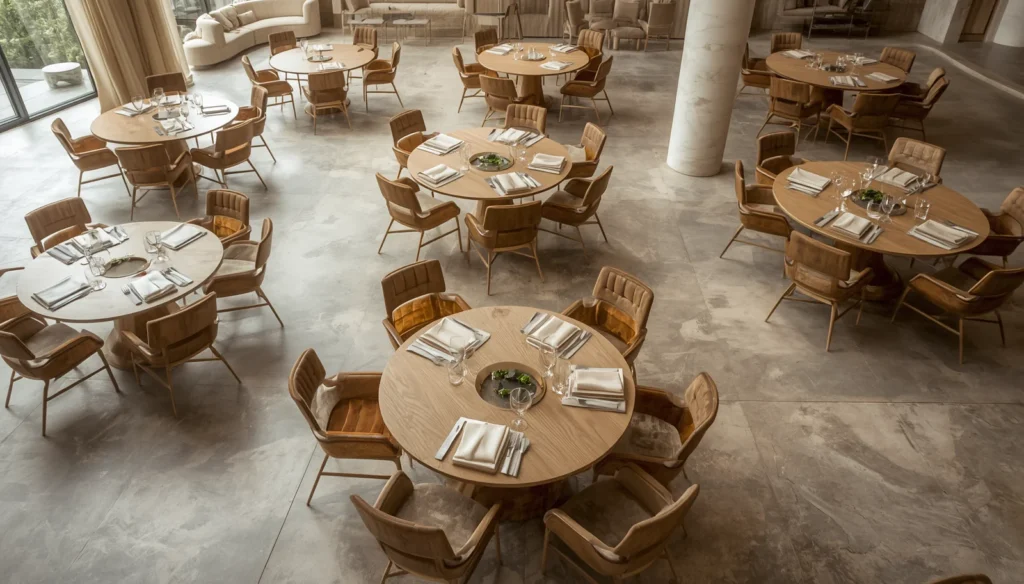
Sharp corners on square or rectangular tables demand strict clearance angles and often cause collisions in tight quarters. Round tables eliminate these harsh edges, so family members slide past easily without bumping into furniture. The curved geometry naturally encourages fluid movement throughout the room. Corners often slice up visual space, whereas curves unify it.
A central pedestal base provides another distinct advantage over traditional four-legged designs. Pedestal bases offer extra legroom and enable tucking chairs completely under the table when they are not in use. This configuration increases available walking space during hours when you are not eating. It simplifies the room geometry by removing unnecessary vertical posts.
Balancing Proportions and Clearances
When choosing a round table, look for a diameter that leaves at least thirty-six inches between the table edge and the wall. This balance ensures the room remains functional while maximizing seating efficiency. The absence of sharp boundaries creates an inviting, inclusive dining experience that feels larger than its physical boundaries.
4. Prioritize Natural Light with Low-Profile Window Treatments
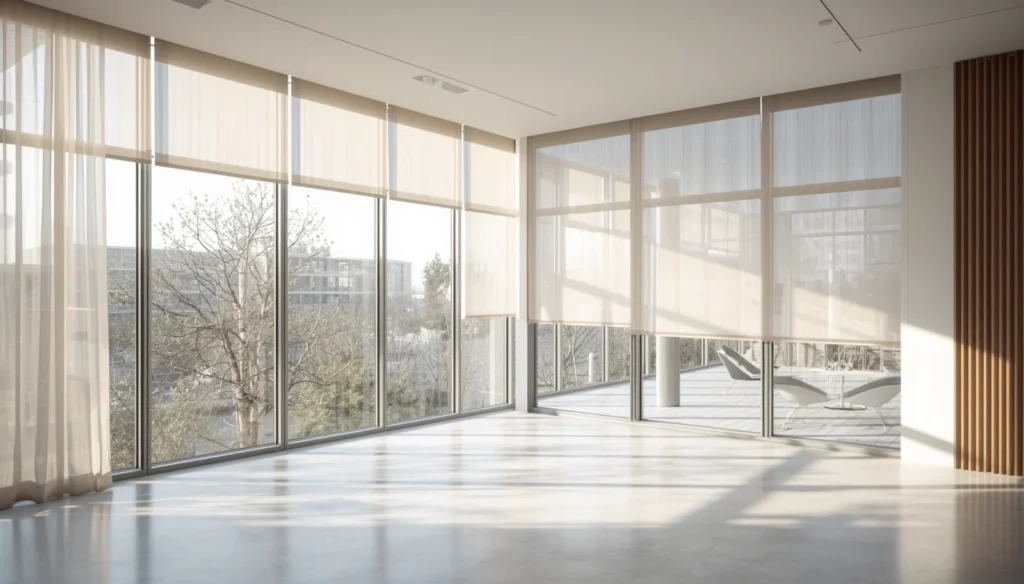
Heavy draperies and thick curtains absorb light and visually shrink the borders of a small room. Opting for minimalist roller shades, light filtering woven woods, or sheer linen panels keeps the windows uncovered during daytime hours. Increasing natural illumination washes away dark corners that make spaces feel restrictive. Bright rooms always feel larger than dim ones.
Positioning your table near the primary window source links your indoor environment with the outside view. This connection extends the visual boundary of your home past the actual glass pane. Natural sunlight bouncing off surfaces creates a bright, energetic atmosphere that feels inherently spacious. It alters how the mind perceives the true perimeter of the room.
Unobstructed Light Paths
Avoid placing tall furniture pieces directly in front of these light sources. Unobstructed windows allow the sun to track across the floor, highlighting the open space. This strategy connects the interior layout with the natural progression of daytime brightness.
5. Use Monochromatic Color Palettes to Blur Spatial Boundaries
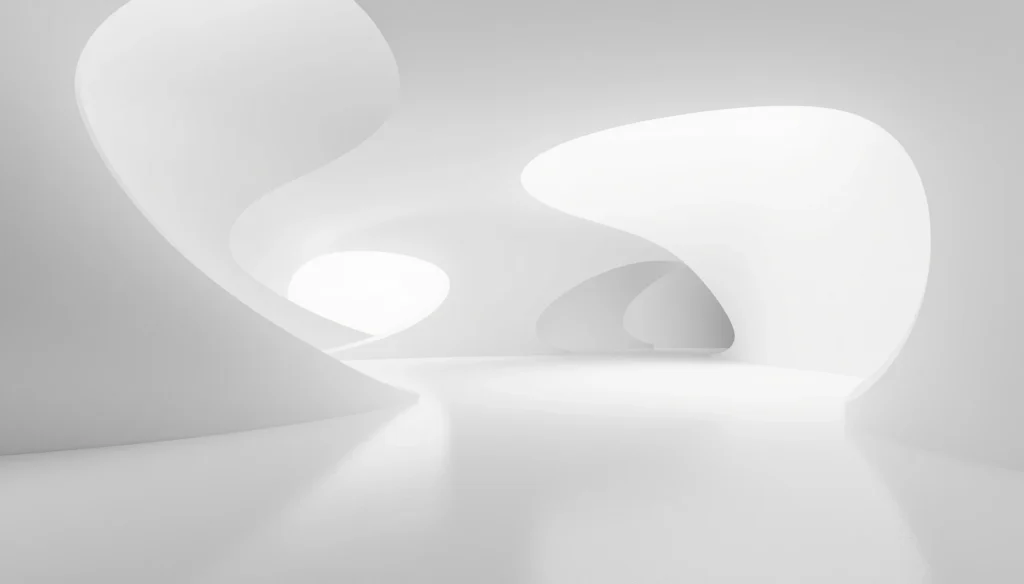
High contrast paint schemes break a room into distinct, choppy segments that draw attention to confined dimensions. Painting the walls, baseboards, and ceiling in identical or highly similar soft tones creates a continuous visual plane. Without hard color breaks, the human eye struggles to find where the walls end and the ceiling begins.
Soft whites, muted greys, or warm creams reflect ambient light efficiently throughout the day. Selecting furniture that matches these wall tones further enhances the illusion of openness. The furniture pieces blend into the background rather than standing out as large obstacles. This reduction in visual noise brings a calming serenity to the dining area.
Creating Depth via Texture
Texture can replace color contrast to keep the design interesting without shrinking the room. Introduce tactile elements like a woven linen tablecloth or a matte ceramic vase. These subtle variations provide depth while keeping the monochromatic spatial expansion completely intact.
6. Hang Strategic Mirrors to Duplicate Visible Depth
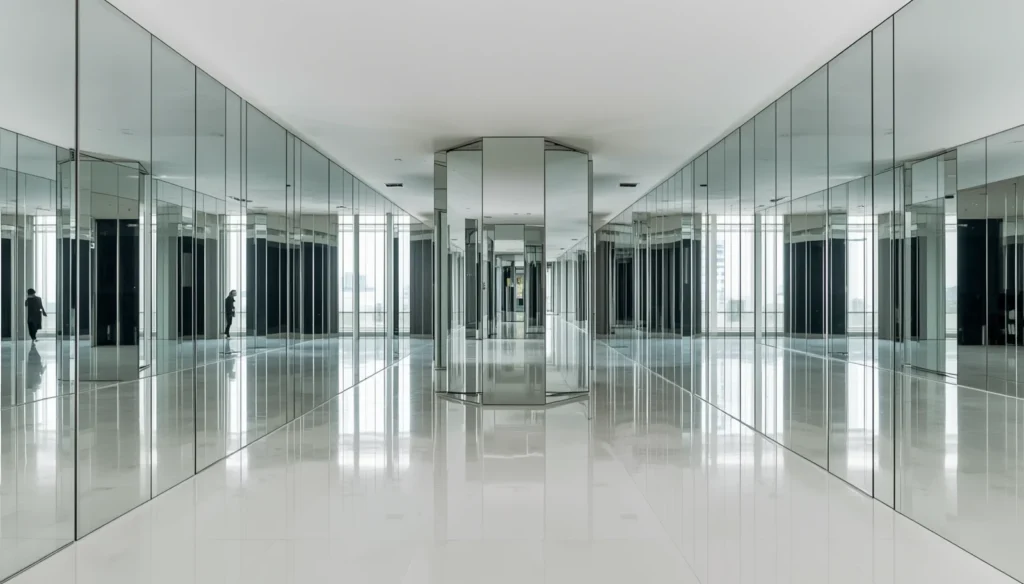
Mirrors act as artificial windows that instantly trick the mind into seeing double the actual physical space. Placing a large, oversized mirror opposite a window or an opening to an adjacent room captures and redirects light. This placement creates an impression of an extended floor plan where none exists. The reflection breaks the solid finality of a drywall barrier.
An apartment layout in Chicago faced severe light deprivation due to neighboring buildings. The resident replaced heavy upholstered dining chairs with clear polycarbonate seating and hung a frameless antique mirror opposite the window. The reflective surfaces immediately distributed the limited afternoon sun across the room, making the tight six-by-eight corner feel twice its actual size.
Mirror Profiles and Frame Selections
Frameless designs or thin metal profiles work best because they do not introduce unnecessary visual bulk to the wall surfaces. The goal is to make the mirror look like a portal rather than a heavy piece of wall art. This design choice provides immediate depth with minimal installation effort.
7. Deploy Wall-Mounted Lighting to Clear Surface Space
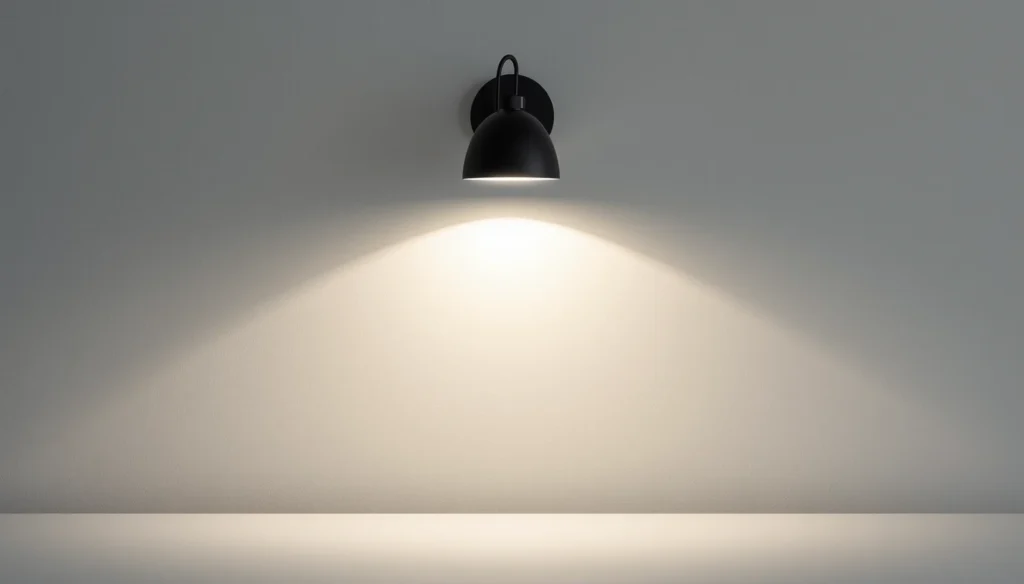
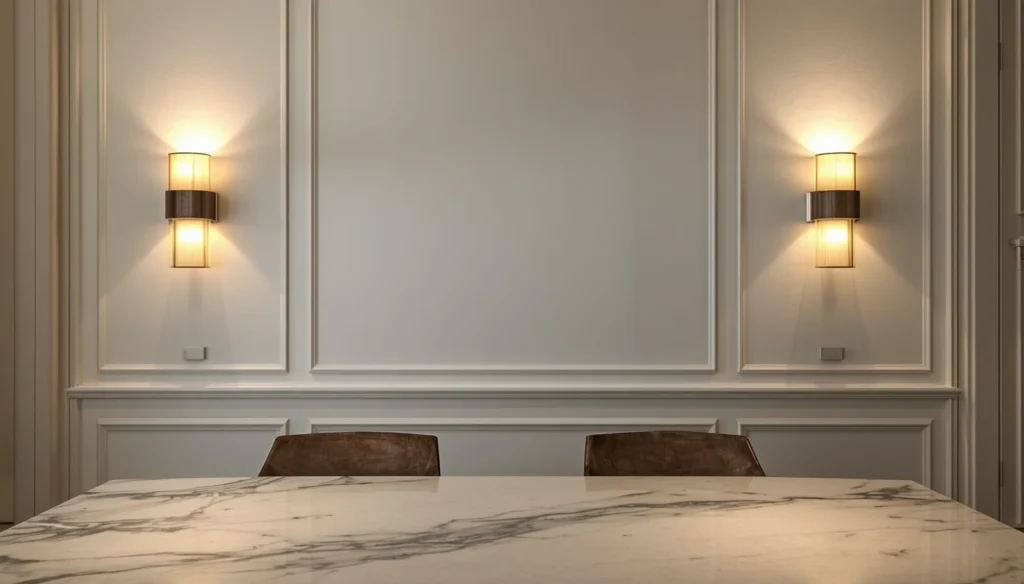
Bulky floor lamps and wide table lamps consume valuable floor space and tabletop real estate. Shifting your ambient illumination to wall-mounted sconces or a hanging ceiling pendant keeps surfaces completely clean. This adjustment leaves the dining table free for meals and decorative items. It creates a cleaner look across the eye-level horizon.
Swing-arm sconces provide exceptional flexibility because you can adjust the light direction based on your current activity. Pointing light upward toward the ceiling draws the eye vertically, emphasizing the height of the room. Highlighting vertical lines distracts from limited horizontal square footage.
Open-Weave Fixture Benefits
When installing a central hanging fixture, select an open-weave or glass design. A heavy, solid metal dome pendant acts as a visual block in the center of the room. A delicate, transparent fixture provides ample light while remaining visually weightless.
8. Invest in Transparent or Acrylic Chairs
Transparent furniture, often made from acrylic or polycarbonate material, possesses zero visual weight. Light passes directly through these ghost chairs, making them appear almost invisible in a tight room. You receive all the utility of sturdy seating without cluttering the visual field. The room appears uncluttered even when fully set for a large dinner.
These modern pieces pair exceptionally well with older wood or metal tables, creating a balanced aesthetic style. Because they lack solid color or texture, they do not compete with other design elements. Guests can appreciate the architecture of the room without facing a wall of chair backs.
Maintaining Clear Materials
Maintenance for these materials requires only a simple microfiber cloth to prevent scratches. Their durability makes them highly practical for daily use in busy households. Choosing transparency is a direct way to honor small spaces without compromising on seating numbers.
9. Establish a Singular Focal Point to Direct the Eye
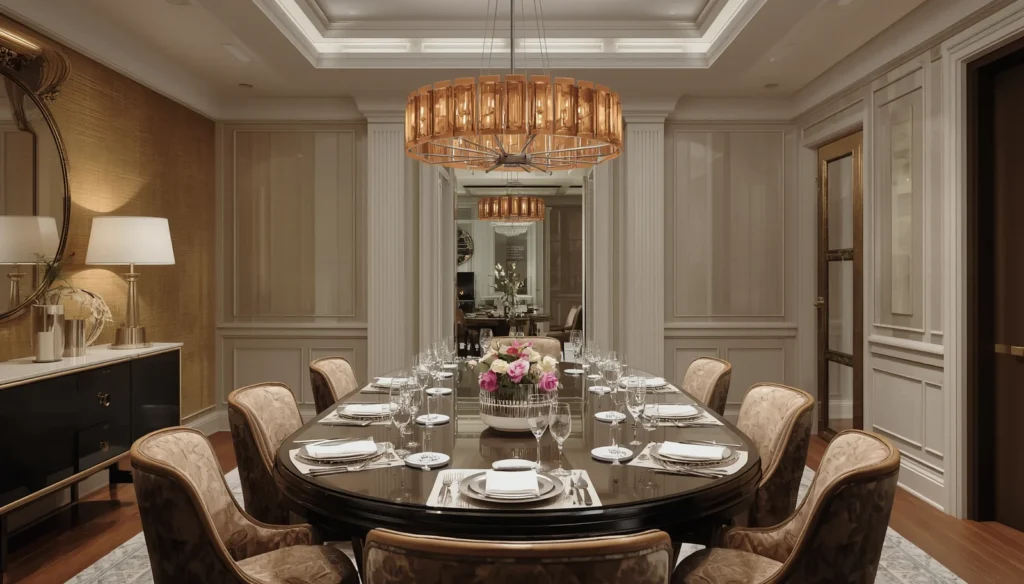
When a small space contains too many decorative objects, the eye darts around erratically, causing a sensation of clutter. Selecting one dramatic element, such as a unique light fixture or a single large painting, anchors the room. Visitors focus on that specific feature instead of noticing the restricted square footage.
Keep the remaining walls and surfaces clean and unadorned to support this primary design choice. A minimalist approach across the rest of the room gives the focal point breathing room. This deliberate contrast establishes a sense of luxury and intentional design. It tells the viewer exactly where to look first.
Utilizing Large Scale Art
For example, a striking oversized landscape painting on the main wall can draw attention forward. The scale of the art opens up the room by providing a sense of distance and horizon. This design decision proves that large items can sometimes make a small room feel grander.
10. Introduce Multi-Functional Drop-Leaf Table Varieties
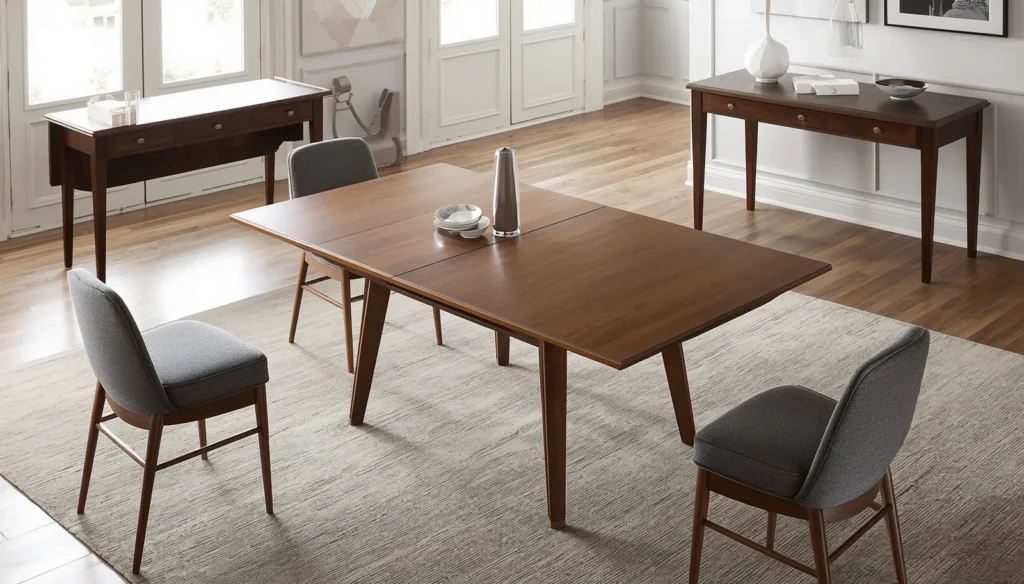
Fixed, large tables dominate a room permanently, even when you only need space for two people daily. A drop-leaf or extendable table offers structural flexibility that adapts to your changing immediate needs. You can drop the sides during the day to clear the room and raise them when entertaining guests.
This adaptability ensures your home remains comfortable and responsive to real life situations. Storing the extra table leaves in a nearby closet prevents the dining zone from feeling permanently restricted. Choosing furniture that transforms gives you full control over your floor plan.
Mechanical Reliability and Quality
Look for high-quality hinges and sturdy inner mechanisms when selecting these adaptable tables. A reliable mechanism ensures the transition from a compact console to a full dinner table remains simple. This functional versatility maximizes the utility of every square inch you own.
Wrap Up:
Creating an open and airy dining space depends on choosing furniture and layouts that respect visual weight. By prioritizing slender legs, transparent materials, and smart wall placements, you can easily alter the perception of a small room. Focus on natural light and continuous color choices to remove the feeling of physical boundaries. Implementing these small adjustments allows your dining area to become a comfortable, spacious hub for shared meals.
FAQs Section:
Q1: What type of dining table works best for a small, narrow room?
A1: A round or oval pedestal table works best because it eliminates sharp corners and provides greater flexibility for traffic flow.
Q2: How can I add seating to a tiny dining room without making it feel crowded?
A2: Installing a custom banquette bench directly against a wall reclaims walkway space and offers hidden storage to keep clutter away.
Q3: Do dark colors always make a small dining room feel smaller?
A3: Dark colors can work if applied uniformly across walls and trim, but light monochromatic palettes are generally more effective at reflecting light and expanding tight spaces.
Disclaimer:
The content shared by Fall Rugs is solely for research and informational purposes. Fall Rugs is not a professional interior design or home renovation consultancy, and the information provided should not be considered professional advice for home improvement or decor. All ideas and suggestions are based on current trends and general knowledge in the home decor industry.