
TL;DR
Creating an affordable outdoor fire zone relies on selecting inexpensive bulk materials like pea gravel and standard concrete retaining wall blocks. Homeowners can avoid high contractor fees by clearing the site, digging a shallow base, and using dry-stack construction methods. Proper safety clearances and smart seating choices ensure a functional, long-lasting gathering area.
Introduction
Property owners frequently assume that adding a functional outdoor fire feature requires thousands of dollars in professional masonry work. The reality is that smart material choices and strategic site layout yield an attractive gathering space for under three hundred dollars. This analysis details the exact steps needed to clear a site, choose stable materials, and arrange seating without overspending. Readers will learn the balance between safety requirements and cost-saving techniques for long-term backyard enjoyment.
Selecting Cost-Effective Materials for Hardscape Bases
The foundation of any budget hardscape layout dictates the final price tag of the project. Poured concrete and custom flagstone patios demand professional machinery and high labor rates, often costing upwards of twenty-two dollars per square foot. Shifting the material focus to bulk aggregates drops the price to less than four dollars per square foot. Pea gravel, crushed limestone, and decomposed granite offer excellent stability, natural drainage, and simple installation for a single weekend worker.
Using local quarries or bulk landscape supply centers instead of buying individual plastic bags from retail home centers cuts aggregate costs by nearly sixty percent. A typical twelve-foot diameter seating area requires roughly one to two cubic yards of gravel, depending on the depth of the excavation. Brands like Quikrete provide bulk calculation charts that help prevent over-ordering, keeping unnecessary expenses to a minimum.
- Pea gravel provides a comfortable walking surface that shifts naturally underfoot and prevents puddle formation.
- Crushed limestone packs down into a semi-solid surface, making it ideal for holding heavy outdoor chairs steady.
- Decomposed granite offers a rustic, southwestern aesthetic that binds well when compacted with a heavy hand tamper.
- Standard landscape fabric prevents weed growth from undermining the stone bed, saving money on chemical weed killers later.
- Plastic or metal landscape edging keeps the loose aggregate contained within the designated circle, protecting the surrounding lawn.
Aggregate Depth and Compaction Requirements
Achieving a firm footing requires digging down at least three inches into the native soil before pouring any loose stone. Uncompacted dirt settles unevenly over time, which causes patio furniture to wobble and rock. Renting a manual hand tamper from a local hardware outlet like Lowe’s for fifteen dollars a day allows for proper compaction of the soil subgrade before the aggregate layer goes down.
Comparing Pre-cast Blocks to Natural Stones
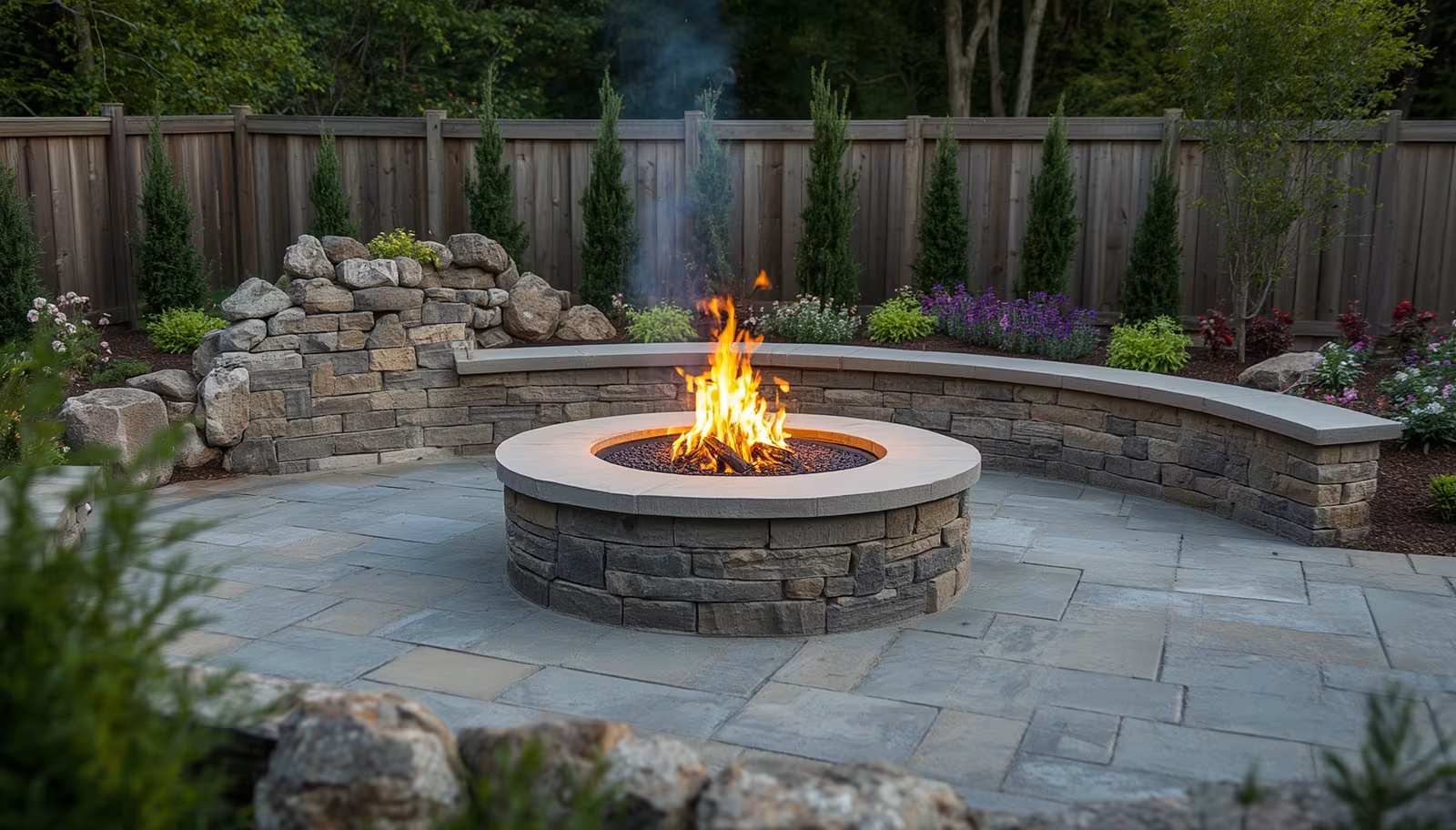
For the fire ring itself, commercial wall blocks offer the most predictable budget outcome. Standard trapezoidal retaining wall blocks from Pavestone cost between two and four dollars per unit. A standard three-foot diameter fire ring requires roughly twelve to fifteen blocks per layer, meaning a three-layer high ring costs less than one hundred dollars in raw masonry.
Site Preparation and Safety Clearances
Skimping on site preparation leads to structural shifts during winter freeze-thaw cycles and increases fire hazards. A primary error in amateur backyard design involves placing fire zones too close to wooden structures, vinyl siding, or low-hanging tree canopies. Dry leaves, overhanging oak branches, and wooden privacy fences can ignite from drifting embers carried by unpredictable wind currents.
Establishing a minimum ten-foot clearance zone from all property structures, utility lines, and boundary lines keeps the home compliant with standard municipal fire codes. Before swinging a mattock or a spade shovel, calling local utility marking services ensures no shallow gas lines or fiber optic cables cross the path of excavation. Digging blindly presents severe safety risks and potential financial liabilities for repaired utility lines.
- Clearance parameters dictate a ten-foot minimum safety buffer from vinyl siding, wooden decks, and property boundaries.
- Overhead checks must confirm the absence of power lines, telephone wires, or low-hanging tree branches.
- Subsurface verification via local utility hotlines protects underground infrastructure from accidental shovel damage.
- Sloped yards require flat grading to prevent burning logs from shifting or rolling out of the fire pit ring.
- Sod removal must cut deep enough to pull up grass root systems, preventing future weed invasions through the gravel.
Grading Methods for Sloped Yards
When the chosen backyard location features a slight slope, building a small timber retaining wall on the low side creates a level terrace. Utilizing pressure-treated four-by-four timbers pinned together with steel rebar offers a low-cost solution compared to stone retaining walls. Leveling the dirt within this frame creates a safe, flat zone where chairs sit evenly without sliding.
Tools Required for Efficient Ground Clearance
Manual site preparation requires a sharp square-nosed shovel, a bow rake for smoothing the soil, a leveling tool, and a string line tied to a central stake. Marking the outer perimeter with bright marking paint guides the shovel path accurately. Spending an extra hour ensuring the raw dirt floor is perfectly level prevents thin spots in the gravel base.
+-------------------------------------------------------------+
|               MINIMUM SAFETY CLEARANCE ZONE                 |
|                                                             |
|   [ Wooden Fence / House Wall ]                             |
|                |                                            |
|                |<----------- 10 Feet Minimum -------------->|
|                |                                            |
|        +---------------+                                    |
|        |  Gravel Base  |                                    |
|        |   +-------+   |                                    |
|        |   | Fire  |   |                                    |
|        |   | Ring  |   |                                    |
|        |   +-------+   |                                    |
|        +---------------+                                    |
+-------------------------------------------------------------+
Dry-Stack Assembly and Ring Installation
Assembling the actual fire ring requires no wet mortar or professional masonry skills if the design utilizes a heavy steel liner insert. Heavy-gauge steel rings shield the outer concrete blocks from direct flame contact, preventing thermal shock. Without a steel insert, standard concrete blocks absorb moisture, expand rapidly under intense heat, and crack or crumble within the first season of use.
A homeowner in Columbus, Ohio named Darren demonstrated this scenario by assembling a forty-inch fire ring using basic landscape blocks without a liner. During a damp evening gathering in October, the internal moisture in the blocks turned to steam, causing two units to split open loudly. Inserting a standard thirty-six-inch round steel fire ring rim from a farm supply store stops this structural failure completely.
- Steel liners take the brunt of the heat, extending the lifespan of the surrounding decorative masonry blocks.
- Dry-stacking blocks without mortar allows the ring to flex slightly during ground shifts without cracking the joints.
- Staggering the vertical joints between block layers maximizes the structural integrity of the circular wall.
- Placing two inches of industrial lava rock or paver sand inside the bottom of the ring protects the underlying soil.
- Leaving small half-inch gaps between a few blocks on the bottom tier introduces oxygen, reducing heavy smoke output.
Setting the First Layer of Blockwork
The longevity of the dry-stack wall depends on the flat placement of the initial layer of blocks. Laying down a thin, one-inch bed of leveling sand beneath the first tier allows for micro-adjustments using a rubber mallet. Checking each block with a small torpedo level prevents the entire ring from leaning as more layers sit on top.
Managing Airflow to Minimize Smoke
A tightly sealed fire pit starves the coals of oxygen, resulting in a smoldering fire that produces thick, irritating smoke. Leaving two small openings on opposing sides of the base layer creates a natural draft. This cross-ventilation pulls fresh air into the base of the fire bed, causing the wood to burn hotter, cleaner, and with far less ash discharge.
Budget-Friendly Seating and Perimeter Accents
Once the hardscape base and fire ring sit firmly in place, furnishing the perimeter completes the outdoor room. Buying high-end teak or wrought iron patio sets can easily blow a budget, but alternative seating solutions offer comfort at a fraction of the cost. Simple wooden Adirondack chairs from brands like IKEA provide ergonomic seating that withstands seasonal weather changes when coated with exterior sealant.
For a rustic look, sourcing fallen tree logs cut to even eighteen-inch heights yields sturdy, natural stools that cost nothing but the time spent with a chainsaw. Sanding the tops of the log rounds smooth and applying a coat of clear outdoor polyurethane prevents rot and eliminates splinters. Arranging these seats around the perimeter creates an inviting atmosphere suitable for autumn gatherings.
- Resin Adirondack chairs from local home improvement centers offer lightweight, weather-resistant seating under forty dollars each.
- Upcycled wooden pallets can be dismantled and rebuilt into rustic perimeter benches with basic wood screws.
- Solar-powered LED string lights hung from simple wooden landscape timbers provide ambient night illumination without electrical wiring.
- Outdoor rugs from brands like Ruggable add color, catch stray ash particles, and define the boundaries of the seating zone.
- Potted perennial herbs like rosemary or lavender placed around the perimeter act as natural, low-cost mosquito deterrents.
Lighting the Surrounding Landscape
Illuminating the path leading to the fire pit prevents trips and falls over dark lawns. Inserting inexpensive solar stake lights along the walkway requires zero electrical knowledge and functions automatically at dusk. For overhead illumination, burying the base of eight-foot wooden posts inside planters filled with concrete creates stable supports for hanging outdoor string lights.
Budget Furniture Comparisons
The table below compares common low-cost seating options suitable for a gravel hardscape base based on price, durability, and required assembly time.
| Seating Type | Average Cost Per Unit | Lifespan Expectancy | Assembly Effort |
| Resin Adirondack Chairs | $25 – $45 | 3 – 5 Years | None (Pre-molded) |
| Treated Log Stools | $0 – $10 | 2 – 4 Years | Low (Chainsaw work) |
| Wooden Pallet Benches | $15 – $30 | 4 – 6 Years | Medium (DIY construction) |
| Steel Folding Bistro Chairs | $35 – $60 | 5 – 8 Years | None (Unfold to use) |
Maintenance Realities and Common Mistakes to Avoid
Long-term enjoyment of a low-cost fire pit requires understanding basic seasonal maintenance needs. Neglecting the accumulation of charcoal, ash, and unburned wood creates a sodden mess when rainwater collects inside the ring. Rain mixed with wood ash creates a highly alkaline paste that accelerates the rust process on steel inserts and stains surrounding stonework.
An effective maintenance schedule includes scooping out cold ash into a metal bucket after every three uses. Covering the fire pit opening with a vinyl or metal lid when not in use prevents rain from turning the interior into a muddy puddle. This simple prevention step saves money by doubling the functional lifespan of the steel liner insert.
- Ash removal must happen only after embers remain cold for a minimum twenty-four-hour period to prevent trash fires.
- Metal snuffer lids smother remaining coals quickly, keeping unwanted rain out and preventing midnight reignition events.
- Weed management entails pulling stray growth from the gravel base early before root systems anchor deep into the fabric.
- Block inspections involve checking dry-stacked units for cracks caused by accidental impacts or extreme winter weather.
- Gravel raking once every few months redistributes shifted stone, keeping the walking surface flat and neat.
Fixing Sinking Foundation Stone
When heavy rains cause a section of the gravel patio to sink, the remedy is straightforward and inexpensive. Raking back the top layer of pea gravel exposes the low spot in the underlying dirt base. Shoveling in a small amount of extra sand, compacting it down firmly, and pulling the gravel back over the area restores the flat surface without tearing up the entire patio.
Thermal Shock Hazards with River Rocks
Choosing the wrong stones to line the interior base of a fire ring presents an unnoticed safety risk. Smooth river stones collected from local streams contain trapped water molecules inside their porous structures. When subjected to rapid heat changes from burning firewood, this trapped water expands into steam, causing the river rocks to burst violently. Sticking to tested materials like volcanic lava rock or industrial paver sand protects guests from flying stone shards.
Wrap Up
Building an attractive, low-cost fire pit area depends entirely on methodical site preparation and sensible material choices rather than high-end budgets. Utilizing bulk pea gravel, pre-cast concrete blocks, and a basic steel liner creates a safe, durable backyard hub for minimal out-of-pocket costs. Regular maintenance like removing wet ash and covering the ring ensures the installation remains a functional outdoor feature for years. Proper layout distances and stable seating selections keep the area safe and enjoyable for family weekend gatherings.
FAQs Section
What is the cheapest material to use for a fire pit patio base?
Bulk pea gravel or crushed limestone represents the most economical choice, costing significantly less per square foot than poured concrete or flagstone. Buying these aggregates from local commercial quarries rather than individual plastic bags at retail centers yields the greatest savings.
Can concrete retaining wall blocks be used safely for a fire pit?
Yes, but they must be paired with a thick steel fire ring liner to protect the concrete from direct heat exposure. Without the metal liner, the moisture trapped inside standard concrete blocks can cause them to crack or break apart under high temperatures.
How deep should I dig the ground for a gravel fire pit area?
An excavation depth of three to four inches is optimal for creating a stable patio base. This depth allows for a solid layer of weed-blocking landscape fabric followed by enough compacted aggregate to support patio furniture without sinking.
Disclaimer
This content shared by Fall Rugs is solely for research and informational purposes. Fall Rugs is not a professional interior design or home renovation consultancy, and the information provided should not be considered professional advice for home improvement or decor. All ideas and suggestions are based on current trends and general knowledge in the home decor industry.