

TL;DR
Achieving a factory-smooth finish on interior architectural woodwork requires methodical surface preparation and the correct choice of waterborne alkyd levelling paints. Skipping the sanding phase or using incorrect tape techniques always results in visible brush strokes and premature paint peeling. Professional results depend entirely on understanding how modern coating chemistry reacts to various wood grains and old underlying layers.
Introduction
Why do some interior spaces look immediately sophisticated while others feel slightly unpolished despite expensive furniture? The secret almost always hides in the crispness of the architectural woodwork lines. Refinishing these narrow wooden borders requires a completely different approach than slapping a coat of latex onto a flat sheet of drywall. Readers will learn the exact mechanical steps, chemistry choices, and physical techniques required to transform old, dented baseboards into striking design assets.
The Chemistry of Modern Trim Coatings
Choosing the wrong paint can ruin hours of careful preparation work within minutes. Traditional oil-based paints used to be the gold standard for high-traffic woodwork because they dried slowly, allowing brush marks to level out into a sheet of glass. Environmental regulations changed that landscape completely, forcing manufacturers to innovate. Today, waterborne alkyds represent the peak of professional trim coatings, offering the durability of oil with the easy cleanup of water.
The residential design sector heavily relies on premium formulations like Benjamin Moore Advance or Sherwin Williams Emerald Urethane Trim Enamel for these demanding areas. These specific products employ a water-managed oil emulsion that remains open long enough to flow flat before the curing process locks the pigment into place. Applying a standard wall latex to a baseboard leads to a sticky texture known as blocking, which causes doors to stick to their frames and vacuum cleaners to leave permanent scuffs.
Amateur painters often try to thin these specialized coatings with water when they notice the liquid thickening during a long project session. This mistake breaks down the emulsion, leading to sagging along vertical corners and weak color retention over time. If the working environment is hot and dry, professionals rely on extenders like Floetrol to maintain a wet edge without compromising the chemical integrity of the polyurethane binders.
Mechanical Preparation and the Myth of Self-Leveling Paint
The most expensive gallon of semi-gloss enamel cannot hide an uneven surface or a poorly prepped knot in the wood grain. Many homeowners fall into the trap of believing that modern paint fills cracks and hides old imperfections automatically. Experienced crews know that painting moldings and trim is actually eighty percent prep work and twenty percent liquid application. Old homes with layers of lead-free latex often exhibit a orange peel texture that must be completely leveled before new coatings arrive.
Substrate Leveling Techniques
Perfect adhesion begins with breaking the glossy sheen of the existing paint layer through targeted abrasion. Experienced refinishers use two hundred and twenty grit silicon carbide sandpaper attached to flexible foam blocks to follow the complex contours of crown molding installation pieces without flattening the delicate details. Dust removal must be absolute, requiring a thorough vacuuming with a brush attachment followed by a wipedown using microfiber cloths lightly dampened with denatured alcohol.
Addressing Structural Gaps
Wood naturally expands and contracts with seasonal humidity shifts, creating ugly black gaps where the trim meets the drywall. Filling these voids requires a high-performance elastomeric sealant such as DAP Dynaflex Ultra rather than cheap painters putty. The bead must be wiped with a damp profile tool to create a clean concave joint, ensuring that the sealant stays inside the gap instead of smearing across the face of the wood.
Precision Brush Dynamics and Edge Control
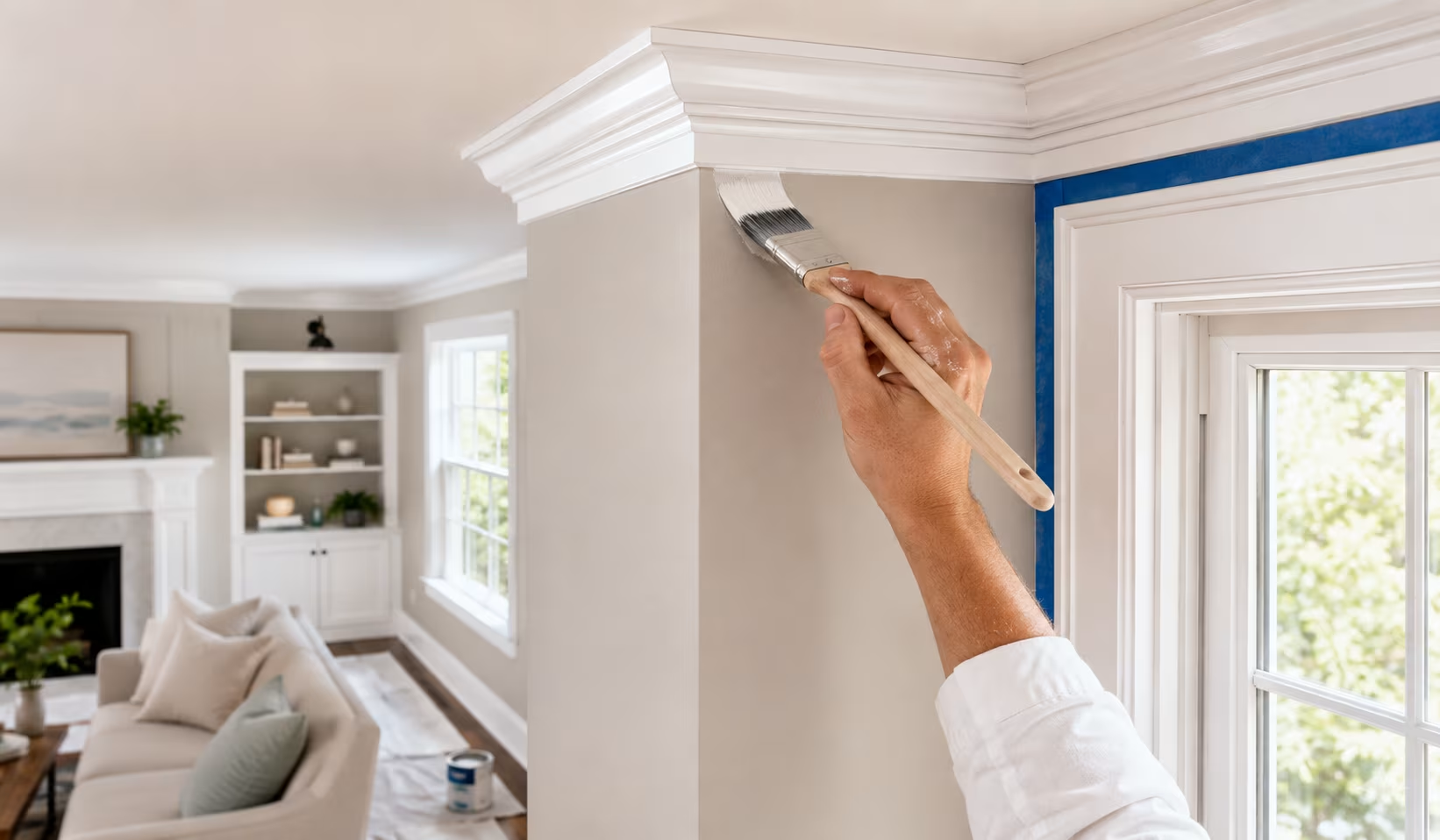
Watch a seasoned painter work a room, and you will notice they rarely rely on masking tape for every single foot of baseboard. They rely instead on muscle memory, correct body positioning, and a top-tier paint brush designed for the specific viscosity of the chosen coating. Cheap synthetic brushes from bargain bins split apart when hitting heavy enamels, leaving deep tracks that look terrible under bright morning light.
A two-and-a-half-inch angled sash brush made with a blend of nylon and polyester, like the Purdy Clearcut series, holds the ideal amount of paint while maintaining a sharp cutting edge. The painter loads the brush by dipping it only two inches into the bucket, tapping the inside wall gently rather than scraping the bristles bare against the rim. Scraping removes the paint from the outside of the brush where it is needed most to feed the line smoothly.
When tackling long horizontal runs of baseboard, the stroke should always start a few inches away from the completed section, moving back into the wet edge. This backward-motion technique prevents the accumulation of thick ridges at the starting points of each stroke. Keep the brush at a forty-five-degree angle to the wood surface, applying just enough pressure to let the bristles flex into a precise wedge that glides along the carpet line.
Realities of Color and Sheen in Modern Architecture
Selecting the right white or contrasting accent tone involves analyzing the natural light entering a space throughout the day. A popular designer tone like Benjamin Moore White Dove can look clean and creamy in a south-facing room but turn slightly green in a north-facing bedroom. Trim paint alters how we perceive room proportions, acting as a visual frame for the architectural art of the home.
High-gloss finishes reflect every single scratch, dent, and historical patch job on the wood surface. For this reason, modern designers are shifting toward satin or semi-gloss finishes for interior trim upgrades to provide durability without blinding reflectivity. If you are working on a historic home with wavy hand-planed moldings, a satin finish hides those imperfections while still providing a washable surface that withstands daily life.
Contrast trim painting has gained immense traction in contemporary interior design circles, with deep charcoals or muted earth tones gracing the woodwork against pale walls. When using a dark color over old white trim, skipping the priming step is an absolute guarantee of failure. A dedicated undercoat tinted toward the final shade ensures full opacity in two coats, saving time and preventing the underlying white from bleeding through the thin edges of the molding profiles.
A Tale of Two Renovation Approaches
Examining real-world implementation highlights why certain methodologies succeed while others fail under scrutiny. A recent historical restoration project in Savannah, Georgia, involved original heart pine casings covered in decades of cracked oil paint. The contracting team initially attempted to save time by applying a chemical deglosser over the old woodwork instead of undertaking a full mechanical sanding process.
Within three weeks of applying the topcoat, the fresh paint began to wrinkle and slide off the vertical window casings like wet wallpaper. The deglosser had failed to penetrate the accumulation of old furniture wax and tobacco smoke residue that had bonded with the historic paint over fifty years. The crew had to halt production, strip the casings down to bare timber using infrared heat tools, and start the coating process from scratch.
A contrasting project in a modern Austin, Texas, residence utilized pre-primed medium density fiberboard for a massive crown molding installation. The installer used a high-speed pneumatic nailer, countersinking the fasteners correctly but failing to seal the raw cut edges at the mitered corners. When the painter applied the waterborne enamel, the unprotected fiberboard absorbed the liquid instantly, swelling up like a sponge and ruining the geometric symmetry of the corners. The fix required cutting out the swollen sections and replacing them, proving that moisture control applies to paint just as much as it applies to roofing.
Wrap Up
Perfecting the appearance of interior architectural trim requires patience, mechanical discipline, and respect for modern coating technology. Beautiful results do not come from speed or expensive shortcuts, but from the deliberate execution of sanding, sealing, and controlled brushing. By prioritizing the invisible steps of surface preparation and choosing premium waterborne alkyd enamels, any patient painter can create a durable, glass-like finish that elevates the entire home.
FAQs Section
How long should baseboard paint dry before putting furniture back against the wall?
While waterborne alkyd enamels feel dry to the touch within a few hours, they require a full seven to fourteen days to cure to maximum hardness. Placing heavy furniture against the wood too early can cause blocking, where the paint permanently sticks to the back of the furniture item.
Why is the new paint peeling off my window trim when I pull off the painters tape?
This peeling happens because the paint dried completely over the tape, creating a continuous plastic film across the joint. To prevent this issue, scores the edge of the tape lightly with a sharp utility knife before removal, or pull the tape away while the second coat of paint is still slightly wet.
Can I apply water-based paint directly over old oil-based trim coatings?
No, applying water-based latex or enamel directly over glossy oil paint without preparation will cause the new layer to scratch off effortlessly. The surface must be thoroughly scuffed with sandpaper and coated with a high-bonding universal primer before applying the final coats.
Disclaimer
This content shared by Fall Rugs is solely for research and informational purposes. Fall Rugs is not a professional interior design or home renovation consultancy, and the information provided should not be considered professional advice for home improvement or decor. All ideas and suggestions are based on current trends and general knowledge in the home decor industry.