
TL;DR
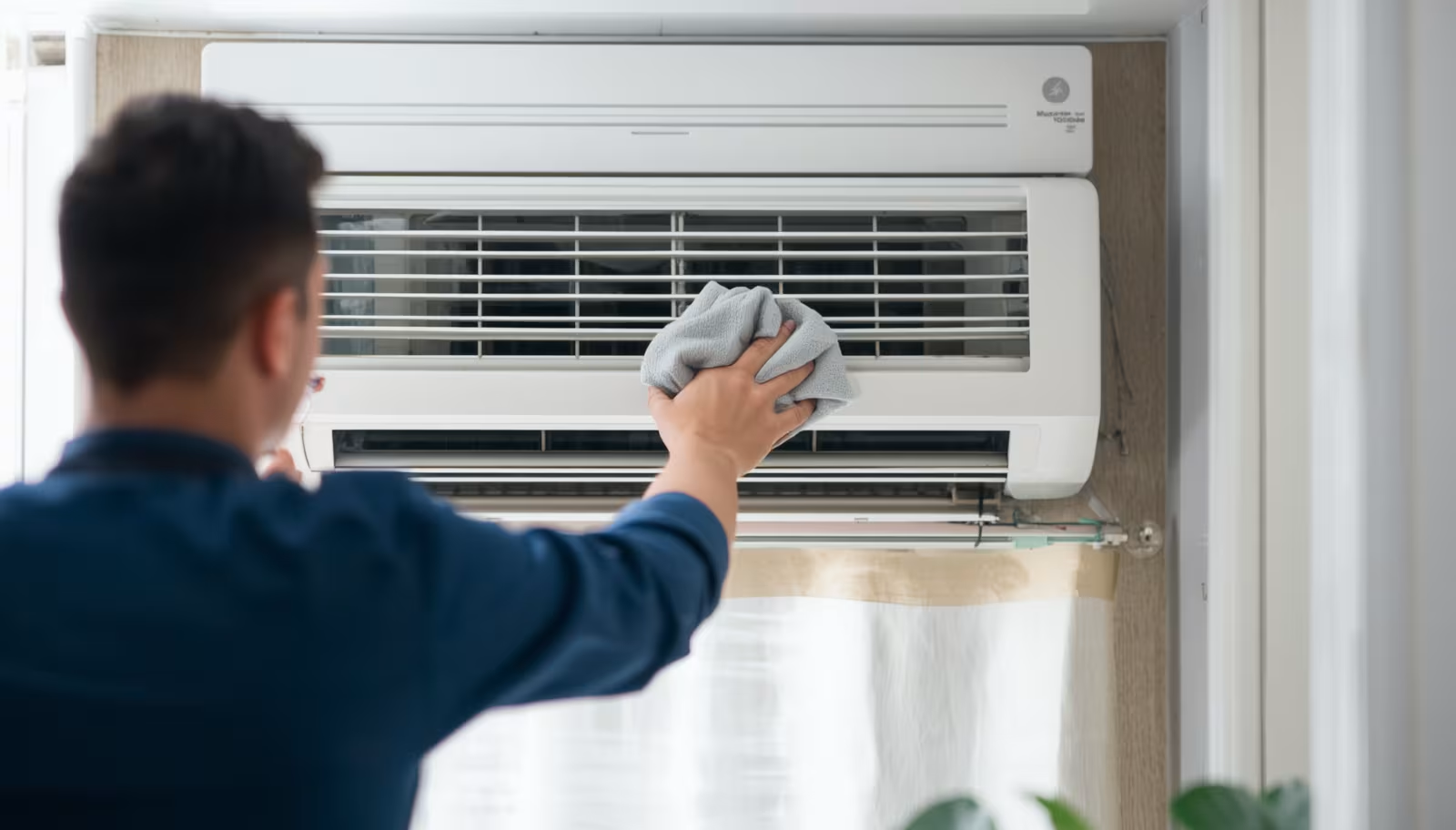
Cleaning a window air conditioner involves disconnecting the electrical power, removing the outer casing, and scrubbing the internal coils with specialized or household cleaners. Straightening the aluminum cooling fins and clearing the primary drainage channel ensures optimal heat exchange and stops biological growth. Regular maintenance reduces domestic energy consumption and prevents premature compressor failure during peak seasonal operations.
Introduction
Does your window air conditioner emit a musty odor when you turn it on during hot summer afternoons? Accumulations of organic dust, pollen, and ambient moisture create a perfect breeding ground for fungal spores inside these compact cooling machines. Cleaning the system yourself saves expensive professional maintenance fees and preserves the operational life of the hardware. This detailed technical walkthrough explains exactly how to open, wash, and optimize your cooling unit using basic household items.
Preparing the Workspace and Gathering Required Tools
Safely servicing an cooling appliance requires a stable work environment and specific manual implements. Homeowners often make the error of attempting a deep clean while the machine sits balanced precariously in an open window frame. This practice risks heavy physical drops, structural damage to the window sill, and incomplete access to the rear condenser components.
You must transport the entire mechanical system to an outdoor location like a concrete patio, spacious driveway, or wide utility washbasin before loosening any structural screws. Lay down a thick plastic drop cloth or heavy canvas tarp to shield surfaces from acidic chemical runoff and greasy sludge. Having the correct gear ready before you loosen the outer casing minimizes delays and keeps the workspace highly organized.
Selecting Safety Equipment and Hand Tools
- Personal protective wear: Heavy-duty rubber gloves, wrap-around eye protection goggles, and an N95 dust mask safeguard your respiratory tract from airborne mold spores and chemical spray drift.
- Manual screwdrivers: A standard number two Phillips-head screwdriver and a flathead screwdriver remove the majority of exterior metal casing fasteners.
- Nut drivers or socket wrenches: Many industrial brands use a quarter-inch or five-sixteenths hex-head sheet metal screw to secure internal bracing.
- Fin comb tool: A dedicated multi-gauge plastic or stainless steel fin comb straightens delicate, bent aluminum heat-conducting strips on the coils.
Assembling Cleaning Solutions and Brushes
- Soft-bristled brushes: A nylon nylon detail brush, a clean one-inch paintbrush, and an old soft toothbrush clear debris without puncturing internal copper refrigeration tubes.
- Commercial coil spray or household alternatives: Commercial self-rinsing foaming coil cleansers dissolve baked-on oils, while a mix of warm water, Dawn dish soap, and white vinegar works safely for standard maintenance.
- Pressurized water source: A standard garden hose outfitted with an adjustable spray nozzle supplies adequate rinsing pressure without the destructive force of an industrial power washer.
- Absorbent microfiber cloths: Several clean towels dry internal metal trays and plastic fan cowlings before final reassembly.
Step-by-Step Mechanical Disassembly and Outer Panel Extraction
Isolating the electrical systems represents the single most critical safety point during this entire maintenance procedure. Physical shock hazards exist if the machine stays connected to a standard 120-volt or 240-volt wall outlet while you handle internal metal frames. Unplug the heavy-duty three-prong electrical cord from the wall outlet and wrap it neatly in a small plastic bag sealed with electrical tape to keep the plug entirely dry.
Remove the front plastic faceplate or decorative air intake panel by releasing the plastic snaps or small perimeter screws holding it to the chassis. Most brands place these fasteners near the bottom edges or directly behind the filter access door. Set the detached plastic cover aside on your workspace tarp to protect the exterior finish from deep scratches.
Removing the Primary Air Filter
Slide the mesh slide-out air filter upward or outward depending on the layout of your specific model. Inspect the woven nylon mesh closely under a bright utility light for punctures, tears, or frame warping. If the filter shows physical structural damage, source an exact replacement part online using your unit model number. Wash a dirty but structurally intact mesh screen in a shallow basin filled with warm water and two tablespoons of liquid dish soap.
+-------------------------------------------------------------+
|              WINDOW AC CLEANING CHECKLIST                   |
+-------------------------------------------------------------+
| [ ] Disconnect power plug and seal with waterproof tape     |
| [ ] Remove front plastic faceplate and slide out mesh filter|
| [ ] Extract exterior sheet metal shroud screws               |
| [ ] Slide out internal chassis from the outer metal casing  |
| [ ] Spray evaporator and condenser coils with coil cleaner |
| [ ] Straighten bent aluminum fins with an AC fin comb      |
| [ ] Clear the primary condensate drain hole of blockages    |
| [ ] Dry internal components fully before reassembly         |
+-------------------------------------------------------------+
Detaching the Shroud and Shifting the Inner Chassis
Locate the series of small sheet metal screws running along the bottom side tracks and back perimeter of the outer steel cabinet shroud. Store these small fasteners safely inside a magnetic parts tray or a labeled plastic cup to prevent loss during washing. Carefully grip the heavy internal metal base pan and slide the interior mechanical chassis forward out of the protective metal wrapper.
Ask a helper to steady the exterior cabinet while you pull if the metal slides feel jammed by years of accumulated outdoor dirt or window caulking residue. The raw edges of industrial sheet metal casing are incredibly sharp and easily cut bare skin. Wear thick leather work gloves during this specific step to prevent hand injuries.
Deep Cleaning Coils and Flushing the Drain Pan
The aluminum fins surrounding the internal copper loops require focused attention because they handle the bulk of the thermal energy exchange. The front evaporator coil pulls ambient heat and moisture from your indoor air, making it damp and highly prone to catching household dust. The rear condenser coil expels that captured heat outdoors, leaving it vulnerable to outdoor pollen, spiderwebs, and windblown soil.
Avoid using high-pressure pressure washers on these thin aluminum surfaces. High water pressure instantly folds the soft metal over itself, blocking future airflow and causing the compressor to overheat. Keep the garden hose spray nozzle set to a gentle, wide fan pattern, or rely on a hand-pumped garden chemical sprayer to apply water safely.
Treating the Front Evaporator and Rear Condenser Coils
Coat the front surface of the evaporator coil with an even layer of foaming coil cleanser, letting the active chemistry work for fifteen minutes. The foam penetrates deep between the narrow metal layers, lifting trapped grime to the surface. Spray the outdoor condenser coil with the same material, ensuring the fluid reaches the rear faces where dirt bakes under direct sunlight.
Rinse the chemical cleaner away by angling your water spray directly straight through the fins from the inside out. This directional spraying pushes the trapped mud and plant matter outward rather than wedging it deeper into the core. Work slowly from the top edge down to the bottom base tray until the exiting water flows completely clear.
Clearing the Condensate Tray and Drain Channels
Scrub the bottom stamped steel pan where condensed water pools before draining outside. This dark, wet location often fills with a thick layer of bacterial slime and green algae that blocks the small exit holes. Use a stiff nylon bottle brush or an unbent coat wire to punch through the rear drainage port openings.
[Evaporator Coil (Front)] ---> [Condensate Basin Pan] ---> [Rear Drain Port Hole (Back)]
Clean the pan with a solution of one cup of white vinegar mixed with warm water to kill remaining fungal spores and neutralize bad smells. Ensure the liquid drains freely out of the rear weep holes without backing up into the front indoor side of the base pan. Wipe the metal surfaces down with a clean microfiber cloth to check for rust holes that might leak water onto indoor walls.
Repairing Cooling Fins and Servicing the Fan Assembly
Bent aluminum fins severely restrict critical airflow, forcing the internal fan motor to draw more electrical current while reducing overall cooling performance. Examine the face of both the front and rear coil structures for flat spots caused by accidental handling or hail storms. A dedicated fin comb tool resolves this issue by sliding perfectly between the tiny metal channels to restore original spacing.
Match the teeth spacing of your fin comb to the specific number of fins per inch on your cooling unit, which usually ranges from 12 to 15 fins per inch. Insert the tool teeth gently just below or above the damaged area where the lines remain straight. Pull the tool smoothly through the crushed section to pull the bent metal back into alignment.
Degreasing the Fan Blades and Motor Area
Locate the dual-surface blower fan system, which usually features a curved squirrel-cage blower wheel for indoor air and a ringed propellor blade for outdoor air. Wipe away heavy layers of greasy lint from each individual blade using a soft rag dipped in warm water and Dawn dish soap. Clean fan blades stay balanced, reduce motor vibration noise, and move significantly more air per revolution.
Many modern window cooling units use factory-sealed fan motors that do not require manual lubrication. Look closely for small rubber oil port plugs on the front or rear metal faces of the motor housing. If these ports are present, add two drops of lightweight SAE 20 non-detergent electric motor oil into each hole, then wipe away any excess.
Reassembling the Components and Installing New Seals
Allow the internal mechanical chassis to dry completely in the sun for several hours before sliding it back into the metal casing shroud. Moisture trapped inside electrical control dials or wire terminal blocks can cause short circuits when power returns. Realign the inner frame with the outer tracks, sliding the heavy compressor section back into place smoothly.
Replace all the exterior cabinet sheet metal screws, tightening them firmly with a manual screwdriver to prevent future frame rattles. Reinstall the freshly washed and completely dried nylon mesh air filter back into its front track. Wipe down the plastic outer faceplate with a damp cloth before snapping it back onto the front of the machine.
+-----------------------------------------------------------------+
|               MAINTENANCE ROIS AND SAVINGS METRICS              |
+-----------------------------------------------------------------+
| Operational Cost Savings:  10% to 15% reduction in power bills  |
| DIY Maintenance Expense:  $15 to $25 for basic cleaning supplies|
| Professional Fees Saved:   $120 to $180 per window cooling unit |
| System Life Extension:    2 to 4 years of additional utility    |
+-----------------------------------------------------------------+
Real-World Operational Scenarios and Performance Solutions
A practical example illustrates how simple dirt accumulations can degrade system operations and look like major mechanical failures. A homeowner in New Orleans noticed their Frigidaire 8,000 BTU window unit was constantly running without lowering the bedroom temperature below 78 degrees Fahrenheit. The air coming out of the front grille smelled distinctly like damp basement soil, and the machine made a loud humming sound every ten minutes.
The homeowner pulled the unit out of the window and found the indoor evaporator coil blocked by a thick mat of matted pet hair and household dust. This restriction stopped air from flowing across the chilling tubes, lowering internal pressures and causing ice to form across the metal face. Cleaning the blockage with a soft nylon brush and foaming spray dropped the room temperature to 72 degrees Fahrenheit while cutting the compressor run time in half.
Managing Environmental Challenges
Units operating near dirt driveways or industrial zones collect grime much faster than units running in clean suburban areas. Cottonwood trees, airborne pollen, and coastal salt air degrade aluminum surfaces through rapid chemical corrosion. If your unit runs in these challenging settings, clean the rear condenser coils twice per season to protect the system.
Inspecting Window Seals
Check the condition of the compressible foam weatherstripping seals around your window frame during reinstallation. Crumbled, dry-rotted foam allows hot, humid outdoor air to leak straight back into your air-conditioned room. Replacing old seals with fresh Frost King vinyl foam insulation tape improves room cooling speeds and blocks insects from entering.
Wrap Up
Cleaning a window air conditioner at home optimizes heat transfer efficiency, eliminates odor-causing mold, and lowers monthly electric bills. Taking the time to slide the chassis out of its shroud allows you to wash internal components that are otherwise impossible to reach. Performing this simple maintenance routine every spring ensures dependable, quiet cooling throughout the hottest summer months.
FAQs Section
Can I spray the inside of my window air conditioner with a garden hose?
Yes, you can spray the interior sections with a standard garden hose if the unit is completely unplugged and you avoid direct high-pressure water on the delicate electrical control box. Keep the water spray angled directly through the metal fins to flush out trapped dirt without bending the soft aluminum strips.
How do I clean a window AC unit without removing it from the window?
You can perform a basic cleaning in place by popping off the front plastic faceplate, removing the mesh filter, and vacuuming loose dust from the evaporator coil face with a brush attachment. However, deep cleaning to remove mold and clear clogged rear drain holes requires taking the unit down to remove the outer metal shell safely.
Why does my window air conditioner smell like dirty socks when running?
The foul odor happens when household dust, moisture, and indoor pet dander accumulate on the dark evaporator coil and base pan, creating a breeding ground for mold and bacteria. Deep cleaning the coils with a mix of white vinegar or commercial coil cleaner kills these organic growths and eliminates the bad smells.
Disclaimer
This content shared by Fall Rugs is solely for research and informational purposes. Fall Rugs is not a professional interior design or home renovation consultancy, and the information provided should not be considered professional advice for home improvement or decor. All ideas and suggestions are based on current trends and general knowledge in the home decor industry.