
TL;DR
Transforming a small kitchen requires a strategic focus on vertical storage, reflective surfaces, and bold color choices that challenge traditional design norms. By integrating lifestyle elements like bookshelves and outdoor transitions, you can turn a cramped utility space into a sophisticated domestic hub.
Introduction
Does your kitchen feel like a cluttered afterthought rather than the heart of your home? Most homeowners struggle with limited footprints that seem to resist both style and efficiency. You are about to discover how clever structural shifts and intentional aesthetic choices can create a stunning glow-up in even the tightest quarters. From optimizing your layout with smart entryway ideas to using color, light, and specialized furniture, We will look at specific ways to use color, light, and specialized furniture to make your small kitchen feel expansive and professional. For those seeking specific remodeling ideas, clever structural shifts and intentional aesthetic choices can make all the difference.
Reclaiming the Narrow Corridor
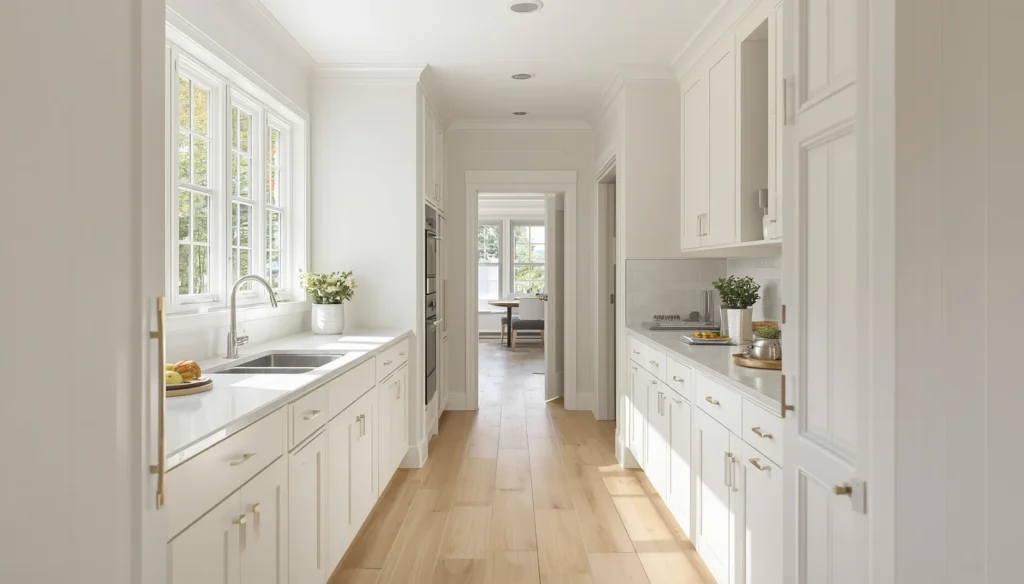
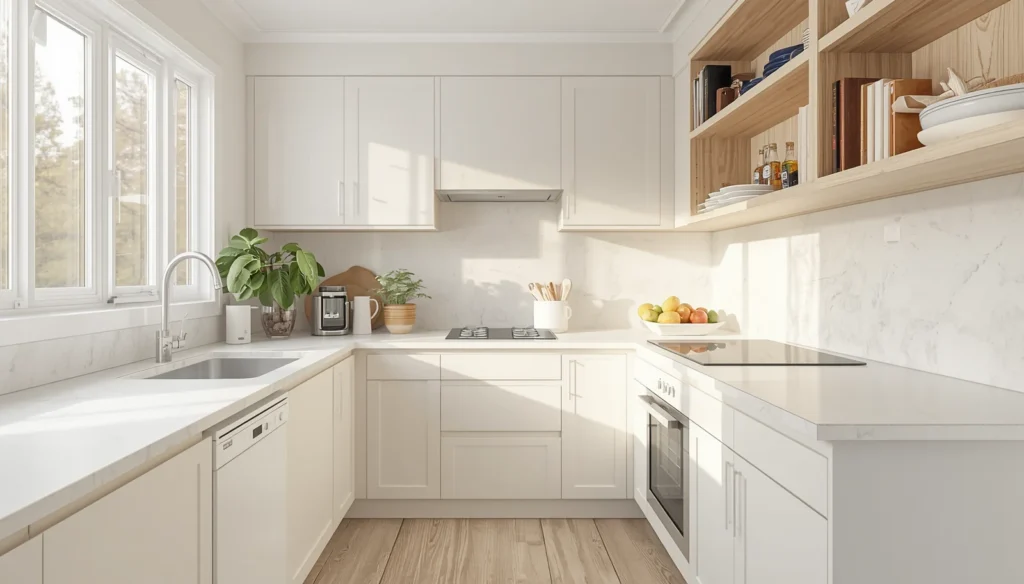
Narrow layouts often suffer from a suffocating tunnel effect that makes two people cooking at once feel impossible. High-end designers solve this by prioritizing long, unbroken horizontal lines that lead the eye toward a focal point, such as a window or a piece of art. This approach shifts the focus from the proximity of the walls to the length of the room. Using handle-less cabinetry and integrated appliances helps maintain a smooth surface that does not snag clothing or interrupt the visual flow. Using handle-less cabinetry and integrated appliances helps maintain a smooth surface that does not snag clothing or interrupt the visual flow. For more inspiration, explore slim designs that maximize every inch of your layout.
Mirrored backsplashes or high-gloss finishes can double the perceived width of a narrow kitchen by reflecting the opposing wall. While matte finishes are popular in larger rooms, a small galley thrives on a bit of shimmer to bounce light into the shadows. You might consider removing upper cabinets on one side of the room to open the “breathing room” at eye level. Replacing those bulky boxes with thin floating shelves maintains storage capacity without the oppressive weight of heavy wood hanging over your workspace.
A real-world example of this transformation occurred in a 1940s apartment in Chicago. The owners replaced their chunky, mismatched appliances with slim, panel-ready versions that blended into the cabinetry. They opted for a light-reflecting backsplash and removed a non-load-bearing soffit to gain six inches of vertical space. These small architectural adjustments turned a dark hallway into a bright, functional workspace that felt twice its original size.
Breaking the Visual Tunnel
To combat the claustrophobic nature of a long, thin kitchen, you should play with floor patterns. Running floorboards or tiles perpendicular to the long walls helps visually push the sides of the room outward. This optical illusion counteracts the narrowness by emphasizing width rather than length. Lighting also plays a massive role here, as a single central fixture often casts deep shadows in the corners.
Install recessed lighting or a series of small pendants to ensure every inch of the countertop remains bright. When you illuminate the corners, the boundaries of the room become clearer and less intimidating. Layered lighting allows you to change the mood from high-utility prep work to a softer, ambient glow for evening entertaining. This flexibility is essential in a multi-use space where every square foot must perform multiple duties throughout the day. This optical illusion counteracts the narrowness by emphasizing width rather than length. You can also implement clever layouts that distract from the limited footprint while maintaining high functionality.
Integrating Appliances for Flow
Standard appliances often protrude several inches beyond the depth of the cabinetry, creating a staggered and messy look. Selecting counter-depth refrigerators or 24-inch wide ranges ensures that the face of the appliance sits flush with the drawers. This creates a clean, professional aesthetic that mimics custom high-end kitchens. Even the smallest protrusion can disrupt the “work triangle” in a narrow space, making it harder to move freely.
Consider a hidden microwave tucked into a lower cabinet or a dishwasher drawer that takes up less vertical space. These choices allow for more continuous counter surface, which is the most valuable currency in a small remodel. When the surfaces are flat and the edges are aligned, the kitchen looks intentional rather than cramped. It is about creating a sense of order that calms the mind and makes the cooking process more enjoyable. Implementing smart kitchen renovations allows for more continuous counter surface, making the cooking process more enjoyable.
The Vibrancy of Warm Tones
While white is the traditional choice for small rooms, orange kitchen ideas are making a significant comeback for those who want a high-energy glow-up. A soft terracotta or a burnt orange can add warmth and personality without overwhelming the senses. These hues mimic the natural light of a sunset, making the room feel cozy and inviting rather than sterile. Using orange as an accent on a kitchen island or a tiled backsplash provides a focal point that draws the eye inward.
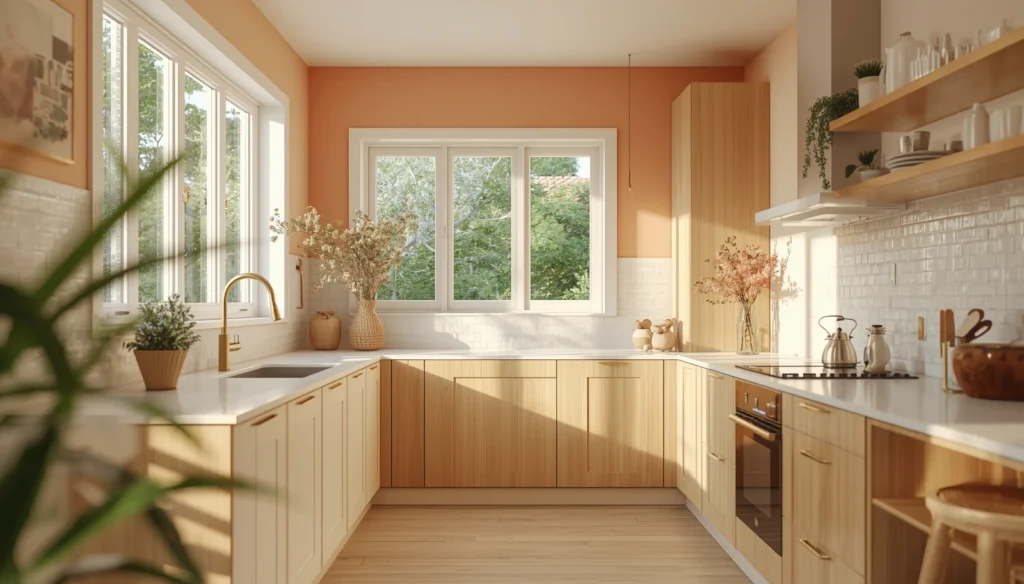
Balance is the secret to using vibrant colors in a limited area. Pair a bold citrus shade with neutral wood tones or crisp white quartz to prevent the color from becoming distracting. Natural materials like oak or butcher block countertops ground the brightness and add a layer of sophistication. This combination creates a “bistro” vibe that feels curated and expensive. You want the color to feel like a deliberate design choice, not a frantic attempt to distract from the size.
A homeowner in a small urban loft used a deep pumpkin shade for their lower cabinets while keeping the uppers a creamy off-white. This weighted the room, making it feel grounded and architectural. The contrast between the warm lower half and the light upper half made the ceilings appear much higher than they actually were. It proved that bold color does not shrink a room if the application follows basic rules of visual weight.
The Psychology of Orange
Orange is known to stimulate appetite and conversation, making it a perfect candidate for the kitchen. In a small space, this psychological boost can counteract the feeling of being confined. You might choose a matte finish for your orange surfaces to avoid a plastic or dated look. Matte textures absorb light in a way that feels soft and velvety, adding a tactile luxury to the remodel.
If you are hesitant to commit to full cabinetry in a bright hue, try using orange in the hardware or internal cabinet lighting. A warm glow emanating from behind glass-fronted doors can provide that pop of color in a more subtle way. This allows you to experiment with the trend without a massive financial or permanent commitment. It is an excellent way to test how the color interacts with your specific lighting conditions throughout the day.
Textural Balance with Wood
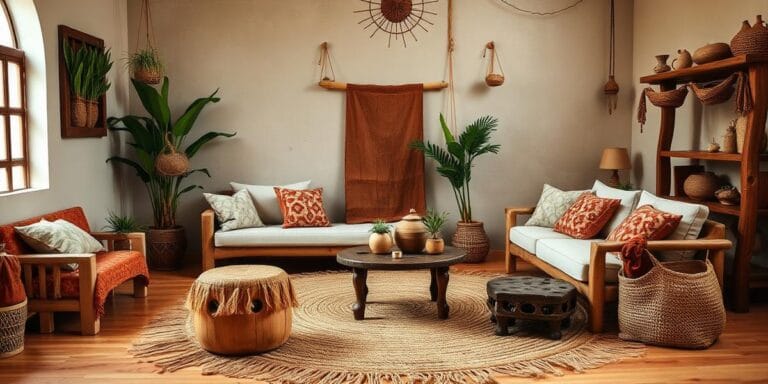
To prevent a small colorful kitchen from feeling too modern or cold, introduce varied textures. Woven baskets, wooden stools, and clay pottery complement orange tones beautifully. These elements add a “lived-in” feel that suggests the kitchen belongs to a seasoned cook. Texture provides a visual richness that compensates for a lack of physical space. When there is a lot to look at and touch, the mind forgets about the square footage.
Mixing metals also adds to this textural story. Brass or copper fixtures pair exquisitely with warm palettes, enhancing the “glow” of the glow-up. These materials age gracefully and develop a patina that adds character over time. A small kitchen benefits from these high-quality details because every item is within close view. You cannot hide cheap finishes in a small room, so choosing a few standout pieces makes a world of difference.
Moody Sophistication and the New Gothic
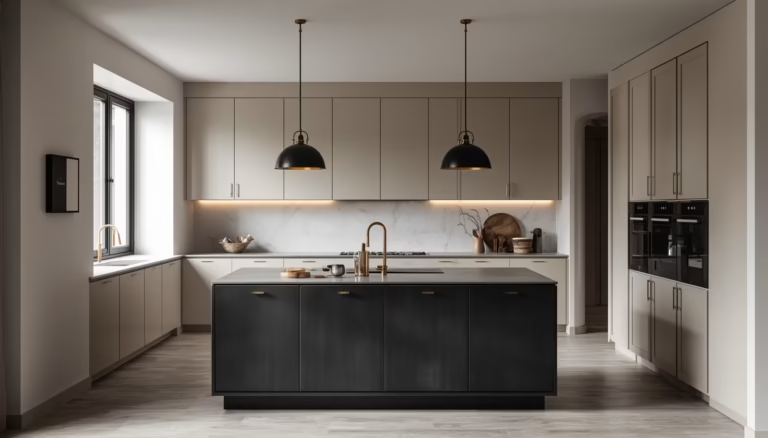
If orange feels too energetic, dark grey kitchen ideas offer a sophisticated and moody alternative. A deep charcoal or slate grey can actually make walls recede, creating a sense of infinite depth. This is a counterintuitive trick that professional designers often use in small, windowless spaces. When the walls and cabinets are the same dark shade, the corners of the room disappear, making the boundaries harder for the eye to track.
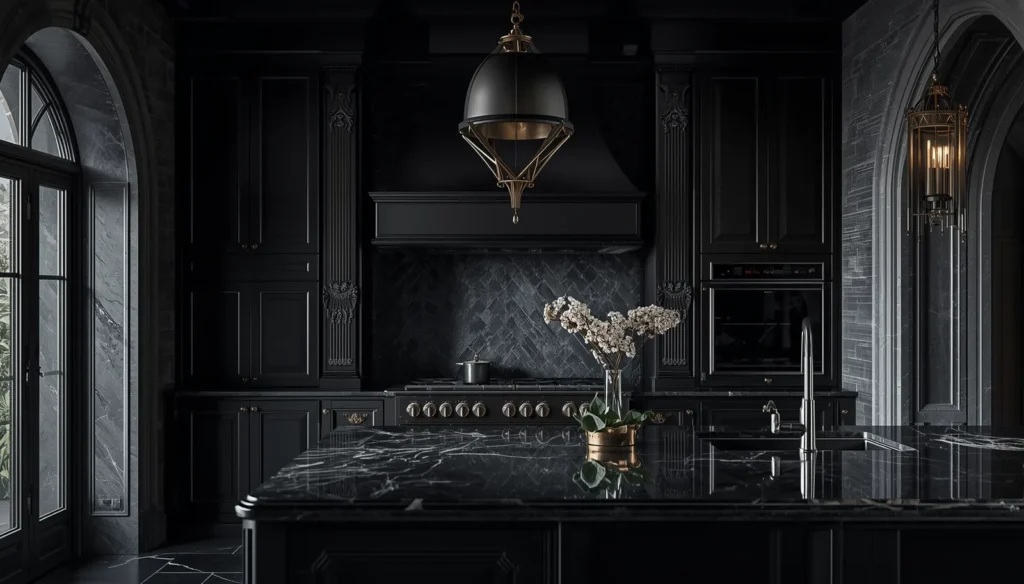
Gothic kitchen ideas take this a step further by introducing dramatic elements like black marble, pointed arches, or ornate hardware. This style turns a small kitchen into a jewel box of a room. It embraces the “smallness” as an opportunity for intimacy and drama rather than a problem to be solved. Combining dark grey cabinetry with a black stone countertop creates a monolithic look that is incredibly sleek and modern.
One specific project involved a tiny kitchen in a basement apartment that lacked natural light. Instead of fighting the darkness with white paint, the designer leaned into it with a “modern gothic” theme. They used dark grey cabinets, antiqued brass hardware, and a backsplash made of glossy black subway tiles. The result was a stunning, moody space that felt like a high-end cocktail bar rather than a cramped basement utility room.
Embracing Dark Grey
Dark grey is a versatile neutral that acts as a perfect backdrop for stainless steel appliances and colorful cookware. It hides scuffs and fingerprints better than white, making it a practical choice for a high-traffic zone. To keep the room from feeling like a cave, use under-cabinet LED strips to illuminate the work surfaces. The contrast between the dark cabinetry and the bright task lighting creates a professional, focused atmosphere.
You can also use different shades of grey to create monochromatic layers. A lighter grey on the walls and a darker slate on the cabinets provides just enough contrast to define the space. This approach keeps the palette cohesive and calm, which is vital when a room is small. Chaos in color often leads to a feeling of clutter, so a tight, controlled palette helps the kitchen feel more organized.
The Gothic Resurgence
Modern gothic design is not about being “spooky” but about embracing historical architectural details. Think of it as a blend of traditional craftsmanship and dark, romantic aesthetics. Ornate corbels under a breakfast bar or a vintage-inspired bridge faucet can inject this personality into a remodel. It is a way to make a cookie-cutter small kitchen feel like it has a long history and a unique soul.
Using glass-front cabinets with gothic-style mullions allows you to display your most beautiful glassware. This adds a layer of transparency that keeps the dark colors from feeling too heavy. Lighting inside these cabinets can act as an additional light source, providing a soft ambient glow at night. This style works particularly well in older homes where you want to honor the original character while providing a modern functional update.
Cultivating Lifestyle Elements
Small kitchen remodel ideas should go beyond just cabinets and counters to include how you actually live in the space. Kitchen bookshelf ideas are a fantastic way to utilize “dead” space above a doorway or at the end of a cabinet run. If your kitchen opens directly into a hallway, exploring clever entryway ideas can help create a seamless flow between the two zones. A collection of colorful cookbooks adds a human element to the room and keeps your favorite recipes within reach. It transforms a functional area into a curated library, making the kitchen feel like a destination rather than just a chore station.
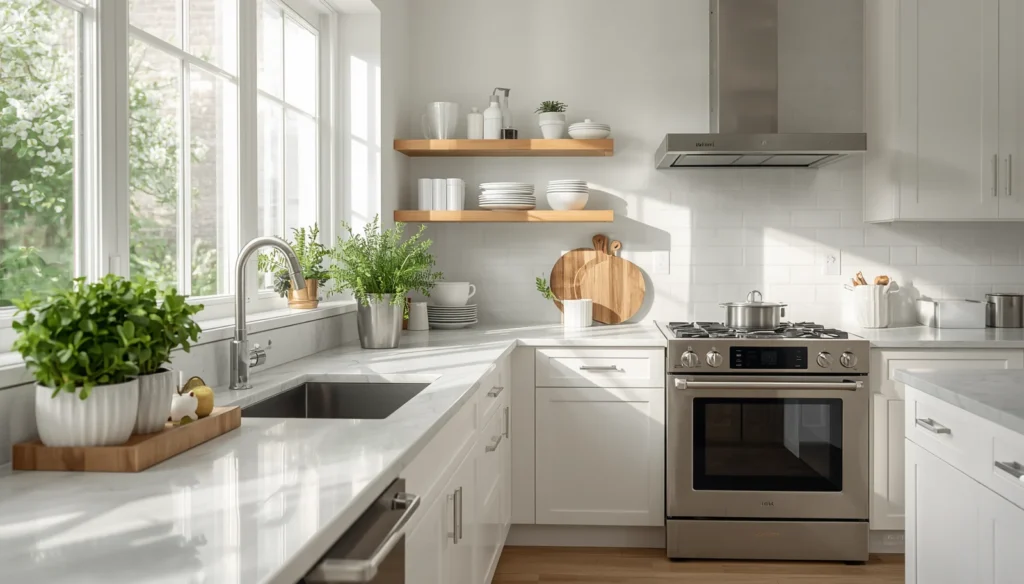
If your kitchen shares a wall with an exterior space, kitchen balcony ideas can provide a literal breath of fresh air. Installing a passthrough window or a set of folding doors can connect your indoor prep area with an outdoor seating zone. This effectively doubles your entertaining space during the warmer months. Even a small “Juliet” balcony with a few potted herbs can make a tiny kitchen feel more connected to the world outside.
Consider a recent renovation where a homeowner removed a standard window and replaced it with a wide, folding glass pane that opened onto a small deck. This allowed them to set up a bar counter on the outside, creating a seamless transition for summer dinners. The kitchen no longer felt like a box; it felt like part of a larger, open-air environment. This kind of structural thinking is the key to a successful glow-up in a limited footprint.
The Kitchen Library
A dedicated spot for books signals that the kitchen is a place for creativity and learning. You do not need a massive built-in unit; even two or three sturdy shelves can make a big impact. Grouping books by color or size creates a neat, organized look that contributes to the overall design. Beyond aesthetics, having your library in the kitchen encourages you to experiment with new cuisines and techniques.
Bookshelves can also serve as a home for non-book items like a vintage radio or a small plant. This mix of objects breaks up the monotony of rows of cabinets and adds “visual interest.” In a small room, these little pockets of personality are what make the house feel like a home. It is an affordable way to add a custom look without the price tag of bespoke cabinetry.
Transitioning to the Balcony
For those with a kitchen balcony, the focus should be on the threshold. Using the same flooring material for both the kitchen and the balcony can make the two areas feel like one continuous space. If you cannot change the flooring, simply using a similar color palette will achieve a similar effect. This “indoor-outdoor” flow is one of the most effective ways to make a small home feel expansive.
Vertical gardening on the balcony can also provide fresh ingredients for your cooking. A wall of herbs just outside the door is practical and beautiful to look at through the glass. It brings a bit of nature into the kitchen, which is often dominated by hard surfaces like stone and metal. This connection to living things can make a small, high-tech kitchen feel much more balanced and serene.
The Timeless Appeal of Heritage Design
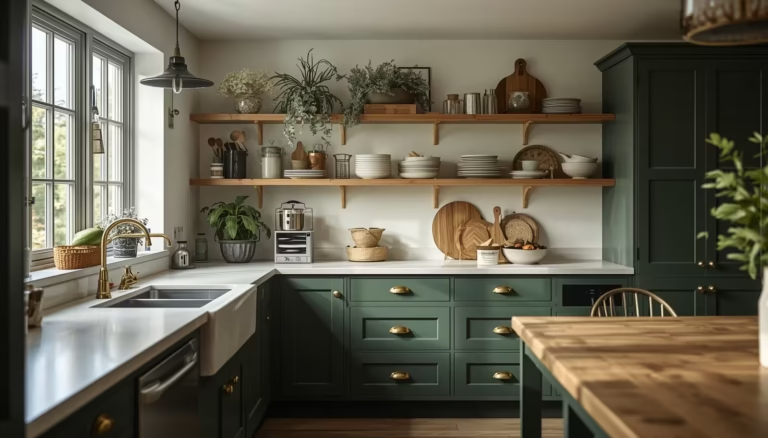
Traditional kitchen ideas remain popular because they prioritize comfort and classic proportions. In a small remodel, this often involves using “shaker” style doors, which offer clean lines with just enough detail to feel substantial. A farmhouse sink is another staple that works surprisingly well in small spaces. Because these sinks are deep and wide, they can handle large pots and pans that might not fit in a standard double-bowl sink.
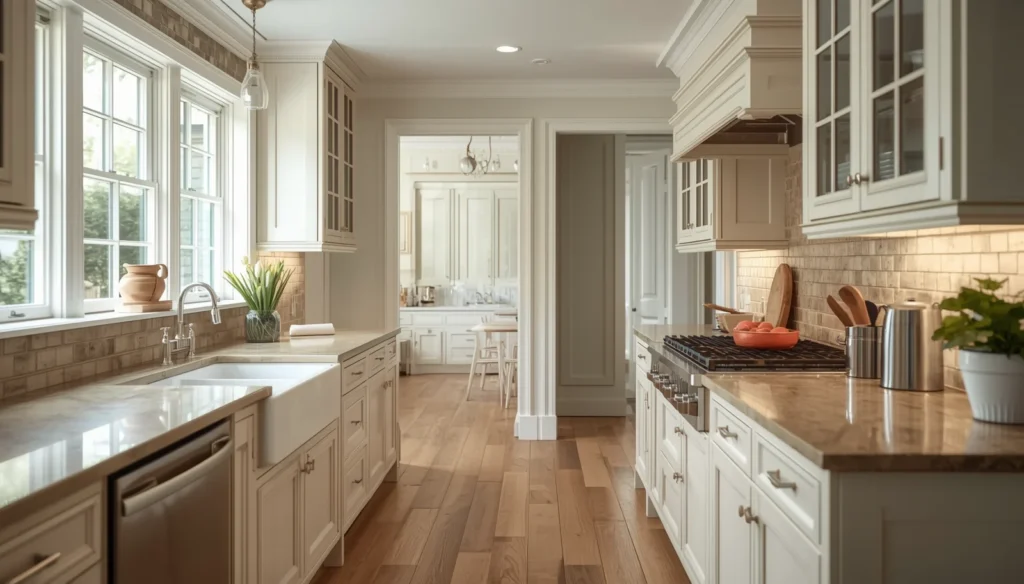
Traditional design also encourages the use of “furniture-style” details, such as turned legs on a small island or decorative molding. These touches make the kitchen feel like a collection of beautiful furniture rather than a series of industrial boxes. It is a great way to maintain a sense of coziness in a compact home. Using a mix of painted cabinets and natural wood accents can keep the look from feeling too formal or stiff.
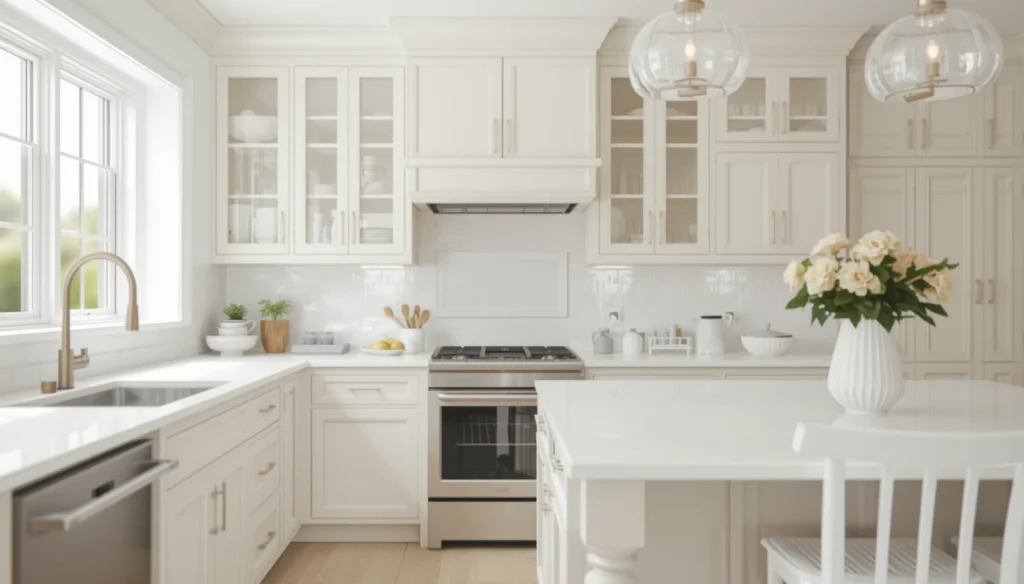
A case reporter once noted a project in a historic townhouse where the kitchen was only 60 square feet. By using traditional cream-colored cabinetry and antiqued brass latches, the designer created a space that felt like a “butler’s pantry” from a bygone era. It was incredibly functional but looked like it had been there for a century. This approach proves that you do not always need “modern” tricks to make a small space work.
Traditional Elements in Small Spaces
The key to traditional style in a small kitchen is scale. You want to avoid oversized moldings or heavy cornices that can overwhelm the room. Instead, look for slimmed-down versions of classic details. A simple subway tile backsplash with a light grey grout provides a timeless look that is easy to clean and never goes out of style. This simplicity allows other elements, like a high-quality faucet or a beautiful range, to take center stage.
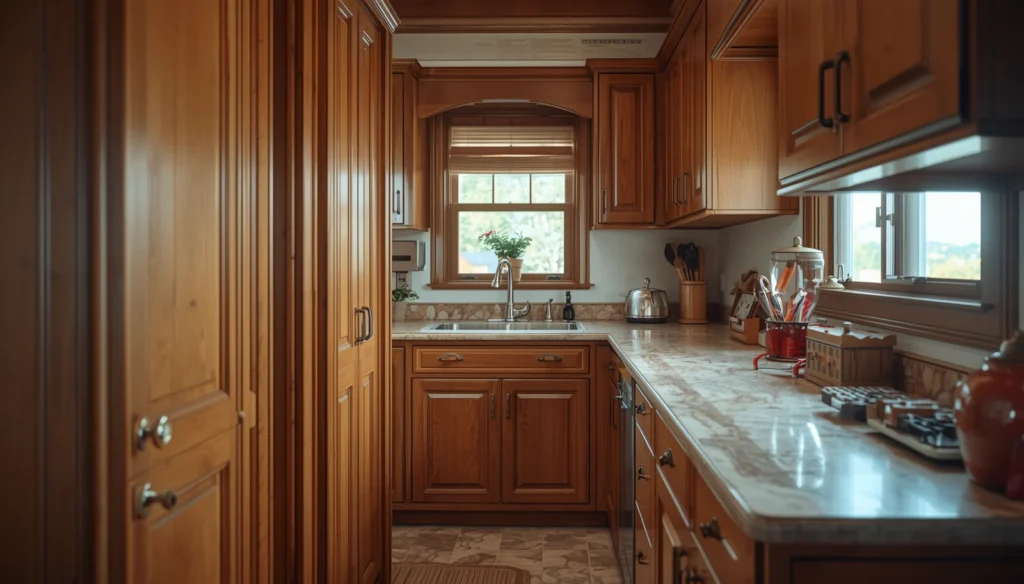
Incorporate glass cabinet inserts to keep the traditional look feeling light and airy. If you are worried about keeping the contents of your cabinets organized, use frosted or “seeded” glass. This provides the visual lightness of glass while hiding the inevitable clutter of mismatched mugs and plates. It is a practical compromise that maintains the aesthetic integrity of the heritage design. The key to traditional style in a small kitchen is scale. Many homeowners find success with compact arrangements that blend heritage aesthetics with modern space-saving solutions.
Hardware and Fixtures as Jewelry
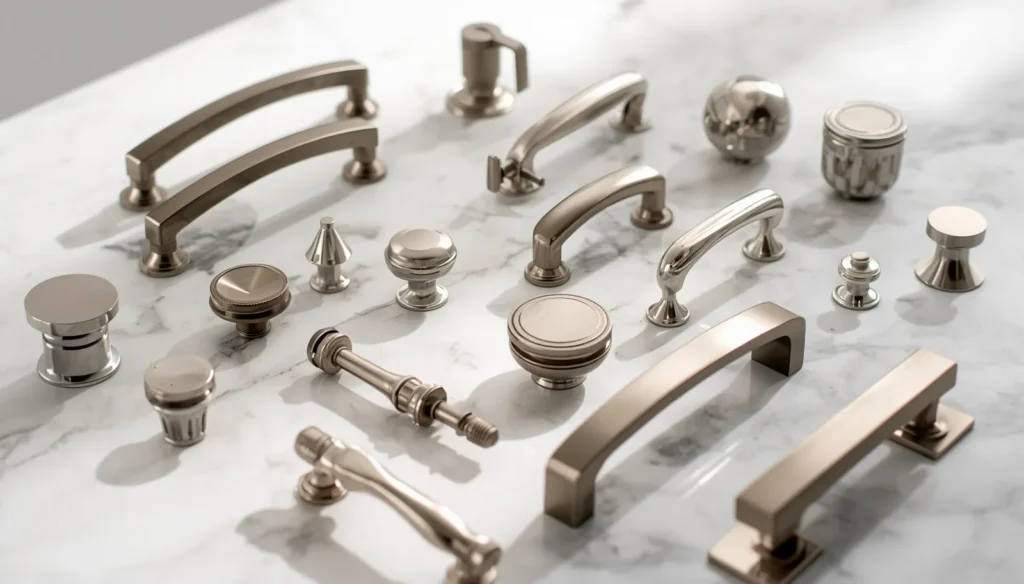
In a small kitchen, the hardware is the jewelry of the room. High-quality knobs and pulls in a traditional finish like oil-rubbed bronze or polished nickel can elevate the entire remodel. These are the items you touch every day, so investing in heavy, well-made pieces provides a tactile sense of quality. It is often the smallest details that leave the biggest impression on guests and the homeowner alike.
Lighting fixtures should also follow this traditional theme. A classic schoolhouse pendant or a set of brass wall sconces provides focused light with a nostalgic flair. These fixtures act as anchors for the design, tying the various elements together into a cohesive whole. When the hardware and lighting match the period of the home, the kitchen remodel feels like a natural extension of the architecture rather than a disjointed update.
Wrap Up
A successful small kitchen remodel is about more than just fitting in appliances; it is about creating a space that enhances your daily life. Whether you embrace the energy of orange, the drama of gothic grey, or the comfort of traditional lines, the goal is a functional glow-up. If you’re ready to start your journey, explore these renovation tips to turn any cramped kitchen into a stunning masterpiece.
By focusing on verticality, light, and personal touches like bookshelves, you can turn any cramped kitchen into a stunning masterpiece. Trust your instincts and remember that small footprints often lead to the most creative and rewarding design solutions.
FAQs Section
How do I make a narrow kitchen feel wider without moving walls?
Using light-reflective surfaces like mirrored backsplashes and laying floor tiles perpendicular to the long walls creates an optical illusion of width. Additionally, removing upper cabinets on one side of the room opens up the visual space at eye level, making the corridor feel less restrictive.
Are dark colors like dark grey or black a mistake for a small kitchen?
Not at all, as dark colors can actually make the boundaries of a room recede, creating a sense of infinite depth. The key is to use ample task lighting and reflective accents to ensure the space feels sophisticated and moody rather than dark and cramped.
What is the best way to add extra storage to a small kitchen remodel?
Think vertically by installing shelves above windows and doorways or extending cabinets all the way to the ceiling. Implementing creative entryway ideas near the kitchen can also maximize transition spaces. Integrating “lifestyle” storage like a kitchen bookshelf or utilizing a nearby balcony for an herb garden can also free up valuable counter and cabinet space.
Disclaimer:
The content shared by Fall Rugs is solely for research and informational purposes. Fall Rugs is not a professional interior design or home renovation consultancy, and the information provided should not be considered professional advice for home improvement or decor. All ideas and suggestions are based on current trends and general knowledge in the home decor industry.