
TL;DR
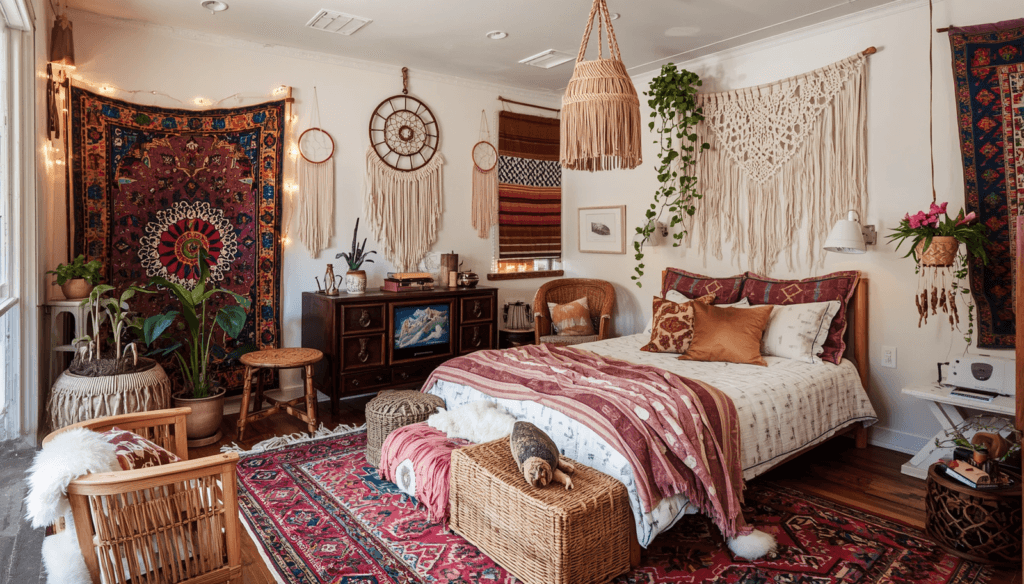
An eclectic hippie bedroom feels relaxed, personal, and collected rather than perfectly matched. The strongest rooms use layered textiles, warm lighting, vintage furniture, plants, handmade decor, and color choices that reflect the person living there.
The trick is balance. Too many loud pieces can feel messy, while too many safe choices can flatten the soul of the room.
Introduction
A free-spirited bedroom should feel like a room with stories, not a showroom with labels. The best hippie-inspired spaces mix comfort, color, texture, and memory in a way that feels calm without becoming plain.
Eclectic hippie style works because it gives you permission to combine the old with the handmade, the earthy with the bright, and the imperfect with the beautiful. A faded rug, a cane chair, a handwoven throw, and a cluster of trailing plants can say more than a full set of matching furniture.
This style also suits real homes. It can grow slowly through thrifted finds, travel-inspired pieces, local craft markets, family textiles, and small upgrades that change the mood without forcing a full renovation.
1. Layer Patterned Rugs for a Collected Hippie Foundation
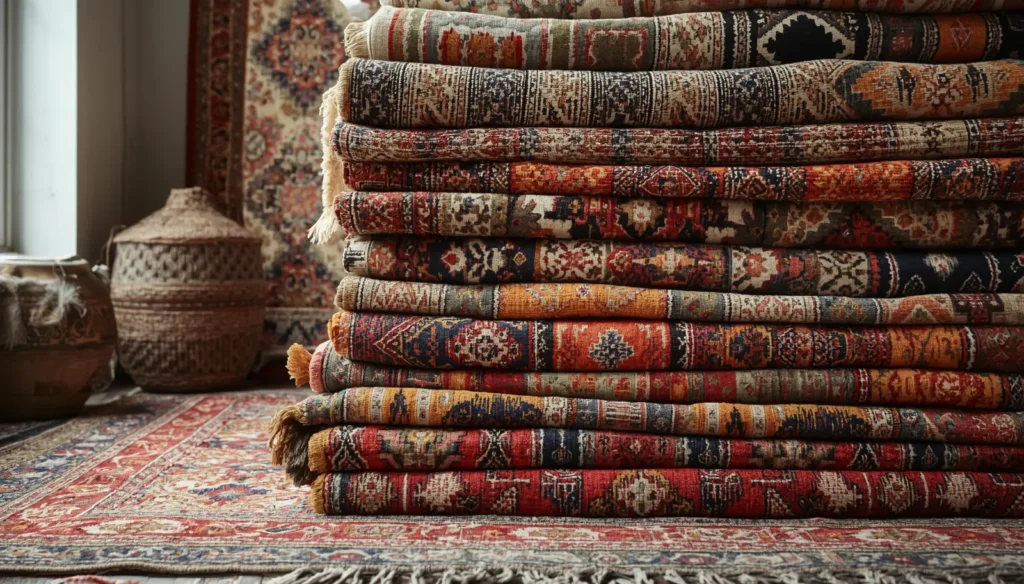
A hippie bedroom often begins from the floor because rugs set the emotional temperature of the whole space. Layering a flatweave rug over a larger jute or cotton base gives the room depth, warmth, and movement. Persian-inspired patterns, kilim motifs, faded florals, and tribal-style geometry all work well when the colors share at least one common thread.
The room should not look like every rug arrived on the same shopping trip. A softer base rug can quiet a bolder top rug, while a small vintage runner beside the bed adds charm where bare flooring might feel cold. I’ve seen small rented rooms change completely with this one move, especially when the walls had to stay white.
Choosing Rugs That Feel Intentional
Start with texture before color. A natural fiber base makes patterned rugs feel grounded, while a plush or worn top layer brings comfort near the bed. If the bedding already has strong prints, choose rugs with faded tones rather than sharp contrast.
The second-order effect matters. Layered rugs absorb sound, soften hard flooring, and create a more intimate sleep space. They also help define zones in a bedroom that doubles as a reading corner, dressing area, or creative nook.
2. Use Low Wooden Furniture for a Relaxed Bohemian Mood
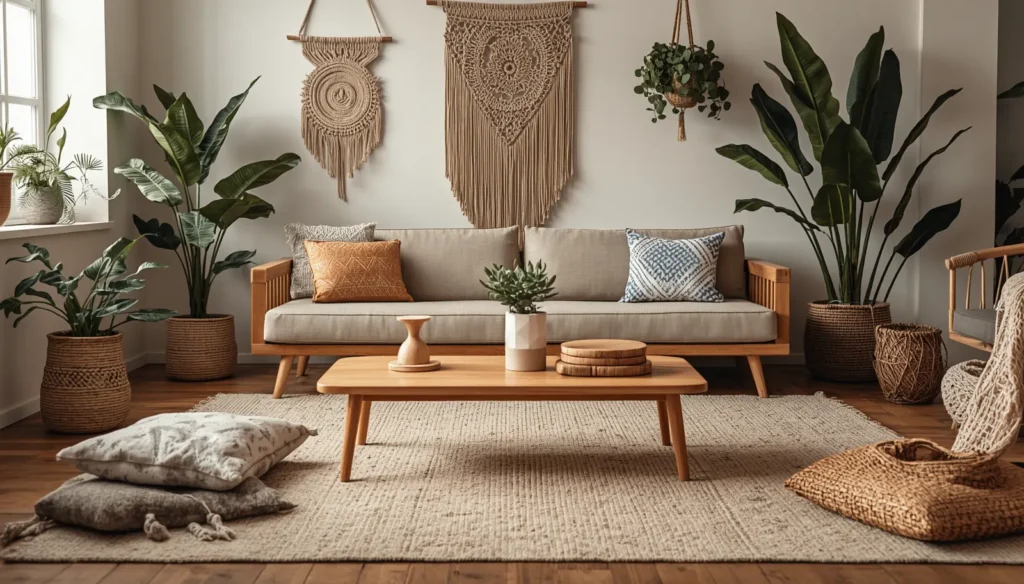
Low furniture creates the laid-back feeling that many hippie bedrooms are known for. A platform bed, carved wooden side table, low bench, or vintage trunk can shift the room away from a formal bedroom layout and toward something more grounded. Warm woods such as mango, teak, pine, oak, and rattan add natural character without needing much decoration.
Matching bedroom sets can work, but they often feel too controlled for this look. Eclectic hippie style gains energy from pieces that feel found over time. A simple wood bed beside a painted thrifted nightstand can feel more personal than two identical tables.
When Mismatched Furniture Works
Mismatched furniture works when the room repeats materials, shapes, or tones. A cane headboard can connect with a rattan lamp shade. A carved dresser can speak to a wooden mirror frame. The eye needs small relationships, even in a room that celebrates difference.
A reporter once described a small artist’s bedroom in Lahore where the owner used an old family trunk as a bedside table. It held books, incense, and a chipped ceramic lamp. The piece was not perfect, but it gave the room history, which is exactly what new furniture often lacks.
3. Build the Bed with Textiles That Invite Rest
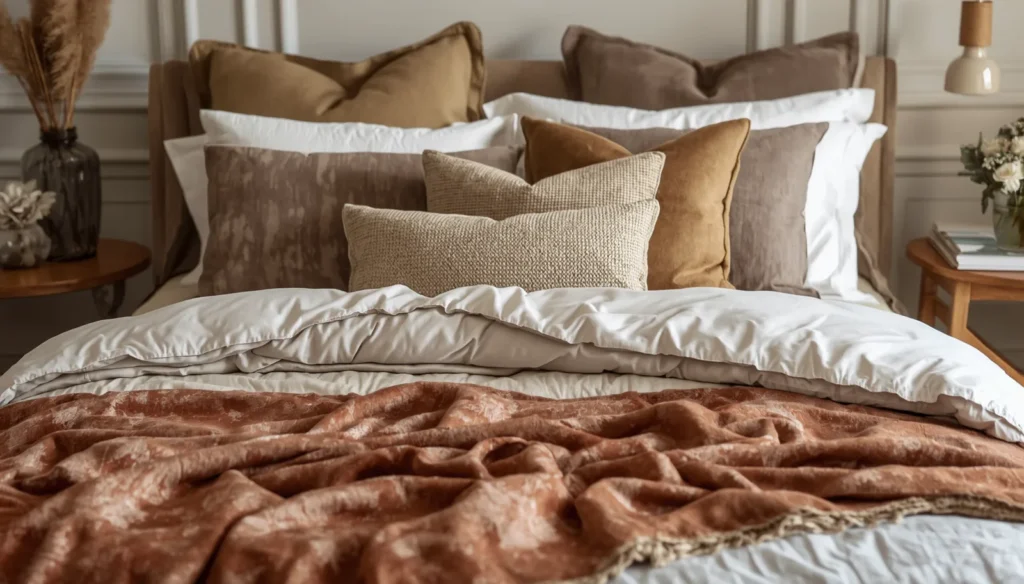
The bed carries the whole bedroom, so it needs more than one flat color and two stiff pillows. A hippie-inspired bed often uses cotton sheets, a textured quilt, patterned pillow covers, a woven throw, and maybe a kantha-style blanket or block-print duvet. The result should feel relaxed, not staged.
Color can move in many directions. Some rooms lean into saffron, rust, olive, clay, and cream. Others use turquoise, plum, marigold, and rose. The strongest beds usually repeat colors from the rug, curtains, or wall art, which keeps the room expressive without turning chaotic.
Avoiding the Overstuffed Look
Too many pillows can make the bed feel fussy. A better approach is to mix two sleeping pillows with a few decorative cushions in different textures. Linen, cotton, velvet, macrame, and embroidered covers all bring something different to the surface.
The bed should look inviting at night, not like a display that takes ten minutes to dismantle. Free-spirited design still needs function. Comfort wins every time.
4. Add Macrame, Woven Art, and Handmade Wall Pieces
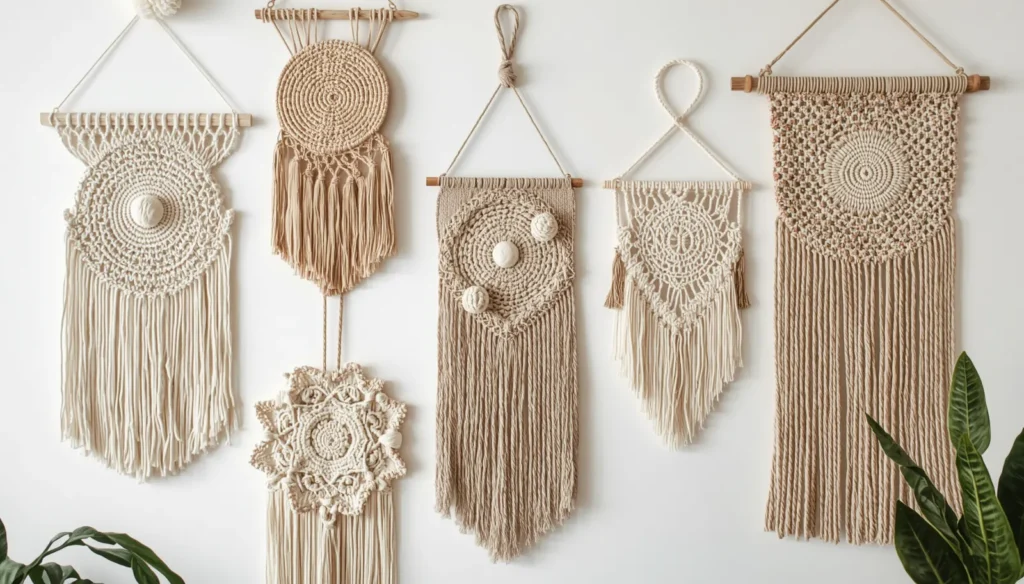
Bare walls can make a hippie bedroom feel unfinished, but framed prints are not the only answer. Macrame hangings, woven baskets, fabric panels, hand-painted plaques, and textile art give the room softness and dimension. These pieces work especially well above the bed because they feel lighter than heavy framed art.
Handmade wall decor also brings human presence into the room. The slight irregularity of knots, fibers, and stitching makes the space feel warmer than mass-produced surfaces. That small imperfection is part of the charm.
Placing Wall Decor Without Clutter
A single large macrame piece can anchor the bed wall, while a group of smaller woven items can bring interest to a reading corner. Leave some empty wall space around them, especially if the bedding and rugs already carry pattern.
Scale often matters more than price. A tiny wall hanging over a queen bed can look lost, while an oversized textile can make a plain wall feel architectural. The wall should frame the bed, not compete with it.
5. Bring in Plants for Natural Energy and Texture
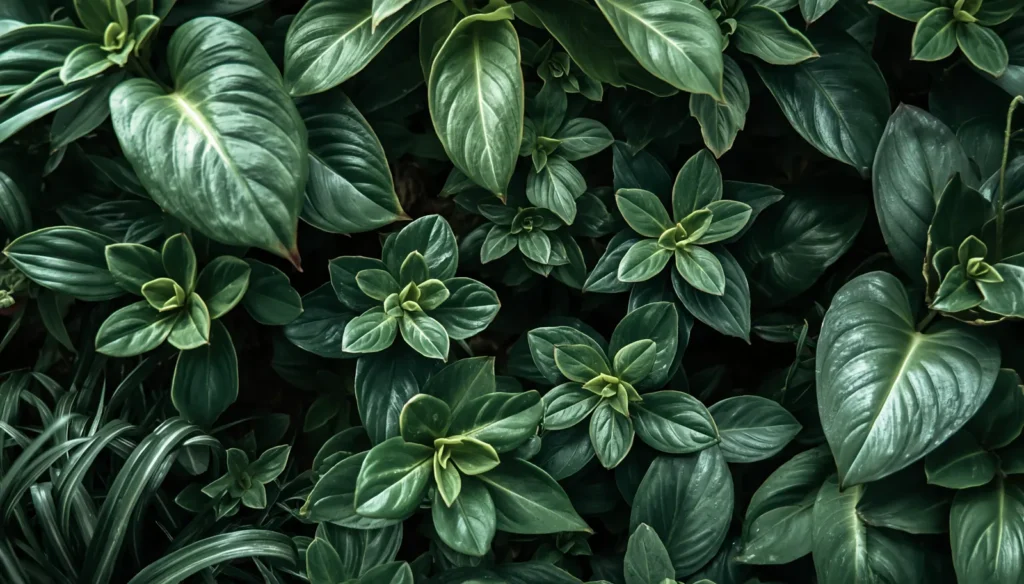
Plants suit hippie bedrooms because they add life without making the room feel decorated for decoration’s sake. Pothos, snake plant, peace lily, spider plant, monstera, and rubber plant are common choices because they bring strong shapes and can adapt to indoor conditions with the right care. Terracotta pots, woven baskets, and ceramic planters fit the mood better than glossy plastic containers.
A bedroom with plants feels calmer when greenery appears at different heights. A trailing vine on a shelf, a floor plant near the window, and a small pot on a bedside table can create movement across the room. The look feels natural because the eye travels softly.
Caring for Plants Without Turning the Room Into a Jungle
A few healthy plants look better than many struggling ones. Choose species based on the light your room actually receives, not the light you wish it had. North-facing or shaded rooms need tougher plants, while bright rooms can support fuller greenery.
Plants also affect layout. A large floor plant can fill an empty corner better than a random chair, while hanging planters free up surface space. In small bedrooms, vertical greenery often gives the most style with the least clutter.
6. Use Warm, Layered Lighting Instead of One Harsh Ceiling Light
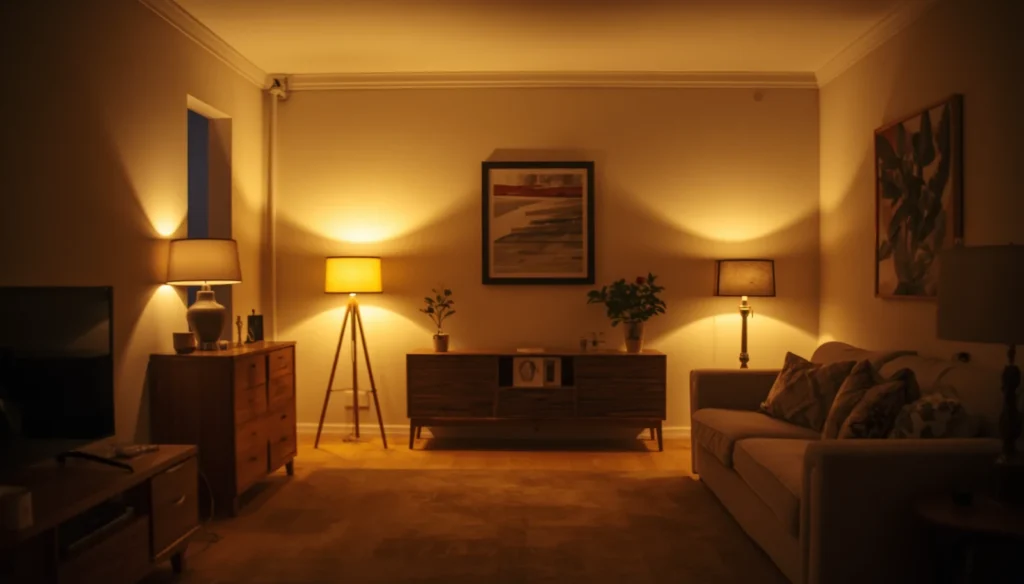
Lighting can make or break an eclectic hippie bedroom. A single bright ceiling bulb often flattens texture, while layered lighting creates warmth and intimacy. Table lamps, floor lamps, fairy lights, salt lamps, lantern-style shades, and woven pendants all help build a softer evening mood.
The goal is not darkness. It’s glow. Warm bulbs around the bed, a small lamp near a reading chair, and low ambient lighting near a mirror can make the room feel calm at night and flattering in the morning.
Creating Mood Without Losing Practicality
Use different light sources for different activities. A bedside lamp needs enough brightness for reading, while string lights can stay decorative. A shaded floor lamp can soften a corner that feels visually heavy.
Lighting also changes how colors behave. Rust, gold, brown, and cream become richer under warm light. Cool white bulbs can make the same room feel flat and unfinished, especially when natural materials dominate the decor.
7. Mix Vintage Finds with Personal Objects
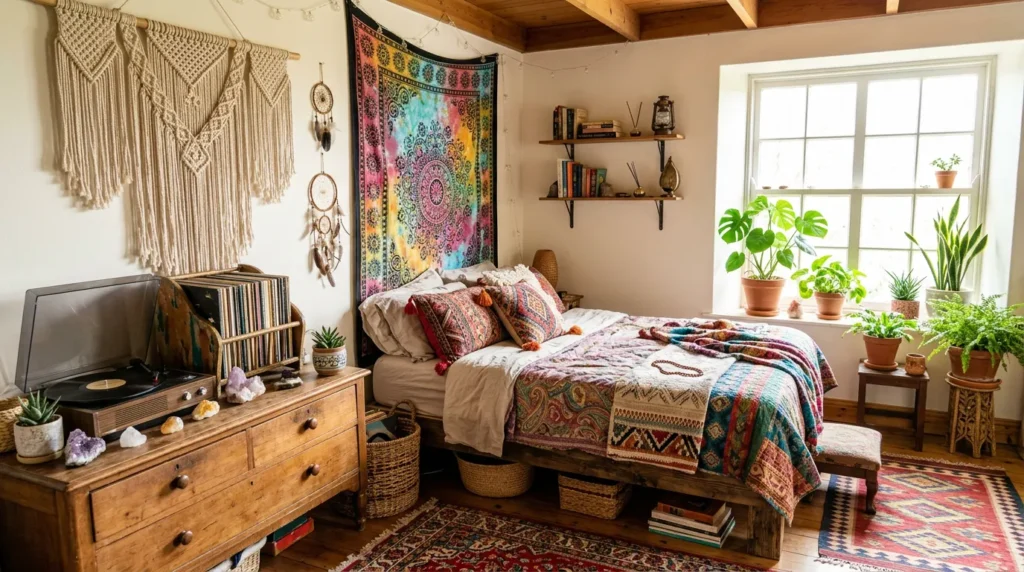
A hippie bedroom should feel personal, and vintage pieces help create that feeling fast. Old mirrors, carved boxes, ceramic vases, brass trays, embroidered cushions, secondhand lamps, and weathered picture frames can make the room feel lived in. They also keep the space from looking copied from one catalog.
Personal objects matter even more. A framed postcard, a family textile, a small sculpture from a local market, or a stack of favorite books can reveal taste without shouting. The room becomes a biography in fragments.
Editing Sentimental Decor
Not every meaningful object needs display. A room can carry memory and still feel calm. Choose pieces that work with the palette, scale, and emotional tone of the space.
A designer I spoke with once described helping a client style a rented bedroom after a long move. The client had only three pieces she cared about: a mirror from her grandmother, a woven bag from a trip, and a faded blue throw. Those three items guided the whole room, and the final space felt more honest than any trend board.
8. Paint with Earthy or Jewel-Toned Colors
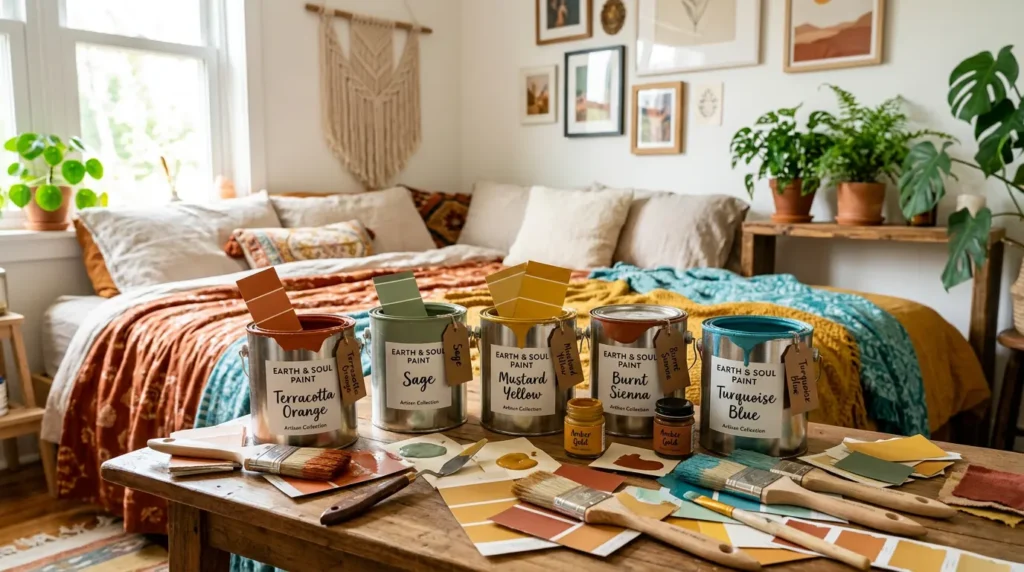
Color gives hippie bedrooms their emotional pull. Earthy tones such as clay, sand, olive, tobacco, cream, ochre, and terracotta create a grounded base. Jewel tones such as emerald, indigo, ruby, amethyst, and deep teal bring richness when used with care.
A full room in a strong color can feel wonderful if the space has good light and balanced furniture. In smaller or darker bedrooms, an accent wall, painted headboard zone, or colorful ceiling border may work better. Color should deepen the mood, not shrink the room.
Pairing Strong Colors with Natural Materials
Strong wall colors need texture around them. Wood, cane, linen, cotton, wool, jute, and clay keep saturated paint from feeling too polished. A deep green wall behind a rattan bed can look calm and rooted. A terracotta wall behind cream bedding can feel warm without becoming loud.
Paint also affects how decor reads. A white wall can make every object stand out, while a warmer wall lets textiles and art blend into a softer story. Both can work, but they create different feelings.
9. Style a Cozy Reading or Reflection Corner
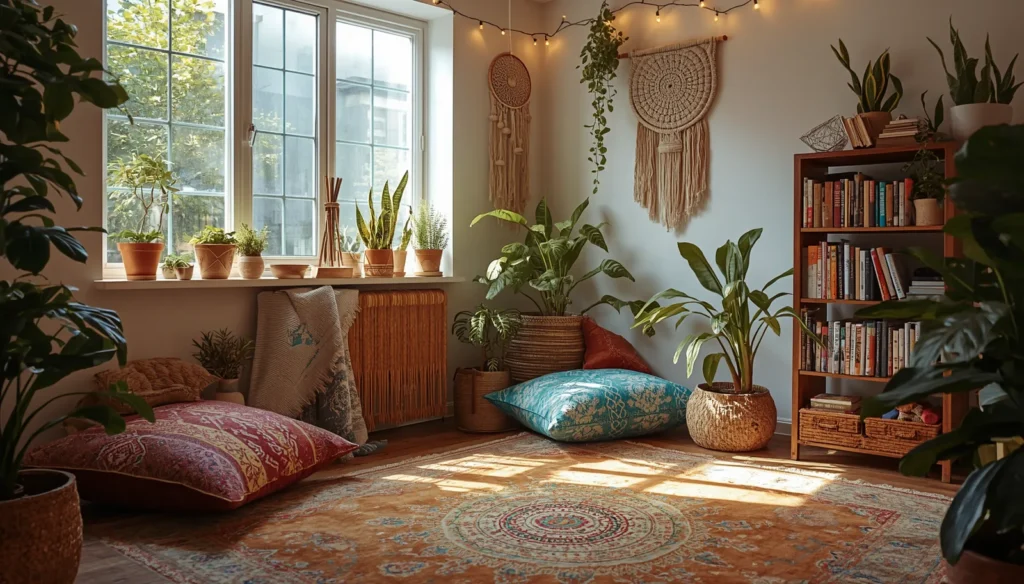
A free-spirited bedroom often needs a corner that is not only for sleeping. A low chair, floor cushion, pouf, or small bench can turn an unused area into a quiet reading or reflection spot. Add a lamp, a soft throw, and a small table for tea, books, or a journal.
This kind of corner gives the bedroom a second rhythm. It becomes a place to slow down before sleep or sit in morning light without staying under the covers. In compact rooms, even one floor cushion beside a window can create this feeling.
Making Small Corners Feel Finished
A corner feels intentional when it has an anchor. That anchor might be a rug, a wall hanging, a lamp, or a plant. Without one, the chair or cushion can look like leftover furniture.
Scale matters again. A bulky armchair may overwhelm a small room, while a cane chair or floor cushion keeps the space open. The corner should invite use, not block movement.
10. Use Curtains, Canopies, and Draped Fabric for Soft Movement
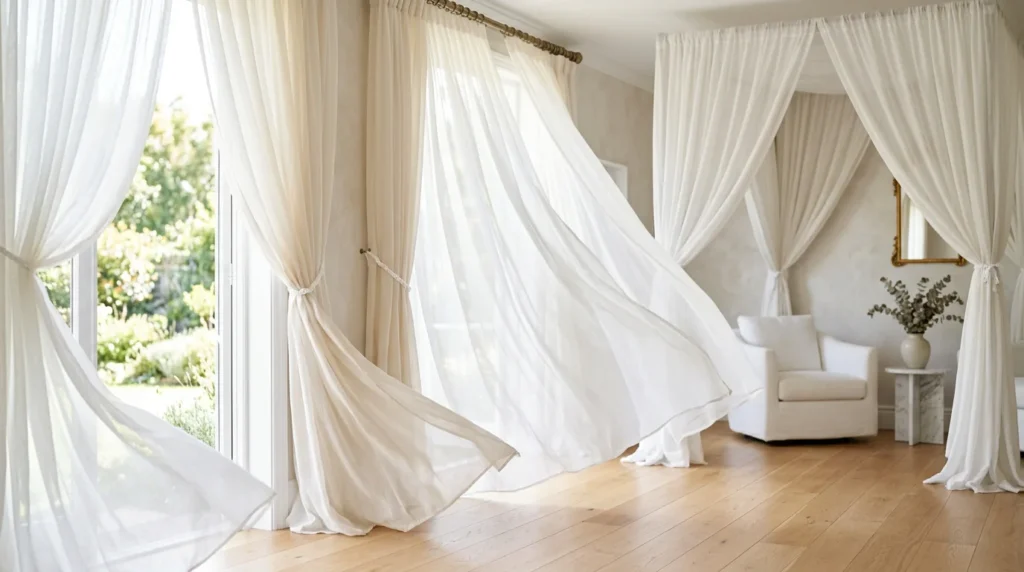
Fabric can soften a bedroom faster than almost any other material. Sheer curtains, cotton drapes, a light canopy, or fabric behind the bed can create movement and ease. The hippie look often favors textiles that feel breathable, such as gauze, linen, muslin, and soft cotton.
Canopies need restraint. A light canopy above the bed can feel dreamy, while too much heavy fabric may collect dust and make the room feel crowded. The fabric should move with air and light, not weigh the space down.
Working with Windows and Natural Light
Curtains should respond to the room’s light. Bright bedrooms can handle layered curtains with sheer panels and heavier side drapes. Dim rooms usually benefit from lighter fabrics that let daylight pass through.
Draped fabric also helps renters. A textile panel can cover a plain wall, soften a headboard area, or hide an awkward surface without permanent changes. It gives flexibility, which suits the hippie spirit well.
11. Add Global-Inspired Patterns with Respect and Restraint
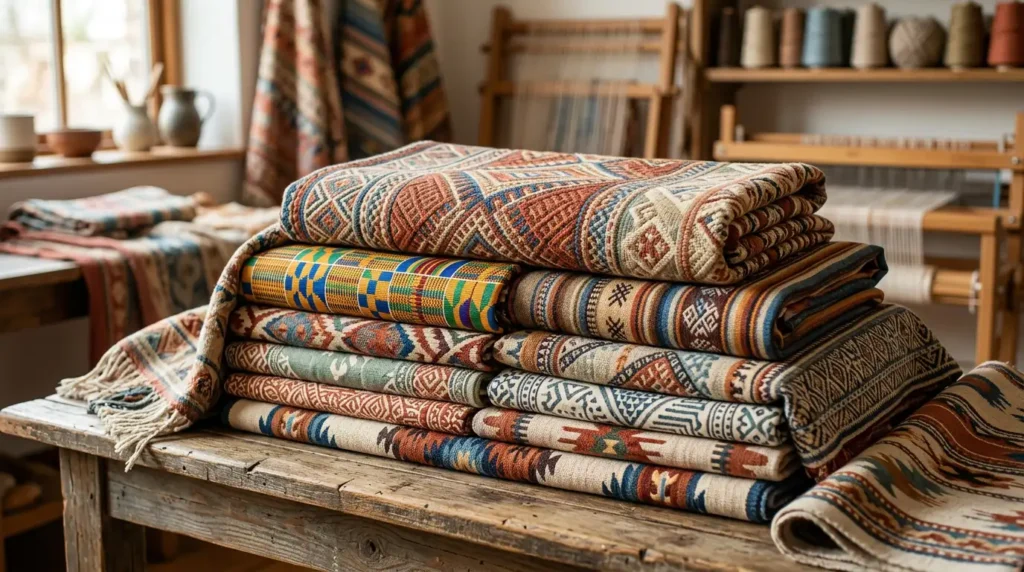
Eclectic hippie bedrooms often draw from global craft traditions, including Moroccan-style rugs, Indian block prints, Turkish kilims, Mexican textiles, Balinese baskets, and Middle Eastern brass details. These influences can add richness, but they need care. The goal is appreciation, not costume.
Choose pieces because you value their color, craft, texture, or story. Avoid turning the room into a random mix of symbols with no connection. A few thoughtful pieces often feel stronger than a room filled with decorative references.
Creating Harmony Across Cultures and Patterns
Pattern mixing works when colors repeat. A block-print duvet can sit beside a kilim rug if both carry rust, blue, or cream. A brass tray can connect with warm lamp light and wooden furniture.
Restraint protects the room’s integrity. Leave space for each piece to be noticed. When every surface demands attention, even beautiful objects lose their voice.
12. Finish with Scent, Sound, and Small Ritual Details
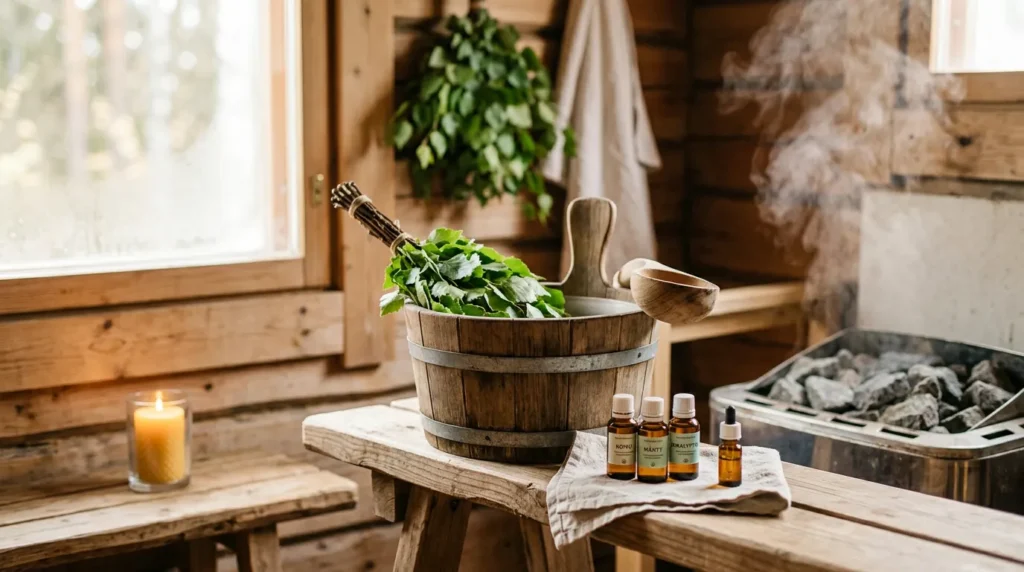
A bedroom is not only visual. Scent, sound, and daily rituals shape how the space feels. Soy candles, dried lavender, essential oil diffusers used safely, soft music, wind chimes near a window, and a dedicated journal spot can make the room feel more personal. These details should support rest rather than overwhelm the senses.
Small rituals also keep the room alive. Folding a throw at night, watering a plant in the morning, lighting a candle while reading, or placing books back on a low table can turn decor into habit. That is when a hippie bedroom stops being a style and starts feeling like a sanctuary.
Keeping the Space Calm and Safe
Scented elements need moderation. Strong fragrance can make a bedroom feel heavy, especially in small spaces. Choose gentle scents and keep candles away from fabric, plants, paper, and bedding.
Sound works the same way. A soft playlist or gentle chime can calm the space, but cluttered noise can make the room restless. The final layer should feel quiet, warm, and easy to live with.
Wrap Up:
An eclectic hippie bedroom works best when it feels collected, comfortable, and honest. Layered rugs, textured bedding, plants, warm lighting, handmade pieces, and vintage details all bring depth when they connect through color, material, or mood.
The strongest free-spirited spaces do not chase perfection. They leave room for memory, creativity, and small changes over time.
FAQs Section:
What colors work best for an eclectic hippie bedroom?
Earthy tones like terracotta, olive, ochre, cream, and warm brown work well as a base, while jewel tones like teal, emerald, plum, and indigo add depth. The room feels more balanced when strong colors repeat in rugs, bedding, art, or cushions.
How do I decorate a hippie bedroom on a small budget?
Start with textiles because they change the mood quickly. A thrifted rug, patterned pillow covers, a woven throw, secondhand lamp, and a few healthy plants can create a strong hippie bedroom look without replacing major furniture.
Can a hippie bedroom still look clean and uncluttered?
Yes, if every object has a role in the room. Use warm textures, handmade decor, and vintage pieces, but leave breathing space on walls, floors, and surfaces so the bedroom feels relaxed instead of crowded
Disclaimer
The content shared by Fall Rugs is solely for research and informational purposes. Fall Rugs is not a professional interior design or home renovation consultancy, and the information provided should not be considered professional advice for home improvement or decor. All ideas and suggestions are based on current trends and general knowledge in the home decor industry