
TL;DR
Transforming a dining room requires balancing functional furniture with layered visual elements. Success lies in choosing the right proportions for your table, introducing purposeful lighting, and mixing textures to create a welcoming atmosphere. Small adjustments in styling can dramatically shift the mood of the entire home.
Introduction
The dining room serves as a central hub for daily life, evening conversations, and shared meals. Many homeowners struggle to make this space feel both functional and inspiring, often settling for mismatched furniture or sterile design choices. Refreshing this room does not require a complete architectural overhaul. By focusing on intentional design choices, you can create an inviting environment that enhances your daily living experience.
The Foundations of Dining Room Composition
Creating an engaging space requires an understanding of scale and spatial balance. A room feels uncomfortable when furniture crowds the walkways or when a diminutive table floats in a massive space. Interior designers look at the floor plan as a canvas where movement dictates placement. You need at least thirty-six inches of clearance between the table edge and the wall to allow guests to move their chairs freely.
When spatial proportions match, the room naturally feels balanced and comfortable. A common error is buying a complete matching furniture set from a showroom floor. This approach strips the home of character and creates a commercial appearance. Mixing materials, such as pairing a reclaimed timber table with upholstered chairs, brings depth and immediate warmth to the environment.
1. Select a Definitive Anchor Piece
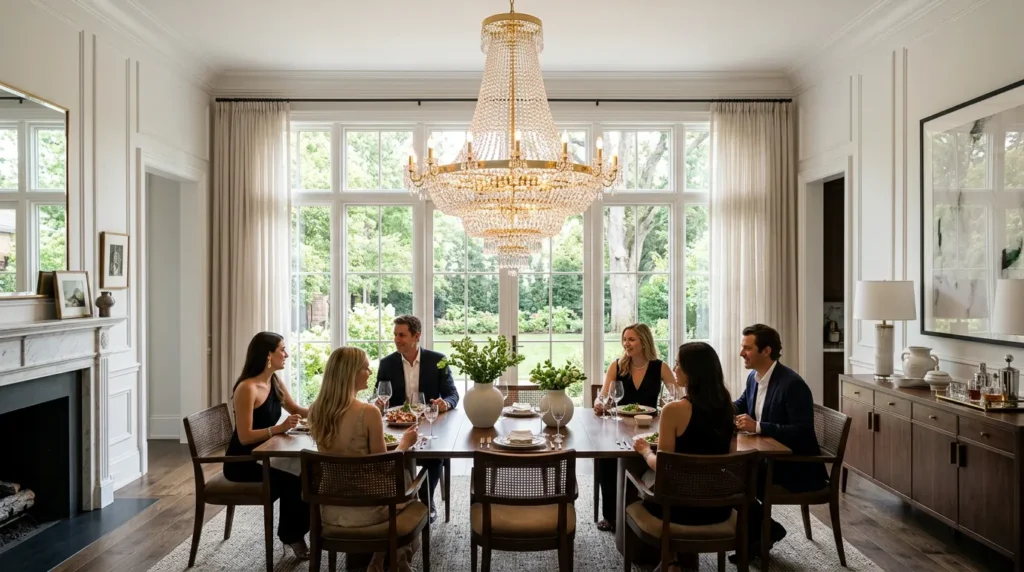
The dining table acts as the visual and functional anchor of the room. This piece dictates the flow of movement and sets the stylistic tone for every other decorative addition. Selecting a table requires evaluating both daily family needs and your weekend hosting habits. Solid hardwoods like oak, walnut, and maple offer durability while bringing natural grain patterns into the interior.
Shape influences how people interact during a meal. Round tables encourage conversation and work beautifully in square rooms or tight corners. Rectangular tables suit longer spaces and provide a traditional framework for formal hosting. The thickness of the tabletop and the design of the legs also alter the visual weight of the room.
2. Layer Architectural Lighting Sources
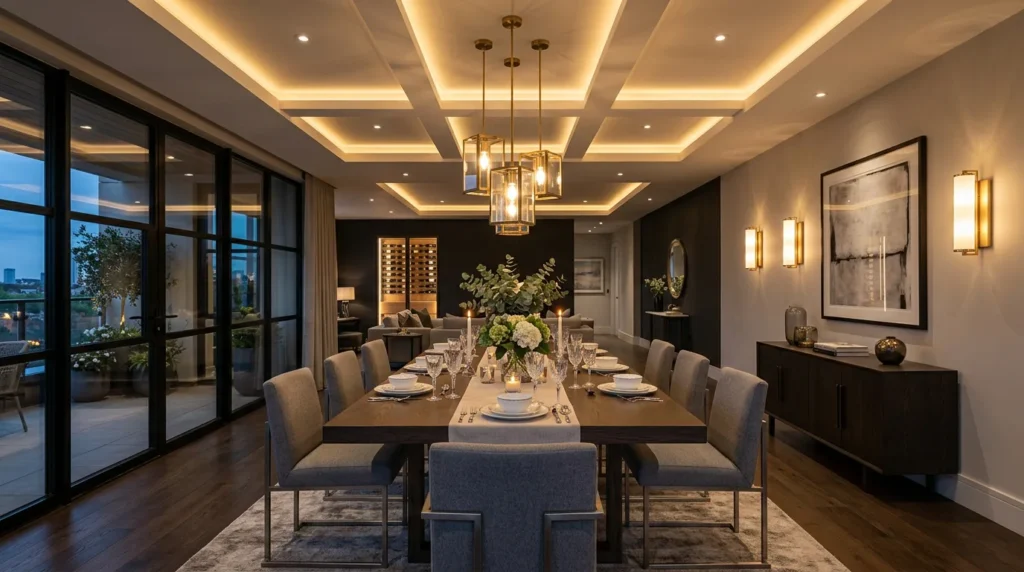
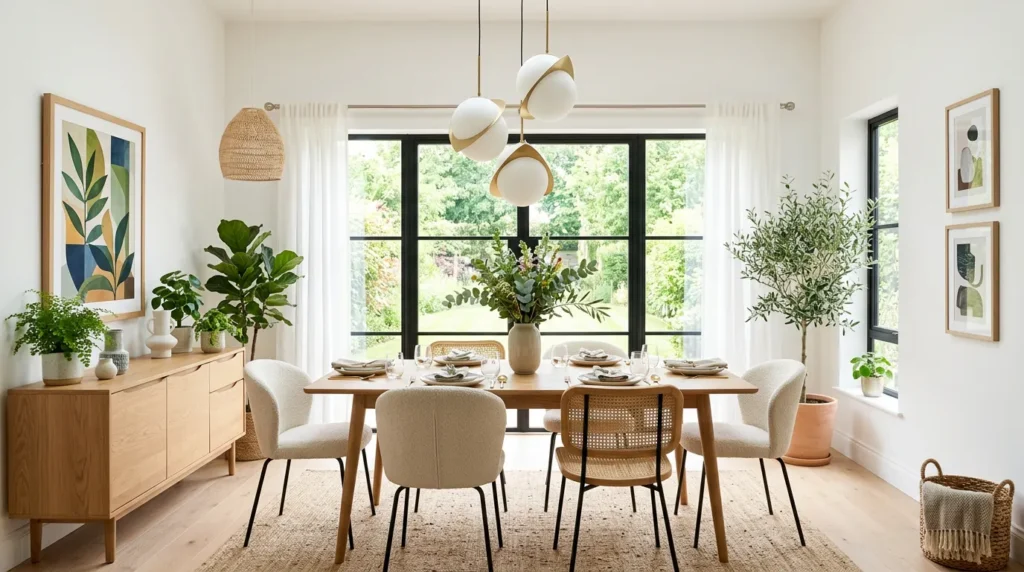
Lighting changes how people feel when they sit down for an evening meal. A single overhead bulb creates harsh shadows and forces guests to squint. Experienced decorators use a layered approach, combining ambient, task, and accent lighting to soften the room. The primary fixture should hang between thirty and thirty-six inches above the tabletop to create an intimate pool of light.
Implementing Dimmer Controls
Installing dimmer switches gives you absolute control over the mood of the room. Bright light works well for morning breakfast or afternoon homework sessions. Lowering the illumination in the evening changes the atmosphere instantly, making guests feel relaxed.
Incorporating Secondary Lighting
Wall sconces, low sideboard lamps, and floor fixtures prevent the corners of the room from falling into deep shadow. This peripheral light expands the perceived size of the room. It also draws attention to artwork or architectural details on the perimeter walls.
3. Introduce Tactile Textiles
Hard surfaces dominate dining areas, from wooden tabletops to tiled floors and plastered walls. Introducing soft textiles breaks up these rigid lines and improves room acoustics. Large dining rooms often suffer from echo, which makes conversation difficult during lively gatherings. Fabric elements absorb sound waves, creating a quiet environment.
An area rug under the dining table grounds the entire arrangement. The rug should extend at least twenty-four inches beyond the table edges so chair legs remain on the carpet when pulled out. Flat-weave or low-pile rugs work best in this environment because they allow chairs to slide easily and are simple to clean.
4. Curate an Expressive Gallery Wall
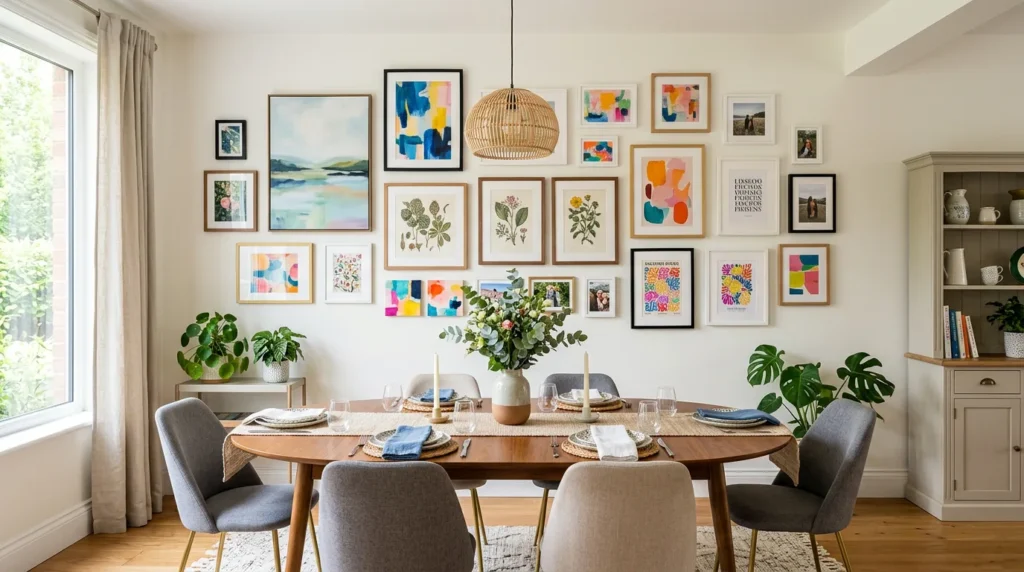
Walls offer an opportunity to showcase personal style and spark conversation among dinner guests. A blank wall can make a dining space feel cold and institutional. Hanging a curated collection of art brings colour, movement, and narrative into the room. You can choose one large statement canvas or assemble a collection of smaller framed pieces.
A successful gallery wall relies on a unifying element to prevent visual chaos. This could be a consistent colour palette in the artwork or matching frame materials. Hang the central piece at eye level when standing, which typically sits around fifty-seven inches from the floor. For a dining room, you might lower this slightly so the art remains enjoyable while guests are seated.
5. Maximise Storage with a Styled Sideboard
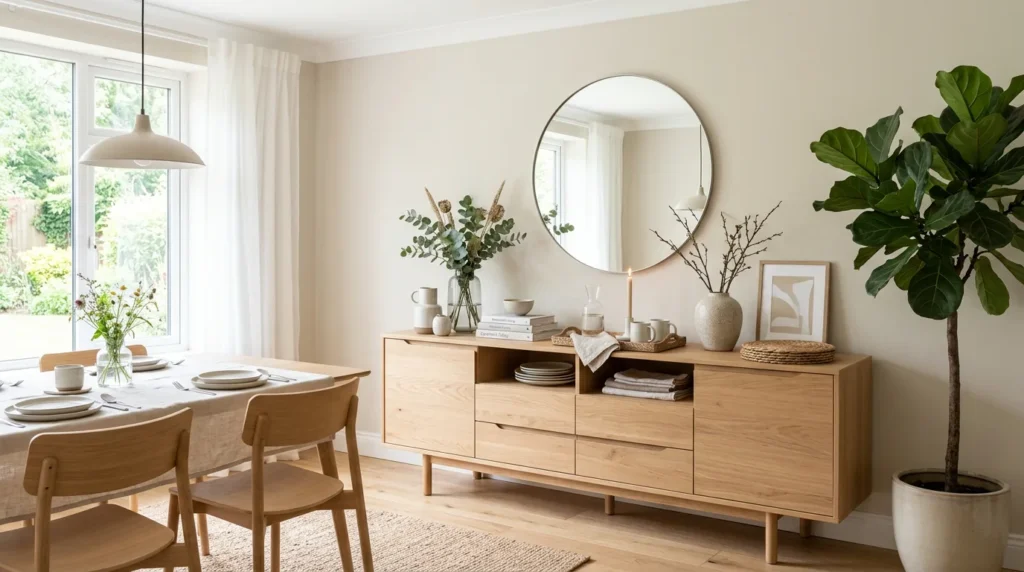
A sideboard or buffet offers storage for linens, silver, and extra glassware. Beyond its utility, the top surface provides an excellent stage for decorative styling. This long flat surface allows you to experiment with height, depth, and texture.
During dinner parties, the sideboard functions as a practical serving station or a bar area. When not in use for food, you can style it with a balance of objects. Try placing a tall ceramic vase on one side, a stack of art books in the middle, and a low bowl on the other end. This asymmetrical balance keeps the arrangement looking natural and sophisticated.
6. Embrace Bold Paint and Wallcoverings
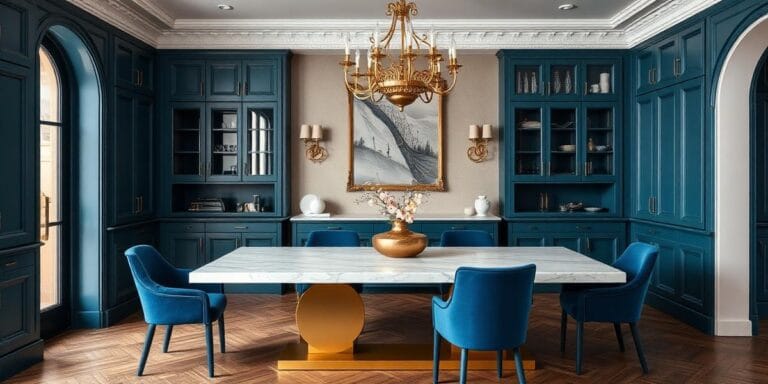
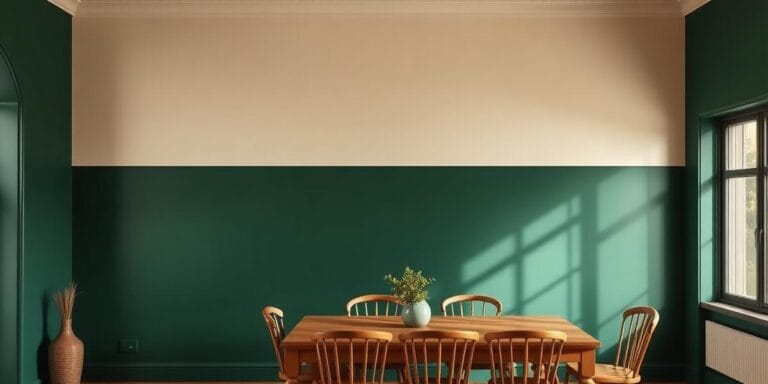
Paint is one of the most cost-effective tools for redefining an interior environment. Dining rooms are unique because they are often used for shorter periods, allowing for bolder design choices than a living room or bedroom. Dark, moody paint colours like charcoal, navy, or deep forest green create a cozy evening atmosphere.
Utilizing Textured Wallpaper
Grasscloth wallpaper introduces organic texture that paint cannot replicate. The woven fibers catch the light beautifully and hide wall imperfections. This choice works well in both traditional homes and modern urban apartments.
Colour Drenching Techniques
Painting the walls, baseboards, and ceiling the same colour creates a seamless look. This technique makes small dining rooms feel larger by erasing visual boundaries. It also forces the eye to focus on the furniture and lighting fixtures.
7. Design Seasonal Tablescapes
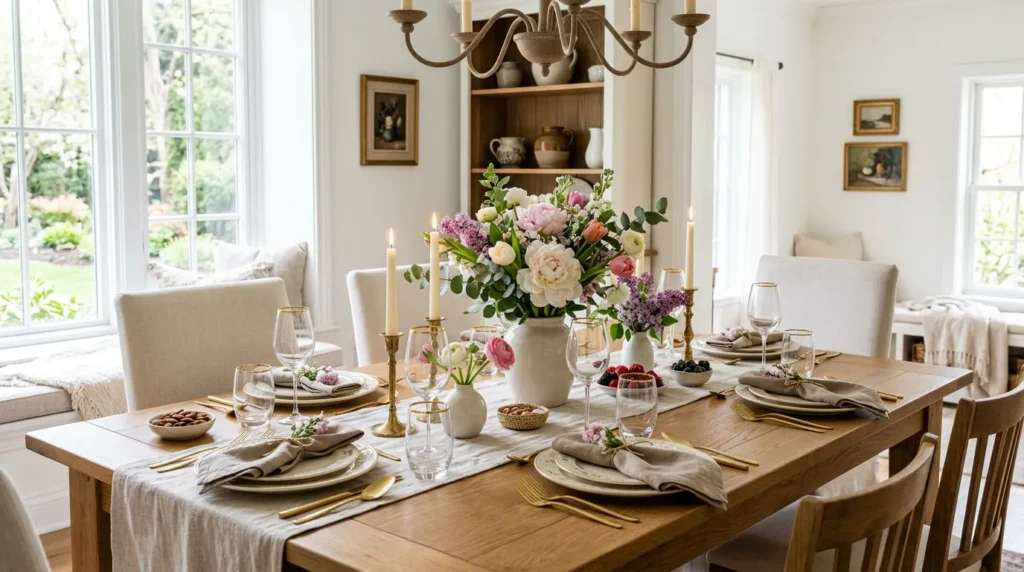
The top of the table should not remain completely bare between meals. Developing a simple tablescaping routine keeps the room looking lived-in and elegant. A long linen runner down the center of the table provides a base for building a visual display.
Avoid tall arrangements that block the line of sight across the table. Instead, cluster low ceramic vessels, brass candlesticks, and small pinch bowls together. Mixing materials like stoneware, glass, and polished metal creates a rich visual narrative. You can update these elements as the seasons change, using dried branches in autumn and fresh green foliage in spring.
8. Incorporate Biophilic Elements
Bringing natural elements indoors improves air quality and softens structural lines. Plants add movement and organic shapes that contrast with the linear edges of dining furniture. A large potted plant, like a fiddle leaf fig or a paradise palm, can fill an empty corner beautifully.
If floor space is limited, smaller potted herbs or trailing ivy can sit on the sideboard or a window sill. Cut branches from the garden placed in a clear glass vase offer a minimalist look. These natural elements connect the indoor dining space to the changing seasons outside.
9. Upgrade Seating for Comfort and Style
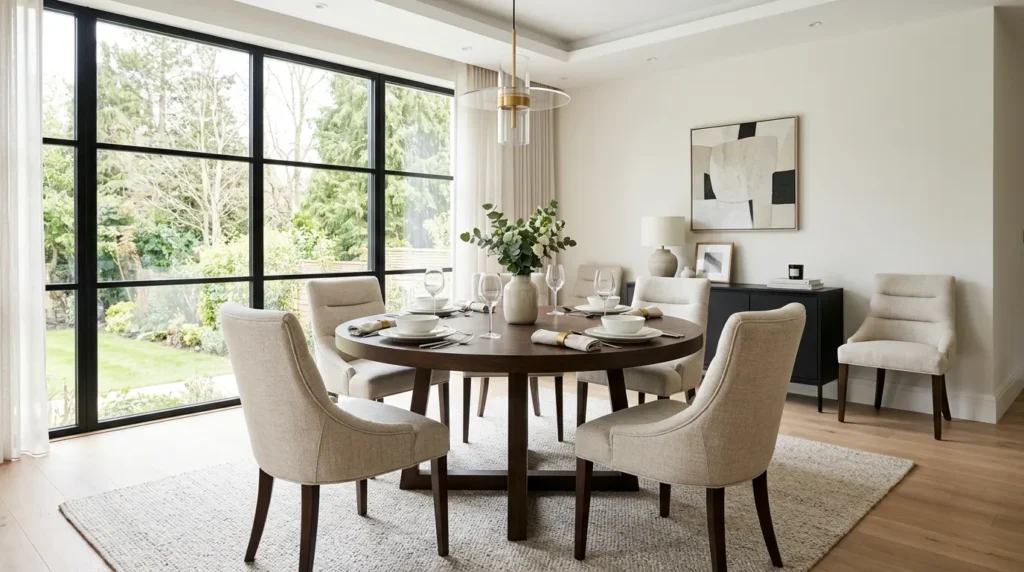
Comfortable chairs encourage guests to linger at the table long after the meal has ended. If your current chairs cause discomfort, replacing or modifying them should be a priority. Upholstered dining chairs add a layer of luxury and provide an opportunity to introduce pattern or colour.
Mixing different chair styles can create an interesting design narrative. You might use two host chairs with arms and full upholstery at the ends of the table, while choosing streamlined wooden chairs for the sides. This approach breaks the monotony of standard dining sets and makes the room look curated over time.
10. Install a Statement Mirror
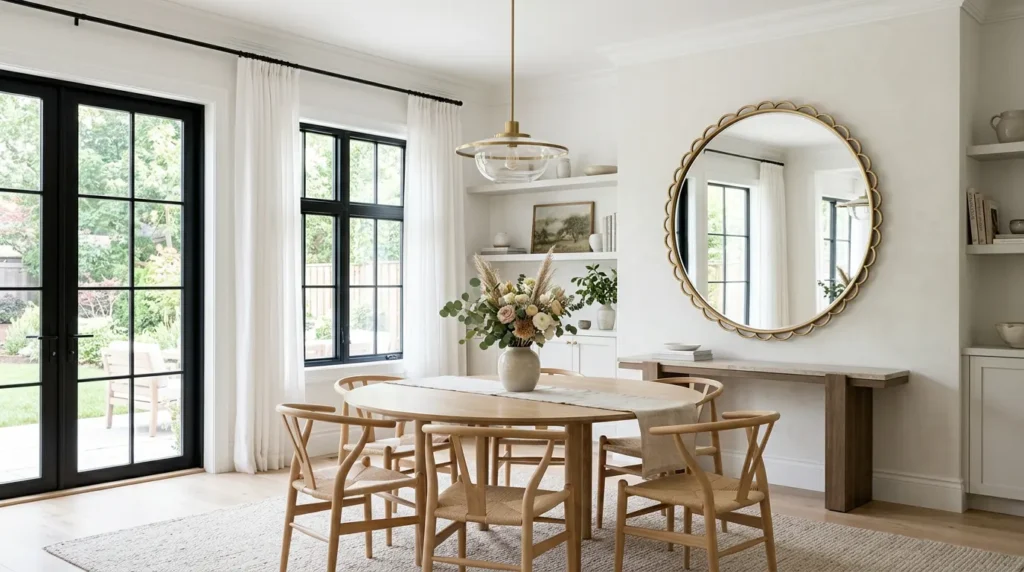
Mirrors are excellent tools for amplifying light and creating the illusion of extra space. If your dining room lacks large windows or suffers from limited natural light, a large wall mirror can transform the environment. Position the mirror so it reflects an attractive view, like a beautiful light fixture or a piece of art on the opposite wall.
The frame of the mirror should complement the design style of the room. An ornate gilded frame adds historical charm to a traditional space, while a thin black metal frame suits a minimalist aesthetic. During evening meals, the mirror catches candle flames and ambient light, making the entire room sparkle.
Real-World Case Study: Overcoming the Long, Narrow Space
In a recent residential project in a historic urban home, the dining room presented a significant design challenge. The room was long, narrow, and dark, with a single window facing a brick alley. The homeowners had filled the space with a heavy dark wood table and matching high-backed chairs, which made the room feel like a cramped hallway.
The transformation began by replacing the rectangular table with an oval model made of light oak. This change immediately softened the traffic flow and opened up the walkways. We removed the matching chairs and introduced low-profile chairs upholstered in a cream linen fabric.
To address the lack of light, we installed an oversized round mirror on the long wall to bounce light from the kitchen entryway. A modern linear suspension light replaced the single central bulb, spreading illumination evenly across the entire tabletop. Finally, the walls were painted a soft, chalky white, while the ceiling received a coat of pale tint. The result was a room that felt expansive, bright, and incredibly welcoming for family gatherings.
Wrap Up
Transforming a dining room requires focusing on balance, light, and comfort rather than chasing short-term design fads. By selecting a strong anchor table, layering your lighting sources, and mixing textures, you can create a space that feels personal and sophisticated. Small changes like updating art or adding natural elements can make a significant difference. Ultimately, a successful dining space is one that draws people together and makes every meal feel special.
FAQs Section
How do I choose the right size rug for my dining room?
The rug must be large enough to accommodate the table and all chairs, even when they are pulled out for seating. Measure your table and add at least twenty-four inches to all sides to find the minimum required dimensions.
Can you mix different wood tones in a dining room?
Mixing wood tones creates a rich, collected look that feels authentic rather than clinical. Keep the undertones consistent, pairing warm woods with other warm grains, and ensure there is enough contrast so the choices look intentional.
What is the best lighting layout for a small dining space?
A small room benefits from a central dimmable pendant fixture paired with low-level accent lights like lamps on a sideboard. This combination eliminates dark corners and allows you to adjust the atmosphere based on the time of day.
Disclaimer:
The content shared by Fall Rugs is solely for research and informational purposes. Fall Rugs is not a professional interior design or home renovation consultancy, and the information provided should not be considered professional advice for home improvement or decor. All ideas and suggestions are based on current trends and general knowledge in the home decor industry.