

TL;DR
Luxury bedroom design relies on customized details and high-quality textures rather than high price tags. By focusing on hardware upgrades, custom millwork, and sophisticated lighting, you can elevate standard IKEA pieces into bespoke furniture. These strategies prioritize tactile quality and visual depth to create an expensive, curated atmosphere.
Introduction
Does your bedroom feel like a carbon copy of a furniture catalog or a unique sanctuary that reflects your personal taste? Many homeowners settle for the functional utility of mass-produced furniture while longing for the architectural character found in high-end design magazines.
You can bridge this gap by applying specific editorial design principles to your existing setup. This discussion explores how small, intentional changes to the most common IKEA staples can yield results that rival custom-built interior commissions.
1. Replacing Standard Hardware with Bespoke Metallic Pulls
The visual weight of a piece of furniture often comes down to the smallest contact points. Most flat-pack units come with lightweight plastic or thin aluminum handles that immediately signal their mass-produced origins. When you replace these with solid unlacquered brass, heavy knurled steel, or hand-stitched leather pulls, you change the sensory experience of using the furniture. The weight of a solid metal handle provides a tactile feedback that our brains associate with luxury craftsmanship and longevity.
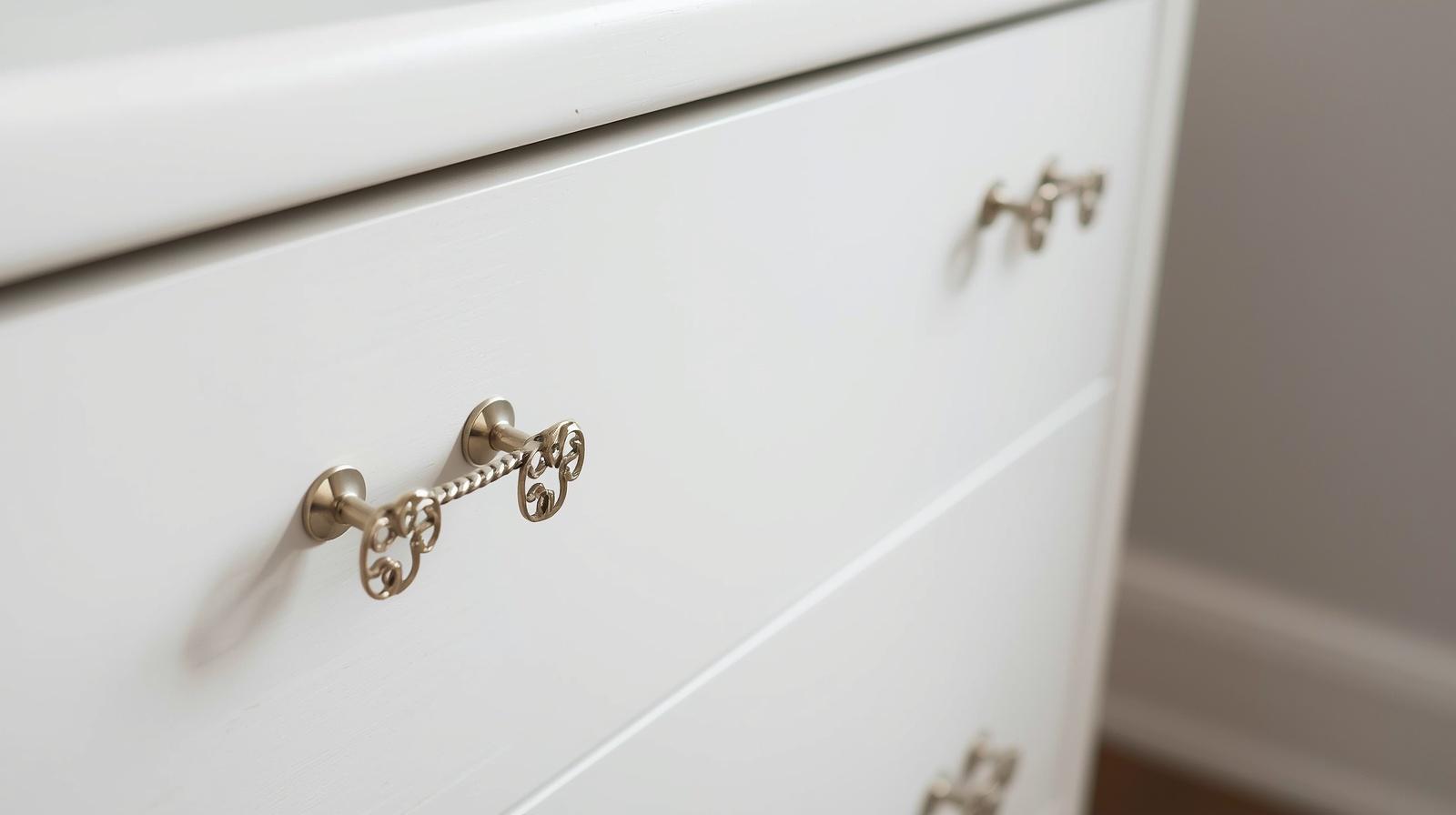
Beyond the feel, the finish of your hardware dictates the room’s color palette and sophistication level. Avoid overly shiny chrome which can look cheap under harsh bedroom lighting. Instead, opt for brushed finishes or metals that will develop a natural patina over time. This aging process adds a sense of history and “old money” charm to a modern dresser. Many designers source these components from independent artisans to ensure the bedroom does not look like it was purchased from a single big-box store.
Consistency across all furniture pieces creates a cohesive look that feels professionally curated. If you use brass on your nightstands, carry that element over to your wardrobe pulls and perhaps even the hinges if they are visible. This level of detail suggests a deliberate design plan rather than a series of impulsive purchases. The contrast between a simple white drawer and a heavy, high-quality handle creates a focal point that draws the eye away from the furniture’s basic construction.
2. Incorporating Architectural Molding on Flat Wardrobe Doors
The greatest giveaway of affordable furniture is the lack of depth on large vertical surfaces. Flat wardrobe doors like those found on the PAX system are functional but lack the architectural interest of traditional cabinetry. By applying thin strips of wood trim or decorative molding to these surfaces, you introduce shadows and highlights that mimic expensive millwork. This technique, often called picture frame molding, adds a rhythmic quality to the room that feels anchored and permanent.
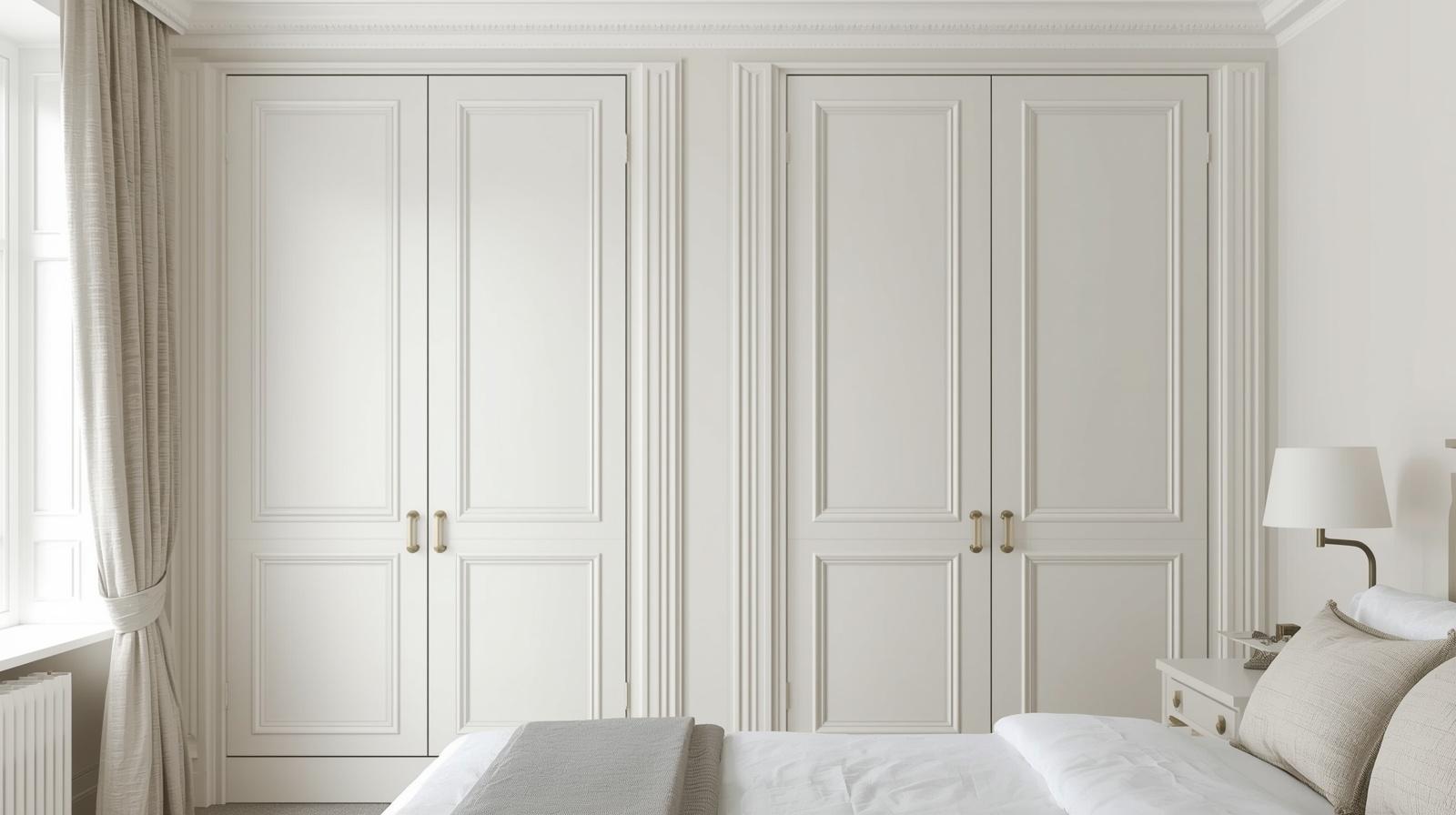
The success of this modification depends entirely on the precision of the cuts and the quality of the adhesive. Using a miter box to ensure perfect forty-five degree angles is a non-negotiable step for a professional finish. Once the molding is attached, using wood filler to close any gaps at the joints creates a seamless look. After a few coats of high-quality furniture paint, the transition between the original door and the new trim becomes invisible to the naked eye.
Think about the scale of the molding in relation to the height of your ceilings. Tall wardrobes benefit from larger, more substantial trim that reaches toward the crown molding of the room itself. This effectively “builds in” the furniture, making it look like a part of the house’s original architecture. When a wardrobe appears to be a permanent fixture of the room, its perceived value increases exponentially compared to a freestanding unit.
3. Elevating the MALM Series through Textured Overlays
The MALM bed frame and dresser series are celebrated for their minimalism, but their sleekness can sometimes feel cold or clinical. You can introduce warmth and luxury by applying textured overlays to the drawer fronts or the headboard. Grasscloth wallpaper, fluted wood panels, or even cane webbing can be applied to the flat surfaces to create a multi-dimensional look. This shift from smooth laminate to organic texture is a hallmark of high-end interior design.

When choosing a texture, consider the existing light in your bedroom. Fluted panels create vertical shadows that can make a low-profile bed feel more substantial and grand. If you prefer a softer aesthetic, upholstered panels made from linen or velvet can be attached to the headboard. This not only improves the visual appeal but also adds a layer of physical comfort that standard wooden frames lack. The contrast between the rigid frame and the soft inset material creates a sophisticated balance.
The application process requires patience and the right primer to ensure the overlay adheres to the slick IKEA finish. Lightly sanding the surface before applying any adhesive or paint is a step many people skip, leading to peeling later on. By taking the time to prepare the base, you ensure that your custom creation stays looking professional for years. This approach turns a common piece of furniture into a one-of-a-kind statement item.
4. Curating High-Thread Count Linens Over Basic Bedding
The bed is the largest object in the room, so the textiles you choose will dominate the visual landscape. High-end bedrooms rarely rely on the thin, polyester-blend sheets that are often packaged for convenience. To achieve an expensive look, you should invest in long-staple cotton or authentic Belgian linen. These materials have a natural weight and drape that cheap fabrics cannot replicate, and they actually improve in appearance and feel as they age.

Layering is the secret to that “hotel” look that many people strive for. Start with a crisp base layer, then add a weighted duvet, and finish with a textured throw or a coverlet at the foot of the bed. Using different fabrics like a silk pillowcase next to a wool blanket creates a sensory richness. The goal is to create a bed that looks lived-in but intentional, avoiding the stiff and plastic look of synthetic bedding sets.
Color plays a massive role in how expensive your linens look. Neutral tones like bone, sand, and charcoal are timeless and allow the texture of the fabric to stand out. If you want to use color, stick to muted, earthy pigments rather than bright, saturated hues. These softer colors interact better with both natural and artificial light, creating a calming environment that feels like a luxury retreat.
5. Integrating Built-In Lighting for a Custom Boutique Feel
Lighting is perhaps the most underrated tool for making a space look expensive. Standard overhead lighting is often too harsh and flattens the dimensions of your furniture. By integrating LED strips inside wardrobes or behind headboards, you create a soft, diffused glow that mimics high-end boutique displays. This indirect light hides the minor imperfections of flat-pack furniture while highlighting its silhouette.
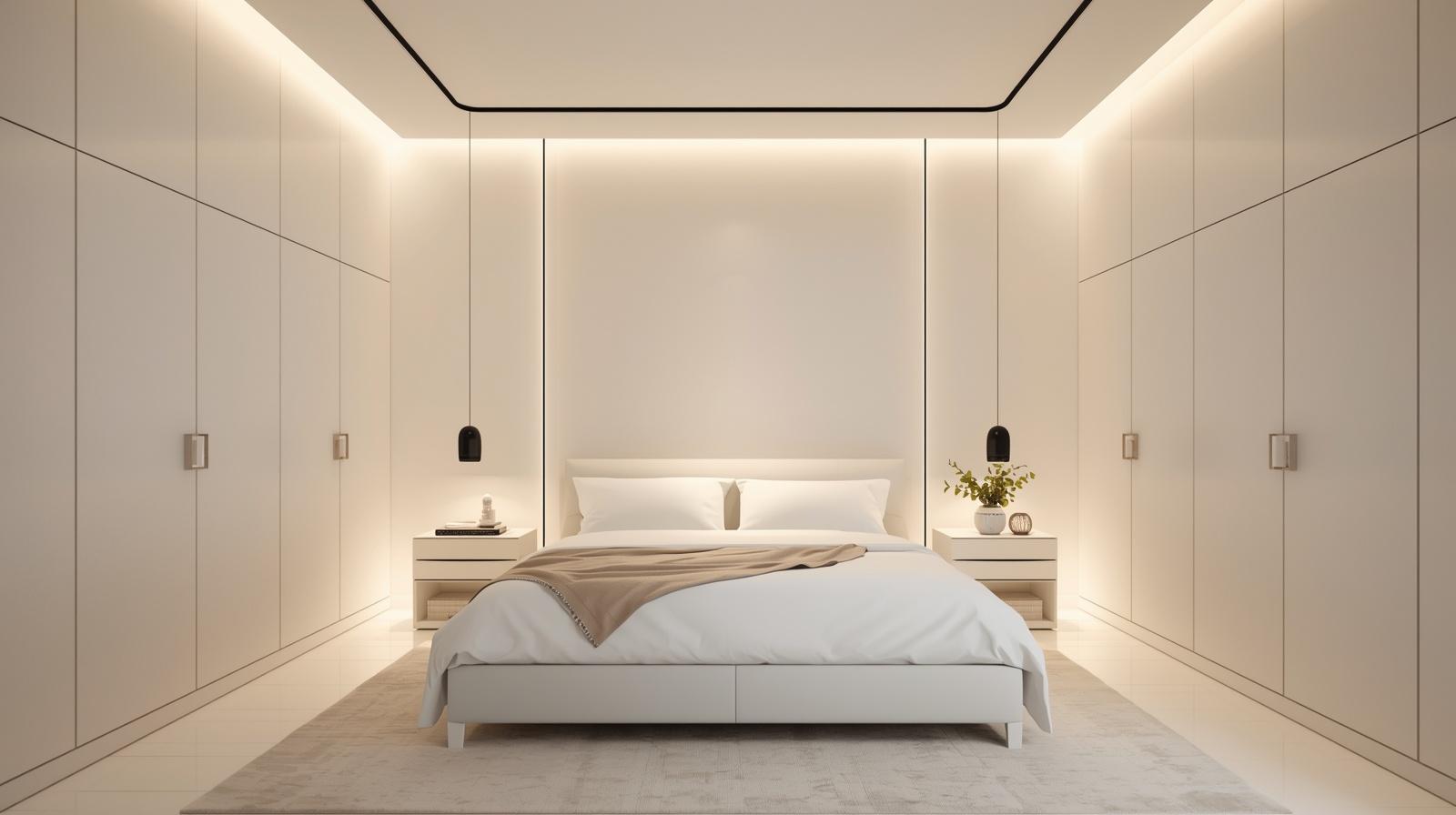
Consider using motion-activated lighting inside your drawers and cabinets. There is a specific psychological satisfaction in opening a wardrobe to find it softly illuminated, a feature typically reserved for custom walk-in closets. These small electronic additions are relatively inexpensive but provide a high-tech, premium feel to the daily routine. Make sure to choose warm-white bulbs, usually around 2700K to 3000K, to keep the atmosphere cozy rather than clinical.
The placement of your switches and wires is just as important as the lights themselves. Visible cords immediately ruin the “built-in” illusion. Use cable management channels or drill small holes in the back of your furniture to hide all wiring. When the light source is invisible and only the glow is present, the furniture takes on a magical, high-end quality that feels integrated into the home’s electrical system.
6. Layering Tonal Textures to Soften Rigid Furniture Lines
IKEA furniture is known for its sharp corners and straight lines, which can sometimes make a bedroom feel “boxy.” To counter this, professional stylists use a technique called tonal layering. This involves using various shades of the same color across different materials like wool, sheepskin, and velvet. By softening the edges of your furniture with these organic shapes and textures, you create a more expensive and welcoming environment.

A common mistake is using a single rug that is too small for the space. For a luxury feel, consider the “rug-on-rug” approach. Place a large, neutral jute or sisal rug as a base, then layer a smaller, plush wool rug on top near the bed. This adds depth to the floor and makes the room feel larger. The mix of a rough natural fiber with a soft pile creates a sophisticated contrast that is common in high-end coastal or Scandinavian designs.
Window treatments should also follow this layering logic. Instead of a single thin blind, use a combination of sheer curtains for privacy and heavy velvet or linen drapes for light blocking. The sheer volume of fabric hanging from the walls adds a sense of opulence and improves the room’s acoustics. Softening the sound in a bedroom is a subtle but powerful way to make it feel more like a secluded, expensive suite.
7. Using Floor-to-Ceiling Drapery to Create Vertical Scale
Height is a luxury. Most standard curtain rods are hung just above the window frame, which cuts the room in half visually and makes ceilings feel lower. To make an IKEA-furnished bedroom look grand, hang your curtain tracks or rods as close to the ceiling as possible. Allow the fabric to hit the floor or even “puddle” slightly. This creates long, vertical lines that draw the eye upward and give the illusion of much higher ceilings.
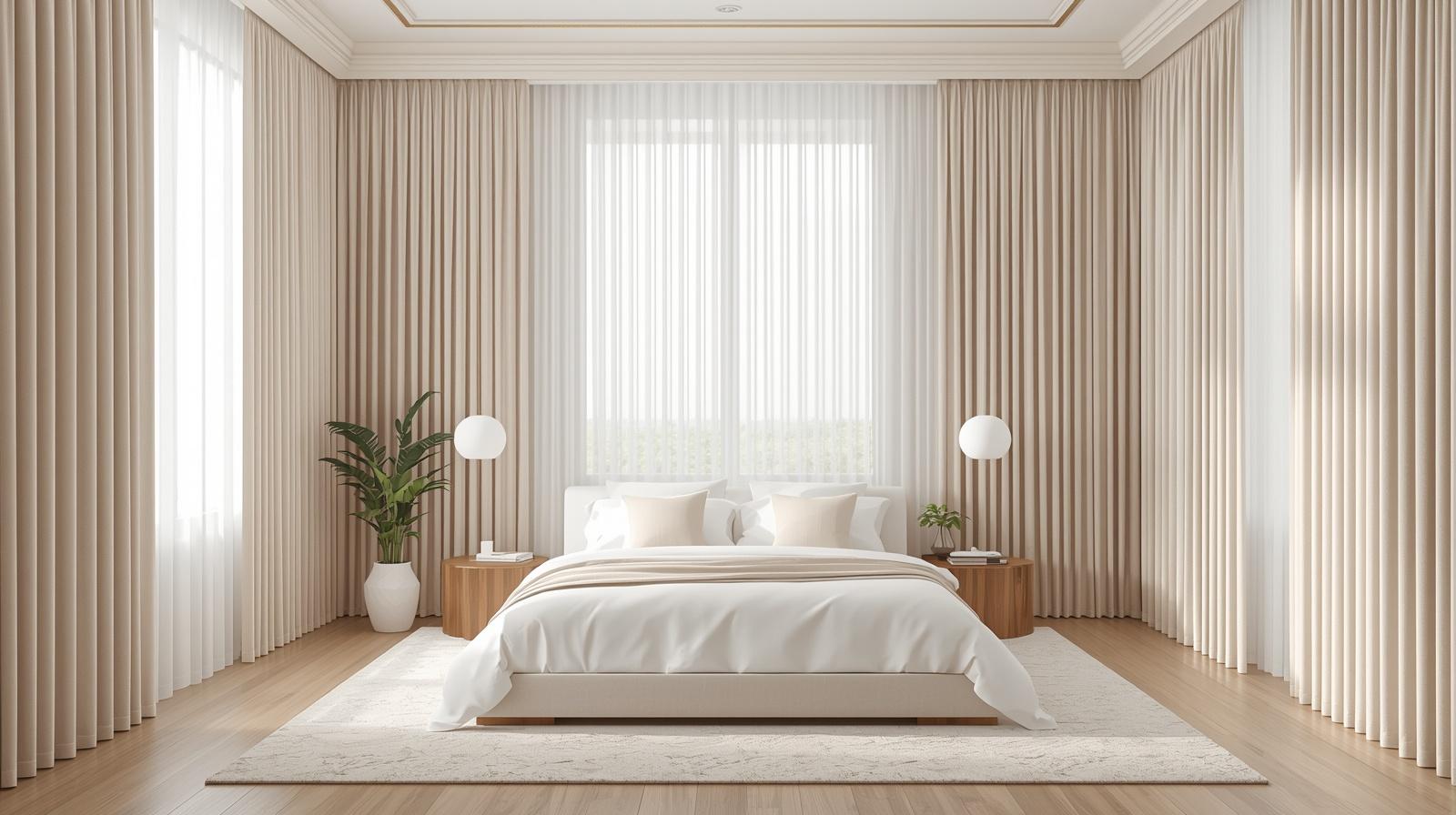
The quality of the curtain hanging system also matters. IKEA’s VIDGA track system is a favorite among designers because it can be mounted directly to the ceiling, hiding the hardware entirely. When the curtains seem to emerge from the ceiling itself, the look is much more architectural and “custom.” Avoid using grommet-top curtains, which can look dated and cheap. Instead, use pinch-pleat or ripple-fold styles for a tailored, professional appearance.
To ensure the curtains look expensive, you need a lot of fabric. A common error is buying panels that only just cover the width of the window. For a truly high-end look, the combined width of your curtain panels should be two to three times the width of the window. This ensures that even when the curtains are closed, they maintain beautiful, deep folds rather than looking like a flat sheet of fabric stretched across the glass.
8. Upgrading Standard Table Legs for Mid-Century Modern Appeal
The legs of a desk or nightstand are often the most generic part of the piece. Swapping out the standard straight metal legs for something with more character can completely change the furniture’s silhouette. Tapered wooden legs with brass ferrules can give a simple table a mid-century modern vibe. Alternatively, heavy square legs made of solid oak can provide a rustic, handcrafted feel that belies the furniture’s origin.
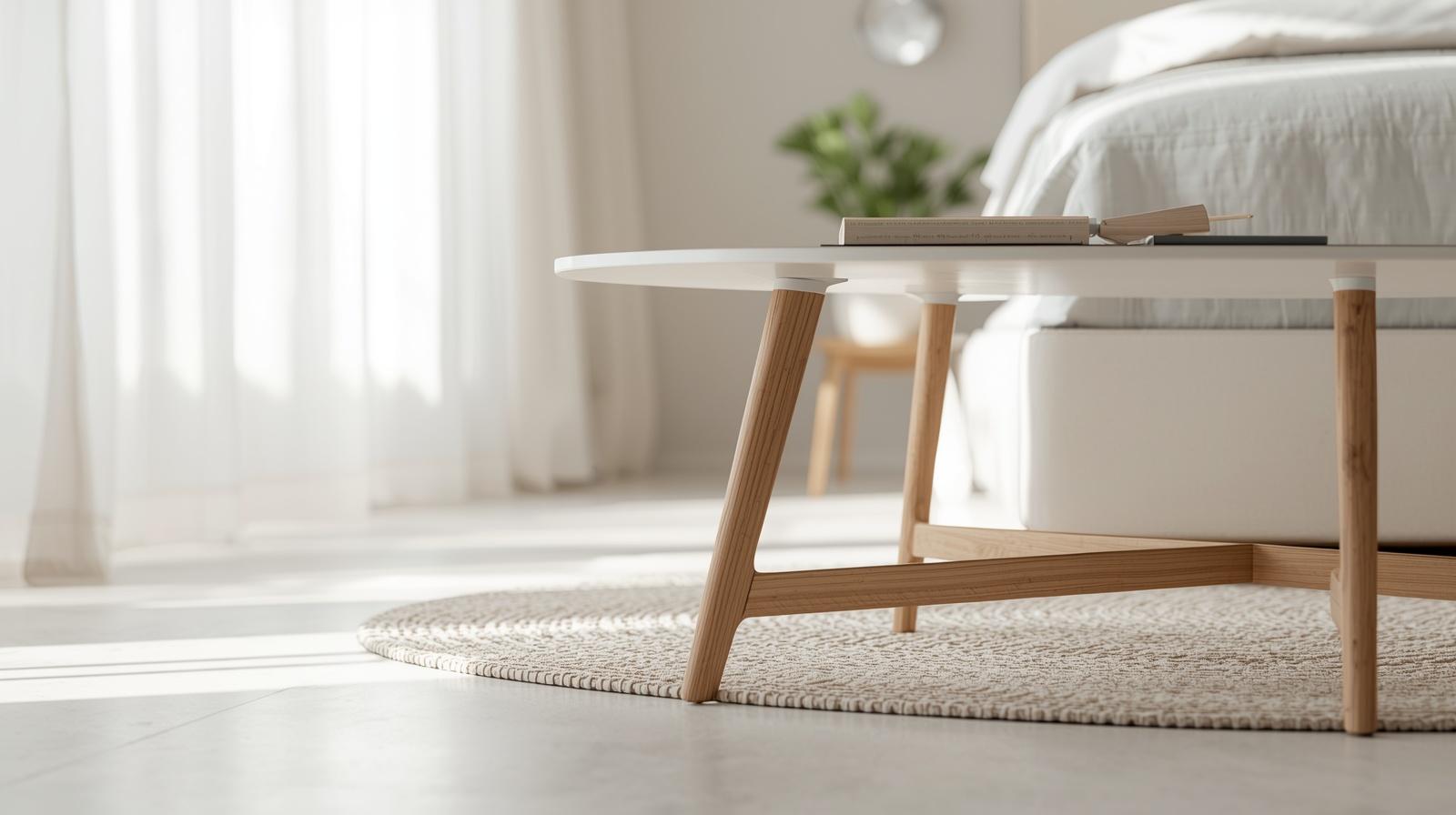
This modification is particularly effective for the HEMNES or LACK series. By adding height or a different angle to the base, you change how the piece interacts with the other furniture in the room. Some people even use industrial-style hairpin legs to add a bit of edge to a soft, feminine bedroom. The key is to ensure the scale of the new legs matches the weight of the furniture top so it doesn’t look top-heavy or unstable.
Pay attention to the finish of the wood if you choose wooden legs. If your bed frame is a dark stained veneer, try to match the legs of your nightstands to that specific tone. If you cannot find a perfect match, it is often better to go for a complete contrast, such as black metal or painted wood, rather than a “near-miss” wood grain. A deliberate contrast looks like a design choice, while a slight mismatch looks like an error.
9. Color Drenching Units to Match Wall Pigments
One of the most effective ways to make freestanding furniture look like expensive custom built-ins is to paint it the exact same color as your walls. This technique, known as color drenching, allows the furniture to recede into the architecture. Instead of seeing a series of separate boxes against a wall, the eye sees a continuous, cohesive surface. This creates a sense of calm and spaciousness that is highly valued in luxury interior design.
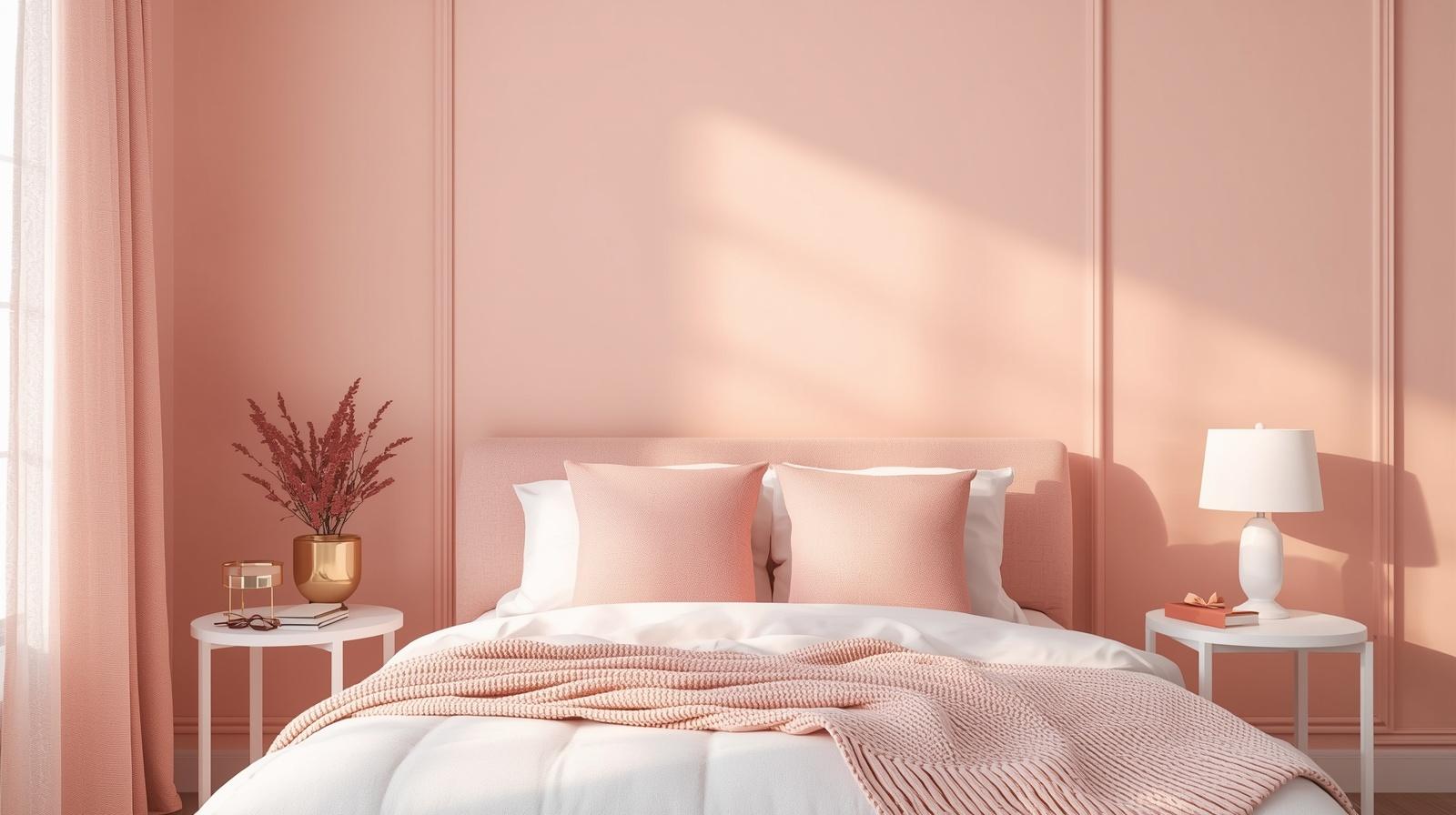
Achieving a professional paint finish on IKEA’s laminate surfaces requires a specific process. You must use a high-adhesion, shellac-based primer like Zinsser B-I-N. This primer creates a chemical bond with the slick surface, allowing the topcoat of paint to stick without peeling. Once primed, you can use any high-quality interior paint. A matte or eggshell finish is usually best for a sophisticated look, as high-gloss can highlight any small assembly gaps in the furniture.
Don’t stop at the furniture. Paint the baseboards, the molding you added, and even the vent covers in the same shade. This monochromatic approach is a favorite of high-end designers because it feels bold and intentional. It hides the “flat-pack” nature of the items and turns the entire wall into a singular piece of art. The room feels more expensive because it looks like it was designed as a whole unit rather than a collection of parts.
10. Swapping Plastic Casters for Statement Furniture Feet
Many IKEA storage units come with cheap plastic wheels or tiny rubber nubs for feet. These are functional for shipping and moving, but they do nothing for the aesthetic of a bedroom. Replacing these with decorative furniture feet can lift the piece off the ground, creating a sense of “airiness” and light. Furniture that sits directly on the floor can feel heavy and cumbersome, whereas elevated pieces make the room feel larger and more elegant.
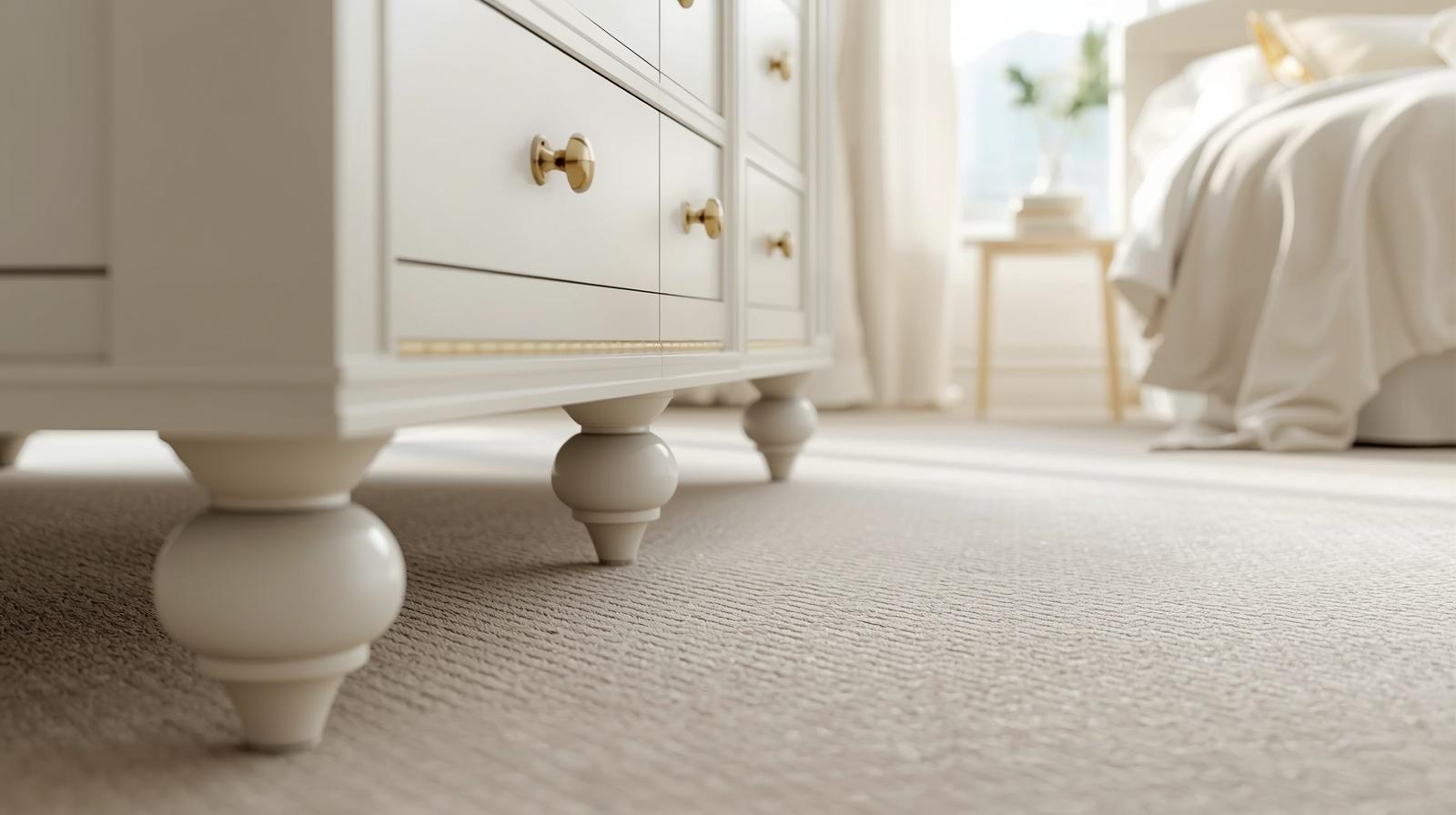
You can find a wide variety of replacement feet online, ranging from turned wood bun feet to sleek Art Deco metal pedestals. Elevating a KALLAX unit or a BESTA cabinet even four or five inches off the ground changes its entire profile. It goes from being a storage box to being a piece of furniture. This also makes cleaning much easier, which helps maintain the pristine, high-end look of the room.
Consider the material of your flooring when choosing new feet. If you have hardwood floors, adding brass or polished chrome feet can create a beautiful reflection and a sense of luxury. For carpeted rooms, a wider wooden foot might be more stable and prevent indentation. This final detail is the “jewelry” of your furniture, providing that last bit of polish that distinguishes a designer room from a standard one.
Wrap Up
Creating a luxury bedroom with IKEA furniture is entirely possible when you focus on the details that define quality. By addressing hardware, texture, and architectural scale, you transform functional items into bespoke design elements. The goal is to move away from the generic and toward a space that feels curated and intentional. With a little patience and a few strategic upgrades, your bedroom can provide the high-end comfort and style of a professional interior commission.
FAQs Section
Does painting IKEA furniture really hold up over time?
Yes, as long as you use a high-quality shellac-based primer to create a bond with the laminate surface before applying your topcoat. Without this specific priming step, the paint will likely chip or peel within a few months of regular use.
How do I choose the right size for my replacement hardware?
You should measure the “center-to-center” distance between the existing screw holes to ensure your new handles fit without needing to drill and fill. If you are starting fresh with new doors, choose a scale that feels substantial enough to balance the overall size of the drawer or cabinet.
Can I mix different IKEA series in the same bedroom?
You can certainly mix series if you use a unifying element like a consistent paint color or matching hardware to tie them together. The key is to avoid having too many different wood grain veneers in one space, as this can make the room feel cluttered rather than curated.
Disclaimer:
The content shared by Fall Rugs is solely for research and informational purposes. Fall Rugs is not a professional interior design or home renovation consultancy, and the information provided should not be considered professional advice for home improvement or decor. All ideas and suggestions are based on current trends and general knowledge in the home decor industry.