

TL;DR
Colonial White Granite is a natural quartzite-adjacent granite prized for its warm cream base, grey veining, and subtle burgundy or brown flecks. It works across kitchens, bathrooms, and accent spaces without demanding a full renovation commitment. Pair it with the right undertones and it reads as both classic and current.
Introduction
What makes a countertop surface actually elevate a room rather than just occupy it? Colonial White Granite keeps coming up as the answer in high-use residential projects for a specific reason: it looks like it was always supposed to be there. Quarried primarily in Brazil, this stone carries cream and off-white tones with grey, taupe, and occasional burgundy veining that bridges warm and cool palettes simultaneously. This piece walks through how designers and homeowners are applying it across different rooms, which pairings consistently deliver, and where this material quietly fails if you push it in the wrong direction.
Why Colonial White Granite Reads as Both Neutral and Distinctive
Most natural stones force a choice. You either commit to a dramatic movement like Calacatta Marble or settle for something flat and predictable. Colonial White Granite sits in a third category: it has enough visual complexity to hold attention on its own, but its warm cream base stays cooperative with a wide range of cabinet finishes, wall colors, and flooring materials.
The stone typically shows a cream to off-white background with streaks of grey and charcoal, interspersed with rust, burgundy, or gold flecks depending on the slab origin. Those warm mineral inclusions are what separate it from cooler white granites like Alaska White or White Ice. Slab variation is real with this material. Two slabs from the same lot can look noticeably different, which is why stone fabricators routinely recommend viewing the actual slab rather than a sample tile before committing.
In a 2021 survey by the National Kitchen and Bath Association, natural stone remained the top countertop choice among designers working on projects priced above $50,000, with white and off-white tones dominating kitchen remodels. Colonial White fits neatly into that preference because it delivers the warmth clients often want without the maintenance anxiety that marble triggers in high-traffic households.
Kitchen Applications Where This Stone Actually Performs
The kitchen is where Colonial White Granite earns or loses its reputation. The material holds up mechanically: it rates between 6 and 7 on the Mohs hardness scale, resists scratching from standard kitchen use, and with proper annual sealing handles acidic foods and cooking oils without staining. Those properties matter more in a kitchen than they do anywhere else in the house.
The most consistent pairing in current residential design puts Colonial White countertops against medium-tone wood cabinetry in walnut or white oak. Interior designer Sarah Sherman Samuel, known for her California-based residential work, has publicly advocated for pairing warm natural stones against natural wood tones rather than painted finishes, arguing that two organic materials create a quieter visual relationship than stone against high-sheen lacquer. That logic applies directly here. A Colonial White slab on white oak lowers cabinets and warm brass hardware from brands like Rejuvenation or Waterworks feels settled and considered without looking overly styled.
Against white Shaker cabinets, the stone reads slightly warmer than the cabinets themselves, which prevents the all-white kitchen from going sterile. This is a subtle but important design function. Pure white countertops on pure white cabinets tend to flatten a kitchen visually. The cream base and veining in Colonial White introduce just enough contrast to give the eye somewhere to rest.
Backsplash Choices That Support the Stone
Subway tile in warm white or off-white from collections like the Fireclay Tile Basics line keeps the material quiet. Zellige tile in cream or greige introduces texture and handmade variation that complements the organic veining in the granite without competing with it. Large-format porcelain in a concrete or linen finish works for homeowners who want a more contemporary read.
What tends to fail is cool-toned backsplash material: stark white glossy subway tile, blue-grey stone, or heavily veined white marble mosaics all pull in a cooler direction than the stone wants to go. The warm mineral flecks in Colonial White then read as dirt or inconsistency rather than character.
Flooring Pairings in the Kitchen
Wide-plank white oak or hickory flooring in a natural or lightly oiled finish connects back to the gold and amber tones in the stone. Designers at Studio McGee, whose residential portfolio spans traditional to transitional styles, consistently document light hardwood floors as their baseline recommendation under natural stone countertops in open-plan kitchens. Warm-toned porcelain tile in 24×24 or 12×24 formats works for homeowners who want more cleanability underfoot.
Bathroom Vanities and How the Scaling Changes
A bathroom vanity countertop is typically between 22 and 25 inches deep, which means the viewer sees less of the stone at once than they would in a kitchen. That changes the design calculation. The veining pattern and color movement in Colonial White that reads as complex and interesting across a 10-foot kitchen island can appear almost plain on a small powder room vanity.
The fix designers use is to specify a bookmatched or feature slab for bathroom applications, or to let a Colonial White vanity top function as a supporting element rather than the focal material. Paired with a statement mirror in unlacquered brass or aged bronze and a wall treatment in limewash or textured plaster, the stone plays a grounding role. Portola Paints’ Lime Wash collection in warmer tones like Wooly Mammoth or Roman Clay works directly with the cream base of Colonial White without clashing.
For primary bath applications where the countertop does take a more prominent role, extending Colonial White to a shower niche surround or feature wall section creates the visual scale the material needs to read as intentional. Bathroom designer Jamie Keskin, based in Chicago, has noted in industry presentations that small applications of premium stone often feel like an afterthought unless the stone reappears somewhere else in the same room to signal a design decision rather than a budget compromise.
Vanity Cabinet Colors That Work
Warm greige, natural linen, and sage green all respond well to the cream and warm undertones in Colonial White. Navy and forest green can work if the hardware is warm-toned, usually brushed gold or oil-rubbed bronze. Crisp white vanity cabinets function similarly to the kitchen application: they read slightly cooler than the stone, which creates a gentle contrast without looking mismatched.
Island and Accent Surface Applications
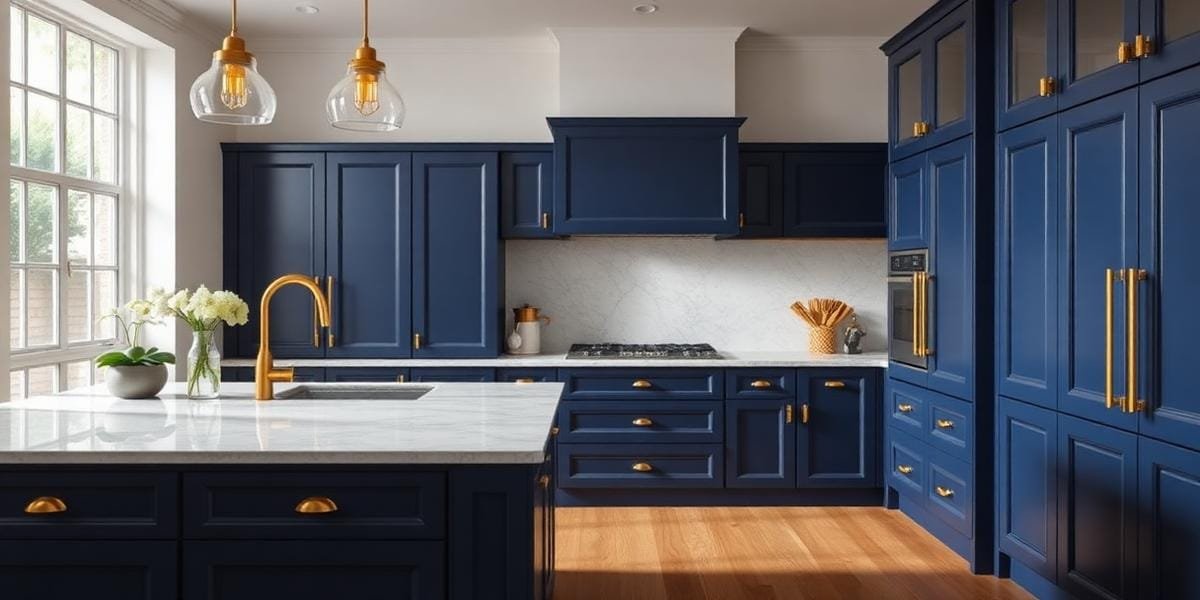
Some of the strongest current applications of Colonial White Granite appear not on perimeter countertops but on kitchen islands used as statement pieces. A Colonial White waterfall island against base cabinets in a contrasting color, such as deep olive, charcoal, or navy, turns the stone into an intentional focal point. The 1.5-inch or 2-inch eased or mitered edge profile typically used on waterfall installations makes the slab thickness visible, and the veining movement becomes more readable from multiple angles.
Dining tables with stone tops have gained notable traction since 2020. West Elm and CB2 both carry stone-top dining tables in the $1,200 to $3,500 range, and several custom fabricators in markets like Los Angeles, New York, and Nashville are producing Colonial White dining tables to order at roughly $80 to $140 per square foot installed. The warmth of the stone reads well under residential lighting, particularly in rooms with exposed wood beams or warm-toned pendant lighting.
Outdoor kitchen applications are possible with Colonial White but require more maintenance discipline than interior applications. The stone is porous enough to require sealing every six months in outdoor environments with temperature fluctuation and UV exposure, and harsh cleaning chemicals will degrade the finish over time. For covered outdoor kitchens in dry climates, the stone performs reasonably. In humid climates or fully exposed applications, a quartzite or sintered stone product is a more practical choice.
Where Colonial White Granite Shows Its Limits
No material deserves unqualified praise, and Colonial White Granite has real limitations worth understanding before specifying it. The warm undertones that make it so adaptable in transitional and traditional interiors also make it genuinely difficult in cool-modern spaces. If a project uses all-white Calacatta-veined surfaces, polished concrete floors, and matte black fixtures, Colonial White will look muddy and inconsistent against that palette.
The slab variation issue deserves direct attention. This stone’s appearance varies more than engineered quartz products from Caesarstone or Cambria. A homeowner who falls in love with a showroom sample and doesn’t visit the fabricator yard to approve the actual slab often ends up disappointed. This is not a defect in the material; it is a characteristic of natural stone. But it requires a purchasing process that is more hands-on than buying a quartz or laminate product.
Pricing sits at roughly $55 to $90 per square foot installed for Colonial White Granite as of 2024, depending on slab quality, fabrication complexity, and regional market. That places it in the mid-range of natural stone options, above basic granites like Uba Tuba or Venetian Gold and below premium marbles or rare quartzites. The value proposition is genuine at that price point, but budget-conscious homeowners should verify that their fabricator prices the specific slab rather than a regional average.
Wrap Up
Colonial White Granite earns its place in interior design because it solves a problem that many neutral materials fail to address: it is both calm and alive. The warm cream base makes it easy to live with, while the natural veining and mineral variation give it the depth that manufactured surfaces cannot replicate. It performs best in transitional and traditional kitchens, primary bathrooms where the countertop anchors warm layered finishes, and island applications where scale lets the stone speak clearly. Respect the slab variation, pair it with warm undertones, and view the actual stone before buying. Those three habits separate satisfying results from regrettable ones.
FAQs
Is Colonial White Granite good for kitchen countertops?
Yes. Colonial White Granite rates 6 to 7 on the Mohs hardness scale, handles everyday kitchen use well, and resists scratching better than marble. Annual sealing keeps it stain-resistant over time.
What cabinet color goes best with Colonial White Granite?
Medium-tone wood finishes like white oak and walnut, warm greige, and white Shaker cabinets all pair naturally with Colonial White’s cream and warm undertone. Avoid cool grey or blue-grey cabinets, which conflict with the stone’s warm mineral flecks.
How much does Colonial White Granite cost installed?
As of 2024, installed pricing typically ranges from $55 to $90 per square foot depending on slab quality, edge profile, and regional fabrication rates. Custom waterfall islands or complex layouts will sit at the higher end of that range.
Disclaimer
This content shared by Fall Rugs is solely for research and informational purposes. Fall Rugs is not a professional interior design or home renovation consultancy, and the information provided should not be considered professional advice for home improvement or decor. All ideas and suggestions are based on current trends and general knowledge in the home decor industry.