

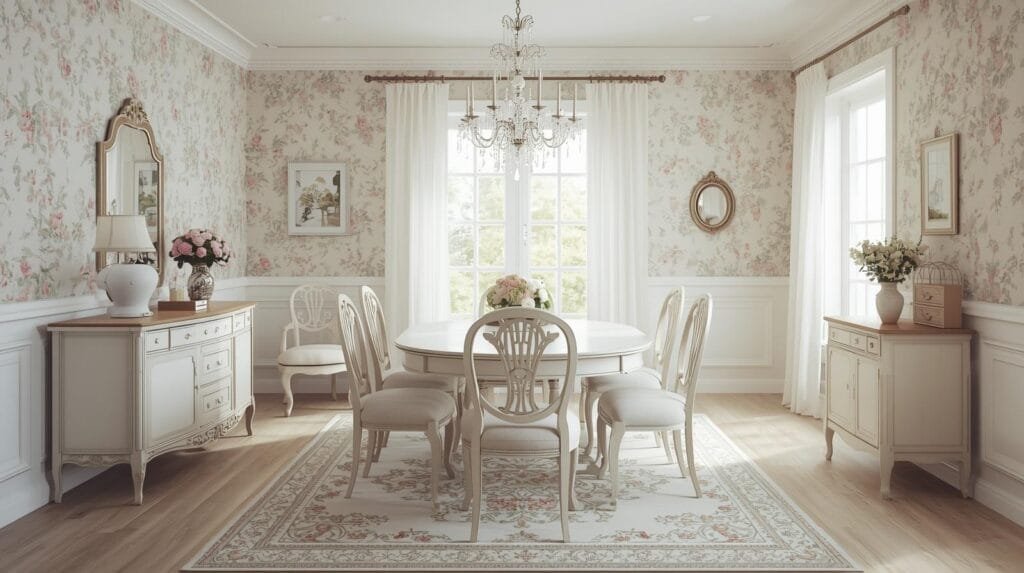
TL;DR
Shabby chic works when imperfection feels earned rather than staged. The ten ideas here focus on genuine material ageing, layered natural textiles, and furniture that carries visible history. Skip the mass-produced “distressed” look and instead learn how real patina, proper slipcover fit, and soft lighting create a bedroom that feels gentle, personal, and quietly romantic without tipping into sentimentality.
Introduction
What makes a shabby chic bedroom feel dreamy rather than merely frilly? That question separates rooms that whisper from rooms that shout. Too many attempts at this style land in a pastel swamp, all lace and no backbone. Yet when done with restraint, a shabby chic bedroom offers something rare in contemporary design. It gives permission for things to show their age gracefully. The following ten ideas come from watching what actually works in real homes where people sleep, dress, and wake up every morning inside this aesthetic. No set design stages, no impossible all-white fantasies that crumble under daily life.
What Actually Defines Shabby Chic
The term gets thrown around until it means almost nothing. Real shabby chic traces back to the late 1980s when designer Rachel Ashwell began mixing flea market finds with soft slipcovers in her London shop. Her instinct was simple but sharp. She saw that a room full of worn things could feel luxurious if the wear was honest and the textiles were generous. That core tension, roughness softened by linen, age balanced by cleanliness, still defines the style today. Without it, you get either a granny’s attic or a box-fresh showroom. Neither works.
People often mistake the aesthetic for a free-for-all where anything chipped or faded qualifies. That misunderstanding leads to rooms that look tired rather than tranquil. The best shabby chic bedrooms share a few quiet rules. Colour stays muted but never muddy. White rarely appears as pure bright white; instead it leans cream, ivory, old lace, or the grey-white of sun-bleached driftwood. Surfaces show their history through real use, not factory-applied distressing that repeats the same scratch pattern across every drawer front.
The style also depends heavily on contrast. A heavily carved dark wood armoire gains softness next to a rumpled white duvet. A crystal chandelier hung over a peeling painted bedside table creates exactly the friction that makes the room feel alive. When every surface is equally faded, the eye has nowhere to land. The room flattens. Understanding this push-and-pull matters before you start moving furniture, because it shapes every decision from paint colour to pillow selection.
1. Start With Walls That Breathe

Paint choice in a shabby chic bedroom does more work than any piece of furniture. The wrong wall colour can make every carefully collected item look dirty or dull. The right one creates an envelope of soft light that flatters everything placed against it. Most successful rooms in this style use walls that actively reflect warmth back into the space.
The Case for Layered Whites
A single flat white across all four walls reads as sterile, not serene. Skilled decorators layer slightly different whites on walls, trim, and ceiling. The wall might take a warm plaster-toned white while the trim goes a touch brighter. The ceiling often gets the softest treatment, sometimes with just a whisper of pink or blue mixed in to mimic old plaster ceilings that have mellowed over a century. This layered approach registers subconsciously. The room feels enveloping without anyone being able to point at why.
Chalky matte finishes serve this style far better than eggshell or satin. Shine on walls kills the soft-focus effect that makes shabby chic rooms photograph so well and feel so restful in person. Flat paint also absorbs shadows beautifully around architectural details. If your bedroom lacks original moulding, consider adding simple picture rails or a modest crown. Paint them the same colour as the wall but in a slightly different sheen. The subtle distinction catches light throughout the day and adds depth without decoration.
When to Introduce Colour
Colour in shabby chic walls works best when it behaves like a memory of colour. Think faded lavender, dusty eau de nil, or the softest possible sage that reads almost grey in low light. One homeowner in a 1920s Craftsman bungalow painted her bedroom walls a colour she mixed herself, matching it to the inside of a broken robin’s egg she found on a walk. The result was a blue so muted it felt like weather rather than pigment. That approach, colour drawn from natural reference points rather than paint chips, produces rooms that feel anchored rather than adrift.
Stronger pastels risk reading as juvenile. A sugary pink wall pushes the room toward a little girl’s nursery unless balanced by very adult furniture with serious weight and dark wood tones. If you love colour, test samples on large boards and live with them for a week. Watch how they change from morning to evening light. A colour that looks sophisticated at noon can turn garish under a bedside lamp. The best shabby chic wall colours reveal their complexity slowly, shifting throughout the day like clouds passing.
2. Collect Furniture With Real History
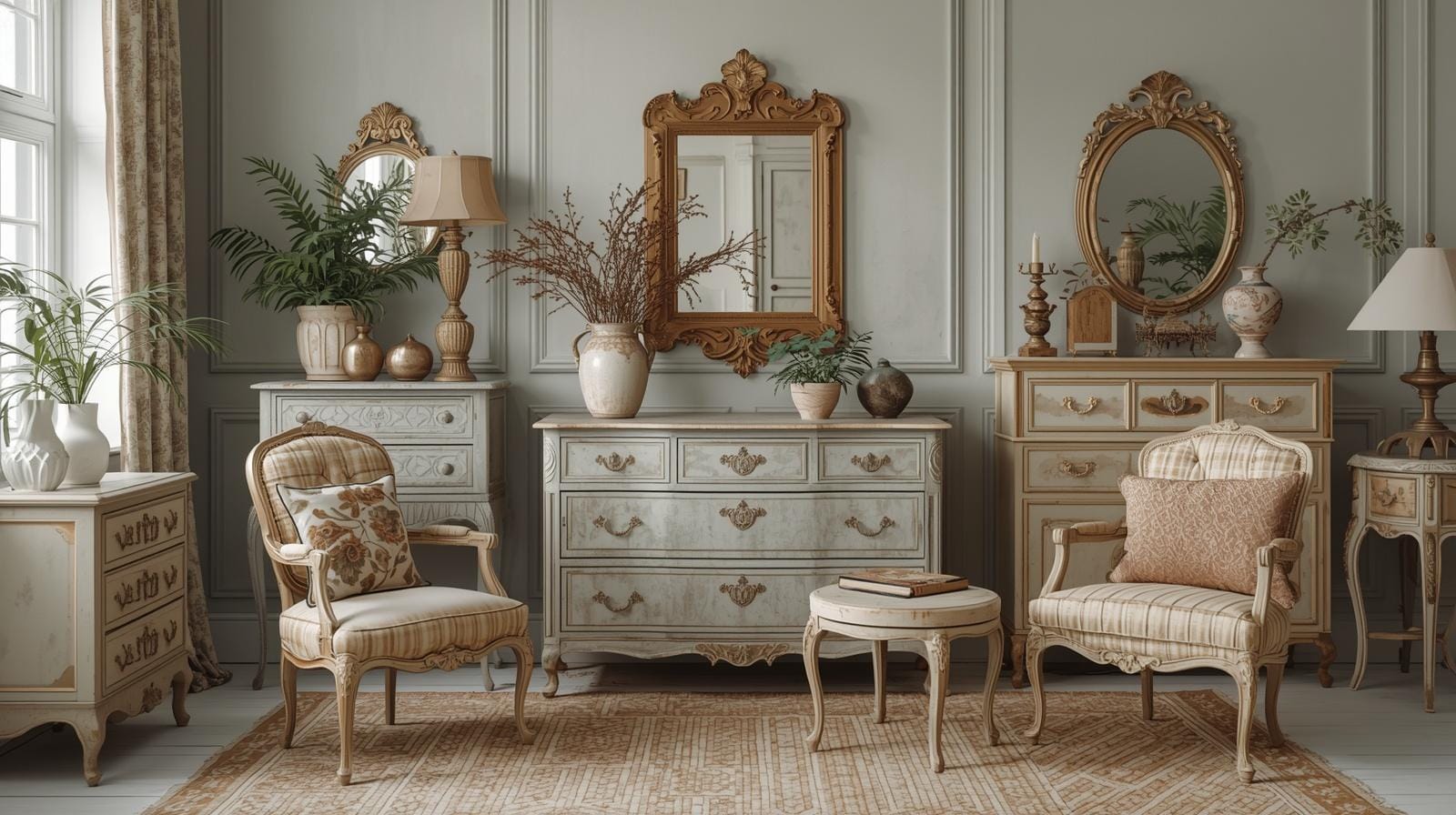
Furniture makes or breaks the look more decisively than any other element. A room filled with reproduction pieces manufactured last year in a factory that specialises in “distressed finishes” will never convince. The eye catches repetition. Three different pieces with identical wear patterns on the same edges broadcast their origin instantly.
Spotting Genuine Age
Learning to read furniture takes time but starts with simple observation. Old paint develops a crackled surface called craquelure that looks entirely different from the mechanical crackling sold in craft stores. Real craquelure follows the grain of the wood beneath and varies in scale across a single drawer front. Reproductions repeat the same crack pattern, often too evenly, across entire surfaces.
Wood worn smooth by decades of hands tells a different story than wood attacked with sandpaper. Look at the arms of an old chair or the top edge of a dresser where generations of people pulled drawers open. The wear concentrates in specific spots and feels almost soft to the touch. Factory distressing hits broad areas uniformly and often exposes raw wood in places real use would never reach. One interior dealer I know calls this “the wrong kind of wear” and refuses pieces that show it.
Joints reveal age more honestly than surfaces. Hand-cut dovetails vary slightly in width and angle. Machine-cut dovetails repeat exactly. Old screws have irregular threads and slots that sit off-centre. New screws are uniform. None of this requires expertise to spot. Once you look at one genuinely old drawer alongside one modern reproduction, the differences become obvious and impossible to un-see. The knowledge reshapes how you shop.
Mixing Eras Without Chaos
A bedroom composed entirely of furniture from one decade reads as a museum room, not a lived-in space. The most compelling shabby chic bedrooms pull pieces from several eras and let them converse. An ornate French-style bed frame from the 1920s gains edge when paired with a severely simple Arts and Crafts nightstand. A Victorian marble-topped washstand looks fresher next to a mid-century slipper chair reupholstered in rumpled linen.
The trick lies in finding a common thread. Wood tones need not match but they should relate, either through a shared undertone or through paint that unifies disparate pieces. A coat of chalk paint in a consistent colour can tie a mismatched nightstand and dresser together without erasing their individual character. Some purists resist painting old wood, and that instinct has merit for exceptional pieces. But for everyday furniture with damaged finishes or no particular provenance, paint in soft cream or pale grey offers a second life that suits the shabby chic vocabulary perfectly.
Upholstery provides another unifying tool. A bedroom chair, bench, and headboard covered in the same washed linen create continuity even when their frames differ wildly. The fabric acts as a visual glue. Choose slipcovers rather than fixed upholstery when possible. Slipcovers can be removed, washed, and eventually replaced, which matters in a bedroom where dust and skin oils accumulate. The practical advantage aligns neatly with the aesthetic.
3. Build a Bed That Anchors the Room
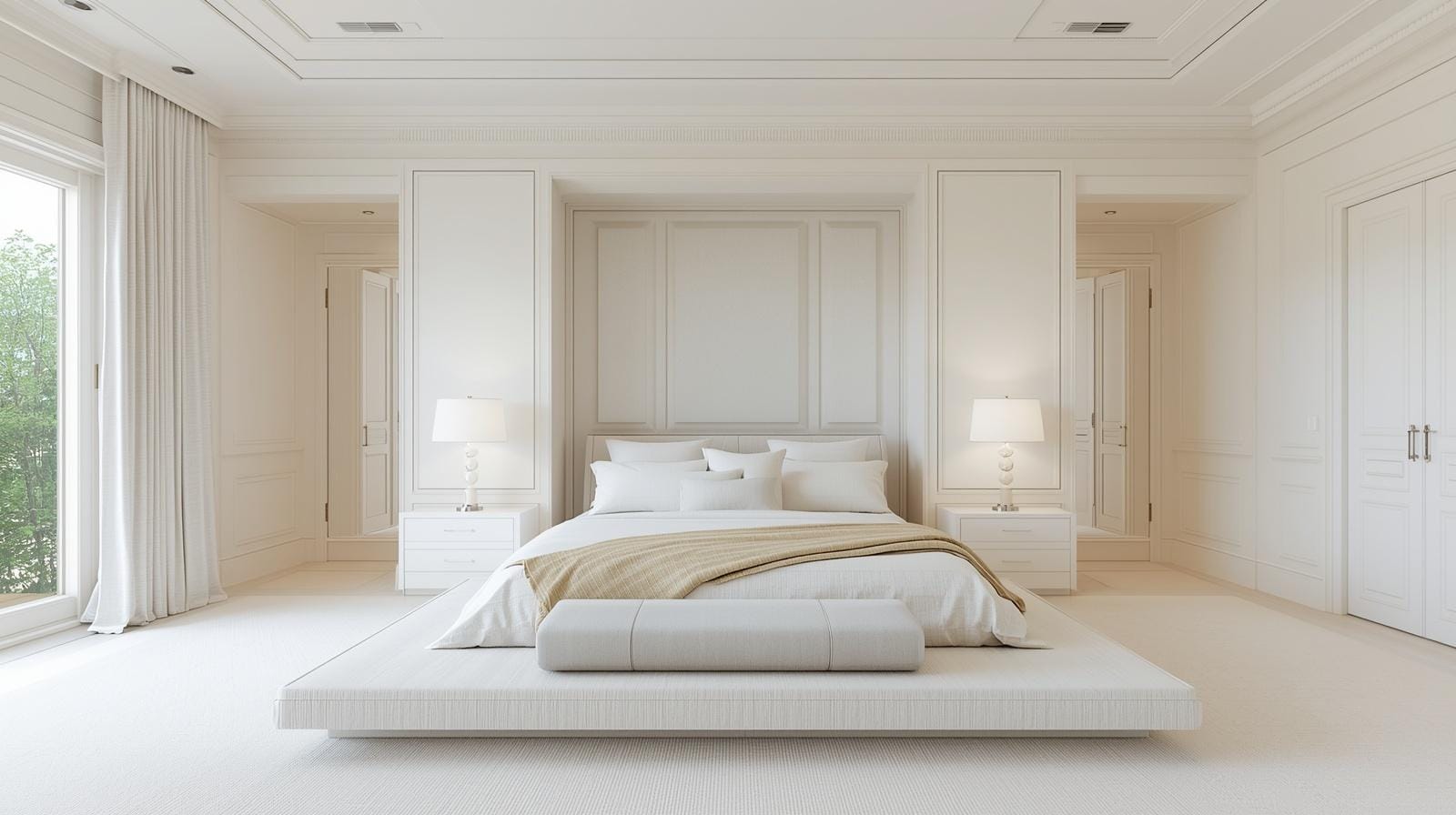
The bed commands more visual real estate than any other element in the room. Getting it right means understanding proportion, material, and the specific kind of softness that defines the style. A bed that is too sleek or too heavy can throw the entire composition off balance.
Iron, Wood, or Upholstered Frames
Wrought iron beds remain the most recognisable shabby chic choice, and for good reason. Their open structure keeps the room feeling airy while their curving lines add the romance that the style requires. Seek out old iron beds with chipped paint in multiple colours, evidence that someone repainted it several times over a century. The layers showing through add texture that a single factory finish cannot replicate.
Wood beds work beautifully when the scale is right. A massive carved oak bed overwhelms most bedrooms and reads more medieval banquet hall than gentle retreat. Smaller-scale wood beds with turned spindles, painted in soft white or left with a worn original finish, strike the right note. Sleigh beds deserve special mention. Their curved profiles naturally echo the soft lines prized in shabby chic interiors, and an old one in a faded cherry or mahogany finish brings warmth that all-white rooms desperately need.
Upholstered headboards have gained ground in recent years, particularly in linen or velvet. They offer the softest silhouette and work well in rooms where noise from outside needs absorbing. The hazard lies in choosing shapes that are too tailored. A deeply tufted headboard with precise buttoning reads formal and masculine, pulling away from the ease that defines the style. Better options include gently curved shapes without tufting, covered in natural linen the colour of unbleached cotton or soft stone.
Layering Bedding Like a Professional
Bedding in a shabby chic room follows a principle of accumulation rather than arrangement. Start with a fitted sheet and a top sheet in pure white or ivory. Add a lightweight coverlet in a quiet pattern or subtle texture. Over that goes a duvet covered in soft linen or crisp cotton, folded back at the top third to show the layers beneath. Quilts belong at the foot, either folded across the bottom third of the mattress or draped diagonally at one corner.
Pillows matter enormously. Use at least four standard pillows in white cases, stacked against the headboard. In front of these place two Euro shams covered in something with texture, perhaps a tone-on-tone floral jacquard or a fine matelassé. A single small lumbar pillow in a faded floral or vintage grain sack adds the final note. The arrangement looks collected, not staged, because it follows how real bed-making happens. Layers get added over time as temperatures shift and seasons change.
The bedding should look inviting to touch. That means natural fibres exclusively. Polyester blends trap heat and develop a sheen that fights against the matte, soft-focus quality essential to the look. Linen wrinkles beautifully and grows softer with every wash. Cotton percale stays crisp and cool. Both develop the slightly rumpled appearance that reads as comfortable rather than messy when done with good-quality pieces in consistent tones.
4. Choose Textiles That Soften Every Surface
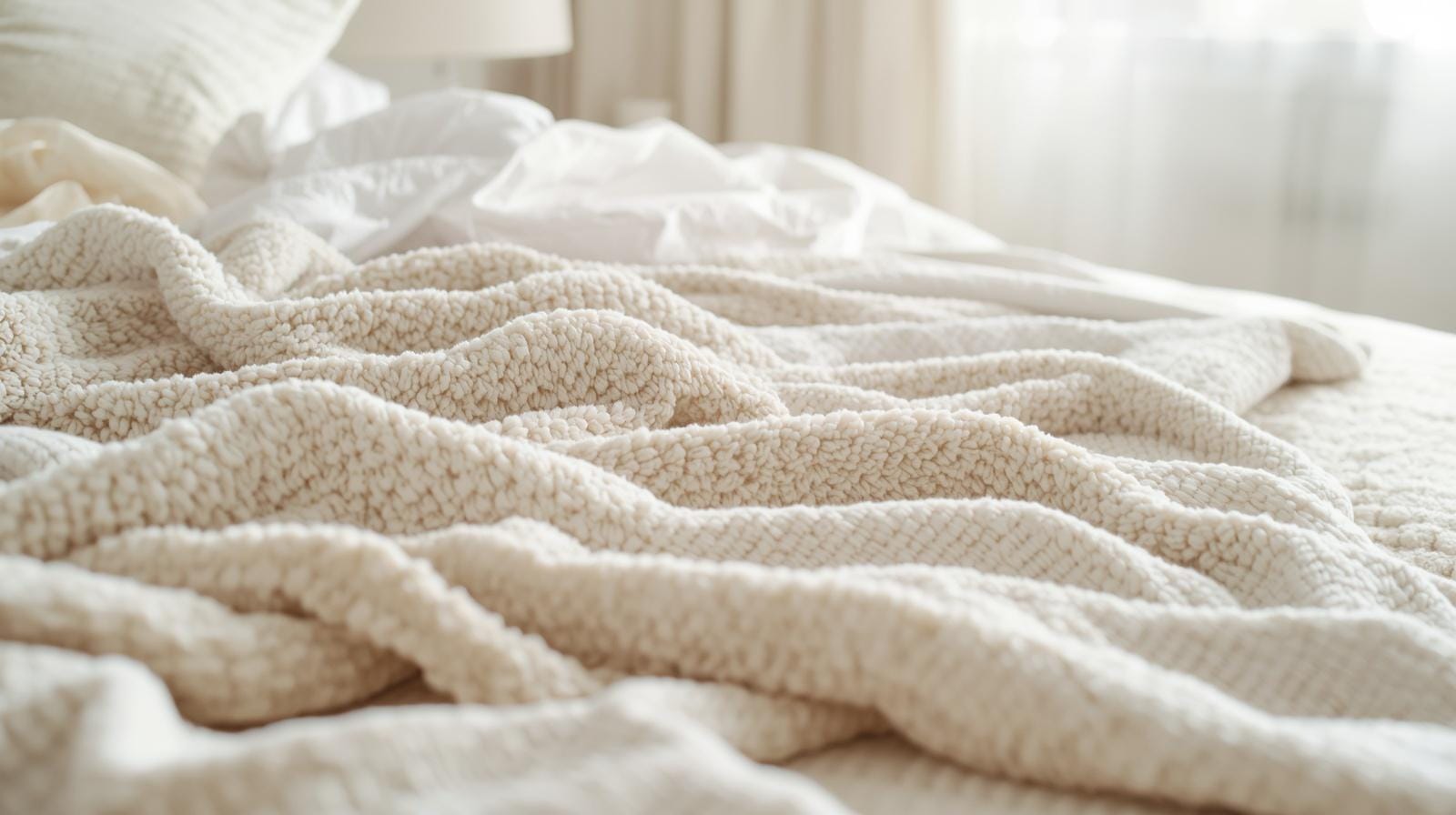
Textiles in a shabby chic bedroom work harder than textiles in almost any other style. They soften hard edges, absorb sound, filter light, and carry the colour story across the room. Getting them wrong produces a room that feels sparse and chilly regardless of how pretty the furniture looks.
Linen, Lace, and the Art of Imperfection
Linen deserves its status as the foundational shabby chic fabric. Its natural slubs and irregularities catch light differently across a single yard. It holds dye with a slightly uneven hand that produces the faded, timeworn colour the style depends upon. Most importantly, linen improves with age. Each wash softens it further, and small repairs become part of its story rather than flaws to hide.
Lace occupies trickier territory. Machine-made lace curtains in bright white can look cheap and read as aggressively grannyish. The alternative is old handmade lace, cotton crochet, or fine Battenburg with visible handwork. These pieces carry the irregularity of human making. Use them sparingly. A single lace panel hung inside a window frame, or a lace-trimmed pillowcase on one pillow in a grouping of plain linens. The restraint keeps lace from taking over the room.
Cotton voile and muslin offer lighter alternatives for window treatments. They filter sunlight into a diffuse glow and move gently with any air current. Unlined and simply hemmed, they hang without stiffness. When they wrinkle, which they will, the wrinkles become part of the effect rather than something to steam out. A bedroom dressed in these fabrics feels protected from the outside world without feeling closed off from light and air.
Curtains That Frame Without Overwhelming
Curtain rods should disappear or recede. Thin iron rods with simple finials do the job without announcing themselves. The curtains themselves need to pool slightly on the floor, perhaps two or three inches of fabric breaking across the boards. This soft puddle at the base of the window repeats the softness happening everywhere else in the room and feels intentionally relaxed rather than sloppy.
Roman shades in linen or cotton duck provide another option for windows where long curtains feel impractical. They gather neatly when raised and hang flat when lowered, offering a cleaner line. The key is to avoid stiff, heavily lined versions. Unlined or lightly lined Romans in natural fabrics soften the window without adding visual weight. Mount them inside the frame to preserve any decorative trim around the window rather than covering it.
Layering window treatments can work beautifully in bedrooms that need darkness for sleep. Hang sheer linen panels directly at the glass, then add heavier curtains on a separate rod mounted closer to the room. The heavier curtains pull back during daylight and close at night. The system reads as practical and thoughtful rather than merely decorative, which keeps the room grounded in real use.
5. Introduce Lighting That Glows
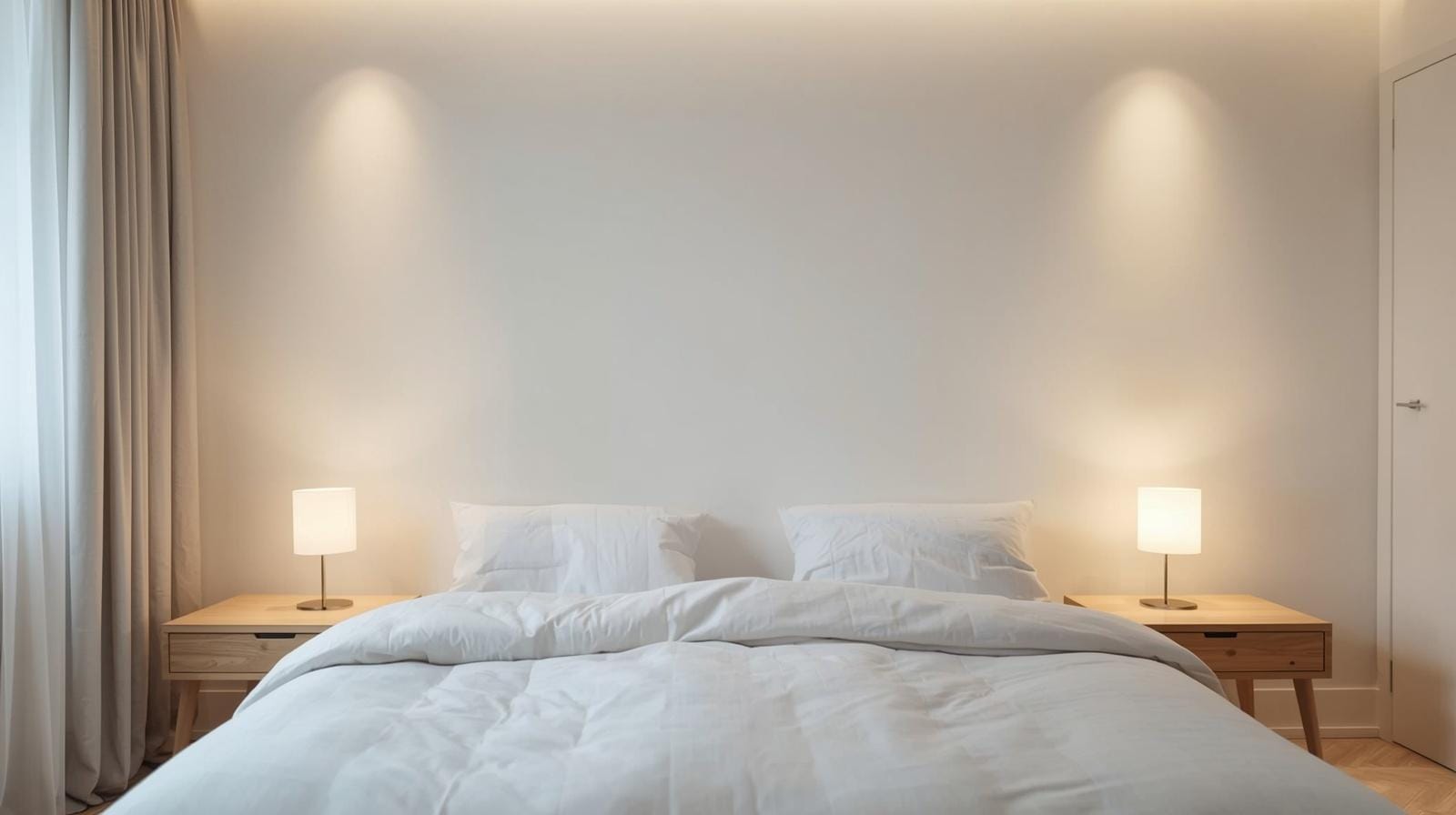
Lighting shapes the mood of a shabby chic bedroom more than any element except the bed. Harsh overhead light kills the softness instantly. The goal is pools of gentle light scattered around the room at different heights, creating an effect closer to candlelight than to daylight.
Chandeliers and the Overhead Question
A small crystal chandelier hung over the bed or centred in the room provides exactly the right overhead presence. The crystals catch and scatter light in a way that feels celebratory without being formal. Seek out vintage examples with real cut glass rather than modern ones with plastic drops. The difference in sparkle is immediate and impossible to fake. Old chandeliers often show some patina on the metal arms, which suits the room better than bright brass or polished chrome.
Size matters more than most people realise. A chandelier that is too large dominates the space and reads as ostentatious. One that is too small looks apologetic. A good rule for bedrooms: add the room’s length and width in feet, then convert that number to inches. That figure gives the appropriate diameter for the fixture. A twelve-by-fourteen-foot bedroom wants roughly a twenty-six-inch chandelier. The math is not perfect but it prevents the most common mistakes.
Not every room can take a chandelier, particularly those with low ceilings. Flush-mount fixtures in white plaster or painted metal with some decorative carving or leaf work offer an alternative that sits close to the ceiling without sacrificing style entirely. Vintage schoolhouse fixtures with their simple opal glass shades also work. They provide soft, even light and read as practical antiques rather than decorative flourishes.
Bedside and Ambient Light Sources
Bedside lamps should offer warm, focused light for reading without glaring across the room. Ceramic lamps with crackled glaze, turned wood bases with fabric shades, and small crystal-based lamps all fit the vocabulary. Shades in natural linen or soft pleated silk diffuse light gently. Avoid black or dark-coloured shades, which create harsh shadows and read as modern and graphic rather than soft and romantic.
Place at least one additional light source somewhere unexpected. A small lamp on a dresser, a floor lamp tucked into a corner beside a reading chair, or a petite sconce mounted above a piece of art. These tertiary light sources create depth in the evening when only some are switched on. The room gains dimension as different areas illuminate and recede. One decorator described this as “lighting the corners” and considered it the single most important move in making a bedroom feel complete after dark.
Candles belong in shabby chic bedrooms as both light source and scent vehicle. Real wax pillars in simple glass holders on the mantel or dresser add movement and warmth. The small risk of open flame in a bedroom is worth managing for the quality of light that only fire produces. If candles worry you, the newer LED pillars with moving flame technology have improved dramatically and now provide a reasonable approximation without the hazard.
6. Arrange Accessories With a Collected Eye
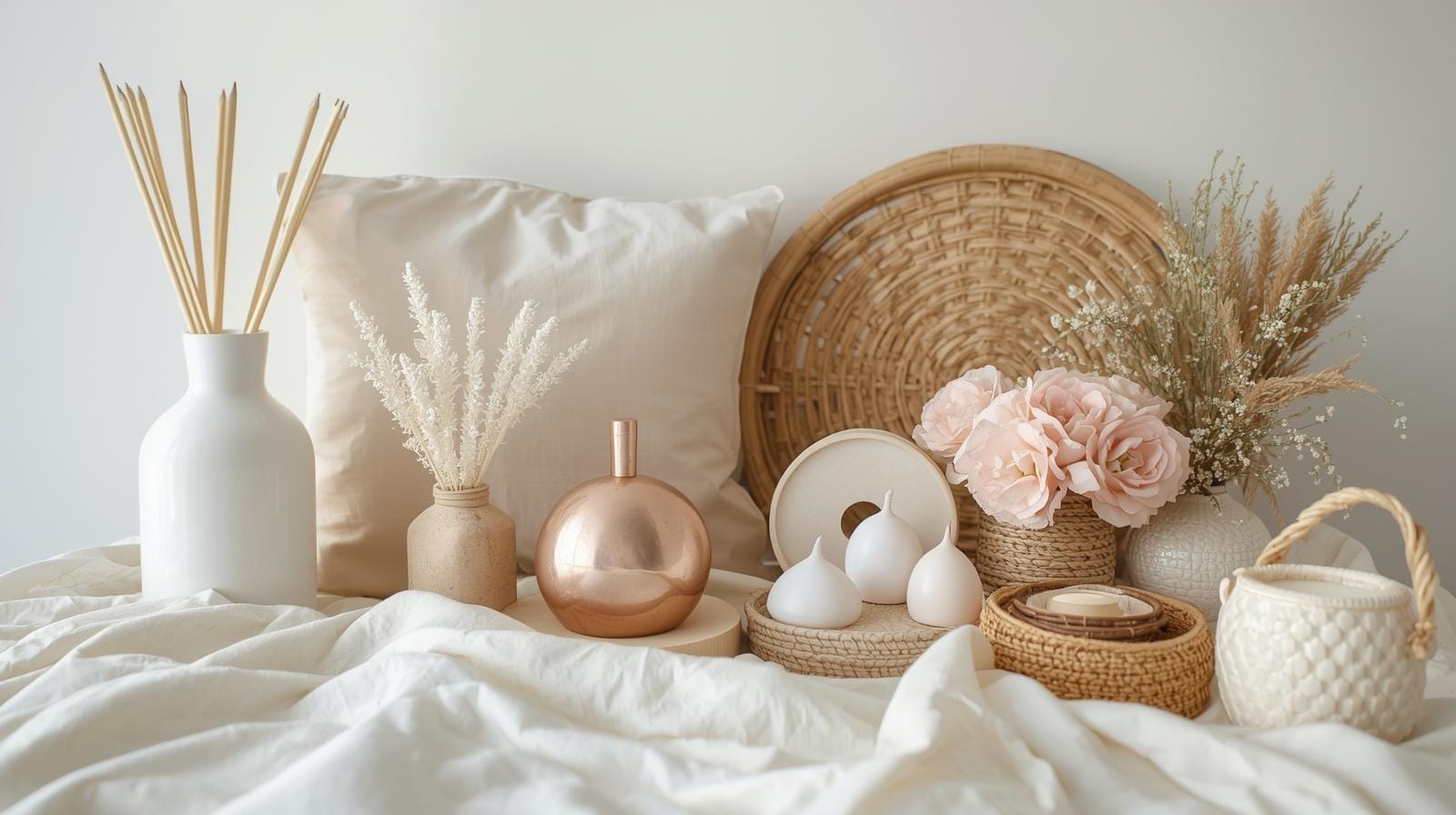
Accessories make the difference between a room that feels decorated and one that feels inhabited. The instinct to fill every surface with small objects must be resisted. A few carefully chosen pieces read as meaningful collections. Too many read as clutter that happens to be pretty.
Mirrors That Expand and Soften
Every shabby chic bedroom benefits from at least one large mirror. It bounces light around the room and makes smaller spaces feel less confined. The frame matters enormously. Gilt frames with some of the gold worn back to gesso suit the style perfectly. Painted frames with carved details and visible crackling also work. The mirror glass itself should show some age, perhaps a bit of foxing or a slight ripple that proves it was poured rather than manufactured.
Leaning a full-length mirror against the wall rather than hanging it keeps the room from feeling too formal. The casual placement suggests the mirror arrived recently and has not yet been hung, even though it might lean against that wall for years. This single move injects a dose of the unfussy attitude that separates genuine shabby chic from its more precious imitators.
Smaller mirrors grouped on one wall create a different effect entirely. Collect convex mirrors, small oval vanity mirrors with silver or pewter frames, and simple beveled rectangles. Hang them in a loose cluster rather than a strict grid. The uneven spacing and variety of shapes catch light at different angles throughout the day. The arrangement rewards looking and keeps the wall dynamic.
Artwork and the Power of Restraint
Art in a shabby chic bedroom works best when it avoids bold colours and aggressive subjects. Botanical prints in faded sepia or soft green, landscape etchings with wide cream mats, and old oil paintings in quiet gilt frames all belong. The art should feel found rather than purchased to match the duvet. Mix frame finishes deliberately. A dark wood frame next to a pale gilt one next to an unframed canvas tacked directly to the wall generates the layered look that reads as accumulated over time.
Photographs present a specific challenge. Modern colour prints feel jarring against the soft palette. Black and white photographs in simple frames bridge the gap. Even better, have digital copies of family photographs printed in sepia or with a warm tone and mat them generously. The extra mat width gives the small image breathing room and elevates it beyond a snapshot.
Empty wall space serves a purpose. Not every wall needs filling. A single painting hung low over a dresser, or one large piece centred on the main wall opposite the bed, often does more than a salon-style hang covering every inch. The restraint lets each piece read clearly and keeps the room calm. A bedroom is for rest, after all. Too much visual stimulation fights against sleep.
7. Refinish Floors That Tell a Story
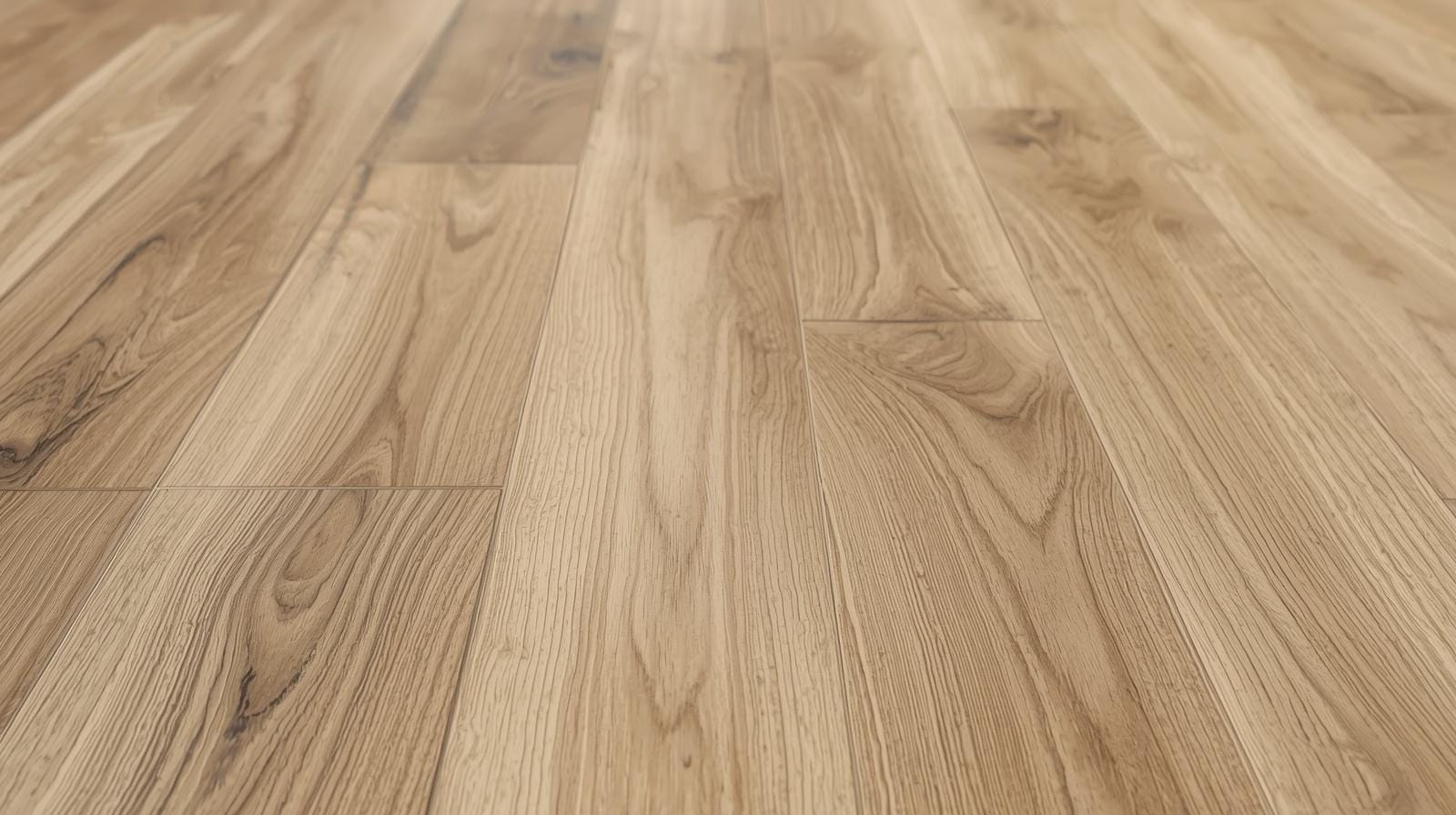
Floors provide the foundation in every sense. They support the visual weight of the room and establish its tone from the ground up. Carpet in a shabby chic bedroom almost always disappoints. It muffles sound but introduces a uniformity and newness that fights the aesthetic.
Bare Wood, Painted Wood, and Soft Runners
Original hardwood floors even when worn and imperfect suit the style better than any other surface. Wide planks with gaps between them, old pine floors darkened by a century of foot traffic, oak boards with scattered stains and scars: all of them add authenticity that no new material can replicate. If the finish is failing, consider having the floors professionally cleaned and then left bare or given a single coat of matte sealer rather than a high-build glossy polyurethane.
Painted wood floors offer a softer look that suits rooms where the original wood is too damaged to leave bare or is an unattractive species. Soft white, pale grey, or the faintest blue-green work for the field colour. Some decorators add a simple border in a slightly darker tone around the perimeter of the room. The border suggests care and permanence without formality. Checkerboard patterns in muted tones also appear in older shabby chic interiors, though they are harder to execute well and can read as busy in a small bedroom.
Floorcloth and painted canvas rugs deserve mention as period-appropriate options that many people overlook. A heavy canvas painted with a simple pattern and sealed with several coats of varnish lies flat on the floor and adds colour and pattern without the thickness of a traditional rug. They wear beautifully, developing the same gentle fade and crackle as painted furniture. They also allow the wood floor to show around their edges, which keeps the room feeling larger.
Rugs That Anchor Without Competing
Rugs in shabby chic bedrooms should feel old even if they are not. Thin Persian or Turkish rugs with their colours faded to soft rose, slate blue, and warm ivory bring exactly the right note of age and craftsmanship. Avoid thick, plush rugs that fight the visual lightness of the style. A thin, flat-woven kilim or dhurrie in muted tones often works better than a deep pile.
Placement follows practical logic. The front legs of the bed should sit on the rug, with the rug extending several feet beyond the foot of the bed. If the room layout permits, centre the rug under the bed so equal amounts of floor show on all three visible sides. For smaller rooms, a rug placed at the foot of the bed extending into the open floor space anchors the furniture grouping without having to slide under the bed frame.
Natural fibre rugs like sisal and jute introduce useful texture and read as humble rather than grand. Their neutral colour recedes visually, letting furniture and textiles take prominence. They also cost significantly less than antique wool rugs, which matters when budgets have limits. Layer a smaller, softer rug over a larger sisal one for a combination that feels intentional and offers different textures underfoot in different parts of the room.
8. Bring in Flowers and Foliage
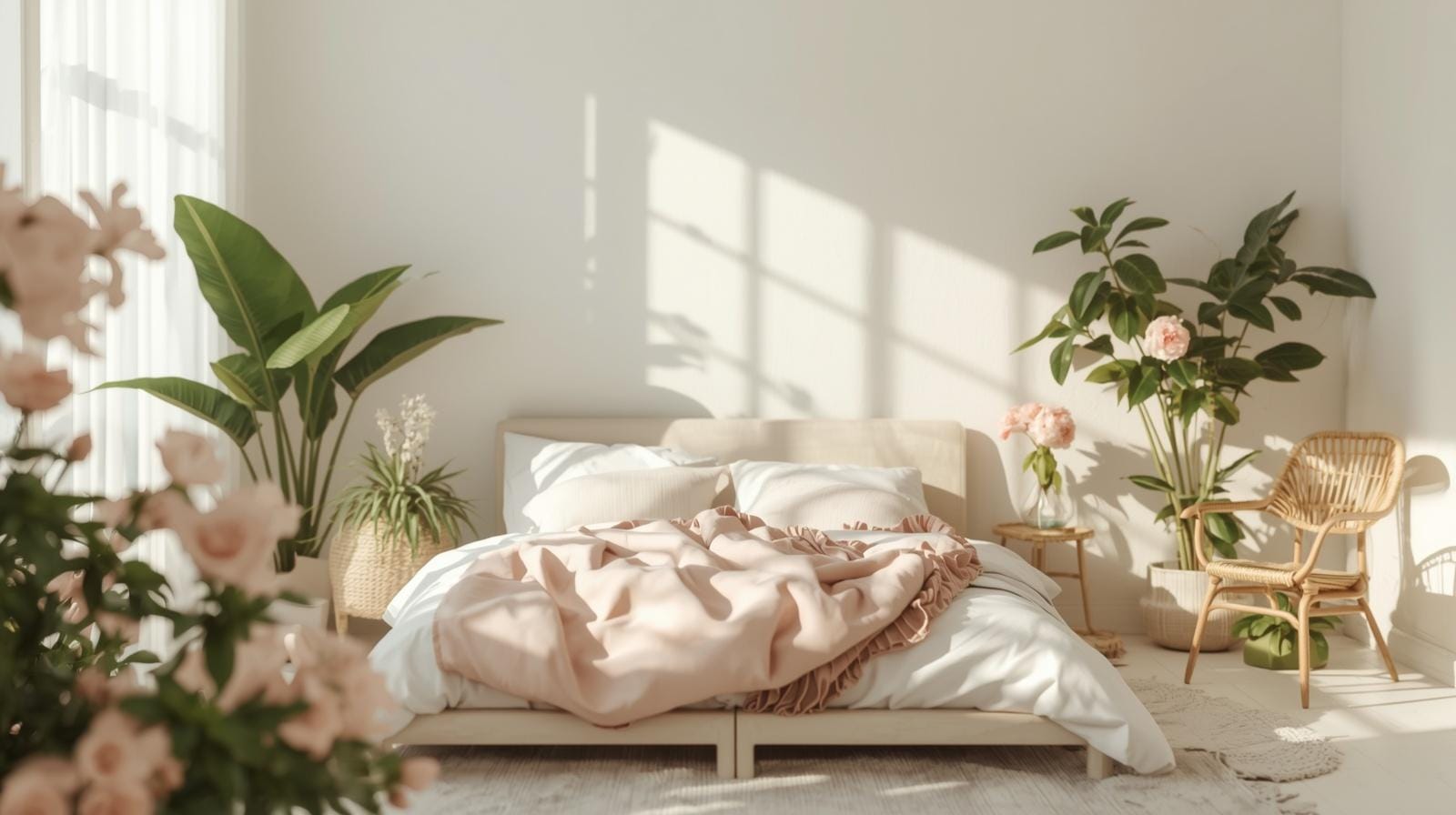
Living things complete a shabby chic bedroom in a way that no object can. The style depends heavily on softness, and nothing softens a room faster than the organic shapes of plants and flowers. They also introduce scent, movement, and a gentle reminder that the room exists in the real world rather than a sealed showroom.
The Case for Real Over Faux
Fake flowers have improved dramatically over the past decade. Some are nearly indistinguishable from real blooms at a distance. Yet in a style built around authenticity and the beauty of natural ageing, faux flowers create a philosophical problem. They never wilt, never drop a petal, and never change. The shabby chic sensibility finds beauty in exactly those small signs of mortality. A vase of roses a day past their peak, with a few petals scattered on the dresser top, feels more appropriate than perfect silk peonies that look identical in July and January.
Dried flowers bridge the gap for those who cannot maintain fresh arrangements. Hydrangeas dried on the bush until they turn papery and soft green or dusty rose hold their shape for months. Lavender bundles tied with twine add scent and texture. Honesty plant with its translucent silver seed pods catches light like small moons. These dried materials shift slightly with humidity and eventually fade further, continuing the room’s story of gentle change rather than stasis.
For rooms without enough light for living plants, accept the limitation rather than fighting it. A single branch of flowering quince forced in late winter and placed in a simple glass bottle does more than a dozen fake orchids. The branch will leaf out, bloom, and eventually be discarded. The cycle mirrors the seasons and keeps the room feeling connected to time passing outside the window.
Simple Arrangements Without Florist Precision
Formal floral arrangements with tight clusters of identical blooms and rigid symmetry have no place here. Loose handfuls of garden roses, cosmos, or peonies dropped into a chipped ironstone pitcher look entirely appropriate. The stems fall where they fall. One or two may droop over the rim. The arrangement reads as something gathered from the garden five minutes ago, even if the flowers actually came from a shop.
Containers matter as much as the contents. Old glass apothecary bottles, chipped ironstone jugs, small enamelware pitchers, and simple terracotta pots with age-darkened rims all work. Each carries visible history. Mass-produced clear glass vases from the florist supply do not belong. When you receive flowers in such a vase, transfer them to something with character before the water has a chance to warm.
9. Carve Out a Quiet Sitting Corner
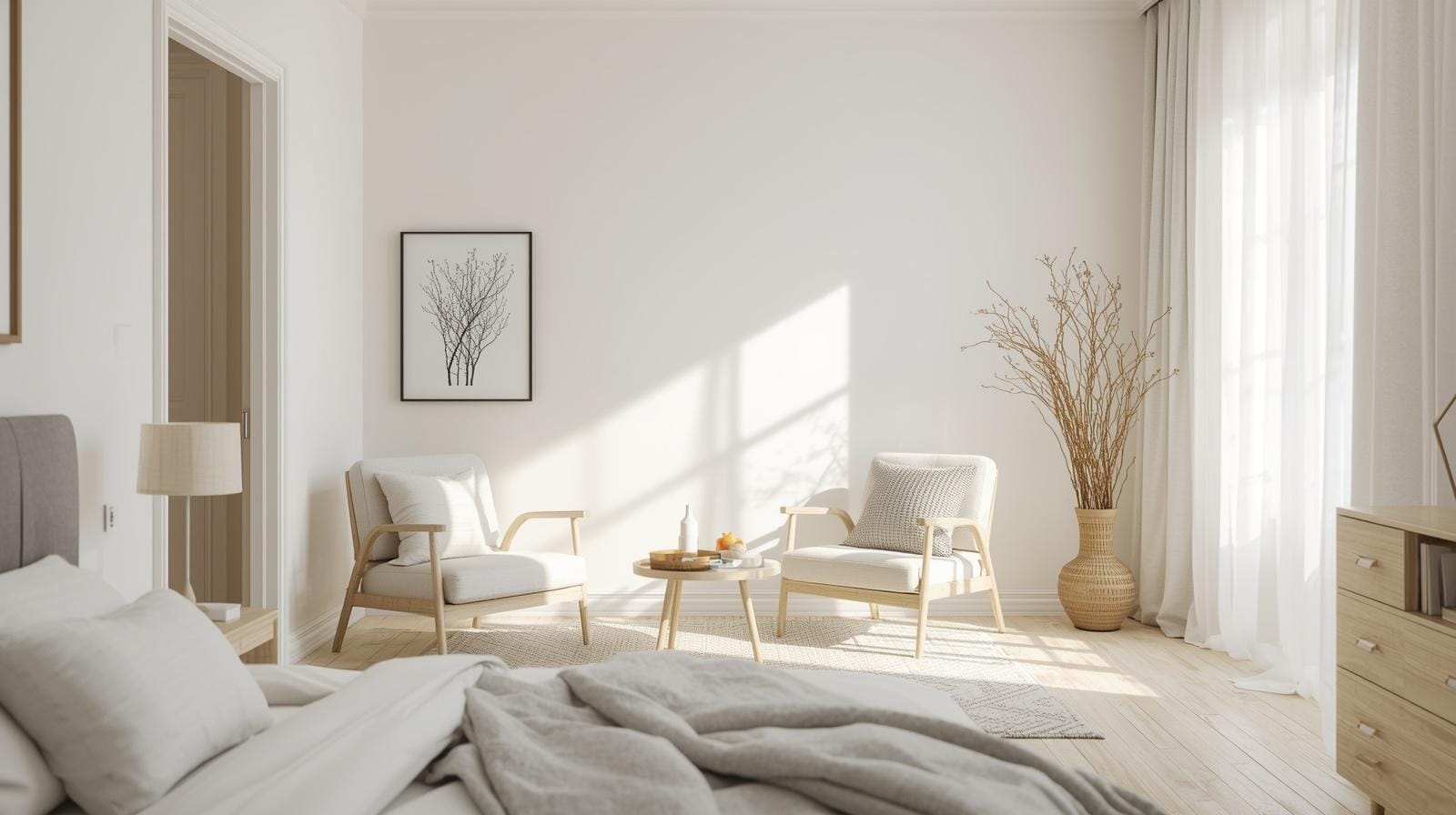
A bedroom that contains only a bed serves one purpose. A bedroom with a chair or small settee serves several. The addition of somewhere to sit that is not the bed changes how the room functions throughout the day and adds a layer of civility that elevates the entire space.
Choosing the Right Chair
Scale governs this decision. A massive club chair overwhelms most bedrooms and blocks circulation. A dainty side chair feels inconsequential and offers no real comfort. The sweet spot sits somewhere in between: a slipper chair, a small wingback, or a compact bergère with an exposed wood frame. These chairs hold a person comfortably without dominating the floor plan. Upholster them in linen or a faded floral cotton that relates to the bedding without matching it exactly.
Wicker and rattan chairs provide an alternative that suits the style’s more casual expressions. A vintage peacock chair in the corner, perhaps draped with a soft throw, or a simple rattan armchair with a linen seat cushion brings texture and a slightly bohemian note. The natural materials age well and develop a patina that fits the room. They also cost less than upholstered antiques, which helps when budgets tighten.
A small table must accompany the chair. A round pedestal table just large enough to hold a cup of tea and a book, or a small writing desk if the corner allows more space. The table creates purpose for the chair beyond looking pretty. A room that anticipates real activities, reading, letter writing, a quiet moment before facing the day, feels more generous than a room designed solely for display.
10. Edit Until the Room Exhales
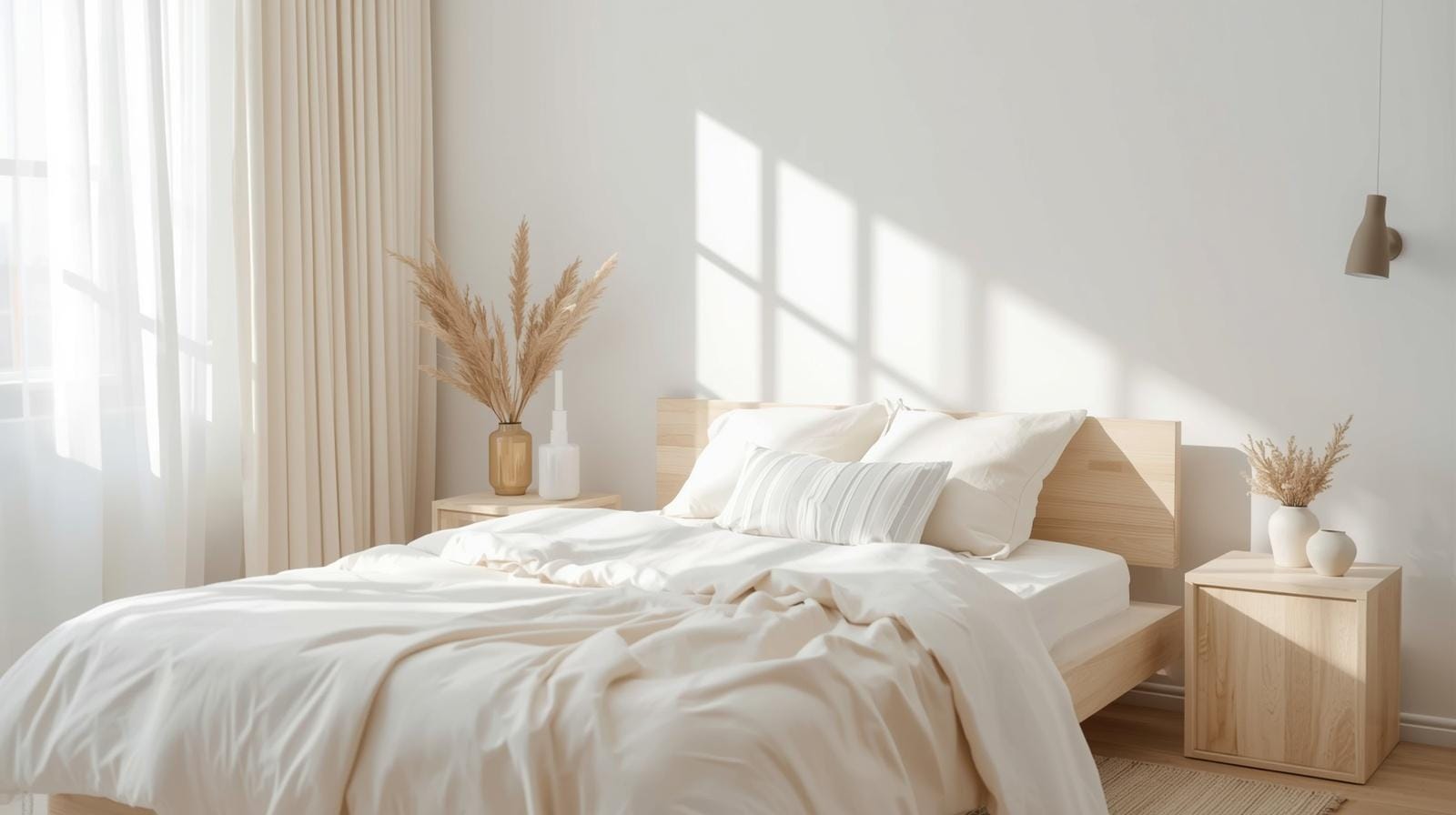
The final step in creating a shabby chic bedroom involves removing things rather than adding them. Every surface, every corner, every wall asks for something. The discipline lies in saying no until what remains has room to be seen clearly.
Recognising When Enough Is Enough
Clutter suffocates this style faster than almost any other because the palette is already soft and the textures are already layered. Adding too many small objects produces visual noise rather than richness. Step out of the room and return with fresh eyes. If something catches attention immediately and pleasantly, it stays. If several things compete for notice in the same area, remove the weakest until one piece holds the eye.
The bed should never look crowded. A few pillows arranged with space between them, a single folded quilt at the foot, and perhaps one small decorative cushion. More than this begins to look like a bed in a shop display rather than a bed someone sleeps in. The same principle applies to dresser tops, nightstands, and windowsills. Leave some surface visible. The empty space lets the remaining objects register as chosen rather than dumped.
Maintaining the Room Over Time
Shabby chic rooms evolve. That is part of their nature. A new piece found at a flea market replaces something that never quite worked. A cushion cover fades and gets swapped for another. The bedding shifts seasonally, lighter in summer, layered and warmer in winter. This ongoing evolution keeps the room alive and prevents it from fossilising into a time capsule of one particular decorating moment.
Dust and wear require honest management. These rooms do not have to be pristine to be beautiful, but they must be clean. Washable slipcovers get laundered. Floors get swept. Mirrors get polished so the age in the glass reads as history rather than neglect. A genuinely dirty shabby chic bedroom is not shabby chic. It is just dirty. The distinction matters enormously and separates the style from its unfortunate reputation as an excuse for poor housekeeping.
Wrap Up
A dreamy shabby chic bedroom emerges from patience and genuine affection for objects with past lives. The look cannot be ordered from a single catalogue or assembled in a weekend. It asks for soft walls, honest furniture, layers of natural textiles, and the discipline to stop before every surface fills. Most of all, it requires a willingness to let things show their age gracefully, including the room itself as it settles into its own particular version of beauty over time.
FAQs
What colours work best in a shabby chic bedroom?
Soft, muted tones dominate successful shabby chic bedrooms. Cream, ivory, pale grey, dusty rose, faded sage, and the gentlest blues create the characteristic calm. Pure bright white and highly saturated colours disrupt the soft-focus effect that defines the style.
How do I create a shabby chic bedroom on a small budget?
Flea markets, estate sales, and charity shops hold the answer. Look for solid wood furniture with damaged finishes that scare off other buyers, then paint it yourself with chalk paint in soft cream or pale grey. Linen bedding bought on sale and vintage textiles found at markets complete the look without stretching finances.
Can shabby chic work in a modern house?
Yes, but the contrast needs managing. Pair the soft, aged furniture with clean white walls if the room lacks original architectural character. The tension between modern bones and vintage furnishings can be more interesting than a room where every element dates from the same period.
Disclaimer:
The content shared by Fall Rugs is solely for research and informational purposes. Fall Rugs is not a professional interior design or home renovation consultancy, and the information provided should not be considered professional advice for home improvement or decor. All ideas and suggestions are based on current trends and general knowledge in the home decor industry.