
TL;DR
Creating an inviting contemporary dining space requires balancing clean lines with rich, tactile materials. Focusing on low-level layered lighting, organic wood grain variety, and textured wall finishes shifts the environment away from sterile minimalism. These specific design choices establish an intimate atmosphere that encourages guests to linger long after dinner ends.
Introduction
Why do so many beautifully designed contemporary spaces feel cold and uninviting? Homeowners often invest heavily in clean architectural lines only to find the resulting space feels more like an art gallery than a home. Balancing modern aesthetics with true atmospheric comfort requires a deliberate shift in material and lighting choices. The following strategies demonstrate how to introduce deep sensory warmth into your dining space without losing its sophisticated modern identity.
Rethinking Contemporary Dining Spaces
The classic trap of modern interior design lies in an over-reliance on smooth, reflective surfaces. Polished concrete floors, high-gloss lacquers, and sharp metal finishes look striking in high-fashion lookbooks, but they bounce sound and light aggressively around a room. This acoustic and visual bounce triggers a subconscious sense of alertness rather than relaxation. When guests feel exposed by harsh glare or sharp echoes, they rarely want to stay for long conversations.
Transitioning a space toward true comfort requires a conscious embrace of imperfection and soft absorption. Designers achieve this shift by introducing materials that catch light rather than reflecting it away. Wood with open pores, matte plasters, and woven fabrics change how a room feels before anyone even sits down. This foundational approach sets the stage for specific decorative interventions that build an authentic home environment.
1. Embracing High-Texture Wall Treatments
Stark white drywall acts as a cold canvas that amplifies the clinical feel of modern furniture. Replacing flat paint with tactile wall finishes like Roman clay or lime wash introduces an immediate sense of history and depth. These materials possess natural tonal variations that shift gently throughout the day as natural sunlight moves across the room. The micro-textures catch subtle highlights, breaking up large expanses of empty vertical space without requiring heavy artwork.
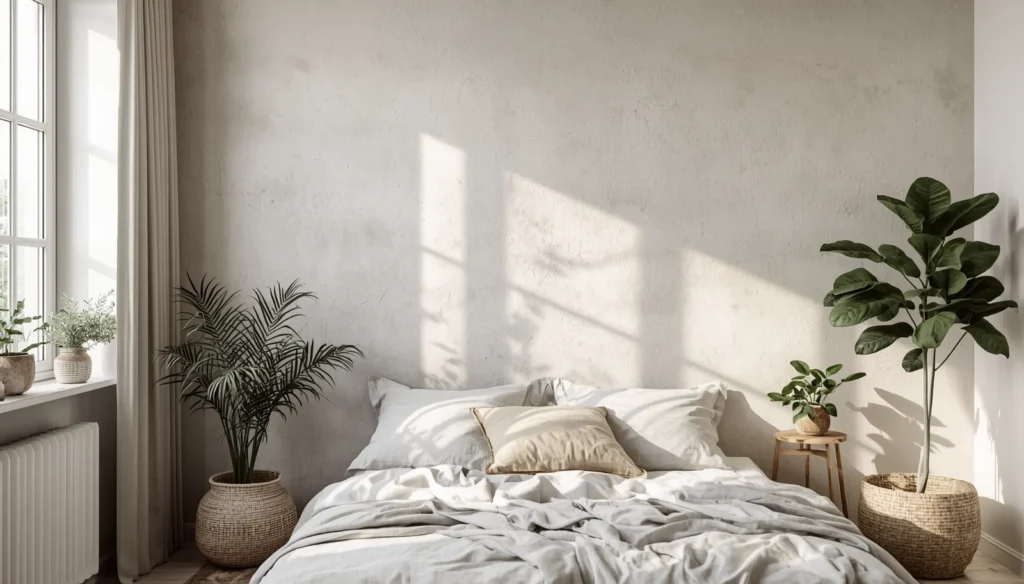
During a residential redesign in Boston, an architect named Arthur confronted a long, windowless dining wall that made the room feel like a concrete bunker. Instead of hanging a massive canvas, he applied a warm grey lime wash plaster with a subtle trowel stroke pattern. The transformation was immediate; the wall began to catch the ambient glow from the pendant light, creating a soft shadow-play that instantly made the large room feel intimate and grounded.
When choosing wall finishes, avoid perfectly uniform applications that mimic commercial vinyl coverings. The human eye craves the gentle irregularities found in natural earth products. These subtle shifts in shade create a cozy backdrop that makes sleek, mid-century modern dining chairs or minimalist buffets pop with visual interest.
2. Introducing Organic Wood Grain Varieties
A common mistake in contemporary staging is purchasing matching dining sets where the table, chairs, and sideboard share the exact same wood species and stain finish. This uniformity looks commercial and rigid, stripping the room of personal character. Mixing wood species, such as pairing a deeply grained American walnut table with light European white oak chairs, creates a collected-over-time appearance. The contrasting grains talk to each other, adding layers of organic pattern to the floor plan.
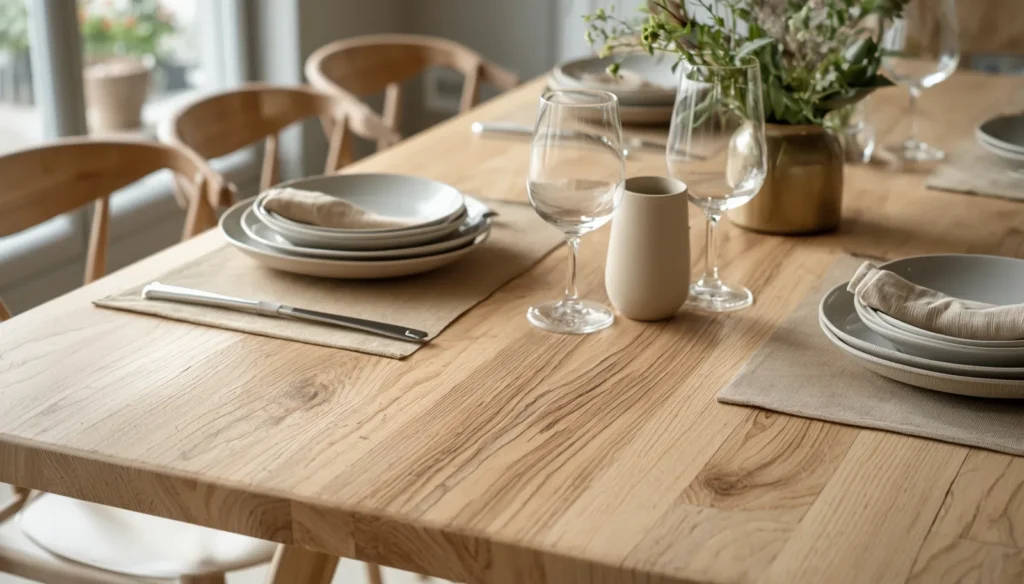
Opting for unlacquered, oiled timber finishes over thick polyurethane coatings provides a significant secondary benefit. Oiled wood retains its natural texture, meaning your hands touch the actual grain of the tree rather than a sheet of liquid plastic. This tactile connection matters immensely during meals, as natural wood warms up to human touch, whereas glass or metal remains stubbornly cold throughout the evening.
Maintaining mixed timber tones involves finding a common undertone to unify the various pieces. If your primary table features a warm golden undertone, ensure your secondary wooden elements, like shelving or chair legs, avoid cold grey undertones. Keeping the temperature of the woods consistent allows the varying grain structures to coexist peacefully in the room.
3. Layering Low-Level Low-Kelvin Lighting
Overhead recessed lighting can ruin the atmosphere of an otherwise perfect room. A single grid of bright downlights casts harsh shadows on faces, accentuates undereye circles, and makes guests feel like they are sitting under inspection lights. To fix this issue, move away from reliance on ceiling fixtures and introduce multiple sources of low-level illumination. Pendant lights over the main table should hang low, focusing light directly onto the tabletop while leaving the upper corners of the room in soft shadow.
The secret to creating a cozy glow lies in the color temperature of the lightbulbs. Standard commercial spaces use bulbs rated at 3000 Kelvin or higher, which mimics crisp midday sun. For an intimate dining space, select bulbs between 2200 and 2700 Kelvin, which replicate the gentle warmth of candlelight or historic filament bulbs. This golden light instantly relaxes the nervous system and makes food look significantly more appetizing.
Balancing Shadow and Glow
Adding accent lights at different heights around the perimeter prevents the room from feeling like a dark cave. A low fabric-shaded floor lamp tucked into a corner or soft picture lights illuminating artwork can pull the eye outward. This layout softens the boundaries of the room, making a small dining area feel expansive yet protective.
4. Selecting Tactile Upholstery for Seating
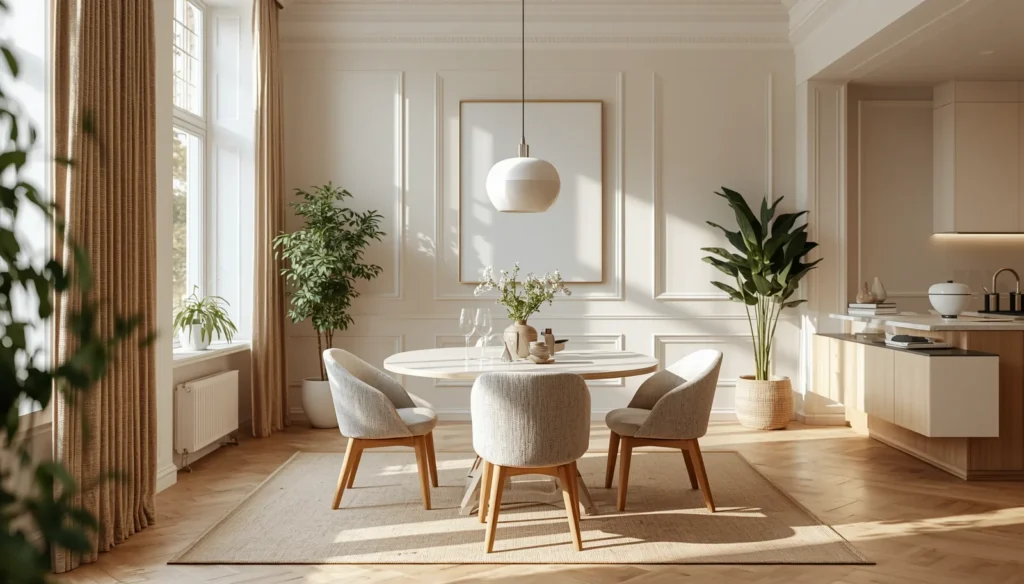
Hard wooden or molded plastic chairs look clean in photos, but they fail the comfort test during extended dinner parties. If your guests are shifting position every ten minutes, your dining room design has failed its primary purpose. Incorporating fully upholstered or padded chairs clad in rich textures like bouclé, chunky performance linen, or distressed nubuck leather invites people to relax deeply into their seats.
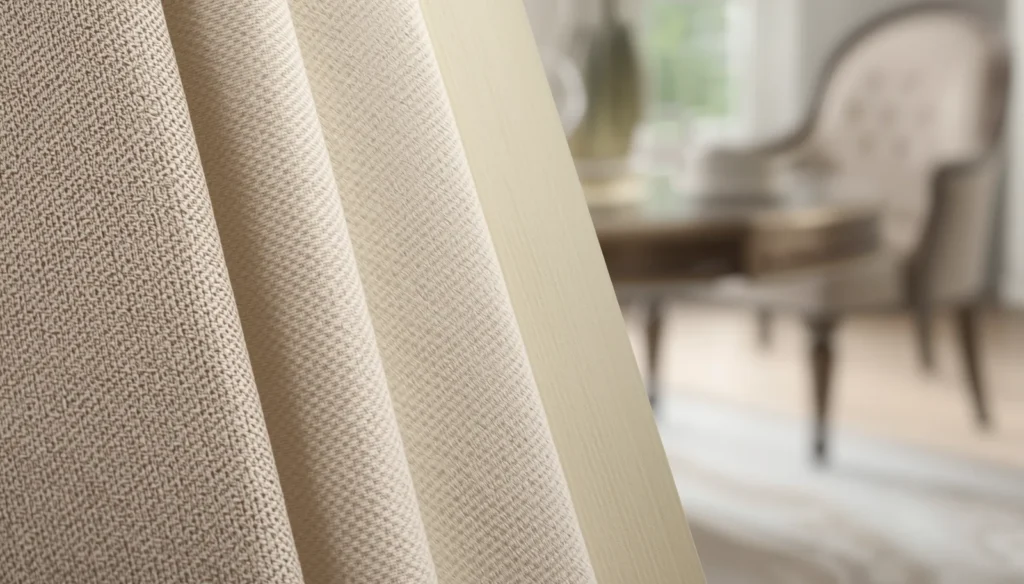
These heavy textiles perform a double duty by absorbing sound waves that bounce off hard table surfaces. A room filled with upholstered seating sounds noticeably quieter, transforming sharp clattering cutlery noises into soft, muffled sounds. This acoustic dampening allows conversation to flow at normal speaking volumes without anyone needing to shout across the table.
When selecting upholstery fabrics for high-use eating areas, prioritize materials with varied color threads over flat, solid colors. A woven tweed or a mixed-thread linen hides accidental spills and crumbs much better than a solid white cotton velvet. This practical consideration ensures the room remains usable and stress-free for daily family meals, not just formal occasions.
5. Softening Architectural Lines with Textiles
Modern homes frequently feature large black-framed windows and hard geometric angles that can feel aggressive if left uncovered. Installing heavy floor-to-ceiling drapery panels introduces a dramatic vertical soft element that breaks up these rigid lines. Running the drapery tracks flush with the ceiling makes the room feel taller while adding a thick layer of fabric that softens the transition between inside and outside.
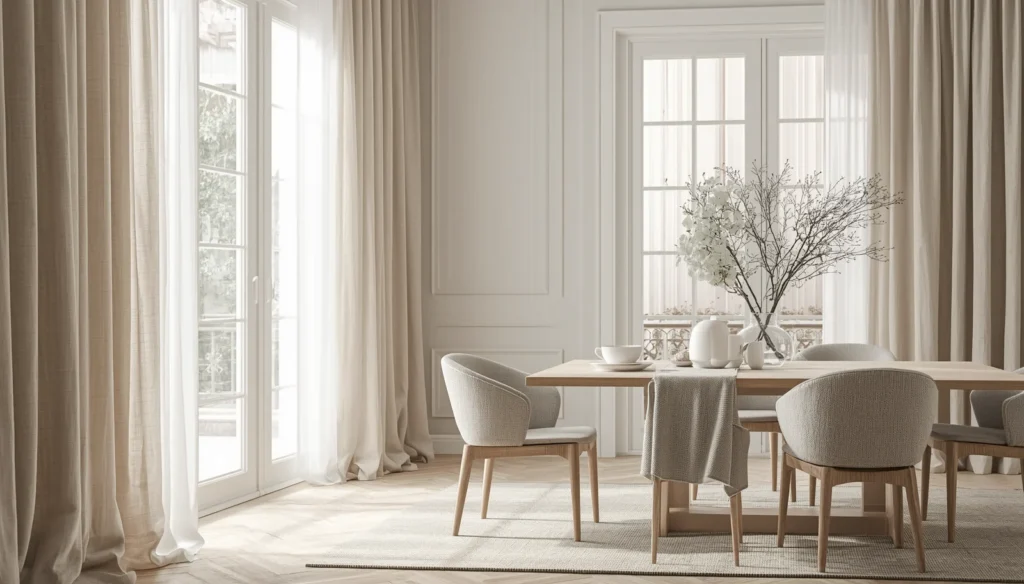
A large wool or jute rug positioned under the dining table grounds the entire furniture arrangement, acting as an anchor in an open-concept layout. The rug should extend at least twenty-four inches beyond the edges of the table so chair legs do not catch on the border when people pull themselves in. This textile foundation adds another layer of acoustic dampening while introducing a cozy texture directly underfoot.
Choose rugs with flat-weave or short-pile constructions to ensure chairs slide easily across the surface. A delicate, super-shaggy rug will trap crumbs and resist the movement of heavy chair legs, leading to frustration over time. A tightly woven wool rug offers the ideal mix of soft insulation, easy maintenance, and structural durability.
6. Curating Art and Ceramics with Patina
Mass-produced, identical wall art and glossy decorative bowls can leave a room feeling soulless. To cultivate genuine warmth, turn to objects that display a clear sense of craft and age. Unpolished brass candleholders that develop a natural dark smudge over time or handmade earthenware vases with irregular glazes tell a visual story of human touch. These objects ground a sleek modern table, preventing the room from looking like a retail display window.
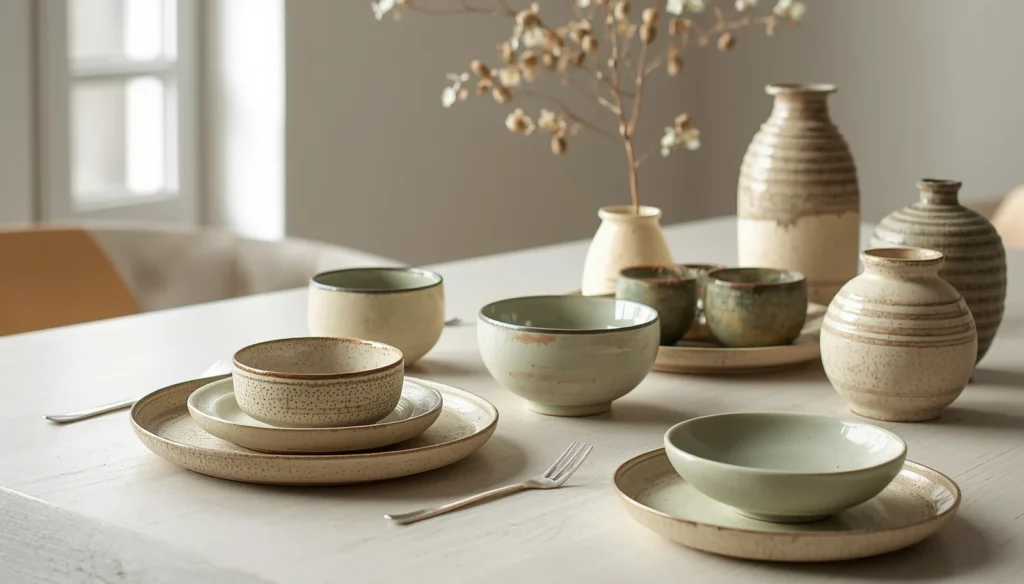
An interior stylist named Clara recently reworked a minimalist penthouse dining room in Seattle that felt cold despite its floor-to-ceiling city views. She removed the shiny chrome centerpieces and replaced them with a series of coarse, dark volcanic stone vessels and matte terracotta plates. The juxtaposition of the raw, earthy stones against the smooth glass backdrop gave the entire room an immediate sense of permanence and warmth.
Arranging these decorative items in small, asymmetrical groupings looks far more natural than rigid, centered alignments. A cluster of three varied ceramic bottles on one side of a credenza feels casual and artistic. This relaxed styling ethos signals to guests that the space is meant to be lived in, not merely admired from afar.
7. Integrating Subtle Architectural Earth Tones
While neutral palettes are a staple of modern design, relying solely on cool greys and stark whites creates an institutional vibe. Introducing rich, muted earth tones into the color scheme infuses a space with quiet energy. Think of colors derived from nature, such as deep terracotta, soft sage green, warm ochre, or rich espresso brown. These tones possess inherent warmth that visually shortens large spaces, making them feel snug and safe.
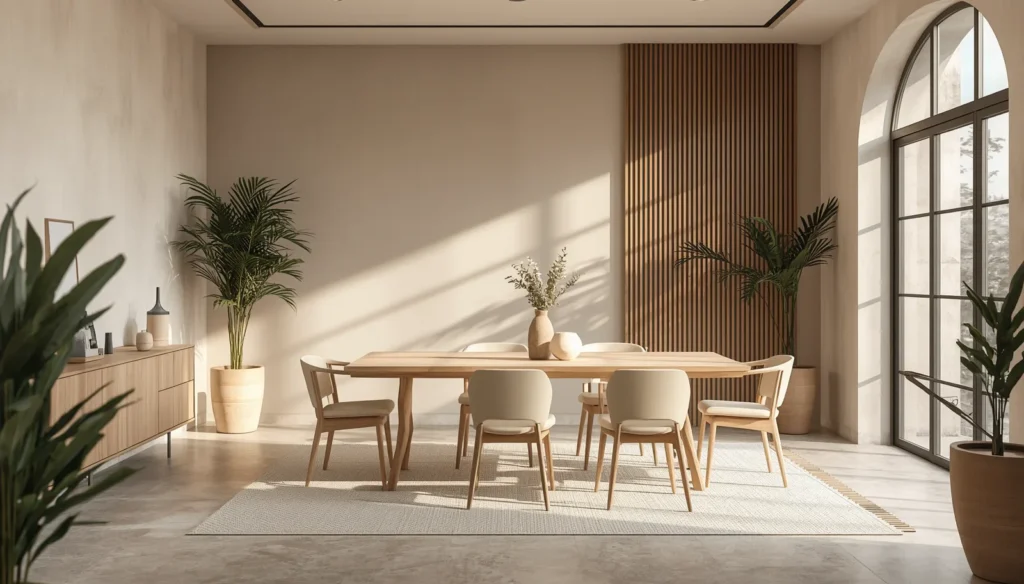
Applying these colors does not mean painting every wall a dark shade; instead, focus on strategic placements. Painting the ceiling a deep, warm hue can lower a cavernous room visually, creating a cozy canopy effect. Alternatively, applying an earthy tone to a built-in bookcase or using it for the dining chair cushions introduces color without overwhelming the senses.
When combining these hues, balance them with warm neutral bases like cream, oatmeal, or soft beige rather than crisp, blue-toned whites. The softer neutrals bridge the gap between bright modern light and deep earth pigments, ensuring the overall palette feels cohesive, intentional, and calming to the eye.
Managing Spatial Flow and Practical Longevity
A beautiful room fails if people cannot move through it comfortably. Leaving ample clearance space around the dining table is essential for creating a relaxed environment. There should be a minimum of thirty-six inches between the edge of the table and any walls or adjacent furniture to allow people to pass behind occupied chairs without causing disruptions. When a space feels cramped, guests feel trapped, which instantly kills the welcoming vibe you want to build.
Consider how different table shapes influence the conversational energy of your dinners. Round or oval tables naturally encourage a democratic, shared conversation where everyone can see each other easily. Rectangular tables work wonderfully for structured architectural lines but can segment conversations into small, isolated pockets at either end. Matching your table shape to your entertaining style alters how long people stay engaged during gatherings.
A real-world example of this spatial balance occurred when a designer named Marcus reconfigured a narrow loft dining zone in Philadelphia. The clients initially insisted on a massive rectangular concrete table that blocked the main walkway to the kitchen, causing constant traffic jams. Marcus replaced it with a custom racetrack-oval table made of warm white oak, instantly freeing up foot traffic while making the entire room feel softer, friendlier, and far more usable for daily living.
Wrap Up:
Creating a warm and inviting modern dining room relies on a thoughtful blend of texture, low-level illumination, and mixed organic materials. Moving away from uniform furniture sets and cold, reflective finishes allows the true character of a home to emerge naturally. By focusing on sensory comfort alongside clean aesthetics, you turn a stark contemporary space into a deeply comforting haven. The ultimate reward is a dining area where family and friends want to gather and stay for hours.
FAQs Section:
How do I make a modern dining room feel cozy without using a rug?
You can introduce deep warmth by focusing on heavy floor-to-ceiling fabric drapery, fully upholstered dining chairs, and warm wood wall paneling or textured plaster finishes that absorb sound and soften light.
What is the ideal light bulb color temperature for an inviting dining space?
The ideal color temperature is between 2200 and 2700 Kelvin, which provides a soft, golden glow that mimics candlelight and creates a relaxing atmosphere for meals.
Can I mix different types of wood in a contemporary dining room?
Yes, mixing wood tones like walnut and white oak prevents a room from looking like a commercial showroom and adds a layer of authentic, collected character to the interior design.
Disclaimer:
The content shared by Fall Rugs is solely for research and informational purposes. Fall Rugs is not a professional interior design or home renovation consultancy, and the information provided should not be considered professional advice for home improvement or decor. All ideas and suggestions are based on current trends and general knowledge in the home decor industry.