

TL;DR
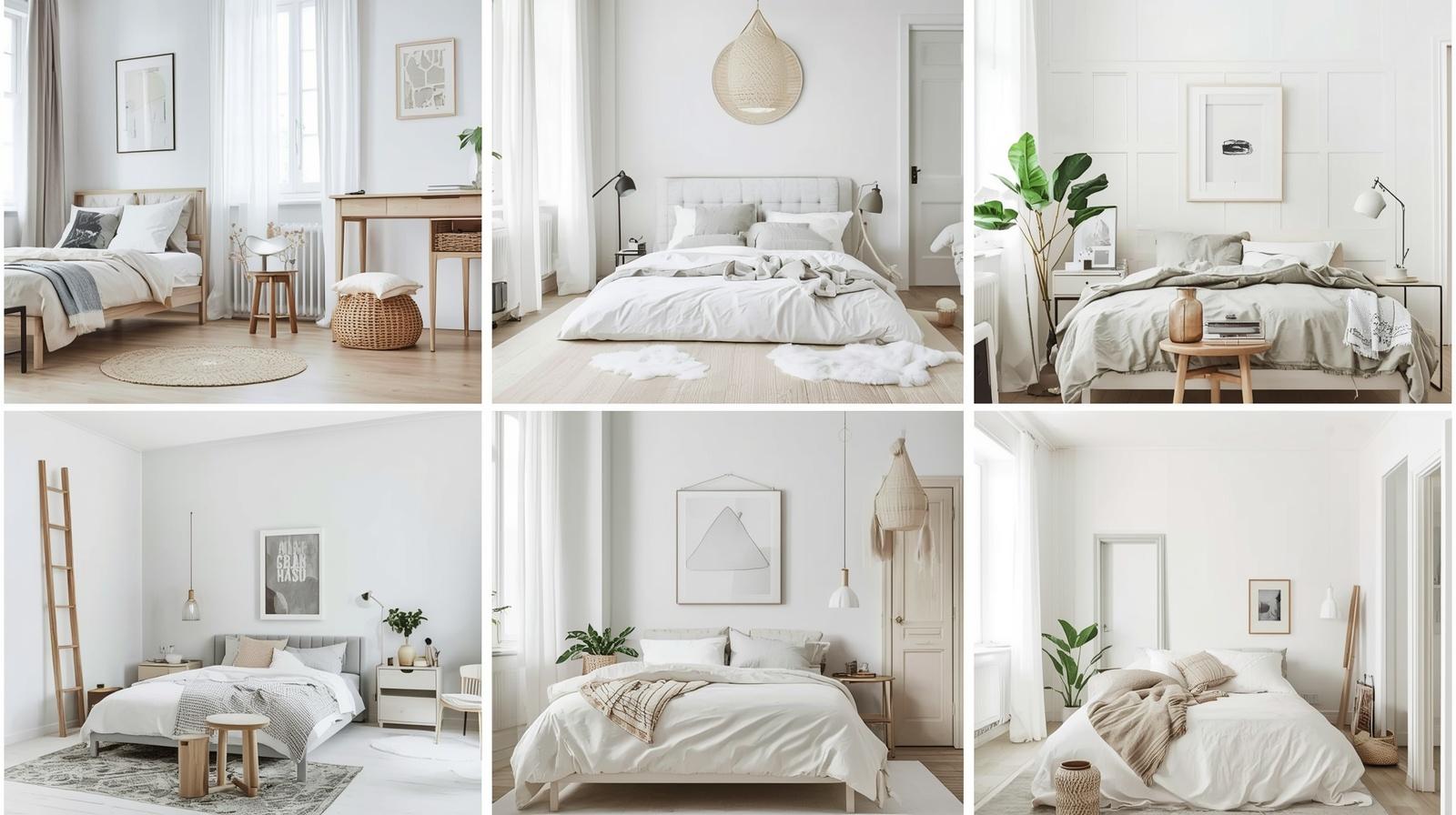
Swedish bedroom design prioritizes the management of natural light and the use of organic materials to create a restful, clutter-free environment. By focusing on pale color palettes, functional furniture, and layered textiles, you can transform any room into a bright and peaceful sanctuary that feels both spacious and cozy.
Introduction
Have you ever wondered why some rooms feel like a deep breath of fresh air the moment you walk through the door? Swedish bedroom design masters this feeling by treating light as a precious resource rather than a simple utility. This approach to interior styling goes beyond mere minimalism to embrace a philosophy where every object serves a purpose and every shadow finds a balance. You will learn how to use historical Nordic principles to build a sleeping space that feels expansive, grounded, and intensely personal.
1. Establishing a Foundation with Stockholm White
The specific shade of white used in Swedish homes often surprises those who expect a cold, sterile environment. Traditional Stockholm White contains a tiny hint of yellow and grey pigment, which prevents the room from looking blue or clinical during the long winter months. This subtle warmth catches the morning sun and bounces it deep into the corners of the room. When you paint your walls in this manner, you create a canvas that makes even the smallest bedroom feel significantly larger and more open.
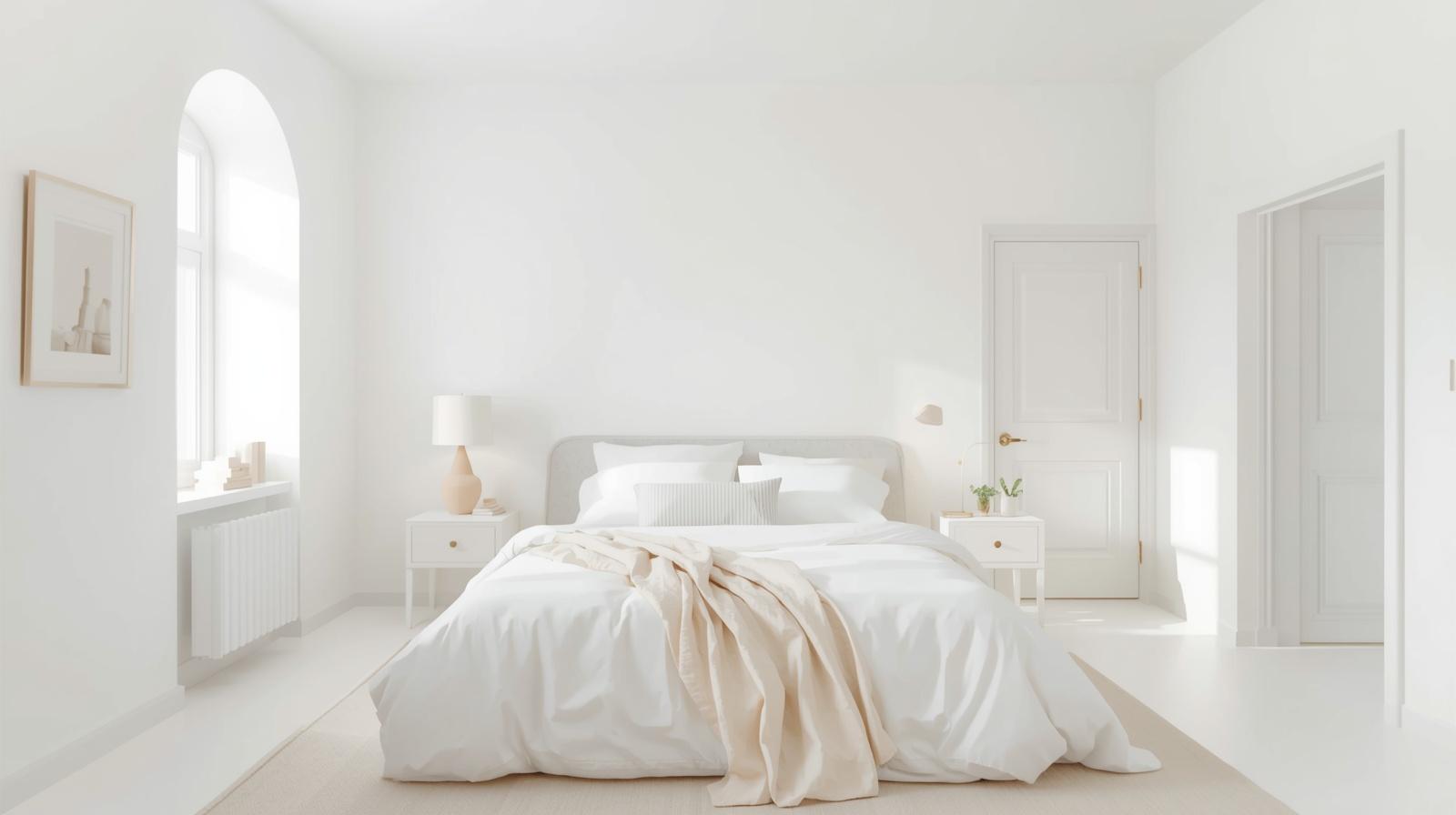
Choosing the right finish for these pale walls matters just as much as the color itself. A matte or eggshell finish diffuses light softly across the surface, softening the edges of the room and reducing harsh glare. Many designers in Malmö suggest carrying this color onto the ceiling and even the trim to erase visual boundaries. This technique allows the eye to travel uninterrupted, which is a core secret to achieving that coveted airy sanctuary feel without renovating the entire structure.
Consider how the changing light of the day affects these neutral surfaces. In the early dawn, a warm-toned white looks crisp and energizing, while the evening lamp light turns it into a soft, cocoon-like amber. This versatility explains why Swedes rarely deviate from a restricted palette. They understand that a neutral base provides the most flexibility for seasonal changes through smaller decorative elements like pillows or throws.
2. Incorporating the Warmth of Light Wood Tones
Wood serves as the soul of a Swedish bedroom, grounding the airy whites with a sense of natural history. You should look for species like ash, pine, or birch, which offer pale grains and a matte appearance. These materials provide a tactile warmth that prevents a minimalist room from feeling empty or uninviting. A wide-planked floor in a light wash immediately sets a Scandinavian tone that feels both modern and timeless.
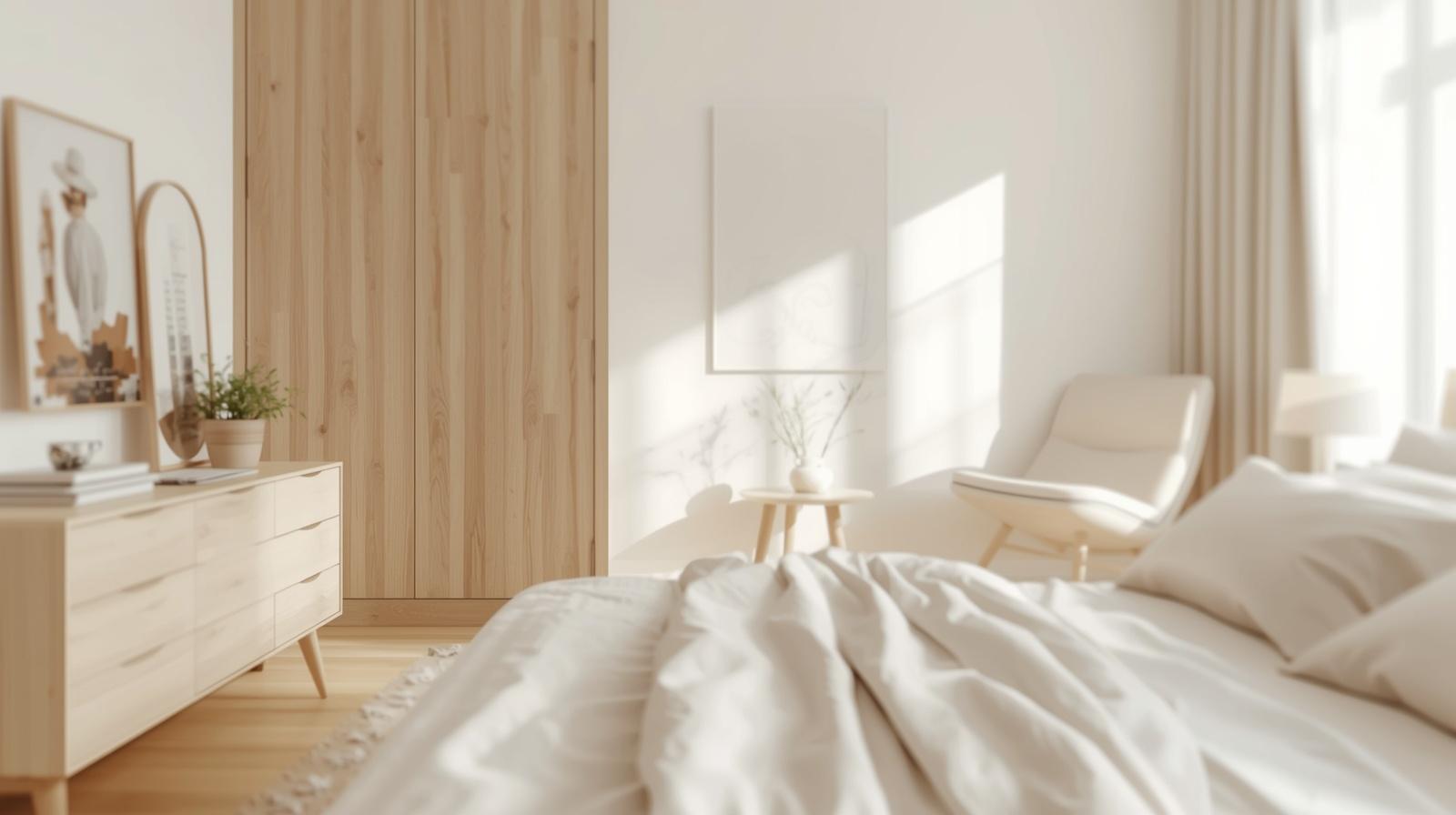
Furniture pieces should also reflect this dedication to timber in its most natural state. A bed frame made of solid blonde wood or a simple nightstand with visible grain adds a structural element that mimics the forests of the north. One homeowner in Gothenburg recently renovated a dark 1970s bedroom by sanding back the heavy oak floors and applying a lye wash. The transformation was immediate, as the floor stopped absorbing the light and started reflecting it back toward the ceiling.
Avoid high-gloss varnishes that create a plastic-like sheen on your wooden surfaces. Instead, opt for oils or waxes that allow the wood to breathe and age gracefully over time. The goal is to feel the texture of the grain when you walk barefoot or touch the side of your dresser. This connection to the outdoors is a fundamental part of the Swedish lifestyle, often referred to as bringing the outside in.
3. Mastering the Art of Textile Layering
A light and airy room still needs to feel physically warm, especially when the temperature drops. Swedes achieve this through a sophisticated system of textile layering that emphasizes natural fibers over synthetic blends. Think of a base of crisp cotton sheets topped with a heavy linen duvet cover and a wool throw at the foot of the bed. Each layer adds a different weight and texture, creating a rich visual landscape that remains monochromatic and calm.

Linen is perhaps the most iconic fabric in this design tradition because of its unique drape and breathability. It possesses a natural rumple that signals a relaxed, lived-in luxury rather than a stiff, formal atmosphere. This fabric also regulates temperature exceptionally well, keeping you cool during summer nights and trapping heat when the frost arrives. Using a variety of weaves, from chunky knits to fine muslins, provides the sensory depth that a minimalist room requires to feel complete.
Consider the role of a sheepskin rug or a thick woven jute piece on the floor beside your bed. Stepping onto a soft, warm surface first thing in the morning is a small but vital ritual in Nordic homes. These elements provide a necessary contrast to the hard lines of the furniture and the smooth surface of the walls. By keeping the colors within a tight range of cream, oatmeal, and dove grey, you ensure the layers feel cohesive rather than cluttered.
4. Prioritizing Unobstructed Window Real Estate
In a region where sunlight is a rare commodity for half the year, windows are treated with immense respect. You will rarely find heavy, dark drapery or complicated valances in an authentic Swedish bedroom. Instead, the focus remains on letting in as much natural light as possible by keeping the glass clear and the surrounding area uncluttered. Many residents choose to leave their windows completely bare to maximize every single lumen of light.
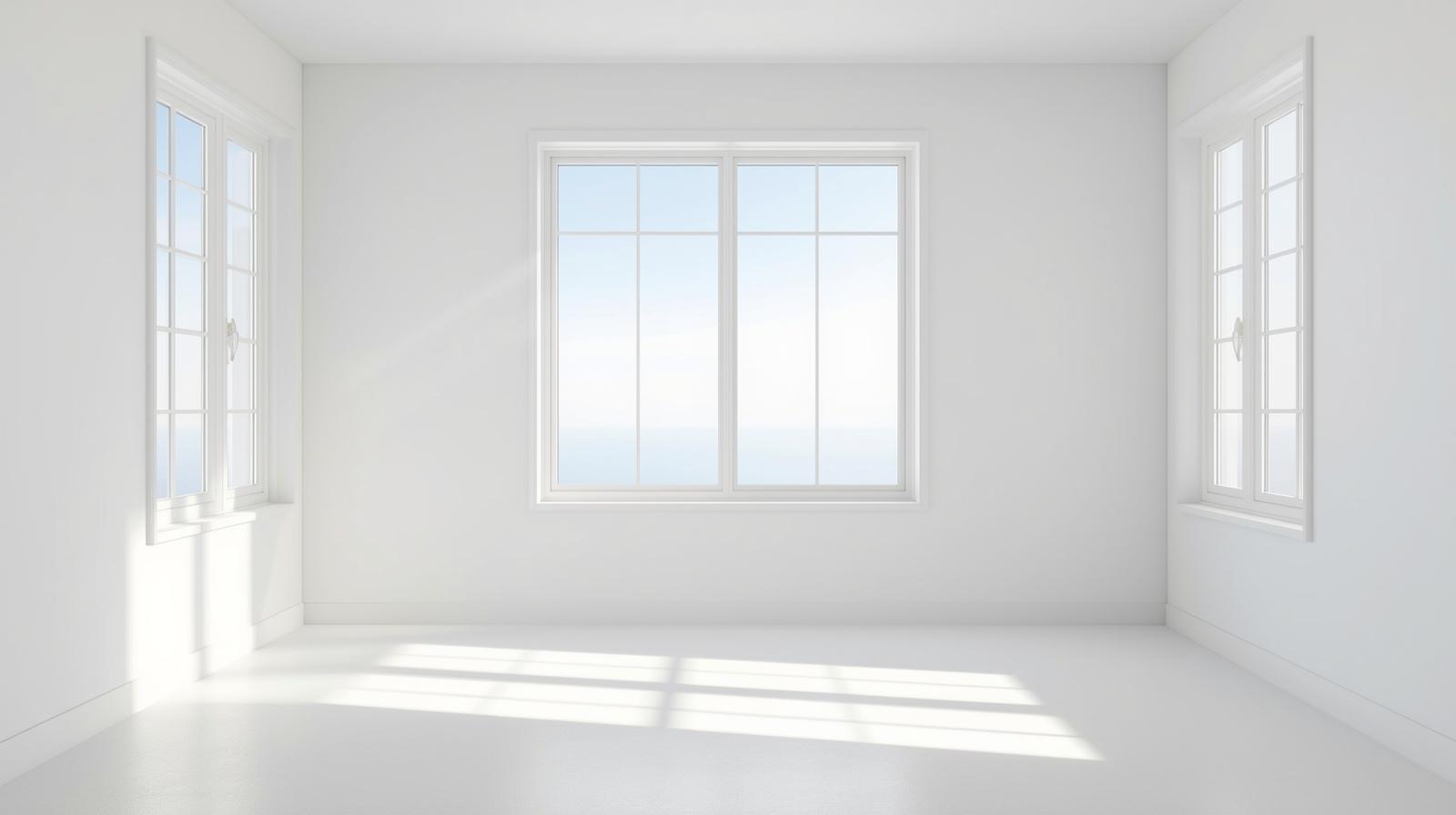
If privacy is a concern, the preferred solution is a sheer linen curtain or a simple roller blind that disappears during the day. These window treatments should match the wall color as closely as possible to maintain a seamless visual flow. When the sun is out, the sheer fabric catches the light and glows, acting like a giant lamp for the interior. This approach turns the window into a focal point that connects the sleeper to the rhythms of the natural world outside.
The space around the window should also be kept intentionally open. Placing a heavy wardrobe or a high-backed chair directly next to a light source casts deep shadows that can make a room feel cramped. Instead, keep the area low-profile with a small plant or a single lamp on the sill. This creates a sense of depth and ensures that nothing blocks the path of the sun as it moves across the sky.
5. Utilizing Functional and Minimalist Furniture
Swedish furniture is world-renowned for its focus on functionalism, often called “funkis” in local circles. Every piece in the bedroom must earn its place by offering both beauty and utility. A bed with hidden storage drawers underneath is a classic example of this mindset, allowing you to hide away bulky winter blankets or seasonal clothing. By removing the need for extra chests of drawers, you free up floor space and enhance the airy feel of the room.
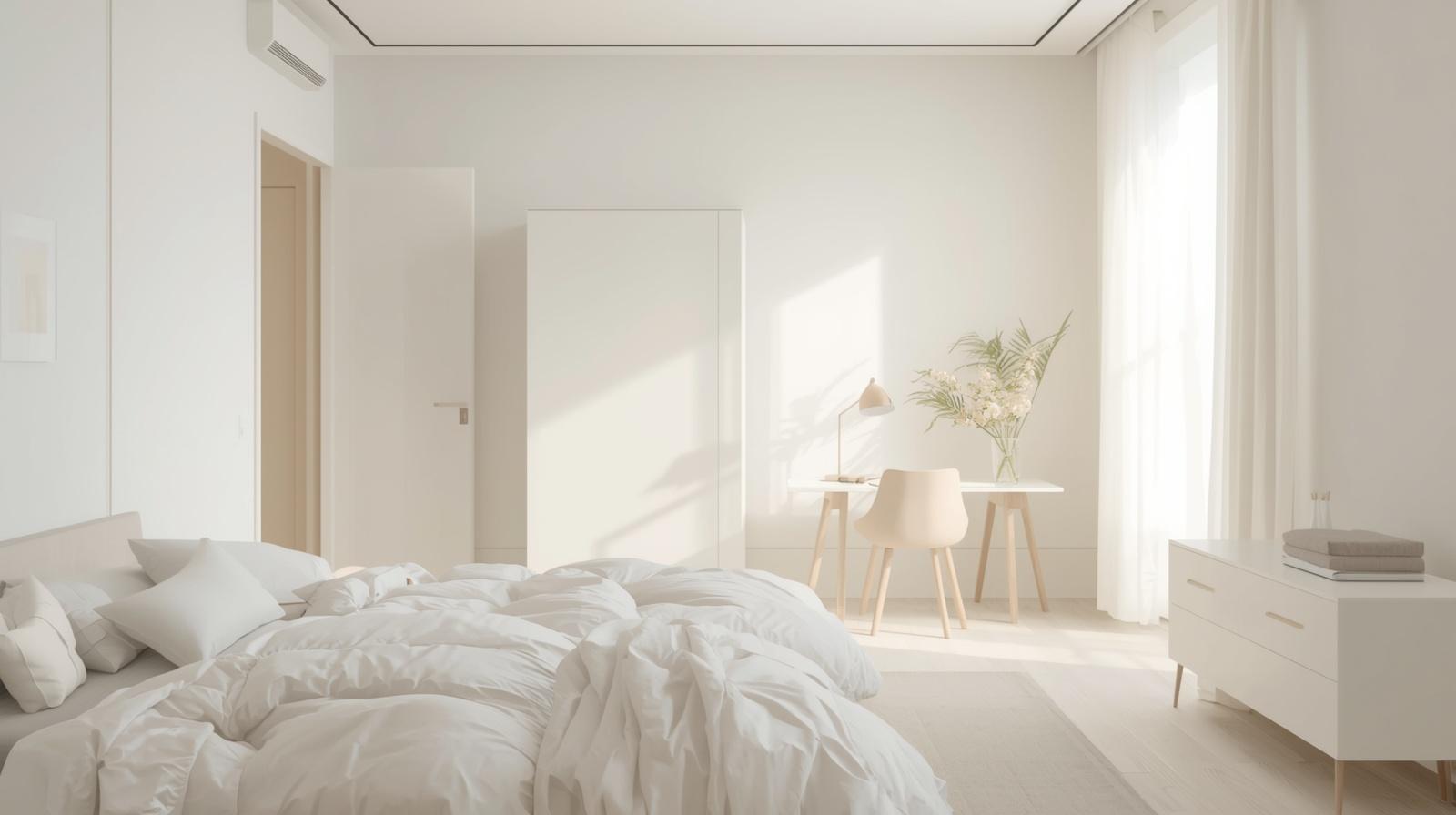
The scale of the furniture is just as important as its function. Choosing pieces with slender legs and open bases allows light to pass underneath, which tricks the eye into seeing more floor area. A bulky, solid-to-the-floor nightstand can feel like a heavy anchor in a small room, whereas a wall-mounted shelf feels light and floating. This strategy is particularly effective in urban apartments where square footage is limited but the desire for a serene atmosphere is high.
Consider the history of the Gustavian style, which influenced modern Swedish design with its elegant, tapered lines and painted finishes. While modern furniture is often more geometric, the underlying principle of restraint remains the same. You do not need a matching set of furniture to create a cohesive look. A mix of a vintage wooden chair and a sleek, modern bed can create a balanced tension that feels curated and thoughtful rather than mass-produced.
6. Embracing Negative Space on the Walls
One of the hardest lessons for many decorators to learn is that not every wall needs a picture or a shelf. Swedish bedrooms lean heavily into the power of negative space, allowing the eyes to rest on plain, unadorned surfaces. This lack of visual noise is what creates the sanctuary-like quality of the room. When you do choose to hang something, it should be a deliberate choice that resonates with the overall mood of the space.
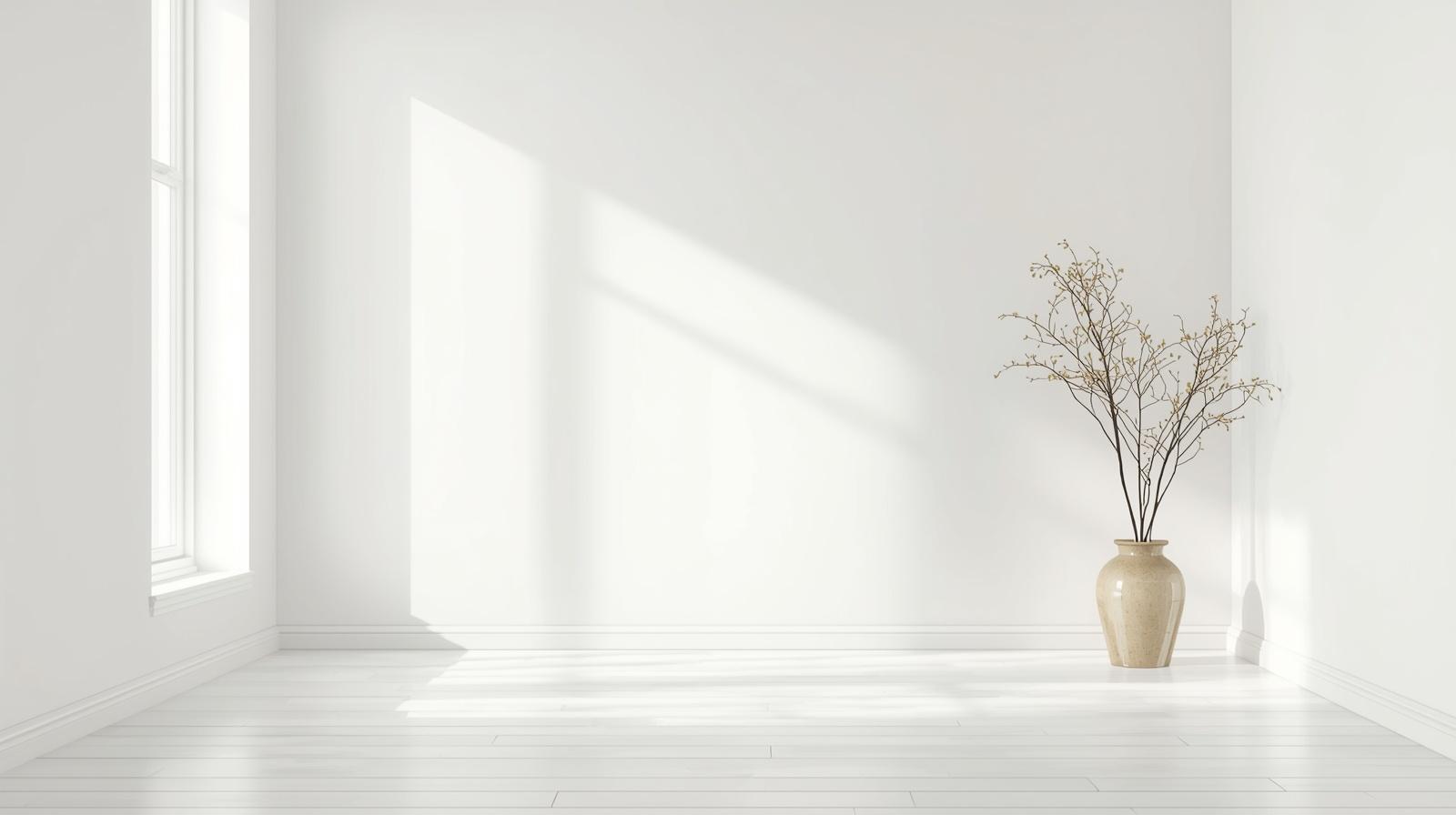
Art in a Swedish bedroom often features organic shapes, botanical sketches, or black and white photography. Frames are typically simple, using thin wood or metal to avoid drawing too much attention away from the image itself. Instead of a gallery wall with dozens of small items, a single large-scale piece often works better to anchor the room. This focus on quality over quantity reinforces the idea that the bedroom is a place for quiet contemplation.
Negative space also applies to the vertical height of the room. High ceilings can be emphasized by leaving the top third of the walls completely empty. This draws the gaze upward and makes the entire volume of the room feel more significant. If your ceilings are lower, keeping the walls clear of heavy shelving prevents the space from feeling like it is closing in on you. The goal is to create a sense of limitlessness within the four walls of your home.
7. Integrating Biophilic Elements and Greenery
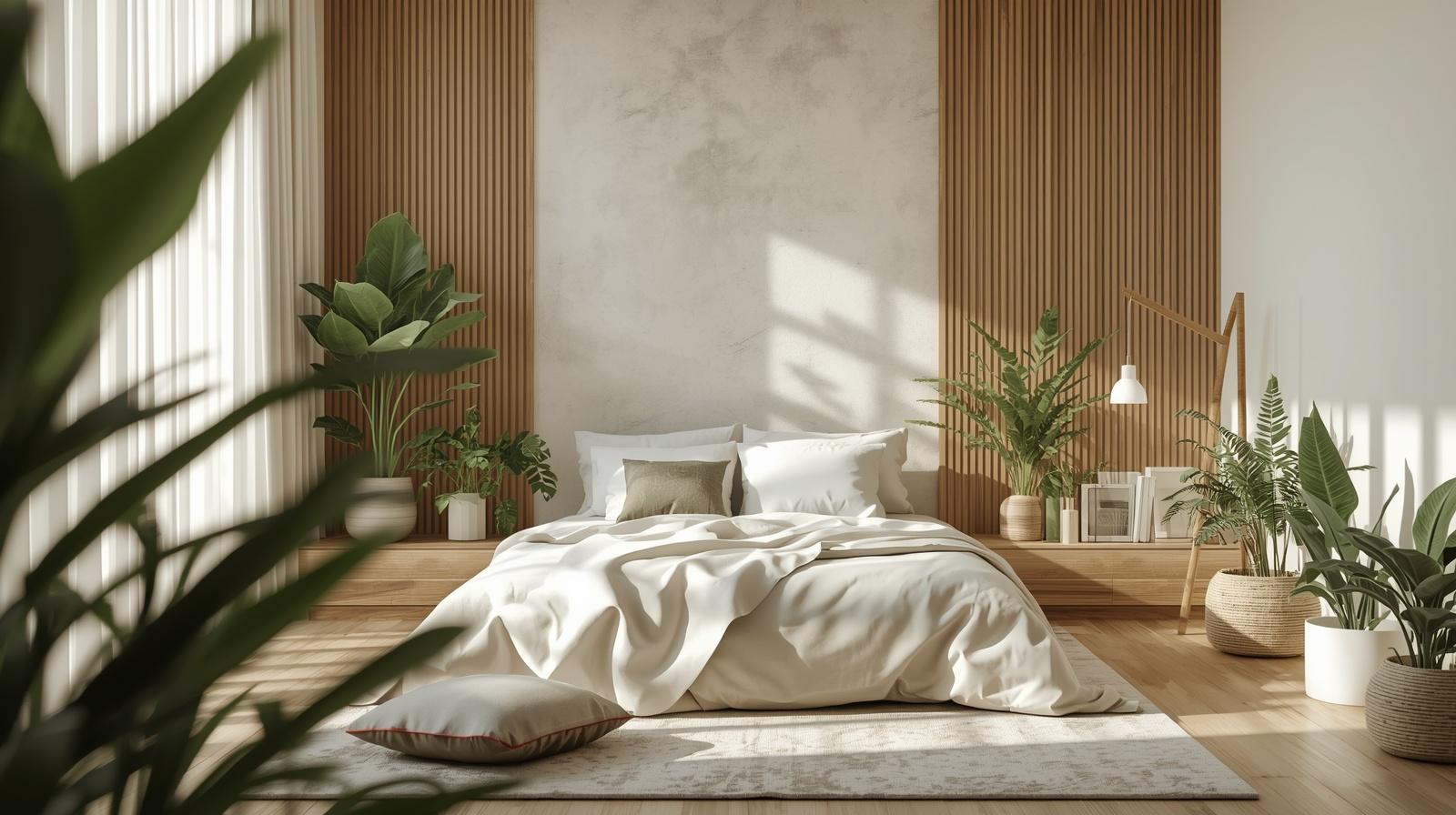
Since the Swedish winter can be long and monochromatic, bringing living plants into the bedroom is a common way to maintain a connection to nature. These biophilic elements do more than just clean the air; they provide a pop of organic color that stands out beautifully against neutral walls. A single large leaf in a glass vase or a potted fern in the corner adds a sense of life and movement to the room.
Choose plants that thrive in the specific light conditions of your bedroom to ensure they remain healthy and vibrant. The sight of a dying plant can quickly ruin the peaceful atmosphere you are trying to build. Many Swedes prefer structural plants like the Snake Plant or the Monstera, which offer bold shapes without requiring constant maintenance. The green of the leaves acts as a natural neutral, complementing the wood tones and white surfaces perfectly.
The vessels for these plants should follow the same minimalist rules as the rest of your decor. Terracotta pots bring in a warm, earthy red, while simple ceramic crocks in white or grey blend into the background. Placing a plant on a windowsill or a dedicated pedestal elevates it to the status of a living sculpture. This careful placement ensures that the greenery feels like an intentional part of the design rather than an afterthought.
8. Designing with Intentional Lighting Layers
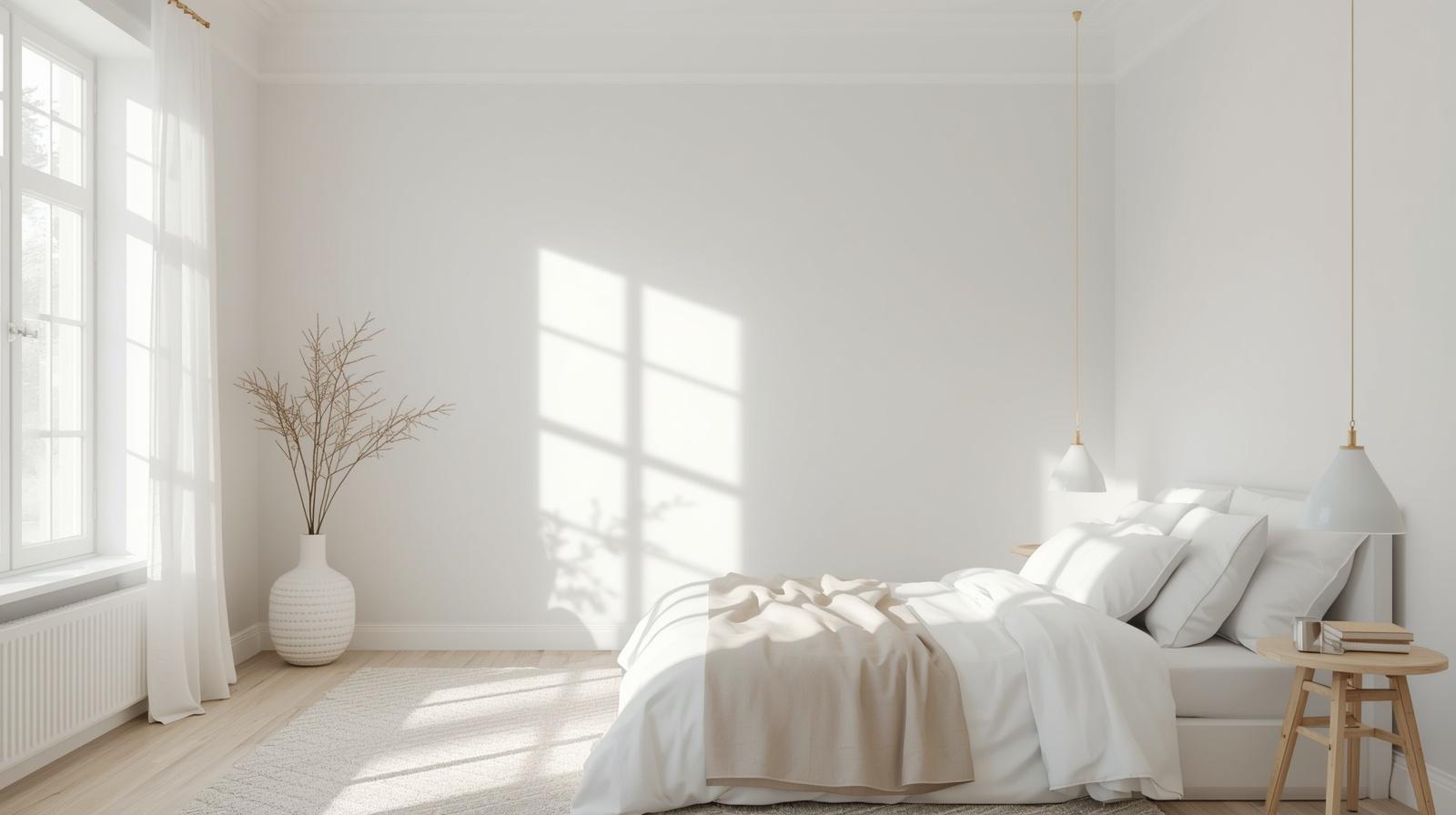
While natural light is the priority, the way you light a Swedish bedroom at night is crucial for creating the “hygge” or cozy factor. Swedes rarely use a single, harsh overhead light to illuminate a room. Instead, they utilize a variety of small light sources scattered at different heights. This creates a soft, dappled effect that mimics the glow of a fire or the setting sun, making the room feel intimate and secure.
A classic paper lantern or a fabric-shaded pendant light provides a soft, diffused glow that fills the room without creating sharp shadows. You should supplement this with dedicated task lighting, such as a sleek reading lamp on the nightstand or a floor lamp in a corner. Each of these lamps should have a warm-toned bulb to enhance the natural wood and soft textiles in the room. In a well-designed Swedish home, the lighting is adjusted throughout the evening to match the activity and the mood.
Candles are another essential component of the Nordic lighting strategy, even in the bedroom. The flicker of a real flame adds a layer of sensory warmth that electric lights cannot replicate. Placing a few candles on a tray or a windowsill creates a focal point that encourages relaxation and mindfulness. This tradition of lighting candles, even in the morning during breakfast, is a simple way to celebrate the small moments of the day.
9. Mixing Antique and Contemporary Pieces
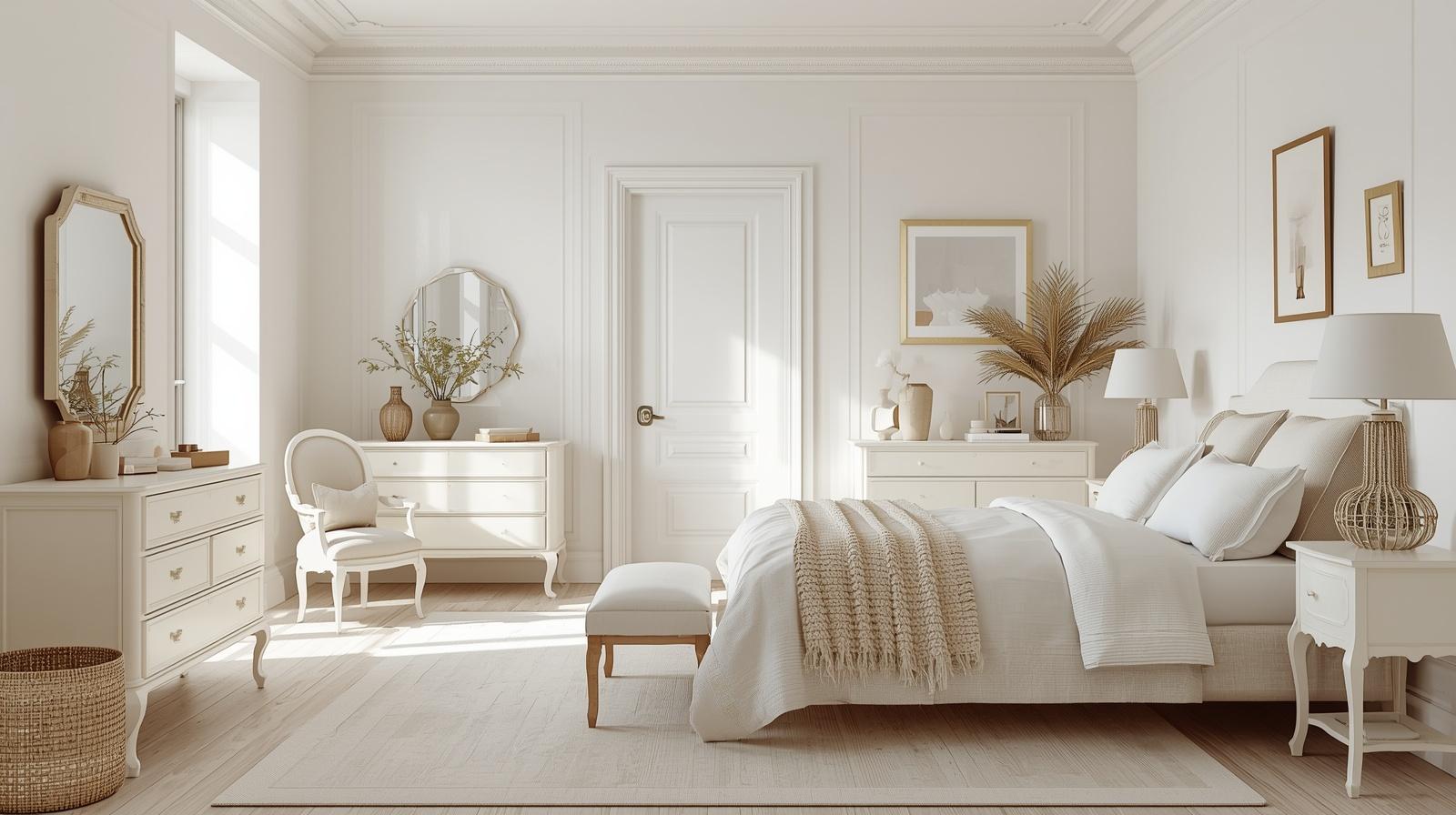
A truly authentic Swedish bedroom never looks like it was bought entirely from a single showroom. The most beautiful sanctuaries are those that mix family heirlooms or vintage finds with modern, functional pieces. This blend gives the room a sense of history and soul, preventing it from feeling too sterile or impersonal. An antique wooden chest at the foot of a modern bed creates a beautiful contrast between the past and the present.
Look for vintage items that share the same design values as your modern furniture, such as clean lines and honest materials. A mid-century modern chair or a traditional carved wardrobe can be painted in a pale grey or white to bring it into the contemporary palette. This practice of “upcycling” is deeply rooted in the Swedish value of sustainability and long-term quality. It allows you to build a room that evolves over time rather than one that goes out of style with the next trend.
One notable example involves a young couple in Uppsala who inherited a heavy, dark pine bed frame. Instead of discarding it, they sanded it down to its palest state and paired it with high-end, minimalist Swedish lighting and linen bedding. The result was a room that felt grounded in heritage but looked completely fresh and airy. This approach proves that you do not need a massive budget to achieve a high-end look; you only need a discerning eye for form and texture.
10. Focusing on the Sensory Experience of Sleep

The final step in creating a Swedish sanctuary is to focus on the sensory details that directly impact the quality of your rest. This means investing in the best mattress and pillows you can afford, as the bed is the true heart of the room. Swedes often use two separate duvets on a single king-sized bed, a practical solution that allows each person to control their own temperature and movement. This tradition emphasizes that the bedroom is primarily a functional space for recovery.
Consider the scent and sound of the room as well. A clean, airy bedroom should smell like fresh laundry or a hint of pine, rather than heavy artificial fragrances. Keeping the window cracked open for a few minutes each day, even in cold weather, is a standard practice to ensure the air remains crisp and oxygen-rich. This commitment to fresh air is a simple habit that significantly improves the feeling of the space.
Finally, keep the room as a tech-free zone as much as possible. The blue light from screens and the clutter of charging cables work against the calm atmosphere you have built. By replacing your phone with a physical book and a simple analog alarm clock, you reinforce the bedroom’s role as a private retreat from the digital world. When your environment is designed for peace, your mind follows suit, leading to deeper and more restorative sleep.
Wrap Up:
Creating a Swedish-inspired bedroom is about more than just a specific color or a brand of furniture. It is a commitment to light, functionality, and a deep appreciation for the natural world. By following these ideas, you can build a sanctuary that supports your well-being and provides a calm start to every morning. Start with the basics of light and texture, and let your personal style evolve within those peaceful boundaries.
FAQs Section:
What is the most important element of a Swedish bedroom?
The most vital element is the management of light, achieved through pale color palettes and unobstructed windows that maximize every bit of natural brightness. This foundation creates the airy, spacious feeling that defines the entire aesthetic.
How do I make a minimalist Swedish bedroom feel cozy?
Coppiness is achieved through the use of natural textiles like linen and wool, alongside the warmth of light wood finishes and layered, warm-toned lighting. These tactile elements prevent the room from feeling cold while maintaining a clean look.
Can I use dark colors in a Swedish-style bedroom?
While light colors are traditional for maximizing brightness, dark accents like charcoal or deep blue can be used sparingly for contrast. These darker tones are often found in textiles or small furniture pieces to add depth without overwhelming the airy atmosphere.
Disclaimer:
The content shared by Fall Rugs is solely for research and informational purposes. Fall Rugs is not a professional interior design or home renovation consultancy, and the information provided should not be considered professional advice for home improvement or decor. All ideas and suggestions are based on current trends and general knowledge in the home decor industry.