

TL;DR
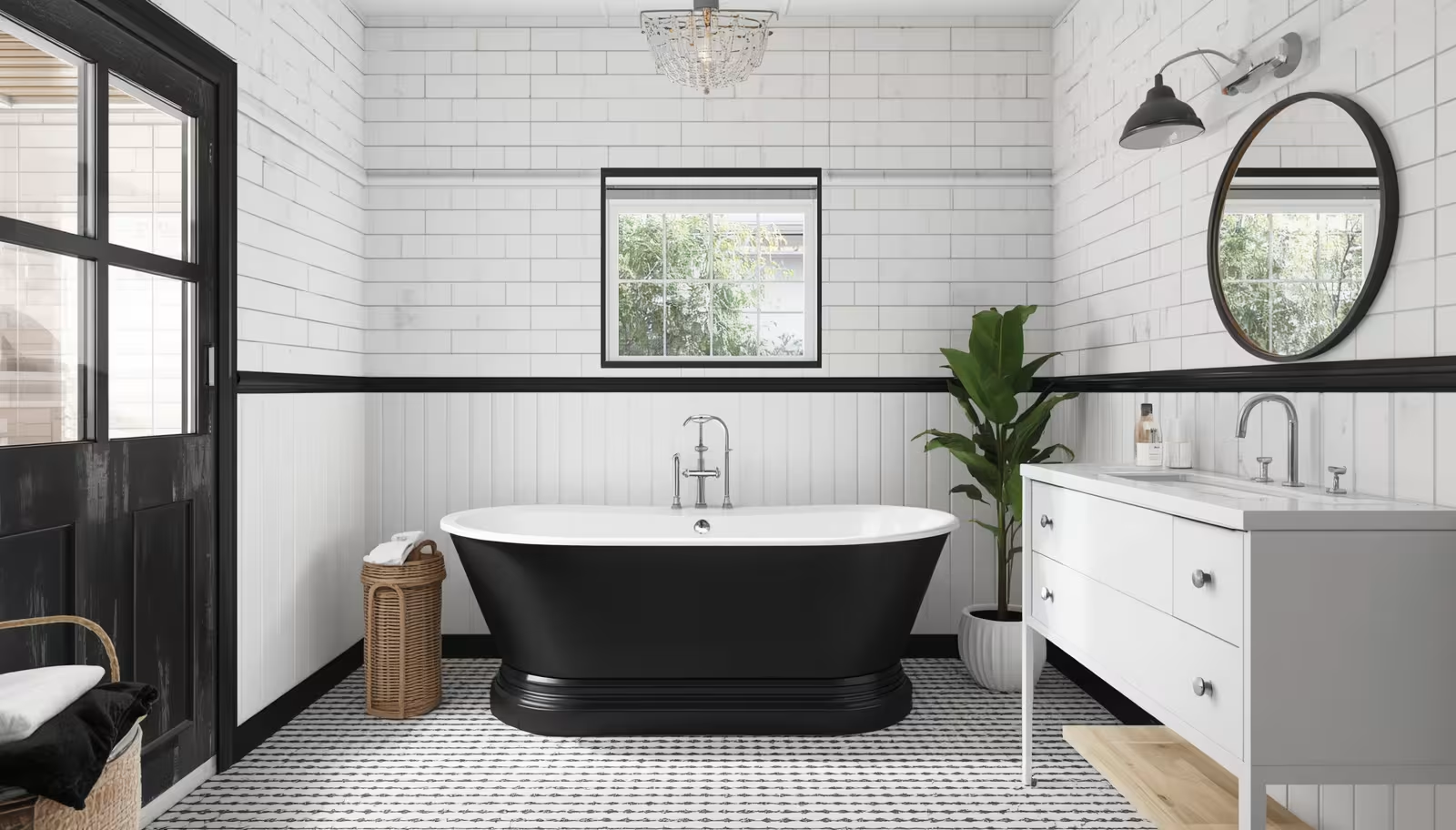
Black and white bathrooms work because the contrast does the heavy lifting, no extra color needed. Hexagon tile, matte black fixtures, and the right rug or towel can turn a plain bathroom into something that looks intentional. The trick is balancing the ratio so the room feels sharp, not sterile.
Introduction
Ever walked into a bathroom and felt like something was just off, even though nothing was technically wrong? That usually comes down to color balance, not layout. Black and white bathrooms solve that problem by leaning on contrast instead of trends. This piece breaks down where that contrast actually pays off, where homeowners get it wrong, and how brands like Ruggable and IKEA fit into a budget-friendly plan.
Getting the Tile Ratio Right
Tile sets the tone before anything else goes in the room. A common mistake is treating black and white as a 50-50 split, which usually reads as busy or visually loud once towels and a shower curtain enter the picture.
- Aim for a 70-30 or 80-20 split, with white (or a near-white like cream) as the dominant tone
- Hexagon and penny tile in black and white have been a staple in New York and Chicago prewar apartments since the early 1900s, and that historical context still drives demand today
- Subway tile in white with black grout costs roughly 4 to 8 dollars per square foot installed, making it one of the cheaper ways to get the look
- Porcelain tile holds up better than ceramic in wet zones, particularly around tubs and shower floors
A reader in Austin, Texas, named Priya remodeled a 1960s ranch bathroom and started with a full black floor. It looked striking in photos but made the 6 by 8 foot room feel smaller in person. She swapped to a white floor with a black hexagon border and the room opened up immediately. That single change, moving black from the floor to an accent border, is the most common fix design forums report.
Grout joint width also plays a role that gets overlooked early in planning. A 1/16 inch grout line on small mosaic tile gives a tighter, almost seamless field of color, while a 1/8 inch line on larger subway tile creates a more visible grid pattern. Contractors in cooler climates like Minneapolis, Minnesota, often recommend slightly wider grout joints because tile expands and contracts more with seasonal temperature swings, and a tighter joint can crack faster under that stress.
Where Pattern Helps and Where It Hurts
Pattern works best in small doses inside a black and white scheme. A patterned floor with plain walls reads as designed. Pattern on both floor and walls usually reads as cluttered, especially in bathrooms under 50 square feet.
- Use pattern on one surface only, floor or wall, not both
- Geometric Moroccan-style tile pairs well with simple white subway tile on the remaining walls
- Vertical stripe patterns can visually raise low ceilings, a trick borrowed from 1920s Art Deco bathrooms
Choosing Fixtures and Hardware
Fixtures are where a lot of the actual personality shows up, and matte black has been the dominant finish choice since around 2017, according to consistent reporting from Houzz’s annual bathroom trends survey. That said, matte black isn’t universal.
- Matte black faucets and showerheads from brands like Delta and Moen typically run 150 to 400 dollars per fixture
- Polished chrome still works in black and white bathrooms and tends to read as more classic, less trend-driven
- Brushed nickel sits in between and ages better in humid climates because matte black can show water spots if not wiped down regularly
One recurring issue homeowners mention after installing matte black hardware: hard water spots show up faster than they expect, especially in regions like Phoenix, Arizona, with high mineral content. A quick wipe-down after each shower solves most of it, but it’s a maintenance step people don’t always plan for before buying.
Cabinet hardware deserves its own line of thinking, since it’s often bought separately from plumbing fixtures and can clash if nobody checks finishes side by side. Black knobs and pulls on a white vanity read as classic, almost shaker-style, while the same hardware on a black vanity disappears unless there’s a contrasting backplate. A 1 1/4 inch knob is the standard size for most vanity drawers, and buying a sample pack before committing to a full set saves a return trip when the finish looks different under bathroom lighting than it did online.
Lighting That Doesn’t Wash Out the Contrast
Lighting changes how black and white actually reads in person. Cool white bulbs (4000K and above) make black surfaces look almost blue-gray under certain conditions, while warm bulbs (2700K to 3000K) keep black looking black and white looking soft rather than clinical.
- Warm white LED bulbs in the 2700K range are the safer default for black and white bathrooms
- Sconces flanking the mirror reduce shadows on the face better than a single overhead fixture
- Dimmer switches let the same bathroom feel bright for getting ready and softer at night
Textiles: Rugs, Towels, and Shower Curtains
Hard surfaces set the bones of the room, but textiles are what most guests actually notice and touch. This is also where budget flexibility is highest.
- Ruggable’s washable bath mats run roughly 49 to 89 dollars and are popular specifically because black and white designs show dirt fast, so machine-washable options matter more here than in other color schemes
- West Elm and Pottery Barn both carry textured black and white striped or geometric bath towels in the 20 to 40 dollar range per towel
- A waffle-weave white towel with a single black stripe avoids looking like a barber shop, a complaint that comes up often in home decor forums when black and white is overdone
A reader named Marcus in Portland, Oregon, mentioned a mistake worth repeating here: he bought an all-black shower curtain liner without checking light transmission, and the bathroom, which only had one small window, turned noticeably darker during the day. He switched to a white curtain with black trim and got the contrast back without losing natural light. Small details like liner opacity matter more in windowless or single-window bathrooms.
Layering Without Overdoing It
Layering textiles adds depth, but black and white schemes punish overlap faster than colorful ones because every mismatched shade of “black” stands out under bathroom lighting.
- Stick to one true black across rug, towel, and curtain rather than mixing charcoal, navy-black, and true black
- A jute or natural fiber rug underneath a smaller black and white accent rug adds texture without adding more color
- IKEA’s basic cotton bath mats in solid white or solid black, usually under 15 dollars, work well as a neutral base layer under a patterned accent piece
Small Bathroom Strategies
Black and white in a small bathroom, generally under 40 square feet, needs different rules than a primary suite. The contrast that looks dramatic in a large space can feel heavy in a powder room.
- Keep black below the chair rail line and white above it, so the eye reads height before it reads darkness
- A single black accent wall, often the one with the vanity mirror, creates a focal point without closing in the whole room
- Mirrors with black frames bounce light back into the room while still carrying the color theme
Design professionals consistently point to one principle: in tight bathrooms, white should dominate vertical surfaces like walls and ceiling, while black gets reserved for floors, frames, or a single statement wall. This pattern shows up across renovation case studies regardless of region or budget level, which suggests it’s less about taste and more about how human eyes process small enclosed spaces.
Storage choices in small black and white bathrooms also affect how the color scheme reads day to day. Open shelving in black metal can look intentional when only a few items sit on it, like rolled white towels and a single plant, but it turns visually busy fast once toiletries pile up. Closed white cabinetry hides the daily clutter that most bathrooms accumulate, leaving black to do its job as an accent rather than competing with bottles and tubes for attention.
Common Mistakes That Undercut the Look
A few recurring problems show up across renovation forums and contractor feedback, regardless of price point.
- Grout color gets overlooked, and white grout on a white tile floor stains within months in a high-traffic bathroom; gray grout hides dirt far better
- Too many accessories in both colors creates visual noise; a soap dispenser, toothbrush holder, and trash can don’t all need to match each other exactly
- Skipping ventilation upgrades when adding more black surfaces, since black tile and grout can show mildew faster than light colors in poorly ventilated bathrooms without an exhaust fan rated for the room’s square footage
Wrap Up
Black and white bathrooms hold up over time because the contrast carries the design, not a passing color trend. Getting the ratio right, usually 70-30 in favor of white, keeps the room feeling open rather than heavy. Fixtures, lighting temperature, and textile choices from brands like Ruggable, IKEA, and West Elm fill in the details once the bones are set. Small fixes, like swapping grout color or adjusting shower curtain opacity, often matter more than the big renovation decisions people stress over first.
FAQs
Does black and white make a small bathroom look smaller?
Not if white stays dominant on walls and ceiling, with black used only on floors, frames, or a single accent wall.
What grout color works best with black and white tile?
Light to medium gray grout typically hides dirt and staining better than pure white grout, especially on bathroom floors.
Is matte black hardware hard to maintain?
Matte black fixtures show water spots faster than chrome or nickel in hard water areas, so they need more frequent wiping to stay looking clean.
Disclaimer
This content shared by Fall Rugs is solely for research and informational purposes. Fall Rugs is not a professional interior design or home renovation consultancy, and the information provided should not be considered professional advice for home improvement or decor. All ideas and suggestions are based on current trends and general knowledge in the home decor industry.