

TL;DR
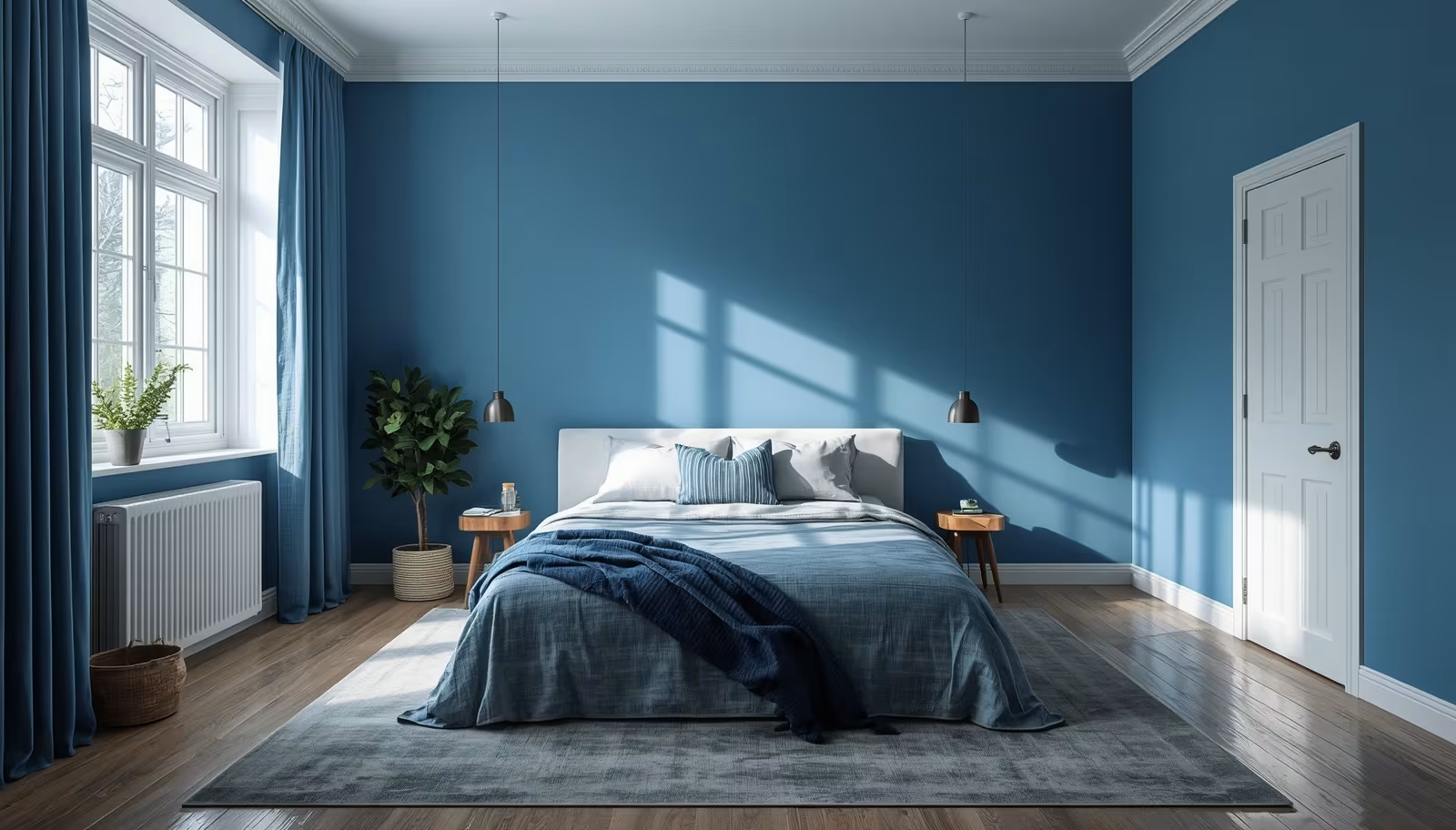
Cool blue bedroom walls lower visual noise and promote restorative rest. Selecting the right tone requires balancing natural light with undertones like slate, crisp ice, or deep navy. Mixing these shades with warm wood tones creates a balanced, sophisticated sleeping space.
Introduction
Why do some bedrooms feel instantly calming while others feel cramped or energetic? The secret usually hides in the undertones of the paint on the walls. Choosing a cool blue wall color bedroom palette alters how light behaves in your personal sanctuary. This guide breaks down exactly how to select, pair, and apply these soothing tones to maximize your comfort and space.
1. Selecting the Right Cool Blue Paint for Your Space
Lighting changes everything when dealing with cool tones. A shade that looks like a crisp sky in a brightly lit showroom can easily morph into a sterile, chilly gray inside a north-facing bedroom. Experienced decorators always test samples on multiple walls to see how the pigment shifts between 8:00 AM and 8:00 PM.
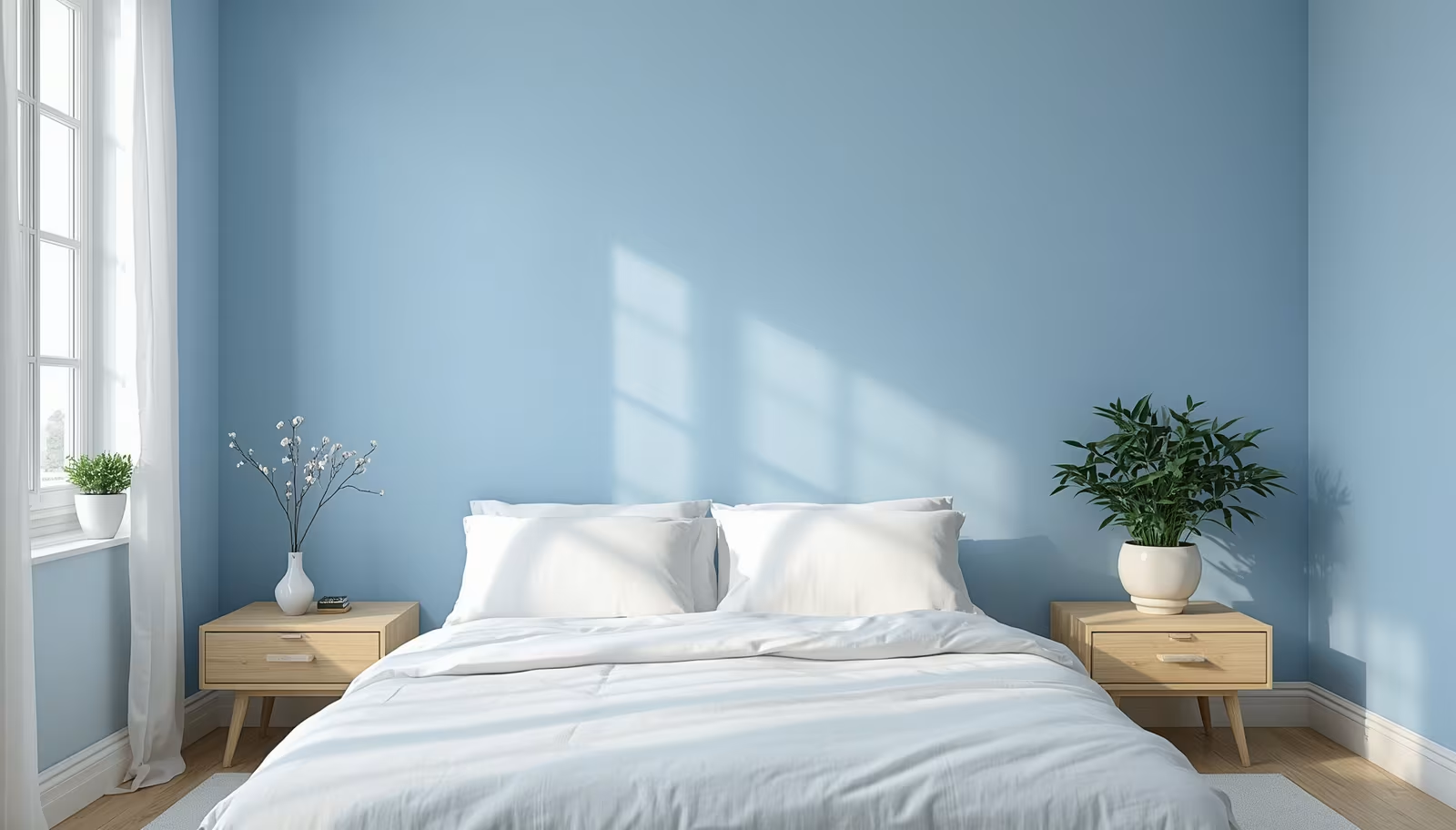
- Slate blues with gray bases ground large rooms that receive intense afternoon sun.
- Aqua and ice blues reflect light efficiently to make compact guest spaces feel twice as large.
- Deep denim tones establish a cozy, grounding effect in large master suites.
During a residential redesign in Boston, a client applied a pale ice blue to a room with minimal sunlight. The space felt instantly cold and uninviting until they switched to a slightly warmer denim tone from Benjamin Moore. This simple adjustment absorbed the harsh shadows and made the room feel instantly secure and welcoming.
2. Balancing Cool Walls with Warm Accent Materials
A common misstep is pairing cool blue walls with stark white furniture and silver fixtures. This combination often mimics a sterile clinical environment rather than a relaxing retreat. The fix requires introducing contrasting textures and warm organic materials to ground the airiness of the blue.
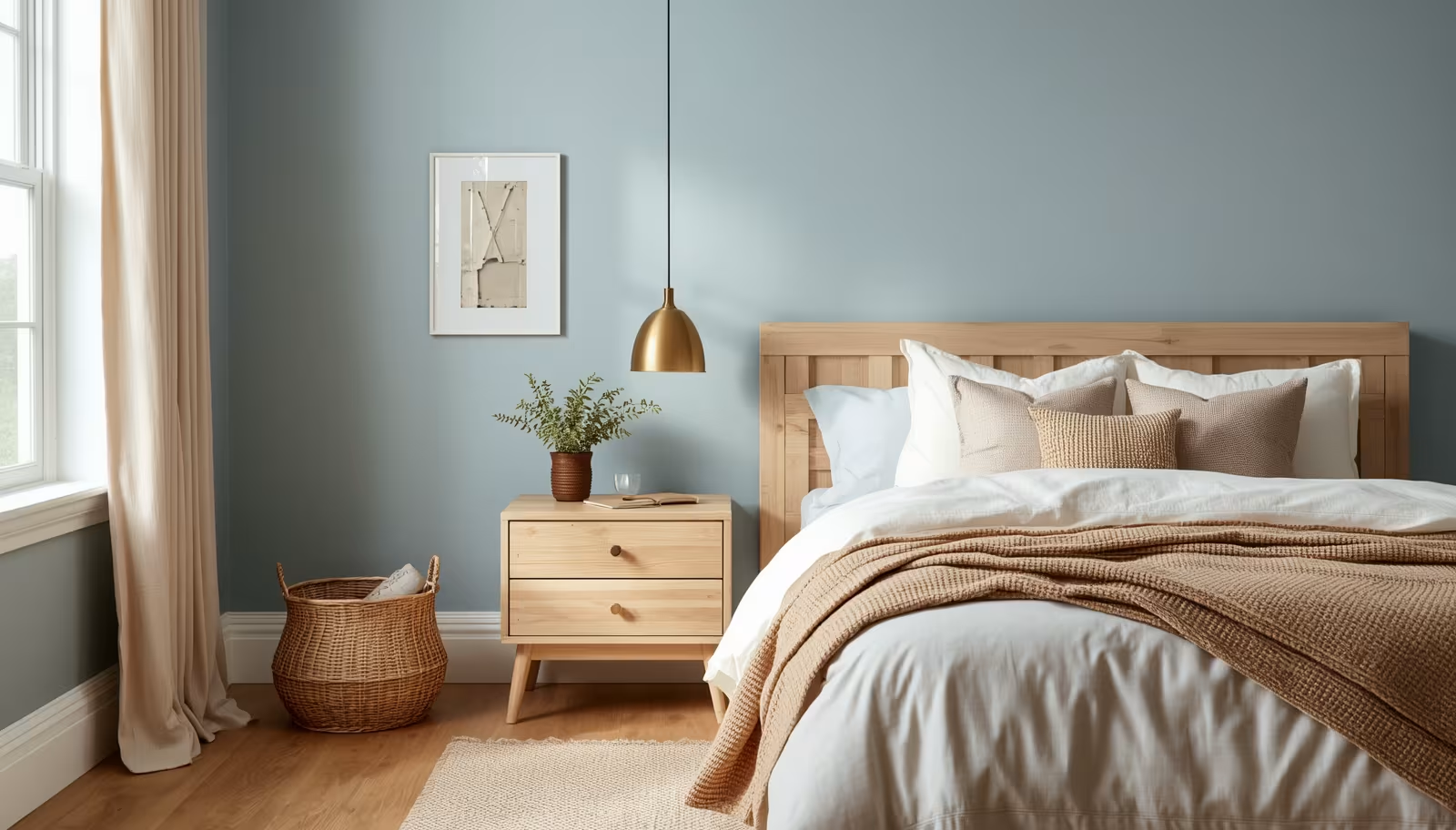
- Introduce honey oak or walnut dressers from brands like Pottery Barn to break up the cool wall surface.
- Layer woven jute rugs or cream wool floor coverings from Ruggable to add physical and visual texture.
- Swap out chrome light fixtures for brushed brass or matte black hardware to anchor the perimeter.
When updating an old farmhouse bedroom, designers often use a muted slate blue on the tongue-and-groove paneling. They then layer the space with linen duvet covers from West Elm and antique pine nightstands. The contrast between the sleek, cool walls and the textured, warm wood prevents the room from feeling flat.
3. Mixing Patterns and Textiles for Visual Depth
Monolithic blocks of blue can make a bedroom feel one-dimensional. Layering textiles is the easiest way to inject personality without overriding the calming nature of the wall color. The objective is to use tone-on-tone variations that keep the eye moving gently across the space.
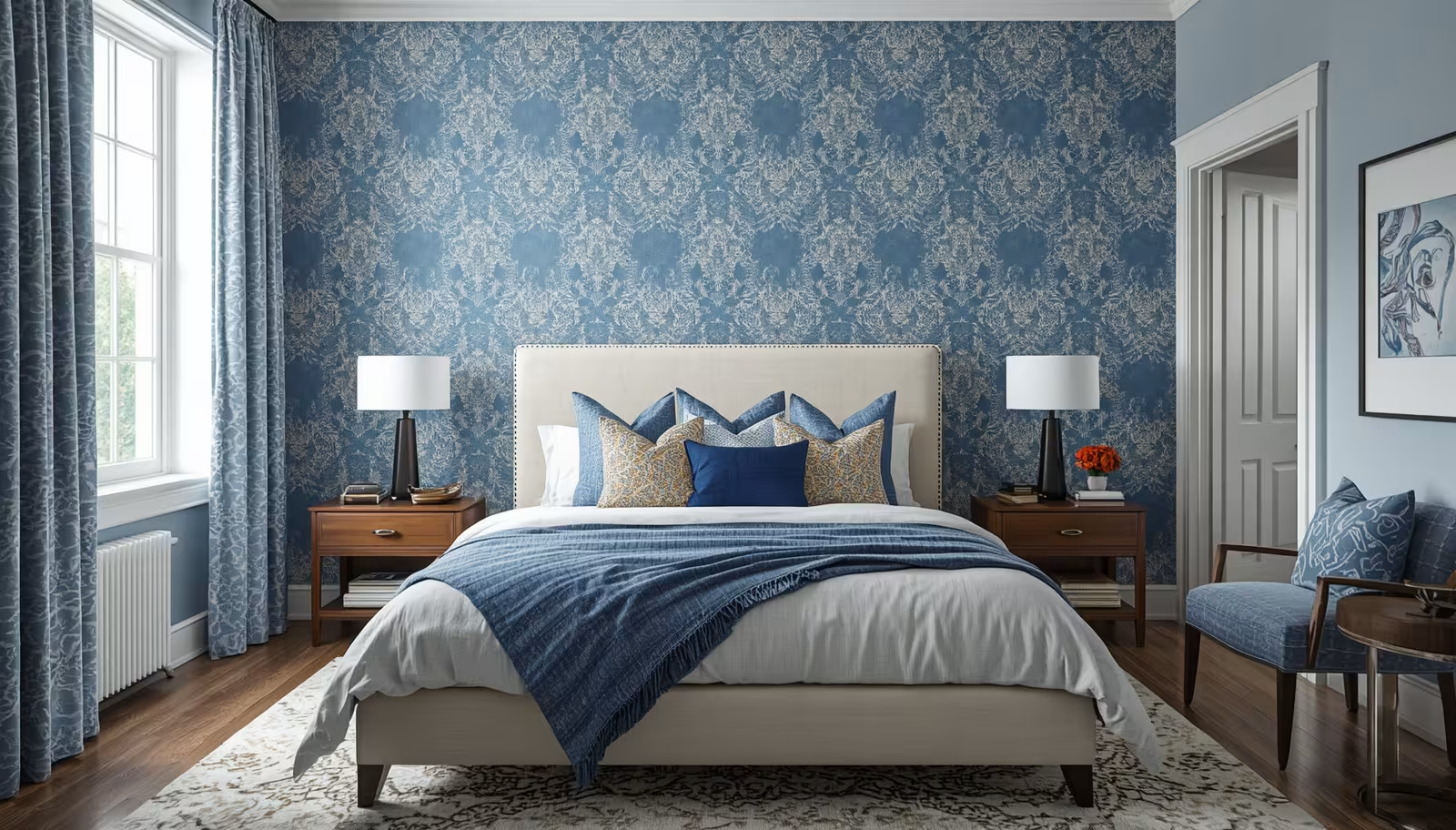
- Use oversized navy gingham or subtle pinstripe sheets to introduce geometric structure.
- Place a chunky knit throw blanket over the foot of the bed to soften the transition from mattress to wall.
- Hang lightweight linen drapes that match the wall color exactly to create a continuous, unbroken line of sight.
An editorial shoot for a design magazine featured a small bedroom painted in a soft, misty blue. The stylist avoided a boring look by stacking velvet pillows, a waffle-weave blanket, and a subtly patterned Persian rug. This mix of matte and soft surfaces gave the room a luxurious, lived-in feel without needing bright accent colors.
4. Selecting Lighting That Complements Blue Undertones
The bulbs you choose can either enhance your cool blue walls or ruin them entirely. Standard yellow incandescent bulbs cast a muddy green tint over crisp blue paint. Conversely, daylight bulbs with a high color temperature can make the room look like an office.
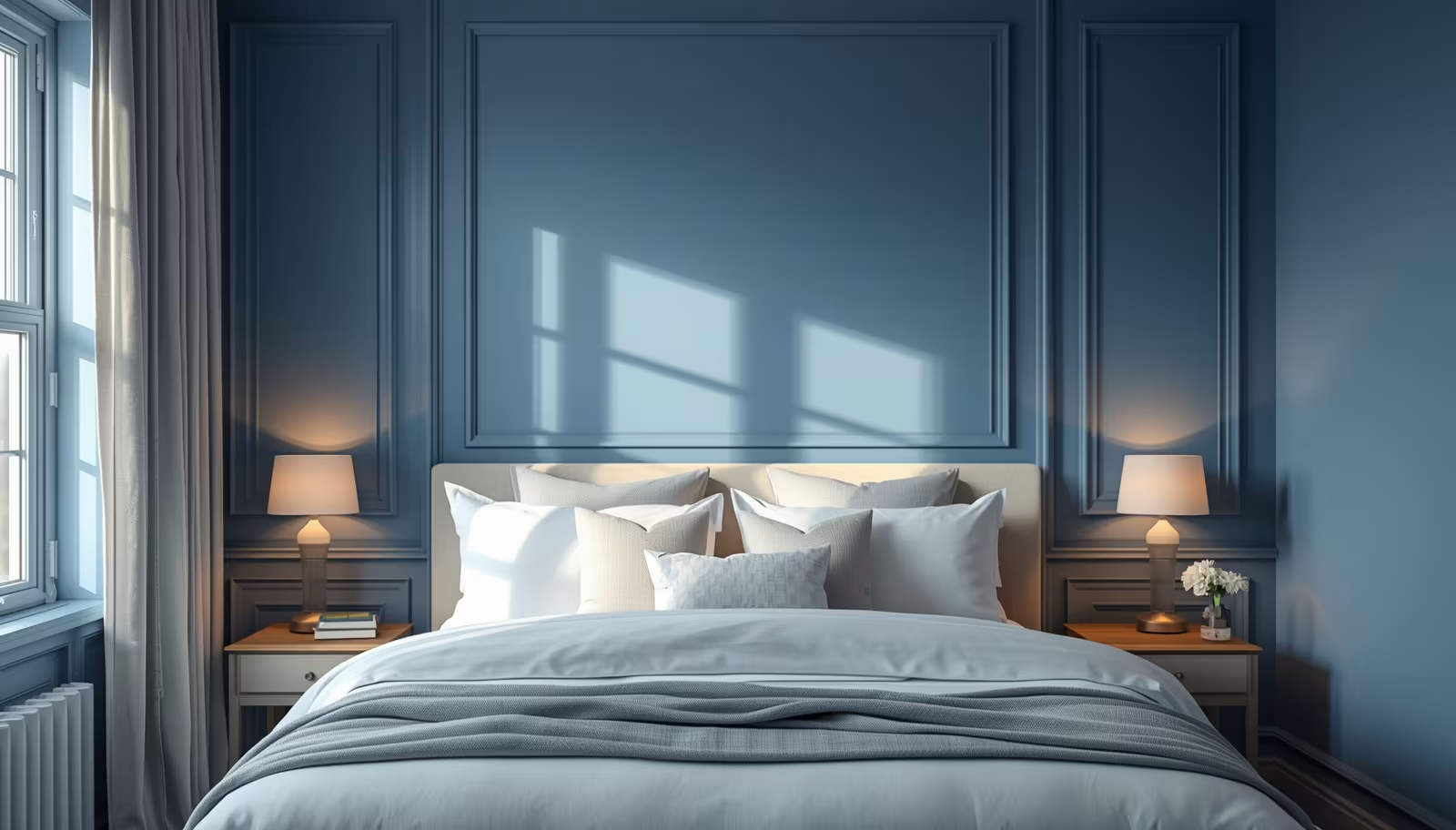
- Look for LED bulbs rated between 2700K and 3000K to maintain color accuracy without sacrificing warmth.
- Install dimmer switches to control how saturation levels shift as evening approaches.
- Use opaque fabric lampshades instead of clear glass globes to diffuse light evenly across the painted drywall.
A homeowner in Seattle painted their bedroom a deep, stormy midnight blue but complained it looked pitch black at night. The solution involved replacing their central flush-mount fixture with soft perimeter lighting and warm lamps. The updated lighting caught the hidden undertones of the paint, revealing a rich, velvet-like texture.
Wrap Up
Transforming your bedroom with a cool blue palette relies heavily on managing light and contrast. Testing paint samples in real-world conditions ensures the color works with your specific architecture. By grounding the cool walls with warm wood, textured fabrics, and proper lighting, you create a space optimized for deep relaxation.
FAQs Section
What is the best cool blue paint color for a small bedroom?
Pale ice blues and soft chalky aquas work best because they reflect high amounts of light, making small walls recede visually.
How do I stop a blue bedroom from feeling too cold?
Incorporate natural wood furniture, brushed brass hardware, and off-white textiles to inject necessary warmth and balance out the cool wall tones.
Do cool blue walls look good with dark furniture?
Yes, deep espresso or black furniture creates a striking contrast against light blue walls, while rich walnut adds warmth to darker slate-blue backdrops.
Disclaimer
This content shared by Fall Rugs is solely for research and informational purposes. Fall Rugs is not a professional interior design or home renovation consultancy, and the information provided should not be considered professional advice for home improvement or decor. All ideas and suggestions are based on current trends and general knowledge in the home decor industry.