
TL;DR
Moisture-resistant vinyl and non-woven wallpapers can transform a master bathroom when placed on a strategic statement wall away from direct water contact. Success relies on proper ventilation, specialized adhesives, and choosing large-scale patterns that complement existing tile and stone surfaces.
Introduction
Can paper truly survive the humid environment of a primary washroom? Homeowners frequently look for ways to soften the cold, hard surfaces of stone and tile without committing to a full remodeling project. Bringing pattern into this space introduces texture and warmth that paint simply cannot match. You will learn how to select the right materials, avoid common installation failures, and design a visual anchor that elevates your daily routine.
The Evolution of Moisture Resistant Wall Coverings
Older homes often suffered from peeling, mildewed sheets that gave paper decoration a bad reputation in wet environments. Early manufacturing relied on basic paper backings that absorbed ambient humidity, leading to adhesive failure and unsightly mold growth behind the seams. Modern material science changed this dynamic completely by introducing advanced synthetic bases. Designers now utilize non-woven substrates and heavy-duty vinyl topcoats that resist water penetration and allow the underlying structure to breathe.
When updating a spacious washroom, selecting the correct material class determines the lifespan of the project. Solid sheet vinyl remains the gold standard for areas exposed to heavy steam, as its non-porous exterior prevents water droplets from soaking into the fibers. Non-woven options, made from a blend of natural and synthetic fibers, offer excellent breathability, which helps prevent moisture from becoming trapped. An editorial team reviewing recent luxury home tours in Miami noted that nearly forty percent of high-end renovations now feature these advanced materials in primary suites.
Identifying the Perfect Placement for Impact
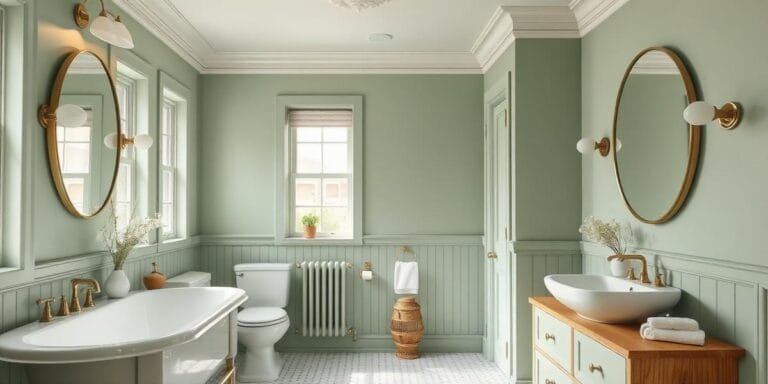
Selecting the ideal surface for your visual anchor requires a balance between architectural lines and moisture exposure. The wall behind the double vanity stands out as the premier choice because it frames the mirrors and plumbing fixtures, creating a natural focal point upon entry. Placing the pattern here keeps it away from direct splashing while allowing the colors to reflect in the glass, doubling the visual impact.
An alternative approach involves backing a freestanding soaking tub, which establishes a spa-like micro-zone within the larger suite. Architects often use this technique to draw the eye toward architectural features like arched windows or vaulted ceilings. A common mistake is attempting to paper every vertical surface, which quickly overwhelms the room and makes a large suite feel claustrophobic. Focusing on a single, well-defined vertical plane ensures the design elements can breathe.
Assessing the Splash Zone Boundaries
Every bathroom features distinct micro-climates based on layout and usage patterns. The immediate perimeter of a walk-in shower or the interior of a toilet water closet requires careful evaluation. Keeping paper at least three feet away from open shower thresholds prevents direct water contact from degrading the seams over time.
Evaluating Lighting and Reflection
Lighting alters how colors and textures display throughout the day. Side-scans from vanity sconces can cast harsh shadows across textured papers, highlighting minor installation imperfections. Natural light from a skylight or window can wash out delicate patterns, making bold, large-scale motifs preferable for sunlit spaces.
Navigating the Logistics of Bathroom Installation
Working in wet environments requires specific preparation steps that differ from standard bedroom installations. Contractors often fail to realize that standard cellulose-based paste acts as a food source for mold when exposed to high humidity. Switching to a premium, mold-inhibiting vinyl adhesive prevents microscopic growth from ruining the investment. The wall surface itself must be primed with a high-quality, acrylic-based locker that seals the drywall against moisture intrusion.
A notable case involved a coastal property in Savannah where the initial installation failed within six months. The installer used standard retail paste over a traditional latex primer, causing the seams to curl as seasonal humidity spiked. The corrective action involved stripping the material, treating the gypsum board with a biocide solution, applying an alcohol-based primer, and hanging heavy vinyl sheeting with clay-based adhesive. Three years later, the installation remains flawless, demonstrating that surface preparation dictates longevity.
Managing Ventilation and Airflow
Mechanical ventilation serves as the primary defense mechanism for wall coverings in wet zones. An underpowered exhaust fan allows steam to linger, creating a greenhouse effect that degrades adhesives. Installing a fan rated for the specific cubic footage of the suite, ideally equipped with an automatic humidity sensor, ensures moisture clears before it can penetrate the seams.
Executing Seamless Pattern Matches
Matching complex patterns requires precision around plumbing cutouts and electrical outlets. Large botanical prints or geometric layouts demand extra calculations to ensure the design centers perfectly behind the main mirrors. Measuring the room from the center point of the focal wall outward prevents awkward, narrow slivers of pattern at the corners.
Coordinating Aesthetics with Existing Surfaces
A successful design must converse with the hard finishes already present in the space. If your floor features heavily veined Calacatta marble, a busy, chaotic wall pattern will create visual warfare. Instead, a subtle monochromatic pattern or a textured grasscloth alternative allows the natural stone to remain the hero element while adding depth.
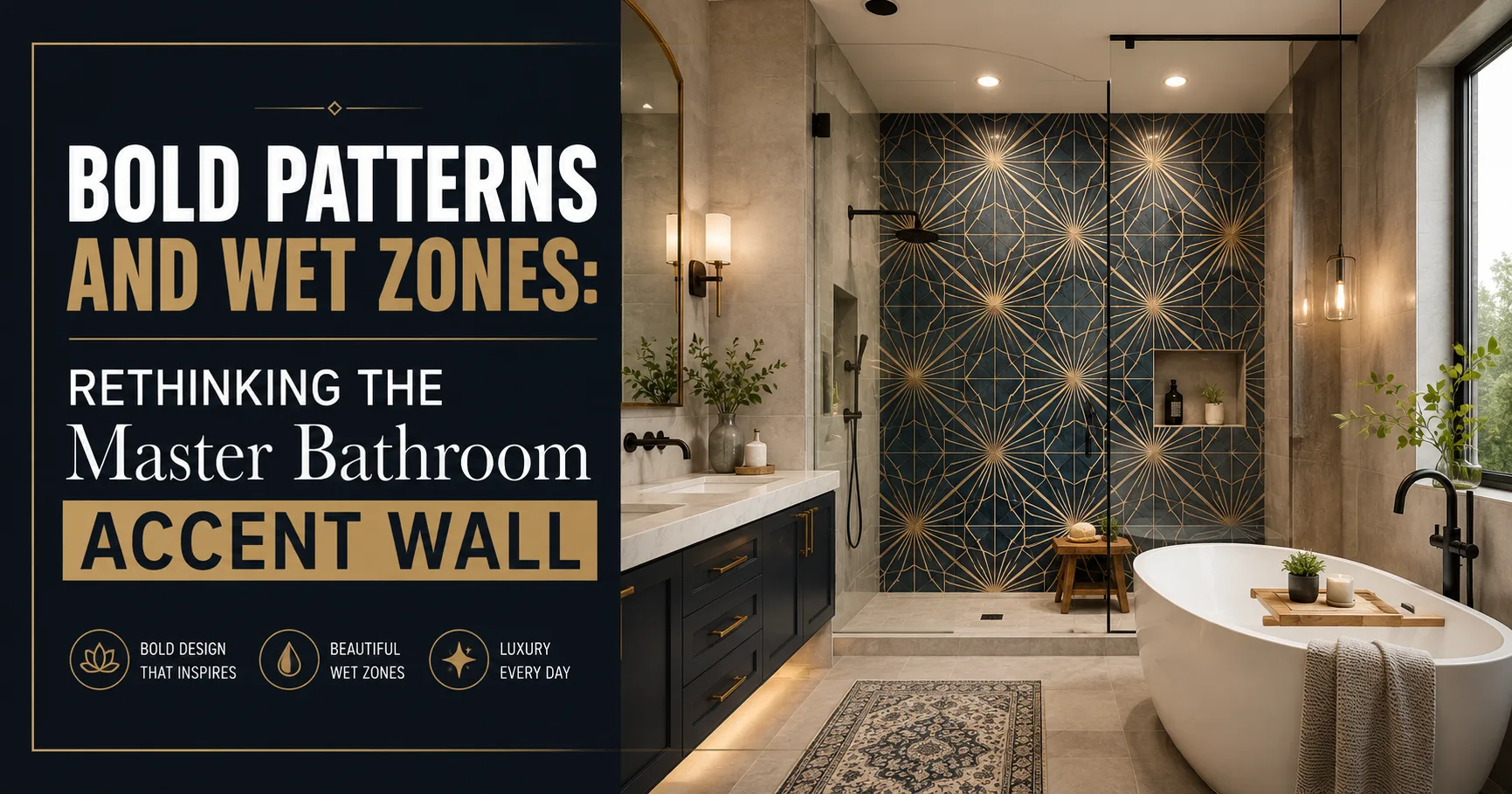
Conversely, if the room features simple white subway tile and neutral porcelain flooring, the accent wall becomes the perfect canvas for high-contrast design. Think deep hunter greens, rich navy blues, or dramatic art deco geometrics that add a sense of history to a modern space. Matching the undertones of your cabinetry and metal hardware to the subtle accents within the paper pattern binds the entire room together into a cohesive narrative.
Wrap Up
Introducing a statement wall into your primary bath offers an effective way to inject personality and luxury into a functional space. By prioritizing high-grade vinyl or non-woven materials and preparing the substrate with moisture-resistant sealers, the installation can withstand the test of time. Focus on balancing the pattern with your existing stone and tile choices to create a harmonious sanctuary. With the right ventilation and thoughtful placement, this classic design choice provides lasting visual rewards.
FAQs Section
Can you use peel and stick wallpaper in a master bathroom?
Yes, temporary peel and stick options work well provided the product is rated for high-humidity environments and the walls are primed with a smooth, non-textured paint. However, traditional paste-the-wall vinyl options generally offer superior long-term durability against persistent steam.
How do you prevent wallpaper seams from peeling in a bathroom?
Preventing seam separation requires applying a specialty, mold-resistant vinyl adhesive during installation and maintaining proper ventilation with an exhaust fan. Running a seam roller firmly over the edges ensures maximum contact and eliminates trapped air pockets where moisture could gather.
What wallpaper patterns look best in a master bathroom?
Large-scale botanicals, elegant chinoiserie, and subtle geometric prints tend to look best because they break up the rigid lines of square tiling and stone slabs. Smaller, busier patterns can make the space feel cluttered and optical, reducing the relaxing ambiance desired in a master suite.
Disclaimer
This content shared by Fall Rugs is solely for research and informational purposes. Fall Rugs is not a professional interior design or home renovation consultancy, and the information provided should not be considered professional advice for home improvement or decor. All ideas and suggestions are based on current trends and general knowledge in the home decor industry.