
TL;DR
Maximizing a small bathroom requires prioritizing vertical storage, clear glass enclosures, and continuous flooring. Choosing compact fixtures like wall-mounted sinks and recessed shelves prevents physical crowding while maintaining full utility. Strategic lighting and large-format tiles create the optical illusion of a much larger room.
Introduction
Are you struggling to fit basic amenities into a cramped washroom layout? Designing a functional restroom within a limited footprint requires careful planning and precise measurements. Homeowners often face the challenge of balancing necessary fixtures with comfortable movement space. This guide examines real-world design choices, material selection, and layout configurations that turn tight spaces into efficient, stylish rooms.
Optimizing the Shower Enclosure for Maximum Square Footage
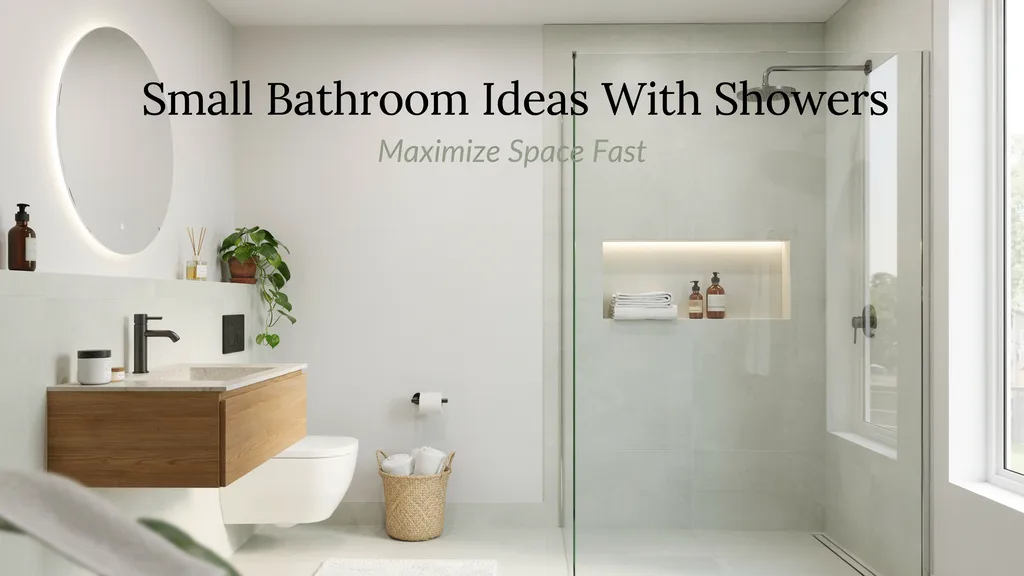
The physical footprint of the shower determines how much floor space remains for the toilet and vanity. Traditional swinging doors require a wide clearance radius that often collides with other fixtures. Swapping a standard tub for a dedicated walk-in shower immediately opens up the floor plan.
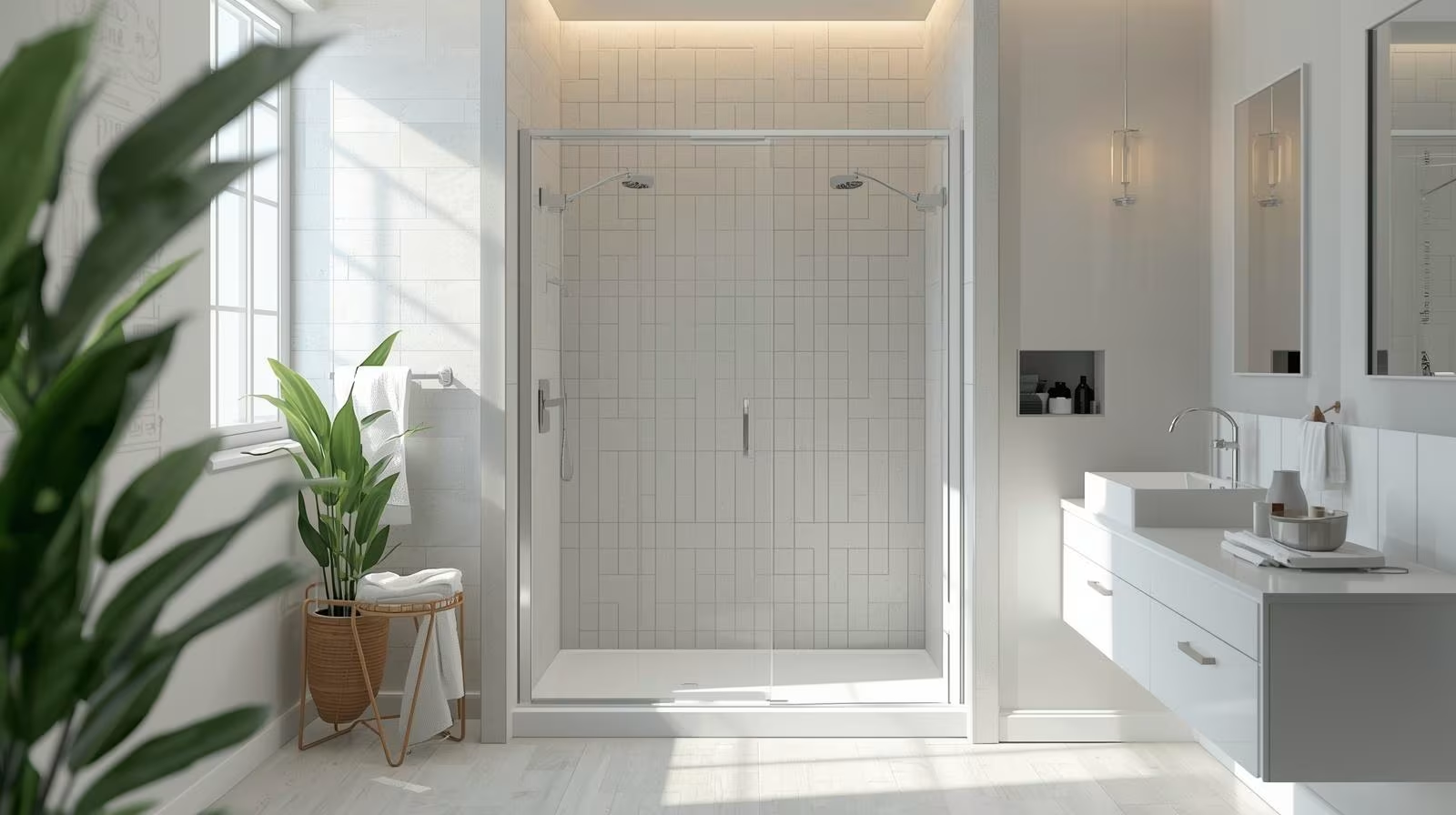
- Fixed glass panels eliminate door clearance issues entirely by leaving an open walkthrough.
- Sliding bypass doors slide smoothly within the shower track, saving valuable floor space outside the enclosure.
- Corner neo-angle showers utilize diagonal space that often goes wasted in standard rectangular rooms.
- Curbless showers create a continuous floor line that tricks the eye into seeing a larger room.
During a 2024 remodel project in a Chicago condo, an interior designer replaced a bulky 60-inch acrylic bathtub with a custom 32-by-48-inch walk-in shower featuring a Kohler Purist sliding glass door. This single adjustment freed up 12 inches of floor width. The extra clearance allowed the installation of a larger linen tower nearby. Homeowners frequently install framed glass, but frameless options reduce visual noise and make the back wall of the shower visible from the doorway.
Selecting the Right Shower Floor Tile
Using the exact same tile on both the main bathroom floor and the shower pan creates visual continuity. When the eye does not encounter a hard boundary at the shower curb, the entire room feels wider.
Choosing Low-Profile Drainage Systems
Linear drains positioned against the wall require the floor to slope in only one direction. This setup allows the use of large-format tiles inside the shower, matching the rest of the room and minimizing grout lines.
Space-Saving Vanities and Floating Fixtures
Floor-mounted vanities store items well but consume valuable visual and physical real estate. Wall-mounted vanities expose the flooring underneath, which immediately makes a cramped layout feel less restrictive.
- Floating vanities leave the floor visible, creating an open feeling throughout the space.
- Open console sinks provide a lightweight metal frame instead of solid wooden cabinetry.
- Corner-mounted sinks utilize intersecting walls to keep the main traffic lane clear.
- Narrow-depth vanities measuring 16 inches from front to back preserve central walking space.
A historic home renovation in Boston utilized a Duravit Vero wall-mounted sink measuring just 19 inches wide. By anchoring the plumbing inside the wall cavity, the installers saved several inches of physical space. The owners placed a small woven basket underneath the basin to hold fresh towels without blocking the foot traffic path. Homeowners often worry about losing storage when moving to a floating model, but utilizing shallow drawers instead of deep cabinets keeps daily items organized.
Selecting Compact Toilet Models
Round-front toilets measure roughly 2 inches shorter from wall to rim than elongated versions. In tight layouts, those 2 inches can mean the difference between a door opening fully or hitting the bowl.
Utilizing Tankless and In-Wall Plumbing Systems
In-wall carrier systems from brands like Geberit hide the bulky toilet tank inside standard 2-by-4 stud walls. This configuration saves up to 10 inches of room depth, providing crucial legroom in front of the fixture.
Vertical Storage and Smart Recesses
When floor space is non-existent, designers look upward to find storage solutions. Cutting into the drywall between wall studs reveals hidden cavities perfect for shelving.

- Recessed medicine cabinets sit flush with the wall while hiding toothbrushes and medication.
- Tiled shower niches hold shampoos and soaps without requiring protruding plastic caddies.
- Floating shelves mounted above the toilet tank utilize dead wall space efficiently.
- Over-the-door hooks provide hanging space for wet towels without requiring dedicated wall racks.
An apartment upgrade in Seattle featured three stacked custom oak shelves installed directly above the toilet. The builder used leftover wood from an IKEA butcherblock countertop to match the small mirror frame across the room. This setup held six rolled bath towels and two jars of toiletries, eliminating the need for a separate floor cabinet. A common mistake is using deep shelving units that project too far outward, which can cause people to bump their shoulders. Keeping shelf depths under 6 inches preserves comfort.
Designing the Perfect Shower Niche
A well-designed shower niche should stand between 12 and 24 inches tall to accommodate large pump bottles. Placing the niche on a wall hidden from the main bathroom entry keeps soap clutter out of sight.
Incorporating Built-In Medicine Chests
Modern medicine cabinets from Pottery Barn feature mirrored interiors and built-in LED lighting. Recessing these units into the wall provides storage while keeping the vanity area clean and streamlined.
Lighting and Color Schemes that Expand Visual Boundaries
Dark colors and poor lighting make small spaces feel like caves. Bright, highly reflective surfaces bounce light around the room, making walls seem to recede.
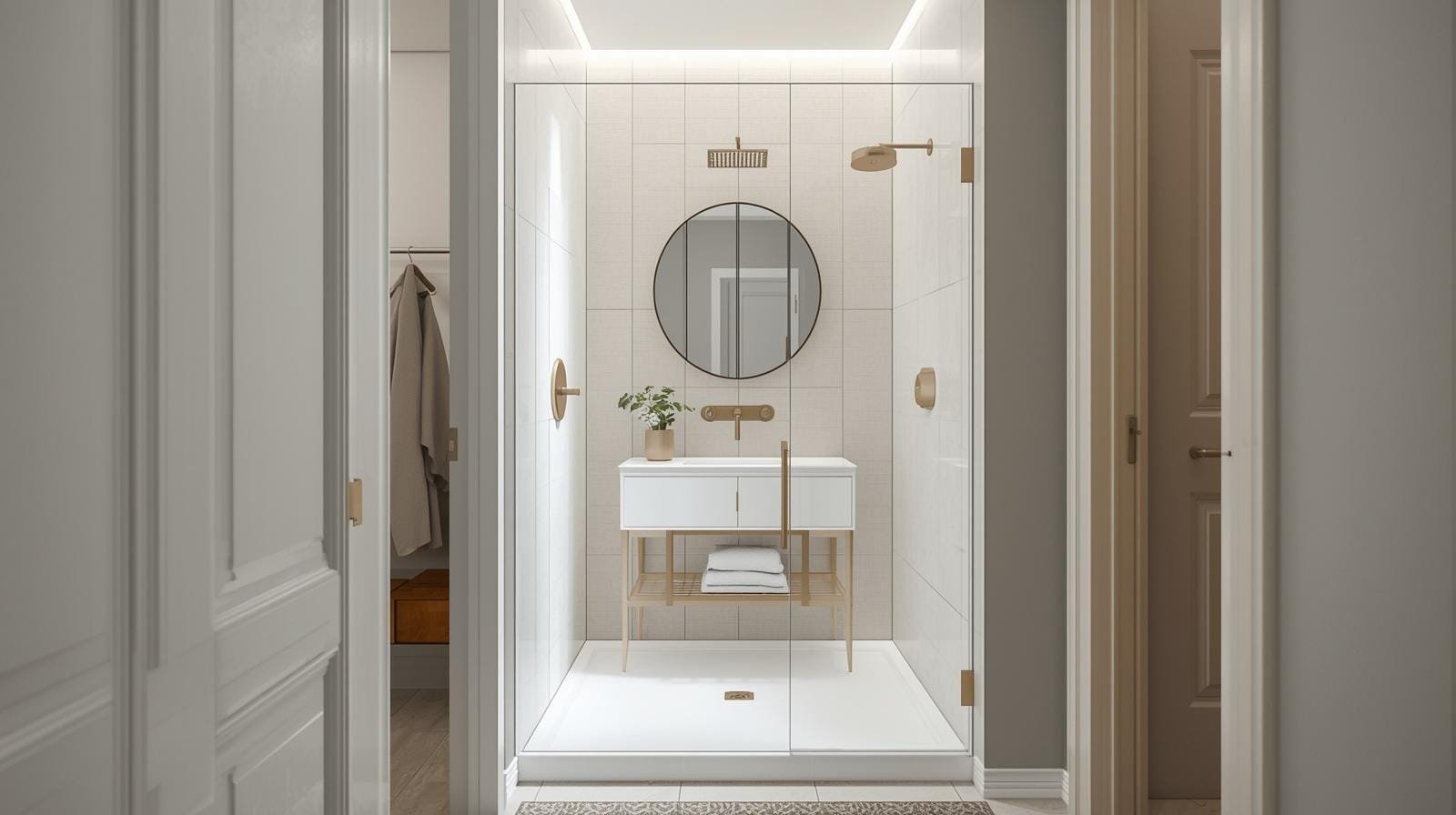
- Cool white paint colors with satin finishes reflect light more efficiently than matte options.
- Backlit LED mirrors illuminate faces clearly without casting harsh shadows across the room.
- Recessed ceiling can lights provide ambient illumination without hanging down into the space.
- Large-format wall tiles reduce grout lines, creating a smooth surface that looks expansive.
A design firm working in Denver renovated a windowless basement bathroom using Benjamin Moore’s Decorator’s White on the walls. They paired the paint with oversized 12-by-24-inch white subway tiles from West Elm’s collaboration lines. The installation of a 3000K dimmable LED fixture in the shower ceiling removed dark corners entirely. Homeowners sometimes choose busy mosaic patterns for small walls, but many grout lines can create a grid-like pattern that makes the space feel confined.
Strategic Mirror Placement
Placing a wide mirror that extends across both the vanity and the adjacent toilet anchors the room beautifully. The reflection doubles the visual depth of the room instantly.
Balancing Hardware Finishes
Using a single consistent metal finish like brushed brass or matte black across all faucets, hinges, and light fixtures creates a cohesive design. Mixing too many metals in a small area creates visual distraction.
Wrap Up
Successful small bathroom design relies on maximizing physical floor space and creating visual openness. Choosing clear glass shower panels, floating vanities, and recessed wall storage keeps the room fully functional without feeling crowded. Implementing cohesive tile patterns and bright lighting turns a compact footprint into a comfortable daily space. Prioritizing these smart layout choices ensures every square inch works efficiently.
FAQs Section
What is the minimum size for a functional small bathroom with a shower?
A fully functional three-piece bathroom with a shower requires a minimum footprint of roughly 36 square feet, typically arranged in a 6-by-6 or 5-by-8 foot layout. This allows adequate clearance for the toilet, sink, and a standard 32-by-32 inch shower pan.
Can you put a walk-in shower in a 5×8 bathroom?
Yes, a 5×8 foot layout is the standard size for a full bathroom and accommodates a walk-in shower perfectly along the short 5-foot wall. Replacing the old tub with a glass-enclosed shower opens up central floor space and improves movement.
How do you store towels in a small bathroom without a linen closet?
You can mount floating shelves above the toilet, install hotel-style metal towel racks high on the wall, or hang multi-hook organizers on the back of the bathroom door. Utilizing rolling decorative baskets under a floating vanity also keeps fresh towels accessible.
Disclaimer
This content shared by Fall Rugs is solely for research and informational purposes. Fall Rugs is not a professional interior design or home renovation consultancy, and the information provided should not be considered professional advice for home improvement or decor. All ideas and suggestions are based on current trends and general knowledge in the home decor industry.