
TL;DR
Achieving an extraordinary dining space requires a careful balance of custom architectural elements, noble materials, and strategic lighting design. True luxury prioritizes acoustic comfort, intimate spatial flow, and highly individualistic design choices that provoke conversation. Focusing on bespoke details ensures the room functions beautifully while leaving a lasting impression on visitors.
Introduction
Does your dining room capture the imagination the moment guests walk through the door? Creating an unforgettable hosting environment requires moving past standard furniture arrangements toward intentional, curated experiences. High-end design blends structural scale with tactile intimacy to turn ordinary evening meals into theatrical events. By focusing on spatial mechanics and rare materials, you can establish a sophisticated interior that commands attention and makes every gathering feel exclusive.
1. Commissioning Sculptural Chandeliers as Architectural Anchors
Standard fixtures often get lost in rooms with generous vertical volume. A grand space demands a striking visual anchor that commands the ceiling plane while casting a warm, flattering glow over the dinner table. High-end designers often select hand-blown Murano glass clusters or custom linear brass installations that mirror the exact proportions of the seating area below. This design choice creates an immediate focal point that defines the entire atmosphere.
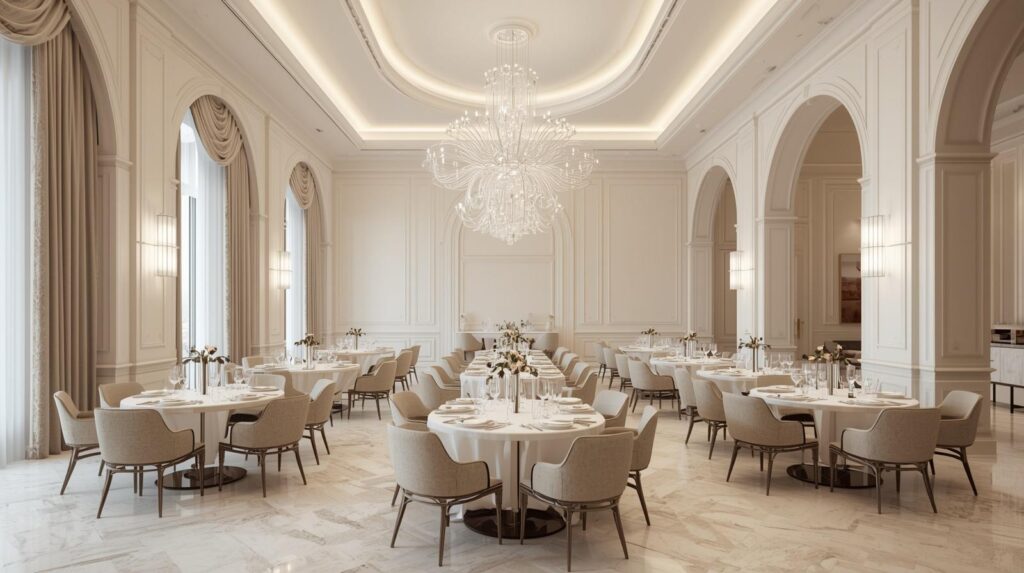
Illumination choices dictate how long visitors want to linger at the table. Harsh overhead lights destroy the mood, whereas layered illumination systems create a soft, inviting environment. Consider installing low-voltage architectural pin spots to highlight centerpiece arrangements alongside dimmable perimeter lighting. Experienced hosts know that control over the light level dictates the emotional tone of the entire evening.
Balancing Spatial Scale and Proportions
When positioning these monumental pieces, scale matters far more than catalog descriptions imply. A fixture hung too high loses its connection to the table, while one hung too low obstructs critical sightlines between guests. Aiming for thirty-six inches above the tabletop balances visual weight and human conversation perfectly. This height ensures the fixture feels integrated into the dining experience rather than hanging as an afterthought.
Selecting Material Sheens for Candlelight Interaction
The choice of metal or glass finish affects how light scatters across the room during dinner. Polished nickel reflects sharp, bright highlights, whereas brushed bronze softens the glow, blending into a warm ambiance. Sourcing fixtures with hand-etched glass shades diffuses the bulb glare, mimicking the romantic quality of traditional wax candles. This attention to texture keeps the overhead element from overpowering the facial features of your guests.
2. Incorporating Rare Monolithic Stone Dining Tables
The dining table represents the physical and metaphorical weight of the room. Mass-produced timber alternatives fail to provide the sensory impact of a custom-cut slab of rare stone. Architects favor heavily veined Arabescato marble, dark quartzite, or deep green travertine with bullnose edge profiles. These materials feel cool to the touch and reflect candlelight in a way that artificial surfaces never can.
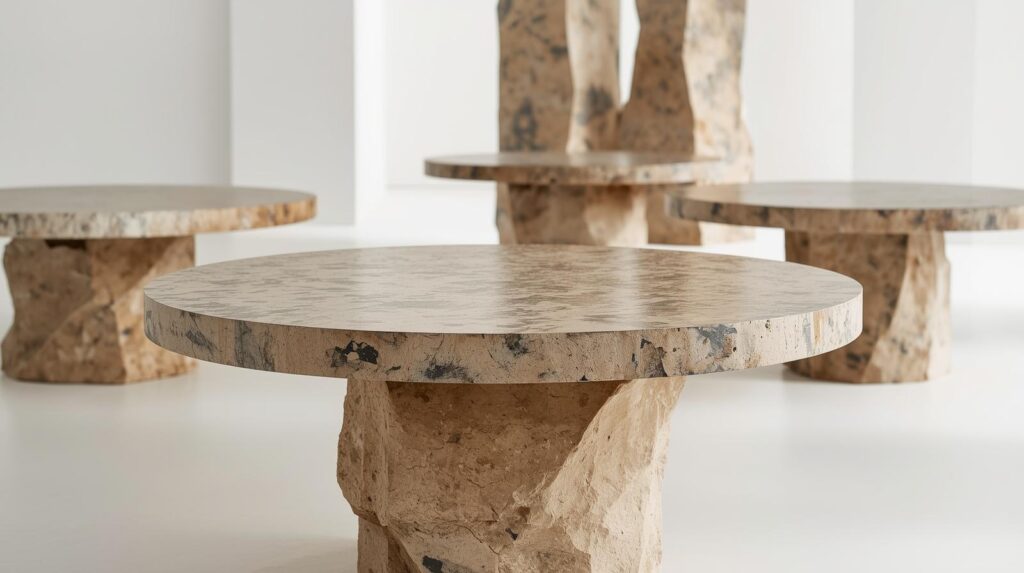
During a recent penthouse renovation in Chicago, our team faced the challenge of sourcing a single eleven-foot piece of polished Calacatta Viola marble. The client wanted zero seams to ensure an uninterrupted flow of purple and cream veins across the surface. Craning that massive slab through a tenth-floor window proved nerve-wracking, but the result was spectacular. The stone piece single-handedly transformed a stark space into an editorial masterpiece.
Stone requires specialized structural support due to its immense weight. Heavy steel subframes must anchor into the floor joists or rest on substantial architectural pedestals clad in matching stone or patinated bronze. This architectural investment prevents shifting and guarantees the heirloom piece lasts for generations. Guests notice the absolute stability of the table, which subtly communicates permanence and uncompromising quality.
3. Applying Custom Silk and Textured Wallcoverings
Flat painted walls frequently cause echo issues that ruin intimate dinner conversations. High-end dining spaces benefit enormously from acoustic dampening provided by luxurious vertical surface treatments. Hand-painted silk panels, embroidered grasscloth, and deeply embossed velvet wallcoverings absorb sound beautifully while adding rich tactile depth. These sophisticated materials soften the hard angles of a room, creating an atmospheric cocoon that encourages long, late-night discussions.
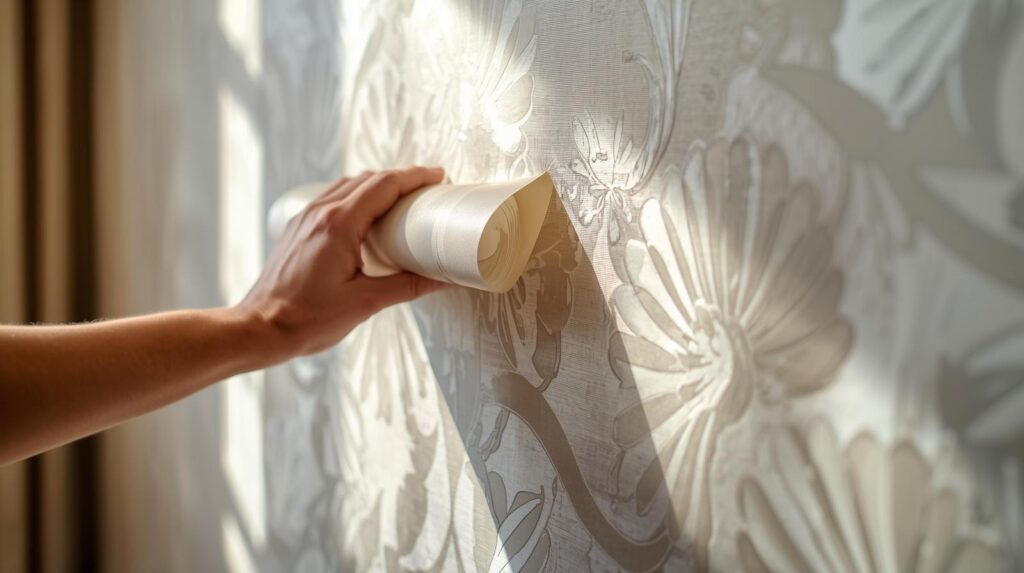
Visual depth increases when you select wallcoverings featuring subtle metallic threads or hand-applied gold leaf accents. These surfaces catch peripheral light from wall sconces, creating a gentle shimmer that changes as guests move around the space. The effect remains understated during daylight hours but transforms into pure magic under evening lighting conditions. It offers a sophisticated backdrop that makes artwork pop.
Installation requires master craftsmen who understand material grain and pattern matching across hidden seams. A single misaligned panel can ruin the illusion of a continuous, bespoke mural. Professional installers often back silk coverings with thin cotton batting to maximize the acoustic benefits and provide a plush, premium feel. This layer of detail separates ordinary decoration from true architectural luxury.
4. Designing Bespoke Architectural Millwork and Molding
A lack of architectural character cannot be hidden by expensive furniture alone. Incorporating custom wainscoting, deep crown moldings, and floor-to-ceiling pilasters builds structural integrity into the room framework. Classical proportions guide the eye upward, making standard ceilings feel grand and historic. Painting these millwork details in a rich satin finish adds subtle contrast against matte walls, catching shadows in a highly pleasing manner.
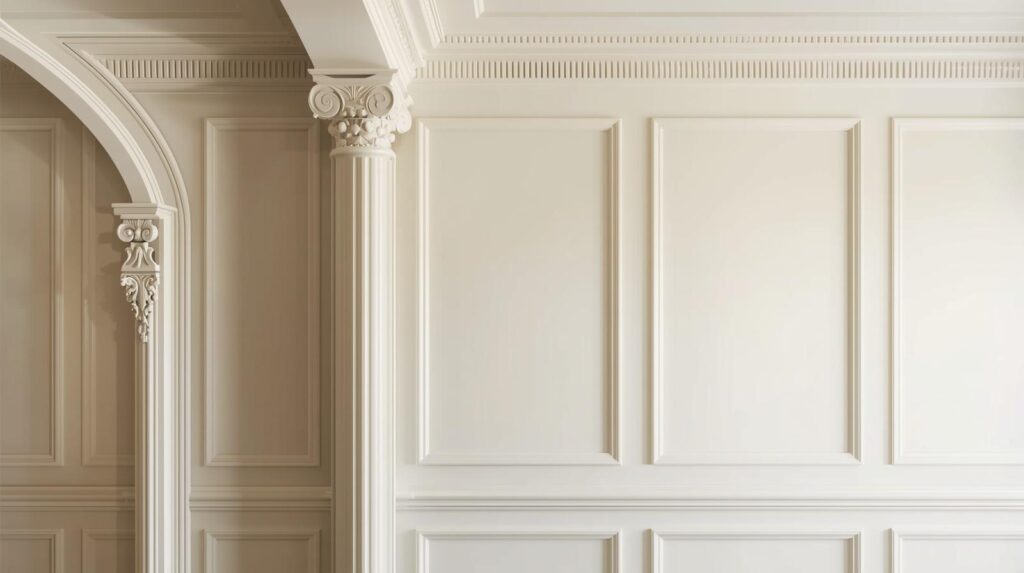
Modern luxury spaces often interpret millwork through minimalist, rhythmic timber slats or deep plaster fluting. These contemporary textures create a clean linear pattern that feels sophisticated without relying on traditional historical motifs. Incorporating concealed LED strip lighting into the top valance of the woodwork casts a soft wash down the panels. This integration highlights the three-dimensional craftsmanship of the carpentry work.
Proportional harmony remains the ultimate goal when drafting custom woodwork profiles. Scale the height of the wainscoting to exactly one-third or two-thirds of the total wall height to respect classic golden ratio principles. Deviating from these established guidelines creates visual tension that leaves visitors feeling subtly unsettled. Correct execution anchors the room, giving loose furniture pieces a sense of deliberate placement.
5. Integrating High-Contrast Monochromatic Palettes
Committing to a dramatic color scheme establishes an immediate mood shift when crossing the threshold. Deep obsidian walls paired with a chalk-white plaster ceiling create a captivating environment that feels incredibly upscale. This high-contrast approach forces the eye to focus on the silhouettes of the furniture and the vibrant colors of the food being served. It strips away visual noise, leaving a clean, confident statement.
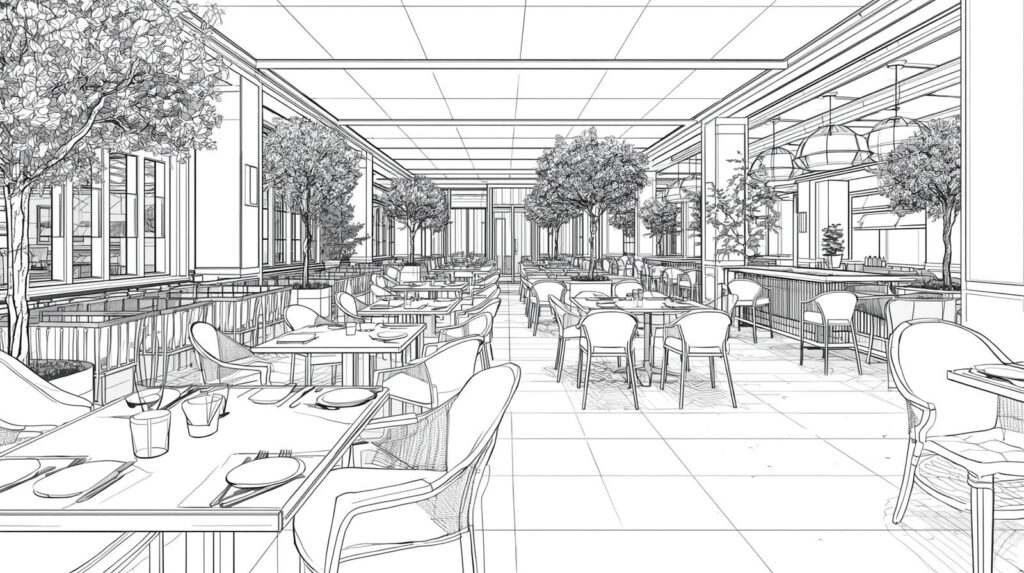
Sourcing materials with varied finishes prevents a dark palette from feeling flat or gloomy. Pair matte black cabinetry with high-gloss lacquer doors, or balance rich charcoal wool drapery against a polished nero marquina floor. These subtle variations in sheen capture shifting light patterns, ensuring the room feels dynamic throughout the evening. The space feels intentionally cinematic rather than dark and uninviting.
In practice, monochromatic schemes require flawless execution because imperfections have nowhere to hide. Every paint joint, plaster trowel mark, and fabric seam must be executed with absolute precision. When done correctly, the background recedes completely, transforming your guests and table setting into the true stars of the evening. It provides an elite gallery-style dining experience within a private residence.
6. Sourcing Curated Antique Complementary Furniture
Rooms furnished entirely from a single showroom catalogue lack soul and personality. Mixing eras by placing an eighteenth-century French commode alongside a contemporary minimalist table creates a layered narrative. This juxtaposition suggests the collection was built over decades of travel and curation rather than purchased in a single afternoon. It gives visitors fascinating visual puzzles to examine between courses.
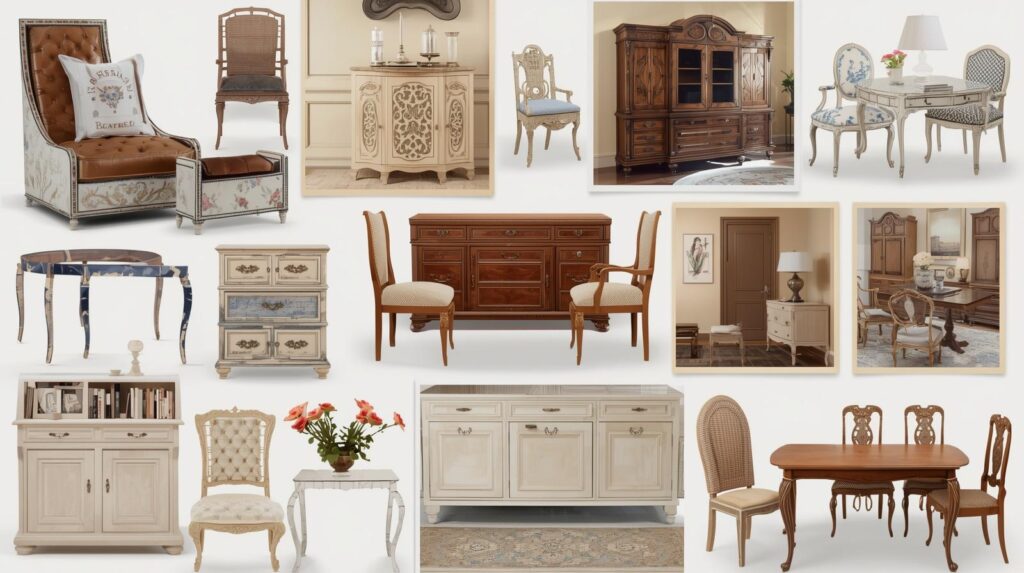
An exceptional accent piece must possess a distinct silhouette and historical patina. Consider an original Art Deco credenza finished in rich walnut burl or a pair of mid-century Italian lounge chairs upholstered in bouclé fabric. These items break up the repetitive geometry of standard dining sets, offering visual relief and unexpected functionality. They serve as excellent conversation starters during the opening cocktail hour.
Balance prevents an eclectic mix from deteriorating into chaotic clutter. Limit historical references to two or three distinct eras to keep the look cohesive and intentional. Ensure the wood tones share similar undertones, whether warm or cool, to tie disparate centuries together naturally. This disciplined curation guarantees the interior remains sophisticated and deeply personal.
7. Specifying Custom Parquet and Chevron Hardwood Flooring
Standard plank flooring fails to provide the artistic foundation that an elite entertaining space deserves. Specifying custom French oak parquet or classic chevron patterns laid by hand creates a sense of luxury from the ground up. The shifting direction of the wood grain interacts beautifully with natural light, creating a rich tapestry of tones across the floor. It acts as a permanent, architectural rug that anchors the room.
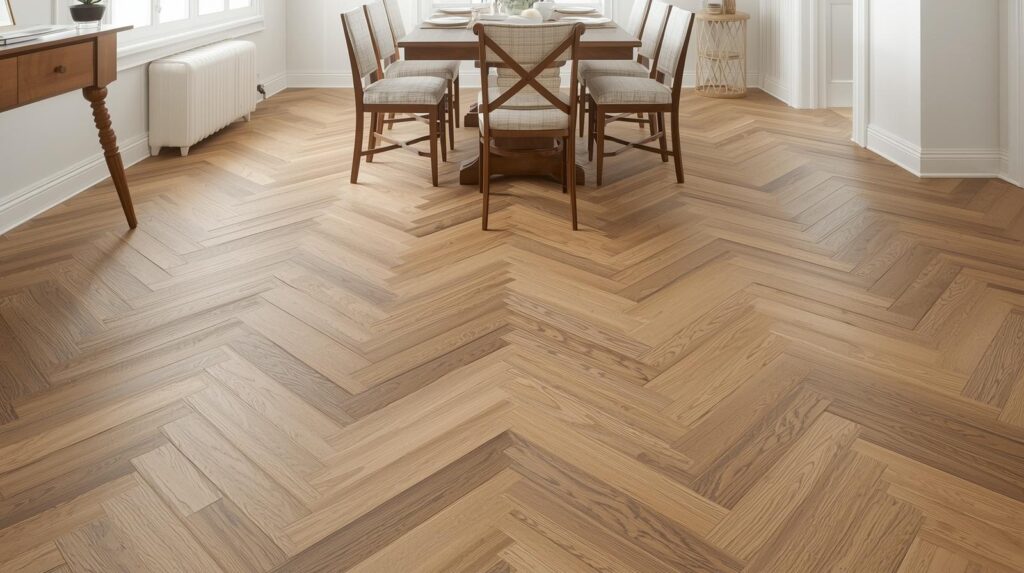
Adding a contrasting perimeter border using a darker wood like American walnut or ebony defines the room boundaries beautifully. This traditional technique frames the main dining layout, signaling importance and formality. It creates a clear boundary line that guides the placement of peripheral furniture pieces like serving sideboards and wine towers. The resulting geometry feels highly organized and satisfying to the eye.
Finishing the timber with a low-sheen natural oil rather than plastic polyurethane allows the authentic wood texture to shine. This choice ensures the floor patinates beautifully over time, gaining character from every gathering. Guests can feel the organic texture beneath their feet, adding another subtle sensory layer to the environment. It prioritizes authentic materiality over synthetic convenience.
8. Framing Sightlines with Oversized Curated Artwork
Small, scattered picture frames diminish the scale of a grand dining area. Hang a single monumental canvas or a coordinated diptych that fills at least seventy percent of the primary wall. Selecting abstract expressionist works or bold minimalist compositions introduces emotional energy into the room without competing with the interior architecture. The artwork establishes the color story and sets the intellectual tone for the evening.
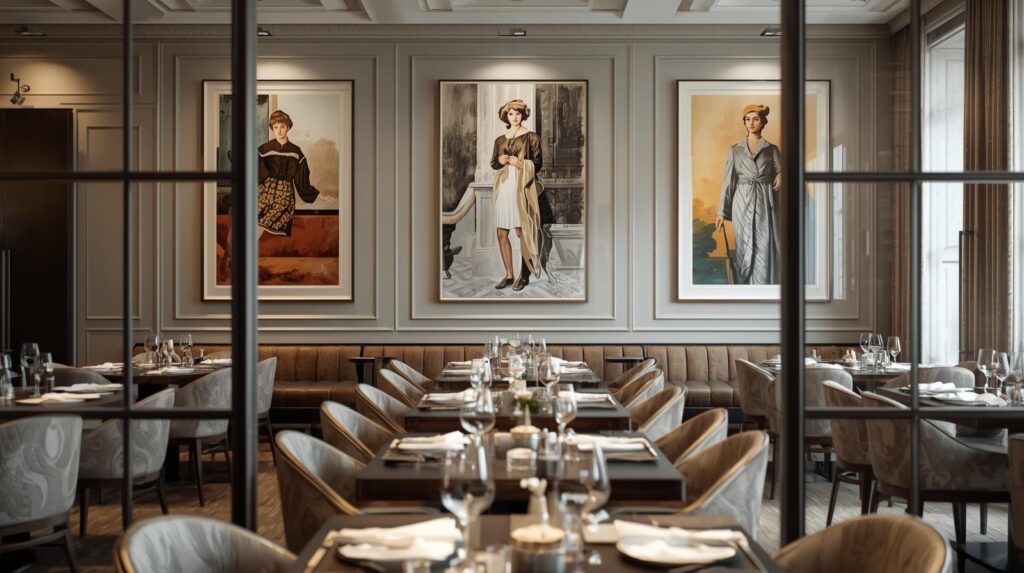
Proper art illumination transforms a casual viewing into a museum-quality experience. Install dedicated picture lights with high color rendering indexes directly above the frame to bring out authentic pigments. Avoid placing glass-fronted frames directly opposite large windows to eliminate distracting reflections that obscure the artist’s work. This technical consideration shows a deep appreciation for the art collection itself.
Scale the subject matter to match the desired volume of conversation. Intense, chaotic imagery can create subconscious tension among diners, while serene, atmospheric landscapes promote a relaxed, lingering mood. Let the artwork speak to your personal journey, providing an authentic glimpse into your tastes. A well-chosen piece bridges the gap between formal architecture and personal human expression.
9. Creating Dedicated Sommelier Stations and Wine Displays
Walking to the kitchen to fetch a fresh bottle of wine disrupts the flow of a formal dinner party. Integrating a custom climate-controlled wine display directly into the dining room layout solves this functional issue while showcasing your collection. Use black iron framing, insulated glass doors, and soft internal LED lighting to turn vintage bottles into a stunning architectural feature wall.
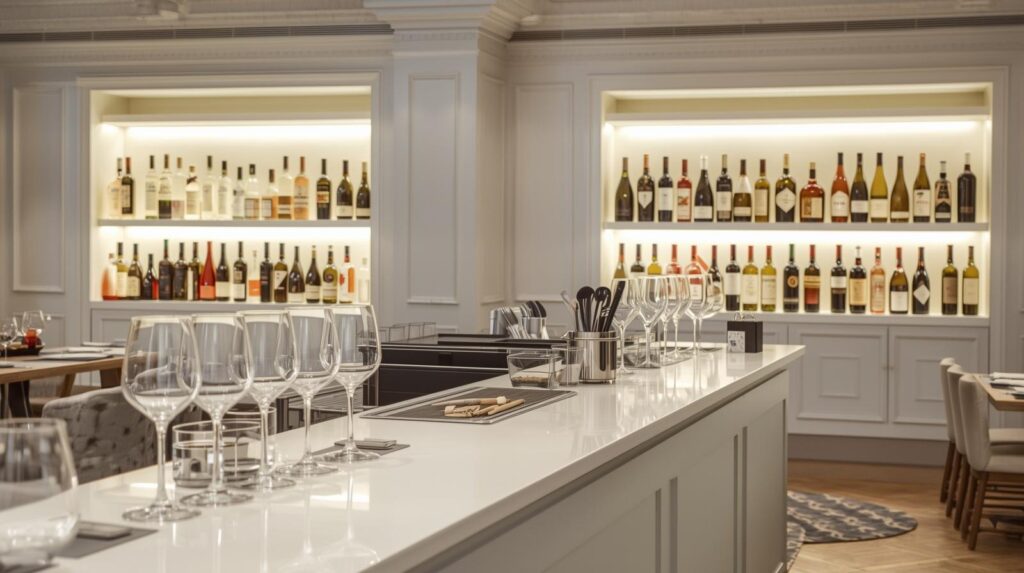
A dedicated serving ledge topped with durable quartzite or solid soapstone provides a practical staging area for decanting and pouring. Store fine crystal stemware, specialized bottle openers, and linen napkins within hidden push-to-open cabinetry directly below. This organization allows the host to manage beverage service smoothly without ever turning their back on the conversation. It adds a sophisticated layer of hospitality to the evening.
Mechanical Serenity and Acoustic Isolation
Ensure the cooling mechanical systems operate with absolute silence to avoid humming background noise. True luxury values acoustic serenity above all else, as loud compressor motors instantly destroy a refined atmosphere. Route the exhaust lines away from the seating area into an adjacent utility closet or basement space. This hidden engineering decision guarantees the focal point remains purely visual and entirely pleasant.
Climate Integrity for Rare Vintages
Maintaining exact temperature and humidity controls within a residential display requires specialized dual-zone thermal systems. Red wines demand slightly warmer storage than white varietals, necessitating split interior chambers behind the glass frontage. Utilizing UV-filtering glass panes protects delicate labels and sensitive liquids from degrading under natural daylight. These technical specifications safeguard your investment while presenting it as a fine museum installation.
10. Commissioning Bespoke Ergonomic Seating Ensembles
Even the most beautiful dining room fails if the chairs become uncomfortable after forty-five minutes. Commissioning custom seating allows you to specify exact seat depths, foam densities, and back angles tailored for prolonged sitting. High-end chairs utilize coiled spring suspension systems and solid beechwood frames to ensure lasting comfort. Upholstering the interior in rich mohair or soft nubuck leather provides an incredibly luxurious tactile experience.
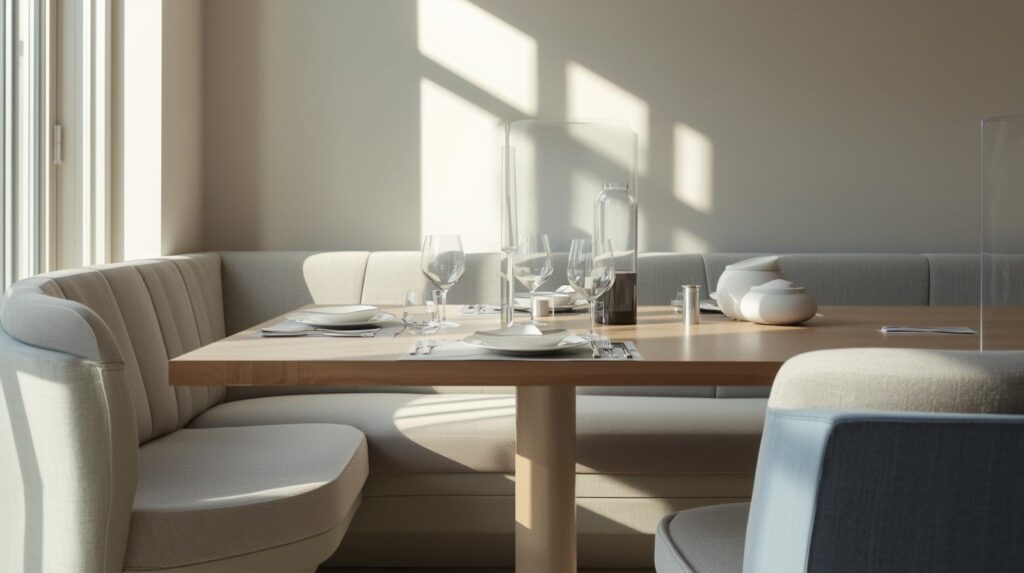
Using a different fabric or color for the two host chairs at the ends of the table adds an elegant layer of visual hierarchy. This classic design technique breaks the monotony of a long matching set of chairs. For example, wrap the side chairs in a neutral textured linen while cladding the end chairs in a rich velvet pattern that complements the main artwork. It creates an interesting rhythm along the length of the table.
Pay close attention to the armrest height if you prefer host armchairs. Ensure the arms slide cleanly beneath the table apron to allow guests to pull themselves close to their plates. Measuring these clearances during the initial design phase avoids awkward spatial collisions on delivery day. Correct proportions allow guests to sit naturally, relaxed, and fully engaged in the culinary experience.
Wrap Up:
Designing a high-end dining room requires shifting your focus from individual pieces of furniture to the entire spatial ecosystem. By prioritizing bespoke stonework, balanced architectural millwork, and silent mechanical integrations, you build an environment that feels permanently sophisticated. True luxury resides in these quiet, highly calculated details that support long evenings of hospitality. Focus on quality materials and correct scale to ensure your dining room remains a magnetic space for years to come.
FAQs Section:
How do you choose the right table shape for a luxury dining room?
Select a shape that mirrors the room proportions, opting for long rectangular tables in elongated spaces and round stone tables in square rooms to optimize spatial flow and guest interaction.
What is the best way to control dining room acoustics without ruining the design?
Incorporate textile-based wallcoverings, lined drapery, and upholstered seating to absorb sound waves effectively, preventing echoes while maintaining a high-end aesthetic.
How high should a statement chandelier hang above a dining table?
The bottom of the fixture should sit exactly thirty-six inches above the tabletop to preserve open sightlines while maintaining a strong visual connection to the dining surface.
Disclaimer:
The content shared by Fall Rugs is solely for research and informational purposes. Fall Rugs is not a professional interior design or home renovation consultancy, and the information provided should not be considered professional advice for home improvement or decor. All ideas and suggestions are based on current trends and general knowledge in the home decor industry.