

TL;DR
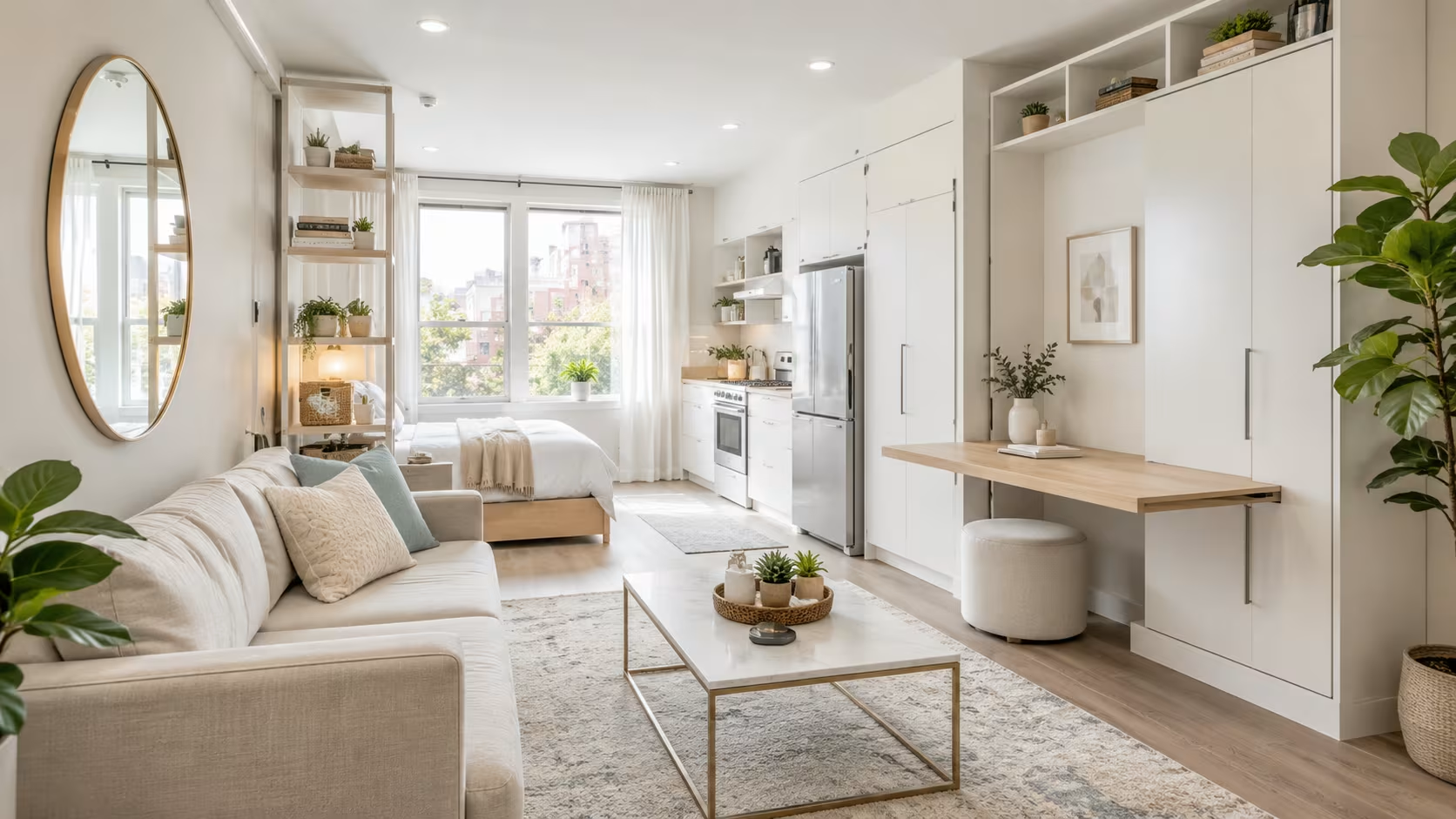
Maximizing a small room requires strategic furniture scaling, deliberate lighting placement, and cohesive color palettes. Prioritizing vertical lines and choosing multi-functional, elevated furniture pieces naturally creates the illusion of open, expansive square footage.
Introduction
Are you feeling restricted by the physical boundaries of a compact room or a tight city apartment? Converting a cramped layout into an airy, welcoming environment is less about physical renovation and more about understanding human visual perception. By adjusting how light, color, and furniture interact within a room, you can trick the human eye into seeing depth that does not physically exist. This guide breaks down the core principles of semantic spatial design to help you unlock the hidden potential of your floor plan.
The Psychology of Color and Paint Behavior in Tight Areas
Monochromatic color schemes alter how human eyes perceive boundaries. When a wall shares an identical hue with the baseboards, crown molding, and ceiling, the brain struggles to identify where the vertical surfaces end and the horizontal planes begin. This lack of visual interruption tricks the observer into perceiving a significantly higher ceiling and wider footprint. Applying a crisp white paint like Benjamin Moore Decorator’s White across every surface eliminates the shadows that typically define room boundaries.
Darker colors can also create a dramatic sense of depth when applied correctly. Designers often use deep charcoal or navy tones on a single back wall to create a receding effect. This technique makes the wall appear further away than its actual physical measurement.
- Matte finishes absorb light and hide surface imperfections, making boundaries less distinct.
- Satin or semi-gloss finishes reflect light, bouncing illumination into darker corners of the room.
- Cool undertones like light blue or pale green naturally recede from the eye, making spaces feel open.
- Warm undertones like beige or terracotta advance toward the viewer, creating a more intimate feeling.
A practical example of this surfaced during a 2023 renovation of a 350-square-foot studio apartment in Manhattan. The homeowner painted the entire living area in Farrow & Ball’s Borrowed Light, a pale blue hue. By coating the walls, built-in shelving, and window trim in this single color, the visible lines vanished, and the room instantly felt double its actual size.
Strategic Furniture Selection and Low Profile Placement
Bulky furniture pieces quickly suffocate a compact living room. Choosing furniture with visible legs exposes the floor underneath, which instantly changes how the brain calculates total room area. When you can see the floor extending all the way to the baseboards under a sofa, your mind registers a larger total surface area. Low-profile furniture items keep the middle sightlines of a room completely open, which prevents a claustrophobic atmosphere.
Multi-functional furniture reduces the sheer volume of individual items needed in a room. A single, well-chosen piece that serves two purposes keeps pathways clear and maintains functional flow.
- Sofas with raised tapered legs, such as the West Elm Andes collection, expose valuable floor surfaces.
- Glass or acrylic coffee tables, like the acrylic Peekaboo table from CB2, provide utility without visual weight.
- Storage ottomans hide clutter while doubling as extra seating for guests during social gatherings.
- Wall-mounted drop-leaf desks fold flat against the wall when remote work hours end.
In a recent staging project for a small townhouse in San Francisco, an editorial decorator replaced a heavy, skirted traditional sofa with a low-back Scandinavian model from IKEA. This single swap opened up three feet of vertical vision space. The decorator added a translucent glass nesting coffee table, allowing the pattern of the underlying wool rug to remain completely visible, which enhanced the room’s perceived depth.
Maximizing Natural Light and Reflective Mirror Physics
Light is the most efficient tool available for expanding tight interiors. Sunlight breaking through a window washes away dark corners that shrink a room’s footprint. Placing large mirrors directly opposite your primary light sources amplifies this effect by bouncing natural light deep into the interior layout. The mirror acts as a secondary window, reflecting both illumination and outdoor views to create a literal illusion of an extra room.
Window treatments require careful positioning to avoid blocking precious daylight. Hanging curtain rods right at the ceiling line rather than directly above the window frame draws the eye upward, celebrating vertical height.
- Hang oversized floor-length mirrors, like the Anthropologie Gleaming Primrose mirror, opposite major windows.
- Use sheer linen window curtains to diffuse harsh sunlight without blocking ambient outdoor illumination.
- Group small mirrors on a single gallery wall to scatter artificial light in dimly lit entryways.
- Place a mirror behind lamps or wall sconces to double the light output of your light fixtures.
Consider the case of a compact interior dining nook in a Chicago brick loft. The space felt dark and cave-like until the residents installed a five-foot tall arched mirror from Pottery Barn on the main accent wall. The mirror faced a south-facing window, capturing afternoon sunlight and redirecting it into the kitchen. This simple adjustment brightened the entire back half of the apartment, eliminating the need for overhead lights during daytime hours.
Verticality and Elimination of Visual Chaos
When horizontal floor space is limited, look to the walls to solve storage and design challenges. Vertical design elements force the human eye to travel upward, focusing attention on the distance between the floor and the ceiling. Tall bookcases, vertical stripe wallpaper, and high-mounted artwork capitalize on this unused dimension. Keeping the floor clear of clutter is critical because exposed flooring translates directly to room spaciousness in human psychology.
Visual clutter breaks a room into tiny fragments, which makes the layout feel chaotic and small. Consolidating small decorative items into hidden storage baskets keeps surfaces clean and lines unbroken.
- Install floating shelves that extend all the way to the ceiling to draw eyes upward.
- Select tall, narrow wardrobes like the IKEA Pax system to maximize storage while saving floor space.
- Hang artwork in a vertical column to emphasize the height of a low-ceilinged room.
- Use woven storage bins from brands like Ruggable to tuck away shoes, toys, and miscellaneous items.
An experienced interior organizer tackled a cluttered 10-by-12-foot bedroom by removing three small dressers and replacing them with a single floor-to-ceiling wardrobe unit. By moving all clothing storage to one vertical wall, the floor area opened up significantly. This change allowed for clear walkways on both sides of the bed, transforming a frantic space into a peaceful oasis.
Wrap Up
Making a small space feel much bigger relies on smart design choices rather than major construction. By selecting elevated furniture, using cohesive colors, and bouncing light with well-placed mirrors, you can change how your home feels. Keep your floors clear and focus on vertical design elements to create an open, functional, and beautiful living space.
FAQs Section
What color makes a small room look the biggest?
Pale, cool colors like crisp white, soft gray, and light blue are highly effective because they reflect light and make walls seem to recede. Painting your baseboards and ceiling the exact same color eliminates visual breaks, making the boundaries of the room less noticeable.
Where should I place a mirror to make a room look larger?
Position a large mirror directly across from a window or primary light source to bounce light deep into the room. This placement reflects the outdoor view and mimics the look of a second window, instantly adding visual depth to your layout.
Is a sectional sofa a bad idea for a small living room?
A large sectional sofa can sometimes work better than multiple small chairs because it reduces visual clutter and maximises seating in one corner. Choose a low-profile model with exposed legs to maintain open sightlines and keep the floor visible underneath.
Disclaimer
This content shared by Fall Rugs is solely for research and informational purposes. Fall Rugs is not a professional interior design or home renovation consultancy, and the information provided should not be considered professional advice for home improvement or decor. All ideas and suggestions are based on current trends and general knowledge in the home decor industry.