
TL;DR
Cleaning a wool rug safely requires cold water, a pH-neutral detergent, and minimal friction to prevent fiber felting. Vacuuming with a brush-strip turned off protects the natural pile from fraying. Spills require immediate blotting with plain white paper towels rather than scrubbing.
Introduction
Can a high-end floor covering survive the standard household cleaning routine without losing its texture? Wool fibers possess a natural protective layer of lanolin that repels dirt, yet standard carpet shampoos strip this barrier away instantly. Homeowners often ruin expensive Persian or Moroccan rugs by applying aggressive heat or high-pH chemical cleaners. This analysis explains the physical properties of wool textiles and outlines how to preserve their color and structural strength for decades.
The Core Chemistry of Wool and Pile Protection
Wool functions differently than synthetic fibers like polypropylene, polyester, or nylon. Each strand consists of protein structures covered in microscopic scales that lock together when exposed to heat, friction, and alkaline substances. Understanding this basic biology saves thousands of dollars in replacement costs.
- Protein fibers remain highly sensitive to high pH levels, requiring cleaning solutions with a pH rating between 5.5 and 8.0.
- Excessive moisture causes the cotton foundation yarns found in many hand-knotted rugs to shrink or rot over time.
- Aggressive mechanical agitation lifts the yarn twist, causing fuzzing and permanent loss of pattern definition.
During a routine maintenance check in 2024 on an antique Heriz rug, an experienced textile conservator noted that a standard commercial oxygen bleach spray caused irreversible color bleeding within seconds. The high alkalinity stripped the acid dyes from the wool cells, creating a muddy blur across the traditional geometric patterns. Using a specialized wool wash, such as Woolite or Eucalan, maintains the acidic balance required to keep colors locked within the fibers.
Routine Maintenance Methods That Prevent Fiber Degradation
Daily wear introduces sharp silica sand particles into the base of the rug pile, which act like tiny knives cutting the wool fibers from the inside. Regular dust removal remains the primary defense against this hidden mechanical damage.
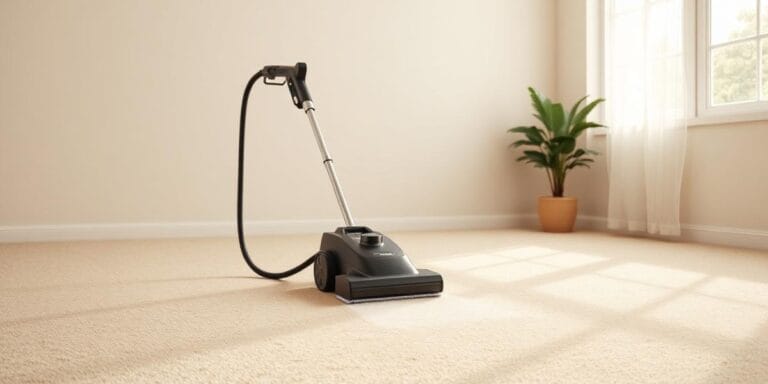
- Vacuum twice per week using suction only, disabling the rotating beater bar completely to prevent surface abrasion.
- Turn the rug 180 degrees every twelve months to distribute foot traffic and sunlight exposure evenly across the surface.
- Shake smaller accent rugs outdoors onto a soft lawn surface to dislodge deeply embedded grit without stretching the backing.
Consider a residential hallway in Chicago fitted with a heavy West Elm knit wool runner. The household initially used a high-powered upright vacuum with the brush roller active every single Friday. Within six months, the dense loops began to unspool and shed excessively due to the aggressive nylon bristles ripping the wool tufts. Switching to a canister vacuum with a smooth floor brush attachment stabilized the pile, halting the fiber loss completely while still extracting the heavy winter salt deposits.
Target Extraction Strategies for Common Household Spills
Spills are inevitable, but the immediate response dictates whether a mark becomes a permanent stain or a minor inconvenience. Liquid migration must be controlled before the moisture penetrates the core of the twisted yarn.
- Press white cotton cloths or unprinted paper towels firmly into the spill site to draw liquid upward through capillary action.
- Dilute acidic spills like red wine or coffee using small droplets of club soda or cool tap water mixed with white vinegar.
- Apply dry baking soda directly to fresh grease or oil marks to absorb the lipid molecules before they bond with the lanolin.
A classic case involves a family dining room featuring an ivory Safavieh wool area rug during a holiday dinner party. A guest spilled an entire glass of Cabernet Sauvignon onto the center medallion. The homeowner avoided the common error of scrubbing with dish soap; instead, they packed the spot with plain white towels, weighted the area with a heavy ceramic Dutch oven for thirty minutes, and then applied a mist of diluted white vinegar. The pigment lifted completely because the acid in the vinegar kept the dye molecules from reforming a permanent bond with the wool cells.
Managing Mud and Solid Debris Safely
When dealing with thick mud or solid food particles, the rules change entirely. Wet mud spreads across the tips of the pile if wiped immediately, turning a small spot into a massive dark smear.
Allow the mud to dry completely into a crust over a twenty-four hour period. Once brittle, break the dried dirt into small crumbs using the edge of a metal spoon, then vacuum up the loose particles using raw suction. This prevents the dirt from dissolving and staining the inner wool cortex.
Detailed Wet Washing Procedures for Deep Restoration
Every three to five years, a wool rug requires a deeper clean to remove atmospheric oily films and deeply packed soot. This process demands a flat, clean surface and a dedicated drying plan to succeed safely.
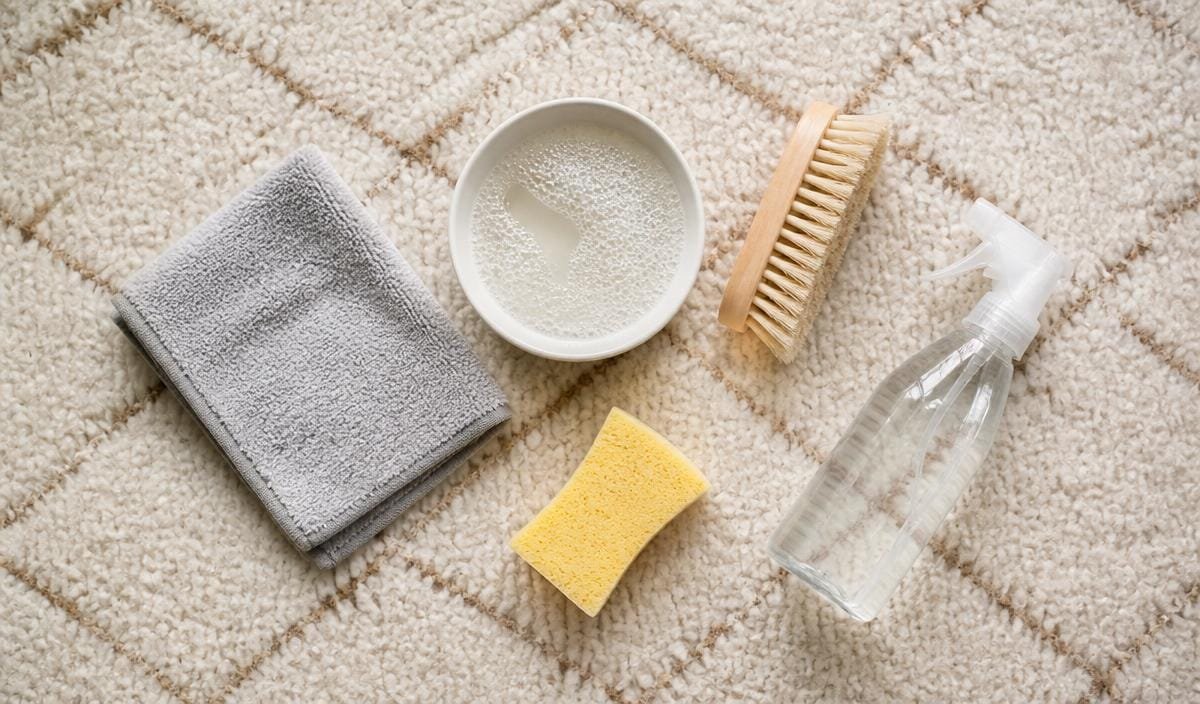
- Test for colorfastness by rubbing a damp, white microfiber cloth over each individual color block for thirty seconds.
- Submerge or thoroughly wet the rug with cold water, avoiding warm or hot water which triggers immediate shrinkage.
- Squeegee the rinse water out of the pile in the direction of the nap using a smooth rubber blade tool.
An editorial review of a rug washing facility in Portland revealed that technicians use cold water wash pits combined with neutral soap solutions to process delicate hand-knotted pieces. A homeowner can replicate this on a clean concrete patio on a dry summer afternoon. After rinsing an IKEA Stockholm wool rug thoroughly, the piece must be laid flat on an elevated mesh frame or clean deck to dry within twenty-four hours, as prolonged dampness introduces the risk of mildew growth and musty odors.
Professional Extraction versus Home Execution Risks
While minor spot cleaning fits within a homeowner’s capability, certain scenarios demand specialized intervention. Knowing the limits of home care prevents catastrophic damage to heirloom textiles.
- Hand-knotted silk-blended wool rugs require specialized dry extraction methods that cannot be replicated with standard home tools.
- Heavy water saturation in thick-pile shag rugs creates a weight load that can snap the internal warp threads during lifting.
- Tufted rugs utilizing latex glue backing dissolve when soaked, leaving a white powdery residue and an offensive chemical smell.
A collector in Boston attempted to wash a custom tufted rug from Pottery Barn using an industrial rental carpet extractor. The machine injected hot water deep into the canvas backing under high pressure, which melted the synthetic latex adhesive holding the wool tufts in place. Within two days, the backing separated completely, rendering the five hundred dollar rug useless. A professional plant would have used a low-moisture dry compound method, preserving the adhesive layer while lifting the surface oils safely.
Wrap Up
Preserving a wool rug relies on understanding the natural resiliency and limitations of protein fibers. Gentle vacuuming, swift spot absorption, and the rejection of harsh chemical detergents maintain the vibrant colors and soft texture of the textile. By avoiding high heat and aggressive scrubbing, these floor coverings easily endure for generations.
FAQs Section
How can you remove old pet urine stains from a wool rug without ruining the color? Old urine stains require a mixture of one part white vinegar to three parts cool water to neutralize the alkaline salts. Blot the area repeatedly with a white microfiber cloth, then apply an enzyme cleaner formulated specifically for wool textiles to break down the remaining odor molecules.
Is it safe to use a standard home steam cleaner on a high-quality wool rug? No, steam cleaners introduce intense heat and high pressure that can permanently shrink wool fibers and cause the natural dyes to bleed into adjacent white sections. Stick to cold water extraction or professional dry cleaning methods to maintain the structural shape of the piece.
What causes a wool rug to shed excessively after a home cleaning session? Excessive shedding occurs when aggressive scrubbing or a rotating vacuum brush weakens the yarn twist, releasing loose fiber fragments. This can also happen if the rug remains damp for too long, softening the structural foundation and causing individual wool tufts to pull away easily.