
TL;DR
White vinegar acts as a natural acetic acid cleaner that dissolves oily binders holding dirt to carpet fibres. A simple one-to-one warm water mixture removes common stains and neutralises stubborn pet odours without leaving chemical residues. Testing a small hidden patch first prevents pile distortion and ensures long term fabric safety.
Introduction
Does your living room rug look dull or smell faintly of last week’s dinners? Many homeowners struggle with stubborn spots and lingering odours that commercial sprays simply mask with heavy synthetic perfumes. Household white vinegar offers a safe, affordable, and highly effective alternative sitting right in your kitchen pantry. This guide shows you exactly how to mix, apply, and utilise this natural acid to lift deep grime and refresh your floors without damaging your home environment.
The Science of Using Acetic Acid on Fabric Fibres
Household white distilled vinegar contains roughly five percent acetic acid, making it a mild natural solvent. This low pH level allows the liquid to break down alkaline stains, such as pet urine, salt deposits, and water soluble food spills. When applied correctly, the solution seeps into the dense pile of an IKEA low-pile rug or a plush Pottery Barn wool carpet, freeing the dirt trapped around individual threads.
Many people worry that the sour scent will linger in the room forever. The sharp aroma evaporates entirely as the liquid dries, carrying trapped odours away with it. This process makes it an excellent alternative to harsh chemical detergents that often leave a sticky film behind. That soapy residue actually attracts fresh dust, causing your high-traffic walkways to darken again quickly.
- White vinegar contains five percent acetic acid to dissolve stubborn grease bonds.
- The low pH level neutralises alkaline marks like pet accidents and mud.
- The sour scent vanishes completely once the carpet dries thoroughly.
- Natural cleaners leave zero sticky chemical residue to attract future dirt particles.
During a spring cleanup in a damp Seattle home, an property manager named Sarah tackled three heavily soiled rental units. Instead of renting an expensive industrial steam machine, she used a basic vinegar spray on the high-traffic entryways. The treatment successfully lifted grey traffic lanes and removed the damp, musty smell left by previous tenants. The floors dried clean within four hours, saving the landlord sixty dollars per room in commercial cleaning supplies.
Step by Step Spot Removal Strategy
Successful spot cleaning requires patience and the correct physical technique. Scrubbing a fresh spill with a heavy hand ruins the texture of the fabric, twisting the delicate yarn out of shape permanently. The best approach involves blotting from the outer edges of the spot toward the center to prevent the liquid from spreading outward.
[Fresh Spill]
   │
   ▼
[Blot with dry white cloth] (Remove excess liquid)
   │
   ▼
[Spray Vinegar & Water 1:1] (Dampen, don't soak)
   │
   ▼
[Press firmly with clean towel] (Lift stain upward)
   │
   ▼
[Air dry + Vacuum] (Restore pile texture)
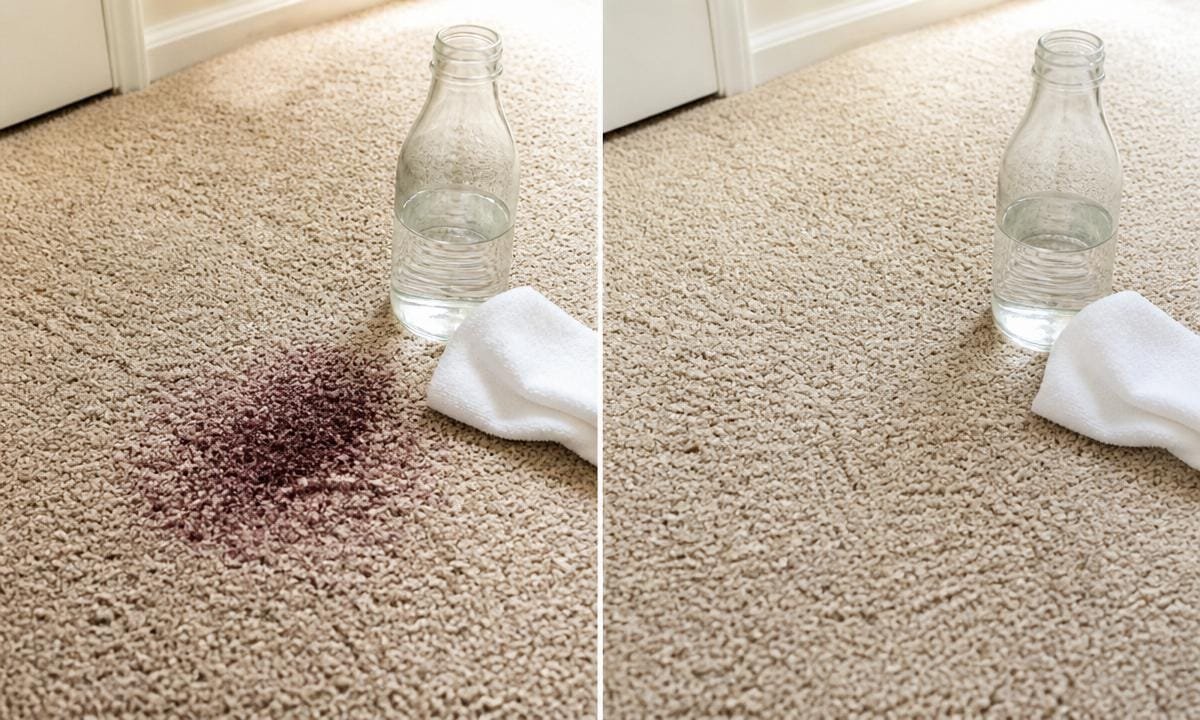
For general stains like coffee, mud, or water based ink, create a mixture of equal parts warm water and white distilled vinegar in a clean spray bottle. Dampen the spot lightly rather than soaking the backing material, as excess moisture leads to mildew growth underneath. Press a clean, white microfibre cloth firmly onto the damp area, holding it down for ten seconds to absorb the lifted pigment.
- Blot the fresh spill immediately using a clean white paper towel.
- Mix equal parts warm water and white distilled vinegar in a spray bottle.
- Dampen the stained area lightly without soaking the underlying carpet pad.
- Press down firmly with a dry cloth instead of scrubbing back and forth.
A homeowner named Marcus accidentally dropped a mug of dark roast coffee onto his brand new cream coloured Ruggable rug. He immediately resisted the urge to scrub, opting instead to blot the pool with dry kitchen towels. He applied the one-to-one water and vinegar mix, pressed down with a clean cotton cloth, and watched the brown stain transfer smoothly onto the towel. Within twenty minutes, the bright fabric showed no sign of the morning accident.
Deep Cleaning Large Rug Areas
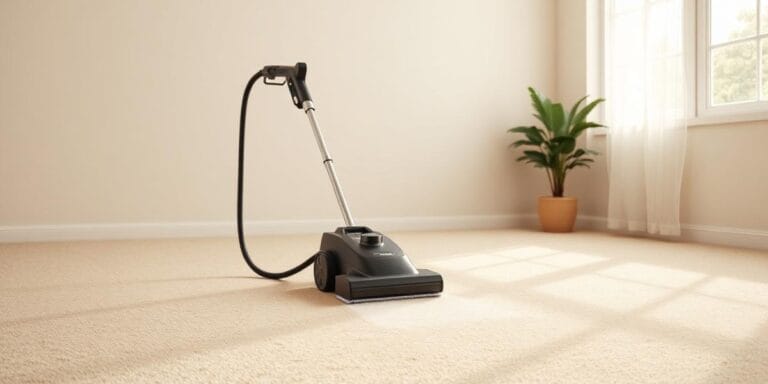
When an entire room requires refreshing, you can use vinegar as a rinsing agent in a standard home carpet extraction machine. Brands like Bissell and Hoover support the use of diluted natural acids in their recovery tanks to clear out old detergent buildup. This method strips away the crusty texture caused by years of over-shampooing, leaving the pile soft underfoot.
Mix one cup of white distilled vinegar with one gallon of hot tap water directly inside the machine clean water tank. Run the extraction machine slowly over the floor, following the manufacturer guidelines for wet and dry passes. Keep the windows open or run a ceiling fan to speed up the drying phase, ensuring the room receives plenty of fresh air circulation.
- Add one cup of white vinegar to one gallon of hot water in the machine tank.
- Operate the extraction cleaner slowly to draw out deep embedded soil.
- Use extra dry vacuum passes to remove as much residual moisture as possible.
- Open windows and use floor fans to complete the drying process within hours.
An interior designer based in Chicago regularly prepares historical homes for open house viewings. Instead of using heavily scented commercial shampoos that might trigger allergies in potential buyers, she fills her Hoover MaxExtract machine with a warm vinegar dilution. This routine consistently removes the dingy grey cast from vintage wool runners, restoring the original vibrant dye patterns without risking fiber bleeding.
Managing Delicate Materials
Synthetic materials like nylon, polyester, and polypropylene handle mild acids exceptionally well without losing their color. Natural luxury fibers like wool and silk require extra caution because excessive moisture or wrong pH levels can weaken the protein bonds. Always use cool water when working with wool, and cut the vinegar amount in half to create a gentler solution.
Preventing Permanent Fabric Damage
Before treating a prominent spot in the middle of your room, always conduct a patch test on a hidden piece of fabric inside a closet. Apply three drops of the mixture to the yarn and press a white cloth against it to check for color transfer. If the dye bleeds onto your cloth, stop immediately and seek professional dry cleaning assistance.
Eliminating Persistent Pet Odours
Pet accidents present a double challenge because urine contains uric acid crystals that bond tightly to floor fibers. Standard cleaners often fail to break these crystals down, leading to recurring smells whenever the weather gets humid. White vinegar breaks down the volatile compounds in fresh urine, neutralizing the sharp ammonia smell effectively.
For old, dried pet spots, sprinkle a thin layer of baking soda over the area first, then mist it lightly with the vinegar spray. The combination creates a gentle foaming action that helps lift trapped organic matter to the surface. Let the mixture sit for fifteen minutes before blotting the area dry and vacuuming up the remaining powder residue.
- Sprinkle pure baking soda over the dry pet accident spot to absorb deep oils.
- Mist the powder lightly with diluted vinegar to initiate a gentle lifting foam.
- Allow the bubbling reaction to work for fifteen minutes to break down crystals.
- Vacuum the dry powdery residue thoroughly to leave the floor fresh.
A veterinary technician living in Denver adopted an older rescue dog that had frequent accidents during the first winter months. The hallway carpet began to emit a strong ammonia scent that regular enzyme cleaners failed to shift entirely. By applying the baking soda and vinegar layering method twice over one weekend, the tech broke down the deep set salt crystals, completely clearing the odor from the subfloor.
Wrap Up
Cleaning your floors with white distilled vinegar provides a safe, chemical free way to maintain a fresh home environment. This budget friendly liquid dissolves stubborn grease bonds, lifts dark stains, and eliminates tough pet odours without leaving sticky residues behind. Always remember to blot gently, test a hidden patch first, and allow the fabric to dry completely to keep your carpets looking beautiful for years.
FAQs Section
Will cleaning carpets with vinegar leave a permanent sour smell in the room?
No, the sharp vinegar scent disappears entirely as the liquid evaporates into the air. Once the fabric dries completely, usually within a few hours, your room will smell neutral and clean.
Can I use apple cider vinegar instead of white distilled vinegar on rugs?
It is best to avoid apple cider vinegar because its dark amber colour can leave permanent stains on light fabrics. Stick exclusively to clear white distilled vinegar to ensure your floors remain bright.
Is it safe to use a water and vinegar mixture on delicate wool carpets?
Yes, but you must dilute the mixture further by using one part vinegar to three parts cool water. Always test a hidden spot inside a closet first to guarantee the dye does not bleed or fade.