

TL;DR
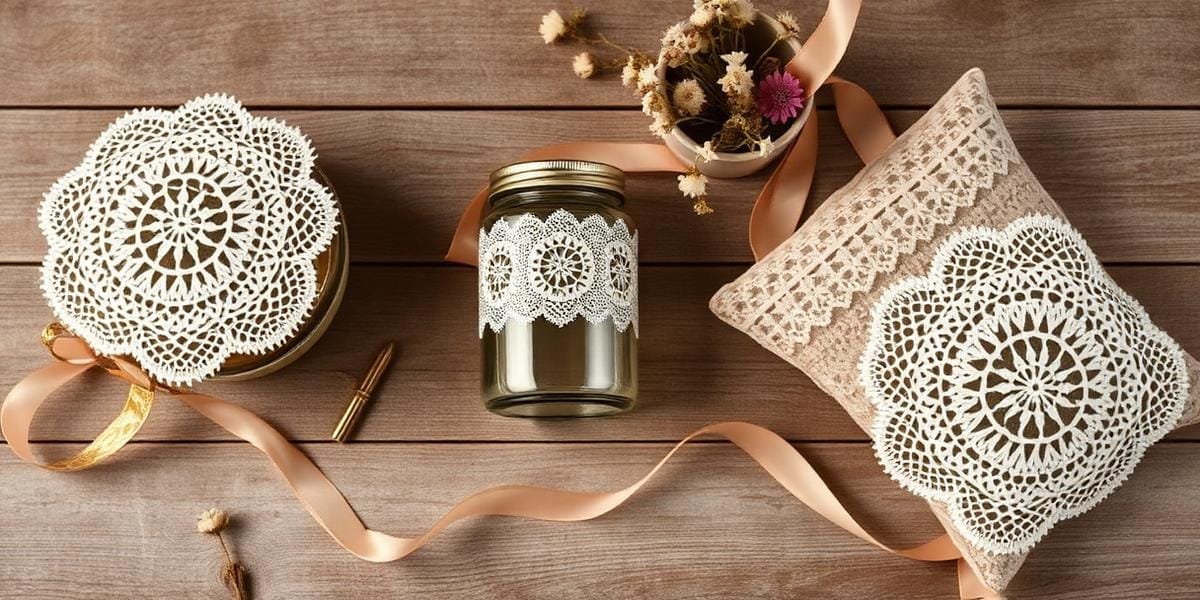
Vintage lace doilies serve as versatile design elements that bridge historical craftsmanship with modern cozy aesthetics. Homeowners can repurpose these heritage textiles into wall art, table settings, and functional lighting fixtures to add instant texture. This guide offers practical styling methods to integrate heirloom lace into contemporary spaces without making rooms feel dated.
Introduction
Does your linen closet contain a stack of inherited lace pieces that you are unsure how to display? Many design enthusiasts struggle to incorporate delicate, handmade textiles into modern living spaces without creating a cluttered or overly grandmotherly appearance. You will discover how to elevate these intricate fabric rounds into sophisticated focal points that celebrate rural charm and skilled craftsmanship. Embracing these textiles honors textile history while creating a deeply comforting, personalized interior environment.
The Evolutionary Journey of Vintage Lace in Home Design
The intricate openwork fabric known as the doily originally served a highly utilitarian purpose. In the nineteenth century, these small mats protected expensive mahogany and walnut furniture from hair oils, spilling ink, and abrasive ceramic teacups. As textile production shifted during the Industrial Revolution, mass-produced cotton thread allowed working-class women to crochet complex geometric and floral patterns at home. This shift transformed a purely protective item into a symbol of domestic skill and artistic expression.
The contemporary resurgence of rural aesthetic movements has breathed new life into these forgotten textiles. Rather than isolating these pieces on dark wood tabletops, modern decorators treat lace as a tactile art form. This design shift focuses on contrast, pairing the delicate, fragile nature of aged linen with the rough textures of exposed brick, reclaimed barn wood, and matte ceramic vessels.
Key Milestones in Textile Styling
- The Victorian era established the functional need for furniture protectors using heavy cotton thread and starch.
- Mid-century homemakers shifted toward colored threads, creating pastel variations that matched bright kitchenware.
- The current design movement prioritizes preservation through framing, plaster casting, and architectural applications.
During the summer of 2021, an interior styling project in Savannah, Georgia, faced the challenge of decorating a historic guest room using a collection of early twentieth-century Irish crochet pieces. Instead of scattering them across dressers, the design team mounted the white lace onto a deep charcoal grey linen backing. Placing the high-contrast panels inside simple black frames from Pottery Barn completely modernized the textiles. The sharp contrast highlighted the microscopic stitches and floral knots, turning a dusty collection into an striking gallery wall that guests frequently complimented.
Creative Wall Art and Framing Solutions
Hanging delicate textiles on walls requires a balance of preservation and visual impact. Unprotected fabric collects airborne grease, dust, and pet dander, which degrades fragile cotton fibers over time. Acid-free mounting boards provide a stable foundation that prevents yellowing and chemical breakdown. When securing the fabric to the backing, small hidden stitches using archival cotton thread work much better than chemical adhesives or heavy iron-on tapes.
Choosing the right frame style alters how the textile communicates with the rest of the room. Deep shadow boxes keep the glass from pressing flat against raised embroidery or dimensional crochet knots, preserving the natural texture of the piece. Floating frames, which sandwich the lace between two sheets of clear glass, allow the natural paint color or wallpaper patterns of your wall to peek through the open gaps in the thread.
Structural Mounting Considerations
- Select acid-free museum mat board to prevent chemical staining on older textiles.
- Use fine stainless steel applique pins or archival thread to stitch the piece to the backing material.
- Position shadow box frames away from direct afternoon sunlight to prevent UV bleaching and fiber brittleness.
- Maintain a microscopic gap between the glass and the fabric to prevent moisture entrapment and subsequent mold growth.
Consider a recent home restoration project in Portland, Oregon, where a homeowner wanted to display five mismatched, handmade pieces from her grandmother. The decorator sourced a collection of mismatched vintage wooden embroidery hoops from local thrift shops, placing one textile into each hoop. After pulling the lace taut, the excess edges were neatly trimmed and secured to the inside of the rim. Hanging this group of circular frames above a slipcovered West Elm sofa created an organic, textured focal point that felt intentional rather than accidental.
Transforming Textiles into Functional Lighting
Integrating delicate cotton work into lighting fixtures produces stunning shadow patterns that instantly soften a room. When light passes through open web designs, it projects enlarged geometric shapes across ceilings and surrounding walls. The key to success lies in choosing the correct stiffening agent to ensure the textile maintains its shape against gravity and ambient room humidity.
Traditional cornstarch mixtures offer a temporary, reversible stiffening solution, but they can attract pests in damp climates. Fabric stiffening liquids containing polyvinyl acetate provide a permanent, moisture-resistant shell that holds its form for years. Safety remains paramount when combining fabrics with heat-generating objects, so decorators must pair these handmade shades exclusively with cool-burning LED bulbs.
Technical Steps for Lamp Construction
- Clean the textile thoroughly using a gentle pH-neutral soap formulation designed for historic linens.
- Submerge the fabric into a commercial stiffening solution, ensuring complete saturation of every thread.
- Mold the wet material over an inflated balloon or a plastic-wrapped bowl to establish a uniform dome shape.
- Allow the shape to dry completely for 48 hours before carefully deflating the mold core.
- Install a low-wattage LED bulb to eliminate any risk of heat scorching or fire hazards.
An independent boutique hotel in Vermont updated its bedside lighting by creating custom pendant globes from salvaged vintage table runners. The design team coated the lace in a clear matte stiffener and draped the pieces over extra-large beach balls. Once dry, the rigid lace spheres were fitted with brass hardware kits from IKEA. When illuminated at night, the overhead fixtures cast a warm, web-like glow across the pine floorboards, creating an inviting atmosphere that felt both historic and highly curated.
Contemporary Table Settings and Textiles
Setting a tablescape with historical elements does not require reproducing a formal, stiff dining room from the past. Layering textures is the modern secret to using these pieces successfully on the dinner table. Mixing different materials prevents the table from looking like an antique shop display, allowing the individual handiwork of each piece to stand out.
Placing small lace rounds directly on top of a dark, rustic dining table highlights the intricate outer borders of the textile. For a more layered look, try placing cream-colored lace over a solid, rough-textured linen tablecloth in a rich tone like terracotta, olive, or navy. This arrangement protects the table surface while making the pattern of the lace pop.
Design Principles for Modern Tablescapes
- Mix textures by pairing delicate openwork with rough stoneware plates and heavy matte flatware.
- Avoid using heavy liquid starch on table linens to ensure the fabric drapes naturally over the table edges.
- Cluster small, varied lace pieces down the center of the table to form an alternative runner.
- Clean up food and wine spills immediately with cold water and enzyme-free soap to prevent permanent stains.
A catering business in Nashville, Tennessee, refreshed its wedding table designs by moving away from standard rental linens. The decorators collected dozens of white crochet squares and hand-stitched them together into a long, continuous runner for a long wooden farm table. They styled the runner with matte ceramic plates, modern gold flatware, and simple glassware. This combination of historic lace and clean, modern tableware created a balanced look that appealed to couples wanting a fresh country aesthetic.
Upcycling Lace into Everyday Home Accessories
Smaller fragments or damaged heirloom linens can find new life through thoughtful upcycling projects. Pieces with torn edges or stains can be trimmed down to salvage the intact sections. These remnants can then be transferred onto everyday objects around the home.
Sewing a vintage lace accent onto a plain cotton throw pillow cover adds instant visual interest and texture. This method works well on plain linen or canvas covers from brands like Ruggable or Pottery Barn. The contrast between the simple backing fabric and the detailed lace medallion elevates the look of any sofa or armchair.
Practical Upcycling Ideas
- Stitch salvaged lace circles onto the corners of plain linen hand towels for an instant bathroom upgrade.
- Cover the glass panels of kitchen cabinet doors with sheer lace panels to softly hide stored dishes.
- Attach small lace remnants to the front of plain storage journals or photo albums using clear fabric adhesive.
- Inset small lace panels into the centers of plain cotton cafe curtains to let soft, patterned light into a room.
An interior stylist in Austin, Texas, worked with a client who inherited a large box of damaged lace table linens. The stylist cut out the undamaged sections and appliqued them onto the fronts of plain canvas storage bins in the master closet. This simple addition transformed ordinary utility boxes into beautiful, textured storage solutions. The project showed how old, damaged textiles can find a useful new purpose with a little creativity.
Wrap Up
Decorating with vintage lace allows you to bring history, texture, and character into your home. Whether you choose to display them in modern floating frames, convert them into unique light fixtures, or use them to dress up a casual dining table, these heritage textiles fit beautifully into a warm, comfortable home aesthetic. By styling them alongside clean lines and varied textures, you can honor past craftsmanship while keeping your space feeling fresh, intentional, and balanced.
FAQs Section
How do you clean and whiten old lace doilies without damaging the delicate threads?
Soak the textiles in warm water mixed with a gentle, sodium percarbonate oxygen-based bleach rather than harsh chlorine bleach. Allow the pieces to air dry flat on a clean white towel away from direct sunlight to prevent fiber degradation.
What is the best way to attach lace doilies to a wall without using permanent glue?
Hand-stitch the lace to an acid-free mat board using fine cotton thread and a thin needle, passing through the existing holes in the lace. This method secures the textile completely while allowing you to remove it safely in the future without damaging the fibers.
Can you use vintage lace doilies outdoors for porch or patio styling?
Outdoor use is only recommended for temporary events, as continuous exposure to humidity, rain, and UV sunlight will quickly rot the natural cotton threads. For permanent outdoor areas, look for modern reproduction pieces made from weather-resistant synthetic polyester blends.
Disclaimer
This content shared by Fall Rugs is solely for research and informational purposes. Fall Rugs is not a professional interior design or home renovation consultancy, and the information provided should not be considered professional advice for home improvement or decor. All ideas and suggestions are based on current trends and general knowledge in the home decor industry.