

TL;DR
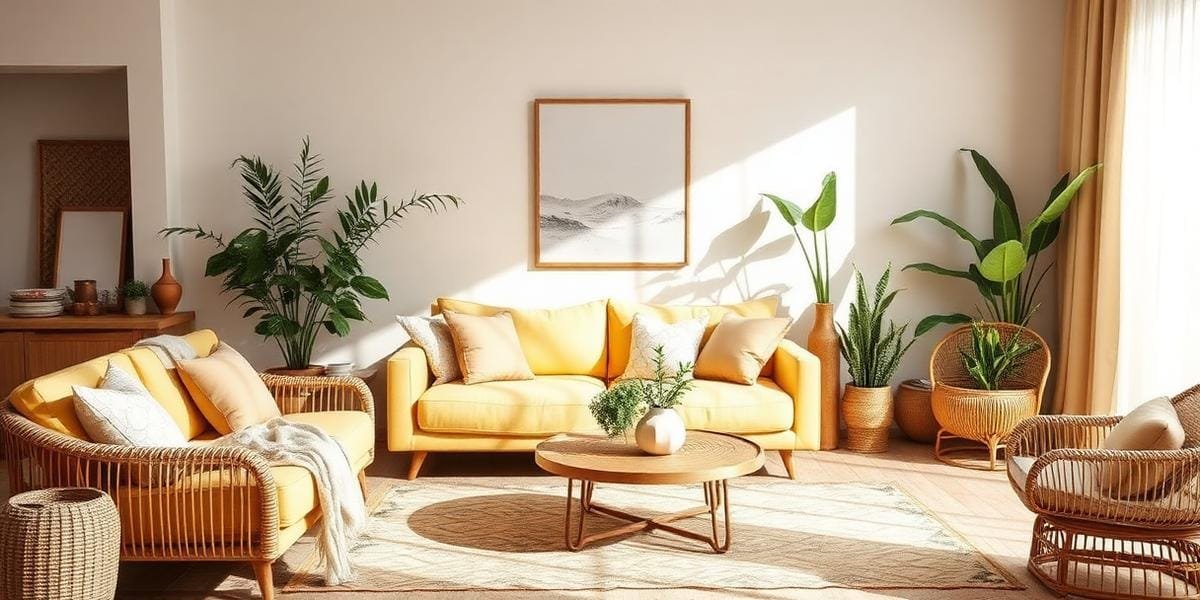
Styling a butter yellow sofa requires balancing its warm, creamy undertones with contrasting textures and grounding neutral shades. Pairing this soft focal piece with charcoal accents, rich wood tones, and natural linen maximizes visual interest without overwhelming the space. Proper layout and thoughtful lighting ensure the pastel hue looks intentional, upscale, and modern rather than dated.
Introduction
Can a pastel couch actually anchor a mature, high-end living room layout? Homeowners often worry that lighter, cheerful furniture colors will make a formal seating area look like a nursery or a temporary college apartment. Incorporating a butter yellow sofa into your main living area is an excellent way to introduce warmth and personality without committing to harsh, saturated primary colors. You will learn exactly how to select complementary accent pieces, balance undertones, and choose textiles that elevate this soft, buttery hue into a design triumph.
Decoding the Appeal of Butter Yellow in Modern Spaces
The design world shifted toward warmer, more comforting interiors after years of cool gray dominance. Brands like Pottery Barn and West Elm have responded by introducing muted yellow fabrics, such as performance velvet in camel oat and soft maize tones. Butter yellow functions as an unexpected neutral, offering a soft luminescence that reflects natural light beautifully throughout morning and afternoon hours.
Designers frequently select this shade for rooms that lack southern exposure because it mimics the natural glow of golden hour sunshine. Unlike lemon or neon yellow, butter yellow contains a high percentage of white and a hint of ochre, which prevents it from jarring the eyes. This specific composition makes it highly adaptable to changing seasonal decorations.
The Psychology of Warm Pastels
Soft yellow surfaces evoke feelings of optimism, calmness, and hospitality without triggering the alertness associated with brighter warning tones. In busy households, a soft yellow center piece serves as an inviting visual anchor that encourages relaxation and conversation.
Why Texture Matters More Than Ever
- Bouclé and Chenille: These looped, highly tactile fabrics catch the light at different angles, breaking up the flat surface of a light colored sofa.
- Matte Velvet: A low-pile velvet in pale yellow absorbs light softly, creating deep shadows that give the sofa a more expensive, sculptural appearance.
- Slubby Linen: Choosing a linen blend variant brings a casual, coastal, or relaxed European country aesthetic to the entire living room layout.
A notable example of this principles in action is the 2025 redesign of a historic townhouse in Savannah, Georgia. The interior team selected a custom velvet sofa in a rich custard cream tone to contrast against dark, original heart-pine flooring. By skipping bright lemon tones and choosing a muted, desaturated hue, they created an entryway parlor that looks bright during overcast winter months yet remains cool and breezy throughout hot Southern summers.
Smart Color Palettes That Ground a Custard Cream Couch
Placing a light pastel sofa in a room with completely white walls can cause the furniture to look washed out or accidental. Successful rooms utilize deliberate color contrasts to give the primary seating choice a sense of purpose and stability. Dark charcoal, olive green, deep navy, and terracotta are highly effective pairing choices that establish a sophisticated visual framework.
For a grounded look, try matching the sofa with a deep charcoal accent chair or an industrial black iron coffee table from CB2. This stark contrast anchors the floating quality of a pale yellow couch. If you prefer a softer, nature-inspired environment, pairing the sofa with sage or olive green walls creates a classic garden-fresh combination that feels timeless.
Contrast Strategies for Neutral Rooms
- High-Contrast Charcoal: Incorporating matte black iron lamps or dark slate coasters stops the pastel hue from feeling overly sweet.
- Earthy Terracotta: Introducing rust-colored throw pillows adds a Mediterranean warmth that makes the yellow feel rich and deeply intentional.
- Monochromatic Creams: Layering varying shades of ivory, beige, and tan around the sofa creates a serene, low-contrast environment focused entirely on texture.
Consider the living room styling choices of minimalist designer Amber Lewis, who often utilizes pale wheat and butter tones against chalky lime-washed walls. In a recent California project, her team positioned a soft yellow linen sectional against a background of warm beige drapes and raw oak side tables. The addition of two vintage Turkish rugs featuring deep madder root red and indigo borders prevented the light furniture pieces from dissolving into the background.
Choosing the Right Complementary Furniture and Woods
The wood species you place next to a butter yellow sofa heavily dictates the overall design era of the living room. Light woods like ash, bleached oak, and maple emphasize a Scandinavian or modern Japanese minimalist vibe. Darker woods like walnut, cherry, and mahogany pull the room toward a mid-century modern or traditional English estate aesthetic.
Avoid mixing too many disparate wood tones in the immediate vicinity of the sofa, as this creates visual chaos that competes with the upholstery color. If your yellow couch features exposed wooden legs, use that specific wood tone as the baseline for your coffee table or floating shelving units.
Wood Species Pairing Guide
- Natural Walnut: The rich chocolate tones and distinct grain of walnut provide a striking contrast that emphasizes the vintage roots of a mid-century sofa.
- White Oak: This wood provides a clean, airy accompaniment that keeps the living room feeling spacious, breezy, and thoroughly contemporary.
- Blackened Ash: Choosing scorched or painted black wood frames creates a sharp, graphic perimeter that modernizes the soft pastel center.
A common mistake observed in suburban living rooms is pairing a pale maize yellow sofa with orange-toned golden oak flooring or trim. This combination creates an uncomfortable, monochromatic yellow halo effect throughout the space. Homeowners can fix this issue easily by placing a large, neutral area rug from Ruggable in a cool gray or washed cream tone directly underneath the sofa to act as a visual buffer between the floor and the furniture legs.
Textile Mixing Rules for a Cohesive Seating Area
Decorating a butter yellow sofa with pillows requires a strict adherence to scale and pattern variation to avoid a cluttered look. Throwing matching yellow pillows onto a yellow sofa removes all depth and flattens the appearance of the cushions. Instead, use textiles as a vehicle to pull other accent colors from the room directly onto the seating arrangement.
Aim for a mix of three distinct textile types: a large-scale geometric print, a small-scale organic print or stripe, and a solid chunky knit block. This variety ensures that the eye moves naturally across the sofa without getting stuck on a single, repetitive pattern.
Pillow and Throw Layering Formula
- Base Layer: Start with two large, 22-inch square pillows in a heavy dark neutral fabric like navy canvas or charcoal wool placed in the back corners.
- Middle Layer: Add two 18-inch pillows featuring a cream and olive block print pattern to introduce movement and an organic feel.
- Lumbar Accent: Finish the look with a single, long lumbar pillow in a rich cognac leather to add a sleek, non-fabric texture to the center of the sofa.
In an apartment installation in Chicago, an editorial stylist used a velvet yellow sofa from Article as the main centerpiece. The designer layered a cream and charcoal plaid wool throw over the back arm, then added two solid moss-green corduroy cushions. This arrangement balanced the lightness of the sofa with the heavy, cozy textures required for long Midwestern winters, proving that light furniture can look perfectly appropriate during cold seasons.
Lighting Layouts That Elevate Soft Yellow Upholstery
Lighting can transform a beautiful butter yellow sofa into a sickly green tint or a harsh neon block if the bulbs are chosen incorrectly. The color temperature of your light bulbs, measured in Kelvin, is the single most important factor in maintaining the true integrity of your sofa color after dark. Bulbs that are too cool will ruin the warmth of the room, while overly orange bulbs will make the sofa look dirty.
Always opt for warm white bulbs rated between 2700K and 3000K throughout your living room lamps and overhead fixtures. This temperature range mimics natural sunlight and enhances the golden, creamy undertones of the butter yellow fabric without distorting the surrounding wall colors.
Placement of Light Sources
- Task Floor Lamps: Position an adjustable brass floor lamp from Restoration Hardware over one side of the sofa to create a focused reading nook.
- Ambient Table Lamps: Place matching ceramic lamps with white linen shades on side tables to diffuse soft light evenly across the seating area.
- Accent Picture Lights: Install a hardwired or battery-operated art light above the wall decor directly behind the sofa to draw the eyes upward.
During a residential renovation project in London, a family struggled with their new primrose yellow chesterfield sofa looking dingy under standard 4000K cool white LED spotlights. The lighting consultant resolved the issue by installing dimmable 2700K bulbs and adding two warm frosted glass table lamps on flanking end tables. The resulting ambient glow restored the inviting, buttery appearance of the velvet upholstery, showing how crucial proper illumination is for pastel furniture.
Wrap Up
Embracing a butter yellow sofa allows you to build a living room that feels uniquely bright, sophisticated, and deeply welcoming. By grounding the soft hue with dark charcoal accents, natural wood grains, and varied textile patterns, you ensure the space looks mature and intentionally styled. Focus on keeping your lighting warm and your accent colors derived from nature to create a balanced environment that will remain stylish for years to come.
FAQs Section
What wall color goes best with a butter yellow sofa?
Chalky off-whites, warm beiges, soft sage greens, and deep charcoal grays work best. Avoid pure, stark white walls, as they can make the soft yellow tone look washed out or like a design mistake.
How do you keep a yellow couch from looking too childish?
Ground the furniture by introducing sophisticated materials like matte black iron, cognac leather, and natural walnut wood. Avoid pairing the sofa with bright primary colors or overly playful, chaotic patterns.
What color rug should I place under a pale yellow sofa?
A vintage Turkish rug with indigo and rust accents, a solid cream wool bouclé rug, or a distressed muted gray area rug will ground the sofa beautifully. The rug should provide clear contrast between the couch and your flooring material.
Disclaimer
This content shared by Fall Rugs is solely for research and informational purposes. Fall Rugs is not a professional interior design or home renovation consultancy, and the information provided should not be considered professional advice for home improvement or decor. All ideas and suggestions are based on current trends and general knowledge in the home decor industry.