
TL;DR
Most fabric shower curtains and many plastic liners can be washed, but the care label and material decide the method. Fabric usually takes a gentle cycle, while vinyl, PVC, PEVA, and EVA liners need cooler water, low agitation, and air drying.
Never place a plastic liner in a hot dryer. Replace it when the surface cracks, peels, smells after cleaning, or keeps developing deep black stains.
Introduction
Can you wash shower curtains without shrinking the fabric, melting the liner, or spreading mildew through the washer? In many homes, yes. Washing costs less than frequent replacement, yet cotton, polyester, vinyl, PEVA, and coated fabrics react differently to heat, detergent, bleach, and spin speed.
Start with the label, then consider the stain and drying conditions. The sections below cover wash temperatures, household products, safety warnings, hard-water marks, costs, and routines for family bathrooms, rentals, hotels, and poorly ventilated spaces.
Check the Material, Label, and Hardware First
Shower curtains come in very different materials. Pottery Barn sells cotton and linen styles, West Elm carries woven cotton designs, IKEA offers PEVA liners such as the BJÄRSEN, and Maytex sells vinyl and polyester options. Heat, bleach, spinning, and drying affect each material differently, so the care label matters more than appearance.
Cotton may shrink, printed polyester may fade, and waterproof coatings may crack in hot water. Remove hooks and inspect sewn-in grommets for rust or sharp edges. Cleaning specialist Carolyn Forté has long advised matching the wash method to the fabric and its instructions.
- Cotton and linen: Often machine washable, though heat can shorten them.
- Polyester: Usually handles a gentle cycle and dries quickly.
- Vinyl or PVC: May tolerate cool washing, but heat can warp it.
- PEVA or EVA: Often washable with low agitation.
- Decorative styles: Beads, glued trims, and embroidery may need hand washing.
Rental owners often treat every white curtain with bleach. Coloured thread can fade, while coated liners may become brittle. A brief label check can prevent a replacement bill and protect the washer from loose hooks.
Wash Fabric Curtains With Low Heat and Mild Detergent
Most cotton, linen-blend, and polyester curtains can enter a washer once the hooks come off. Use a gentle cycle at 30 to 40 degrees Celsius unless the label states otherwise. A modest dose of liquid detergent rinses better than an overloaded capful, which can leave residue.
A front-loading LG or Samsung machine lifts fabric with less twisting than an older agitator washer. White cotton may tolerate OxiClean, while coloured fabric needs a colour-safe product and a hidden-area test. Chlorine bleach can weaken fibres and strip prints when the label forbids it.
- Wash the curtain alone or with two light-coloured towels.
- Choose low spin for linen, embroidery, or metal grommets.
- Treat greasy marks with one drop of mild dishwashing liquid.
- Avoid fabric softener because it can leave a film.
- Hang the curtain while damp to restore its shape.
A Bristol family washed a heavy cotton curtain on a hot bedding cycle, then dried it on high. It came out several centimetres shorter. They washed the replacement at 30 degrees Celsius, used low spin, and hung it on the rail. It kept its length and needed no ironing.
Clean Plastic, Vinyl, PEVA, and EVA Liners Gently
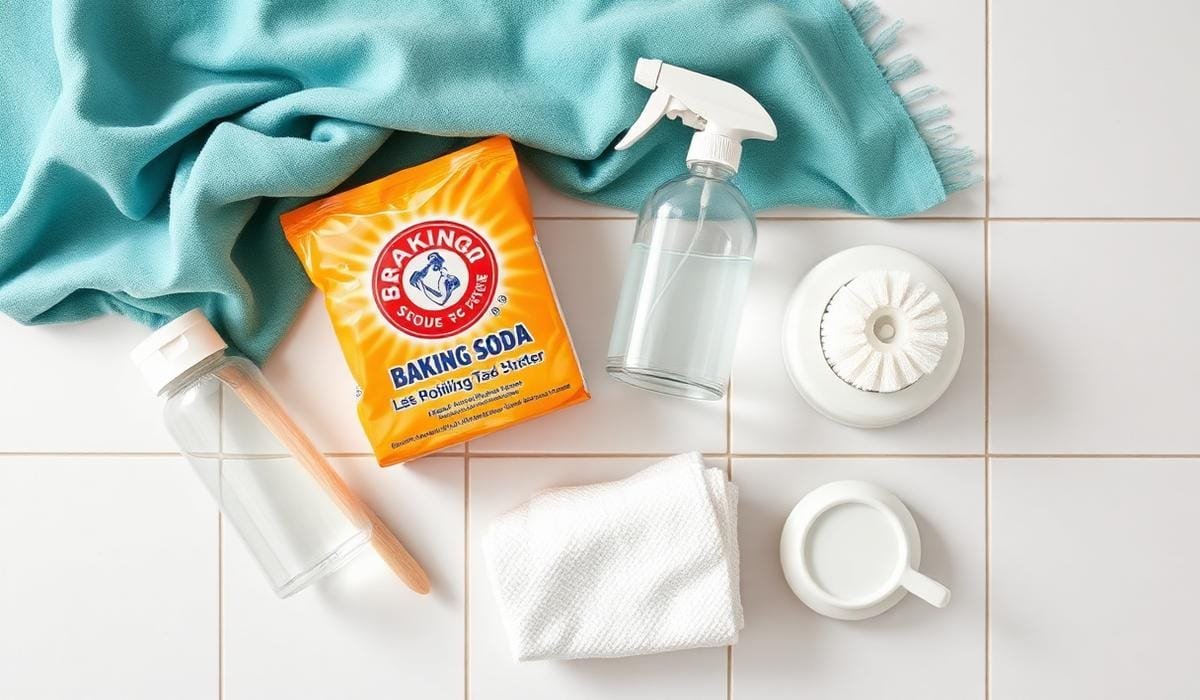
Many plastic liners can enter a washer, but they need less heat and friction than fabric. Cold or lukewarm water protects the surface, while two old towels act as soft scrubbers. Use a gentle setting, little detergent, and half a cup of baking soda when the label permits it.
IKEA’s BJÄRSEN uses PEVA, a chlorine-free plastic often chosen instead of PVC. Maytex and Target’s Threshold line also sell several liner weights. Thick models may survive repeated washing, while thin ones can crease, split near magnets, or tear at grommets.
- Select cold or warm water, never hot.
- Add two towels to cushion and lightly scrub the liner.
- Stop before high-speed spin when the plastic feels thin.
- Hang it on the rail straight after washing.
- Never tumble dry, iron, steam, or place it near a radiator.
Microbiologist Charles Gerba has described damp bathrooms as favourable places for microbial growth because moisture and residue collect on wet surfaces. Washing removes much of that film, but a liner folded against the tub stays wet for hours. Spread it fully so air reaches the hem.
Treat Mildew, Pink Film, Soap Scum, and Mineral Scale Differently
Black mildew spots, pink slime, chalky white scale, and cloudy soap scum are different problems. Pink film often involves the bacterium Serratia marcescens, which grows in damp areas and feeds on residue. White crust usually comes from calcium and magnesium in hard water. Soap scum forms when soap fats bind with those minerals.
A washable white curtain may tolerate diluted chlorine bleach when its label allows it. Coloured fabric and many plastics may suit oxygen bleach or 3 percent hydrogen peroxide after a patch test. Vinegar loosens mineral scale, but never mix it with chlorine bleach because toxic chlorine gas can form. Keep bleach away from ammonia cleaners.
- Use mild dish soap for fresh soap scum, then rinse.
- Soak a scaled lower edge in diluted white vinegar, then rinse fully.
- Follow product and care-label amounts when using bleach.
- Test oxygen bleach on a hidden coloured seam.
- Clean the tub edge, grout, drain area, and curtain together.
A Manchester tenant removed an orange-pink band from a PEVA liner, yet it returned within two weeks because the tub seal and grout still carried the film. Cleaning every wet surface, opening the window, and spreading the liner extended the next interval to about six weeks.
Dry Fully, Set a Realistic Schedule, and Know When to Replace
Drying slows the return of odour and surface growth. Fabric can usually air dry on the rail, and some polyester allows low dryer heat. Plastic liners need air only. Run the exhaust fan for about 20 minutes, open the door, and separate the liner from the outer curtain.
A busy family bathroom may need washing every four to six weeks, while a guest bathroom may go two or three months. Humid cities such as Singapore, Miami, and Hong Kong often need shorter intervals. Ventilation, water hardness, and shower frequency matter more than a fixed date.
- Wash sooner when odour appears or the lower edge feels slimy.
- Wipe the hem weekly in rooms with weak airflow.
- Leave the curtain extended rather than bunched.
- Clean the rail, rings, bath edge, and grout at the same time.
- Replace cracked liners, peeling coatings, torn grommets, or recurring stains.
Budget liners often cost about $8 to $20, while thicker PEVA or fabric liners may cost $20 to $40. Pottery Barn or West Elm curtains can cost far more. Wash them while the structure remains sound; replace them when the waterproof layer fails or odour returns.
Wrap Up
Yes, many shower curtains can be washed, but material and care instructions decide the safe method. Fabric usually accepts a gentle machine cycle, plastic needs cool water and air drying, and decorative trims may need hand care. Stain type also matters because mildew, pink biofilm, soap scum, and mineral scale respond to different cleaners.
A sound routine combines correct washing, full drying, clean surrounding surfaces, and steady ventilation. Avoid hot dryers for liners, and never mix bleach with vinegar or ammonia. When cracks, peeling, deep staining, or lasting odour remain after cleaning, replacement becomes the safer choice.
FAQs
Can you put a shower curtain in the washing machine?
Most cotton, polyester, and many PEVA or vinyl shower curtains can go in a washing machine on a gentle cycle. Check the care label, remove hooks, use cool or warm water, and air dry plastic liners.
How do you wash a plastic shower curtain without ruining it?
Wash it in cold or lukewarm water with a small amount of detergent and two old towels. Use low agitation, avoid high-speed spin, and hang it immediately because dryer heat can warp or melt plastic.
How often should shower curtains be washed?
A frequently used family bathroom often needs washing every four to six weeks, while a guest bathroom may need it every two or three months. Humidity, ventilation, hard water, and visible residue can shorten that schedule.