
TL;DR
The term banana spider applies to entirely different species with vastly unequal venom potencies. While North American golden silk orb weavers inflict mild, bee-sting-like bites, South American wandering spiders possess highly dangerous neurotoxins requiring immediate medical intervention. Distinguishing between these species by geographic location and physical traits prevents unnecessary panic or dangerous delays in treatment.
Introduction
Have you ever spotted a massive, yellow-tinted spider stretching its web across your porch and wondered if a single bite could send you to the hospital? The urgent question of whether banana spiders are poisonous stems from a confusing case of shared nicknames. Because people use the same common name for harmless garden residents and highly toxic tropical travelers, answering this question requires looking closely at specific species. This guide untangles the web of folklore surrounding these arachnids, detailing how to identify them, what happens during an accidental encounter, and how to respond to a bite.
The Identity Crisis Behind the Banana Spider Name
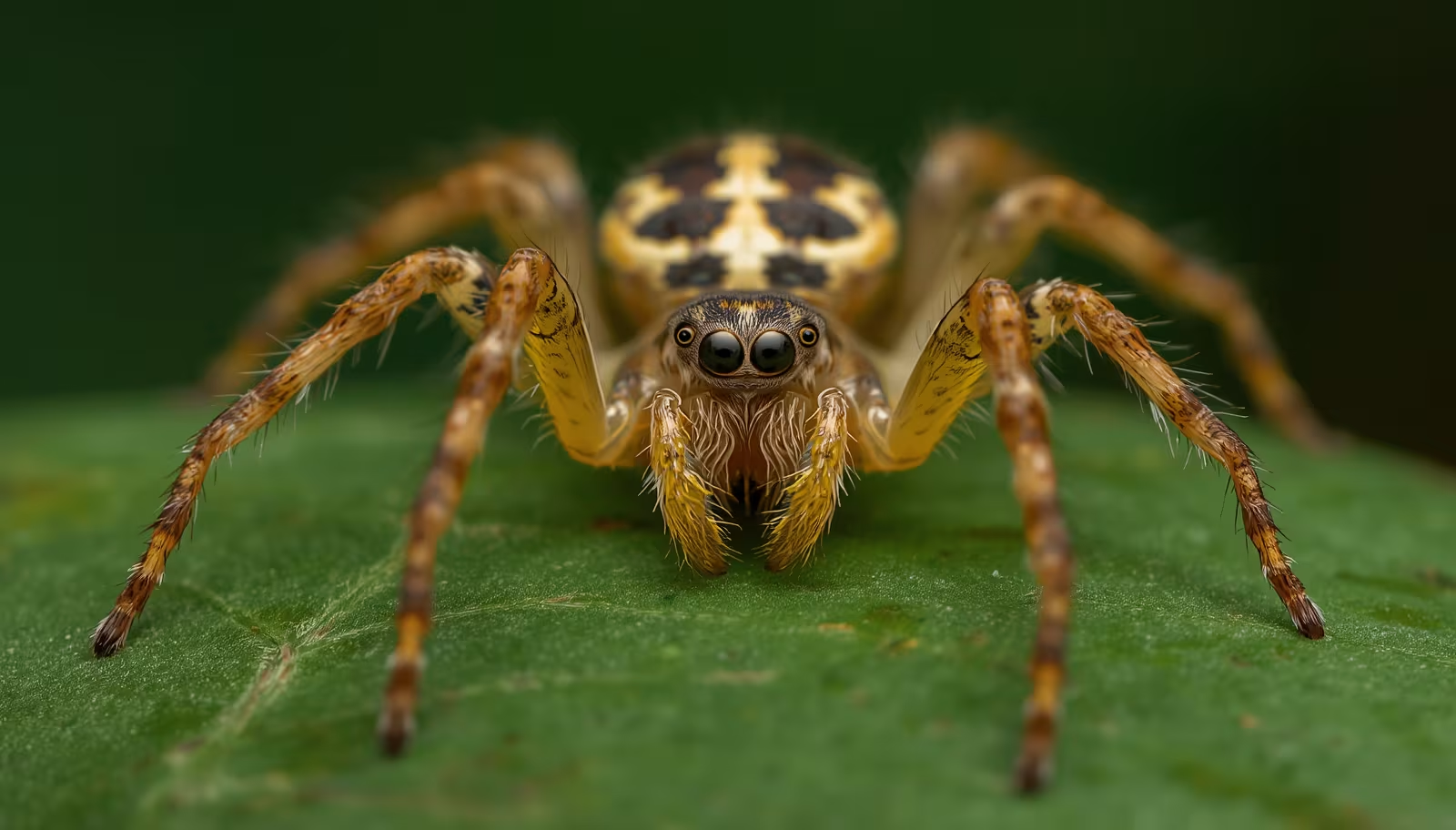
Arachnologists often struggle with common names because they gloss over critical biological differences. In the United States, particularly across humid southern states like Georgia and Florida, people use the term banana spider to describe the golden silk orb weaver, historically classified as Nephila clavipes and recently moved to Trichonephila clavipes. This spider builds massive, golden-hued webs in forests and citrus groves. It earned its nickname from its elongated, cylindrical yellow abdomen, which looks vaguely like a ripening banana.
A completely different creature carries the same nickname into global shipping ports. The Brazilian wandering spider, belonging to the genus Phoneutria, frequently hides in commercial banana crates shipping out of Central and South America. When grocery store workers in London or New York report finding a deadly banana spider among the fruit produce, they are dealing with Phoneutria, not the harmless American garden variety.
A third spider often gets pulled into this mix. The yellow garden spider, or Argiope aurantia, also called the writing spider due to the zigzag patterns in its web, is frequently misidentified by homeowners as a banana spider. While all three spiders use venom to subdue prey, their chemical profiles affect human tissue in completely different ways, making precise identification a literal matter of life and death.
Venom Breakdown and Actual Human Toxicity Levels
To speak accurately about these arachnids, we must clarify that spiders are venomous, not poisonous, because they inject toxins through fangs rather than causing harm via ingestion. The golden silk orb weaver possesses a mild neurotoxic venom designed to paralyze flies, bees, and mosquitoes. For humans, this venom lacks the strength to cause systemic harm. A healthy adult bitten by a Trichonephila species will experience localized redness and a dull ache similar to a minor wasp sting. The discomfort typically peaks within an hour and fades without medical intervention.
The situation changes entirely when analyzing the venom profile of the Brazilian wandering spider. Phoneutria venom contains a potent mix of neurotoxins, including the peptide PhTx3. This compound blocks calcium channels and inhibits glutamate release in the human nervous system. A severe bite causes intense local pain, followed by systemic symptoms like irregular heart rate, muscle tremors, severe sweating, and breathing difficulties.
In rare, severe cases involving children or compromised adults, the venom can cause systemic shock. Medical centers in countries like Brazil rely on a specific antivenom to neutralize these systemic effects, proving how drastically different these two nicknamesakes are under the microscope.
Real World Encounters and Misidentification Incidents
In 2021, a wholesale grocery warehouse worker in Galveston, Texas, discovered a large, aggressive brown spider inside a pallet of imported Central American fruit. Panic ensued, and the facility halted operations for three hours under the assumption that a deadly Brazilian wandering spider was loose. Local university entomologists later identified the specimen as a harmless huntsman spider, which looks superficially similar to Phoneutria but poses zero danger to human life. This event highlights how fear经常 outpaces factual identification.
Contrast that warehouse scare with a typical backyard encounter in Savannah, Georgia. A homeowner clearing low-hanging pine branches walked directly into a three-foot-wide web. The resident golden silk orb weaver bit the homeowner on the forearm. The individual reported a sharp pinch, followed by mild swelling and itching that resolved after applying a cold compress and an over-the-counter antihistamine.
These two scenarios show the dual reality of the banana spider. One involves a harmless native species minding its own business in the garden, while the other represents a rare, cargo-borne visitor that requires professional pest management and cautious handling.
Symptoms of a Bite and Immediate First Aid Steps
When a human receives a bite from a native North American golden silk orb weaver, the symptoms remain localized. The initial puncture feels like a sharp needle prick. Within minutes, a small red welt forms, measuring roughly one to two centimeters across. The area may feel warm to the touch and throb slightly for a few hours.
True medical emergencies from native banana spiders are incredibly rare and usually stem from secondary bacterial infections caused by scratching the bite site, rather than the venom itself. First aid for a standard garden banana spider bite requires simple home care:
- Wash the puncture wounds thoroughly with mild soap and warm water to remove surface bacteria.
- Apply a cloth-wrapped ice pack to the affected area for ten minutes at a time to reduce localized swelling.
- Elevate the limb if the bite occurred on a hand, arm, or foot to minimize fluid retention.
- Use a hydrocortisone cream or take an oral antihistamine to calm persistent itching or redness.
If the spider involved was hidden inside imported tropical cargo and showed aggressive behavior, such as raising its front legs in a defensive posture, assume it is a wandering spider. Symptoms of a Phoneutria bite escalate quickly, bringing intense, burning pain that spreads outward from the wound, followed by dizziness or blurred vision. If these systemic signs appear, bypass home remedies entirely, immobilize the limb, and seek emergency medical care immediately.
Habitat Preferences and Seasonal Activity Patterns
Golden silk orb weavers thrive in high-humidity environments across the globe, including coastal regions of North Carolina, Florida, and the Gulf Coast, as well as parts of Australia and Asia. They prefer shady areas where insects fly frequently, establishing webs between low tree branches, open porch eaves, and dense walking trails. Their populations peak during late summer and early autumn, which coincides with their breeding season. During September, female orb weavers reach their maximum physical size, making their golden webs highly visible to hikers and gardeners.
Brazilian wandering spiders do not spin large, aerial webs. True to their name, they hunt actively on the forest floor at night throughout the Amazon basin and parts of Central America. During the day, they seek dark, humid hiding spots. In their native habitats, they crawl into fallen logs, banana plants, and residential woodpiles.
Because they crawl into tight spaces for shelter, they occasionally end up inside shipping containers. While agricultural screening processes at international ports have improved significantly, winter and spring fruit imports occasionally transport these hitchhikers across borders, leading to sporadic sightings in non-tropical climates.
Safe Coexistence and Removal Methods
Finding a native golden silk orb weaver on your property does not warrant calling a commercial exterminator or deploying chemical sprays. These spiders act as natural pest control, consuming significant numbers of mosquitoes, horseflies, and stinkbugs. If an orb weaver spins a web across a high-traffic walkway or front door, you can safely relocate the spider without harming it or risking a bite.
To safely move a garden spider, use a long-handled broom and a large plastic container. Gently guide the spider into the container using the broom bristles, then slide a piece of stiff cardboard over the opening. Walk the container to a distant corner of your yard, preferably near dense shrubbery or woods, and release the spider.
To prevent spiders from setting up webs near your entryways, keep porch lights turned off at night or switch to yellow LED bulbs, which attract fewer nocturnal insects. Sealing cracks around window screens and trimming tree branches away from your roofline will also naturally discourage these large weavers from anchoring their silk structures to your home.
Wrap Up
Understanding whether banana spiders are poisonous requires looking past a confusing common name to identify the specific spider in front of you. The bright yellow orb weavers found in American gardens are gentle giants that pose no real threat to humans and help keep local pest populations under control. True risks are almost exclusively limited to tropical wandering spiders that hitchhike in global cargo, an event that remains rare due to strict agricultural inspections. By learning to identify these spiders by their webs and body shapes, you can share outdoor spaces with native arachnids confidently and safely.
FAQs Section
How can I tell a harmless banana spider apart from a dangerous one?
A harmless golden silk banana spider sits prominently in the center of a large, golden-colored web, featuring an elongated yellow body with hairy tufts on its legs. A dangerous Brazilian wandering spider does not build aerial webs, possesses a furry brown body, and adopts a distinct defensive posture by raising its front legs vertically when threatened.
What should I do if a native banana spider bites me?
Wash the bite site with soap and water, apply a cold compress to limit swelling, and avoid scratching the area to prevent infection. The discomfort should feel similar to a mild bee sting and resolve naturally within a few hours without emergency medical care.
Do banana spiders actually travel inside banana boxes?
Yes, the highly toxic Brazilian wandering spider earned its nickname because it occasionally hides in tropical fruit shipments from South America. While modern shipping fumigation and inspections make this occurrence rare, grocery store workers and port handlers still undergo training to identify these cargo hitchhikers safely.
Disclaimer
This content shared by Fall Rugs is solely for research and informational purposes. Fall Rugs is not a professional interior design or home renovation consultancy, and the information provided should not be considered professional advice for home improvement or decor. All ideas and suggestions are based on current trends and general knowledge in the home decor industry.