
TL;DR
Cleaning area rugs at home requires matching the cleaning solution to the specific fiber type of the textile. Vacuuming thoroughly, testing dyes for colorfastness, and ensuring rapid drying prevent permanent fiber distortion and color bleeding. Wool and natural fibers require mild, low-pH detergents, while synthetic blends tolerate standard extraction methods.
Introduction
Do your floor coverings look dull, flat, or discolored after months of heavy foot traffic? Spills, pet dander, and tracked-in dirt inevitably settle deep into the pile of household textiles over time. This guide provides clear, practical instructions on how to clean area rugs at home without ruining their texture or backing. You will learn how to identify your rug material, select safe cleaning agents, and dry the fibers efficiently to maintain a fresh living space.
Choosing the Right Method for Your Rug Material
Every textile responds differently to moisture, heat, and agitation. A method that refreshes a cheap synthetic runner can completely destroy an expensive heirloom hand-knotted piece. Before applying water or soap, look at the manufacturer label on the underside of the backing to identify the fiber content.
- Synthetic fibers like nylon, polyester, and polypropylene are highly durable and resist water damage well.
- Animal fibers such as wool and silk are protein-based, requiring specialized gentle care to prevent shrinking or felting.
- Plant fibers like jute, sisal, and seagrass absorb water quickly and rot if they remain damp for too long.
- Machine-washable options use lightweight woven backings that fit directly into standard residential washing machines.
Consider a real case where a homeowner in Chicago tried to pressure-wash a vintage wool rug on a concrete driveway. The high pressure shredded the delicate wool yarn, and the backing stayed wet for three days, creating a permanent musty odor. In contrast, a synthetic polyester rug from Target or HomeGoods tolerates a thorough scrubbing with a basic liquid dish soap solution without losing its structural integrity. Knowing these material differences prevents costly replacement mistakes.
The Pre-Wash Assessment and Tool Setup
Preparation determines the success of your cleaning efforts. Gathering the correct tools beforehand prevents interruptions and ensures that you apply treatments evenly across the entire surface. Skip the generic grocery store carpet shampoos, which often leave sticky chemical residues that attract more dirt after drying.
- High-powered vacuum cleaners remove loose particulate matter embedded deep within the primary backing.
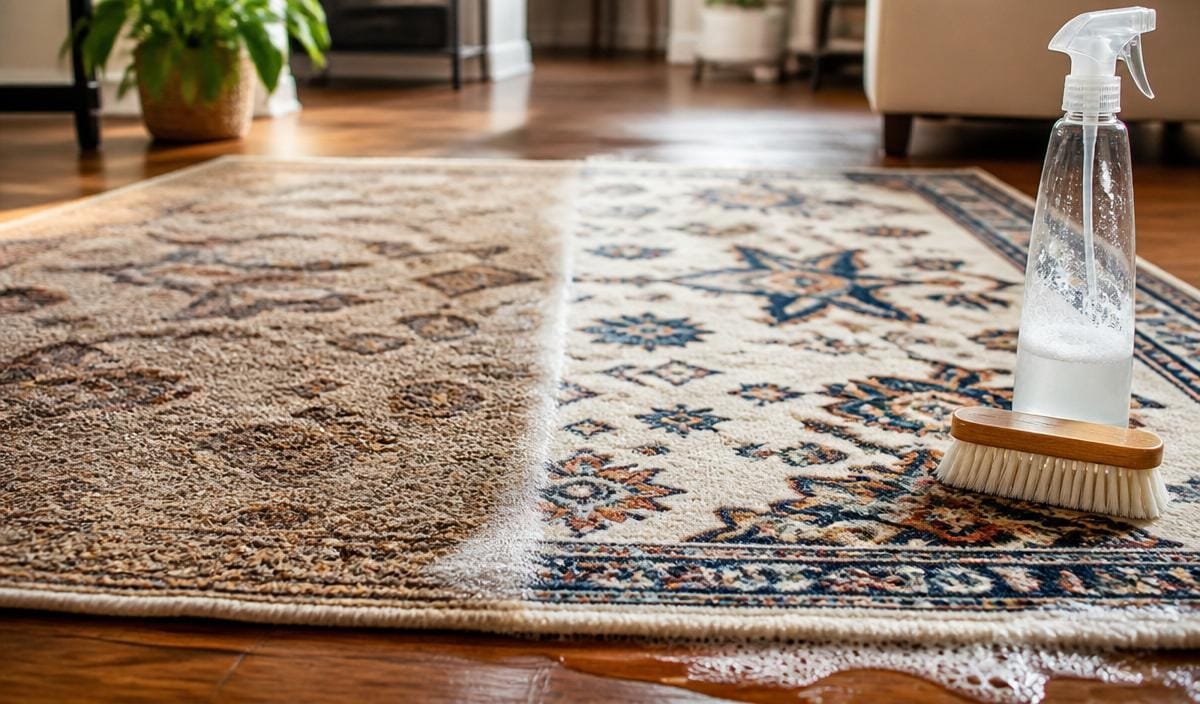
- Soft-bristle horsehair brushes or microfiber sponges apply shampoo without fuzzing the delicate yarn tips.
- Liquid dish soaps or specialized wool washes maintain a proper pH balance during application.
- Plain white cotton towels or wet-dry shop vacuums extract excess dirty water rapidly from the pile.
An experienced cleaner always performs a colorfastness test before wetting a large surface area. Blot a hidden corner of the textile with a wet white cloth soaked in your prepared cleaning solution for sixty seconds. If any dye transfers onto the cloth, the rug will bleed during washing, meaning it requires professional dry-cleaning rather than a DIY wet wash. Homeowners frequently use products like Dawn dish soap mixed with lukewarm water in a bucket, which works well for standard synthetic options.
Deep Cleaning Synthetic and Washable Rugs
Synthetic floor coverings handle liquid saturation much better than natural options. Brands like Ruggable make popular two-piece systems specifically designed for regular machine cycles, making them ideal for households with pets or young children. Standard synthetic options from West Elm or Pottery Barn require manual extraction but still wash clean with basic home tools.
Vacuuming the Reverse Side
- Turn the textile completely face down on a clean floor.
- Run the vacuum cleaner with the rotating beater bar turned on across the entire backing.
- Flip the textile back over to vacuum up the loosened dirt particles that fell out of the pile.
Applying the Cleaning Solution
- Mix two tablespoons of mild liquid soap into a gallon of warm water.
- Dip a soft scrub brush into the soapy water and work it into the pile using circular motions.
- Focus extra attention on high-traffic pathways where footprints leave visible gray paths.
Rinsing and Extracting Water
- Spray the entire surface with clean water using a garden hose or a clean bucket.
- Squeegee the water out in the direction of the pile using a clean window squeegee or a wet-dry vacuum.
- Continue rinsing until the extracted water runs completely clear of soap bubbles.
When managing a standard synthetic runner from IKEA, a homeowner can complete this entire process on a patio or bathroom tile floor within one hour during the summer. Removing all soap residue is critical, as dried soap acts like a magnet for airborne dust, causing the fibers to stiffen and soil again within weeks.
Handling Delicate Wool and Natural Fiber Weaves
Wool possesses natural lanolin oils that repel liquid stains initially, but over time, dry soil grinds into the fibers like sandpaper. Plant-based materials like jute cannot handle wet shampooing at all without shrinking, curling at the edges, and turning brown from cellulosic browning.
- Use cold water exclusively when washing wool to prevent the fibers from shrinking or matting together.
- Choose a dedicated wool-safe detergent with a neutral pH to protect the natural protein structure of the yarn.
- Avoid scrubbing vigorously with stiff plastic brushes, which creates permanent fraying and fuzzy yarn textures.
- Use dry cleaning powder compounds for jute or sisal options to absorb grease without using water.
A classic example involves a collector restoring a hand-knotted Persian wool rug from the 1990s. Instead of saturating the piece, the restorer used a highly diluted wool-safe shampoo, applying only the foam with a damp sponge to minimize moisture exposure. For dry plant fibers like an organically dyed jute rug from Safavieh, baking soda or specialized cellulose cleaning powders work best to lift oils without altering the shape of the weave.
Drying Techniques and Avoiding Common Structural Pitfalls
Improper drying causes more permanent rug damage than incorrect washing. Mold and mildew spores thrive in damp textile fibers within twenty-four to forty-eight hours, creating health risks and ruining the foundation of the item.
- Elevate the damp textile off the ground using sawhorses or sturdy chairs to maximize air circulation underneath.
- Place multiple residential floor fans around the drying area to force continuous air across the damp surface.
- Run a dehumidifier in closed indoor rooms to pull moisture out of the surrounding air quickly.
- Avoid hanging delicate pieces in direct, intense sunlight for extended periods, as UV rays fade natural dyes.
Consider a situation where an amateur cleaner washed a heavy cotton shag rug and left it flat on a laminate wood floor to dry. The trapped moisture warped the floorboards underneath and rotted the cotton foundation of the rug within two days. Elevating the piece and using high-velocity fans dries the material within twelve hours, preserving both the flooring and the textile fibers perfectly.
Wrap Up
Cleaning area rugs at home keeps your living spaces sanitary and extends the lifespan of your interior decor investments. Always identify the fiber material, run a colorfastness test, and ensure rapid drying to avoid structural issues or color bleeding. With the right tools and patience, you can achieve professional-level results at a fraction of the cost of commercial cleaning services.
FAQs Section
How often should I deep clean my area rugs at home?
High-traffic family rooms and entryways generally require a thorough deep clean once every twelve to eighteen months. Low-traffic spaces like formal dining rooms or guest bedrooms can go three to five years between deep washes if you vacuum them weekly.
Can I use a carpet steam cleaner on a wool area rug?
Avoid using hot steam cleaners on wool because high temperatures and moisture cause protein fibers to shrink and lose their natural shape. Use lukewarm or cold water extraction methods with wool-approved detergents instead to protect the delicate yarns.
How do I get stubborn pet urine odors out of a thick rug?
Apply an enzymatic cleaner specifically formulated for pet accidents directly to the affected spot before washing the entire item. The enzymes break down the uric acid crystals permanently, preventing the smell from returning during humid summer months.