
TL;DR
Rug size depends on the room, the furniture arrangement, and how much floor you want visible around the edges. A living room usually needs an 8×10 or 9×12, a dining table calls for a rug that extends 24 inches past the chairs, and bedrooms work best with runners or a 6×9 tucked under the bed frame.
Introduction
Ever bought a rug that looked perfect online and then felt awkward once it landed on your floor? That gap between screen and living room is one of the most common furniture mistakes people make, and rug size sits at the center of it. This piece breaks down real dimensions, room-by-room logic, and the small measurement habits that separate a room that feels finished from one that feels off. By the end, you will know exactly what tape measure numbers to bring to Ruggable, West Elm, or your local rug shop.
Living Room Rug Sizes and Furniture Grouping
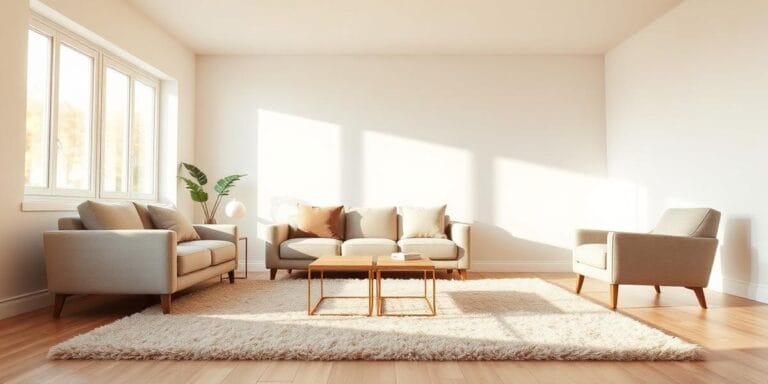
A living room rug has one job: pull the seating group together instead of leaving it floating in the middle of the room. Getting this wrong is the single biggest reason living rooms feel disjointed even when the furniture itself is nice.
- 8×10 works for most living rooms with a standard three-piece sofa set
- 9×12 suits larger rooms, open floor plans, or sectionals with a chaise
- 5×8 fits small apartments or a single love seat and chair combo
- All four legs of every sofa should rest on the rug, or at minimum the two front legs
A Chicago-based interior stylist named Marta Coyle, who has furnished over 200 rental units, often tells clients that a rug pulled too small makes a 400-square-foot room look 250 square feet. That’s not an exaggeration. Pottery Barn’s own sizing guide echoes the same math: leave 10 to 20 inches of bare floor between the rug edge and the wall in most standard rooms.
Sectional and Open-Concept Layouts
Sectionals throw off standard sizing charts because the L-shape eats floor space unevenly. In these layouts, an 10×14 or a custom-cut rug from a company like FLOR often fits better than a boxed standard size, since the chaise section needs its own coverage without leaving the opposite armrest stranded on bare wood.
Dining Room Rug Dimensions That Actually Work
Dining rooms punish bad rug sizing faster than any other space, mostly because chairs get pulled out and pushed back dozens of times a week. If the rug is too small, the back chair legs catch the edge every single time.
- Measure your table length and width first, then add 24 inches on every side
- A standard 6-seat table (around 60×38 inches) usually needs an 8×10 rug
- A 4-seat round table works with a 6×9 or an 8-foot round rug
- Choose a low-pile or flatweave material so chairs slide smoothly
Julia Renner, who runs a small dining furniture showroom outside Austin, says the 24-inch buffer rule solves 90 percent of the complaints she gets about “rugs that bunch up.” IKEA’s product pages for dining rugs use nearly identical spacing guidance, which tells you this isn’t a stylistic opinion so much as a functional standard.
Bedroom Rug Placement and Sizing by Bed Type
Bedrooms have more flexibility than people assume, partly because the bed itself covers a huge portion of the floor already. The rug’s real job here is softening the cold floor next to where feet land first thing in the morning.
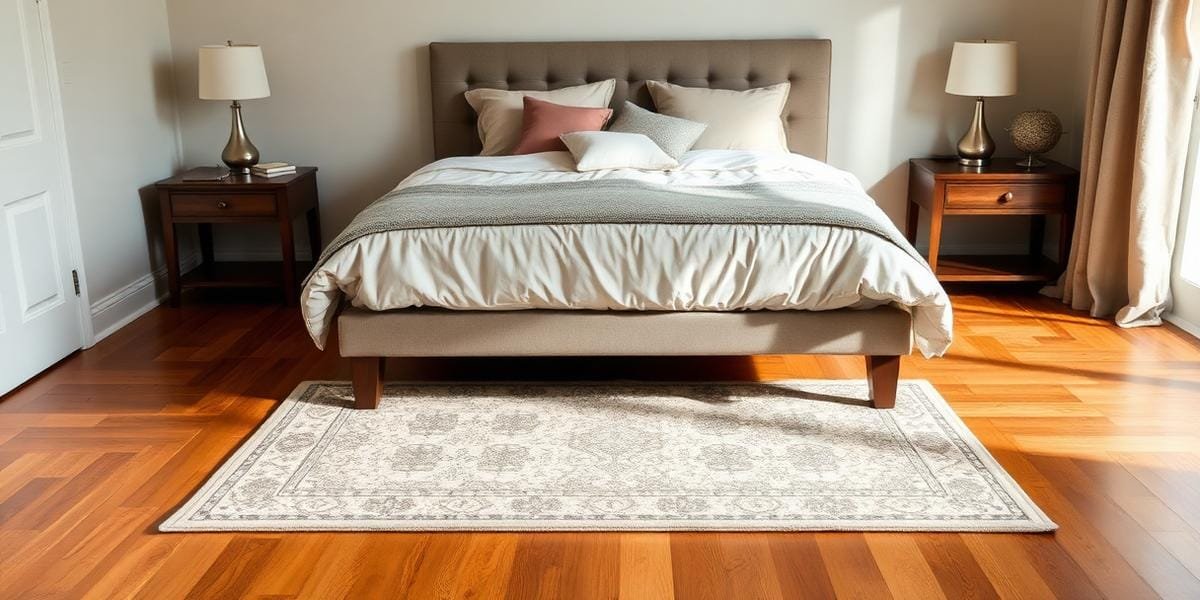
- Queen and king beds: an 8×10 or 9×12 placed so it extends 18 to 24 inches beyond each side
- Twin and full beds: a 5×8 or 6×9 centered under the foot of the bed
- Two runners, roughly 2×6 each, placed along both sides of the bed as an alternative to one large rug
- Nightstands can sit on or off the rug depending on how much of the frame you want covered
A design writer for a Minneapolis-based home blog once admitted to buying a 5×7 for her king bed and regretting it within a week, since the rug barely peeked out from under the mattress on either side. She replaced it with an 8×10 and said the room finally felt proportioned. That kind of trial-and-error mistake shows up constantly in home renovation forums, and it usually traces back to skipping the tape measure step.
Entryway and Hallway Rug Sizes
Entryways and hallways get less attention in most sizing guides, yet they see more foot traffic per square foot than almost any other space in the house.
- Standard entryways: 3×5 works for narrow foyers, 4×6 for wider ones
- Hallways: runners between 2.5 and 3 feet wide, cut to fit the hallway length minus 6 inches on each end
- Materials matter more here than size; jute and low-pile wool hold up better against daily shoe traffic than plush styles
- Consider a washable option from Ruggable if the entryway sits near a mudroom or a pet’s main path in and out
How to Measure Your Room Before Buying
Skipping this step is the single most common reason people end up returning rugs. A tape measure and ten minutes will save a return shipping fee later.
- Measure the full furniture footprint, not just the open floor space
- Use painter’s tape on the floor to outline the exact rug dimensions before ordering
- Photograph the taped outline from a standing height to judge proportion
- Account for doorways and traffic paths so the rug edge doesn’t sit directly under a swinging door
Wrap Up
Rug size isn’t a matter of taste as much as it is a matter of measurement, furniture footprint, and the practical reality of foot traffic. A living room wants its seating grouped and anchored, a dining table needs 24 inches of breathing room past the chairs, and a bedroom benefits from a rug that frames the bed rather than shrinking under it. Measure first, tape it out on the floor, and the right size becomes obvious before you ever click buy.
FAQs
What size rug do I need for a 12×12 room?
A 9×12 rug generally works best, leaving about 18 inches of bare floor along each wall for a balanced look.
Should a rug go under the whole bed or just partially?
Partially is standard for larger beds; the rug should extend 18 to 24 inches past the sides and foot of the bed rather than sitting fully underneath.
What is the most popular area rug size for living rooms?
The 8×10 is the most commonly purchased size for living rooms, since it fits most standard sofa and loveseat arrangements without overwhelming smaller spaces.