

TL;DR
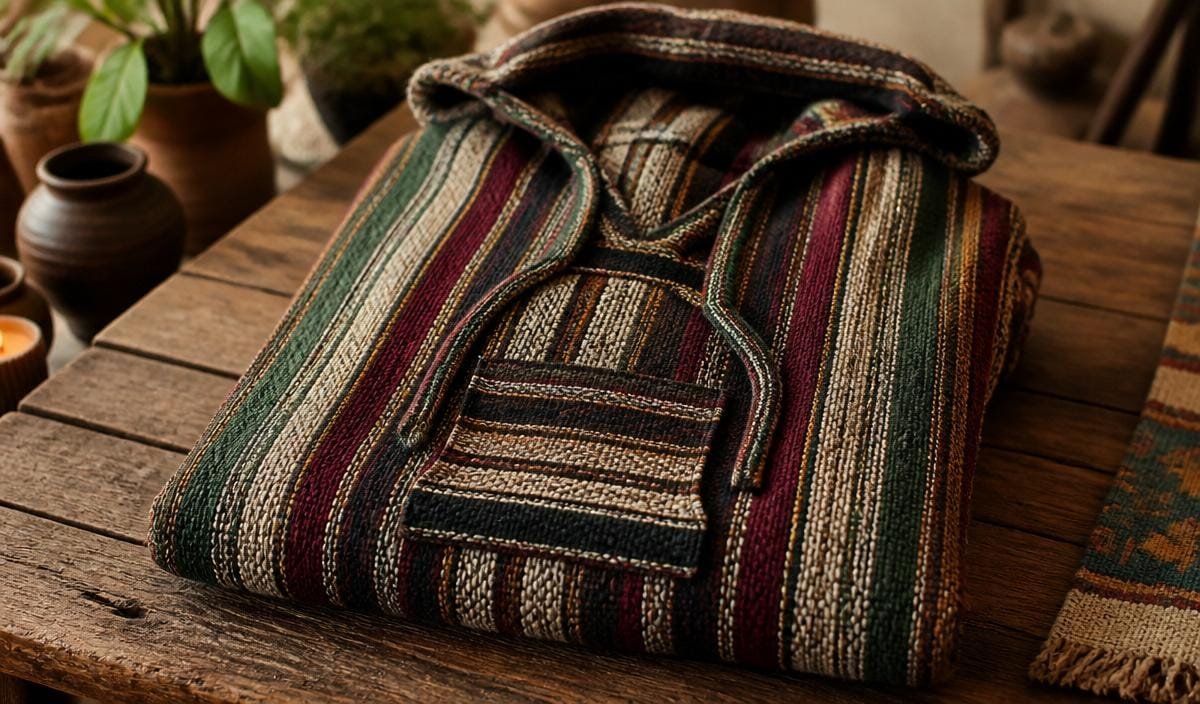
The term refers to a loose-fitting woven pullover formally called a Baja hoodie or jerga jacket. Originating in Mexico, these striped garments became staple wear for California surfers during the 1970s due to their warmth and durability. Over time, the casual design earned its counterculture nickname while evolving into a mainstream casual fashion asset.
Introduction
Why does a traditional Mexican woven jacket carry such a striking subcultural nickname in American fashion? The distinctive striped pullover represents a fascinating intersection of coastal utility, indigenous textile craft, and youth style shifts. Readers will discover the structural properties of these garments, their historical timeline from coastal Mexico to global retail shelves, and the practical reasons behind their lasting comfort. Shaking off old stereotypes reveals a highly functional piece of casual outerwear with deep historical roots.
The Cultural Origin of the Baja Hoodie
Mexican artisans originally crafted these thick knit pullovers using traditional wooden handlooms, creating a heavy fabric known locally as jerga. For centuries, communities across Central and South America relied on similar coarse woven textiles for durable work blankets and warm capes. The specific hooded pattern emerged as a regional utility garment in coastal towns along the Baja California peninsula, designed to withstand cool ocean winds and rough outdoor labor.
California surfers visiting remote breaks like Ensenada and San Felipe during the early 1970s noticed these rugged, affordable pullovers. The travelers bought them in local markets as functional beachwear to dry off and warm up after long hours in the chilly Pacific surf. When these athletes returned to Southern California towns like San Diego and Malibu, they brought the jackets with them, unintentionally launching a massive cross-border fashion movement.
The 1970s Surf Transit
The coastal youth culture of the era prized unpretentious, durable clothing that resisted saltwater damage and sand abrasion. As the style gained traction outside of surf communities, it integrated into the broader American music festival scene and outdoor counterculture gatherings. The relaxed fit and affordable price made the pullovers highly popular among youth groups who actively rejected the polished, synthetic fashion trends of corporate department stores.
The 1990s Suburbia Expansion
Two decades after its initial introduction to the American coast, the garment experienced a massive revival across mainstream suburban high schools and college campuses. Television programs featured characters wearing the casual pullover to signal a laid-back, artistic, or rebellious personality profile. This media exposure transformed a regional piece of Mexican surf utility wear into a standardized global wardrobe choice for young adults seeking daily comfort.
Raw Materials and Textile Construction
Standard manufacturing processes for these pullovers rely on a unique blend of recycled materials, spinning factory scraps into durable new textiles. Modern production houses collect pre-consumer industrial waste cotton, acrylic fibers, and polyester threads to create the characteristic coarse yarn. This specific combination gives the fabric its excellent thermal properties, allowing body heat to stay trapped while letting air circulate naturally through the loose weave.
Many consumers assume these garments consist entirely of natural hemp fibers due to their earthy texture and historical associations. While some premium boutique brands manufacture pure hemp or organic linen versions, the vast majority of historical and modern jackets utilize the recycled cotton-synthetic blend. This material choice ensures the garment remains highly resistant to shrinking, fading, and stretching over years of machine washing.
The Weaving Process
Industrial and artisan weavers arrange the thick yarns in repeating vertical and horizontal color blocks to produce the iconic striped pattern. The interior of the fabric undergoes a mechanical brushing process that raises the loose fiber ends, creating a soft, fleece-like lining against the skin. This contrast between a rugged, wind-resistant exterior and a plush interior serves as the primary structural benefit of the classic jerga weave.
Physical Measurements and Fit
The traditional pattern features an oversized silhouette with a wide hood, a large front kangaroo pouch pocket, and side vents at the lower hem. Manufacturers cut the sleeves wide to facilitate easy layering over t-shirts, flannels, or wetsuits without restricting shoulder mobility. A standard medium jacket weighs roughly 650 grams, providing substantial physical substance and weather protection without feeling excessively restrictive or heavy during active outdoor use.
Evolution Across Retail Markets and Brands
Massive shifting occurred as the independent street style caught the attention of global apparel brands and commercial fashion retailers. Dedicated manufacturers like Baja Joe and Earth Ragz standardized the sizing and material consistency, distributing the jackets to surf shops and campus bookstores nationwide. These brands preserved the traditional recycled fiber matrix while refining the dye processes to offer an expanded palette of color combinations.
High-end fashion designers eventually adopted the silhouette, presenting luxury interpretations on international runways in Paris and New York. Premium labels replaced the coarse recycled blends with expensive materials like brushed cashmere, merino wool, and long-staple Egyptian cotton. These upscale versions repositioned the historic counterculture pullover into a luxury lounge item, commanding prices far beyond the original marketplace cost.
Commercial Brand Adaptations
Home decor and lifestyle companies often study the success of these textile patterns when designing modern consumer goods. Major home retailers like IKEA and West Elm frequently introduce geometric, multi-colored woven throws that mimic the rustic texture of traditional jergas. Similarly, washable rug innovators like Ruggable utilize flat-woven synthetic blends to capture the same casual, durable aesthetic for high-traffic household spaces.
Regional Price Points
The economic profile of the garment spans a wide spectrum depending on the point of origin, materials, and retail branding. Authentic pieces purchased directly from artisan markets in places like Oaxaca or Tijuana typically cost between fifteen and thirty dollars. Commercial retail versions from established beachside brands hover around forty to sixty dollars, while designer luxury iterations can easily exceed several hundred dollars.
Modern Styling and Misconceptions
The persistent association between the pullover and specific counterculture subcultures stems from its widespread adoption during historical social movements. Because the garment became a common sight at music festivals and skate parks, observers applied the casual nickname based on visual stereotypes rather than the item’s true origin. Modern fashion analysis emphasizes that the garment functions purely as a piece of practical casual wear rather than a cultural statement.
Contemporary enthusiasts style the pullover by pairing its busy, textured pattern with clean, minimalist wardrobe staples. Fashion editors recommend matching the striped top with dark denim, solid canvas trousers, or technical outdoor gear to balance the visual weight. The jacket remains exceptionally popular for autumn beach bonfires, spring camping trips, and casual weekend errands due to its reliable warmth and unpretentious appearance.
Wardrobe Integration Scenarios
An excellent example of modern utility occurs in Pacific Northwest coastal communities, where damp, breezy conditions demand versatile layering options. Field analysts note that outdoor workers and students frequently rely on the breathable weave to stay comfortable during rapid temperature shifts. The large front pocket provides instant storage for tools, smartphones, or keys, making it a highly practical asset for daily hands-on tasks.
Longevity and Maintenance
Proper care ensures the woven fabric maintains its structural integrity and structural density for decades. Owners should wash the pullover in cold water on a gentle cycle to prevent the loose weave from catching on zippers or buttons from other garments. Air drying on a flat surface preserves the shape of the hood and prevents the recycled cotton fibers from tightening excessively in high heat.
Wrap Up
The journey of the Baja hoodie highlights how a regional Mexican work garment became a permanent fixture in global casual fashion. Its unique recycled fiber construction and distinctive striped pattern deliver exceptional thermal comfort and durability across diverse outdoor environments. By appreciating the genuine craftsmanship and surf history behind the pullover, style enthusiasts can enjoy a timeless piece of functional outerwear.
FAQs Section
Why do people call Baja hoodies drug rugs?
The nickname originated in the 1970s when California surfers and counterculture youth groups adopted the affordable Mexican pullovers as their signature wear at music festivals and beach gatherings. This close association with alternative lifestyle movements led to the lasting subcultural slang term.
What materials are traditionally used to make a Baja jacket?
Classic Baja jackets feature a durable, breathable blend of recycled cotton, acrylic fibers, and polyester woven together on traditional or industrial looms. The interior undergoes a mechanical brushing process to create a soft, comfortable fleece texture against the body.
How should I wash a woven Baja hoodie to prevent damage?
To maintain the shape and texture of the woven fibers, wash the hoodie in cold water on a gentle cycle with similar soft garments. Avoid machine drying, and instead lay the pullover flat on a clean towel to dry naturally without stretching the fabric.