

TL;DR
Grounded interiors rely on raw, tactile materials and low-impact mineral pigments to build visual depth. Incorporating untreated woods, unrefined linens, and clay surfaces establishes an environment connected to the natural landscape. Prioritizing these textures over synthetic finishes ensures longevity and timeless appeal.
Introduction
Why do modern spaces often feel cold despite costing thousands of dollars to furnish? The answer lies in the absence of tactile variation and organic depth. This article outlines specific design strategies to introduce warmth and texture back into residential interiors. Readers will gain clear insights into choosing sustainable materials, mixing mineral tones, and arranging furniture to create an inviting atmosphere.
1 Brick Tones and Raw Jute in Living Spaces
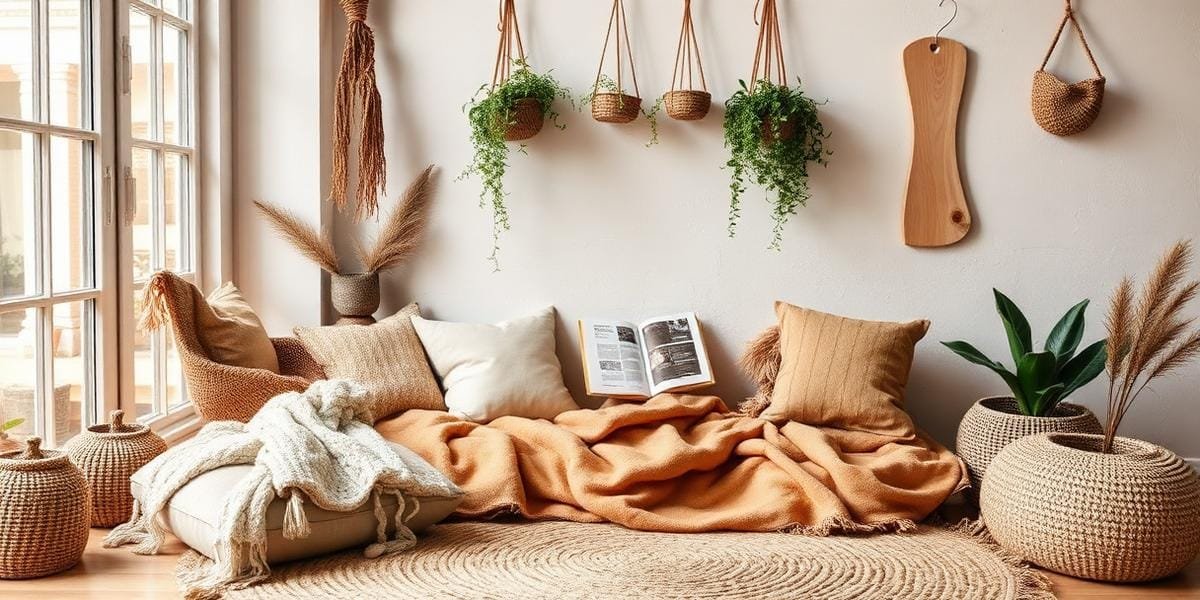
Living rooms require a balance of durability and comfort. Incorporating heavy-woven textiles alongside unbaked clay elements provides a structural baseline that instantly changes the energy of a room. Designers frequently use these elements to anchor large seating areas.
- Natural fiber floor coverings like jute or sisal provide a coarse base layer that handles high foot traffic without degrading.
- Slaked lime wall washes create a velvety finish that shifts under natural sunlight throughout the day.
- Solid oak accent tables featuring visible growth rings and live edges connect modern layouts to natural elements.
During a residential redesign in Santa Fe, interior stylist Marcus Thorne replaced a glossy white lacquer coffee table with a solid white-oak piece from West Elm priced at 850 dollars. He paired this with a large olive-green flatweave area rug from Ruggable to ground the exposed seating arrangement. The change immediately reduced glare from the large south-facing windows and softened the room acoustics.
Incorporating Terracotta and Ocher Accents
Adding mineral tones requires precision to avoid a cluttered aesthetic. Incorporate ocher throw blankets and raw terracotta planters on low ledges. These tones catch evening light beautifully and complement dark walnut or charcoal structural elements.
Balancing Heavy Textures with Negative Space
Heavy textures can overwhelm small rooms if packed too tightly. Leave breathing room around large jute rugs and avoid over-decorating fireplace mantels. Clean wall spaces allow the variations in lime wash paint to stand out.
2 Ochres and Unlacquered Metals for Kitchens
Kitchens often suffer from an excess of cold, non-porous surfaces like polished quartz and stainless steel. Shifting toward organic tones introduces a culinary heritage feel that makes the heart of the home look lived-in and functional.
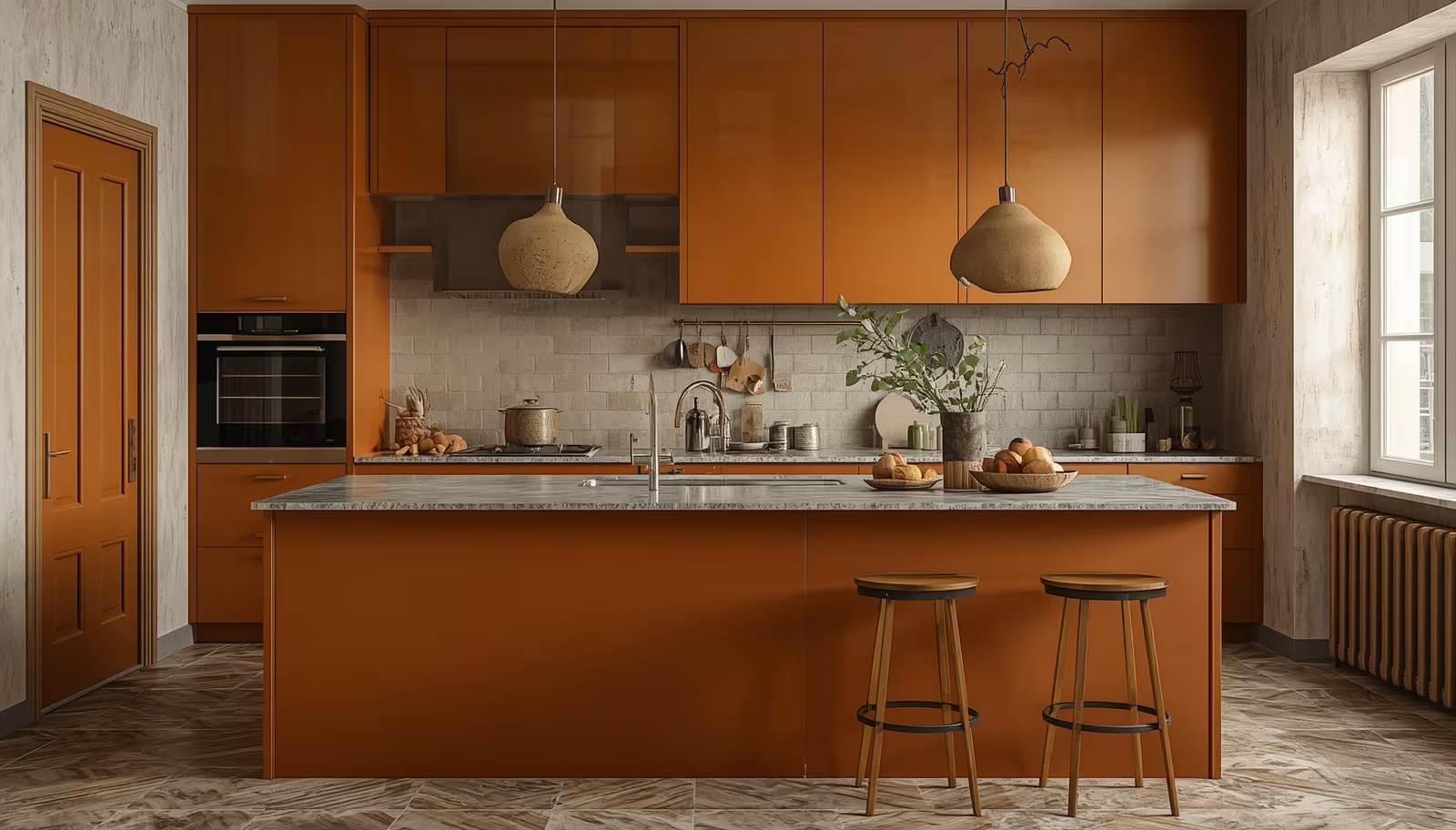
- Solid walnut cabinetry paired with open shelving allows daily tableware to become part of the visual design.
- Unlacquered brass plumbing fixtures develop a natural patina over time through daily contact with water and oils.
- Hand-molded zellige tiles create a rippled backsplash that reflects light unevenly, avoiding a sterile appearance.
A project in Portland, Oregon, demonstrated this shift when a family kitchen underwent a surface remodel. The owners removed a gray subway tile backsplash and installed Moroccan zellige tiles in a soft biscuit shade, costing 32 dollars per square foot. They replaced chrome hardware with unlacquered brass pulls from Rejuvenation, which aged to a deep bronze within six months of constant use.
3 Clay Plaster Hoods and Stone Sinks
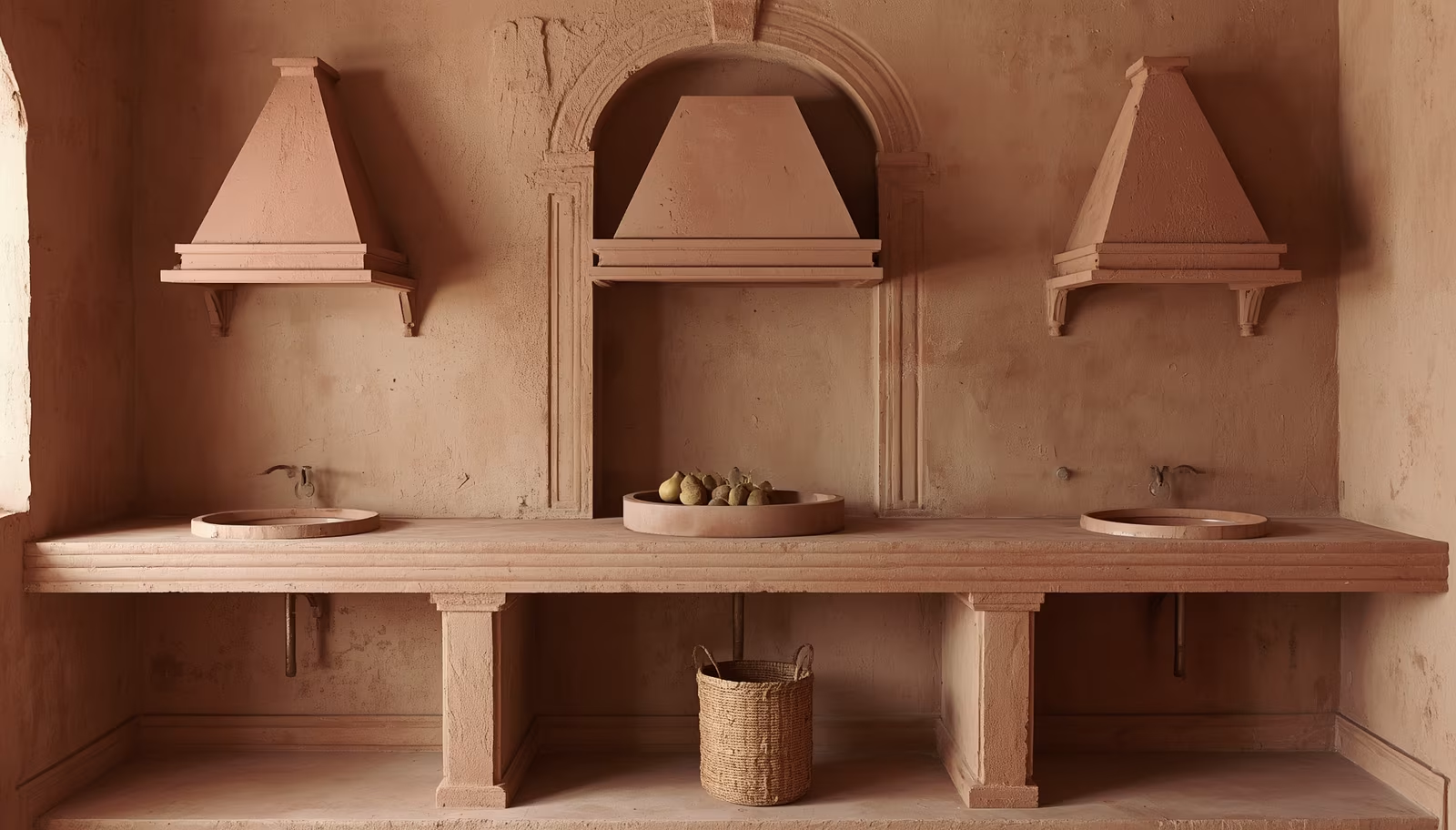
Range hoods covered in tinted clay plaster remove the harsh industrial look of stainless steel ventilation units. Combine this finish with a deep farmhouse sink carved from a single block of honed soapstone. The dark soapy texture resists stains while providing a soft contrast to warm cabinetry.
Selecting Sustainable Wood Gradations
Avoid using matching wood stains on every kitchen surface. Mix a light white oak island with perimeter cabinets finished in a muted chestnut stain to give the kitchen an evolved look. This contrast mimics the varied tones found in natural forests.
4 Flax Linens and Sage Tones for Bedrooms
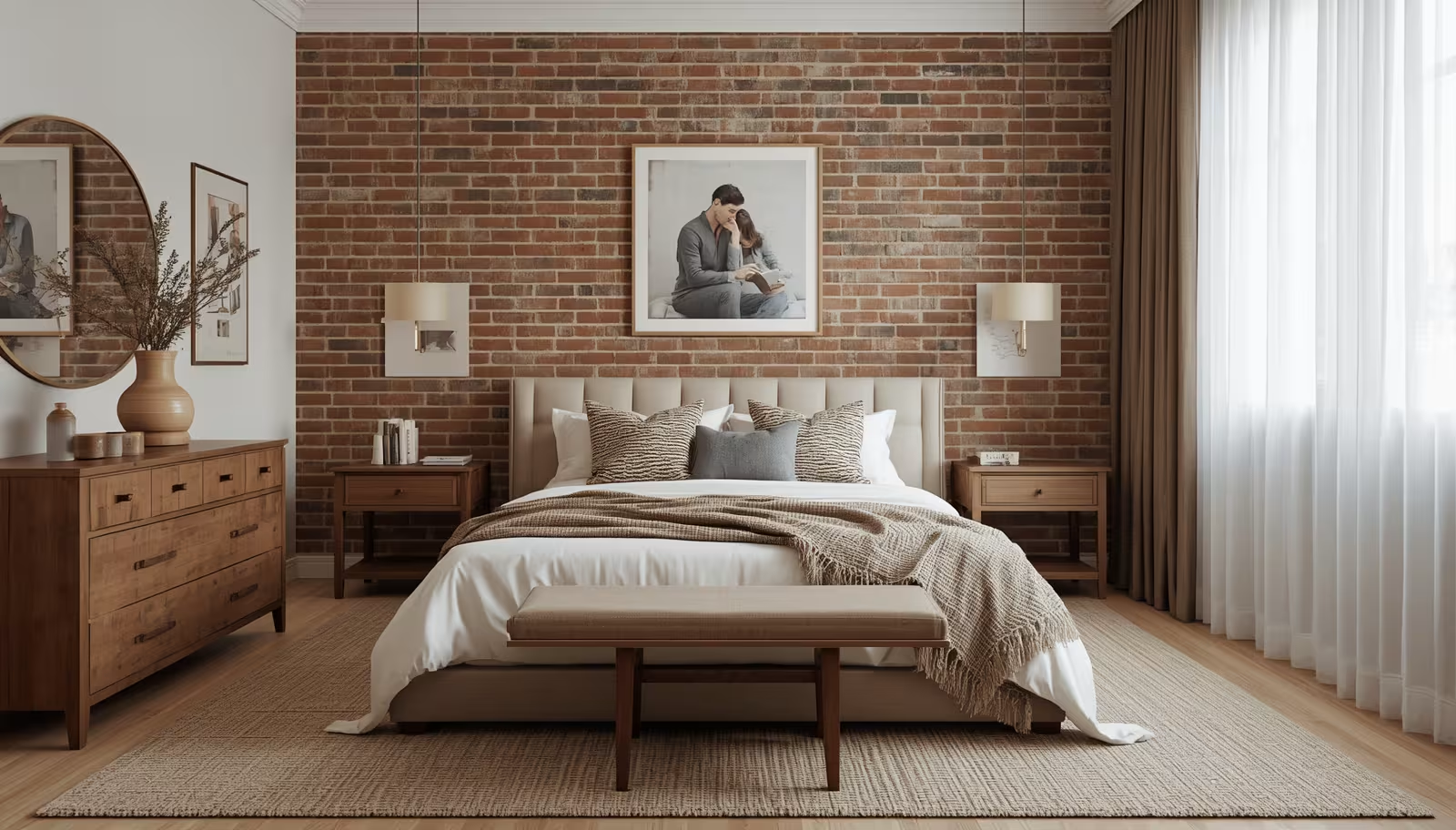
Bedrooms should serve as quiet sanctuaries free from visual noise and synthetic textiles. Prioritizing breathable, organic fabrics in muted green and soil tones establishes a direct link to rest and recovery.
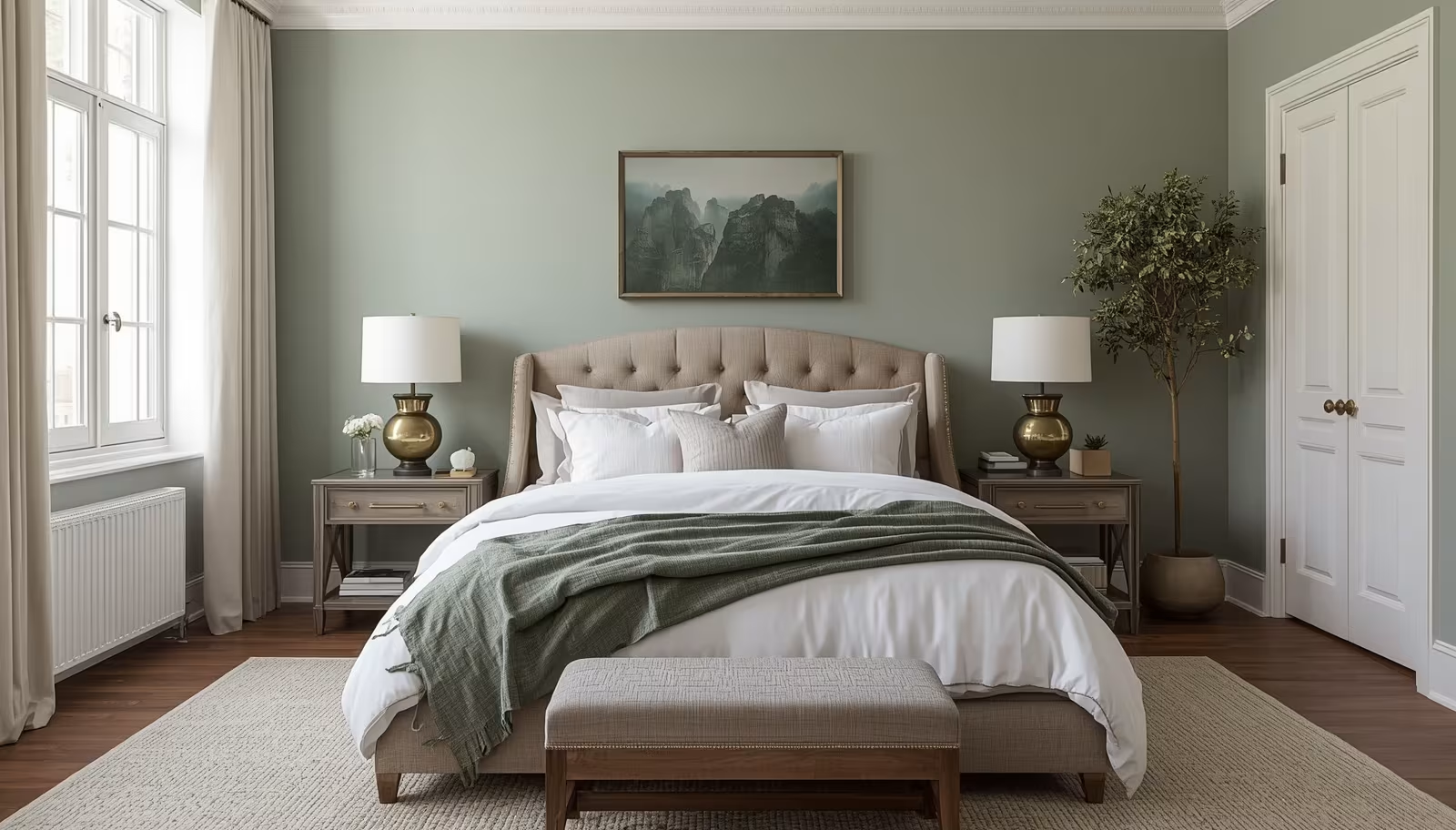
- Pure flax linen bedding in oatmeal or sage green regulates body temperature better than polyester blends.
- Low-VOC clay-based paints eliminate chemical off-gassing while providing a dead-flat finish that absorbs light.
- Woven cane headboards add structural lightness and physical airflow behind pillows and bedding layers.
In 2025, an editorial showcase in Chicago highlighted a bedroom designed by Elena Rostova that utilized an IKEA Björksnäs birch bed frame modified with a custom headboard wrap. Rostova layered Belgium flax linen sheets from Pottery Barn with a heavy quilted coverlet in a deep moss tone. The space achieved a high score on relaxation scales used by the testing home layout firm because it minimized synthetic shine.
5 Suede Finishes and Low-Profile Seating
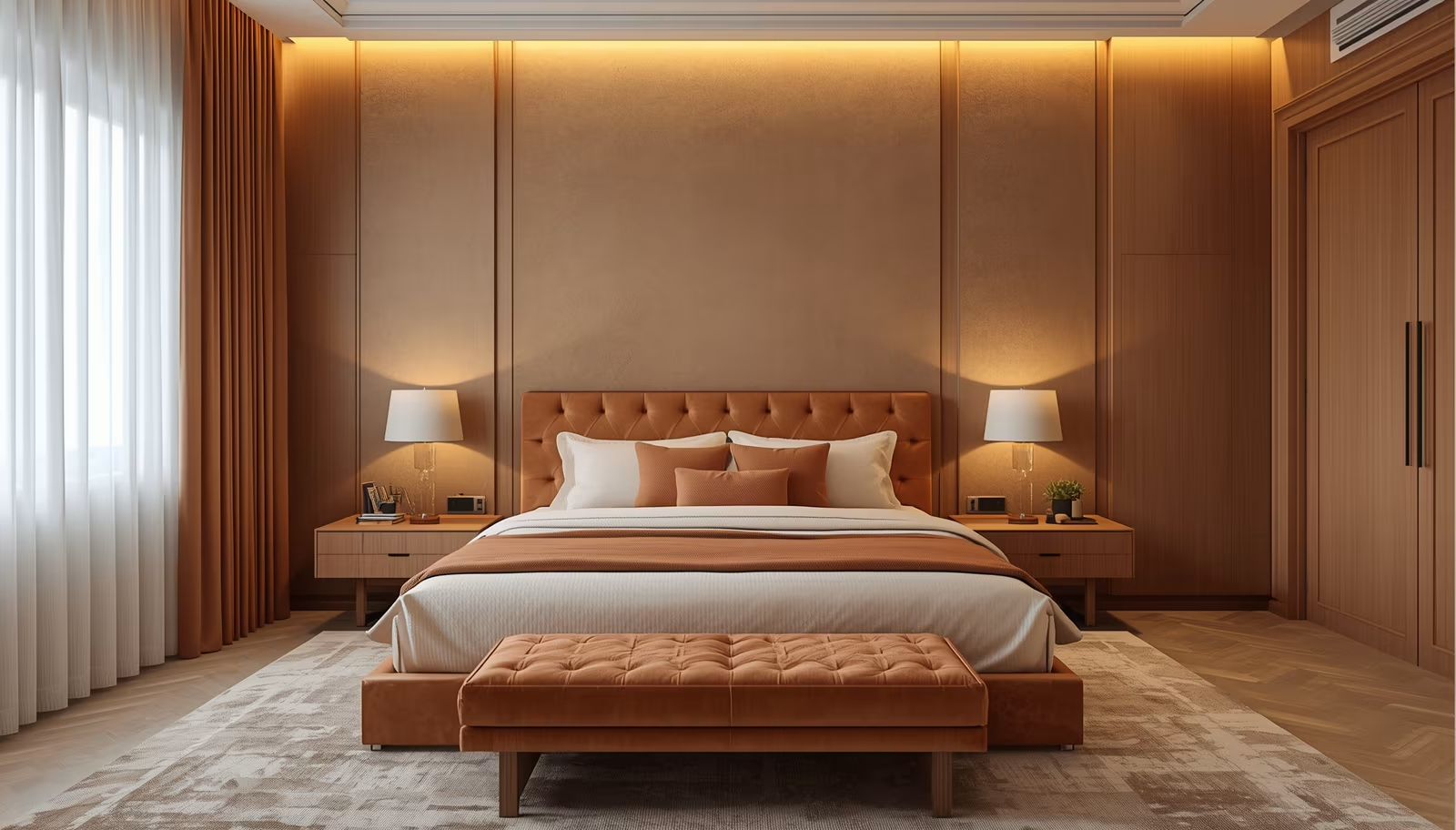
Introducing low-profile accent chairs upholstered in tan suede provides a soft reading corner. Low seating alters the perspective of a bedroom, making ceilings appear taller and more spacious.
Managing Light and Shadow with Organic Drapes
Hang unlined linen drapery from black iron rods positioned right at the ceiling line. The fabric filters incoming daylight into a soft glow while keeping the window architecture visible. This prevents the room from feeling completely blacked out during daylight hours.
6 Travertine and Matte Ceramics for Bathrooms
Bathrooms require moisture resistance, but this does not mean they must resemble a sterile medical clinic. Using porous stone lookalinks and unpolished ceramics creates an upscale spa atmosphere within standard residential footprints.
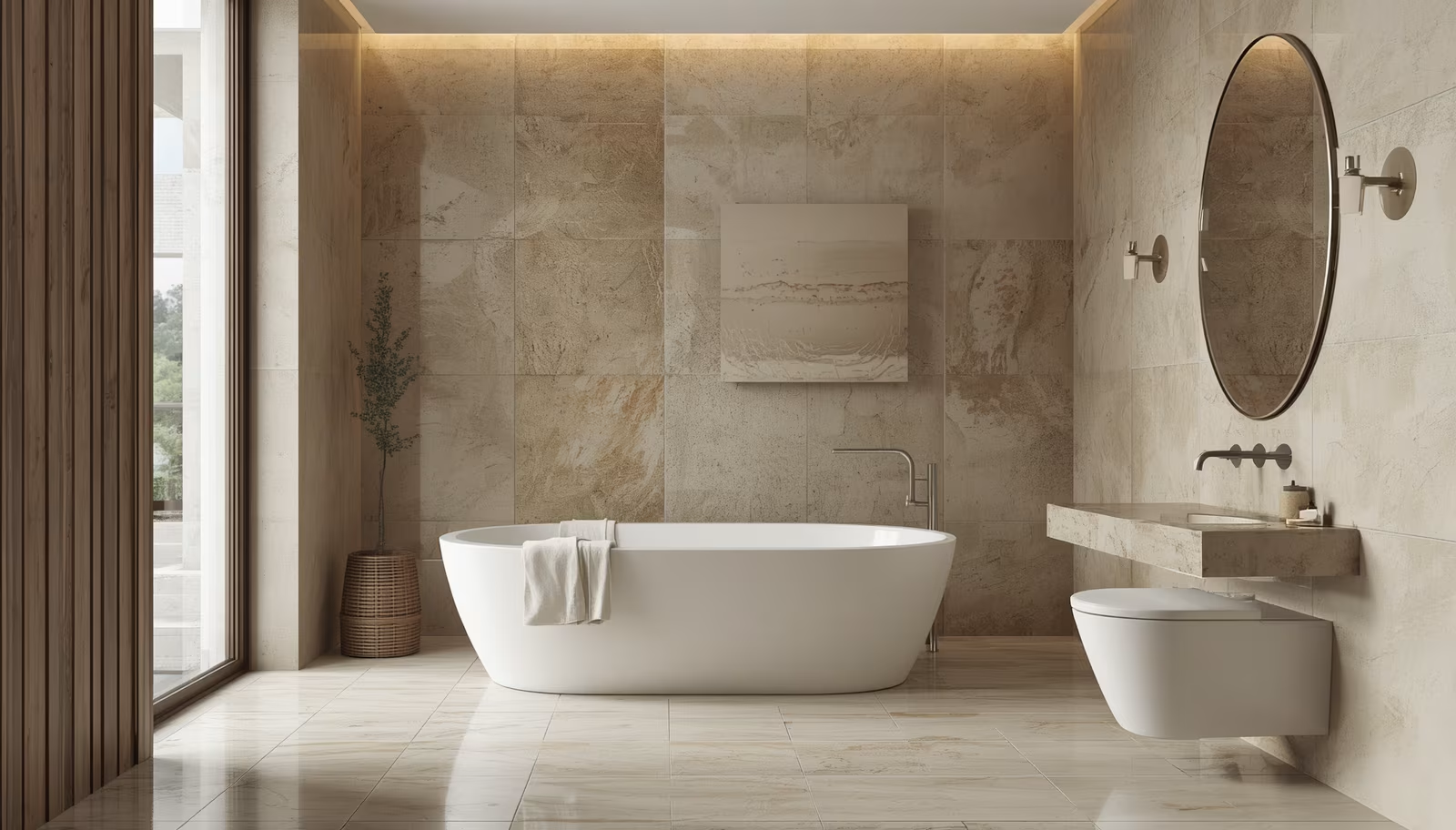
- Tumbled travertine flooring offers a non-slip surface that naturally retains warmth when paired with radiant heating.
- Hand-thrown ceramic canisters hold daily necessities while displaying the unique marks of the artisan potter.
- Matte charcoal iron frames on mirrors anchor soft sandstone walls and bring visual structure to vanity areas.
An apartment renovation in San Diego utilized these exact materials to fix a cramped guest bathroom. The designer installed a floating vanity crafted from salvaged cedar planks and topped it with a cream travertine vessel sink valued at 450 dollars. The change turned a standard five-by-eight foot bathroom into a memorable space that feels grounded and costly.
7 Woven Baskets and Willow Storage
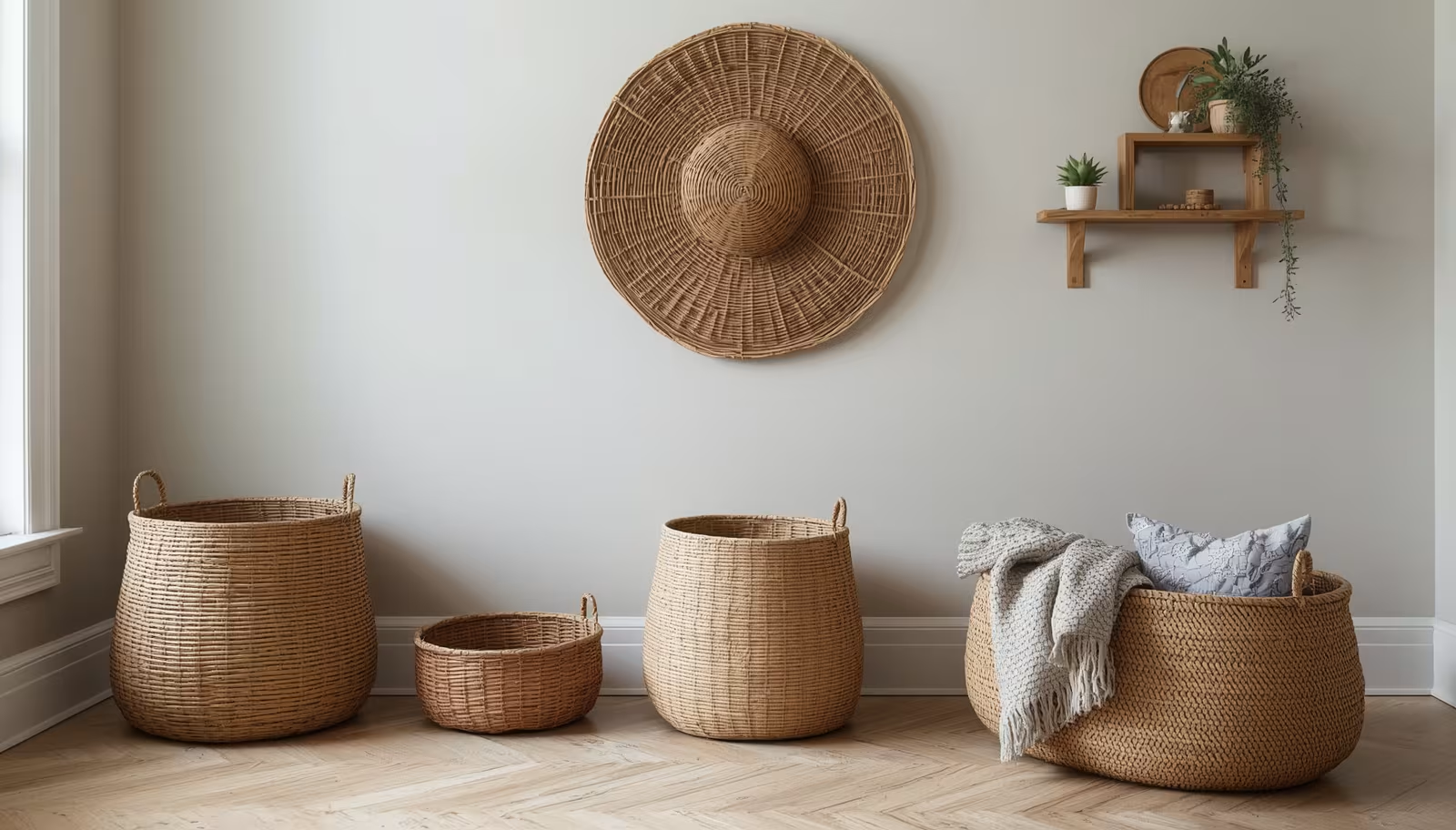
Hide plastic bottles and laundry behind substantial willow baskets or woven seagrass hampers. These functional storage pieces add a sculptural quality to corners while allowing air circulation for damp towels.
Integrating Botanical Accents Responsibly
Avoid artificial plastic plants that collect dust and emit chemical odors. Choose dried eucalyptus branches or a single live olive topiary in a heavy stoneware pot to provide authentic green notes that complement tan stone surfaces.
Wrap Up
Creating a home with earthy tones and organic textures requires a commitment to authentic materials and thoughtful layout choices. Prioritizing items like unlacquered metals, pure flax linens, and hand-molded ceramics allows spaces to age gracefully over time. Focusing on how materials interact under natural light ensures a successful design that stays beautiful for years to come.
FAQs Section
How do I prevent an earthy-toned room from looking dark or muddy?
Maintain a balance by keeping ceilings crisp with warm white paint and ensuring ample natural light filters through sheer window treatments. Introduce light-coloured textiles like oatmeal linens and cream wool rugs to contrast darker wood or clay elements.
Are organic materials like jute and linen difficult to clean and maintain?
Natural fibres require specific care, such as regular vacuuming without a beater bar for jute rugs and gentle washing for pure flax linens. Their inherent durability means they resist wear and develop an attractive vintage character over years of proper use.
Can I mix different wood species within the same open floor plan?
Mixing wood tones is recommended if you maintain a consistent undertone across the different species. Pair a cool gray-toned ash with white oak, or combine warm walnut with cherry to create a layered look that feels collected over time rather than purchased all at once.
Disclaimer
This content shared by Fall Rugs is solely for research and informational purposes. Fall Rugs is not a professional interior design or home renovation consultancy, and the information provided should not be considered professional advice for home improvement or decor. All ideas and suggestions are based on current trends and general knowledge in the home decor industry.