
TL;DR
Cleaning a brick fireplace takes the right sequence: dry brushing first, then targeted wet cleaning with pH-appropriate solutions, and sealing afterward. Skipping steps or using the wrong acid concentration damages mortar and discolors brick permanently. Match your cleaning method to the stain type, not the other way around.
Introduction
Why does one fireplace look like a showpiece while the neighbor’s identical model looks like a crime scene? The answer is almost never the brick itself. It’s the cleaning history, or lack of one. Brick is porous. Every fire season pushes carbon, creosote, and mineral salts deeper into those tiny cavities, and the longer that buildup sits, the harder it bonds. This guide walks through everything from basic soot removal to tackling the stubborn white mineral deposits called efflorescence, with clear guidance on which products work, which ones quietly eat your mortar, and when a job has crossed into professional territory.
Why Brick Stains the Way It Does
Brick is a fired clay product, typically kiln-baked at temperatures between 900 and 1,200 degrees Celsius. That process creates a dense but microscopically porous surface that absorbs combustion byproducts over time. Inside a working fireplace, you’re dealing with at least three distinct stain categories: carbon-based soot and creosote, mineral-based efflorescence (that chalky white haze), and oxidation staining from metal grates and fireplace doors.
Understanding this matters because a product that dissolves carbon deposits does nothing useful against mineral salts, and vice versa. Trisodium phosphate (TSP), for example, cuts through oily soot effectively but won’t touch efflorescence. A diluted muriatic acid solution handles minerals but can strip iron-based colorants from certain brick types if the concentration is wrong. Getting the diagnosis right before reaching for a cleaner saves the brick and the mortar holding it together.
Creosote is the most aggressive of the three. It’s a byproduct of incomplete wood combustion, and it bonds to porous brick like a resin. Stage 1 creosote is dusty and brushes off relatively easily. Stage 2 looks like a shiny, tar-like coating. Stage 3 is a glazed, hardened deposit that professional chimney sweeps typically address with rotary tools and chemical dissolvers before any water cleaning begins.
Gather the Right Tools Before Touching the Brick
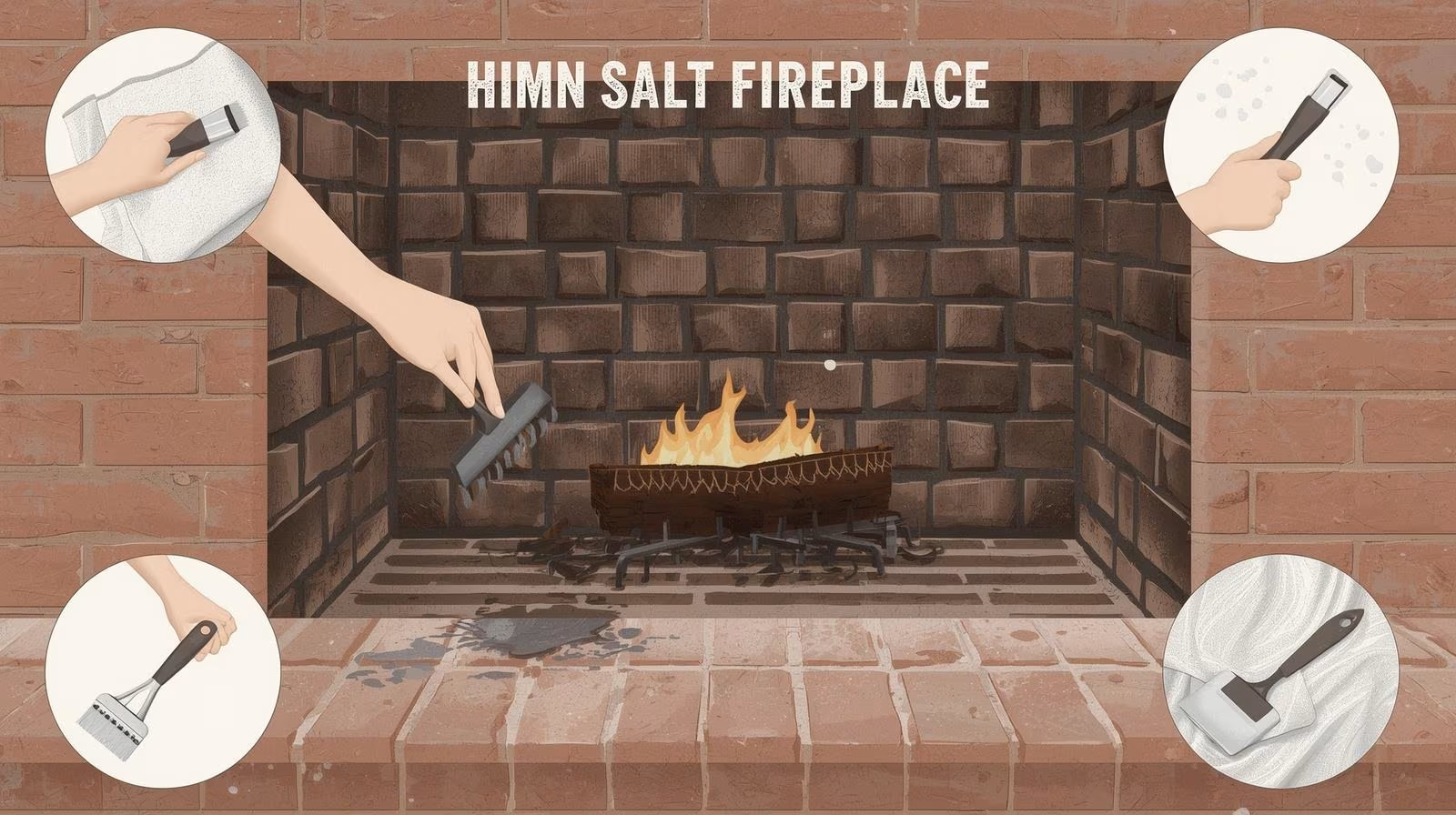
A wire brush, a stiff-bristle nylon scrub brush, protective goggles, rubber gloves, and a drop cloth covering your hearth floor are the non-negotiables. Beyond that, have two buckets ready: one for your cleaning solution and one filled with plain water for rinsing. A pump garden sprayer works well for pre-wetting large surfaces. Avoid pressure washers indoors. The water force pushes moisture deep into brick cavities and behind the firebox wall, where it can delaminate mortar joints over months.

For cleaning agents, most jobs call for one of three options. A basic dish soap and warm water mixture handles light surface soot and is safe for weekly maintenance wipes. TSP powder mixed at roughly 150 grams per 4 liters of water tackles heavier seasonal buildup. For mineral staining and efflorescence, a 1:10 muriatic acid-to-water dilution (acid poured into water, never the reverse) is the industry-standard approach, but it needs ventilation and careful masking of any surrounding painted surfaces. Rutland Products and ChimneySaver both make purpose-built brick cleaners that are less aggressive than raw muriatic acid and better suited for DIY use.
One tool that genuinely earns its place: a dry bristle chimney brush run up the firebox walls before any wet cleaning begins. That single step removes loose soot that wet cleaning would otherwise turn into a dark slurry and push deeper into the brick pores.
The Cleaning Sequence That Actually Works
Start completely dry. Use a stiff nylon brush to scrub the firebox interior and the surrounding brick face, top to bottom. Collect the debris with a vacuum equipped with a HEPA filter rather than sweeping, which redistributes fine carbon particles back into the air. A standard shop vac without filtration will blow creosote dust through the motor and coat every surface nearby.

Once the dry phase is done, pre-wet the brick thoroughly with plain water before applying any cleaning solution. This is a step that trips up even experienced DIYers. Dry brick absorbs cleaning solutions too quickly, concentrating the active chemicals in shallow layers and causing uneven results or localized bleaching. Pre-wetting fills those pores with water first, slowing absorption and giving the cleaner time to work on the surface where the stain actually lives.
Apply your cleaning solution in sections of roughly 0.5 square meters at a time, scrub in circular motions with a nylon brush, and let it dwell for two to three minutes. Don’t walk away for longer than that with acid-based cleaners on the brick. Rinse each section thoroughly before moving on. Standing cleaning solution, particularly TSP or acid blends, attacks the calcium silicate in Portland cement mortar, and the damage isn’t always visible until the following winter when freeze-thaw cycles pull weakened joints apart.
Handling Efflorescence Specifically
Efflorescence is soluble salt that migrates from inside the masonry to the surface as water moves through it. On a fireplace, it often appears after a wet chimney season or after water has entered from a failing chimney cap. The chalky white deposits look alarming but indicate a moisture issue at their source, not just a surface problem.
Dry-brush efflorescence first. A significant portion of it comes off without water at all. For what remains, a diluted white vinegar solution (roughly 1 part vinegar to 5 parts water) works on light cases. For heavier deposits, purpose-built efflorescence removers from brands like PROSOCO, which are sold through masonry supply retailers, offer controlled results without the unpredictability of raw muriatic acid.
Addressing Deep Smoke Staining on Older Brick
Some brick, particularly handmade or sand-struck varieties common in homes built before 1950 in the American Northeast and in the UK, has softer, more permeable surfaces than modern extruded brick. Smoke staining on these older materials responds better to alkaline cleaners than to acid-based ones. A paste made from cream of tartar and water, applied and left to dry before brushing off, is a gentle option worth trying on antique or heritage brick before reaching for anything stronger.
Cleaning the Mortar Joints Without Destroying Them
Mortar joints are where most fireplace cleaning goes wrong. The joints between bricks are softer than the brick face, and aggressive scrubbing or strong acids wear them down faster than most people expect. A 2022 study from the Brick Industry Association noted that improper cleaning is among the leading causes of premature mortar joint deterioration in residential masonry.
Use a smaller, softer brush on the joints themselves. Toothbrushes work well for detailed work around the firebox opening. Avoid wire brushes directly on mortar. The metal bristles abrade the surface and create micro-channels that trap moisture. If joints are already crumbling or show gaps wider than 6 millimeters, repointing them should come before any deep cleaning, not after.
Sealing Brick After Cleaning: Worth It or Skip It?
Sealing is worth it in most cases, with one important condition: the brick needs to be completely dry before any sealer goes on, which typically means 48 to 72 hours after wet cleaning, longer in humid climates. Applying a sealer to damp brick traps moisture inside, which accelerates the same efflorescence and spalling problems you just cleaned away.

Silane-siloxane penetrating sealers, sold under brands like Aqua-X and RadonSeal, are the most appropriate choice for fireplace surrounds. They’re breathable, meaning water vapor can still escape, and they resist heat better than film-forming acrylic sealers. Never apply any sealer inside the firebox itself. High-temperature environments degrade most sealers into a sticky residue that bonds to soot in the next fire season. Keep sealer strictly to the decorative brick face outside the firebox opening.
When a Professional Makes More Sense
A homeowner in Nashville recently described spending three weekends attempting to remove heavy creosote from the interior walls of a 1970s brick fireplace. After multiple rounds of TSP scrubbing, the staining looked marginally lighter but the mortar in two courses had visibly softened and started to crumble.

A Chimney Safety Institute of America (CSIA)-certified chimney sweep completed the job in four hours using a combination of rotary cleaning tools and a professional-grade chemical dissolvent, then pointed the damaged mortar joints at the same visit.
If the firebox interior shows Stage 2 or Stage 3 creosote, if mortar joints are already compromised, or if the brick has previous paint or coating residue on it, professional cleaning is the faster and cheaper path when you factor in the risk of damage. A standard professional fireplace and chimney cleaning in the United States typically runs between $150 and $350 depending on depth of cleaning required and regional labor rates.
Wrap Up
Brick fireplaces clean well when the process respects the material’s chemistry. Dry before wet, pre-wet before cleaning solution, match the cleaner to the stain type, protect the mortar joints throughout, and seal only when the brick is fully dry. The most common mistakes, using acid on carbon stains or skipping the pre-wet step, cost more to fix than the original cleaning would have taken if done right.
Most homeowners can handle light to moderate soot and efflorescence themselves with TSP or a purpose-built brick cleaner. For anything involving heavy creosote, damaged mortar, or historic brick, a CSIA-certified professional is a sound investment.
FAQs
Can I use bleach to clean a brick fireplace?
Bleach isn’t recommended for fireplace brick. It can lighten brick unevenly and break down the binders in mortar joints over repeated use, and it does little against the carbon-based stains that fireplaces produce.
How often should a brick fireplace be cleaned?
Light surface cleaning every season is reasonable for active fireplaces. A deeper cleaning with TSP or a commercial brick cleaner is typically needed every one to two years depending on how frequently the fireplace is used.
What removes white stains from fireplace brick?
White staining on fireplace brick is usually efflorescence, a mineral salt deposit. Dry brushing removes a portion of it, and diluted white vinegar or a purpose-built efflorescence remover handles the remainder for most cases.
Disclaimer
This content shared by Fall Rugs is solely for research and informational purposes. Fall Rugs is not a professional interior design or home renovation consultancy, and the information provided should not be considered professional advice for home improvement or decor. All ideas and suggestions are based on current trends and general knowledge in the home decor industry.