
TL;DR
Red Sunset maple (Acer rubrum ‘Franksred’) is a fast-growing, brilliantly colored shade tree with serious landscape appeal, but surface roots, specific soil needs, and long-term structural concerns make it a complicated commitment. It performs best in USDA hardiness zones 4 through 8 and rewards patient, well-informed planting decisions more than impulsive ones.
Introduction
What makes a shade tree worth planting for the next 50 years? That’s the question most homeowners don’t ask until a tree is already in the ground and the problems start showing up. Red Sunset maple has earned an almost cult following among landscapers and suburban homeowners across the northeastern United States, the Pacific Northwest, and parts of Canada, yet it carries a set of compromises that rarely get covered in nursery brochures. This article walks through exactly what this tree delivers, where it genuinely struggles, and the situations where it makes complete sense or doesn’t.
The Real Appeal of Red Sunset Maple
The Red Sunset maple is a patented cultivar of Acer rubrum, introduced by a nurseryman named Edward Frank in 1966 and later trademarked as ‘Franksred’. It was specifically selected for symmetrical crown structure and reliable, early fall color, two traits that made it an immediate commercial hit.
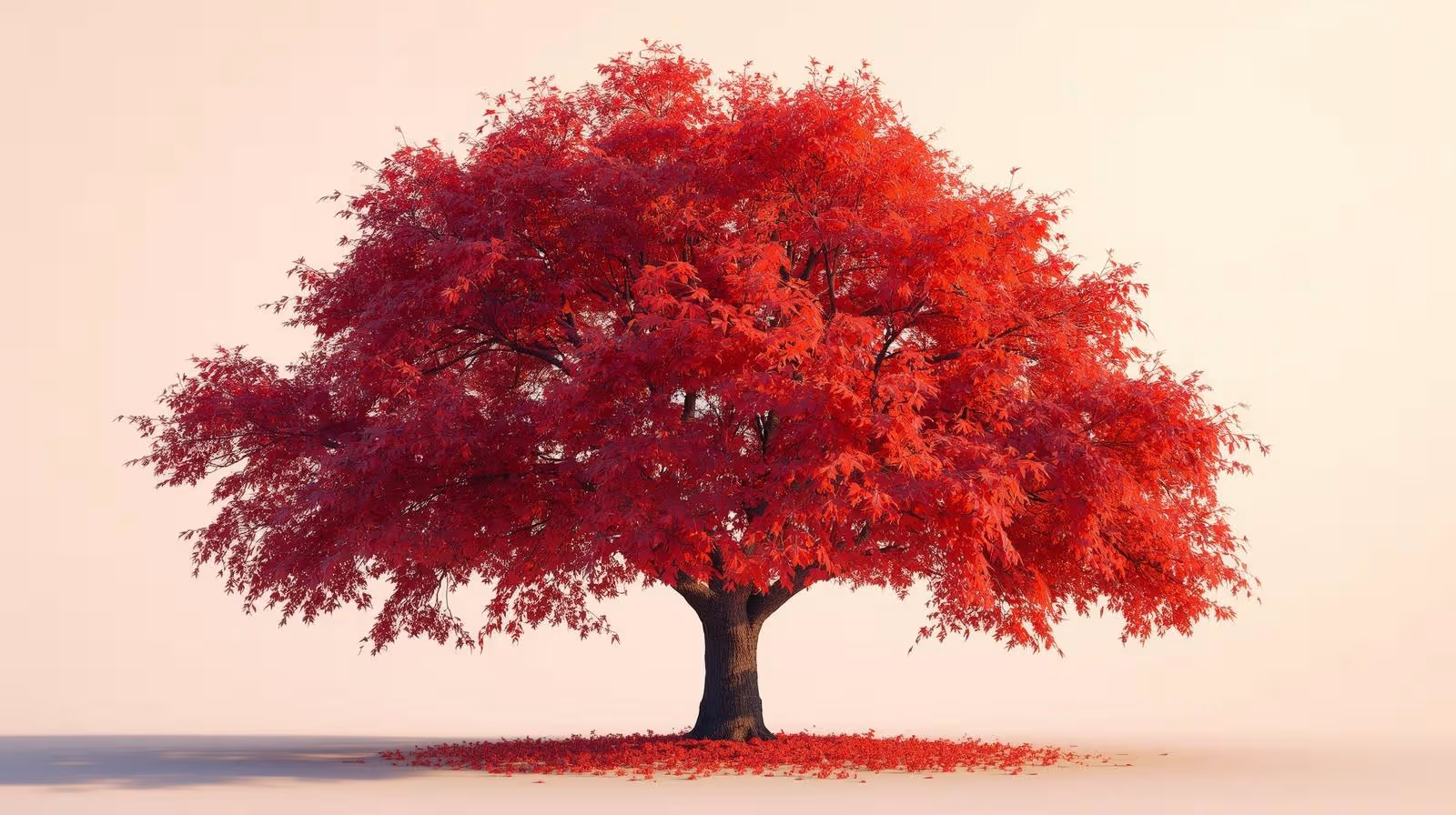
By the 1980s, it was appearing in municipal planting programs across Ohio, Pennsylvania, and the mid-Atlantic states because it matured faster than oaks and looked spectacular doing it.
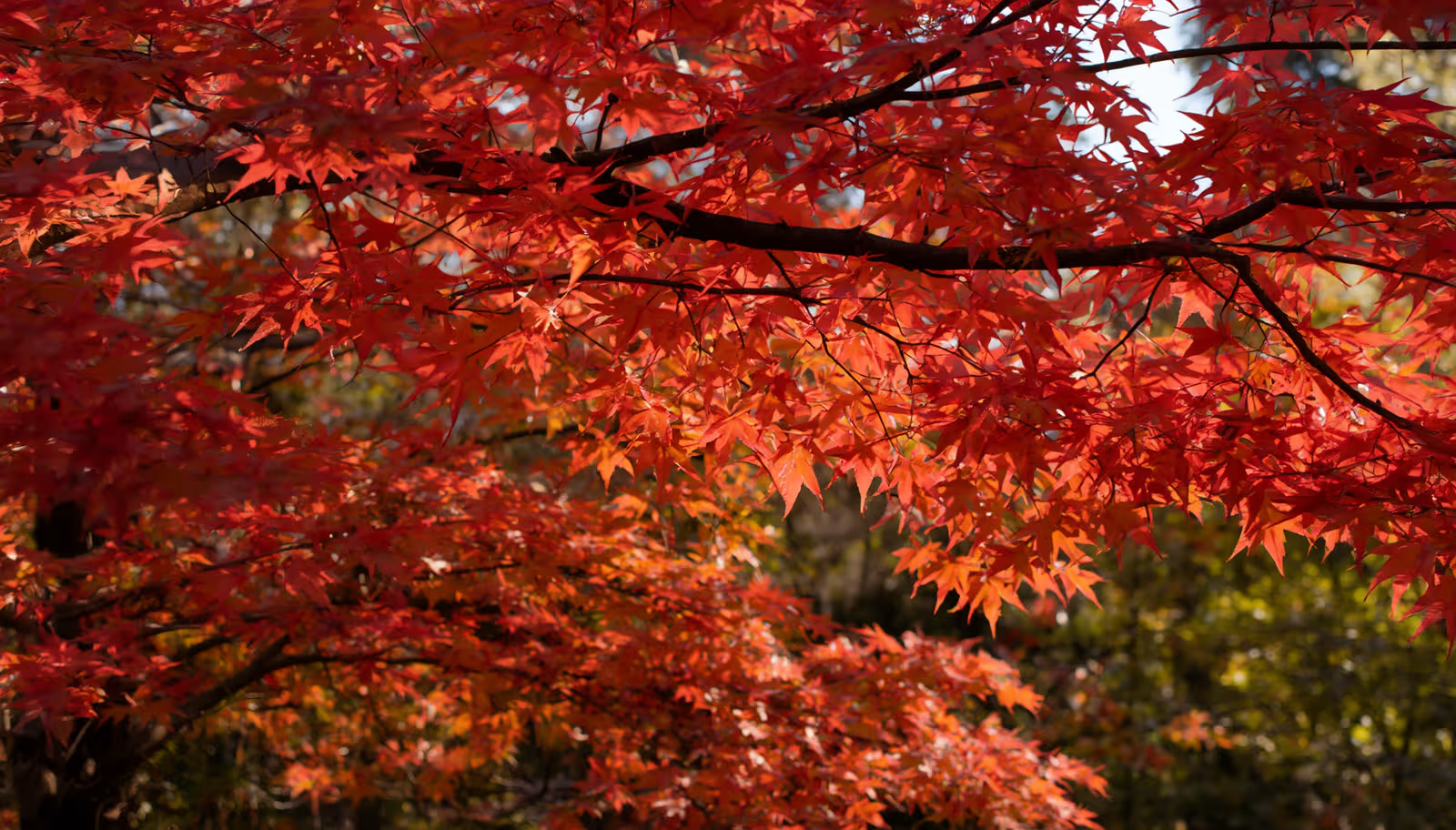
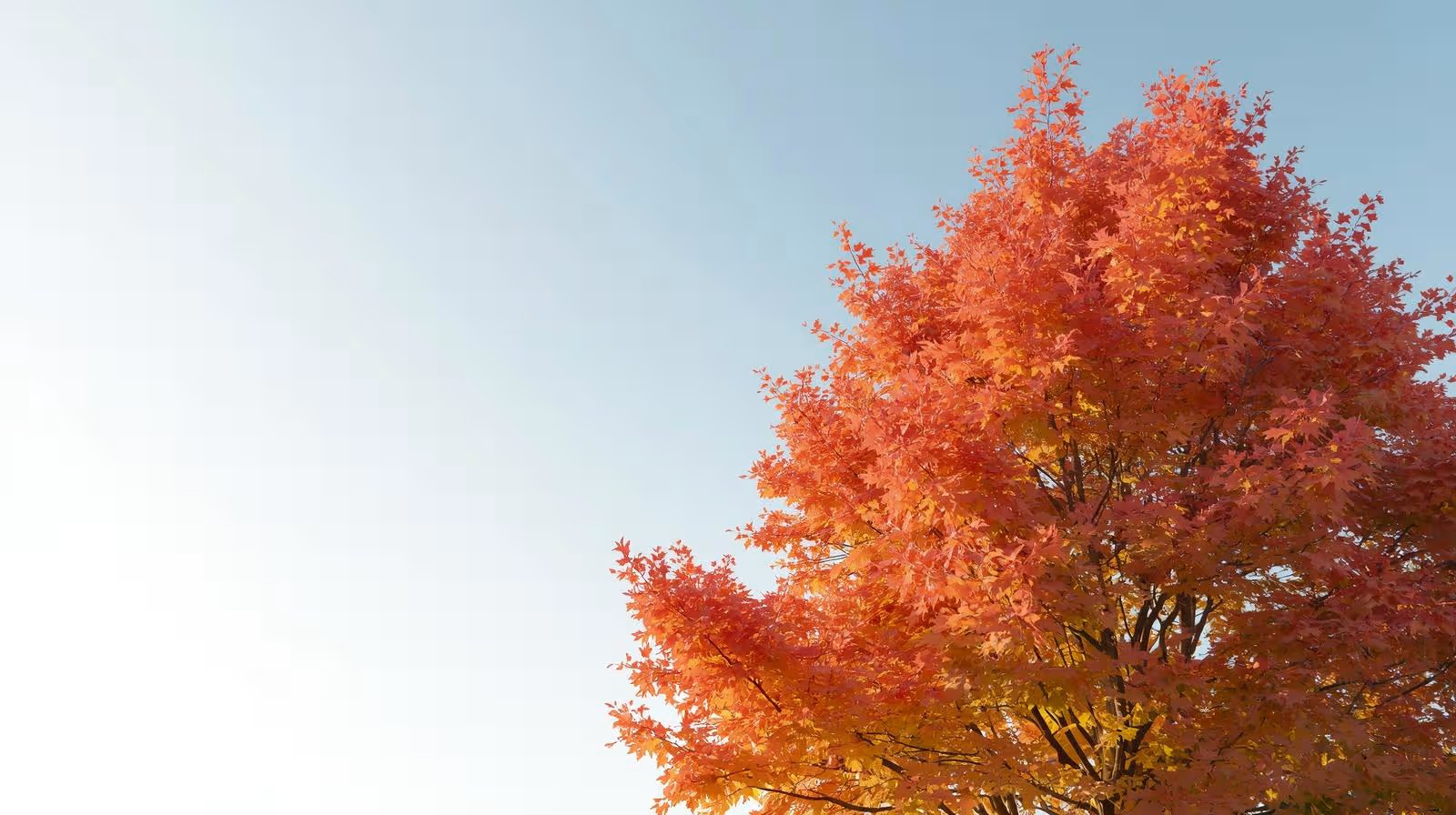
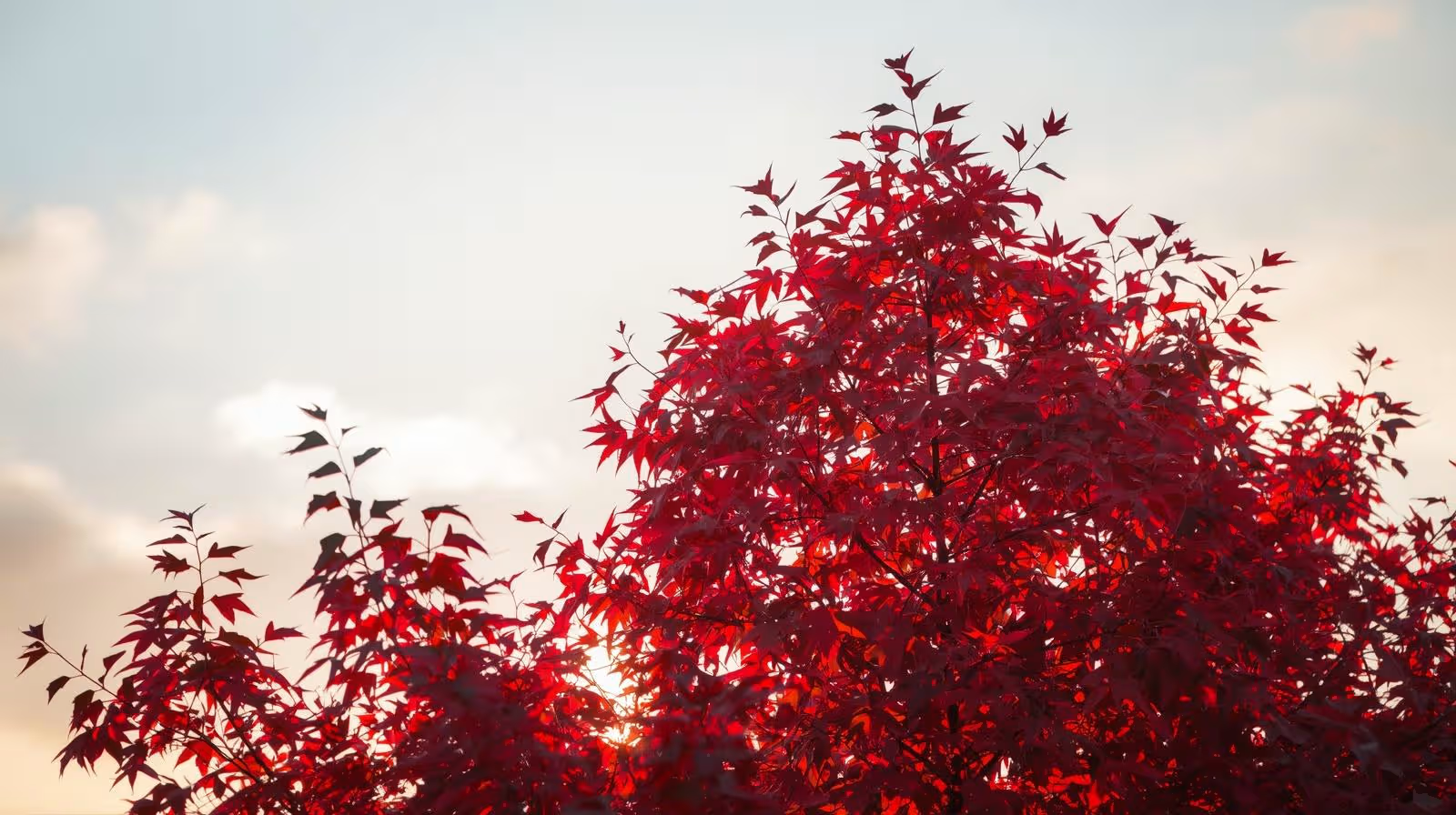
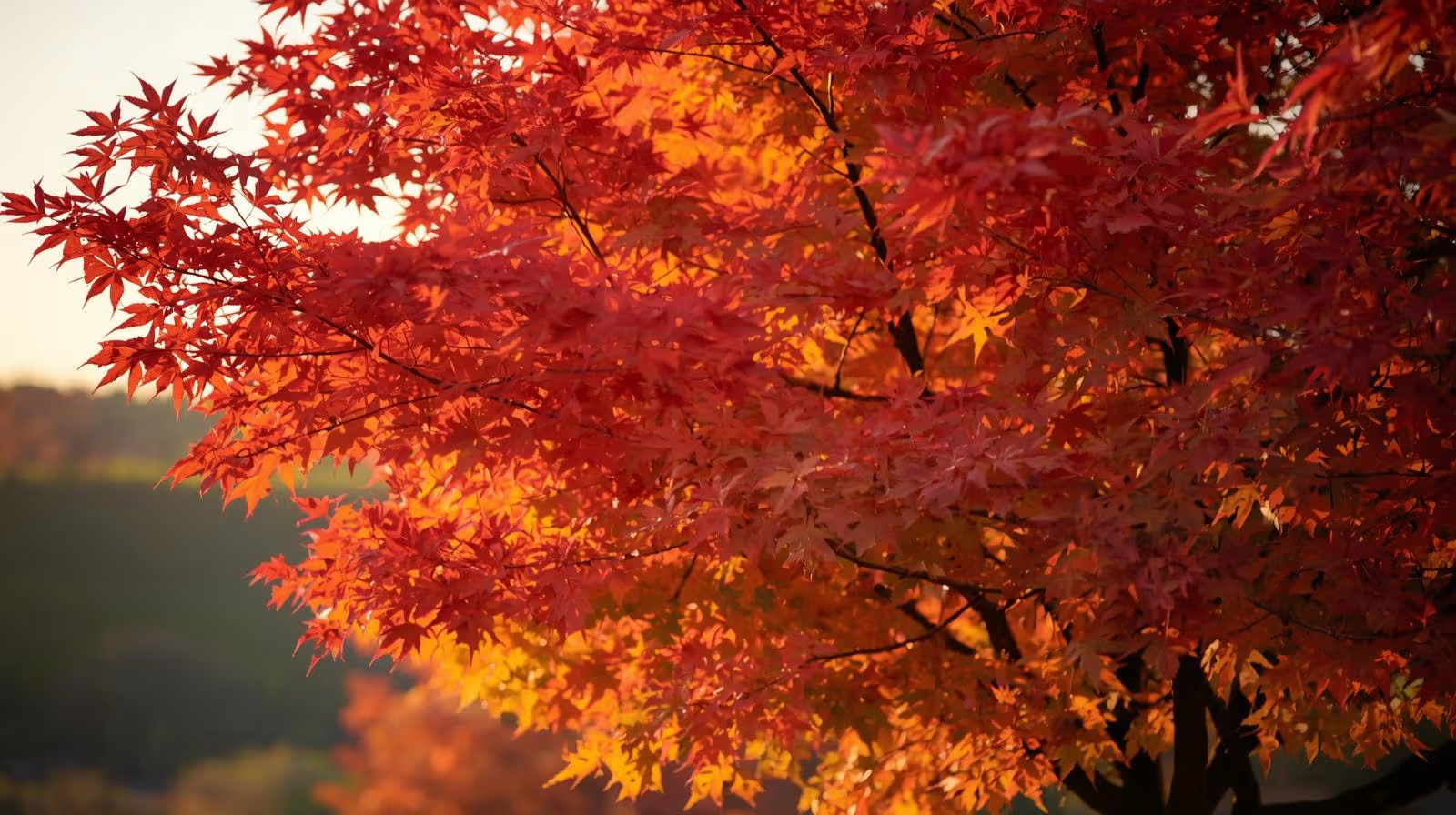
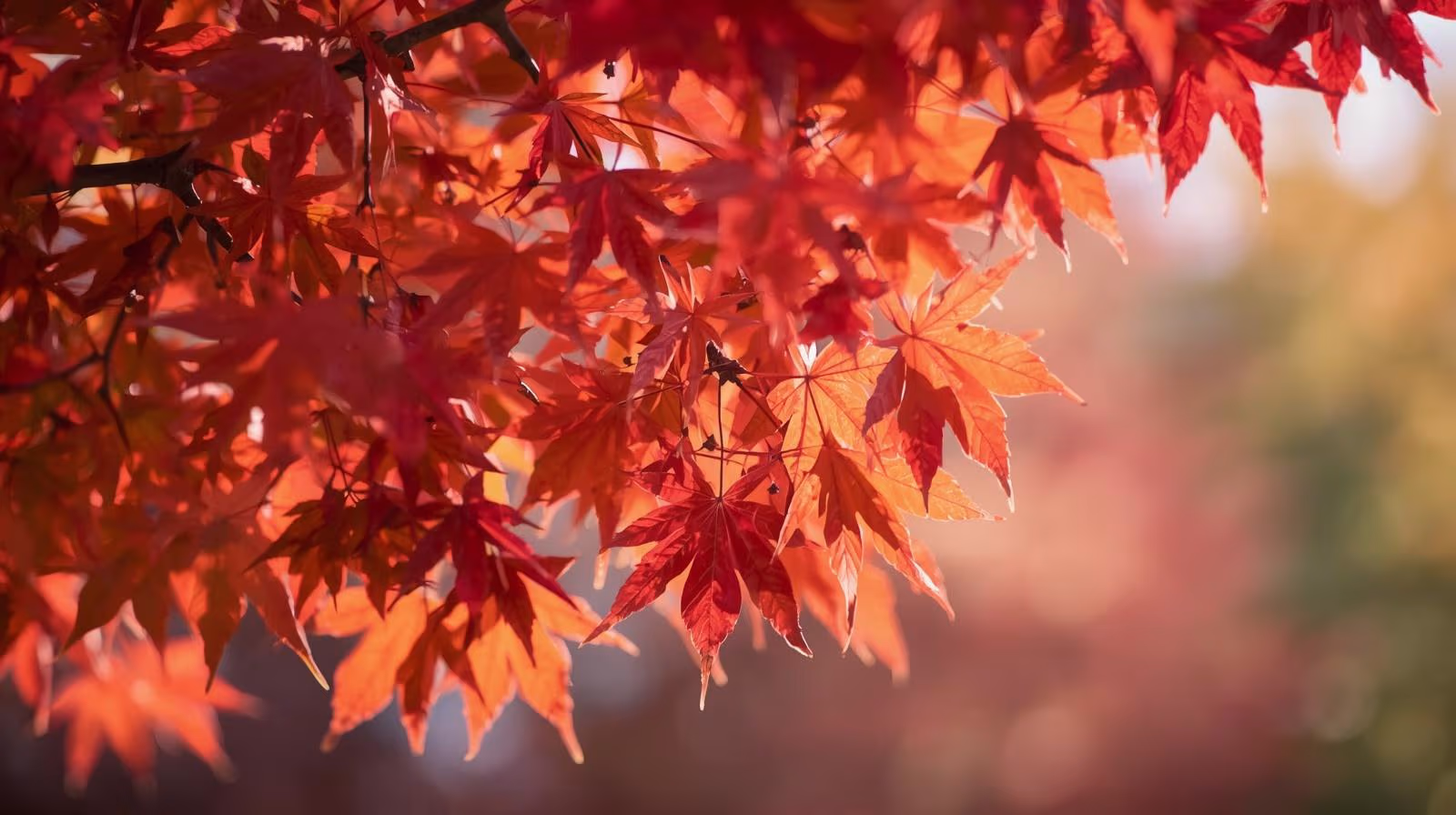
The color payoff is not exaggerated. Starting in early to mid-September, leaves shift from summer green to orange-red, and within two weeks the whole canopy catches fire. In Connecticut and New Jersey, this tree often reaches peak color before most other species, which makes it the visual anchor of an entire neighborhood block. Nurseries like Monrovia and Bower & Branch have consistently marketed it as a flagship fall tree for exactly this reason.
Growth rate matters for homeowners who want shade during their lifetime rather than their grandchildren’s. Red Sunset adds 13 to 24 inches of height per year under good conditions, reaching 40 to 50 feet tall and 35 to 40 feet wide at full maturity. That’s a meaningful canopy capable of cooling a two-story home by measurably reducing air conditioning load, a benefit the U.S. Forest Service’s Urban Heat Island research programs documented across multiple city studies from the 1990s through the 2010s.
Where Red Sunset Maple Genuinely Thrives
Soil acidity is non-negotiable with this tree. Red Sunset performs best in a pH range of 4.5 to 6.5. Push it into neutral or alkaline soil, and the leaves yellow from interveinal chlorosis, a nutrient deficiency caused by manganese and iron becoming chemically unavailable at higher pH levels. Homeowners in the Midwest and Great Plains who have naturally alkaline clay soil often report this problem within three to five years of planting, sometimes misdiagnosing it as drought stress or pest damage.
Moisture matters almost as much as soil chemistry. This is a native wetland-adjacent tree in its wild form, adapted to floodplains and stream margins from Newfoundland south to Florida. That adaptation means it handles poorly drained spots where other trees die out, a legitimate advantage in yards with drainage issues or low-lying areas. It also tolerates temporary flooding, which makes it one of the few ornamental maples usable near rain gardens or bioswales.
Full sun or light partial shade works fine. In deep shade, the growth slows and fall color becomes muted, losing the orange-red saturation that makes this cultivar worth choosing over a cheaper, generic red maple seedling. A south-facing or west-facing yard position in USDA zones 5 through 7 usually delivers the best combination of growth speed and color intensity.
The Problems You Need to Know About
Surface root development is the most common complaint among Red Sunset maple owners, and it’s not a rumor. The lateral roots spread widely and, as the tree matures past 20 years, they lift sidewalks, buckle driveways, and make lawn mowing genuinely difficult within 10 to 15 feet of the trunk. A case study from a residential street in Columbus, Ohio documented six consecutive properties that required sidewalk replacement within 25 years of planting red maple cultivars, with repair costs ranging from $2,500 to $6,000 per property.
Branch structure can become a liability in ice and wind-prone climates. Red Sunset tends toward co-dominant stems, meaning two or more trunks of nearly equal diameter develop and compete at the same point. This creates included bark, a structural defect where bark gets compressed between stems rather than forming a strong union. Trees with included bark in the 30- to 40-foot size range are significantly more likely to split during ice storms, a real risk in places like Michigan, upstate New York, and southern Ontario.
Seed production creates messy seasonal maintenance. Red Sunset produces large quantities of samaras (the winged seeds) in spring, often before the tree leafs out fully. These blanket lawns, clog gutters, and germinate prolifically in mulch beds and garden borders. Homeowners managing several of these trees in suburban Detroit or Minneapolis regularly report spending multiple weekends per spring on cleanup. It’s not a dealbreaker, but it’s a recurring task.
Pest and Disease Vulnerabilities
Verticillium wilt is the most serious disease threat. This soil-borne fungal pathogen attacks through root wounds and kills branches progressively from the outside in. It’s not curable; once confirmed, removal is often the most practical response. The disease is more common in soils that have previously grown susceptible plants like tomatoes, strawberries, or certain ornamental shrubs. Testing soil before planting in any site with that history is worth doing.
Asian longhorned beetle (Anoplophora glabripennis) poses a genuine threat in quarantine zones across Massachusetts, New York, Ohio, and parts of Ontario. Red and silver maples are among its preferred hosts. Federal eradication programs in Worcester, Massachusetts removed thousands of trees starting in 2008. If you’re planting in or near any active quarantine zone, checking current USDA APHIS maps before investing in a large specimen tree is basic due diligence.
Aphid infestations hit younger trees hard in spring and can cause significant leaf curl and honeydew buildup on cars and outdoor furniture parked beneath. Most established trees outgrow the impact without intervention, but nursery stock in its first three years sometimes needs targeted treatment with insecticidal soap or neem oil.
Cost, Planting, and Long-Term Investment
A 2.5-inch caliper Red Sunset maple from a reputable nursery like Davey Tree Experts or a regional wholesale grower runs between $150 and $400 depending on the region and supplier. Larger balled-and-burlapped specimens in the 4- to 5-inch caliper range can cost $700 to $1,200, with professional installation adding another $200 to $500. That’s a meaningful investment, which makes the surface root and structural concerns worth addressing upfront rather than after the tree is established.
Planting too close to structures is the single most preventable mistake. Industry guidelines from the International Society of Arboriculture (ISA) suggest keeping large-canopy trees with invasive root systems at least 15 to 20 feet from foundations, sidewalks, and underground utilities. For Red Sunset specifically, 20 feet is the more conservative and better-supported recommendation given its documented root behavior at maturity.
Annual pruning during the first 10 years significantly reduces the co-dominant stem problem. A certified arborist can select a single dominant leader early, remove competing stems, and improve branch spacing, work that costs $150 to $400 per session but dramatically reduces the structural liability risk at the 30-year mark. Maria Kowalski, a residential landscape manager who has overseen tree programs for a suburban park district in the Chicago metro area for over 15 years, has described early corrective pruning on red maples as the most cost-effective maintenance investment a property owner can make for large-canopy trees.
Who Should Plant Red Sunset Maple (and Who Probably Shouldn’t)
Open suburban yards with no sidewalks directly in the root zone, no history of verticillium-prone crops in the soil, and at least 20 feet of clearance from structures are ideal conditions for this tree. Families who want meaningful shade within 10 to 15 years and spectacular fall colour without waiting decades for a slow-growing oak to mature get genuine value here.
Rural properties and large residential lots, particularly in the mid-Atlantic, New England, and Great Lakes regions, represent the sweet spot. Trees in these contexts can develop naturally without root conflict, and storm damage is less likely to damage adjacent property. Some homeowners in Vermont and New Hampshire specifically plant them along fence lines or open meadow edges where the fall display anchors the visual composition of a larger landscape.
Homeowners with small urban lots, alkaline soil from concrete proximity or limestone bedrock, paved areas within 15 feet of the planting site, or existing verticillium-positive soil should look at alternatives. Cultivars like ‘October Glory’ (another Acer rubrum selection) offer similar visual appeal with slightly different structural traits, and species like Acer truncatum (Shantung maple) stay smaller while still delivering strong fall color in tighter spaces.
Wrap Up
The Red Sunset maple earns its reputation for fall color and fast establishment, but it doesn’t suit every yard or every soil type. The surface root problem, branch structure risk, and soil pH sensitivity are real and predictable.
Plant it with 20 feet of clearance, correct the stem structure in the first decade, and verify your soil chemistry before buying, and you’ll get a genuinely rewarding landscape tree for 40 to 60 years. Skip those steps, and you’ll be reading quotes from arborists about sidewalk repair instead of admiring October foliage.
FAQs
How fast does a red sunset maple grow per year?
Red Sunset maple typically grows 13 to 24 inches per year under good conditions, making it one of the faster-growing shade trees suited for residential landscapes in zones 4 through 8.
What are the worst problems with Red Sunset maple trees?
Surface roots that lift pavement, co-dominant stems prone to splitting in storms, and sensitivity to alkaline soil are the most commonly reported problems among established Red Sunset maple owners.
How far should you plant a red sunset maple from a house?
Planting at least 20 feet from foundations, sidewalks, and underground utility lines is the standard recommendation given the tree’s wide-spreading surface-rooted sunset at maturity.
Disclaimer
This content shared by Fall Rugs is solely for research and informational purposes. Fall Rugs is not a professional interior design or home renovation consultancy, and the information provided should not be considered professional advice for home improvement or decor. All ideas and suggestions are based on current trends and general knowledge in the home decor industry.