

TL;DR
A brown couch works with far more colors than most homeowners expect. Warm neutrals, earthy greens, soft blues, terracotta, charcoal, and creamy whites can all create a balanced living room when matched to the sofa’s undertone and the room’s lighting.
The strongest results come from layering wall colors, textiles, wood finishes, and accent pieces rather than relying on a single paint color to carry the entire design.
Introduction
A brown couch often becomes the largest visual element in a living room. Yet many homeowners struggle to choose colors that make it feel stylish instead of dated. The challenge isn’t the sofa itself. It’s usually the surrounding palette.
Brown remains one of the most common furniture colors sold by brands such as IKEA, Ashley Furniture, Pottery Barn, and La-Z-Boy because it hides wear, works across design styles, and pairs well with natural materials. The real opportunity lies in choosing colors that highlight its warmth and depth.
The sections below examine color combinations, design principles, real-world examples, common mistakes, and practical styling approaches that help a brown couch feel current in modern homes.
Understanding Why Brown Is Easier to Decorate With Than Most People Think
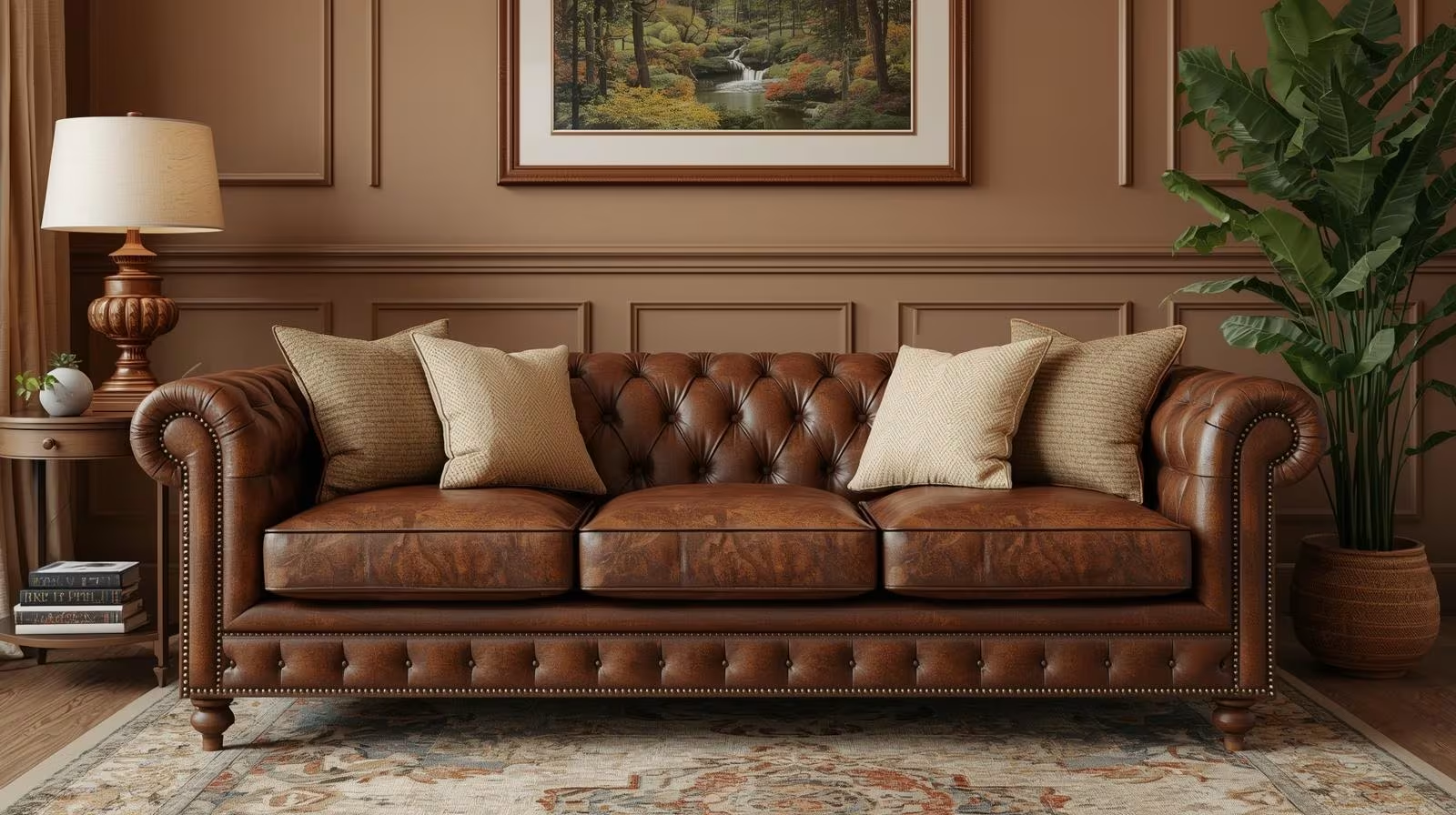
Brown acts as a grounding color. Interior designers often compare it to wood flooring because both function as visual anchors rather than statement colors. A chocolate leather sofa and a walnut coffee table share similar design roles even though they serve different purposes.
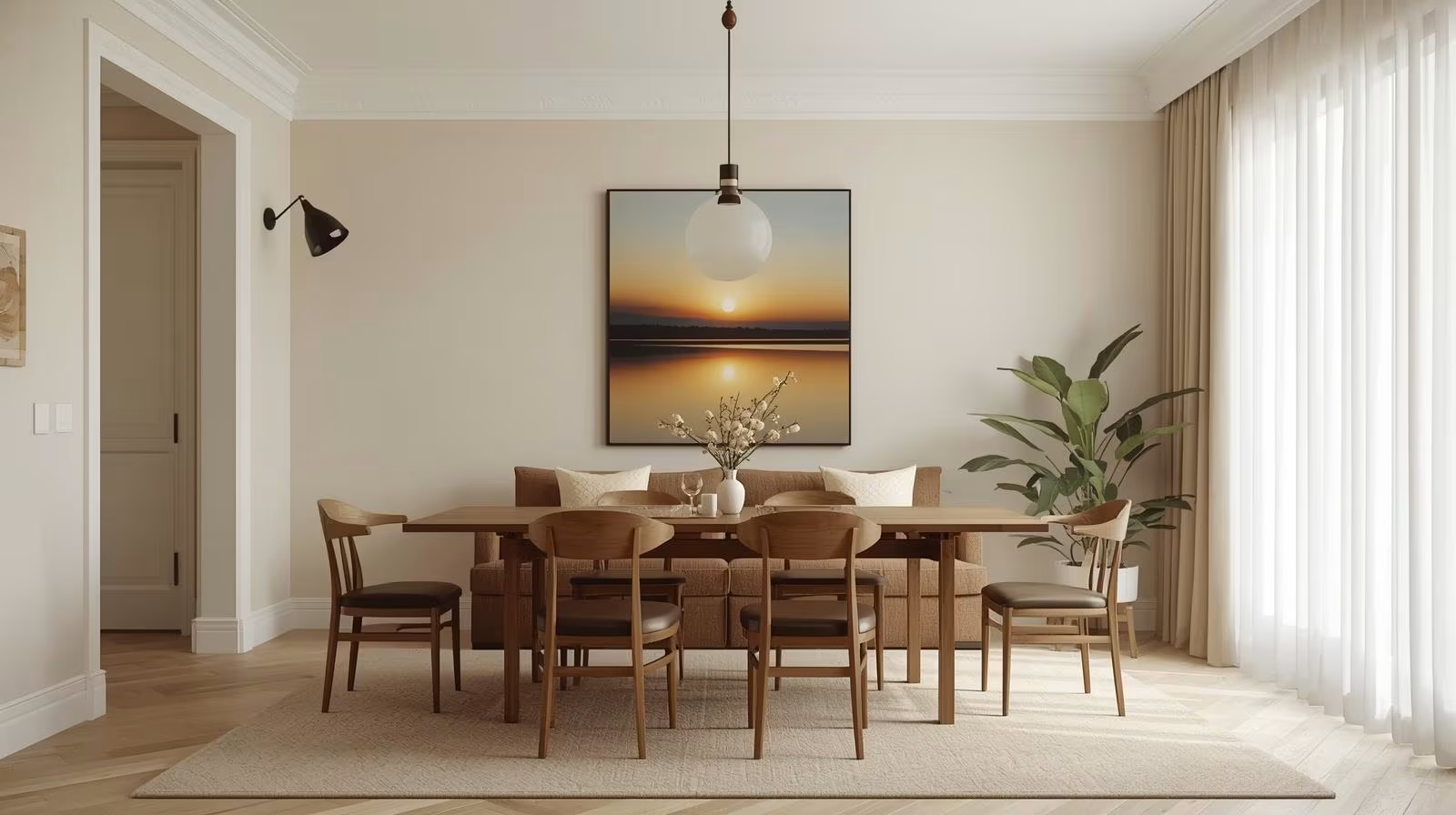
Many living rooms already contain brown tones through oak floors, teak furniture, maple shelving, or wooden picture frames. This natural connection makes brown sofas easier to integrate than bright colors such as red or purple.
Brown Works Across Multiple Design Styles
- Scandinavian rooms often pair brown leather with warm white walls.
- Modern farmhouse spaces combine brown seating with cream textiles.
- Mid-century interiors frequently use walnut furniture and cognac leather.
- Rustic homes blend brown upholstery with stone, wood, and earthy tones.
- Contemporary apartments often contrast dark brown sofas against light walls.
A strong example appears in many West Elm showrooms, where cognac leather seating sits alongside beige rugs and black metal accents. The result feels modern rather than traditional.
The Importance of Undertones
Not all brown couches look the same.
- Chocolate brown contains deeper cool tones.
- Espresso brown often appears nearly black.
- Cognac leather carries orange and caramel undertones.
- Taupe-brown includes gray influences.
- Chestnut brown contains warm red notes.
A paint color that looks perfect beside a cognac sofa may clash with an espresso sectional. Matching undertones creates harmony throughout the room.
Warm Neutral Colors That Create a Timeless Living Room
Warm neutrals remain among the safest and most successful companions for brown furniture. Designers continue using these palettes because they age well and adapt to changing trends.
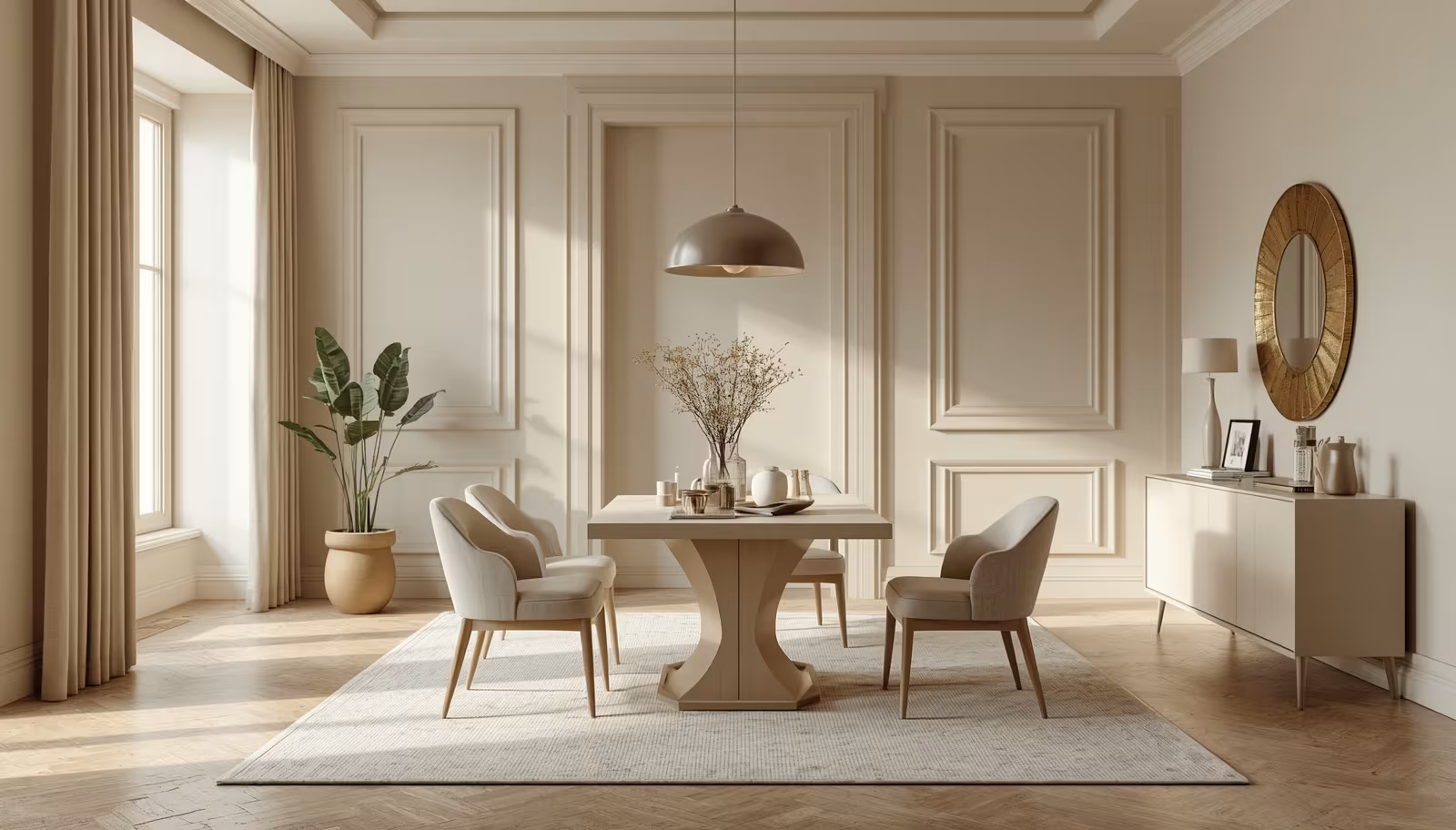
Cream, ivory, greige, oatmeal, and soft beige all complement brown without competing for attention. These colors allow furniture, artwork, and textures to become focal points.
Why Cream and Ivory Continue to Dominate
- They reflect natural light effectively.
- They reduce visual heaviness from large furniture pieces.
- They work in apartments and large homes alike.
- They pair with both traditional and modern decor.
- They create a welcoming atmosphere year-round.
Benjamin Moore’s Swiss Coffee and Sherwin-Williams Alabaster remain widely selected paint colors for living rooms featuring brown furniture. Both shades soften the appearance of dark sofas while maintaining warmth.
Layering Neutrals Adds Depth
A common mistake involves using a single neutral throughout the room. Experienced decorators introduce variation.
- Cream walls
- Beige curtains
- Ivory throws
- Oatmeal rugs
- Natural linen pillows
This layered approach prevents the room from feeling flat. Pottery Barn regularly uses this strategy in seasonal room displays because subtle contrast creates visual interest without overwhelming the space.
A homeowner in Dallas renovated a 1990s living room featuring a large chocolate sectional. Instead of replacing the furniture, the design team introduced cream walls, natural linen drapes, and a wool rug. The sofa immediately felt more contemporary despite remaining unchanged.
Green and Brown: A Natural Combination That Rarely Fails
Green and brown appear together constantly in nature. Trees, forests, plants, and landscapes provide endless examples of this pairing. That natural relationship explains why the combination feels comfortable in interior spaces.
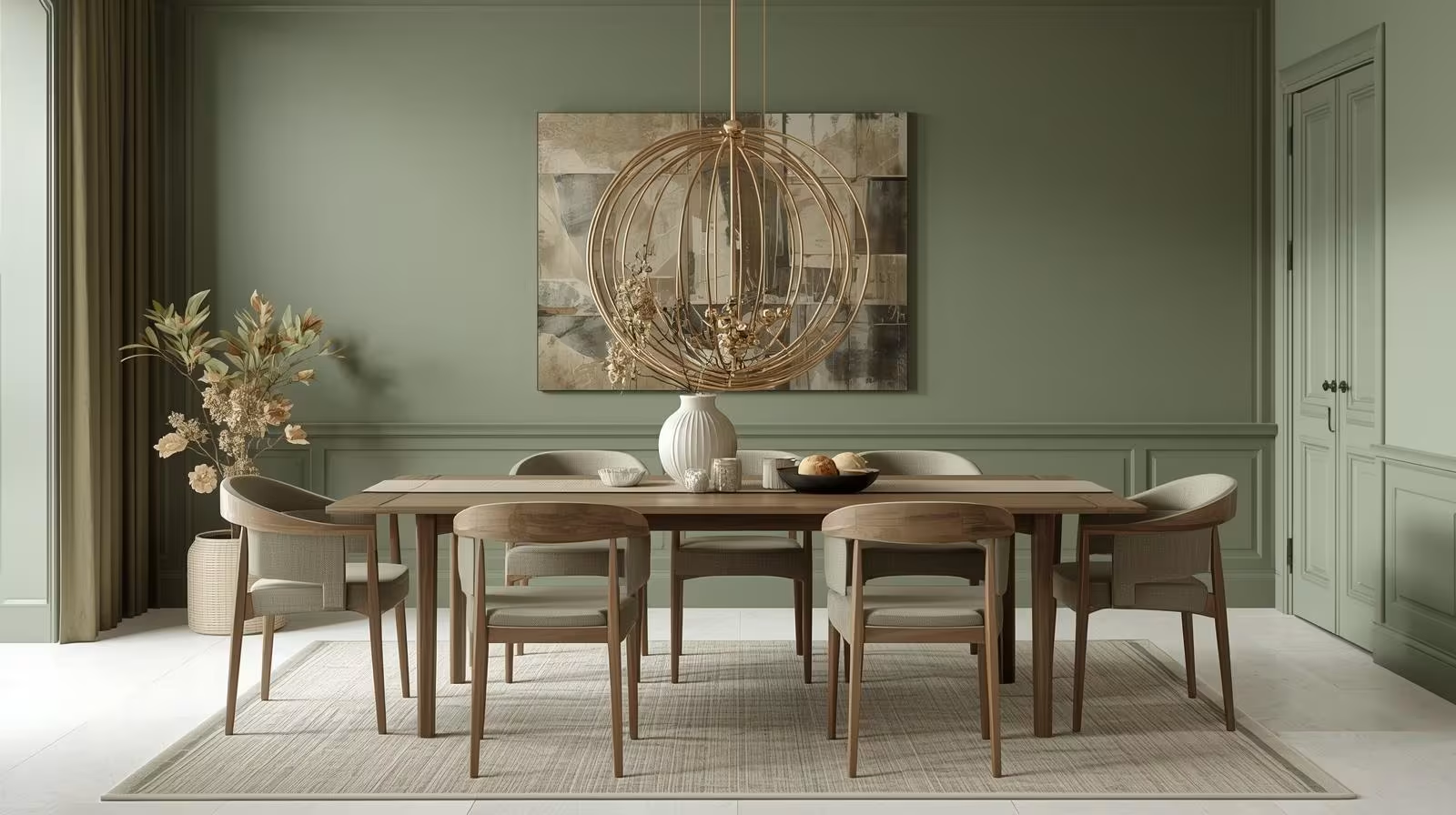
Sage green, olive green, eucalyptus, and moss tones have become especially popular since 2020. These shades complement brown furniture without creating excessive contrast.
Sage Green for Relaxed Spaces
- Works well with brown leather.
- Softens darker furniture.
- Fits farmhouse and modern interiors.
- Complements natural wood furniture.
- Pairs beautifully with indoor plants.
Brands such as Magnolia Home frequently use sage green alongside brown leather seating. The palette creates a calm, lived-in feeling that appeals to homeowners seeking warmth rather than stark minimalism.
Olive Green Adds Sophistication
Olive green introduces greater depth than sage. It performs particularly well in rooms with:
- Walnut furniture
- Brass fixtures
- Vintage rugs
- Leather armchairs
- Stone fireplaces
In many London and New York apartment renovations, olive walls paired with cognac leather sofas have become a favored alternative to traditional gray interiors.
Natural greenery amplifies this effect. A large fiddle-leaf fig, snake plant, or olive tree can strengthen the visual connection between furniture and surrounding colors.
Blue Tones Create Balance and Contrast
Brown belongs to the warm color family. Blue introduces coolness. That contrast helps a room feel balanced rather than overly warm.
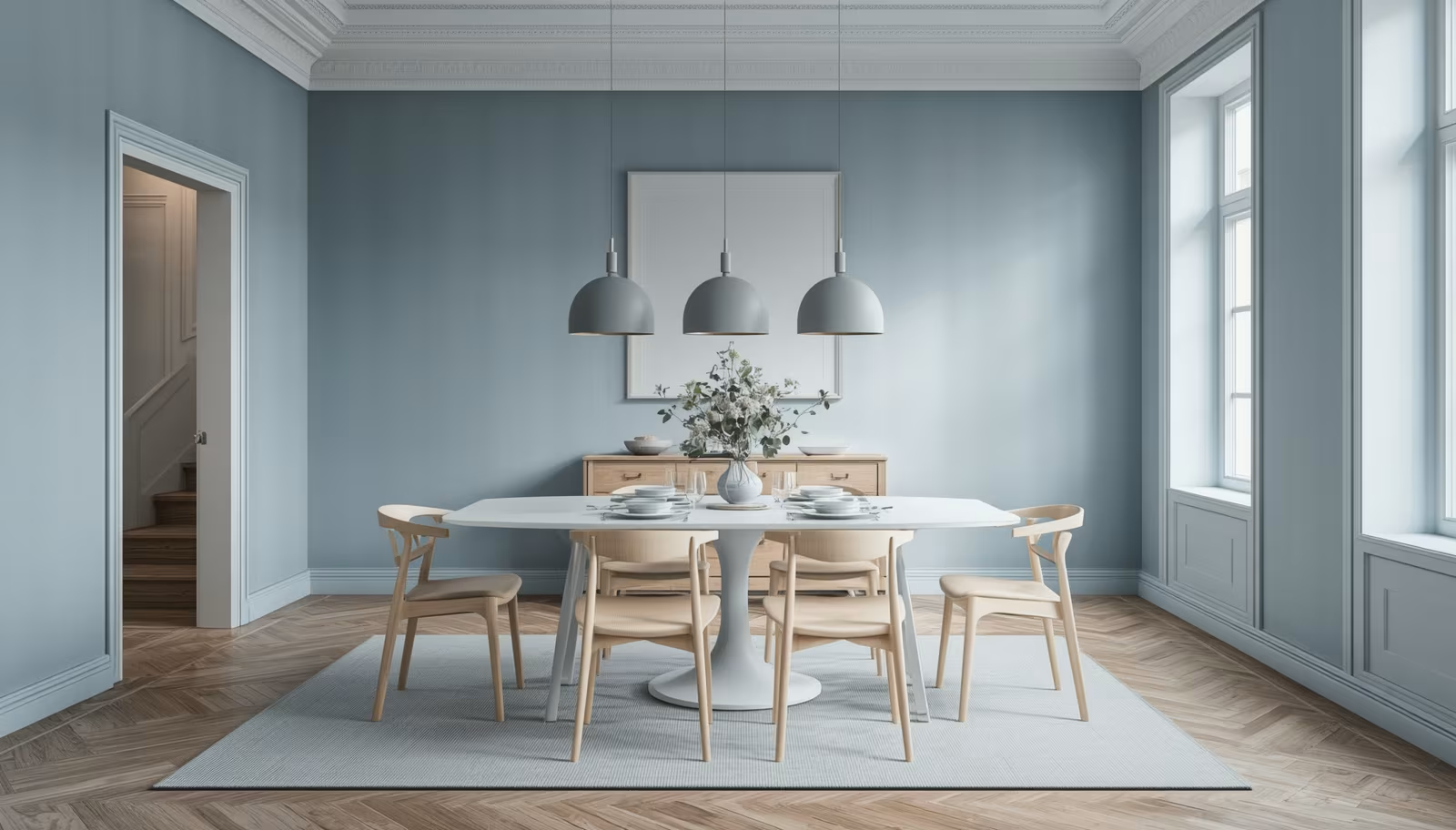
Designers frequently rely on blue because it can refresh brown furniture while maintaining elegance. The specific shade matters greatly.
Soft Blue for Everyday Living
- Light blue reduces visual weight.
- It works especially well in smaller rooms.
- It reflects daylight effectively.
- It pairs with white trim.
- It supports coastal and transitional styles.
Many coastal homes in Florida and California use pale blue walls with brown wicker or leather furniture. The palette feels relaxed without appearing themed.
Navy Blue for Dramatic Impact
Navy creates a richer atmosphere.
- It highlights cognac leather beautifully.
- It adds depth to large rooms.
- It pairs with brass accents.
- It works well with white architectural details.
- It suits contemporary and traditional homes.
Ruggable frequently showcases navy-patterned rugs with brown leather furniture in product photography because the combination photographs exceptionally well and appeals to a broad audience.
A Chicago homeowner updated an older living room by painting one accent wall navy while retaining a brown sectional. The change cost less than replacing furniture and dramatically improved the room’s visual character.
Earthy Terracotta, Rust, and Clay Tones Add Personality
Earth-inspired palettes continue gaining popularity as homeowners move away from cooler gray interiors. Terracotta, rust, clay, and burnt orange introduce warmth while maintaining sophistication.
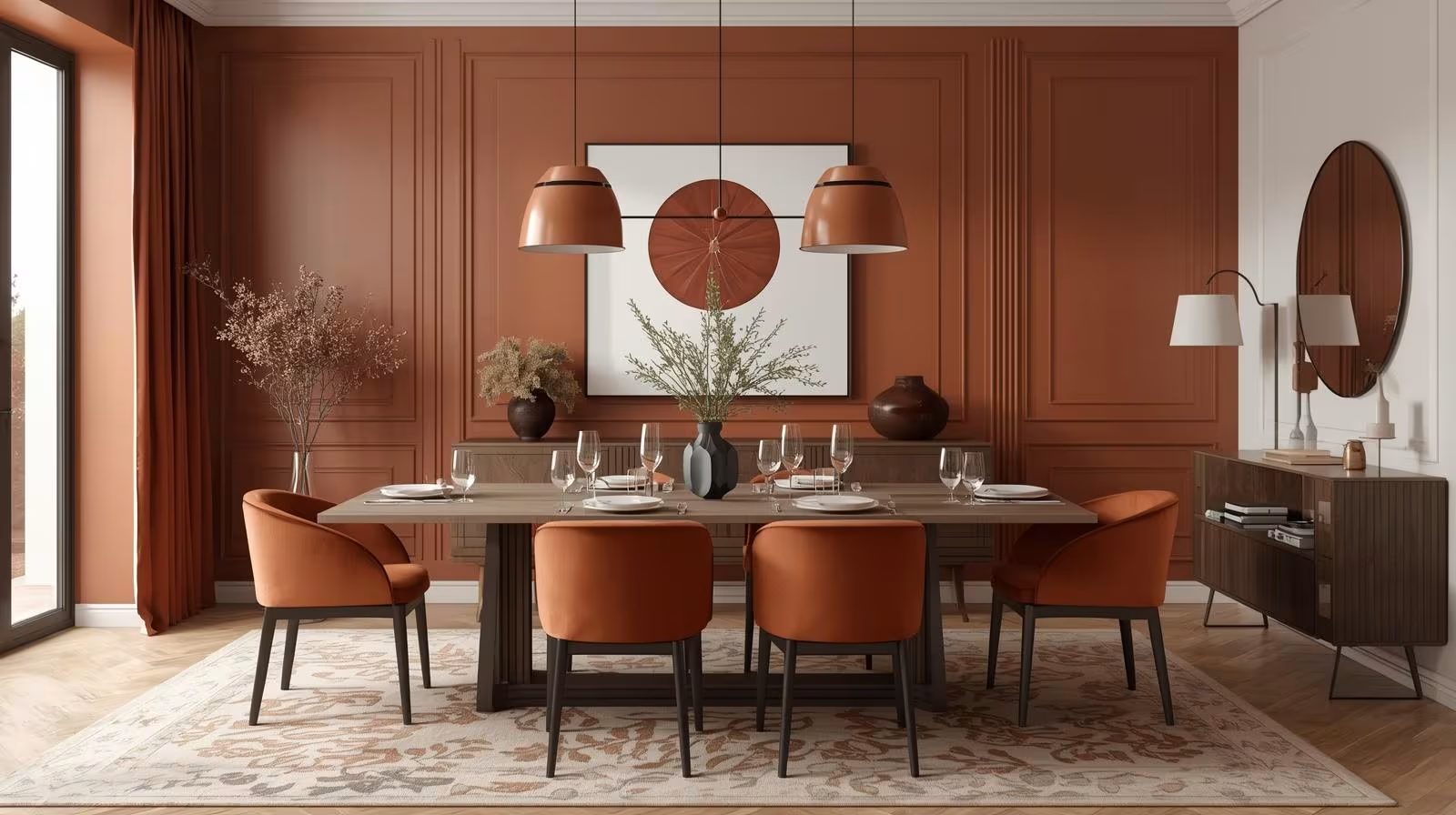
These colors work especially well with medium and dark brown couches because they share complementary undertones.
Why Earthy Colors Feel Inviting
- They echo natural landscapes.
- They pair well with wood furniture.
- They work across seasons.
- They photograph beautifully in natural light.
- They create cozy environments.
Designers often incorporate these shades through textiles rather than permanent paint.
Examples include:
- Rust-colored pillows
- Terracotta ceramics
- Clay-toned artwork
- Burnt orange throws
- Handmade pottery
The popularity of Mediterranean-inspired interiors in regions such as Southern California and Spain has increased interest in these color combinations.
Balancing Warmth Correctly
Too many warm colors can overwhelm a room.
Successful spaces usually include:
- Light neutral walls
- Brown furniture
- Terracotta accents
- Black metal details
- Natural greenery
The contrast prevents the palette from feeling heavy while preserving warmth.
Modern Contrast With Gray, Charcoal, and Black Accents
Gray and brown were once considered incompatible. Current interior design trends have largely dismissed that belief. The key lies in selecting warm grays instead of icy blue-gray tones.
When used carefully, gray introduces a modern edge that balances brown’s traditional reputation.
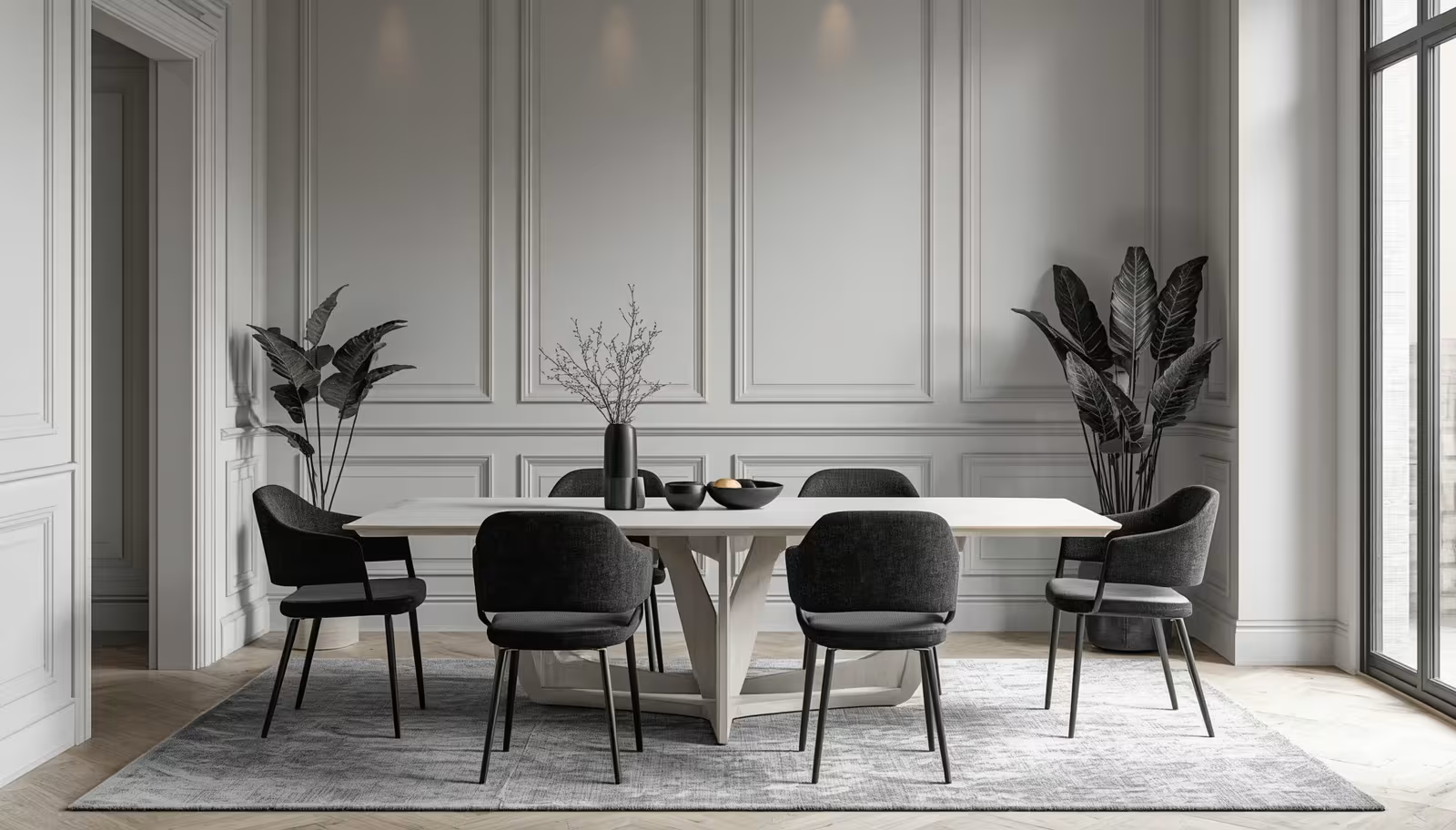
Warm Gray Creates Subtle Contrast
- Works with espresso sofas.
- Supports contemporary interiors.
- Complements concrete surfaces.
- Pairs well with metal accents.
- Helps modernize older furniture.
Sherwin-Williams Agreeable Gray became one of the most popular paint colors in North America partly because it contains warm undertones that cooperate with brown furnishings.
Black Adds Structure
Black accents create visual definition.
Common examples include:
- Window frames
- Picture frames
- Coffee table legs
- Floor lamps
- Shelving systems
IKEA’s modern living room collections often combine brown seating, black metal elements, and light neutral backgrounds. This formula creates contrast without making the room feel cold.
One caution remains important. Excessive black can darken a space significantly. Rooms with limited natural light benefit from moderation.
Common Color Mistakes That Make a Brown Couch Look Outdated
The sofa itself rarely causes a room to feel dated. Supporting design choices usually create that impression.
Many redesign projects reveal the same recurring issues.
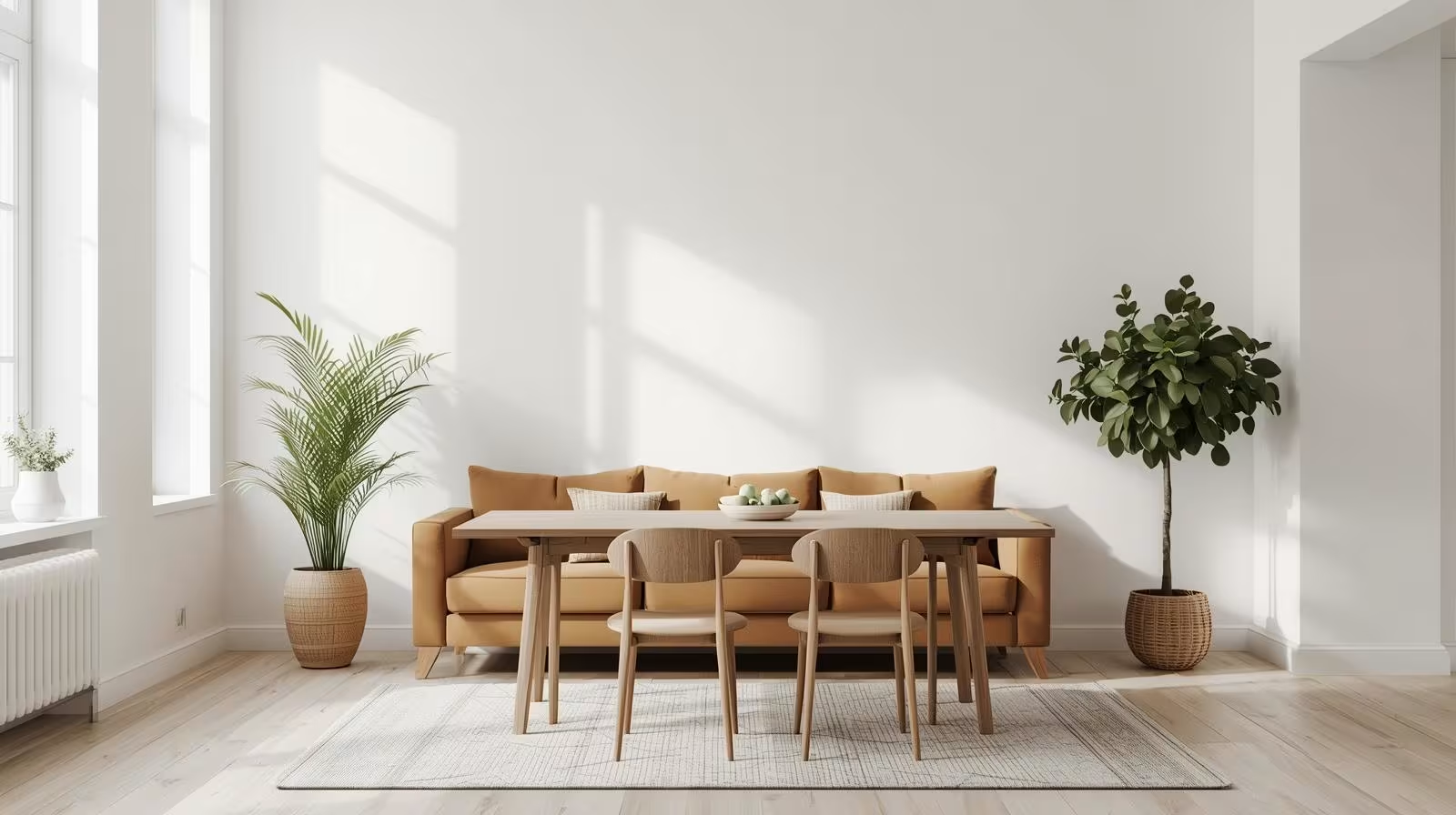
Using Too Much Matching Brown
- Brown walls
- Brown flooring
- Brown furniture
- Brown curtains
- Brown accessories
This approach removes contrast and visual interest. Rooms begin to feel heavy and monotone.
Designers often introduce lighter colors, greenery, or contrasting textiles to restore balance.
Ignoring Natural Light
North-facing rooms receive cooler light. South-facing rooms receive warmer light. The same paint color can appear completely different depending on orientation.
A beige wall that looks warm in Phoenix may appear cooler in Seattle due to differences in natural light exposure.
Chasing Short-Term Trends
Several design trends enjoy brief popularity before fading.
Brown couches tend to remain in homes for many years. Pairing them with timeless colors often delivers stronger long-term value than redesigning around a temporary trend.
Homeowners planning to stay in a property for five to ten years usually benefit from selecting enduring palettes such as cream, sage, navy, or warm gray.
Wrap Up
A brown couch offers remarkable flexibility when paired with the right colors. Warm neutrals create timeless appeal, greens introduce a natural connection, blues add balance, earthy shades provide character, and charcoal accents bring modern contrast.
Successful rooms rely on layers rather than a single color choice. Paint, textiles, lighting, furniture finishes, and accessories all contribute to the final result.
The strongest designs respect the sofa’s undertones, respond to natural light, and avoid excessive matching. With those principles in place, a brown couch can anchor a living room that feels current for years.
FAQs Section
What wall color goes best with a dark brown couch?
Cream, warm white, light beige, sage green, and soft gray consistently work well with dark brown couches because they create contrast while preserving warmth.
Is gray still a good color choice with brown furniture?
Yes. Warm grays pair effectively with brown furniture and can make a living room feel more contemporary, especially when combined with black accents and natural textures.
What accent colors look expensive with a brown leather couch?
Navy blue, olive green, terracotta, brass, ivory, and charcoal often create a refined appearance when layered thoughtfully around brown leather furniture.
Disclaimer
This content shared by Fall Rugs is solely for research and informational purposes. Fall Rugs is not a professional interior design or home renovation consultancy, and the information provided should not be considered professional advice for home improvement or decor. All ideas and suggestions are based on current trends and general knowledge in the home decor industry.