
TL;DR
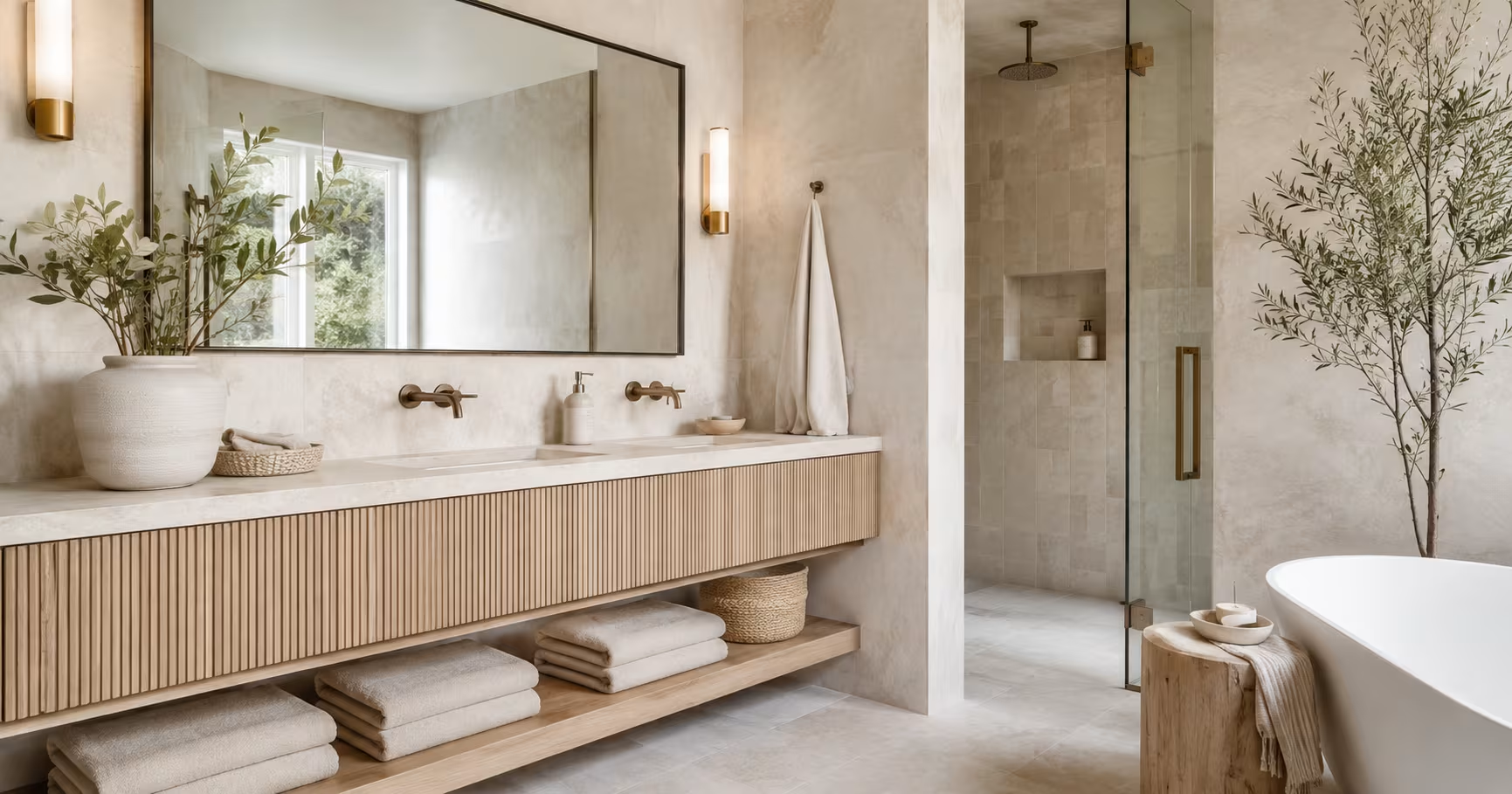
Wall-mounted bathroom cabinets featuring vertical reed detailing combine space-saving engineering with architectural texturing. These units elevate standard rooms into upscale spaces while making floor maintenance simpler. Selecting high-density moisture-resistant materials ensures these floating installations remain stable and beautiful for decades.
Introduction
Why do some bathroom remodels look expensive while others feel flat and generic? The answer usually comes down to visual weight and tactile dimension rather than the overall budget. Traditional cabinetry often blocks sightlines and shrinks the perception of a room, which pushes designers toward floating alternatives. Integrating vertical grooved patterns into wall-hung furniture satisfies the demand for structural interest and spatial openness.
The Architecture of Visual Weight in Bathroom Design
Standard floor-mounted cabinets act like heavy blocks that swallow floor space and make small bathrooms feel cramped. Suspending a cabinet on the wall instantly extends the visible flooring, which fools the brain into perceiving a larger room footprint. When you add rhythmic vertical grooves to that suspended piece, you break up the flat monotony of painted wood or laminate. This architectural trick draws the eye upward, which adds a sense of height to spaces with low ceilings.
During a project in a historic city row house, the design team struggled with a narrow five-by-eight guest bath. The original floor cabinet made the narrow walkway feel like a tunnel, and the smooth white paint showed every water spot. Swapping it for an oak unit hung twenty inches off the ground changed everything. The open floor space made the room feel twice as wide, and the vertical shadows across the wood front hid daily wear beautifully.
This shift in design works because light interacts with textured surfaces differently than it does with flat panels. Throughout the morning, shifting daylight casts subtle shadows across the ridges, which gives the furniture a changing appearance. Flat cabinets require expensive hardware or bold colors to stand out, but ribbed patterns create depth using natural lighting.
Material Selection for Humid Environments
Bathrooms subject furniture to extreme shifts in humidity and temperature on a daily basis. Standard medium-density fiberboard will absorb steam, swell at the edges, and ruin the alignment of precise vertical grooves. True luxury manufacturers rely on high-density marine-grade plywood or solid hardwoods that resist warping. Applying multi-layer polyurethane sealants protects the delicate ridges from cracking when moisture levels spike.
Choosing Real Wood Versus Engineered Compositions
Solid timber like teak, walnut, or oak offers unmatched grain continuity across the peaks and valleys of a fluted facade. Real wood expands and contracts uniformly along the grain, which prevents the individual ridges from splitting apart over time. The natural variation in wood grain ensures that no two pieces look identical, which provides a custom appearance.
Engineered alternatives like polymer-wrapped composites provide excellent stability at a lower price point. These modern synthetics do not expand when the shower runs for an hour, making them highly reliable options for busy family bathrooms. The lack of grain pores makes the surface completely non-porous, which prevents mold from taking root inside the deep grooves.
Maintenance Realities of Ribbed Surfaces
Dust and dried soap splatter can settle into the valleys of textured cabinetry if left untouched for months. Homeowners often worry that cleaning these surfaces requires tedious tooth-brushing or specialized tools. A soft microfiber cloth paired with a gentle, non-abrasive cleaner easily clears out any dust buildup along the vertical tracks.
Wiping downward along the direction of the grooves prevents debris from getting stuck in the corners. Avoiding harsh chemical bleach preserves the protective topcoat and prevents the finish from turning yellow. Selecting a profile with slightly rounded ridges rather than sharp, ninety-degree valleys makes daily wiping much easier.
Structural Engineering for Wall-Hung Furniture
Mounting a heavy wooden cabinet loaded with a solid stone countertop and brass plumbing requires serious structural support. You cannot simply toggle bolt a floating unit into standard drywall and expect it to hold over time. Installers must open the wall cavity to install horizontal timber blocking between the existing studs before hanging the unit.
+---------------------------------------------------------+
|                  WALL CAVITY (Top View)                 |
|                                                         |
|   [Stud] -------- [2x6 Structural Blocking] -------- [Stud] |
|                           |                             |
|                           v                             |
|              [Drywall or Backer Board]                  |
|                           |                             |
|                           v                             |
|             [Heavy Duty Mounting Bracket]               |
|                           |                             |
|                           v                             |
|              =========================                  |
|              | FLOATING VANITY FRAME |                  |
|              =========================                  |
+---------------------------------------------------------+
A common mistake involves relying solely on standard construction adhesive or small finish screws during installation. A master bath renovation in a suburban home serves as a warning; the installer used basic wood screws without back-blocking. Within three weeks, the weight of the marble top caused the cabinet to sag forward, which cracked the quartz backsplash. Rectifying the error required removing the plumbing, stripping the drywall, and inserting proper structural support.
High-end vanity manufacturers include heavy-duty steel brackets that lock directly into the internal wooden blocking. These brackets allow for micro-adjustments so the cabinet can sit perfectly level even if the bathroom floor slopes. Ensuring the cabinet sits perfectly level prevents internal drawers from binding or drifting open on their own tracks.
Coordinating Textures Across Modern Fixtures
Introducing ribbing on the central furniture piece requires a careful balance throughout the rest of the room. If every surface features lines and grooves, the bathroom ends up looking chaotic and busy instead of restful. Pair a textured cabinet with smooth, large-format porcelain tiles on the floors and walls to let the wood grain stand out.
Matte black or brushed champagne gold plumbing fixtures provide a clean contrast against the repeating shadows of the cabinetry. Simple, unadorned mirror frames allow the detailed woodwork below to remain the main focal point of the space. Selecting a monolithic sink basin with clean edges balances the intricate linework on the drawer fronts below.
Lighting plays a critical role in how people perceive ribbed furniture details. Placing an overhead light source directly above the cabinet casts deep shadows down the valleys, which accentuates the texture. Wall sconces placed on either side of the mirror provide a softer, diffused light that softens the lines for a subtle look.
Long-Term Value and Design Timelessness
Trends come and go, but vertical architectural ribbing dates back to classical stone columns. This historical connection prevents modern fluted furniture from looking like a fleeting fad that will feel dated in five years. The clean lines fit into mid-century modern, Scandinavian, and contemporary spaces with ease.
Investing in high-quality textured furniture often yields excellent returns when selling a property. Homebuyers recognize the difference between standard big-box store cabinets and custom-looking architectural pieces. The floating design also appeals to buyers because it exposes more flooring, which makes the bathroom feel clean and modern.
As home design moves away from flat, cold minimalism, tactile materials are becoming the new standard. Incorporating these rhythmic grooves into a functional bathroom piece delivers both warmth and utility. It upgrades a utilitarian room into a thoughtful, designed space that balances form and function.
Wrap Up
Suspended cabinetry with vertical ribbing provides a smart solution for modern bathrooms by mixing space-saving layout principles with deep visual texture. Ensuring proper wall reinforcement during installation guarantees that these heavy stone-topped units remain secure for years to come.
Choosing stable woods or marine-grade composites ensures your investment survives daily steam and water exposure. This design choice proves that functional bathroom items can double as the main artistic feature of the home.
FAQs Section
Can a floating vanity hold the weight of a heavy concrete or granite vessel sink?
Yes, provided you install solid horizontal timber blocking inside the wall cavity and use professional steel mounting brackets. When anchored directly into structural framing, these units can support several hundred pounds without sagging.
How do you prevent dust and mildew from building up inside the cabinet grooves?
Regularly wiping down the surface with a damp microfiber cloth along the direction of the channels prevents dust accumulation. Ensuring your bathroom ventilation fan runs for twenty minutes after showers keeps moisture from settling into the valleys.
What height should a wall-mounted cabinet be installed at for comfortable daily use?
The standard finish height for modern bathroom counters is thirty-four to thirty-six inches above the finished floor. You can adjust the suspension height up or down by an inch to accommodate the specific heights of family members.
Disclaimer
This content shared by Fall Rugs is solely for research and informational purposes. Fall Rugs is not a professional interior design or home renovation consultancy, and the information provided should not be considered professional advice for home improvement or decor. All ideas and suggestions are based on current trends and general knowledge in the home decor industry.