

TL;DR
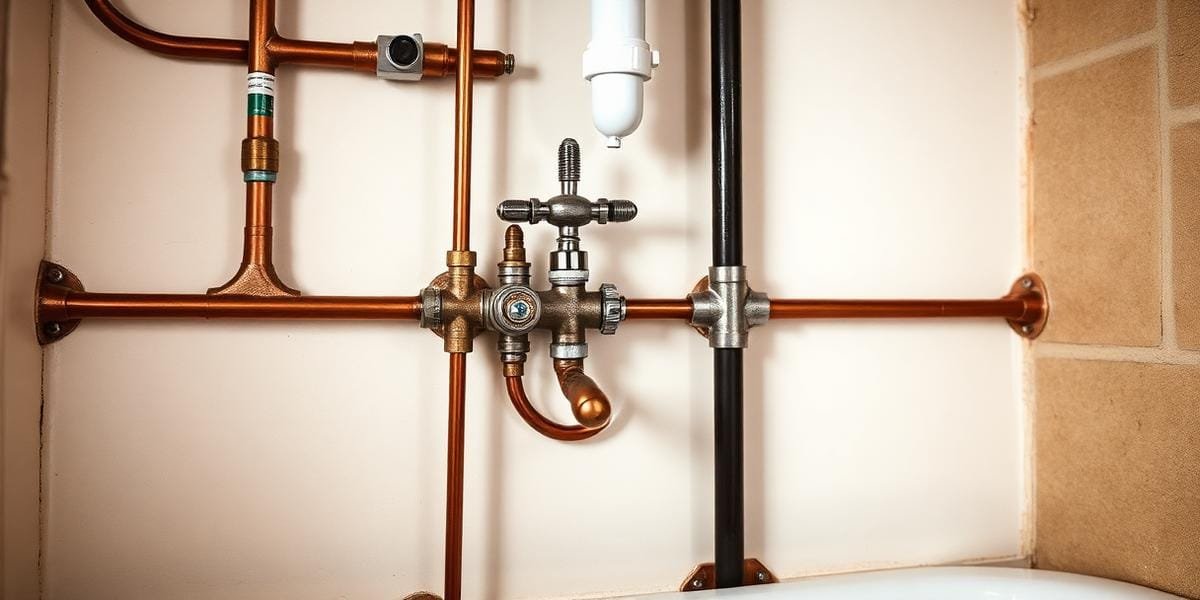
Installing a bathtub faucet is a manageable DIY job when you know the faucet type you have and prepare the right tools beforehand. The biggest mistakes happen at the valve stem and the spout connection, not the visible handles. Get those two right and the rest follows naturally.
Introduction
Why does a faucet that looked simple on a YouTube thumbnail turn into a two-hour frustration? Usually because the person doing the work did not identify their existing valve type before buying a replacement. Bathtub faucets are not universal. A Delta Monitor cartridge does not swap out with a Moen Posi-Temp, and confusing the two sends you back to the hardware store twice. This guide walks through the full installation process, covering compression valves, cartridge systems, and threaded spout connections, so you finish the job correctly the first time.
The Tools and Parts You Actually Need Before You Start
Showing up to a faucet installation with only an adjustable wrench is like cooking a recipe after skipping the ingredient list. The minimum kit for a standard tub faucet replacement includes a basin wrench or deep-socket set (sizes 1-1/16 inch and 1-1/4 inch cover most stems), needle-nose pliers, a flathead and Phillips screwdriver, plumber’s grease, Teflon tape, and a utility knife. A pipe wrench handles the spout if the old one refuses to budge.
Parts matter as much as tools. Most American bathtubs manufactured after 1995 use one of three valve systems: compression (two separate handles), cartridge (single or dual), or ball-type. Delta, Moen, American Standard, and Kohler each use proprietary cartridge designs. Picking up a generic cartridge at a big-box store and hoping it fits a Kohler Devonshire valve is a common, painful mistake. Pull the old cartridge out first, take it to the counter at a plumbing supply house, and match it physically before buying.
Budget between $40 and $180 for the faucet trim kit alone, depending on the finish. Chrome costs the least. Brushed nickel and oil-rubbed bronze sit at the higher end. If the valve body inside the wall also needs replacement, that adds $60 to $120 in parts and significantly more labor, as it requires opening the wall from the access panel behind the tub.
Shutting Off Water and Draining the Lines
The water supply to a bathtub almost never has its own dedicated shutoff valve unless the bathroom was plumbed after 2005 and the plumber was thorough. Most homes require shutting off the main supply line, which sits near the water meter or in the utility room. Newer homes sometimes have individual bathroom shutoffs behind an access panel in an adjoining closet or hallway.
Once the supply is off, open the tub faucet handles fully and let the lines drain for 30 to 60 seconds. Residual pressure stays in the pipes even after the main is closed. Skipping this step means water sprays across the bathroom the moment you loosen the packing nut on the stem. A dry workspace makes the entire job cleaner and lets you see whether any existing fittings are corroded before you commit to removal.
Lay a towel in the tub basin before starting. Small parts like the retaining clip on a Moen cartridge or the seat washer on a compression valve disappear into drain openings without warning. Professional plumbers tape off drains during any fixture work for exactly this reason.
Removing the Old Faucet Handles and Valve Stems
Most handles attach with a single screw hidden beneath a decorative cap. Pop the cap off with a flathead screwdriver, remove the screw, and pull the handle straight toward you. If it does not release, wiggle it gently while pulling. Forcing it with a tool mars the finish on the trim ring.
With the handle off, the packing nut or bonnet nut appears around the stem. Use the correct deep socket here. Turning the wrong size tool strips the nut edges, which turns a 20-minute job into an extraction problem. Turn counterclockwise. If the nut resists, apply penetrating oil and wait 10 minutes. Old brass fittings in homes built before 1980 are particularly prone to seizing because of decades of mineral buildup from hard water.
Pull the stem straight out once the nut clears. For cartridge systems, a cartridge puller tool (available for under $15 at most plumbing suppliers) makes extraction clean and prevents damage to the cartridge housing. Cartridges from Moen, for example, have a U-shaped retaining clip at the top that must come out before the cartridge itself releases. Miss that clip and you will strip the housing trying to yank the cartridge free.
Compression Valve Specifics
Compression valves are two-handle systems common in homes built before 1985. The stem screws down onto a rubber seat washer to stop water flow. The washer at the bottom of the stem is the part that fails first, usually causing a drip. Replace the washer with an exact-match size (measure the old one in millimeters) and replace the seat if it shows pitting. A seat wrench costs around $8 and is reusable across multiple repairs.
Cartridge Valve Specifics
Single-handle cartridge faucets control both temperature and volume through one ceramic or plastic cartridge. Brands like Delta use a different cartridge geometry than Moen or Price Pfister. The RP19804 is a classic Delta cartridge for their single-handle tub faucets, while Moen’s 1222 cartridge fits their Posi-Temp line. Write down the model number from the old faucet body before ordering, or take the cartridge physically to confirm fitment.
Installing the New Valve Stem or Cartridge
Clean the valve body before installing anything new. Use a small wire brush or a folded piece of 220-grit sandpaper to scrub away mineral deposits inside the cartridge housing. Sediment left behind prevents the new cartridge from seating fully, which causes a slow leak at the stem right after installation.
Apply plumber’s grease to the o-rings and the outside of the cartridge body before sliding it in. Do not use petroleum jelly (Vaseline) here. It degrades rubber o-rings over time. Genuine plumber’s grease, sometimes sold as silicone grease or waterproof grease, costs about $6 for a small tube and lasts years. Insert the cartridge so the notch or alignment tab matches the housing orientation. Moen cartridges, for example, have a flat side that must face front, or the hot and cold sides will be reversed when you reassemble.
Hand-tighten the bonnet nut first, then snug it with the socket. Do not overtighten. Cartridge housings are often brass or plastic, and cracking one means replacing the entire valve body inside the wall.
Connecting the Tub Spout
The tub spout is where a surprising number of leaks start after a faucet installation, not at the handles. Two spout connection types exist: threaded (slip-fit with a setscrew) and IPS (iron pipe thread). Knowing which one you have determines whether you use Teflon tape or a setscrew hex key.
For IPS threaded spouts, wrap the supply nipple with three clean layers of Teflon tape, always wrapping clockwise when facing the pipe end. Thread the spout on by hand first, then use a pipe wrench with a cloth wrapped around the spout body to avoid scratching the finish. Tighten until the spout points downward and sits flush against the wall. Do not back it off to adjust alignment. If it sits at an angle, add another layer of Teflon tape and try again.
For slip-fit spouts (used by Delta and some American Standard models), slide the spout over the copper or CPVC pipe stub and tighten the setscrew on the underside with a 1/8-inch hex key. The pipe stub length matters here. It must be between 1 inch and 2-3/4 inches for a standard slip-fit spout to engage the setscrew correctly. A stub that is too short means the setscrew grabs nothing and the spout eventually rotates or drips.
Apply a thin bead of plumber’s putty or 100% silicone caulk around the back edge of the spout before seating it against the tile. This prevents water from running behind the wall every time the shower is used.
Testing the Installation and Checking for Leaks
Turn the main water supply back on slowly and go to the tub before fully opening the valve. Watch the stem area and spout connection for any seeping before you turn the handles. Pressure rises gradually, so a slow leak appears in the first 30 seconds if a fitting is loose.
Turn the handle to cold only first. Check flow. Then test hot. If the positions are reversed, the cartridge went in backward, which happens even to experienced plumbers on first installations with an unfamiliar brand. Shut off the supply, pull the cartridge, rotate it 180 degrees, and reinstall.
Marcus Tyson, a plumbing contractor based in Austin, Texas, recommends running the tub for two full minutes and checking every connection point with dry paper towel rather than just visually. Paper towel reveals micro-seeps that look invisible to the eye but create wall damage over months. It takes two extra minutes and saves potentially thousands in drywall repair.
When the Job Reveals a Bigger Problem
Sometimes pulling a stem out reveals a cracked valve seat, a corroded pipe nipple, or a valve body that should have been replaced in 2009. A corroded valve seat causes a drip that no new stem washer can fix permanently. A seat grinder tool refinishes mild corrosion in place, but heavy pitting means replacing the valve body.
Replacing the valve body is a different scope of work. It requires soldering or using push-to-connect fittings like SharkBite, cutting the existing supply pipes, and typically opening a wall panel. If you reach this point mid-project, stopping and calling a licensed plumber is not a failure. It means you correctly diagnosed a condition that would have cost more money if left as a patch.
Signs that the valve body needs replacing include visible cracking in the brass body, a corroded seat that crumbles rather than grinding smooth, or a housing that no longer holds the cartridge snugly after cleaning.
Wrap Up
A bathtub faucet installation goes smoothly when you identify the valve type first, match parts physically before purchasing, and handle the spout connection with the same care as the stem. Most problems homeowners run into stem from assuming parts are universal when they are not, or skipping the drain-and-dry step before opening any fittings. Take the extra time to clean the valve body, use the correct grease, and test with dry paper towel, and the finished result should hold without a call-back for years.
FAQs
Can I install a bathtub faucet without turning off the main water supply?
No. Most tubs do not have local shutoff valves, so the main supply line must be closed before opening any fittings. Working on live lines leads to water damage and personal injury.
How do I know if I have a compression or cartridge faucet?
A two-handle tub faucet made before 1985 is almost certainly compression. Single-handle faucets and newer two-handle models use cartridges. Pulling the handle off and looking at the stem shape confirms it: a compression stem has a rubber washer at the tip; a cartridge is a self-contained cylinder.
Why is my new bathtub faucet still dripping after installation?
The most common causes are a reversed cartridge, a worn seat that was not replaced alongside the stem, or a cartridge that was not fully seated in the housing. Re-check alignment, inspect the valve seat for pitting, and confirm the retaining clip is fully engaged.
Disclaimer
This content shared by Fall Rugs is solely for research and informational purposes. Fall Rugs is not a professional interior design or home renovation consultancy, and the information provided should not be considered professional advice for home improvement or decor. All ideas and suggestions are based on current trends and general knowledge in the home decor industry.