
TL;DR
The skeleton flower turns transparent when wet because its loose cellular structure allows water to fill microscopic gaps instead of reflecting light. Cultivating this rare woodland perennial requires deep shade, acidic organic soil, and consistent moisture mimicking its native Asian habitats. Gardeners can successfully grow it by replicating forest floor conditions and protecting the delicate foliage from direct sunlight.
Introduction
Can a flower truly hide its color when the rain falls? The botanical world offers few sights as mesmerizing as the skeleton flower, a choice specimen that challenges our perception of plant biology. Cultivators prize this rare perennial for its ability to shift from a brilliant opaque white to a crystal-clear glass-like appearance during spring showers. Gardeners will gain a complete understanding of the specific environmental conditions, soil chemistry, and seasonal care routines required to sustain this delicate natural wonder over multiple seasons.
The Science Behind the Vanishing Petals
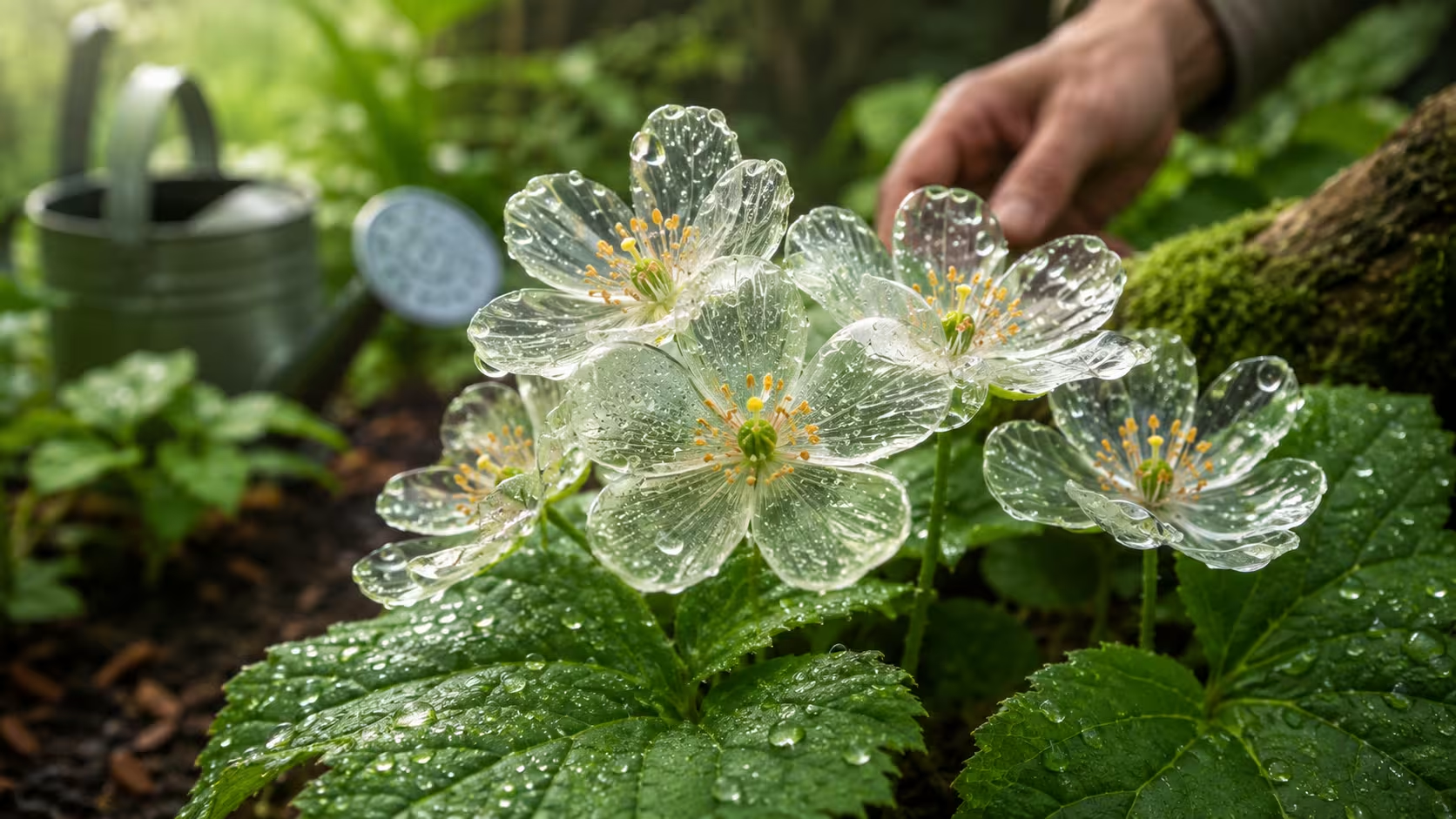
The dramatic transformation of the skeleton flower remains a subject of fascination for botanists and casual enthusiasts alike. This phenomenon relies entirely on cellular architecture rather than pigment manipulation or chemical reactions. The petals of the plant contain a loose cellular structure with numerous air-filled microscopic gaps that scatter light, creating an opaque white appearance on dry days.
[Dry Petals] -> Loose cells with air gaps -> Scatters light -> Opaque White
[Wet Petals] -> Water fills air gaps -> Direct light passage -> Transparent Glass-Like
When liquid water saturates the flower, moisture fills these microscopic spaces, replacing the air pockets. Because the refractive index of water closely matches the refractive index of the plant cell walls, light passes directly through the tissue instead of bouncing off the surface. This optical shift creates the illusion of transparency, exposing the intricate, vein-like structural skeleton of the bloom beneath.
A historic botanical garden in Portland experienced this firsthand when unexpected late-spring downpours transformed a newly established cluster of these perennials. Visitors watched the chalk-white blossoms morph into clear, glass-like structures within thirty minutes of sustained rainfall. Once the rain stopped and the ambient humidity dropped, the moisture evaporated from the petal tissue, and the flowers returned to their original opaque white state.
Cellular Transparency Mechanisms
The absence of dense pigments in the petal cells allows the water-logging effect to occur without color bleeding. Unlike red or blue forest flowers that contain water-soluble anthocyanins within their vacuoles, these blossoms possess minimal structural coloration. This specific physical property ensures that water saturation results in pure transparency rather than a muddy color dilution.
Environmental Light Interaction
The angle and intensity of sunlight immediately following a rainstorm dictate how long the translucent effect lasts. Overcast skies prolong the glass-like state by slowing the evaporation rate within the delicate petal matrix. High canopy shade protects the saturated blooms from premature drying, allowing the unique visual display to persist throughout a damp afternoon.
Designing the Perfect Woodland Habitat
Replicating the natural environment of the East Asian mountains stands as the single most critical factor for long-term cultivation success. This species thrives under a dense canopy of deciduous trees where filtered sunlight mimics the forest floors of Japan and the cold regions of China. Direct afternoon sun will scorch the large, sensitive leaves, leading to crisp brown edges and premature dormancy.
Experienced landscapers often position these plants alongside established companion species like Japanese painted ferns, hostas, and astilbes. Brands specializing in shade-loving flora, such as Monrovia, frequently recommend grouping these perennials in north-facing garden beds or deep foundation plantings. The broad leaves of the plant provide an excellent textural contrast to the fine fronds of surrounding ferns, creating a layered, naturalistic woodland aesthetic.
One common mistake involves planting this specimen too close to aggressive, shallow-rooted trees like maples, which strip the surrounding soil of moisture and nutrients. A residential planting project in Seattle suffered from this issue, resulting in stunted growth and zero blooms during the first two seasons. Moving the root crowns to an area dominated by deeper-rooted oak trees allowed the soil to retain the necessary moisture, causing the plants to double their leaf size by the following spring.
Light Filtration Standards
Filtered morning sun representing less than two hours of direct exposure provides sufficient energy for growth without damaging the delicate foliage. Dense, continuous shade remains preferable to even brief periods of harsh midday or afternoon light. Utilizing shade cloths or strategic positioning near structural elements like garden sheds can supplement natural tree canopies.
Companion Plant Integration
Selecting companions with similar moisture demands prevents localized soil depletion and root crowding. Epimediums and wild ginger serve as excellent ground covers that stabilize the soil temperature without encroaching on the root zones of larger perennials. This multi-tiered planting strategy mimics natural forest ecology, protecting the sensitive soil crust.
Wind Protection Dynamics
Large, thin leaves function like small sails, making them highly susceptible to tearing and desiccation during high wind events. Positioning the planting site near natural windbreaks, such as stone walls or dense evergreen hedges, prevents structural damage to the stems. This protection helps preserve the architectural integrity of the plant throughout the early summer months.
Soil Chemistry and Moisture Management
Sustaining the delicate water balance required by this perennial demands careful attention to soil structure and moisture retention. The planting medium must remain consistently damp without ever becoming waterlogged or stagnant. Heavy clay soils present a major hazard, as they trap water around the rhizome, cutting off oxygen and inviting fungal rot.
An ideal soil mix incorporates high amounts of organic matter, including leaf mold, composted pine bark, and aged manure, to create a spongy, moisture-holding matrix. The pH should sit firmly in the acidic to neutral range, ideally between 5.5 and 6.5, mimicking the natural decay of forest floors. Gardeners can use simple testing kits from local centers like Home Depot to verify soil conditions before inserting delicate root systems into the ground.
Ideal Soil Matrix:
+---------------------------------------------------------+
| Top Layer: Leaf Mold & Fine Bark Mulch (Insulation)     |
+---------------------------------------------------------+
| Middle Layer: Acidic Loam + Composted Organic Matter     |
+---------------------------------------------------------+
| Base Layer: Coarse Sand / Perlite (Sharp Drainage)      |
+---------------------------------------------------------+
A dedicated collector in Ohio managed to salvage a failing patch by aggressively top-dressing the entire bed with a three-inch layer of fine composted bark and coarse sand. This intervention restored the balance of drainage and water retention, stopping the leaf yellowing that often signals root suffocation. The plants responded by producing healthy new runners from the central rhizome the following autumn.
Irrigation Scheduling Protocols
Drip irrigation systems equipped with automated timers deliver the most reliable moisture delivery for sensitive woodland species. Overhead watering should be minimized during the blooming period to avoid triggering the translucent effect artificially, which can wear down the petals prematurely. Subsurface irrigation ensures the roots receive steady hydration while keeping the upper foliage dry and free from fungal spores.
Organic Matter Enhancement
Annual applications of well-rotted leaf mold replicate the natural cyclical deposition of forest nutrients. This material breaks down slowly, feeding beneficial soil microbes and maintaining the loose, fluffy soil texture that rhizomes require to expand. Avoid synthetic fertilizers with high nitrogen ratios, as they cause weak, leggy growth that easily collapses.
Drainage Optimization Methods
Incorporating expanded shale or coarse perlite into the lowest layers of the planting hole prevents water from pooling around the bottom of the root system. This method allows heavy seasonal rains to pass through the soil column efficiently while leaving the upper organic matter adequately hydrated. Proper drainage remains the primary defense against the spread of root-destroying pathogens.
Seasonal Care and Propagation Techniques
Success across the calendar year requires a clear understanding of the life cycle of this cold-hardy perennial. In early spring, the plant emerges from the ground with umbrella-like leaves folded tightly against the stem before expanding into large, deeply lobed fans. Small clusters of white flowers appear in late spring, followed by bright, metallic-blue berries on reddish stems by mid-summer.
Spring: Leaf expansion & White blooming phase
Summer: Metallic-blue berry production & Seed maturation
Autumn: Foliage dieback & Nutrient storage in rhizomes
Winter: Dormancy under protective mulch insulation
Propagation is most successfully achieved through rhizome division during the autumn dormancy period when the foliage has naturally died back. Carefully lifting the root mass reveals distinct growing points that can be separated using a sterilized knife, ensuring each piece retains at least one healthy bud. These divisions must be replanted immediately into prepared soil to prevent the fine root hairs from drying out.
A botanical nursery in Vermont documented the successful propagation of over fifty new starts from a single mature five-year-old mother plant using this autumnal method. The growers emphasized the importance of keeping the newly divided sections heavily mulched with clean straw throughout the freezing winter months. This protection prevented frost heaving, which can push shallow rhizomes out of the soil and expose them to lethal freezing temperatures.
Autumn Division Steps
Lifting the root mass requires a wide perimeter dug around the base to avoid slicing the brittle, spreading rhizomes. Clean, precise cuts minimize the total surface area exposed to potential soil pathogens during the winter hibernation phase. Dusting the open cuts with a light layer of powdered charcoal can further safeguard the divided sections from infection.
Winter Insulation Requirements
A thick layer of clean straw, pine needles, or shredded leaves protects the shallow root system from extreme temperature swings. This insulation proves especially important in northern regions where snow cover is inconsistent and ground freezing is deep. Removing the mulch gradually in early spring allows the emerging shoots to break through without restriction.
Seed Harvesting Variables
Collecting the blue berries in late summer offers an alternative method of propagation, though it requires substantial patience. The seeds must be extracted from the pulpy fruit and sown immediately while fresh, as dry storage often triggers deep dormancy that can delay germination for up to two years. Seedlings grow slowly, often taking four to five seasons to produce their first transparent blooms.
Troubleshooting Common Growth Pitfalls
Even attentive caretakers occasionally encounter challenges when managing this sensitive species outside its native range. Yellowing leaves usually indicate a breakdown in the moisture delivery system, pointing to either severe dehydration or drowning roots. Inspecting the soil moisture depth with a finger or a simple probe helps differentiate between these two opposing root issues.
Pests like slugs and snails pose a significant threat to the emerging spring foliage, as they can quickly chew large holes in the expanding leaf fans. Using non-toxic iron phosphate baits around the perimeter of the shade bed creates a reliable shield without endangering local wildlife or domestic pets. Regular evening inspections help catch early infestations before major structural damage occurs to the primary stems.
A home gardener in Vancouver noticed severe leaf tip burn on their specimens during an unusually hot July heatwave. By temporarily constructing an overhead frame using a light, breathable burlap sack, they dropped the ambient temperature around the plants by several degrees. This emergency intervention stopped the scorch from spreading to the central stems, allowing the perennials to store enough energy to survive into the next year.
Managing Folier Scorch
Immediate application of supplemental shade during unexpected heat spikes protects the remaining green tissue from permanent cellular breakdown. Trimming away completely dead leaves improves air circulation and reduces the hiding spots available to common garden pests. Spritzing the surrounding soil, rather than the leaves, cools the local microclimate through evaporation.
Slug and Snail Abatement
Deploying physical barriers like copper tape around the edges of raised beds prevents crawling pests from reaching the tender stalks. Maintaining a clean zone free of dead leaves immediately around the base of the plant removes the dark, damp hiding spots that slugs favor during the day. Consistent monitoring during spring rains ensures the delicate blooming phase remains undamaged.
Fungal Disease Prevention
Good air movement through the lower garden canopy prevents the stagnant conditions that encourage powdery mildew and botrytis blight. Spacing individual plants at least two feet apart allows wind to dry the large leaf surfaces quickly after morning dew or heavy rains. If fungal spots appear, treating the foliage with an organic copper-based fungicide can stop the spread without harming the plant.
Wrap Up
The skeleton flower remains an extraordinary example of nature’s design, offering an unmatched visual reward for the patient gardener. Providing deep shade, rich acidic soil, and consistent moisture allows this remarkable perennial to thrive and display its clear transformation for years. Embracing these specific woodland care techniques ensures the beautiful rain flower will continue to surprise and delight every spring.
FAQs Section
How long do skeleton flowers stay transparent after it rains?
The transparency persists as long as the petal tissue remains fully saturated with water, which typically lasts from a few hours to an entire afternoon depending on cloud cover and humidity. Once the ambient air dries the blossoms, the moisture evaporates from the micro-gaps, and the petals return to their natural opaque white color.
Can you grow a skeleton flower indoors as a houseplant?
This species is poorly suited for indoor cultivation because it requires a distinct cold dormancy period during the winter to reset its growth cycle. The dry air and lack of natural soil temperature fluctuations found inside standard homes will quickly weaken the rhizome, leading to poor growth and a lack of blooms.
Where can I buy authentic skeleton flower seeds or rhizomes?
Authentic bare-root rhizomes or fresh seeds should be purchased from established, reputable nursery brands specializing in rare woodland perennials, such as Plant Delights Nursery or specialized mail-order botanical companies. Buyers should exercise caution with online marketplaces offering cheap seeds, as these are frequently mislabeled varieties or common weeds.
Disclaimer
This content shared by Fall Rugs is solely for research and informational purposes. Fall Rugs is not a professional interior design or home renovation consultancy, and the information provided should not be considered professional advice for home improvement or decor. All ideas and suggestions are based on current trends and general knowledge in the home decor industry.