

TL;DR
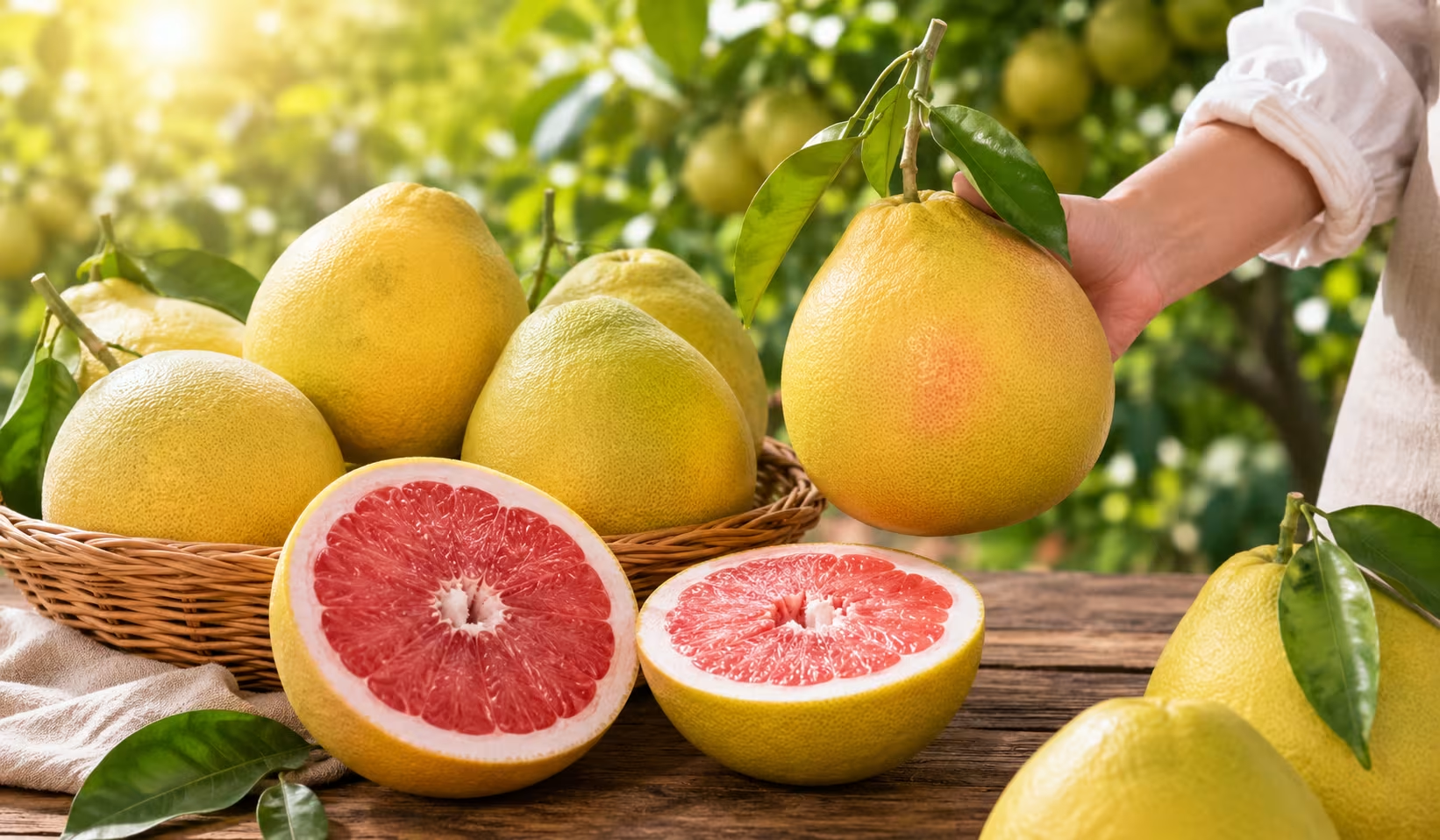
Determining when a red pummelo is ripe requires checking for a heavy weight relative to its size, a fragrant citrus aroma at the stem, and a pale yellow or light green skin that yields slightly to firm pressure. Avoid lightweight fruits with rock-hard rinds, as these lack the sweet, low-acid juice characteristic of a properly matured pummelo.
Introduction
Walking up to a massive display of oversized citrus at a specialty grocery store can feel intimidating if you do not know what to look for. The red pummelo represents the largest ancestor of the modern grapefruit, boasting an incredibly sweet flavor profile without the harsh bitterness people often dislike.
Earning the reward of that refreshing, crisp flesh depends entirely on making the right choice during harvest or at the market. Readers will discover the exact physical markers of peak maturity, the subtle differences between a green exterior and internal readiness, and practical handling strategies to get the most out of this remarkable fruit.
The Physical Architecture of a Mature Pummelo
Weight tells the truest story when evaluating large citrus varieties. When a pummelo matures on the tree, its internal juice vesicles swell with water and natural sugars, significantly increasing the overall mass of the fruit. Picking up a few different options at an Asian night market or a high-end grocer like Whole Foods allows for a quick baseline comparison. The specimen that feels surprisingly heavy for its dimensions is almost always the winner because it contains the maximum amount of juice rather than a thick, dry layer of pith.
Rind texture provides the next crucial clue for anyone wondering about internal readiness. Young, unripened pummelos possess a dense skin that feels completely solid when squeezed. As the fruit reaches optimal sugar levels, the thick outer pith softens into a spongy texture that gives slightly under the pressure of your thumb. Veteran produce buyers often look for a slight dullness or faint wrinkling on the skin, which indicates that excess water has evaporated from the rind, concentrating the sugars inside the pink segments.
Experienced decorators and chefs like Martha Stewart have noted that the visual appearance of citrus can sometimes deceive beginners. A faint green blush on the skin does not necessarily mean the fruit is sour, as certain microclimates keep the chlorophyll active even when the flesh inside has turned sweet. Instead of focusing solely on a bright yellow hue, successful selection combines weight, a gentle give in the rind, and a rich, sweet perfume emanating directly from the stem end.
Deciphering Color Variations and Scent Markers
The transition of the exterior skin from deep forest green to a pale, warm chartreuse marks the baseline phase of citrus maturation. During this shift, the acid levels within the red pummelo drop sharply, allowing the subtle berry-like sweetness of the pink flesh to dominate. Horticulturists working with specific varieties, such as the popular Chandler red pummelo, look for a uniform coloration that suggests even exposure to sunlight throughout the growing season in regions like California or Southeast Asia.
Scent serves as an undeniable confirmation of a fruit that has reached its peak potential. Holding the stem area close reveals a complex aromatic profile that blends traditional grapefruit notes with a distinct floral sweetness. If a pummelo emits zero aroma even at room temperature, it was likely harvested far too early and will fail to deliver the desired culinary experience. Conversely, a fermented or overly sharp alcohol smell means the fruit has sat on the shelf too long and the sugars have begun to break down.
Missteps happen frequently when shoppers rely on rules meant for other citrus fruits. A deep orange color belongs to oranges and tangerines, whereas a prime pummelo stays within the soft yellow and light green spectrum. Blemishes on the skin, often called wind scars, occur when branches rub against the fruit during high winds on the farm. These surface marks do not compromise the thick protective barrier of the rind or alter the flavor of the internal segments, meaning you can confidently purchase a scarred fruit if it passes the weight and scent tests.
Assessing the Pith and Rind Proportions
Understanding the sheer thickness of a pummelo rind helps manage expectations when preparing to open the fruit. Unlike a standard Ruby Red grapefruit, a pummelo allocates a massive portion of its volume to a white, cotton-like pith. This internal padding protects the delicate juice sacs from bruising during transport, but it also tricks buyers into thinking they are getting more flesh than actually exists. Knowing when the fruit is ripe means recognizing that a slightly thinner, more compressed pith layer correlates with a fruit that stayed on the tree long enough to fill its internal chambers with juice.
The Role of Temperature in Flavor Evaluation
Cold temperatures mask the true aromatic profile and sweetness of large citrus varieties. Testing a pummelo directly out of a commercial refrigerator often yields a muted sensory experience. To accurately judge whether your purchase is ready to eat, leave the fruit on a kitchen counter for twenty-four hours until it reaches standard ambient room temperature. This warmth coaxes the natural volatile oils to the surface of the rind, making it vastly simpler to evaluate the fragrance and structural give of the fruit before making your final cuts.
Mastering the Preparation and Segment Extraction
Processing a ripe pummelo demands a different approach than slicing an orange or a lime. The interior membranes surrounding each red segment are remarkably tough, papery, and bitter, meaning they must be completely discarded. Home cooks using tools from brands like Shun or Wusthof generally begin by slicing off the top and bottom caps of the fruit to expose the internal structure. From there, vertical scores are cut through the thick skin from top to bottom, making it possible to peel back the heavy jacket of rind and pith.
Once the outer layer is removed, the remaining core resembles a oversized, naked citrus sphere. Gently driving your thumbs into the center allocation allows the fruit to split into natural halves without rupturing the delicate juice vesicles. Experienced prep cooks then peel away the tough outer membrane of each individual wedge, lifting out the clean, glistening pink jewels of flesh. This structural integrity allows pummelo segments to be tossed into salads without dissolving into a watery mess, a characteristic highly valued by culinary professional Samin Nosrat when balancing textures.
Storage strategies dictate how long you can enjoy the fruits of your labor. A whole, unpeeled pummelo stays fresh on a cool countertop for up to two weeks, and can last for nearly a month inside a dedicated refrigerator crisper drawer. Once you invest the time into stripping away the bitter membranes, the isolated flesh should be stored in airtight glass containers from brands like Pyrex. Consume the refrigerated segments within four to five days to enjoy the ideal crisp texture before the juice vesicles begin to dry out or absorb ambient odors from the fridge.
Wrap Up
Selecting a perfect red pummelo comes down to trusting your hands and nose rather than just your eyes. Look for a heavy specimen that displays a soft, yellowish green skin with a noticeable give when pressed firmly. By peeling away the bitter membranes completely, you unlock a uniquely sweet, low-acid citrus experience that stands out in any seasonal fruit arrangement.
FAQs Section
Can a red pummelo ripen further after it has been picked from the tree?
Unlike bananas or avocados, pummelos do not continue to develop sugars or ripen significantly once harvested from the branch. They will soften slightly and lose moisture at room temperature, but the sweetness level is locked in the moment the stem is severed.
Why does my red pummelo have green skin even though it feels heavy and smells sweet?
Green skin on a pummelo is a natural occurrence caused by temperature variations, where warm weather prompts the rind to reabsorb chlorophyll. This visual trait does not impact internal sweetness if the fruit feels heavy and gives off a rich citrus aroma.
What is the easiest way to remove the thick rind without damaging the interior fruit?
Cut off the top and bottom half-inch of the pummelo, score the thick skin vertically into four or five sections, and use your fingers to pry the rind away from the flesh. This method exposes the segments safely without piercing the delicate juice sacs inside.
Disclaimer
This content shared by Fall Rugs is solely for research and informational purposes. Fall Rugs is not a professional interior design or home renovation consultancy, and the information provided should not be considered professional advice for home improvement or decor. All ideas and suggestions are based on current trends and general knowledge in the home decor industry.