
TL;DR
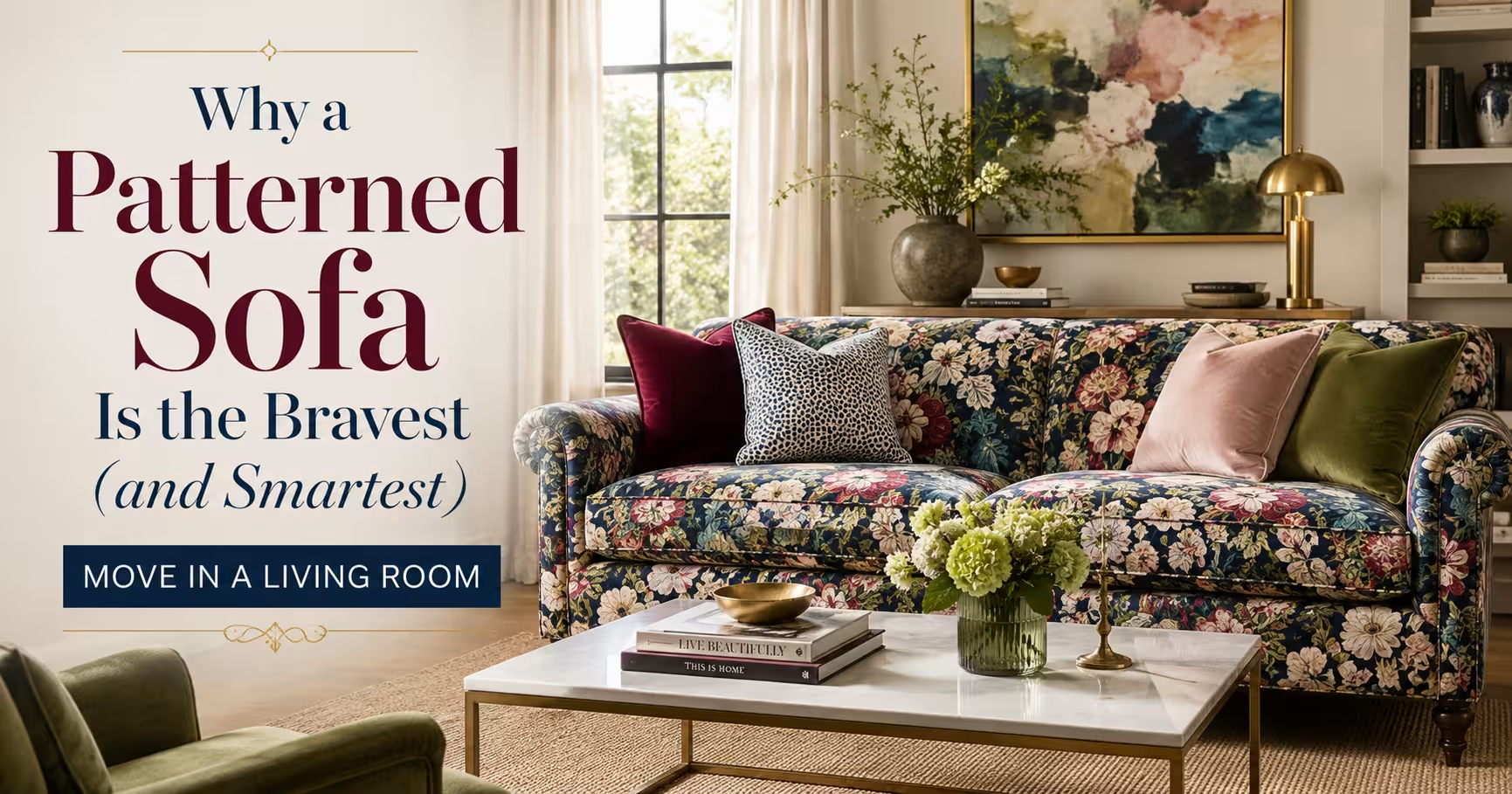
A patterned sofa brings lasting visual interest that plain furniture rarely achieves, but the pattern scale, color palette, and surrounding decor must work together. Choose a print that reflects the room’s overall mood rather than one you simply love in isolation. Style it with restraint and it will carry the space for years.
A Question Most Shoppers Ask Too Late
What happens after you fall in love with a sofa in the showroom, drag it home, and realize it looks nothing like you imagined? That experience is more common with patterned sofas than with almost any other piece of furniture, and it usually comes down to one thing: the pattern was chosen before the room was understood. A patterned sofa isn’t just a seat. It’s a visual anchor that sets the emotional register of everything around it.
Getting it right isn’t about design training. It’s about knowing which variables matter, in which order, and why the wrong move at any step creates a room that feels unsettled even when everything in it is technically fine.
What Makes a Patterned Sofa Work as a Design Statement
The first thing to understand is pattern scale, because it governs how the sofa reads from across the room. A large-repeat botanical print on a standard three-seater creates drama and becomes the room’s focal point immediately. A small-repeat houndstooth on the same frame reads as a textured neutral from eight feet away, functioning more like a solid fabric with added depth. Neither is wrong. They’re doing completely different jobs.
Sarah Kline, an interior stylist working out of Edinburgh, swapped a client’s cream linen sofa for a wide-stripe ottoman-weave piece in terracotta and ivory. The room had cathedral ceilings and large sash windows that were overwhelming the furniture. The stripe gave the eye a structured place to land. What had felt cavernous became composed.
Scale also interacts with the sofa’s silhouette. A tuxedo sofa with clean, boxy lines holds a large geometric or abstract print well because the frame gives it structure. A rolled-arm Chesterfield with button tufting competes with bold repeats, so smaller, denser patterns tend to suit its decorative lines better.
Pattern Repeat and Upholstery Cost
This is where the practical side gets overlooked. A pattern with a large repeat requires more fabric to match at the seams, which drives up upholstery yardage significantly. A 24-inch repeat across a three-seater can add 30 to 40 percent more fabric than a repeat under 6 inches. If you’re commissioning a custom piece or recovering an existing frame, ask for the repeat measurement before approving the fabric. The difference in final cost can be substantial, and most upholsterers won’t raise it unless asked.
Fabric Weight and Pattern Longevity
Pattern and fabric structure are inseparable. A delicate jacquard on a sofa used daily by two adults and a dog won’t hold its design integrity for long. The print begins to crush and distort at contact points within months. Woven patterns, where the design is built into the textile structure rather than printed on top, outlast surface-printed fabrics considerably. Ikat, damask, and chenille jacquards are woven. Many “pattern” sofas sold at accessible price points use digitally printed fabric, which can fade and wear unevenly. Checking the fabric specification before purchasing is one of the decisions that separates a sofa that looks great for two years from one that holds up for ten.
How to Choose the Right Pattern for Your Living Room
The room’s existing architecture should guide the pattern before anything on a mood board does. Low ceilings favor horizontal elements, so wide stripes or landscape-oriented prints can feel natural. Tall rooms with generous proportions handle vertical patterns and large medallion prints without feeling crowded.
Lighting is the variable most shoppers underestimate. A jewel-toned paisley that looks extraordinary under the showroom’s warm halogen lights can shift dramatically under the cooler daylight in a north-facing room. The colors don’t change, but the dominant hue shifts perceptually, and a fabric that looked warm and rich can appear flat or even slightly grayish. Requesting a fabric cutting and living with it in the actual room for several days before ordering is the safest approach, particularly for patterns with complex colorways.
Coordinating a Patterned Sofa With the Rest of the Room
The principle most experienced designers reach for is: one pattern, two textures, three tones. If the sofa carries the pattern, the other upholstered pieces should contribute texture without competing. A linen armchair, a boucle accent seat, or a velvet ottoman each add tactile interest while letting the sofa read clearly as the room’s visual lead.
Rugs require the most care. A patterned sofa placed over a heavily patterned rug creates what decorators sometimes call “visual noise,” where neither piece can be read clearly and the room feels restless. The safest pairing is a sofa with a geometric or graphic pattern over a rug with organic texture, such as a flatweave wool or sisal, and vice versa: a more fluid floral sofa over a geometric rug works because the pattern types contrast rather than compete.
Pillows present an opportunity that’s easy to mishandle. The impulse is to match, pulling one of the sofa’s colors for the cushion covers. The better instinct is to contrast scale: if the sofa carries a large-repeat print, use small-scale or solid cushions. It lets both elements breathe and gives the eye somewhere to rest.
When Neutral Walls Are Non-Negotiable
A patterned sofa almost always prefers a quieter wall. That’s not a rule so much as an observation from rooms that work consistently. The sofa is doing the conversational work; the walls should listen. A warm white, a warm greige, or a deeply saturated single-tone paint (think terracotta, forest green, or a dusty plum) all give a patterned sofa room to register without competing.
Marcus Delroy, a set designer who transitioned into residential interiors in Melbourne, described a project where the client had already committed to a William Morris-style printed sofa in indigo and ochre. The walls were painted Benjamin Moore’s “Hale Navy.” Every instinct in the room was competing. He repainted the walls in a warm plaster tone, kept the original sofa, and layered in a natural jute rug. The sofa, which had looked chaotic against the navy, suddenly became the considered, confident centrepiece it was always meant to be.
The Patterns That Last and the Ones That Date
Geometric and abstract prints hold their footing across shifting trends because they read as design rather than decoration. A clean chevron, a bold stripe, or a structured ikat reads as intentional and tends to age well with the rest of a room’s evolution. Heavily illustrative or novelty prints, such as oversized tropical leaves, flamingos, or literary quote prints, carry a stronger timestamp. They’re not wrong choices, but they tend to feel tied to a specific period within five to seven years.
Classic woven patterns like tartan, herringbone, and damask have survived centuries of interior fashion cycles for a reason. They carry inherent structural elegance that doesn’t depend on trend context. A tartan sofa in a deep forest green and burgundy doesn’t look “of the moment” because it’s never quite been of any single moment. It simply reads as considered.
Mid-century abstract prints, bohemian mudcloth-style patterns, and Arts and Crafts-inspired florals all share the quality of looking connected to a design lineage rather than a social media aesthetic. That lineage gives them staying power that trend-driven prints rarely match.
The Case for a Patterned Sofa in a Small Room
The instinct in a smaller room is to avoid bold pattern in case it overwhelms the space. That instinct is understandable and often wrong. A small room with a deliberately patterned sofa and restrained surroundings can feel curated and confident. A small room crammed with competing neutrals in different finishes often feels more disjointed than a room with a single strong statement.
The key is proportion. A loveseat or a compact two-seater in a bold pattern can hold a small living room the way a painting holds a wall. The pattern gives the room a reason to stop and look, which paradoxically makes it feel more considered and complete rather than cramped.
Wrap Up
A patterned sofa earns its place when the pattern scale matches the room’s proportions, the fabric construction is suited to actual use, and the surrounding elements let it speak clearly rather than argue back. The strongest rooms built around a printed sofa almost always follow the same logic: one bold choice made confidently, everything else in quiet support. Get the fabric specification right, live with a sample in real light before committing, and let the sofa be the room’s definitive statement. That’s when it stops being a risk and becomes the decision the room was always waiting for.
FAQs
Can a patterned sofa work in a small living room?
Yes, a well-proportioned patterned sofa in a compact space creates a focused visual anchor. Keep surrounding furniture and walls relatively plain to let the sofa define the room rather than crowd it.
What colors should I pair with a patterned sofa?
Pull one of the secondary colors from the sofa’s pattern and use it sparingly in accent pieces like cushions or a throw. The walls and rug should stay neutral or deeply tonal to let the sofa carry the visual interest without conflict.
How do I keep a patterned sofa looking good long-term?
Choose a woven rather than a printed fabric construction, rotate cushions regularly, and use a fabric protector suited to the specific textile. Avoid direct, sustained sunlight, which fades both printed and woven patterns over time.
Disclaimer
This content shared by Fall Rugs is solely for research and informational purposes. Fall Rugs is not a professional interior design or home renovation consultancy, and the information provided should not be considered professional advice for home improvement or decor. All ideas and suggestions are based on current trends and general knowledge in the home decor industry.