
TL;DR
Velvet sofas combine tactile luxury with surprising durability when you choose the right fabric construction and care for the pile correctly. Color, base material, and frame quality separate a lifelong investment from a regrettable purchase. With the right knowledge, velvet is one of the most rewarding upholstery choices you can make.
Introduction
What makes a piece of furniture feel genuinely expensive, even in a modest room? Velvet has answered that question for centuries, from Ottoman palace divans to mid-century Hollywood regency interiors. But velvet sofas have a reputation problem: people assume they’re high-maintenance, fragile, or reserved for rooms no one actually uses. That assumption is wrong, and it’s costing buyers a furniture decision they’d love. This piece breaks down how velvet fabric actually works, which types hold up in real homes, and what to look for before you commit to one.
What Velvet Actually Is (and Why It Matters for Sofas)
Most people treat velvet as a single material, but it’s really a construction method. Velvet is defined by its cut pile, where two layers of fabric are woven together face-to-face, then sliced apart. That slicing creates the characteristic upright fibers that catch light differently depending on which direction you stroke them. The base fiber, whether cotton, polyester, linen, or a blend, determines everything from how the sofa wears over time to how easily it cleans.
Cotton velvet feels the richest and ages with genuine character, developing a worn-in patina that some buyers love and others don’t expect. It’s more susceptible to watermarks and requires gentler care. Polyester velvet and polyester-cotton blends, by contrast, are significantly more resistant to crushing, fading, and moisture. Brands like Article and Interior Define have built large sofa lines around performance velvet blends precisely because they hold up in households with children and pets without sacrificing the visual warmth velvet delivers.
Crushed velvet is a separate category worth understanding. The pile is deliberately twisted or pressed in varying directions to create that shimmery, irregular surface. It’s visually striking but tends to show wear and pressure marks more visibly. For a primary sofa in daily use, a standard cut pile in a poly-blend construction is the more forgiving choice.
Why the Pile Direction Changes Everything
Run your hand one way across a velvet sofa and it looks dark and matte. Reverse direction, and the same surface looks lighter and almost luminous. This is called the “nap,” and it’s why velvet photographs so dramatically and why sofa cushions can look mismatched if they’ve been placed inconsistently.
This also explains something new buyers often find alarming: a “mark” or visible impression left by sitting. This is not damage. It’s the pile being temporarily pushed in a different direction, and it returns to its natural position with a light brush or simply by hand. A velvet brush, widely available from fabric care brands like Guardsman, is genuinely useful and costs under fifteen dollars.
Seat Cushion Fill and Long-Term Pile Health
The fill inside cushion inserts creates more impact on velvet’s appearance than most buyers realize. A high-density foam wrapped in a down-feather blend keeps its shape while allowing the velvet cover to relax and reset its pile naturally. Fully down cushions look luxurious in showrooms but compress quickly and create permanent pile disturbance in high-use spots. When comparing sofas, ask specifically about foam density and whether cushion covers are removable, because both affect how the velvet looks five years in.
Choosing the Right Velvet Sofa Color
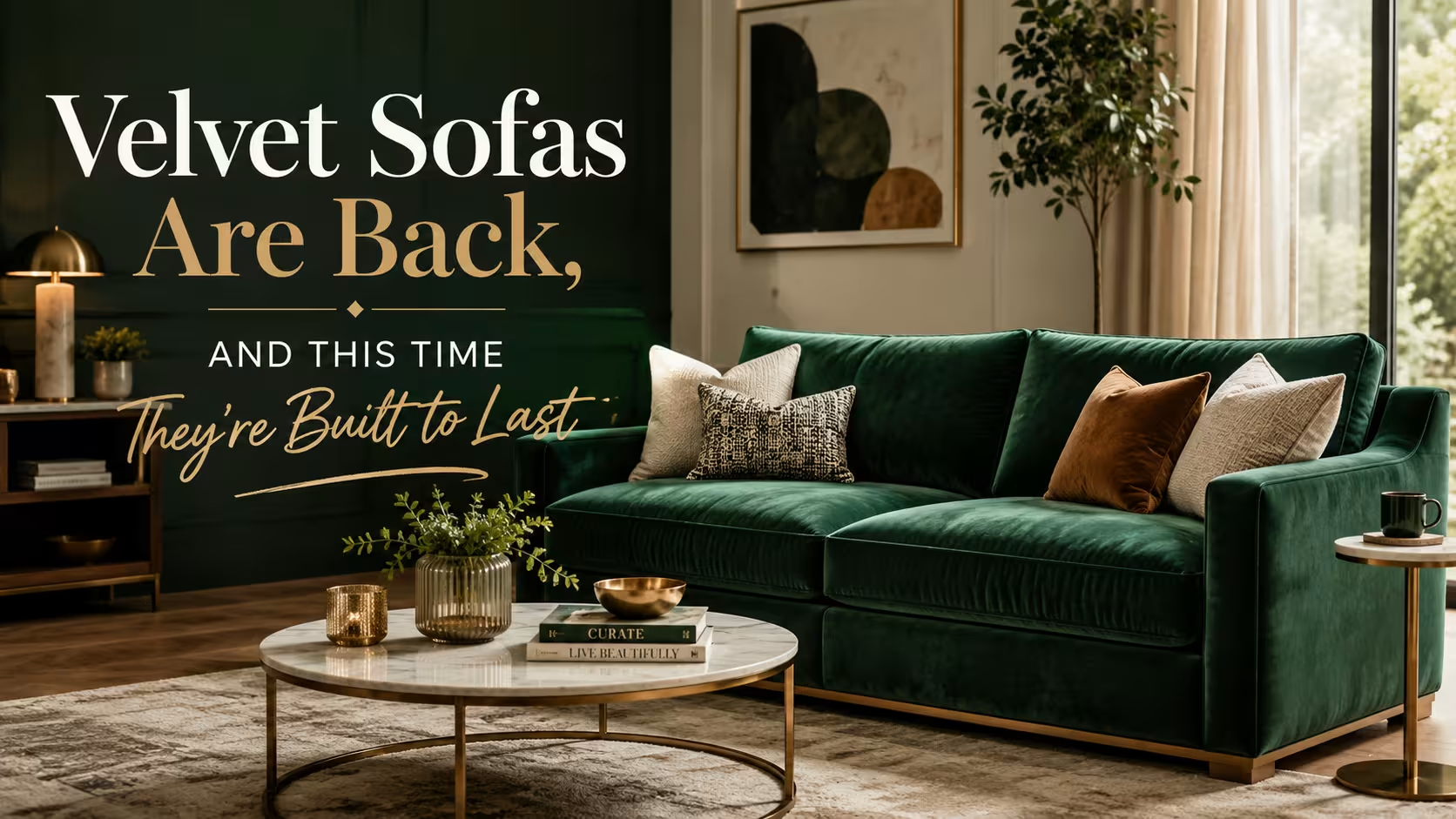
Color is where velvet sofas earn their reputation for drama, and it’s where buyers make the most emotion-driven, logic-light decisions. Jewel tones dominated interior design coverage for the better part of a decade: sapphire, emerald, cognac, and deep plum became virtually synonymous with the velvet sofa category. They photograph beautifully and create instant focal points. They also demand more from the room around them.
Neutral velvet, particularly dusty rose, warm sand, dove grey, and pale sage, works harder in more spaces. These tones shift subtly across the day as natural light changes, giving the sofa visual interest without requiring the room to compete. A pale sage velvet sofa in a room with warm wood floors and linen curtains creates layered warmth that reads as considered and calm rather than loud. These quieter tones also tend to show pet hair and lint less aggressively than dark jewel tones, a practical consideration that rarely appears in design content but matters enormously in real life.
How Velvet Color Behaves in Different Lighting Conditions
North-facing rooms, common in older terraced houses and apartments, strip warm tones from fabric and push cooler hues toward grey. A rich cobalt velvet that looked electric in a south-facing showroom can read as washed-out and slightly sad in a north-facing living room. This isn’t a flaw in the sofa but a physics problem with ambient light.
Requesting fabric swatches and living with them in the actual room for two to three days under multiple lighting conditions is not excessive caution. It’s the standard practice among interior stylists who avoid costly mistakes. Swatch services are standard from most direct-to-consumer sofa brands, and skipping this step accounts for a significant share of buyer’s remorse in upholstered furniture.
Dark Velvet and the Pet Hair Reality
Naveen Rao, a homeowner in Austin who bought a midnight blue velvet sofa from a well-regarded direct-to-consumer brand, found within two weeks that his two golden retrievers had essentially colonized it. The hair wasn’t just sitting on the surface but weaving into the pile. A lint roller worked, but imperfectly. A rubber pet hair brush worked significantly better, and the sofa itself wasn’t damaged. The issue was the color: light fur on dark velvet is visible at a distance. The same sofa in a warm taupe would have been virtually invisible to the same problem. This isn’t a velvet-specific failure. It’s a color decision with consequences that are easy to predict in advance.
Velvet Sofa Durability in Real Households
Velvet has a reputation for fragility that’s partly deserved and partly outdated. Early velvet furniture, heavily weighted toward cotton construction, did crush, stain, and wear unevenly with sustained use. Modern performance velvets, particularly those woven with a tight polyester or polyester-nylon pile, tell a different story. Many of these fabrics carry Martindale rub test ratings above 30,000 cycles, which indicates more than adequate durability for residential upholstery use.
The more honest durability question isn’t whether velvet will wear out but whether the buyer will maintain it properly. Velvet requires one thing above almost all else: regular, gentle brushing. A sofa that gets brushed in the direction of the pile once a week stays looking sharp for years. A sofa that gets ignored for months accumulates matted sections, particularly in seat and arm areas, that become progressively harder to revive. This isn’t demanding care. It’s about ten minutes a month, but it’s consistent.
Cleaning Velvet Without Ruining the Pile
Spills are the moment most velvet owners genuinely fear, and the fear is reasonable because the wrong instinct, rubbing at a spill with a cloth, is exactly what causes lasting damage. Rubbing pushes liquid deeper into the pile and matts the fibers together. The correct approach is blotting, pressing gently with a clean, dry cloth to absorb moisture, then allowing the area to dry completely before brushing the pile back into alignment.
For deeper cleaning, a solution of distilled water and a small amount of dish soap applied sparingly with a soft cloth works well for most common spills. Steam can revive crushed pile effectively when used carefully and at a distance. Many velvet sofas sold today include fabric codes on care labels: W indicates water-based cleaners are safe, S means solvent-based cleaners only, and WS means either is appropriate. Ignoring these codes creates permanent damage that no amount of brushing corrects.
When Professional Cleaning Makes Sense
For cotton velvet in particular, professional upholstery cleaning every two to three years preserves the fiber quality and prevents the gradual buildup of oils from skin contact that dull the pile’s natural sheen. This is the kind of maintenance that separates a sofa that looks beautiful for a decade from one that looks tired in four years. The cost is modest relative to the sofa’s original price, and it’s a practice worth scheduling rather than waiting until visible deterioration prompts it.
Frame and Leg Quality: The Part You Can’t See
A velvet sofa lives or dies by what’s underneath the fabric. Kiln-dried hardwood frames, typically beech or oak in quality construction, resist warping as humidity changes seasonally. Softwood and engineered wood composites are common cost-cutting measures and they show their limits over time through creaking joints and frames that rack slightly out of square.
Eight-way hand-tied coil spring suspension is the historical benchmark for seat support, and it remains the construction found in sofas built to outlast their owners. Many mid-range and direct-to-consumer sofas use sinuous spring or webbing systems instead. These perform adequately for five to eight years but lack the long-term resilience of hand-tied construction. Neither is automatically wrong, but the price difference between a sofa with a hardwood hand-tied frame and one built on engineered composites is often smaller than buyers expect, particularly when considering the replacement cycle.
The Leg Decision Is Aesthetic and Structural
Tapered wood legs, hairpin legs, and block feet each create fundamentally different silhouettes and signal different design periods. Tapered wood legs read mid-century and feel light in a room. Block or plinth bases create a more anchored, contemporary look. Hairpin legs are studio-apartment staples, practical for smaller spaces because they allow visual floor space to remain visible beneath the piece.
Beyond aesthetics, leg attachment quality matters. Legs that screw directly into a solid hardwood frame with a hanger bolt system are significantly more stable than legs attached to plywood plates with cam locks. A sofa that feels slightly wobbly in a showroom will feel more wobbly at home after six months of use. Sitting on the showroom floor and putting the sofa through lateral pressure before buying is not dramatic. It’s practical.
Wrap Up
Velvet sofas reward buyers who understand the material before committing: the fabric construction determines durability, the color determines long-term visual practicality, and the frame beneath the upholstery determines how long the investment actually lasts. Regular pile maintenance is genuinely simple and genuinely consequential. The category has moved far beyond fragile showpieces, and the right velvet sofa, properly chosen and minimally maintained, is one of the most character-rich pieces a room can hold.
FAQs
Is a velvet sofa hard to keep clean?
Velvet is manageable with consistent care. Blotting spills immediately rather than rubbing, and brushing the pile regularly, keeps most velvet sofas in excellent condition without professional cleaning more than once every few years.
Does velvet hold up with pets and children?
Performance polyester velvets with high Martindale ratings handle pet and child use well, though dark colors will show light-colored pet hair more visibly. Regular brushing with a rubber pet hair brush addresses this effectively.
What color velvet sofa is easiest to maintain?
Mid-tone neutrals like warm sand, dusty rose, and dove grey show less pet hair, lint, and everyday wear than deep jewel tones. They also adapt more naturally to changing room styles over time.
Disclaimer
This content shared by Fall Rugs is solely for research and informational purposes. Fall Rugs is not a professional interior design or home renovation consultancy, and the information provided should not be considered professional advice for home improvement or decor. All ideas and suggestions are based on current trends and general knowledge in the home decor industry.