

TL;DR
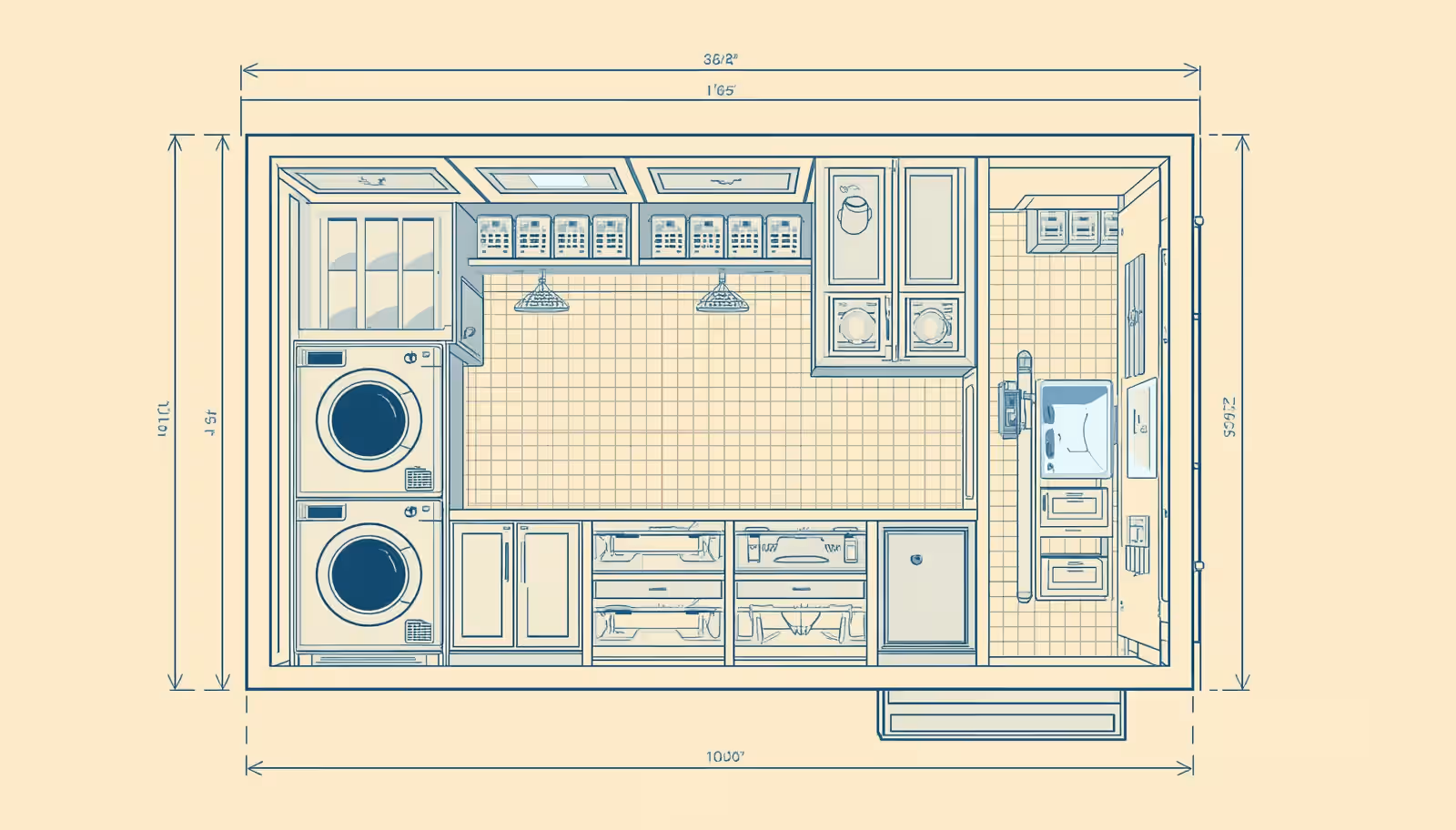
Structuring an efficient utility area requires defining distinct zones for washing, drying, and folding. Implementing vertical shelves and clearly labeled sorting bins prevents daily mess accumulation. Following a structured sorting and zoning method reduces the physical effort required to process household clothing.
Introduction
Utility spaces frequently devolve into dumping grounds for mismatched socks, broken hangers, and miscellaneous household liquids. Taking firm control of this high-traffic area turns a frustrating chore into a highly predictable routine. Setting up a strict sorting architecture saves hours previously lost searching for specific fabric softeners or missing delicate wash bags. You will acquire a functional framework for categorizing washing supplies and utilizing empty wall space efficiently.
Step One: Empty the Space and Assess Your Inventory
Removing every single item from the utility area reveals the true physical footprint of your working environment. People routinely accumulate expired stain removers, broken wooden pegs, and empty detergent jugs behind their washing machines over several months. Clearing the room completely forces you to evaluate exactly what belongs near your primary appliances. This blank slate approach guarantees you only keep items actively supporting your chore routine.
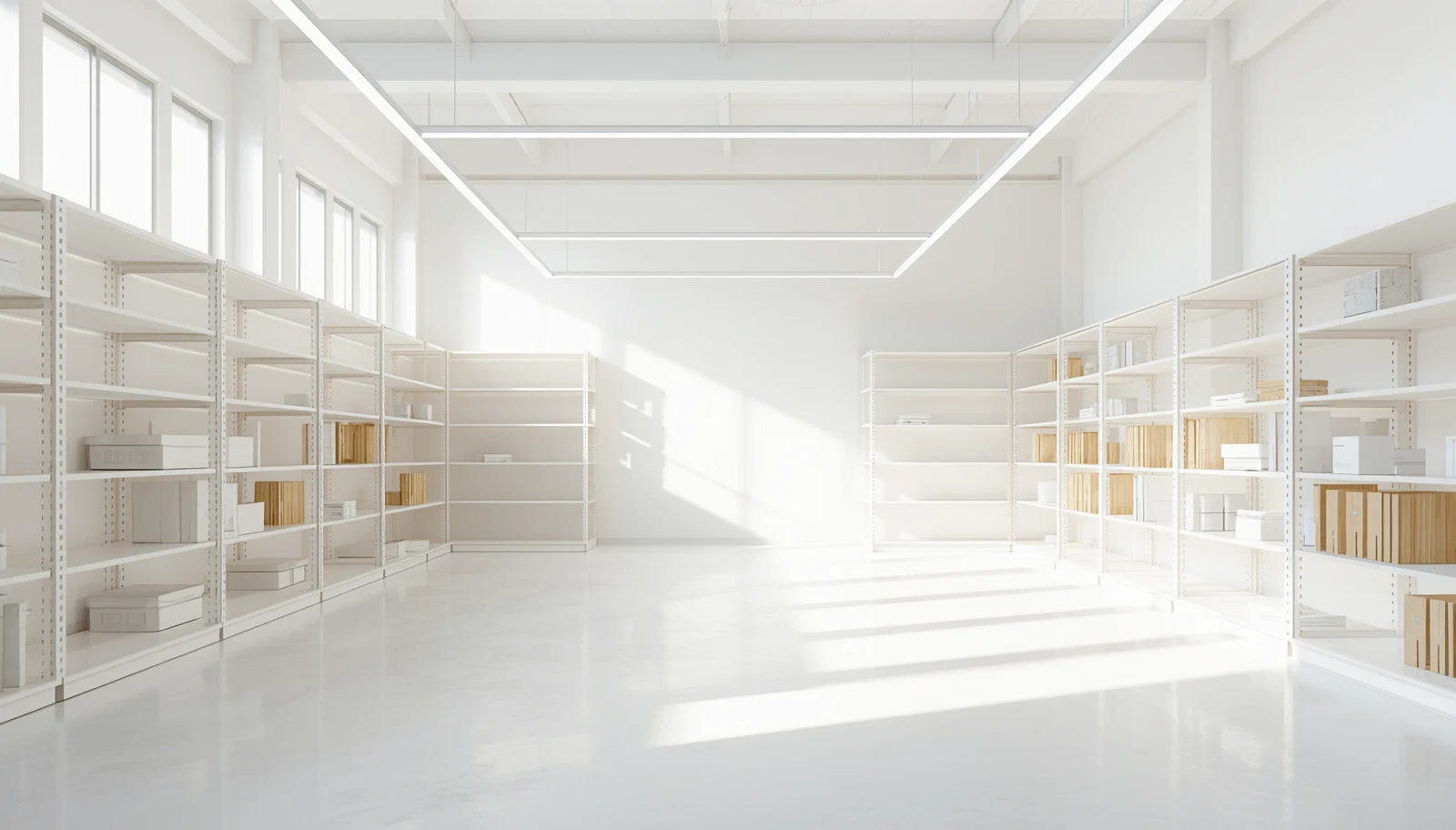
Group the excavated items into distinct piles based on their actual utility rather than their previous hiding spot. Creating clear categories for daily washing liquids, infrequent deep cleaning chemicals, and completely unrelated household tools clarifies the true scope of your project. Discard empty plastic containers immediately and relocate rogue tools that drifted into the area by accident. Sorting your inventory strictly by usage frequency dictates where every item will eventually sit.
The Reality of Hidden Clutter
Moving a heavy tumble dryer away from the wall often exposes a thick layer of compacted gray dust mixed heavily with lost dryer sheets and stray pocket coins. Treating this intensive deep cleaning phase as a highly mandatory prerequisite ensures your new custom organization framework rests on a properly hygienic foundation. Thoroughly wiping down the painted floor baseboards and manually checking the rubber washing machine hoses for minor hairline cracks prevents future catastrophic water damage.
A client once found three unopened boxes of expensive fabric softener wedged tightly between a deep ceramic utility sink and a tall wooden cabinet. Taking full inventory prevents duplicate purchases and highlights exactly which physical storage containers your space will actually require. Knowing your actual chemical supply volume directly dictates the size, height, and depth of the floating shelving units you will install later.
Step Two: Establish Dedicated Work Zones
Dividing the available square footage into specific functional areas dictates the physical flow of processing wet and dry garments. Designating a wet zone near the utility sink and washing machine centralizes all messy pre-treatment activities and heavily soiled athletic gear. Keeping these muddy, wet tasks securely contained prevents dirty water from splashing onto freshly pressed delicate fabrics waiting nearby.

A separate dry zone dedicated exclusively to folding and ironing protects freshly laundered clothes from accidental cross-contamination. Installing a smooth wooden countertop directly above front-loading machines creates an instant, highly functional folding station without consuming additional precious floor space. Positioning your heavy ironing board and specialized pressing tools within arm’s reach of this flat counter optimizes the entire finishing process.
Managing Traffic and Physical Movement
Analyzing the physical steps taken from the tall sorting hamper to the washer door highlights terribly inefficient room layouts. Placing the heavy detergent pouring station immediately above the machine dispenser drawer eliminates awkward bending and dripping sticky blue liquids across the tiled floor. Grouping items exactly by their required sequence in the washing cycle creates a logical, highly predictable physical rhythm.
Leaving a wide open pathway lets multiple family members drop off dirty garments without physically obstructing the person currently loading the machine. Designing exceptionally wide clearances around the primary large appliances prevents bruised hips and frustrating maneuvering during heavy weekend chore days. Maintaining completely clear floor space directly in front of the dryer door provides critical safety when manually transferring heavy, wet towel loads.
Step Three: Optimize Vertical Wall Storage
Floor space remains the absolute most valuable real estate in tight residential utility corners and narrow washing rooms. Installing sturdy floating shelves or tall custom wall cabinets draws the eye upward and provides massive holding capacity for surplus chemical supplies. Mounting heavy-duty steel brackets directly into the hidden wooden wall studs ensures the shelving safely supports the incredibly dense weight of liquid detergent boxes.

Storing rarely used items near the painted ceiling keeps them highly accessible but completely out of the daily active working radius. Heavy winter coats, thick wool blankets, and specialized fabric dyes fit perfectly on the absolute highest storage tiers out of direct sight. Assigning the lowest, most accessible shelves to heavy liquid soap containers prevents dangerous accidental spills while maintaining a comfortable, safe ergonomic reach.
Selecting the Right Hardware
Open shelving forces a highly neat visual appearance because every glass bottle and cardboard box remains entirely visible to anyone walking past. Closed cabinetry successfully hides the chaotic visual noise of brightly colored plastic packaging and irregular boxes behind clean, solid wooden doors. Combining both distinct structural styles offers a highly balanced approach, providing quick access to daily liquids while concealing bulky bulk reserves perfectly.
Adding a sturdy metal tension rod beneath a high wooden shelf provides an instant hanging area for delicate garments highly prone to shrinking. Drying sweaty athletic wear and delicate wool sweaters requires excellent air circulation, which wall-mounted wooden drying racks handle beautifully without taking up floor area. These collapsible wooden racks fold entirely flat against the bare painted wall when empty, preserving the room’s open and airy feel.
Step Four: Implement a Reliable Sorting System
Mixing dark raw denim with delicate white linen often results in frustrating color bleeding and completely ruined expensive fabrics. Setting up a highly compartmentalized sorting station stops this specific problem at the source before the clothes ever reach the washing drum. Using three distinct sorting bins designated for whites, darks, and delicate items trains the entire household to separate their garments immediately upon entry.
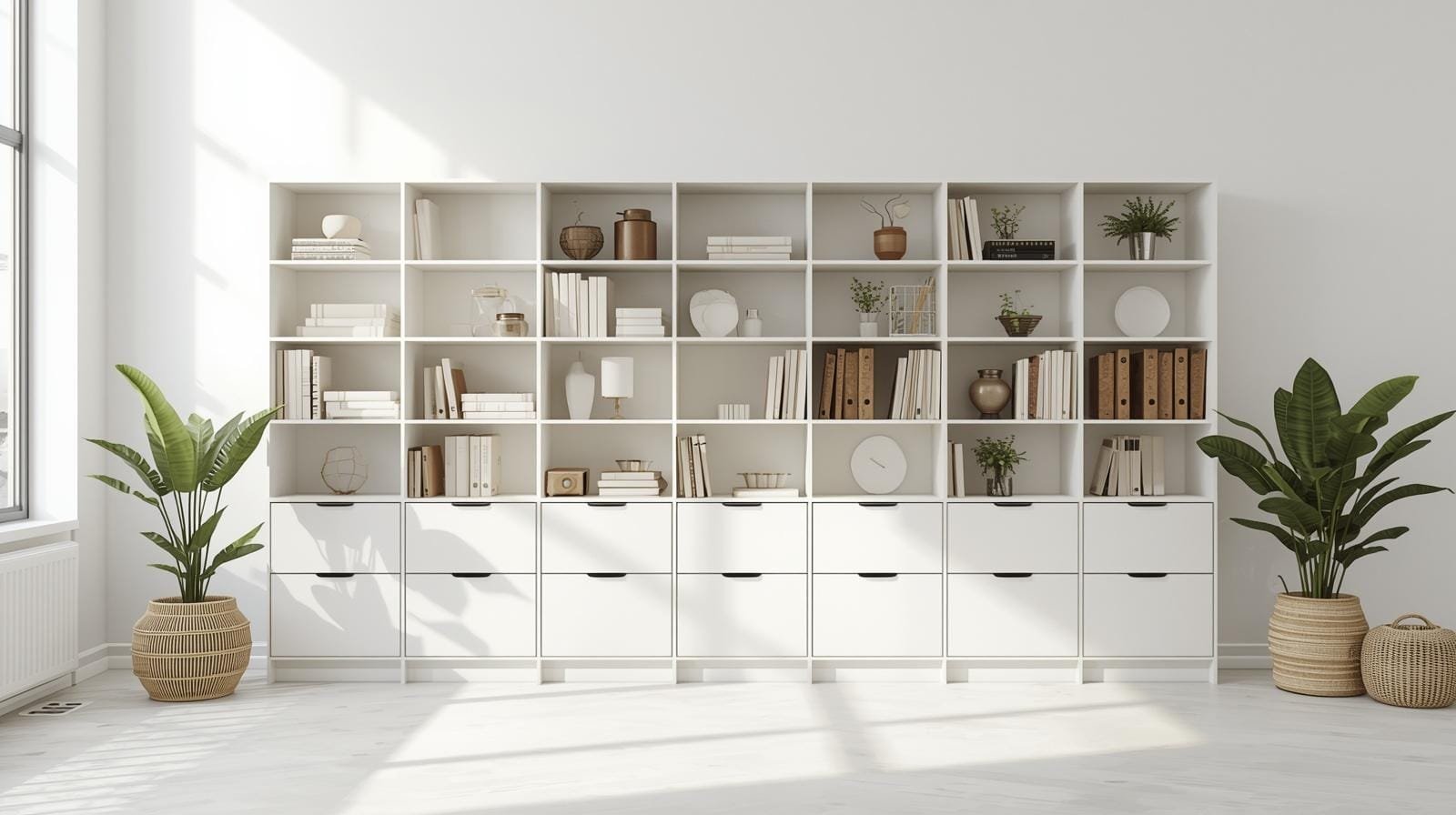
Rolling metal carts equipped with heavy canvas bags slide easily under deep wooden counters and move smoothly across hard tiled floors. Pulling a full, heavy bag straight out of a rolling metal cart and dumping it directly into the washer takes only seconds. Opting for highly breathable mesh or thick cotton canvas materials prevents damp bath towels from developing a sour, pungent mildew odor while waiting.
Handling Specialized Garments
Creating a small, dedicated plastic basket specifically for heavily stained items alerts the person doing the wash that manual pre-treatment is absolutely required. Tossing mud-splattered trousers directly into the general dark pile usually guarantees the stubborn stain will set deeply and ruin the fabric permanently. A distinct visual cue for problematic, heavily soiled garments saves expensive professional clothing from permanent and costly damage.
Placing a small ceramic bowl near the main sorting bins neatly catches rogue coins, loose lip balm tubes, and crumpled receipts found in pockets. Emptying every single pocket before washing prevents small sharp metal objects from aggressively scratching the machine drum or completely clogging the internal drainage pump. A dedicated magnetic lint bin attached firmly to the side of the metal dryer encourages immediate filter cleaning after every single drying cycle.
Step Five: Decant and Label Everyday Supplies
Retail plastic packaging rarely fits well on custom wooden shelving due to oversized molded handles and awkwardly bulky, irregular shapes. Pouring loose washing powders and liquid pods into clear glass or thick acrylic jars unifies the entire visual aesthetic of the room instantly. Matching transparent containers actively create clean visual lines that calm the tired eye and make the tight space feel significantly larger.

Transparent glass jars provide an immediate, highly accurate visual inventory of your remaining soap and stain booster supplies without opening any lids. Running out of laundry pods halfway through a massive weekend load of heavy bath towels creates intense household frustration and delays. Seeing the internal soap supply dip below a specific visual line acts as an automatic, highly reliable reminder to restock before a true emergency arises.
Practical Labeling Techniques
Applying waterproof vinyl text labels to decanted glass jars prevents dangerous confusion between visually similar white products like baking soda and strong oxygen bleach. Accidentally pouring aggressive chemical bleach powder directly on dark wool sweaters destroys the fragile natural fibers within a matter of minutes. Clear, highly legible typography on every single storage container guarantees that visiting relatives or temporary house sitters always use the correct washing formulas.
Attaching small metal measuring scoops directly to the outside of powder jars prevents the plastic scoops from burying themselves deep in the product. Tying a wooden measuring scoop tightly to the neck of a glass jar with natural brown twine adds a pleasing textural detail while remaining highly functional. Keeping sticky liquid soap dispensers perfectly clean requires strictly wiping the plastic spouts with a damp microfiber cloth immediately after each laundry session.
Step Six: Integrate Concealed Storage for Bulky Items
Tall metal ironing boards, heavy upright vacuum cleaners, and bulky plastic mop buckets drastically disrupt the visual flow of a tidy utility area due to their awkward dimensions. Mounting specialized steel utility hooks directly behind a solid wooden door keeps the tall ironing board completely hidden until the exact moment required. Storing tall, narrow cleaning tools flat against unused wall space reclaims highly valuable square footage for actual daily washing activities.

Utilizing the extremely narrow physical gap directly between the washing machine and the adjacent side wall presents a massive opportunity for slide-out storage. A slim, wheeled plastic storage cart fits perfectly into a tiny five-inch gap and firmly holds dozens of small cleaning brushes and specialized spot-treatment sprays. Pulling the narrow rolling cart out requires minimal physical effort and successfully hides the visual clutter immediately upon pushing it firmly back into place.
Managing the Utility Sink Area
The dark, unused space beneath a deep ceramic utility sink often turns into a chaotic jumble of exposed plumbing pipes and oversized scrub buckets. Installing a simple metal tension rod securely underneath the ceramic basin provides a highly convenient spot to hang spray bottles directly by their plastic triggers. Placing a hard plastic drip tray on the bottom wooden cabinet floor protects the material from corrosive chemical leaks and captures dripping water.
Stashing bulky household items out of direct daily sightlines dramatically reduces the heavy feeling of physical claustrophobia in extremely tiny washing rooms. Keeping the main wooden folding countertops completely bare aside from a decorative green plant or a single glass soap dispenser creates a highly welcoming environment. A clean, clear horizontal flat surface actively invites you to tackle mundane folding tasks immediately rather than delaying the chore for another day.
Step Seven: Maintain the System with Daily Habits
Building a highly organized utility space solves only the initial physical challenge of handling heavy daily household chores. Sustaining this new pristine environment requires firmly committing to small, highly manageable routines that actively prevent the dreaded pile-up of neglected clothing. Wiping down the thick rubber washing machine seals and leaving the heavy glass door slightly ajar stops black mold growth and preserves a fresh interior scent.

Emptying the gray lint trap immediately after pulling warm dry clothes from the dryer prevents accidental exhaust fires and heavily increases mechanical drying efficiency. Making this specific physical action a strict, non-negotiable daily habit takes less than ten seconds but provides massive safety returns for the entire household. Taking empty wire coat hangers straight back to the bedroom closets prevents them from tangling together violently on the wooden drying racks.
The Weekly Reset Routine
Dedicating five quiet minutes every single Sunday evening to tidying the smooth wooden countertops ensures the physical space is entirely ready for the upcoming week. Refilling the empty glass jars from heavy bulk reserve plastic bags stored securely in the garage keeps the primary washing supplies fully stocked. Wiping away spilled blue detergent rings aggressively prevents sticky chemical residue from hardening onto your pristine wooden folding surfaces.
Reviewing the small ceramic lost-and-found bowl at the very end of the week returns loose pocket change and stray metal keys to their rightful owners. Throwing out accumulated gray dryer lint, empty cardboard packaging boxes, and heavily used paper dryer sheets keeps the small trash bin from overflowing onto the tiled floor. Strict daily consistency transforms these tiny physical micro-tasks into automatic physical actions, locking in the organization structure permanently.
Wrap Up:
Establishing a highly functional utility room relies heavily on creating distinct physical work zones and utilizing your available bare wall space efficiently. Transferring harsh chemical supplies into clear glass containers and setting up a rigid physical sorting routine reduces the heavy friction of processing dirty garments. Sticking strictly to a brief weekly maintenance habit successfully ensures your newly structured washing environment remains a pleasant, highly productive, and visually calming area.
FAQs Section:
How do you store laundry baskets when not in use?
Sliding empty plastic baskets neatly under a custom wooden folding counter keeps the floor entirely clear of dangerous physical tripping hazards. You can also hang lightweight cloth hampers on sturdy steel wall hooks mounted directly behind the room’s main entry door to preserve floor space.
What is the most efficient way to sort dirty clothes?
Using a rigid three-bin sorting system separated strictly by darks, whites, and delicates at the point of discard eliminates annoying secondary manual sorting later. This immediate physical categorization drastically speeds up the entire washing process and heavily reduces the high risk of accidental, permanent color bleeding.
How can you optimize space in a tiny utility closet?
Installing ceiling-high floating wooden shelves and attaching a slim rolling storage cart directly between the large appliances reclaims historically unused dead zones. Swapping bulky retail cardboard boxes for slim, highly stackable clear acrylic containers frees up significant shelf depth for other highly necessary daily washing supplies.
Disclaimer:
This content shared by Fall Rugs is solely for research and informational purposes. Fall Rugs is not a professional interior design or home renovation consultancy, and the information provided should not be considered professional advice for home improvement or decor. All ideas and suggestions are based on current trends and general knowledge in the home decor industry.