

TL;DR
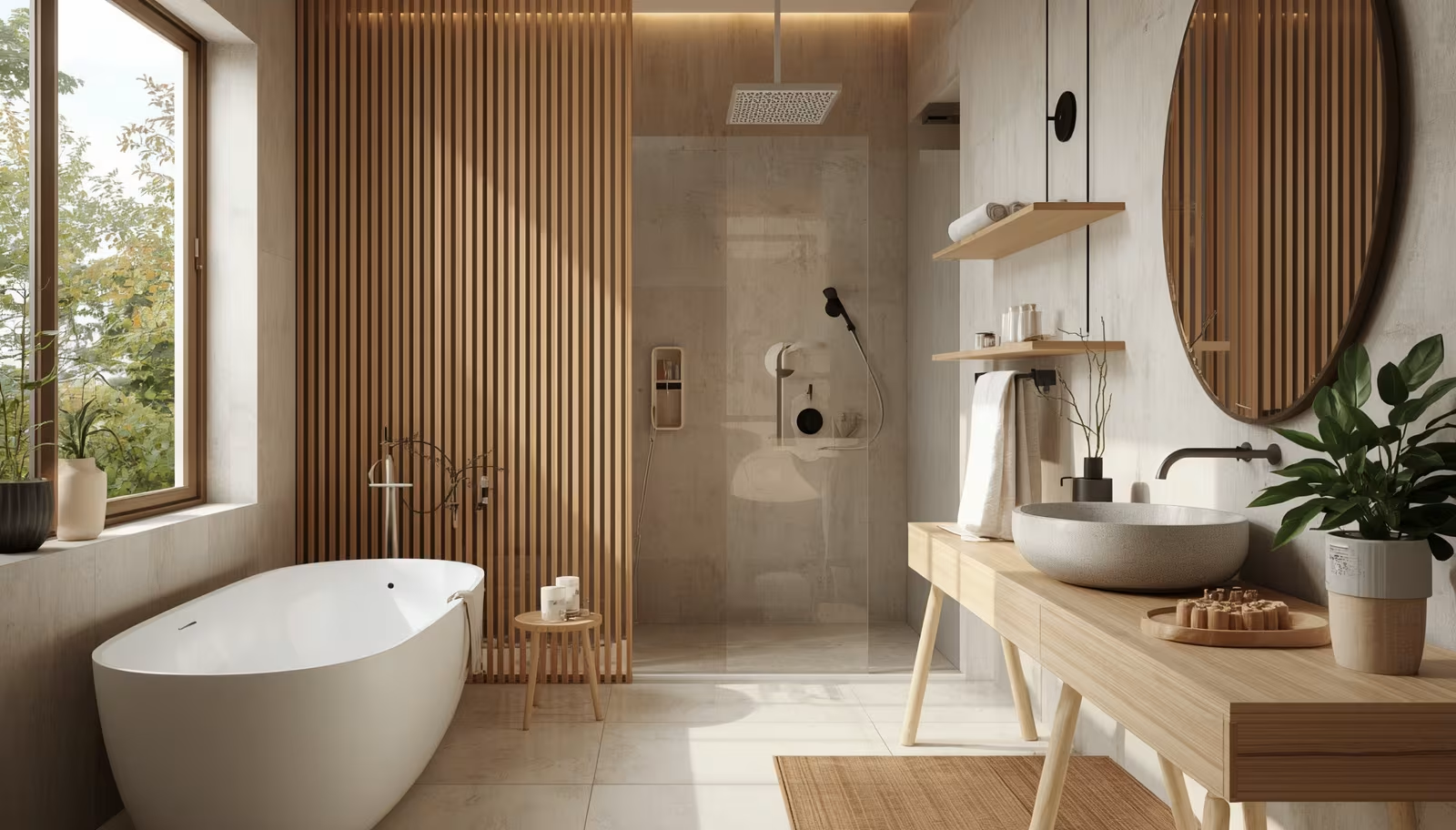
Japandi bathroom design blends Japanese restraint with Scandinavian comfort, creating a calm room built around texture, function, and natural materials. In 2026, the look works best when it feels warm, practical, and lived in rather than empty or staged.
Introduction
Why do some bathrooms feel peaceful before anyone turns on the water? The answer often sits in proportion, light, storage, and materials rather than expensive fittings. Japandi bathroom style brings those details together with warm minimalism, soft contrast, and careful editing. This article shows how to bring the trend into a real home without making the room feel cold, bare, or copied from a showroom.
What Makes a Japandi Bathroom Feel Different in 2026
Japandi is not just beige tile, a wooden stool, and a plant beside the bath. It comes from two design cultures that value calm, craft, and restraint: Japanese interiors shaped by wabi-sabi, and Scandinavian rooms shaped by comfort and function. The bathroom becomes quieter because every visible object has a reason to stay.
In 2026, the strongest Japandi bathrooms look less like mood boards and more like personal retreats. Designers are moving away from harsh white boxes and glossy chrome, choosing matte finishes, textured stone, pale oak, soft taupe, clay, sand, and warm grey. The result feels modern, but not sterile. It has discipline, yet it still welcomes daily life.
The mistake many homeowners make is treating Japandi as a shopping style. They buy a bamboo tray, a ribbed glass screen, and a round mirror, then wonder why the room still feels busy. The real shift happens when the layout, storage, lighting, and material palette all support the same mood.
Start With a Calm Material Palette
A Japandi bathroom begins with materials that age gracefully. Porcelain tile can mimic limestone or microcement without the upkeep of real stone. Oak, ash, teak, bamboo, ceramic, cotton, linen, and brushed metal all sit comfortably in the style. The aim is not luxury for show. It’s quiet quality that feels good under hand and foot.
Warm wood needs careful placement in a wet room. A vanity with a water-resistant finish, a teak bath mat, or an oak-framed mirror usually performs better than timber cladding beside a shower spray zone. In one compact Lahore apartment renovation, a contractor replaced swollen laminate cabinetry with a wall-hung oak-effect vanity and better ventilation. The room instantly felt calmer and lasted better.
Stone and ceramic bring weight to the scheme, but too much hard surface can make the bathroom echo. That’s why texture matters. A ribbed vanity front, handmade-look wall tile, woven laundry basket, cotton bath mat, or slub linen curtain can soften the room without adding visual noise. Japandi works when surfaces speak quietly.
Use Color Like a Designer, Not a Decorator
The Japandi bathroom palette usually begins with warm white, ivory, oatmeal, mushroom, greige, sand, clay, charcoal, and muted green. These shades work because they sit close to nature. They also flatter skin tones better than sharp blue-white bathrooms, especially under evening lighting. The room should feel restful in daylight and forgiving at night.
A useful method is to choose one base tone, one wood tone, and one grounding accent. For example, warm white walls, pale oak storage, and charcoal taps can feel crisp without becoming harsh. Another route pairs stone beige tile with walnut details and brushed nickel fittings. Both choices keep the eye moving gently rather than jumping across strong contrasts.
Dark accents still have a place, but they need control. Matte black taps, a slim black mirror frame, or a charcoal niche can sharpen the room. Too much black turns the space graphic, which moves it closer to industrial minimalism. Japandi prefers balance. It lets contrast define the room, not dominate it.
Build Hidden Storage Before Buying Decor
A beautiful Japandi bathroom usually hides more than it displays. Toothpaste, razors, cleaning sprays, spare shampoo, medicine, hair tools, and towels can ruin the mood if they sit in the open. Good storage is not a small detail here. It is the difference between a calm bathroom and a cluttered one with expensive tile.
Wall-hung vanities work especially well because they keep the floor visible and make small bathrooms feel lighter. Recessed mirrored cabinets, shower niches, slim linen cupboards, and drawer organizers give everyday items a home. IKEA, Muji, Duravit, TOTO, and many local cabinet makers offer simple forms that can suit the look when the finishes stay restrained.
A family in Faisalabad updated a narrow guest bathroom without changing the plumbing. They removed a pedestal basin, added a floating vanity with two deep drawers, switched to a frameless mirror cabinet, and kept only a ceramic soap dish on display. Guests noticed the bathroom felt larger, even though the floor plan stayed the same.
Choose Fixtures With Soft Geometry
Japandi fixtures rarely shout. Basins often have soft curves, shallow bowls, or clean rectangular forms with rounded edges. Toilets look simple and compact. Baths, when space allows, lean toward oval or gently squared profiles. The shape language should feel calm and human, not sharp enough to make the room look like a tech showroom.
Brushed nickel, brushed brass, gunmetal, warm stainless steel, and matte black can all work. Chrome is not wrong, but it can feel too reflective if the rest of the room has muted, natural surfaces. The finish should support the palette. A brushed metal tap beside a stone basin often looks more settled than a highly polished one.
Fixtures also need to suit cleaning habits. Wall-mounted taps look beautiful, but poor installation can cause maintenance trouble. Vessel basins photograph well, yet they may splash in busy family bathrooms. Japandi design respects daily use. If a choice looks calm but creates mess, it does not belong.
Layer Light for a Spa-Like Mood
Lighting can make or break the Japandi bathroom trend in 2026. One ceiling light will not create depth. A calm bathroom usually needs layered light: practical light at the mirror, soft ambient light for the whole room, and a quiet accent near a niche, shelf, or bath. The goal is comfort, not drama.
Warm white light often suits Japandi better than cool white. Around 2700K to 3000K feels gentle in the evening, while still offering enough clarity for grooming when placed correctly. Mirror lights should reduce shadows on the face. Ceiling lights should avoid glare. Wet zones need fittings rated for bathroom use, especially near showers and tubs.
Natural light deserves the same care. Frosted glass, linen-look blinds, reeded glass, and pale walls can spread daylight without exposing the room. A window ledge with one healthy plant, such as pothos or a small fern, can add life. The plant should suit humidity and available light, not just the photograph.
Add Texture Without Creating Clutter
Texture gives Japandi its depth. Without it, the bathroom becomes plain rather than peaceful. A rough ceramic vase, stone tray, ribbed glass screen, woven basket, linen hand towel, or matte tile can add feeling while keeping the room edited. Each piece should carry visual weight without demanding attention.
The safest approach is to vary texture within a narrow color family. A beige towel, pale stone counter, oak drawer front, and off-white wall tile can create depth because each surface catches light differently. This is why neutral Japandi bathrooms can feel rich without bright color or heavy pattern.
Avoid filling shelves with small objects. Three tiny jars, two candles, a faux plant, and a stack of display towels can quickly look like retail styling. One ceramic dispenser, one folded hand towel, and one natural brush often say enough. Empty space is part of the design, not a gap waiting to be filled.
Where Rugs and Soft Pieces Fit
Soft pieces need special care in bathrooms. A washable cotton rug, low-profile bath mat, or flatwoven runner can warm the floor outside wet zones. Fall Rugs customers often look for pieces that soften hard tile without trapping moisture. The right textile adds comfort, but it should dry quickly and suit the room’s ventilation.
Patterns should stay quiet. Think broken stripe, faded geometric, tone-on-tone weave, or natural fiber texture rather than loud print. A rug in oatmeal, clay, stone, or muted charcoal can connect the vanity, floor, and towels. In Japandi style, textiles should feel grounded and useful, not decorative for its own sake.
Bring Nature In With Control
Biophilic design fits naturally with Japandi because both value a connection to the outdoors. Plants, wood, stone, daylight, and organic shapes can lower the visual pressure of a bathroom. Still, the room should not become a greenhouse. One or two strong natural details usually work better than many small ones.
Choose plants based on conditions. Pothos, snake plant, peace lily, and some ferns can handle bathrooms if light and airflow suit them. A dried branch in a ceramic vase can work where live plants fail. Pebbles, bamboo accessories, or stone trays can also add nature without maintenance.
The strongest nature-inspired Japandi bathrooms use restraint. A pale oak vanity may be enough. A stone basin may be enough. A window framing greenery may be enough. The room should feel connected to nature, not themed around it.
Adapt Japandi to Small Bathrooms
Small bathrooms often suit Japandi better than large ones because the style rewards editing. A compact room can feel generous when the floor stays open, the palette remains quiet, and storage moves upward. Wall-hung fittings, glass shower panels, recessed niches, and large-format tiles can reduce visual breaks.
Scale matters. Oversized basins, thick counters, and bulky vanity legs can crowd a small bathroom fast. A slim floating vanity, round mirror, shallow cabinet, and soft wall light can keep the room balanced. Pale finishes reflect more light, while one darker accent can add definition.
In rented homes, smaller changes still count. Replace plastic bottles with refillable ceramic dispensers, fold towels neatly, add a washable neutral mat, use a lidded basket for supplies, and switch harsh bulbs for warmer ones if the fixture allows it. Japandi is not only renovation work. It’s also discipline.
Avoid the Common Japandi Bathroom Mistakes
The first mistake is making the bathroom too empty. Minimalism should not remove comfort. A room with no texture, no warmth, and no personal rhythm can feel unfinished. Japandi needs tactility: a towel with weight, a handle with good grip, a surface that catches light, a cabinet that closes softly.
The second mistake is copying Japanese design without context. A deep soaking tub, cedar stool, or shoji-style screen may look beautiful, but not every home has the space, plumbing, climate, or maintenance routine for it. Good design borrows principles rather than costumes. Respect, proportion, and practicality matter more than visual imitation.
The third mistake is ignoring water, steam, and cleaning. Natural materials need protection. Matte surfaces can show marks. Open shelving gathers dust. Poor ventilation can damage wood and grout. A Japandi bathroom must work on a rushed Monday morning, not only during a slow weekend bath.
Wrap Up
Japandi bathroom style in 2026 is calm because it removes noise and keeps warmth. The strongest rooms use natural texture, hidden storage, soft lighting, gentle color, and fixtures that serve real routines. Start with the bones of the room before buying accessories. When the bathroom feels quiet, useful, and honest, the Japandi mood arrives naturally.
FAQs Section
What is a Japandi bathroom?
A Japandi bathroom blends Japanese minimalism with Scandinavian warmth through natural materials, soft neutral colors, clean storage, and calm lighting. It feels simple, but not cold.
Is Japandi good for a small bathroom?
Yes, Japandi works well in small bathrooms because it favors hidden storage, open floor space, pale tones, and fewer visual distractions. The style can make a compact room feel calmer and more organized.
What colors suit a Japandi bathroom in 2026?
Warm white, ivory, beige, greige, mushroom, clay, muted green, soft grey, charcoal, and natural wood tones suit the look. The best palette feels earthy, gentle, and connected to the materials in the room.
Disclaimer
This content shared by Fall Rugs is solely for research and informational purposes. Fall Rugs is not a professional interior design or home renovation consultancy, and the information provided should not be considered professional advice for home improvement or decor. All ideas and suggestions are based on current trends and general knowledge in the home decor industry.