
TL;DR
You can keep floors fresh by using manual tools like rubber squeegees, stiff bristled brushes, and carpet sweepers. Deep cleaning requires basic solutions like baking soda or diluted dish soap applied with a microfiber cloth. These mechanical methods pull embedded hair and dirt from fibers successfully without using electricity.
Introduction
Did your vacuum cleaner break down right before guests arrived, or do you live in a small apartment without storage space for large appliances? Relying solely on loud machines often blinds us to simple, highly successful manual cleaning traditions. You can maintain a pristine carpet using affordable household tools and basic physical agitation. This approach shows you exactly how to lift dirt, remove pet hair, and refresh fibers without plugging in a single cord.
Mechanical Agitation and Manual Sweeping Techniques
Long-pile carpets like shag rugs from companies like West Elm easily trap dust deep within their synthetic or wool fibers. A standard broom often slides right over these particles, leaving the base dusty. Homeowners can use a heavy-duty rubber window squeegee to scrape the surface in short, deliberate strokes instead. The friction creates a static charge that pulls hidden hairs out.
I learned this lesson years ago when managing a small rental property in Chicago. A tenant left a heavy wool rug covered in golden retriever fur, and our commercial vacuum blew a fuse. We used an old-fashioned Bissell Natural Sweep manual rotary sweeper, which costs under forty dollars. The dual brush rollers picked up loose dirt and large crumbs instantly without needing electrical power.
Selecting the Right Manual Sweeper
Manual sweepers work best when you maintain a steady, moderate pace across the floorboards. Rushing the motion causes the internal mechanical brushes to skip over fine debris. Empty the built-in collection bins frequently to keep the sweeping action working well during large room cleanings. This strategy ensures your floors remain tidy without generating high electricity bills.
- Use a rubber squeegee for stubborn pet hair embedded in short-pile nylon carpet fibers.
- Select a stiff-bristled straw broom for thick woven rugs to dislodge deep grit.
- Incorporate a manual carpet sweeper for daily maintenance across high-traffic hallways.
- Work in one consistent direction rather than scrubbing back and forth to prevent fiber fraying.
The Science of Static and Friction for Hair Removal
Pet owners frequently struggle with hair that weaves itself into fabric loops. Vacuum suction often fails to pull these stubborn strands loose from low-pile carpets like Ruggable washables. Putting on a pair of standard latex dishwashing gloves provides the necessary grip to tackle this issue. Lightly dampening the rubber gloves increases their efficiency as you drag your hands across the floor.
The friction between the latex material and the nylon carpet fibers rolls the embedded hair into neat, easily collectible clumps. Professional carpet cleaners use specialized rubber-headed rakes for this exact reason on expensive wool installations. A simple twelve-inch bathroom squeegee achieves the same result for a fraction of the cost. This approach prevents the common mistake of pushing dirt deeper into the backing material.
Handling Tight Corners and Staircases
Static collection works remarkably well on staircases and tight corners where large machines cannot fit safely. Homeowners often scrape their knuckles attempting to clean these confined architectural spaces with heavy attachments. Utilizing small hand tools gives you precise control over every square inch of the textile fabric. You save time while protecting the delicate edges of your floor coverings.
- Put on textured rubber gloves and rub your hands firmly across high-traffic zones.
- Gather the accumulated fur into small piles by hand for quick disposal.
- Clean your tools frequently during the process to maintain maximum surface friction.
- Apply this technique to stairs where heavy vacuum cleaners are dangerous or awkward to handle.
Deep Washing and Spot Cleaning Without Electricity
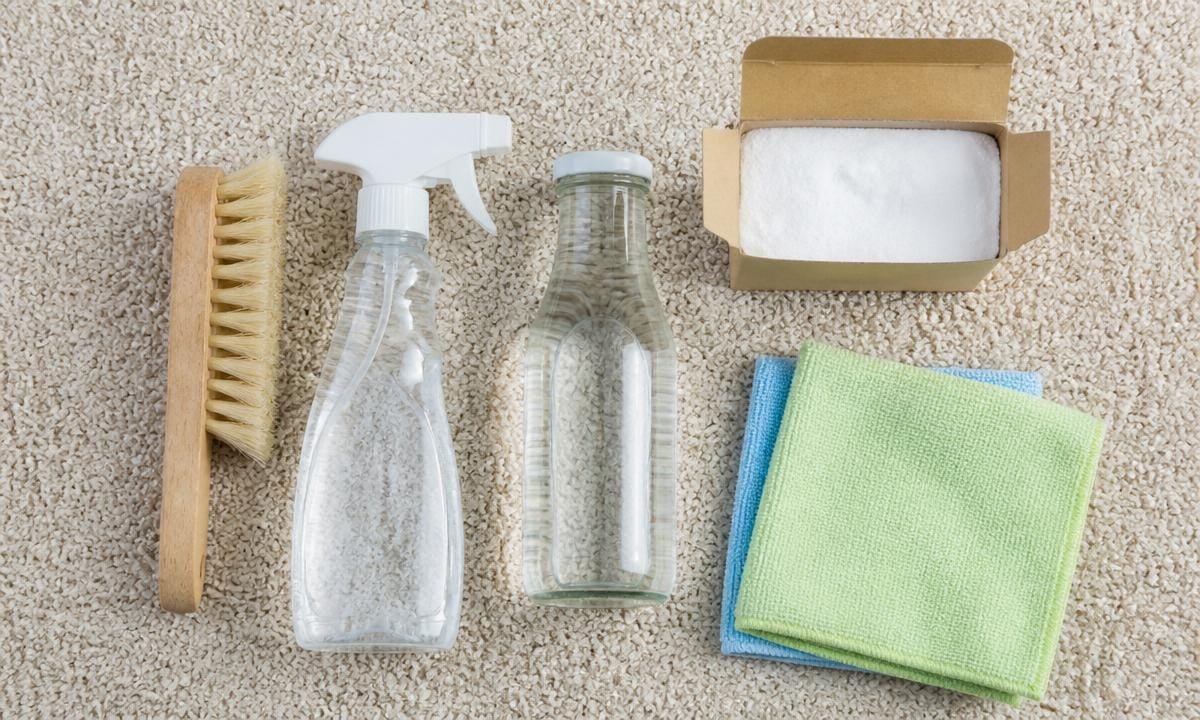
Spills require immediate attention to prevent permanent discoloration or fiber degradation. A mixture of warm water and a few drops of Dawn dish soap works beautifully on typical household stains. Avoid soaking the carpet completely, as excess moisture trapped beneath the backing leads to mold growth. Instead, dip a clean microfiber cloth into the soapy solution and blot the area firmly.
In 2024, an interior design firm tested manual spot-cleaning methods on delicate vintage rugs from Pottery Barn. They discovered that blotting with white vinegar mixed with warm water neutralizes odors while lifting coffee pigments safely. Never scrub a fresh stain, because aggressive rubbing spreads the liquid outward and damages the delicate pile structure permanently. Work from the outside edge toward the center of the spill instead.
Perfecting the Blotting Technique
Heavy pressure during the blotting process helps transfer the staining liquid from the carpet fibers directly into the absorbent towel. Keep a stack of clean white cotton cloths nearby so you can switch to a fresh surface as soon as the old one absorbs pigment. This simple rotation prevents the accidental reintroduction of dirt into the cleaned zone.
- Mix two cups of warm water with one tablespoon of gentle liquid dish soap.
- Blot the affected area with a light-colored cloth to monitor color transfer.
- Apply a diluted white vinegar solution to neutralize alkaline spots and eliminate pet odors.
- Press dry towels over the wet spot to absorb remaining moisture after cleaning.
Dry Deodorizing and Powder Extraction Methods
Odor control is a major reason people run their vacuums daily. You can achieve identical freshness by using dry household powders like Arm & Hammer baking soda. Sprinkle a generous, even layer across the carpet surface during dry weather seasons. Let the powder sit for at least four hours, or overnight if the room has heavy pet odors.
The porous structure of the sodium bicarbonate molecules naturally absorbs ambient moisture and traps foul scents. When it is time to remove the powder, use a stiff outdoor push broom to sweep it into a dustpan. A secondary brushing with a fine hand brush captures the remaining particles without leaving any residue behind. This method keeps your living room smelling clean without circulating fine dust back into the air.
Avoiding Common Powder Mistakes
Some homeowners mistakenly use wet powders, which clump deep inside the carpet backing and become impossible to extract manually. Stick to completely dry agents to ensure a smooth removal process. If you face stubborn residue, a damp microfiber cloth swiped over the surface will collect the final traces easily. This low-cost alternative maintains air quality beautifully.
- Scatter baking soda over high-use areas to absorb oils and neutralize acids.
- Mix in a few pinches of cornstarch to help loosen oily dirt from traffic lanes.
- Allow the powder sufficient time to draw out deep-set odors from the fibers.
- Sweep the carpet methodically using short strokes to collect the used powder efficiently.
Traditional Beating and Outdoor Airing Solutions
Smaller area rugs, like the flat-woven cotton pieces sold at IKEA, benefit immensely from outdoor treatment. Hanging a rug over a sturdy clothesline or deck railing allows gravity to pull loose dirt away from the weave. A classic rattan carpet beater remains the most efficient tool for releasing fine silty dust from deep within the backing.
Hit the back of the rug firmly with consistent downward strokes to dislodge trapped particles. You will see clouds of fine dust escape into the air, which proves how much debris machines leave behind. Leave the rug hanging in a shaded, well-ventilated outdoor spot for two hours afterward. The natural moving air eliminates stale indoor smells far better than synthetic chemical aerosol sprays.
Protecting Delicate Modern Weaves
Avoid beating modern rugs from the front side, as this action can break delicate surface fibers or loosen the decorative binding. Always apply force to the underside to push the grit outward naturally. Checking the weather forecast ensures your textiles remain completely dry during this maintenance routine. This physical method rejuvenates the pile structure without fiber abrasion.
- Carry manageable area rugs outside at least twice a year for deep airing.
- Suspend the rug securely over a thick rail to prevent damage to the edges.
- Strike the rug evenly across its entire surface using a designated beating tool.
- Avoid direct midday sunlight to protect delicate textile dyes from fading prematurely.
Wrap Up
Maintaining beautiful carpets does not require loud, expensive machinery or constant electrical power. By using simple tools like squeegees, baking soda, and manual sweepers, you can lift embedded dirt and hair successfully. These traditional habits protect delicate carpet fibers from the harsh friction of heavy vacuum brushes. Commit to these manual strategies to keep your home fresh, peaceful, and perfectly clean.
FAQs Section
Can you sweep a carpet with a regular broom?
Yes, you can sweep low-pile carpets using a stiff-bristled broom or a traditional straw broom. Use short, firm strokes to pull dirt toward a dustpan rather than pushing it forward into the fibers.
How do you get hair out of a carpet without a vacuum?
The most successful method is using a rubber window squeegee or wearing damp latex dishwashing gloves. Scraping or rubbing the carpet creates friction that rolls embedded pet hair into easily removable clumps.
How do you dry a carpet after manual spot cleaning?
Press thick microfiber towels or clean cotton cloths firmly onto the wet area to absorb the liquid. Set up a portable floor fan or open nearby windows to ensure rapid airflow across the damp fibers.