
TL;DR
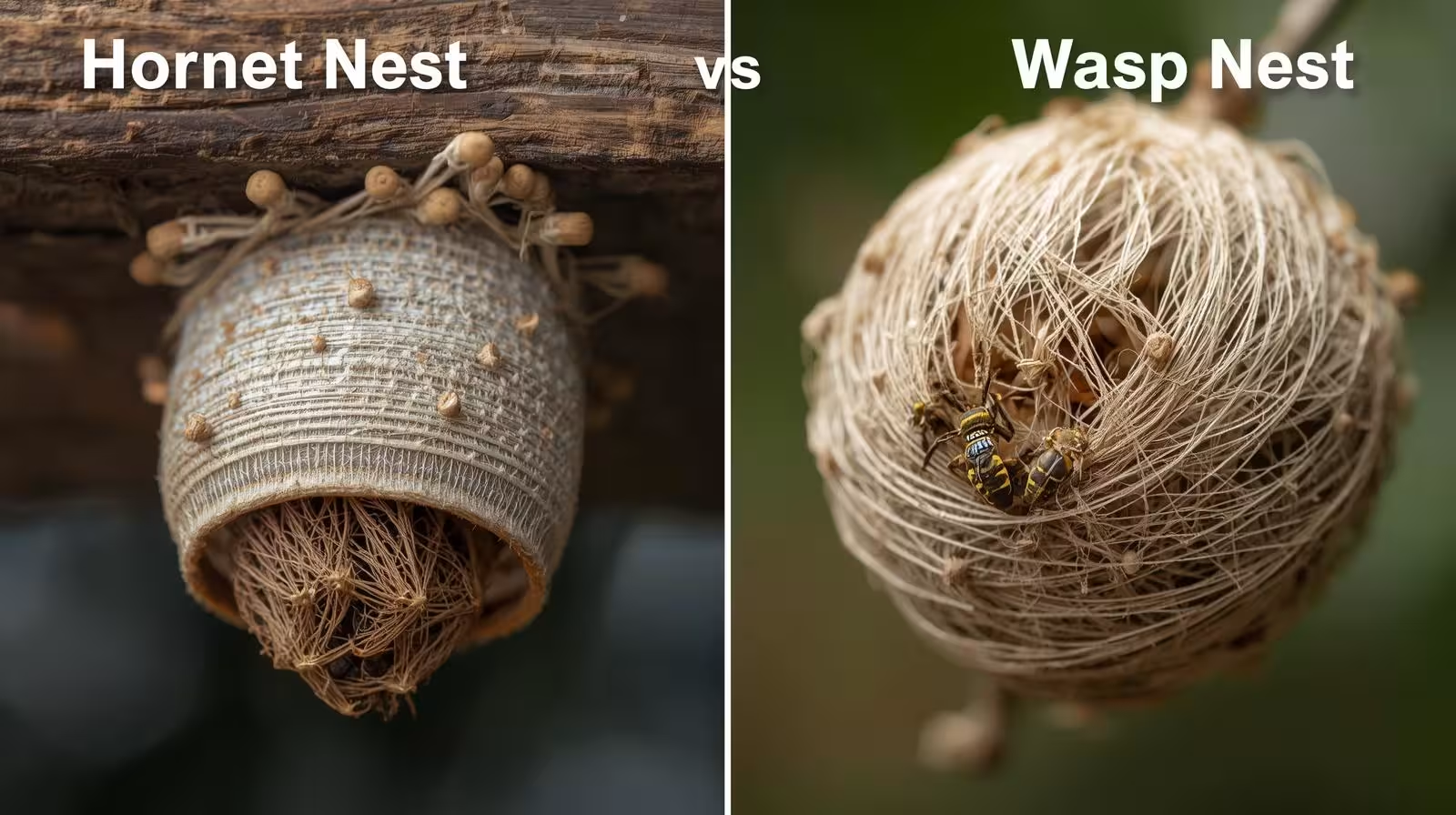
Hornet nests are usually larger, egg-shaped, and built from chewed wood pulp high off the ground, while wasp nests come in open honeycomb shapes or compact paper balls closer to eye level. The insect’s body size, color, and aggression level confirm what the nest material already suggests. Knowing the difference changes how you remove it, what it costs, and how careful you need to be.
Introduction
You spot a papery gray ball wedged under the eaves and your first question is simple: hornet or wasp? The answer matters because hornets like the bald-faced hornet and the European hornet build differently than paper wasps or yellowjackets, and treating the wrong nest the wrong way can turn a ten-minute job into an emergency room visit. This piece walks through the real differences in shape, material, insect appearance, and removal cost, using examples pulled from actual backyard situations rather than guesswork.
Nest Shape and Material: How Each Insect Builds
Hornets chew wood fiber mixed with saliva into a paper-like pulp, then layer it into a closed, teardrop or football-shaped shell with a single entry hole near the bottom. A bald-faced hornet nest can reach the size of a basketball by late summer, often hanging from a tree branch eight feet or higher. The European hornet builds something similar but usually picks hollow trees, wall cavities, or attic spaces instead of open branches.
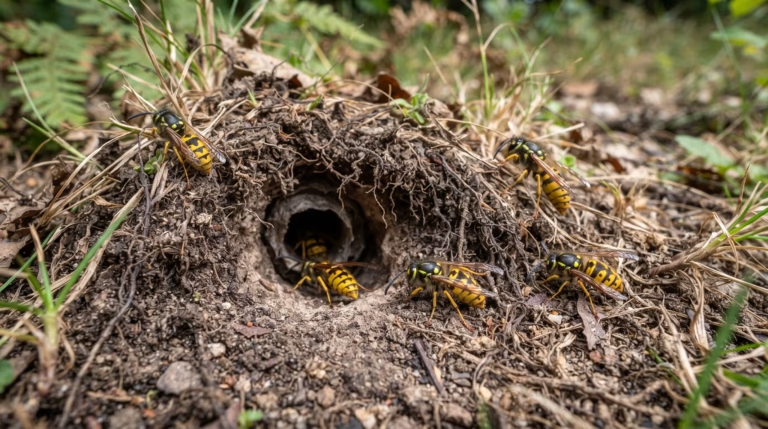
Paper wasps, by contrast, build the open umbrella-shaped comb most people picture when they hear “wasp nest.” There’s no outer shell, so you can see individual hexagonal cells and often the larvae inside. Yellowjackets split the difference: they build enclosed nests like hornets do, but theirs are usually underground, in wall voids, or low shrubs rather than high in a tree.
A Real Backyard Case
A homeowner named Derek Foss in Asheville, North Carolina found what he assumed was a hornet nest tucked under his porch railing in August. It turned out to be a yellowjacket nest with an underground tunnel running beneath the steps, something he only discovered after a string trimmer disturbed it. The enclosed paper shell had fooled him into thinking “hornet,” but the ground-level entrance and the insects’ shorter, stockier bodies gave away the real species once a local exterminator looked closer.
Size and Placement: Where Each Nest Tends to Show Up
Location alone tells you a lot before you even examine the material. Hornets favor height: tree limbs, roof overhangs, and high fence lines give bald-faced hornets the clearance they want for a nest that can hold 400 or more workers by September. European hornets lean toward shelter, often choosing barn walls, sheds, or tree hollows across the eastern United States and much of Europe.
Wasps and yellowjackets go lower and more often choose human structures. Paper wasps tuck their open combs under deck railings, mailbox tops, or porch ceiling corners, usually staying under 100 workers per nest. Yellowjackets prefer ground burrows, old rodent holes, or gaps in siding, which is part of why their nests get disturbed accidentally so often during yard work.
- Hornet nests: usually 3 feet off the ground or higher, enclosed shell, single visible entry hole
- Paper wasp nests: open comb, no outer covering, smaller colony size
- Yellowjacket nests: enclosed but typically at or below ground level, frequently hidden until disturbed
- European hornet nests: inside wall voids, hollow trees, or sheds rather than exposed branches
Identifying the Insects Themselves
Body size separates hornets from wasps faster than nest shape in some cases. A European hornet measures up to 1.4 inches, noticeably thicker bodied than a paper wasp, with a reddish-brown thorax and pale yellow abdomen striped in black. Bald-faced hornets look almost the opposite, with a black body and white facial markings instead of yellow.
Paper wasps have slimmer, longer legs that dangle visibly during flight, and their coloring runs from reddish-brown to a dull yellow-and-black pattern depending on species and region. Yellowjackets are smaller and brighter, with sharp yellow-and-black banding that makes them look almost glossy compared to the duller hornet exterior. In 2020, the discovery of Asian giant hornet nests near Blaine, Washington drew national attention because the species can exceed 2 inches in length, far larger than anything native pest control technicians typically handle in North America.
Behavior Differences Worth Noting
Hornets tend to defend their nest aggressively if it’s bumped or sprayed from a distance, and a bald-faced hornet colony can send out dozens of defenders within seconds. Paper wasps are comparatively calmer unless someone reaches directly toward the comb. Yellowjackets earn their reputation as the most likely to sting unprovoked, especially in late summer when food sources outdoors, like an open soda can at a picnic, draw them in close.
Risks, Stings, and When a Professional Makes Sense
A hornet sting carries more venom per dose than most wasp stings, which is part of why multiple hornet stings cause more swelling and pain on average. Anyone with a known insect allergy should treat any enclosed nest, hornet or yellowjacket, as a call-a-professional situation rather than a DIY one. Companies like Orkin and Terminix report a seasonal spike in removal calls every August and September, which lines up with when colonies reach peak population before winter die-off.
DIY removal works reasonably well for small, exposed paper wasp nests using a foam aerosol like Ortho Home Defense sprayed from several feet away at dusk, when activity is lowest. Enclosed hornet nests, especially ones inside a wall or attic, often need a professional because spraying the visible entrance doesn’t reach the full colony and can provoke a swarm instead of eliminating it. Yellowjacket ground nests carry similar risk since the tunnel system frequently extends farther than it appears from the surface opening.
Removal Costs and Prevention Steps That Actually Hold Up
A basic paper wasp nest removal from a licensed pest control company typically runs between 100 and 250 dollars depending on region and nest accessibility. Enclosed hornet or yellowjacket nests cost more, often 150 to 400 dollars, because of the protective gear and follow-up treatment needed to confirm the colony is gone. DIY aerosol sprays cost far less, usually under 20 dollars per can, but carry real risk if the nest turns out larger or more defended than it looked from the ground.
Prevention beats removal almost every time. Sealing gaps around soffits, capping unused dryer vents, and removing early-season scout nests the size of a golf ball before workers establish a full colony stops most problems before they start. A homeowner in Tulsa, Oklahoma named Priya Nair caught a baseball-sized bald-faced hornet nest forming under her gutter in May and knocked it down with a broom handle at dawn, before any workers had hatched, avoiding what would have been a much larger removal job by July.
Wrap Up
Hornet nests run larger, enclosed, and positioned higher off the ground, built from chewed wood pulp into a smooth paper shell with one visible entry point. Wasp nests, especially the paper wasp variety, stay open-combed and lower, while yellowjackets hide their enclosed nests underground or inside structures. Matching the right removal method and the right level of caution to the actual species saves money and lowers sting risk considerably.
FAQs
How can you tell a hornet nest from a wasp nest just by looking at it?
Hornet nests are closed, egg or teardrop shaped, and usually built higher up, while wasp nests, especially paper wasp nests, show open honeycomb cells with no outer covering.
Is it more dangerous to remove a hornet nest than a wasp nest?
Generally yes, since hornet colonies are larger and defend more aggressively, so enclosed hornet or yellowjacket nests are usually better handled by a licensed pest control technician.
What time of year are hornet and wasp nests the biggest?
Both nest types peak in size during late summer, typically August and September, right before colder weather causes the colony to die off for winter.
Disclaimer
This content shared by Fall Rugs is solely for research and informational purposes. Fall Rugs is not a professional interior design or home renovation consultancy, and the information provided should not be considered professional advice for home improvement or decor. All ideas and suggestions are based on current trends and general knowledge in the home decor industry.