

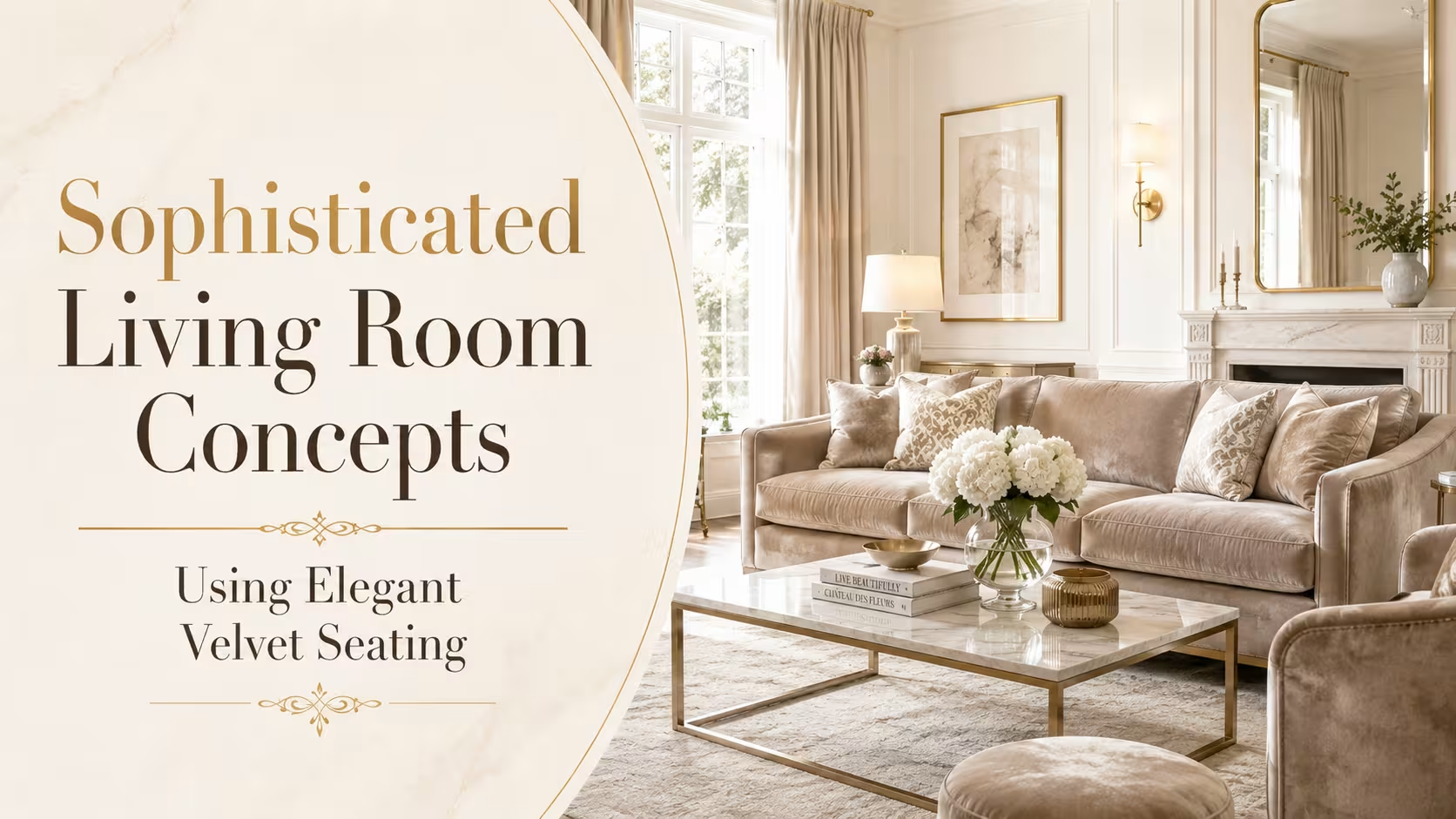
TL;DR
Placing velvet furniture into a residential space instantly elevates its visual depth and physical comfort. Success requires balancing these heavy, light-absorbing textiles with reflective surfaces like glass, polished metal, and natural wood grains. Proper maintenance and strategic placement ensure the fabric retains its deep color and soft pile over years of daily use.
Introduction
Can a single design choice turn a cold, echoing living room into an inviting sanctuary of style? Homeowners frequently struggle to bridge the gap between stark modern minimalism and genuine residential comfort. Integrating velvet furniture offers a reliable solution by introducing rich depth, complex texture, and deep color saturation to central gathering spaces. This analysis covers specific spatial arrangements, textile combinations, and practical care routines that maximize the aesthetic value of low-pile woven fabrics.
The Visual Impact of High-Density Woven Textiles
Woven fabrics carry a distinct relationship with light that standard flat-weave cotton or linen cannot replicate. Because velvet features a raised pile of microscopic threads, it catches light from multiple angles, creating areas of deep shadow and bright highlights across a single surface. This characteristic gives deep jewel tones like sapphire blue, emerald green, and rich amethyst a sense of movement and shifting tone throughout the day. Designers often use a singular large velvet piece as an anchor, drawing the eye toward the primary seating area immediately upon entering the room.
Selecting the right color palette requires an understanding of how your room handles natural and artificial illumination. In spaces with northern exposure, which typically receive cool, blue-toned light, warm velvet shades like burnt orange, mustard yellow, or terracotta prevent the room from feeling chilly. South-facing rooms benefit from cooler tones like slate gray, deep navy, or forest green, which remain grounded even under intense afternoon sun. Observing how a small fabric swatch reacts to shifting light over twenty-four hours prevents unexpected color shifts after purchase.
Understanding Fiber Content and Performance
The durability and appearance of your seating depend heavily on the underlying fibers used during the weaving process. Silk velvet offers an unmatched luster and softness, but its delicate nature makes it impractical for active households with pets or young children. Cotton velvet provides a matte finish that looks historic and substantial, though it remains prone to permanent creasing if subjected to heavy, localized pressure over extended periods.
Modern synthetic options like high-grade polyester velvet have changed how residential spaces utilize these materials. Polyester variations resist crushing, hold color treatments against sun bleaching, and allow for straightforward spot cleaning without leaving water rings. Combining synthetic durability with a small percentage of natural rayon creates a textile that mimics the fluid drape of silk while retaining the structural resilience needed for daily family life.
Balancing Heavy Textures With Reflective Surfaces
A common mistake in interior styling involves grouping too many absorbent, heavy fabrics within the same field of view. An environment filled with velvet sofas, thick wool carpets, and heavy chenille drapes quickly feels claustrophobic and dark. Achieving balance requires pairing the visual weight of your main seating with materials that bounce light around the room, such as polished brass, brushed steel, glass, and high-gloss ceramics.
When positioning a large emerald or navy sofa, consider placing a low-profile coffee table made of clear tempered glass and a slender metal frame directly in front of it. This arrangement allows the full face of the furniture to remain visible while preventing the center of the room from feeling physically blocked. Layering a smooth, flat-weave jute rug or a low-pile wool floor covering underneath the seating creates a clear material contrast that highlights the softness of the main upholstery.
Coordinating Secondary Seating Elements
If a full-sized statement couch feels too dominant for your current floor plan, smaller accent pieces offer a controlled alternative. A pair of mid-century modern armchairs upholstered in a pale sage or soft cream velvet can flank a traditional fireplace or a large window view. This approach introduces the material luxury of the textile without overwhelming smaller rooms or disrupting existing minimalist decor schemes.
Using movable elements like storage ottomans, footstools, or bench seating allows for flexible experimentation with color and placement. A cylindrical ottoman covered in a deep mustard velvet serves as a footrest, an extra seat during gatherings, or a coffee table when topped with a flat wooden tray. These smaller interventions let you test how the material interacts with your lifestyle before committing to major furniture investments.
Real-World Layout Success and Lessons From the Field
In a residential project located in an urban apartment building, a design team faced a long, narrow living area with limited natural window light. The initial setup featured a dark gray leather sectional that made the room feel like a tight corridor. The team replaced the leather unit with a structured, low-back velvet sofa in a soft dusty rose, positioning it against the long wall.
+-------------------------------------------------------------+
|                         Window                              |
|                                                             |
|    [Velvet Armchair]                      [Polished Brass   |
|                                            Floor Lamp]      |
|                                                             |
|                +-------------------------+                  |
|                |   Glass Coffee Table    |                  |
|                +-------------------------+                  |
|                                                             |
|    +---------------------------------------------------+    |
|    |               Velvet Statement Sofa               |    |
|    +---------------------------------------------------+    |
+-------------------------------------------------------------+
By switching to a fabric that caught the weak ambient light rather than reflecting it harshly like leather, the room instantly felt wider and more hospitable. The designers then added a polished brass floor lamp next to the sofa and placed a large, frameless mirror on the opposite wall. The interaction between the soft pink fabric, the gleaming metal, and the mirrored surface turned a challenging architectural layout into a balanced, bright environment.
Rectifying Material Placement Errors
Another project involved a spacious suburban home where the owners placed a premium mohair velvet sectional directly under an unshaded skylight. Within eight months, the intense ultraviolet radiation caused noticeable fading along the back cushions, turning a rich teal color into a dull, yellowish green. The fabric also suffered from localized fiber crushing because the family dog favored one specific corner cushion for daily naps.
The restoration process required rotating the orientation of the sectional away from the direct path of the skylight and installing UV-blocking film on the upper glass panes. To fix the flattened fibers, the team used a handheld clothes steamer held six inches away from the material, brushing the pile upward with a soft-bristled clothes brush while the fabric was warm. This intervention lifted the nap back to its original state, demonstrating that timely maintenance can reverse common wear patterns.
Long-Term Maintenance and Fiber Protection Strategies
Keeping premium upholstery looking pristine requires an active maintenance routine that differs significantly from standard canvas or tweed care. Dust and pet dander tend to cling to the upright fibers of a velvet pile, dully masking the natural color over time. Vacuuming the furniture every two weeks using a dedicated upholstery attachment with a soft felt face prevents debris from sinking deep into the backing weave.
When spills occur, immediate action determines whether the mark becomes permanent. Pressing a clean, dry microfiber cloth flat against the liquid draws the moisture out without pushing it deeper into the underlying foam padding. Rubbing or scrubbing a wet spill damages the delicate alignment of the pile, creating a permanent shiny spot that ruins the uniform look of the furniture.
Professional Cleaning and Spot Restoration
For stubborn oil-based stains or embedded dirt, dry cleaning solvents designed specifically for pile fabrics offer the safest path forward. Testing any cleaning solution on a hidden section of the fabric, such as the underside of a seat cushion flap, ensures the chemical does not alter the dye or dissolve the fiber binders. Applying the cleaner sparingly with a soft sponge, then letting it air dry completely before sitting down, maintains structural integrity.
Daily Care Cycle:
[Dust/Pet Hair Accumulation] -> [Soft Vacuuming] -> [Fiber Realignment]
                                                          |
[Spill Emergency] -> [Blotting, No Rubbing] -> [Steaming]-+
Regular fabric rotation prevents uneven wear on cushions that experience the highest amount of daily use. If your sofa features reversible cushions, flipping them over and switching their left-to-right positions every three months distributes weight evenly. This practice prevents the development of deep, permanent sink marks and ensures the velvet wears at a uniform rate across the entire frame.
Wrap Up
Integrating velvet furniture into your home layout provides an effective way to balance contemporary design with deep physical comfort. By selecting resilient synthetic blends for high-traffic zones and pairing them with reflective, clean surfaces, you can create a space that feels both grounded and sophisticated. Consistent vacuuming, cautious spot cleaning, and awareness of sun exposure will keep your statement pieces looking vibrant and plush for decades to come.
FAQs Section
How do you prevent velvet furniture from looking old or dated in a modern home?
Pair the furniture with clean, minimalist materials like polished chrome, matte black steel, and clear glass to create a contemporary look. Avoid matching every fabric in the room; instead, allow a single velvet piece to stand out against flat-weave rugs and unadorned walls.
Can households with indoor pets safely use velvet sofas and chairs?
Yes, provided you choose a high-performance synthetic polyester velvet with a short, dense pile that lacks open loops where claws can snag. Pet hair can be easily removed using a rubber lint brush or a vacuum fitted with a specialized upholstery tool.
What is the best way to restore a flattened spot on a velvet cushion?
Apply light steam to the affected area using a clothes steamer or a damp cloth paired with a warm iron held slightly above the surface. While the fibers are warm and moist, gently brush them upward using a soft-bristled clothes brush to reset the pile.
Disclaimer
This content shared by Fall Rugs is solely for research and informational purposes. Fall Rugs is not a professional interior design or home renovation consultancy, and the information provided should not be considered professional advice for home improvement or decor. All ideas and suggestions are based on current trends and general knowledge in the home decor industry.