
TL;DR
Cilantro seeds are ready when the round seed heads turn tan or light brown, usually 90 to 120 days after sowing. Cut the stems whole, hang them upside down in a paper bag, and let them finish drying for two to three weeks before storing in a sealed jar.
Introduction
Ever planted cilantro for fresh salsa and ended up with a yard full of coriander instead? That’s not a failure, it’s the plant doing exactly what it’s supposed to do once warm weather hits. Cilantro bolts fast, sends up flower stalks, and within weeks those flowers turn into the round seeds known as coriander. This guide walks through the 10 things that actually matter when timing the harvest, drying the seed heads, and storing the results so they stay viable for next season’s planting or for grinding into fresh spice.
1. Know the Difference Between Bolting and Seed Set
Cilantro plants in USDA zones 7 through 10 often bolt within four to six weeks once temperatures pass 75°F. Bolting means the plant is shifting energy from leaf growth into flowering, and that’s the first visible sign seeds are coming. Gardeners in cooler regions like the Pacific Northwest see a longer leaf-production window before this happens.
- Watch for a central stalk shooting up taller than the surrounding foliage
- Small white or pale pink umbrella-shaped flower clusters appear next
- Leaves turn feathery and thin once the plant commits to flowering
- Stop harvesting leaves for the kitchen once flowering starts, since flavor turns bitter
A home gardener in Austin, Texas, named Priya Raman tracks her cilantro every spring and notes that plants sown in March typically flower by late April, a full six weeks earlier than the same variety sown in September.
2. Time the Harvest by Seed Head Color, Not the Calendar
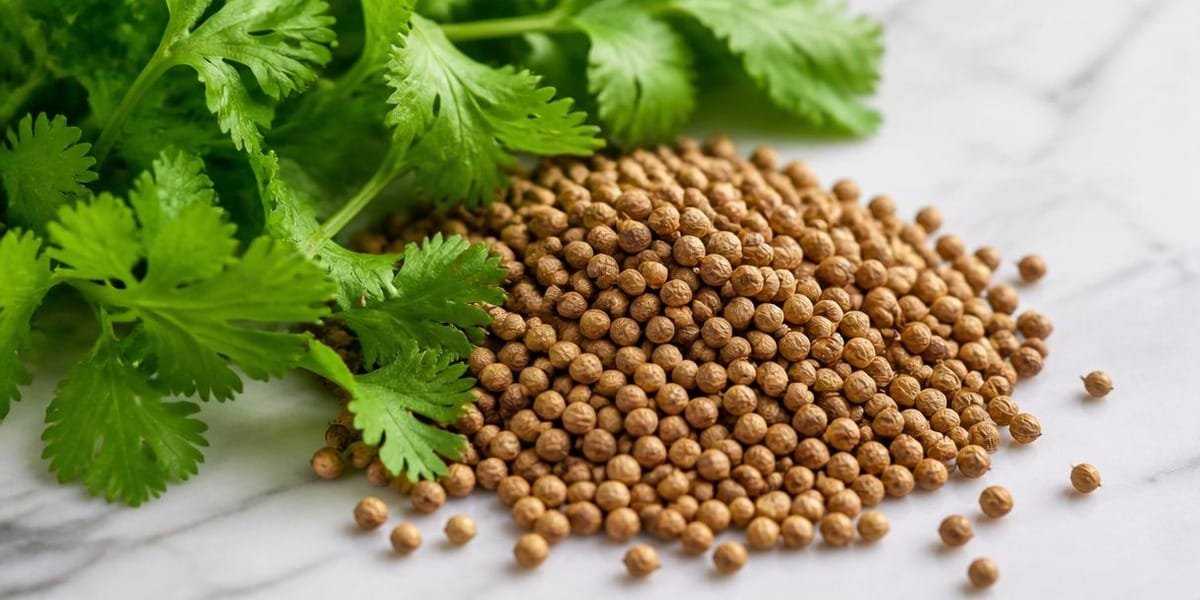
The single biggest mistake is harvesting too early, when seeds are still green and soft. Mature coriander seeds turn from green to a tan or light brown color, and the seed heads start to feel papery rather than fleshy. This color shift is the clearest signal, far more reliable than counting days since planting.
Checking for Readiness
Press a few seeds between your fingers. If they crush, they need more time. If they feel firm and crack apart cleanly, the batch is ready. Brands like Botanical Interests and Burpee print approximate days-to-maturity on their coriander seed packets, usually 90 to 120 days, but actual timing shifts with heat, rainfall, and soil nitrogen levels.
3. Harvest on a Dry Morning to Prevent Mold
Moisture is the enemy of seed storage. Cutting stems while they’re damp from dew or rain invites mold growth during the drying phase, which can ruin an entire harvest in a humid climate like coastal Florida or the Gulf Coast. Wait until the dew has burned off but before the afternoon heat stresses the plant.
- Choose a morning with no rain forecast for at least 48 hours
- Avoid watering the plant for two to three days before cutting
- Use clean, sharp scissors or pruning shears to reduce stem damage
- Cut entire stalks rather than picking individual seed heads, since whole stems dry more evenly
4. Cut Whole Stems and Bundle Them Loosely
Once the majority of seed heads on a stalk have turned brown, cut the whole stem near the base. Bundling three to five stems together with garden twine or a rubber band makes the next drying step far easier, and loose bundles allow airflow that prevents trapped moisture.
A community garden plot manager in Portland, Oregon, reported losing nearly a third of one season’s coriander crop to mold because the bundles were tied too tightly and stacked in a closed bin. Loose, breathable bundling solved the problem the following year.
5. Use the Paper Bag Method to Catch Falling Seeds
This is the step most new growers skip, and it’s the one that saves the most seed. Coriander seed heads shatter as they finish drying, scattering seeds everywhere if left uncovered. Slide a paper bag over the cut stem bundle, tie it loosely at the stem end, and hang the whole thing upside down.
- Punch a few small holes in the bag for airflow
- Hang bundles in a warm, dry, shaded spot like a garage or covered porch
- Avoid direct sunlight, which can fade seed color and reduce viability
- Check bags every few days for early seed drop
6. Dry for Two to Three Weeks Before Threshing
Patience matters here. Seeds that look dry on day five often still hold internal moisture that causes mold in storage. Most growers find two to three weeks of hang-drying gets seeds down to a safe moisture level, though humid climates may need closer to four weeks.
Signs the Seeds Are Fully Dry
The seed heads should rattle slightly inside the bag when shaken, and individual seeds should feel hard, almost like small dried peas, with no give when pressed.
7. Thresh Gently to Separate Seeds from Stems
Threshing just means separating the seeds from the dried plant material. Open the paper bag over a wide bowl or tray, then gently rub the seed heads between your palms. The dry husks crack apart easily, releasing round tan coriander seeds.
- Roll stems gently rather than crushing them, which can damage seed coats
- Use a fine mesh strainer to separate seeds from broken stem fragments
- A small fan on low speed can blow away lighter chaff while seeds drop into the bowl
- Wear gloves if sensitive skin reacts to plant residue
8. Cure Seeds Further Before Sealing Them Up
Even after threshing, give cleaned seeds another three to five days spread on a tray or screen in a dry room. This extra curing step catches any lingering moisture that hand-drying missed, and it’s the difference between seeds that store for a year versus seeds that mold within weeks.
Spice companies like McCormick run industrial dehydration before packaging coriander commercially, but home growers can replicate the same principle with a simple mesh tray and patience.
9. Store in Airtight Containers Away from Light and Heat
Glass jars with tight lids work better than plastic bags for long-term storage, since plastic can trap residual humidity. Mason jars, the kind sold by Ball or Kerr, are a common choice among home preservers because the rubber-sealed lids keep both moisture and pests out.
- Label jars with the harvest date and variety name
- Store in a pantry or cupboard between 50°F and 70°F
- Keep seeds out of direct sunlight, which degrades essential oils over time
- Whole coriander seeds for cooking stay flavorful for up to two years when stored this way
10. Separate Seeds for Planting from Seeds for Cooking
Not every seed needs the same treatment. Seeds saved for next year’s planting benefit from cooler, slightly more humid storage, around 40°F in a refrigerator, to preserve germination rates closer to 80 or 90 percent. Seeds meant for the spice rack do fine at room temperature since flavor, not viability, is the goal.
A seed-saving group based in Asheville, North Carolina, tests germination each spring by sprouting a sample of 10 seeds on a damp paper towel before committing a full bed to planting, a low-cost check that catches poor batches early.
Wrap Up
Harvesting cilantro seeds comes down to timing, airflow, and patience more than any special equipment. Cut whole stems once seed heads turn tan, dry them upside down in a ventilated paper bag for two to three weeks, then thresh and cure before sealing them in glass jars. Follow this sequence and the same plants that bolted on you in early summer will hand back a full year of coriander spice and next season’s planting stock.
FAQs
How long does it take cilantro to go to seed?
Most cilantro plants bolt and produce mature seed within 90 to 120 days of planting, though hot weather speeds this up considerably.
Can you eat cilantro seeds straight off the plant?
Yes, mature brown coriander seeds are edible fresh or dried, though dried seeds have a stronger, warmer flavor used in cooking.
Do cilantro seeds need to be dried before planting?
Seeds should be fully dry and hardened before storage, but they don’t need additional drying right before sowing, just a quick germination check is enough.
Disclaimer
This content is shared solely for research and informational purposes. It is not professional gardening, horticultural, or agricultural consultancy, and the information provided should not be considered professional advice for growing, harvesting, or consuming home garden produce. All tips and suggestions are based on common home gardening practices and general knowledge in the gardening community.