

TL;DR
Selecting the right door hardware requires balancing physical resistance with daily convenience. Heavy-duty deadbolts remain the gold standard for structural defense against forced entry. Smart entry systems add tracking and keyless access without sacrificing core physical security.
Introduction
Does your front door lock actually stop an intruder, or does it just create an illusion of safety? Most residential break-ins occur through standard entry points where weak hardware fails under basic physical pressure. Choosing the proper locking mechanism means looking past shiny finishes and focusing on internal grading, material thickness, and resistance to picking or bumping. This breakdown covers the mechanical strengths and practical limitations of the most dependable options available today.
Mechanical Deadbolts and the Mechanics of Physical Defense
Physical resistance forms the foundation of any secure entryway. Standard spring-latch locks, commonly found in cheap privacy handles, offer minimal defense because an intruder can easily bypass them using basic hand tools. A proper deadbolt operates without springs; instead, the locking bolt extends deep into the door frame cavity, making the door resistant to physical impacts and prying. Homeowners must look for specific standards, such as the American National Standards Institute Grade 1 certification, which guarantees the hardware can withstand repeated heavy impacts and tens of thousands of operating cycles.
Solid steel or brass deadbolts perform best when paired with reinforced structural components inside the door frame. A common vulnerability is not the lock itself, but the wooden strike plate area where the bolt meets the wall frame. Upgrading to a heavy-duty strike plate secured by three-inch screws anchors the hardware directly into the structural wall studs. This configuration distributes physical force across a wider area, preventing the wooden frame from splintering during a kicked-entry attempt.
- Grade 1 Deadbolts: Offer the highest level of residential security against brute force.
- Solid Brass Cylinders: Resist drilling and structural warping over years of exposure.
- Three-Inch Anchor Screws: Connect the strike plate directly to the internal wall framing.
- Anti-Pick Pins: Internal components designed to catch and jam lock-picking tools.
A notable example of this robust design is the Schlage B60N single-cylinder deadbolt. This specific model features a solid zinc bolt with an internal hardened steel roller pin that spins freely when an intruder attempts to saw through it. During a home renovation project in Seattle, a local contractor replaced standard builder-grade hardware with this deadbolt type after repeated neighborhood lock-bumping incidents. The replacement successfully halted a subsequent forced-entry attempt because the hardened steel cylinder refused to snap under pressure from heavy gripping tools.
Smart Locks and Digital Access Controls
Digital entry systems replace traditional metal keys with digital codes, biometric scans, or smartphone applications. These systems use internal motorized gear assemblies to throw a standard deadbolt piece into the door frame automatically. The primary advantage stems from access management rather than increased physical strength, as the digital housing connects to the same style of deadbolt used in mechanical setups. Homeowners can generate temporary access codes for guests, monitor entry logs in real-time, and eliminate the risk of lost or copied physical keys.
Integrating these systems requires consistent power sources and reliable wireless connectivity. Most models utilize standard AA batteries that last between six to twelve months, depending on how often the door opens. A major risk involves electronic failure or battery depletion while you are outside. High-quality smart systems mitigate this issue by keeping a physical keyway hidden under the digital faceplate or including external terminals where a nine-volt battery can temporarily power the keypad.
- Biometric Scanners: Use unique fingerprint data to authenticate users within two seconds.
- Temporary PIN Codes: Enable limited-time access for service workers or delivery personnel.
- Activity Logs: Track exact entry times through a connected smartphone application.
- Auto-Lock Features: Trigger the deadbolt mechanism automatically after a set period of time.
The August Smart Lock Pro represents a popular option for retrofitting existing doorways. This device attaches solely to the interior side of an existing deadbolt, leaving the exterior hardware completely unchanged. In a historic district apartment complex in Austin, property managers installed these units to maintain the vintage exterior aesthetic required by local guidelines while granting tenants modern, keyless entry permissions via Bluetooth technology. This installation solved the recurring problem of re-keying cylinders every time a tenant moved out.
Mortise Locks and High-End Architectural Integration
Mortise systems use an entirely different installation method compared to standard bored deadbolts. Instead of sitting inside a simple circular hole drilled through the door face, a large pocket is carved directly into the edge of the door slab to house a rectangular lock box. This heavy iron or steel box contains both the latch bolt and a deadbolt mechanism within a single structural unit. Because the door material wraps around the entire metal housing, the door itself becomes significantly more resistant to splitting when subjected to direct pressure.
The cost and complexity of these systems make them standard for heavy solid-wood doors or custom architectural projects. Installing a mortise setup requires specialized woodworking tools, including a mortise jig and precise chisels, meaning DIY installation rarely succeeds. The dual-functioning faceplate allows the handle and the deadbolt to work together, often incorporating an emergency egress feature where turning the interior handle automatically retracts both bolts for a quick exit during a fire.
- Integrated Cast Iron Boxes: Encase the entire mechanical system inside a protective metal shell.
- Dual-Action Latches: Combine entry handles and deadbolts into a singular operational unit.
- Emergency Egress Function: Permits instant unlocking from the inside by pressing the handle down.
- Thick Faceplates: Resist prying attempts by covering the gap between the door and frame.
Brands like Baldwin specialize in these heavy-duty architectural mortise configurations. A homeowner in Chicago retrofitting an early twentieth-century brownstone selected a Baldwin Estate mortise lock to match the home’s historic scale. The thick brass construction and internal anti-friction latch provided a smooth mechanical feel while upgrading the front door’s resistance against physical attack to a level that standard modern deadbolts cannot match without auxiliary reinforcement plates.
Keyless Keypad Entry Systems
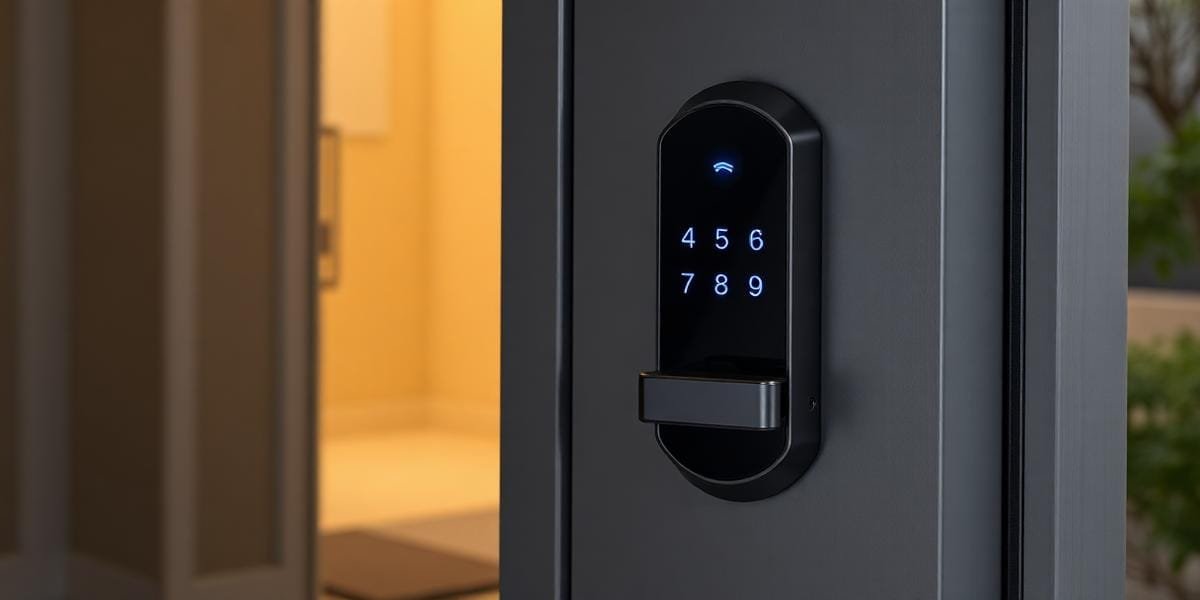
Keypad systems offer a mechanical or low-power electronic alternative to smartphone-controlled locks. These units use physical buttons or a touchscreen interface mounted directly above the door handle. They appeal to users who want to eliminate physical keys but prefer not to manage smartphone apps, firmware updates, or home automation hubs. Mechanical keypad options use internal tumblers and gears that operate entirely without batteries, relying on the physical turning of a thumb-turn after entering the correct combination.
Electronic keypads often feature backlit numbers to help users enter codes in dark conditions. A common issue with low-grade touchscreens is oil accumulation from fingers, which leaves visible smudges on frequently pressed numbers and allows observant intruders to guess the entry code. Premium models solve this problem by requiring users to press random numbers before entering their actual PIN, ensuring even wear and smudge distribution across the entire screen surface.
- Mechanical Keypads: Use internal levers instead of batteries for lifelong operation.
- Backlit Buttons: Improve nighttime visibility for quick code entry.
- Randomized Code Prompts: Prevent fingerprint smudging patterns on touchscreen faces.
- Weatherproof Seals: Shield the internal circuit boards from rain, snow, and extreme temperatures.
The Yale Security Assure Lock is a widely used touchscreen model in this category. During a rainy coastal winter in Portland, a homeowner installed this unit on a detached workshop door. The weather-sealed keypad prevented moisture infiltration that had previously shorted out cheaper hardware, while the key-free design meant workshop users never had to carry a physical ring of keys through heavy rain storms to unlock the workspace.
Keypad Security Variations
Comparative Overview of Lock Characteristics
| Lock Type | Primary Material | Power Requirement | Ideal Use Case |
| Grade 1 Deadbolt | Hardened Steel & Brass | None | Front and rear residential exterior doors |
| Smart Deadbolt | Zinc Alloy & Steel | 4 AA Batteries | Primary entryways needing remote access tracking |
| Mortise Lock | Cast Iron & Solid Brass | None | Heavy solid-wood doors and historic restorations |
| Electronic Keypad | Polycarbonate & Metal | 4 AA Batteries | Garage entry doors and detached outbuildings |
Wrap Up
Securing a home requires selecting hardware that matches the structural integrity of your door and your daily routine. A high-quality Grade 1 mechanical deadbolt offers unmatched physical defense for standard entryways, while smart systems provide superior access management for busy households. Focus on proper installation, utilize long anchor screws in the strike plates, and choose reputable brands to ensure your locking mechanisms perform reliably when tested.
FAQs Section
What makes a Grade 1 deadbolt better than a Grade 3 lock?
Grade 1 locks meet the highest residential standards, withstanding 10 strikes from a heavy battering ram and 800,000 opening cycles. Grade 3 locks are budget-grade options designed primarily for interior doors, offering minimal resistance to forced entry.
Can smart locks be hacked or bypassed easily?
High-quality smart locks use advanced encryption standards similar to online banking systems, making digital bypass rare. Most successful compromises occur through weak physical door frames or by exploiting simple master PIN codes that homeowners forget to change after installation.
Is a single-cylinder deadbolt safer than a double-cylinder deadbolt?
Single-cylinder deadbolts feature a thumb-turn on the inside for a quick exit during an emergency, making them safer for fire evacuation. Double-cylinder deadbolts require a key on both sides, which prevents an intruder from reaching through broken glass to unlock the door, but they pose a safety hazard if keys are misplaced during a crisis.
Disclaimer
This content shared by Fall Rugs is solely for research and informational purposes. Fall Rugs is not a professional interior design or home renovation consultancy, and the information provided should not be considered professional advice for home improvement or decor. All ideas and suggestions are based on current trends and general knowledge in the home decor industry.