
TL;DR
Gothic kitchen design shifts from pure horror tropes toward livable Victorian drama with deep color, natural textures, and architectural storytelling. You do not need a castle to pull this off. Smart material choices like unlacquered brass, soapstone, and reclaimed wood create the mood without feeling like a Halloween set.
Introduction
What happens when a Victorian parlor meets a working kitchen? You get something far richer than black paint and skull motifs. The modern gothic kitchen trades campy cliches for genuine architectural character, deep mineral tones, and the kind of lighting that makes even a Wednesday afternoon feel slightly dramatic.
Most people assume gothic design belongs in old churches or horror films. But the real secret lives in the details: the weight of a cast iron pot rack, the quiet luxury of soapstone, the way candlelight flickers across dark glass cabinet fronts. This collection of fifteen ideas moves beyond surface level decoration. Each suggestion comes from watching real homeowners balance moody aesthetics with the messy reality of cooking, cleaning, and living.
1. Start With a Shadow Palette, Not Just Black
Black alone reads flat. The most successful gothic kitchens build from a layered palette of charcoal, espresso, midnight blue, forest green, and deep aubergine. These colors absorb light differently throughout the day.
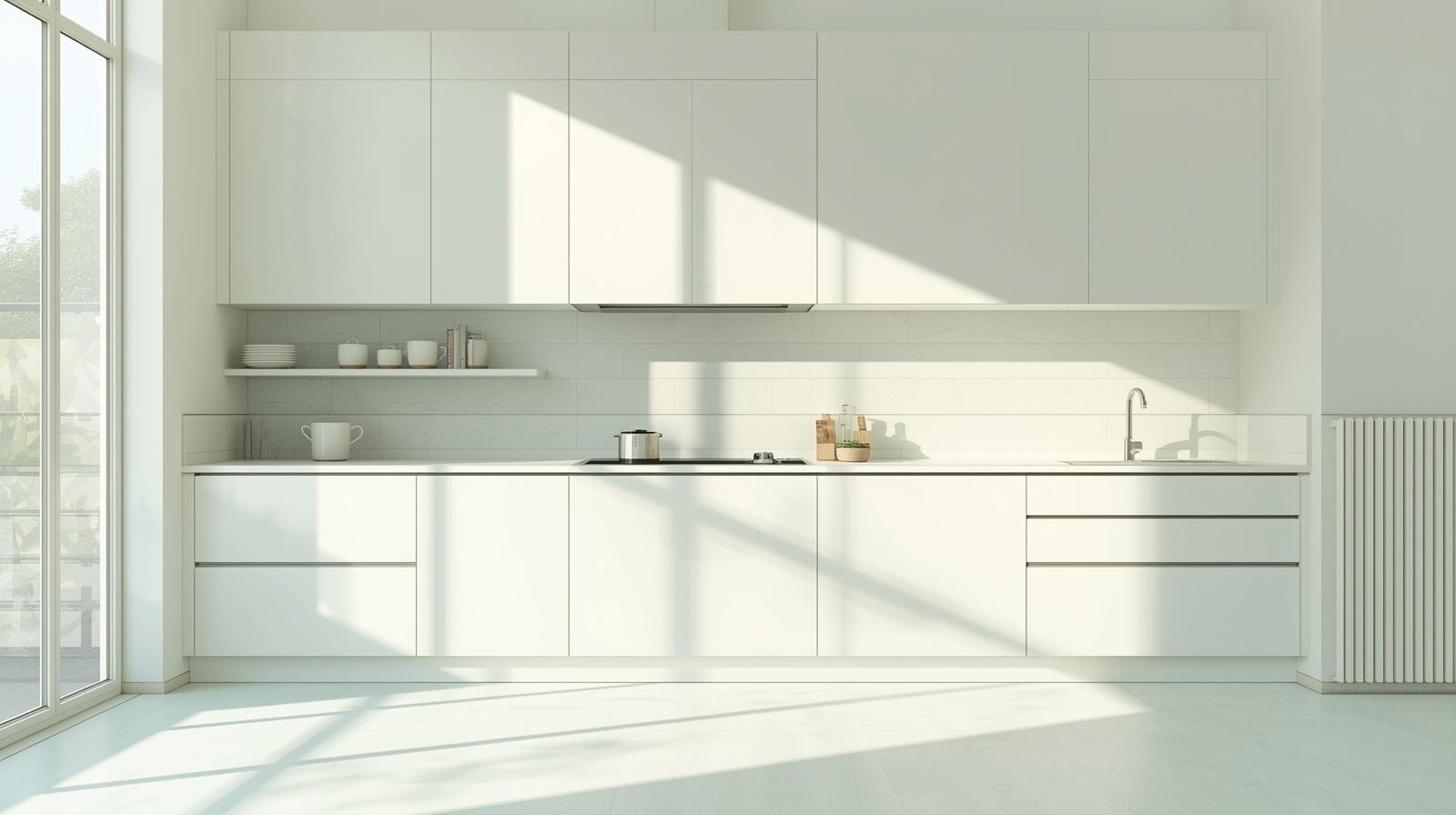
A wall painted in Farrow & Ball’s Down Pipe reads nearly black at noon but reveals soft blue undertones by late afternoon. Pair these deep walls with off white ceilings. That contrast keeps the room from feeling like a cave.
One renovation in a Brooklyn brownstone used Benjamin Moore’s Black Forest Green on lower cabinets and kept upper walls in a warm limestone plaster. The result felt ancient rather than theatrical. The mistake most people make is choosing one dark color and calling it done. You need at least three distinct shades in the same family to create visual depth.
2. Wrought Iron as Functional Sculpture
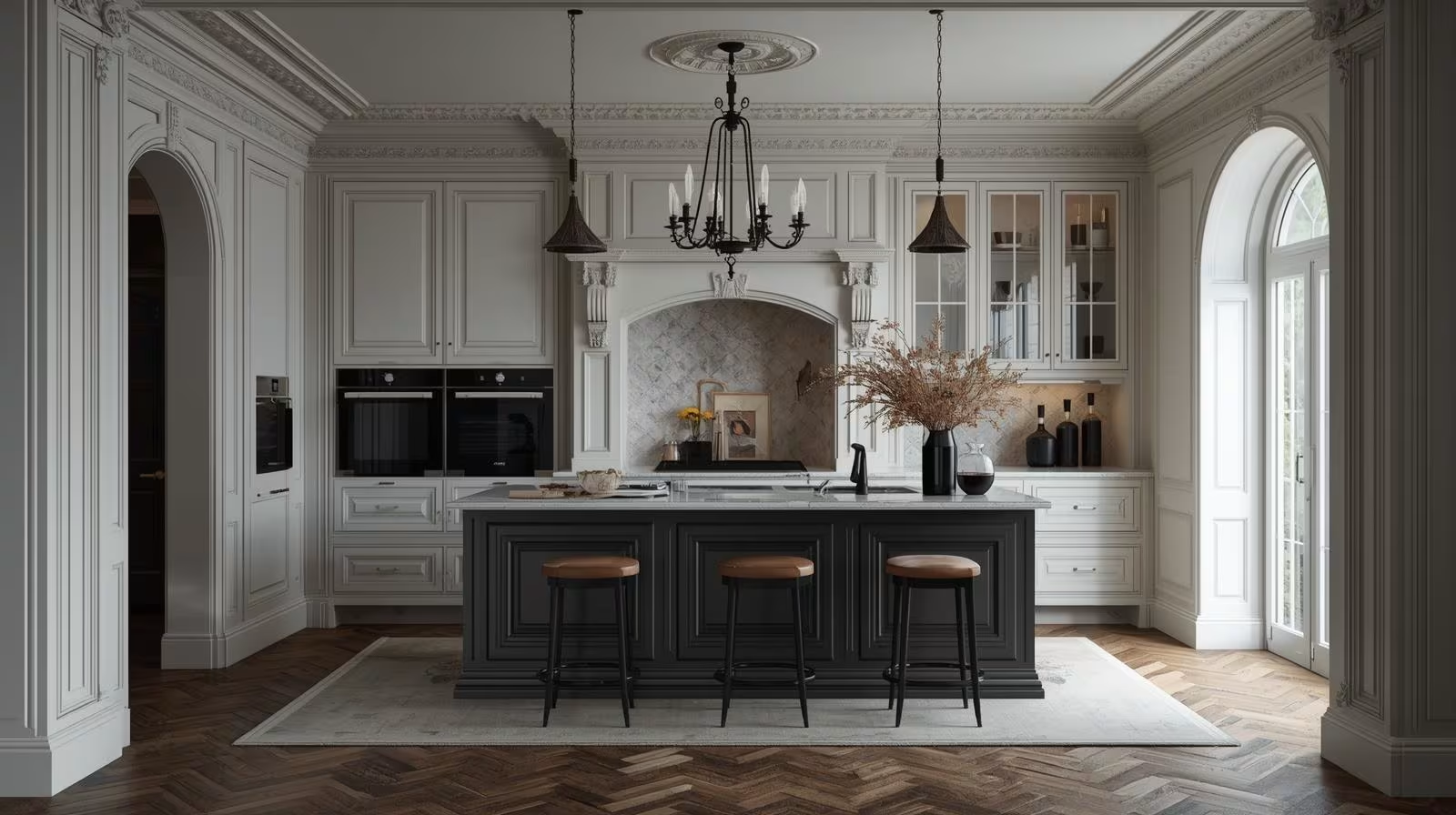
Iron does not belong only on gates and railings. In a gothic kitchen, wrought iron shows up as pot racks, light fixtures, shelf brackets, and range hoods. The material carries inherent weight both physically and visually. A black iron pot rack suspended over a central island does more than store cookware.
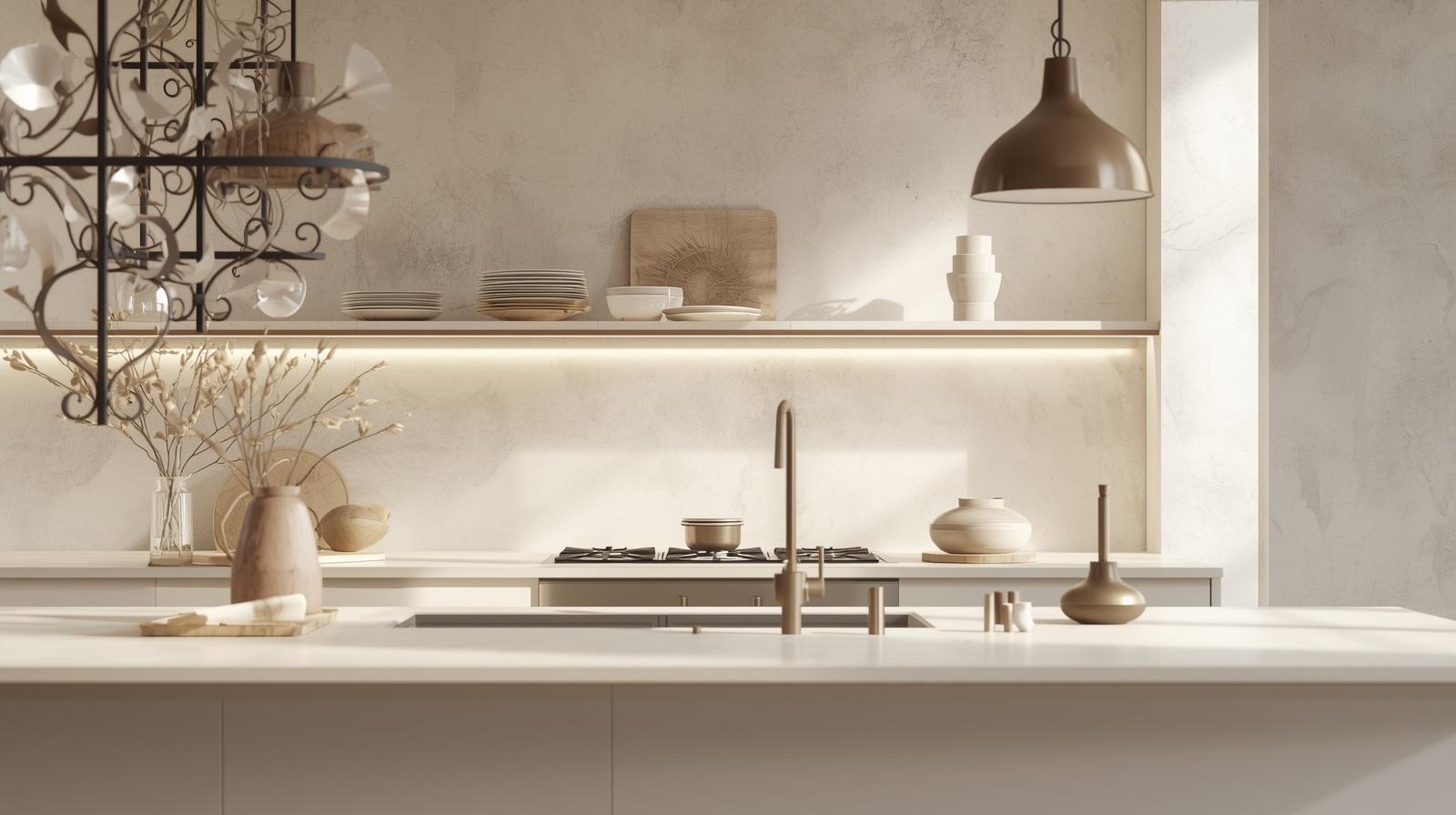
It draws the eye upward and breaks up the expanse of a dark ceiling. Look for hand forged pieces with subtle twists or hammered textures. Machine made iron looks too clean. One kitchen in Portland installed a custom iron range hood shaped like a church spire’s silhouette. That single element set the tone for the entire room without any other overt gothic symbols. Iron also pairs beautifully with warm brass or copper accents, especially on cabinet pulls or faucet fixtures.
3. Cabinet Doors With Cathedral Arches
Standard flat panel cabinets destroy the gothic mood faster than anything else. The solution lives in the arch. Cathedral style cabinet doors, where the top rail curves upward into a pointed arch, echo the windows of medieval churches and victorian homes. This shape introduces architectural history without relying on props or cliches.
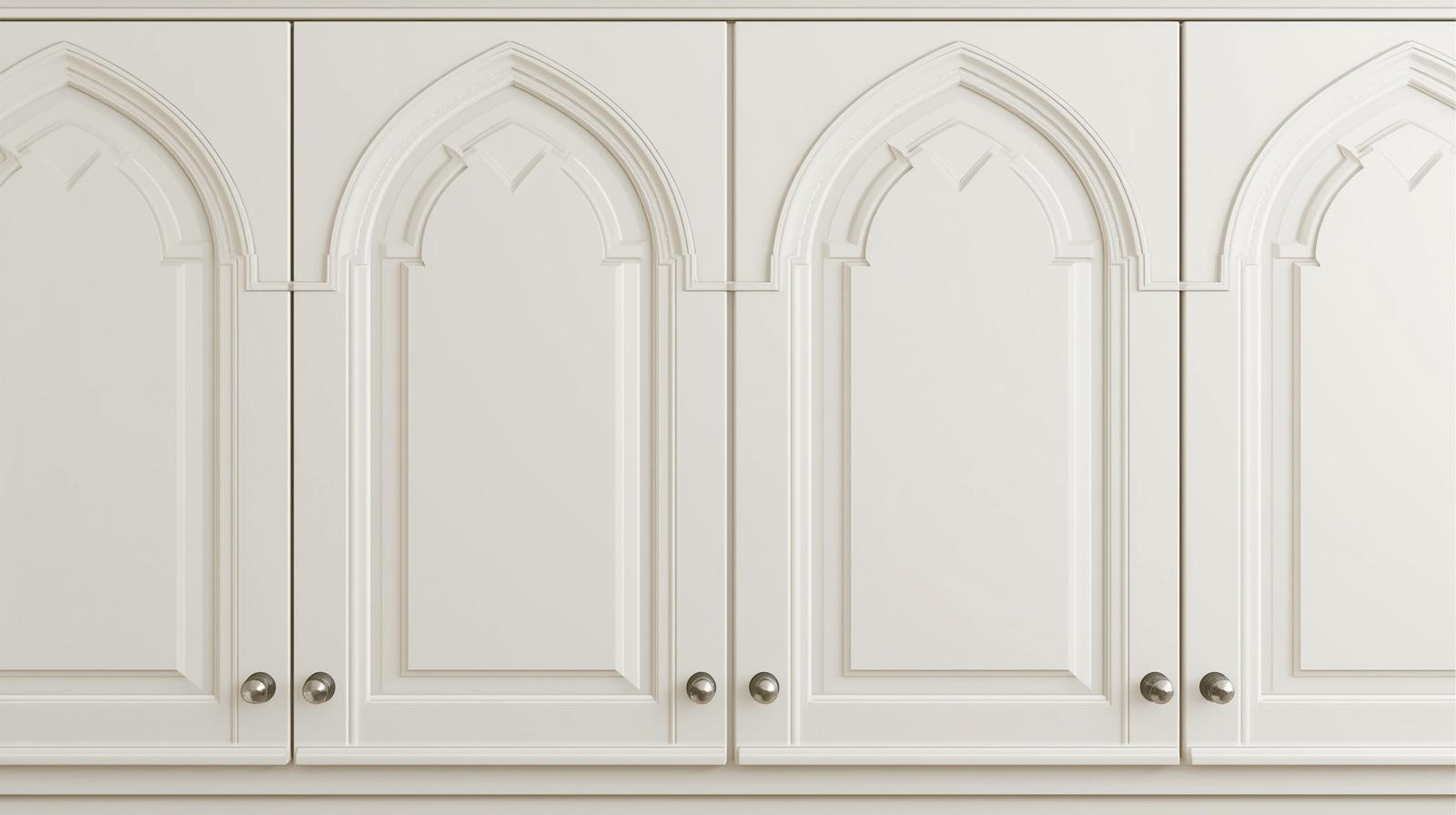
You can order these doors from custom cabinet makers or modify existing flat panels by adding arched mullions over the glass sections. A small kitchen in New Orleans used upper cabinets with leaded glass arches and left the lower cabinets as simple flat panels. That restraint kept the room from feeling overwrought. The arched shape works best when repeated on at least two cabinet runs. A single arched door looks accidental. Three or more create a pattern.
When Arches Become Too Much
Pointed arches everywhere can overwhelm a small kitchen. Limit the architectural detailing to upper cabinets or a single feature wall. Glass front arches also require careful styling. What sits behind the glass matters. Stack white dishes neatly or display dark pottery. Avoid plastic containers or cereal boxes in full view. The gothic kitchen asks for curation, not perfection.
4. Soapstone Countertops That Age Gracefully
Marble scratches too easily. Granite feels too glossy. Soapstone occupies the perfect middle ground for gothic kitchens. The material appears almost black when oiled, develops a natural patina over time, and resists heat and stains better than most natural stones. Scratches actually add character instead of ruining the surface. You can sand them out or let them accumulate as a map of your cooking life. One homeowner in Massachusetts chose soapstone specifically because her grandmother’s farmhouse had the same counters.
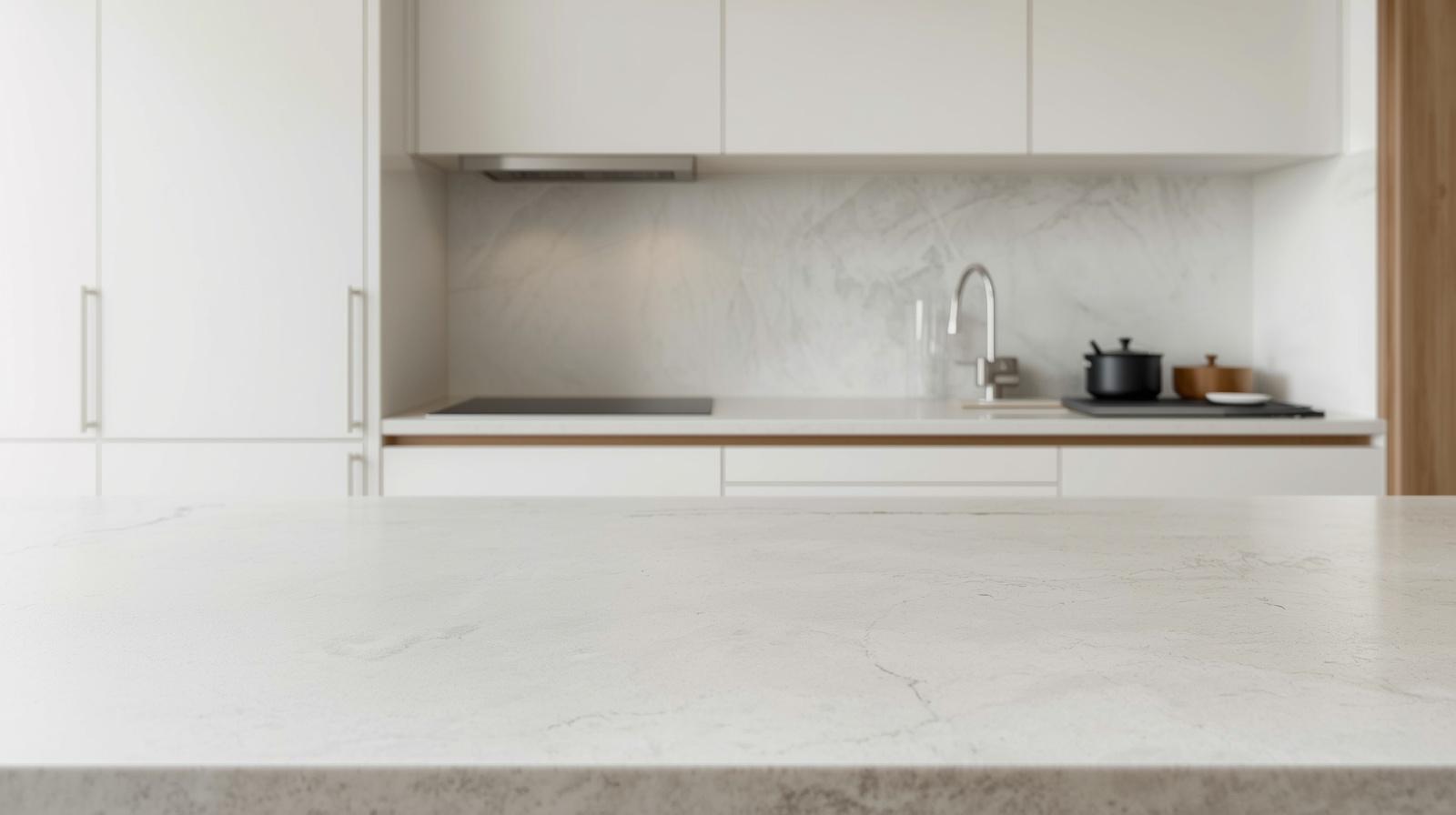
Forty years of knife marks and hot pans turned that old soapstone into something deeply personal. The stone also pairs exceptionally well with copper sinks and brass fixtures. The only downside involves cost and weight. Soapstone runs more expensive than granite and requires professional installation due to its density.
5. Vintage Brass and Unlacquered Hardware
Shiny polished brass belongs in traditional suburban homes. Unlacquered brass, which darkens and develops a natural patina, belongs in a gothic kitchen. This metal ages like a good leather jacket. It starts bright and warm, then slowly shifts to bronze, then to a deep brown with green undertones.

The process takes about six months with regular handling. Cabinet pulls, faucets, light switch plates, and drawer handles all benefit from this treatment. Avoid anything with a clear protective coating.
That lacquer prevents aging and leaves the brass looking cheap. A gothic kitchen in Richmond used unlacquered brass on every piece of hardware plus the bridge faucet over the farmhouse sink. Within a year, every handle told a different story based on how often someone touched it. The metal near the stove darkened fastest from heat and cooking oils.
6. Statement Range Hoods as Architectural Anchors
The range hood offers one of the best opportunities for gothic drama because it already commands visual attention. Custom hoods built from copper, hammered iron, or stained wood create a natural focal point above the cooking surface. One approach uses a plaster hood painted to match the walls so the shape stands out rather than the color. Another option involves a copper hood left unsealed so it oxidizes naturally over time. The patina shifts from bright penny to deep bronze to verdigris green.
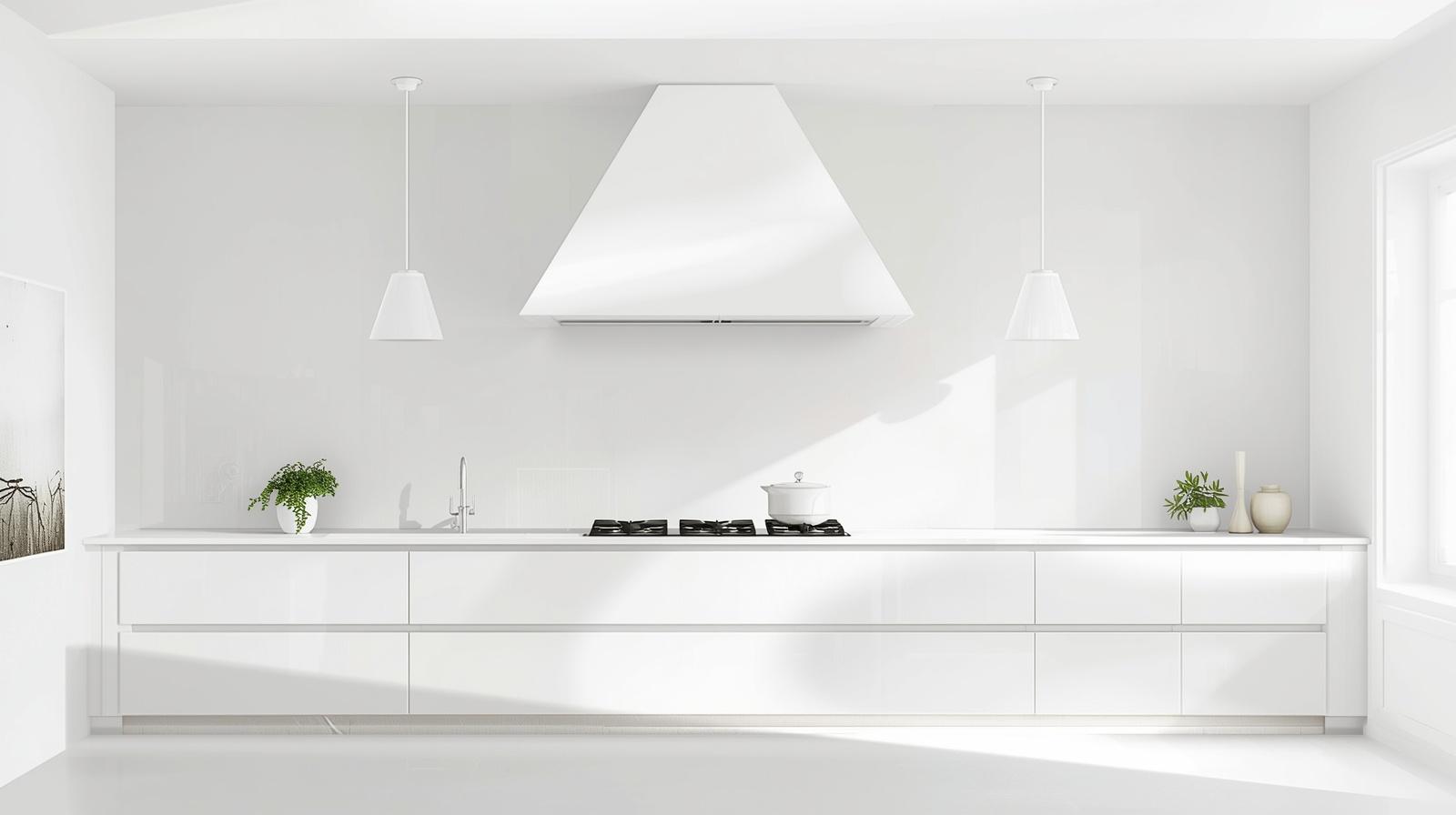
A kitchen in Chicago built their hood from reclaimed barn wood with black iron straps across the front. That hood told a story about the building’s history even though the rest of the kitchen was new construction. Avoid standard stainless steel hoods. The industrial look clashes with the warm, aged aesthetic of gothic design.
7. Candle Sconces Wired for Modern Safety
Electricity works fine, but candle shaped sconces wired with flicker bulbs capture the right spirit. Mount these fixtures at eye level on either side of a window or flanking the range hood.
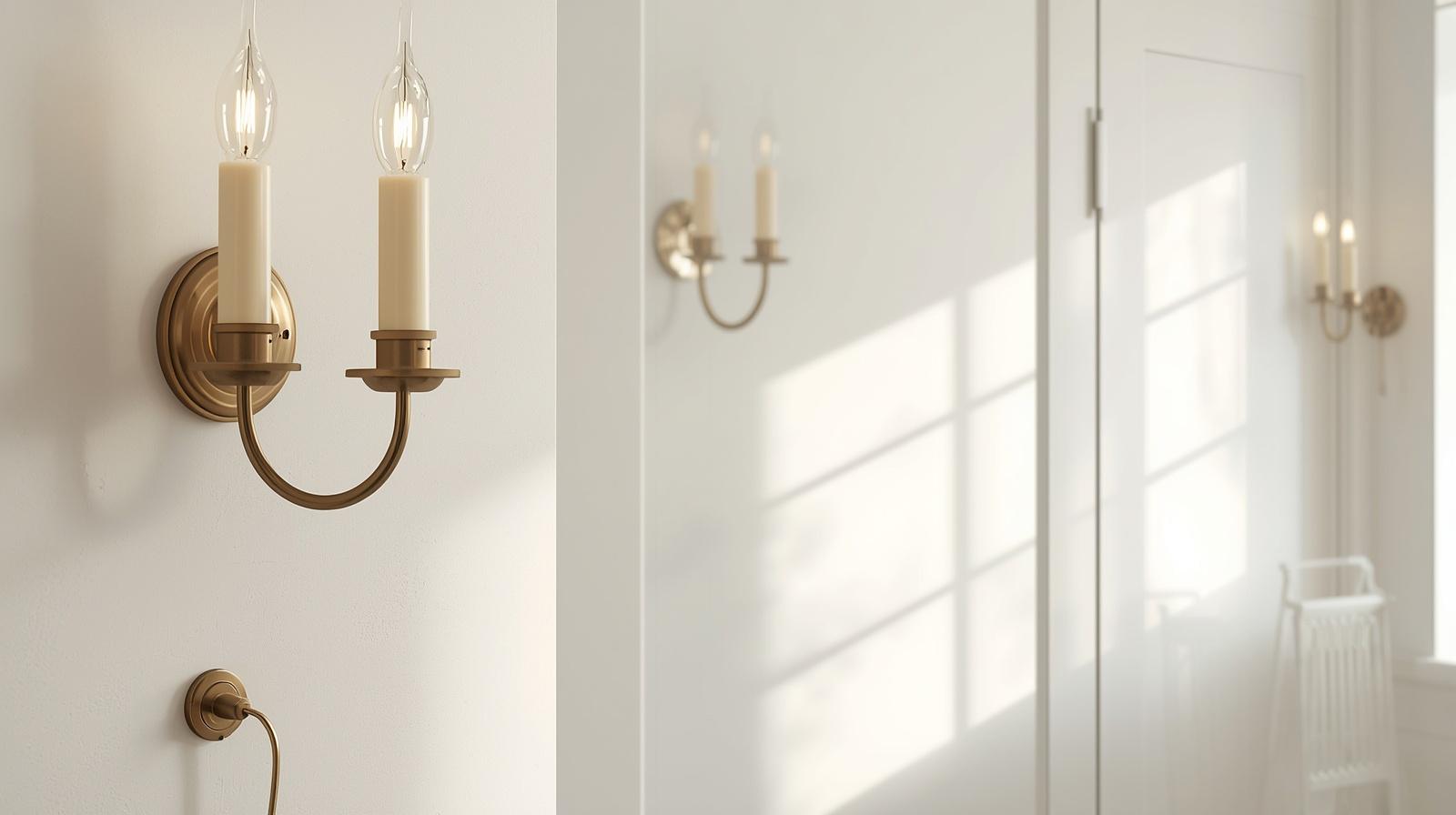
The vertical orientation of sconces draws attention upward, a classic gothic trick for making ceilings feel taller. Look for fixtures made from wrought iron, aged brass, or dark bronze with clear glass hurricane shades. The bulbs themselves matter more than most people realize. Standard LEDs give off a cold, flat light.
Flicker bulbs or Edison style LEDs with warm color temperatures around 2200 Kelvin mimic gaslight and candle flames. One kitchen in Seattle installed four iron sconces along a long wall of dark cabinetry. Those small lights transformed an ordinary galley kitchen into something that felt like a scholar’s library.
The Problem With Overhead Lighting
Recessed ceiling lights destroy the gothic atmosphere. They flatten shadows and eliminate the contrast that makes dark walls interesting. Instead, layer three types of lighting: task lights under cabinets, ambient sconces on walls, and a single dramatic pendant or chandelier over the dining or island area. Never rely on a single overhead fixture.
8. Leaded Glass and Diamond Panes
Glass doors on upper cabinets become gothic features when the glass itself carries a pattern. Leaded glass with diamond or rectangular panes references Victorian conservatories and medieval churches. You do not need authentic leaded glass from the 1800s. Modern manufacturers produce stick-on lead came strips that adhere to clear glass, or you can order custom cabinet doors with the glass already set. The key lies in restraint.
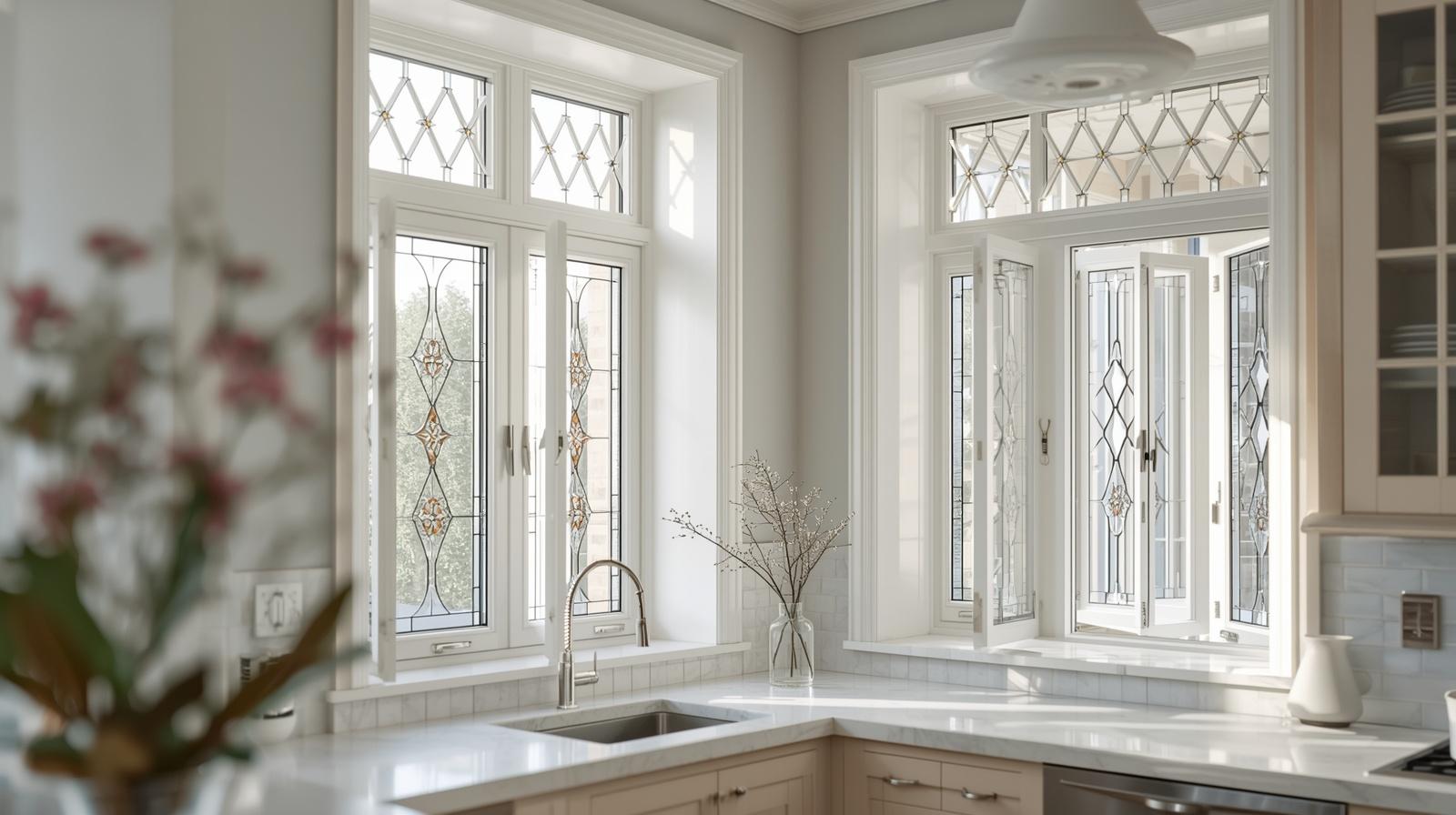
Use patterned glass on one or two cabinet sections, not all of them. A kitchen in Philadelphia used diamond pane glass on the upper cabinets flanking the stove and kept the rest of the uppers as solid wood. That selective application created a rhythm rather than a pattern overdose. The glass also hides clutter beautifully while still showing the shapes of dishes and glassware.
9. Deep Farmhouse Sinks in Fireclay or Copper
White porcelain farmhouse sinks read too country cottage for gothic spaces. Black fireclay or hammered copper sinks fit the mood perfectly. Fireclay sinks offer durability and a deep, glossy finish that catches light dramatically. Copper sinks develop a living finish that shifts with every use. Water spots and patina actually improve the look.
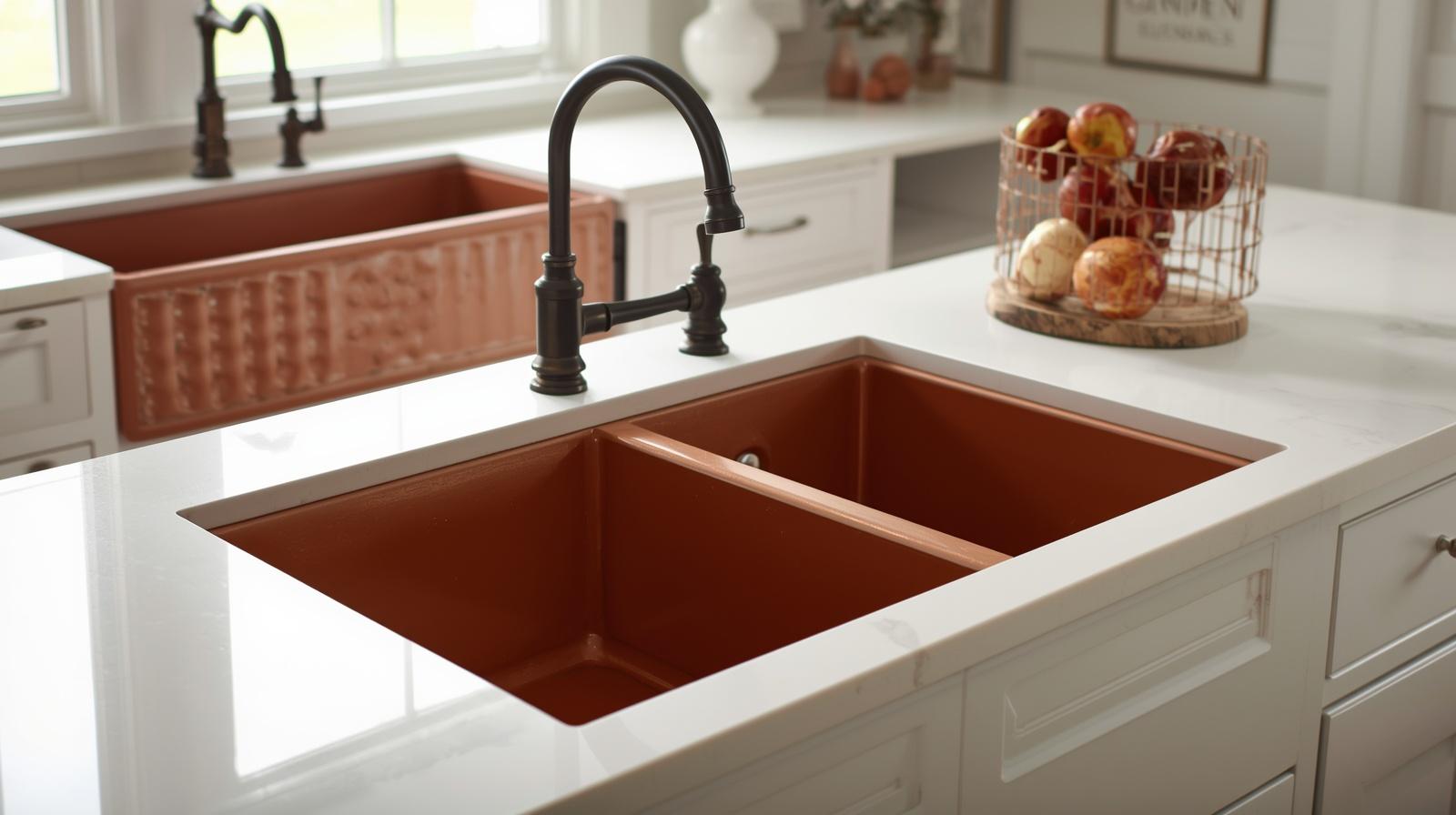
One sink maker produces a model called the Gothic with a pointed arch front apron instead of the standard curved shape. That single detail ties the sink visually to any arched cabinet doors nearby. The practical advantage of a farmhouse sink involves depth. You can hide stacks of dirty dishes below the counter line, which matters in a dark kitchen where mess shows more easily against black surfaces. Pair the sink with a bridge faucet in unlacquered brass or oil rubbed bronze.
10. Open Shelving on Wrought Iron Brackets
Too many closed cabinets make any kitchen feel heavy. Open shelves break up the mass while providing display space for gothic appropriate objects. Iron brackets supporting thick walnut or reclaimed pine shelves create a structural look that fits the style. Use these shelves for items you actually reach for daily: dark glazed pottery, brass candlesticks, white ironstone pitchers, leather bound books on cooking.
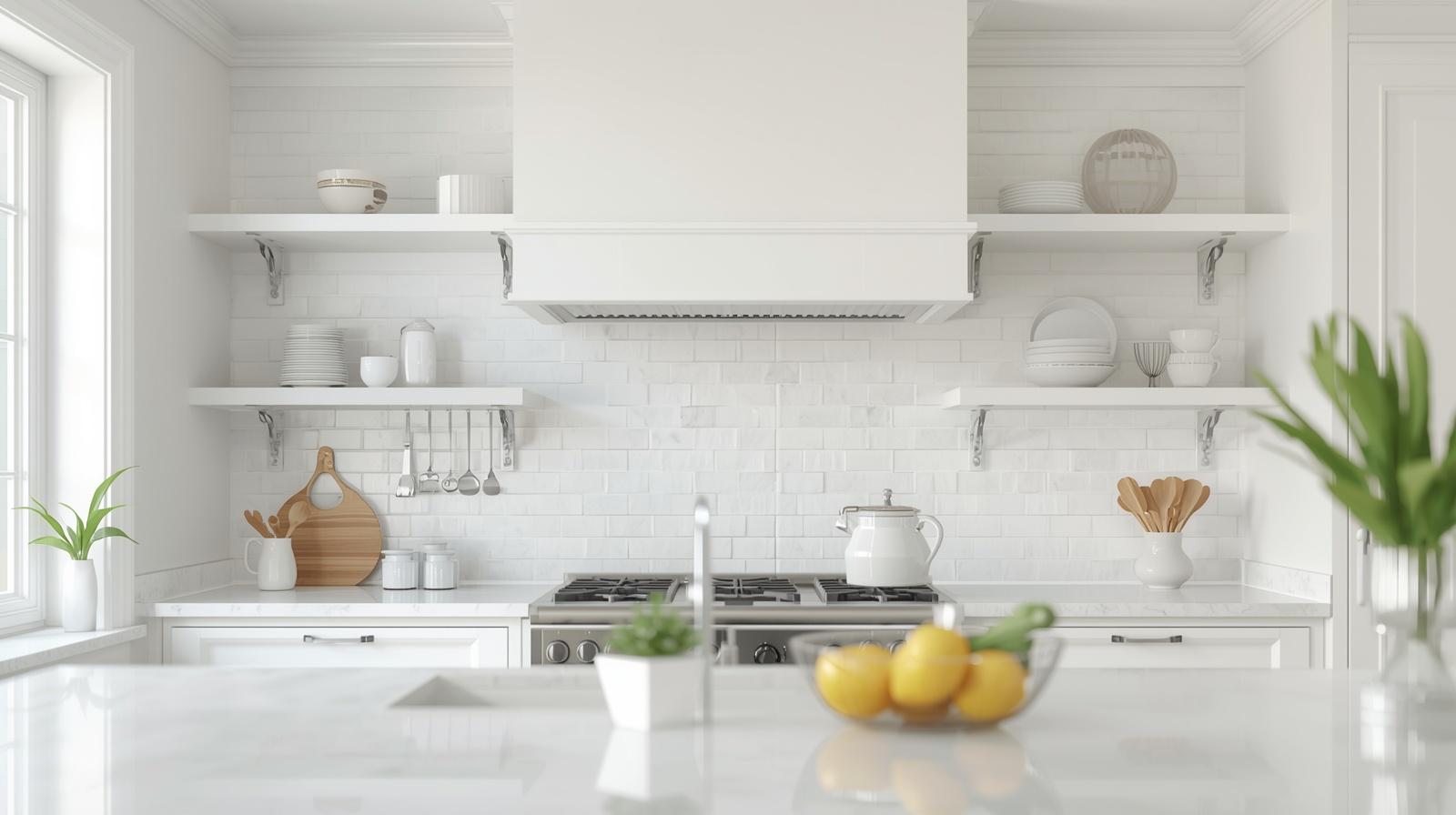
The shelf contents become part of the decoration. One kitchen in Austin installed a single long shelf above the sink with nothing but a collection of vintage black bottles and a small taxidermy crow. That shelf told a clear story without shouting. Avoid cluttering shelves with too many small objects. Gothic design breathes better with fewer, larger pieces spaced apart.
What Not to Display on Open Shelves
Plastic containers, mismatched Tupperware, and bright colored small appliances kill the mood instantly. If an object does not look intentional, keep it behind closed cabinet doors. Open shelves are a commitment to visual editing every single day.
11. Checkered Floors in Black and White
Victorian homes popularized the black and white checkered floor, usually in marble or encaustic tile. The pattern reads as historically correct for gothic revival spaces while adding visual energy to the floor plane. Large format tiles, twelve inches or larger, feel more contemporary.
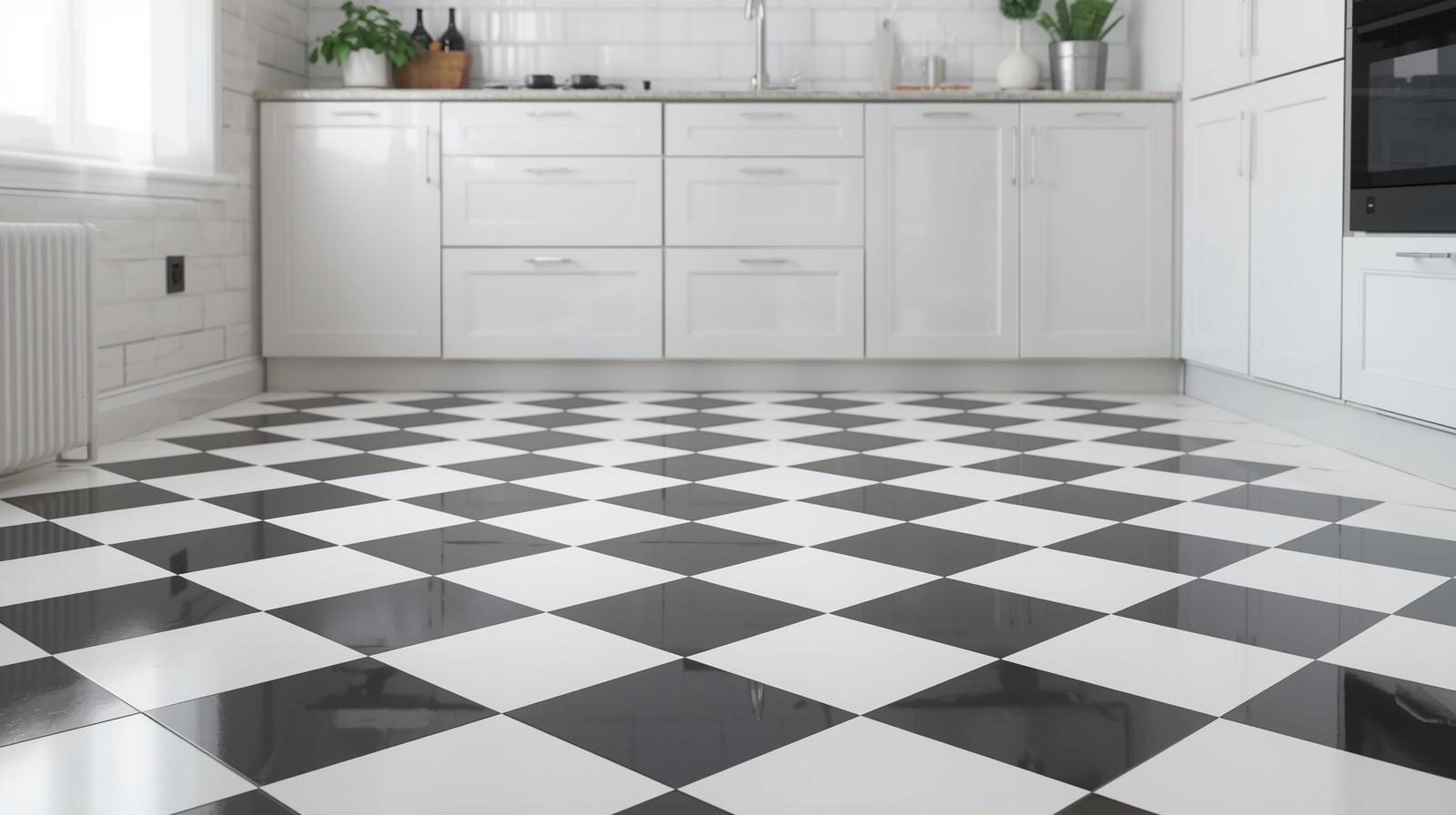
Smaller two inch tiles feel more authentic to the 1800s. The contrast between black and white tiles also serves a practical purpose. The pattern hides crumbs and dirt better than a solid dark floor. A kitchen in Charleston used honed black marble and white limestone in a diamond pattern rather than a straight grid.
That rotation of the pattern made the small galley kitchen feel wider. If marble feels too expensive or high maintenance, porcelain tiles printed with stone patterns offer the same look at half the cost and with better durability.
12. Heavy Velvet and Linen Window Treatments
Windows in a gothic kitchen need softening, but not with frilly cafe curtains. Floor length panels in velvet, heavy linen, or wool challis add texture and absorb sound in a room full of hard surfaces. Black velvet reads as dramatic but shows every dust particle.
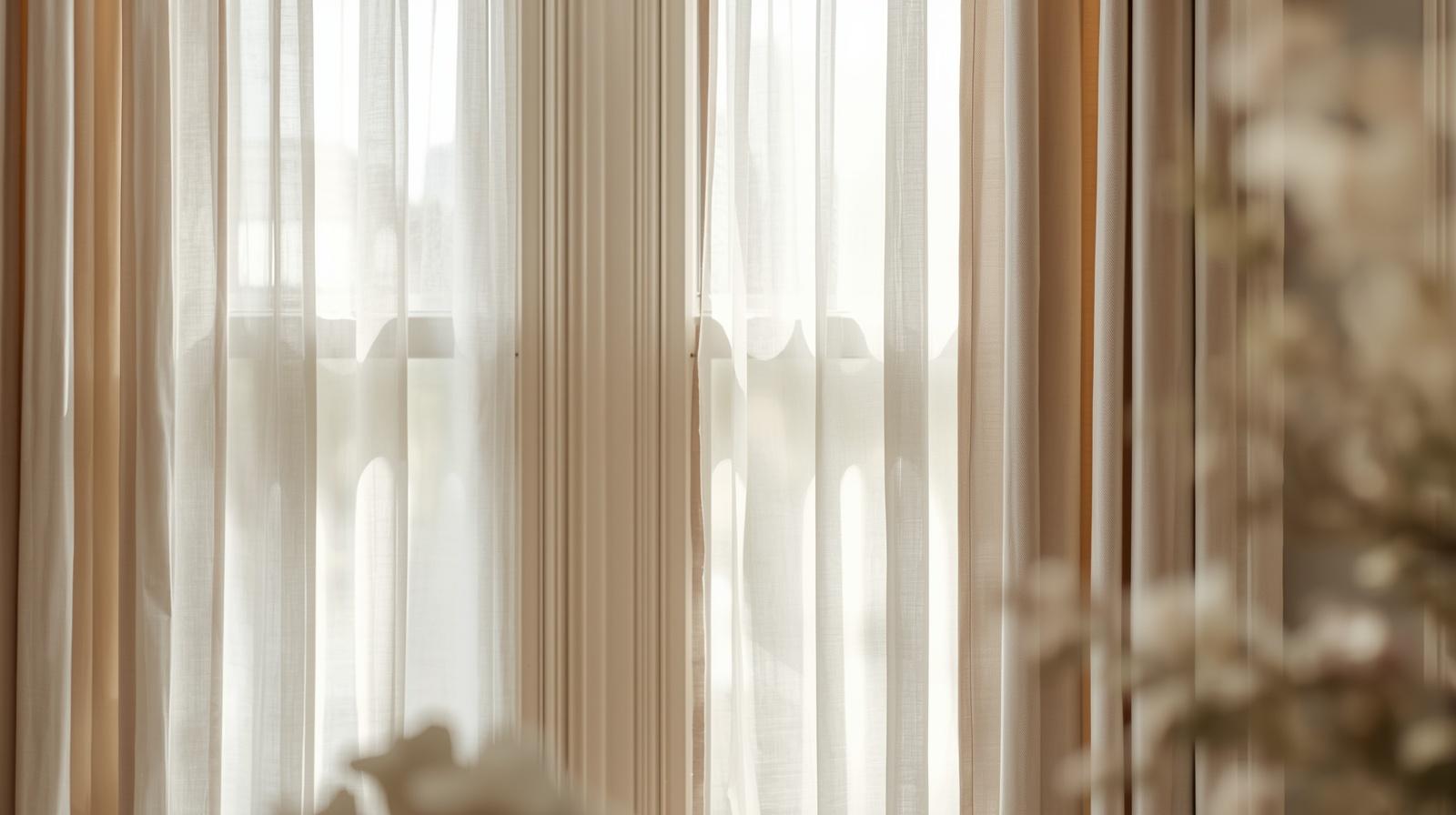
Dark charcoal or midnight blue velvet wears better. Mount the curtain rod high, just below the ceiling, to draw the eye upward. The panels should just kiss the floor. Puddling fabric looks sloppy in a kitchen where floors get mopped frequently.
One kitchen in Denver used dark green linen panels on a bronze rod with iron holdbacks shaped like leaves. The fabric softened the stone walls without fighting for attention. Keep curtains away from the cooking zone. Grease and heat destroy natural fibers quickly. Reserve full curtains for windows more than four feet from the stove.
13. Waxed Wood Beams on the Ceiling
Exposed ceiling beams carry instant architectural credibility. If your home lacks original beams, faux versions made from hollowed out wood or polyurethane offer the look without the structural engineering. The finish matters more than the material. Waxed black or dark brown beams with visible grain read as authentic. Painted beams look fake.
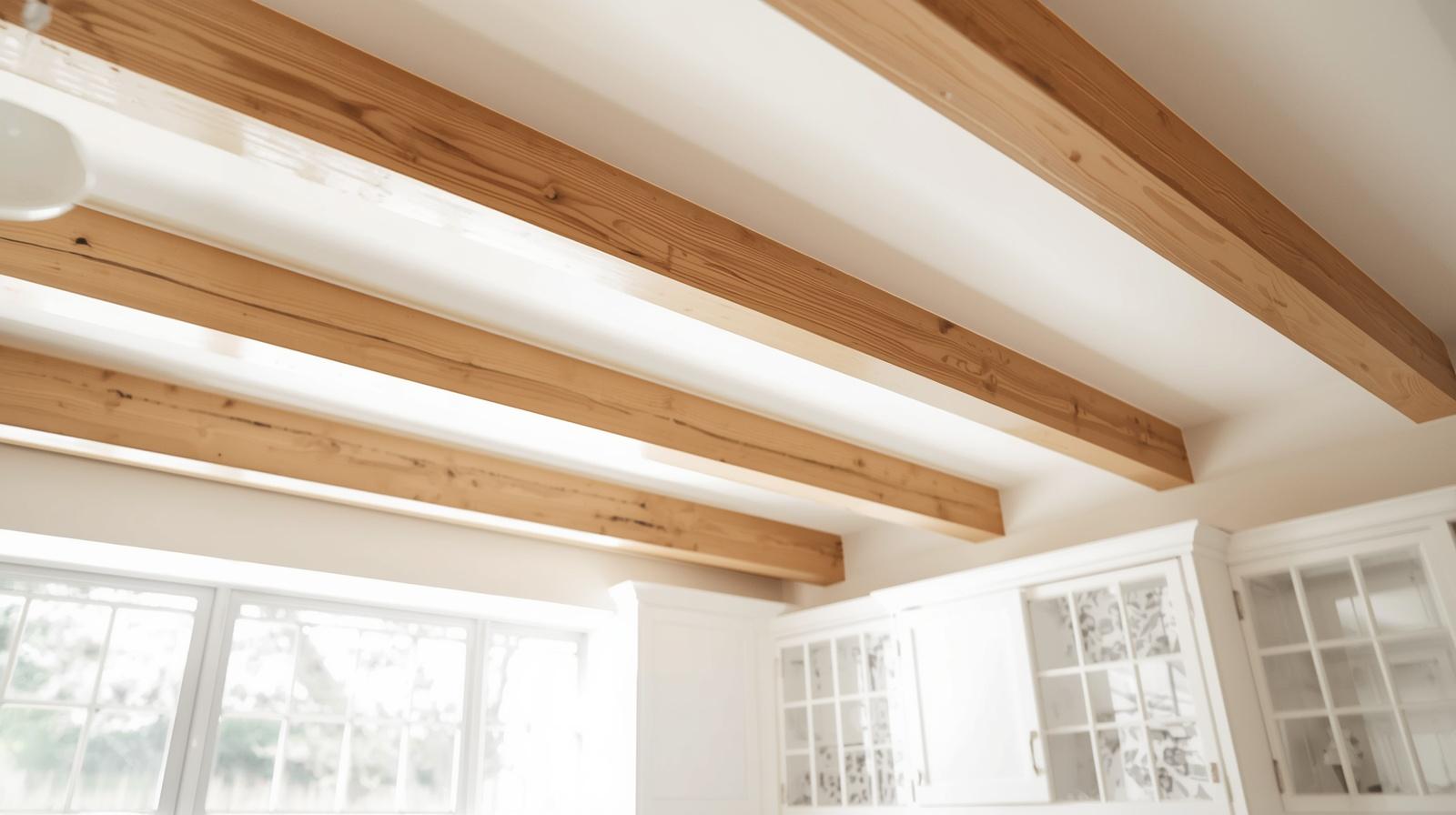
One renovation in a 1920s bungalow installed box beams covered in reclaimed oak and finished with dark wax. The beams sat below the original ceiling, creating a dropped effect that actually made the room feel taller through contrast. For existing wood beams, consider a darker stain or a lime wash that leaves white grain against dark wood. Beams work best when they run perpendicular to the longest wall. Parallel beams make a narrow kitchen feel like a tunnel.
14. Apothecary Storage for Pantry Items
Glass front cabinets work beautifully in gothic kitchens when the contents look like an old pharmacy. Store dry goods in matching glass jars with cork stoppers or dark amber apothecary bottles. Label each jar with handwritten tags or vintage style labels.
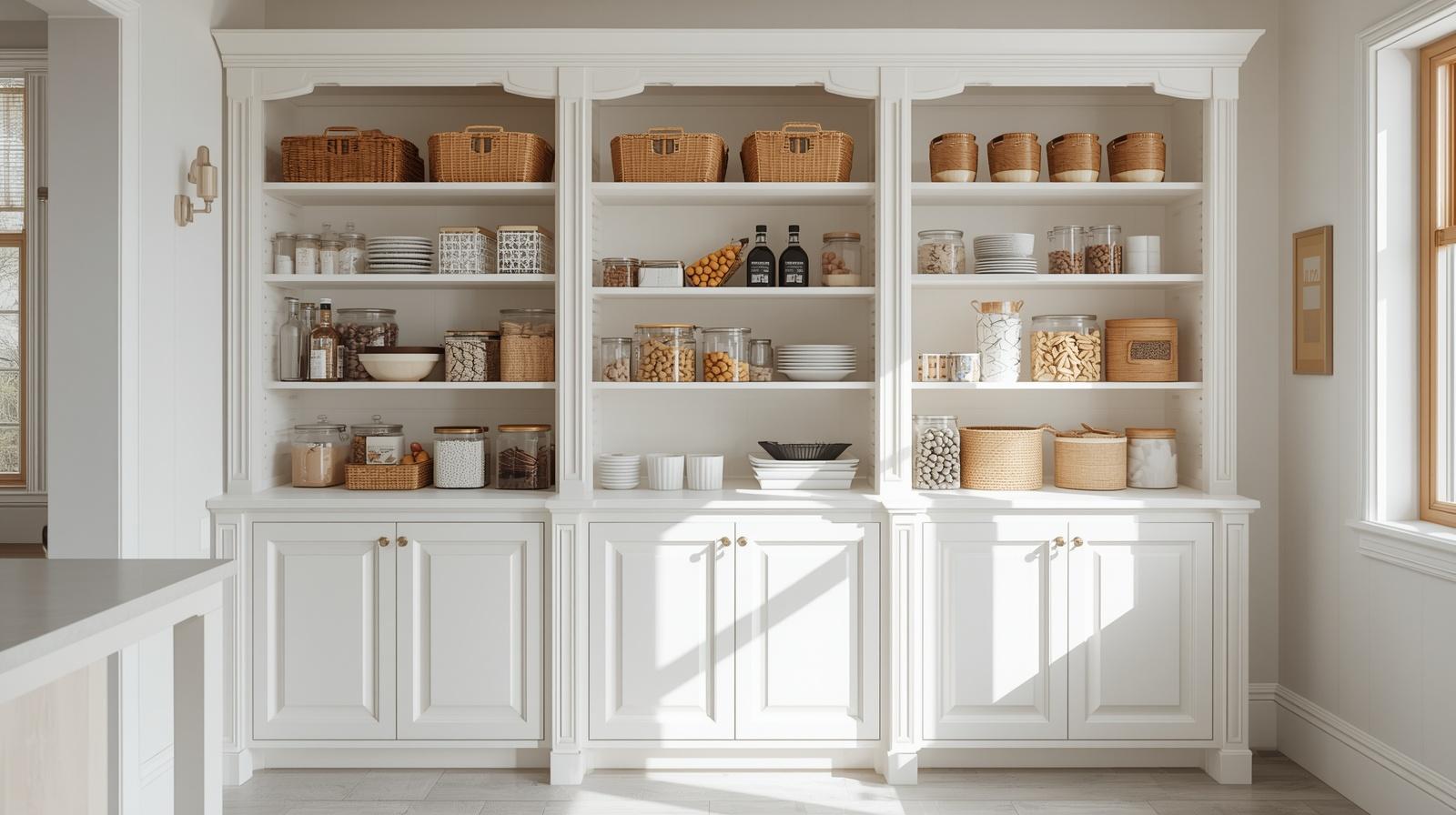
This approach turns functional storage into a decorative feature. A kitchen in Nashville dedicated a full wall to shallow cabinets with diamond pane glass fronts. Behind the glass sat fifty glass jars filled with different beans, grains, spices, and teas.
The wall looked like a victorian general store crossed with a witch’s pantry. The practical benefit involved never hunting for ingredients. Everything stayed visible and accessible. You can achieve a similar effect with a single cabinet or even a dedicated shelf of matching jars. The repetition of uniform containers creates the visual calm that gothic design requires.
Where to Find Apothecary Jars
Restaurant supply stores sell glass jars with airtight lids at reasonable prices. Vintage shops often carry old pharmacy bottles but check for lead content if you plan to store food. Modern reproductions from kitchen brands offer the look without safety concerns.
15. Moody Artwork and Dark Still Lifes
Empty walls kill the atmosphere faster than any other mistake. Gothic kitchens need artwork, but not random prints from a home goods store. Look for dark still life paintings of black flowers, overripe fruit, or silver vessels on black cloths. Botanical prints of poisonous plants or nocturnal animals work well.
Even black and white photography of old cemeteries or gothic architecture fits the theme. Frame everything in dark wood or black iron with substantial profiles. Thin gold frames look wrong. One kitchen in San Francisco hung a series of three small oil paintings above the sink: a black rose, a raven feather, and a single candle burning in a brass holder.
Those three paintings tied every other element together. You can find affordable options on print on demand sites or at estate sales. Old science illustrations downloaded from museum archives and printed locally cost almost nothing.
Wrap Up
A gothic kitchen succeeds when it feels like a natural extension of the home rather than a themed attraction. Focus on materials that age well, lighting that creates shadows intentionally, and architectural details borrowed from Victorian and medieval sources.
The fifteen ideas here work individually or in combination. Start with the elements that solve an existing problem in your kitchen, like poor lighting or boring cabinets, then build from there. The best gothic kitchens grow slowly over time, layer by layer, until one day you realize your cooking space tells a story worth living inside.
FAQs
What is the difference between gothic and gothic revival kitchen design?
Gothic refers to medieval architecture from the 12th to 16th centuries with pointed arches and stone construction. Gothic revival applies those same visual principles to 19th century homes but with modern materials and scaled down proportions. Most residential kitchens today work within the gothic revival tradition.
Can a gothic kitchen work in a small or windowless space?
Yes, but with adjustments. Use lighter dark colors like charcoal or deep olive instead of black. Install glass front cabinets on at least one wall to create visual depth. Layer warm task lighting at counter height. Keep the ceiling and trim bright white to prevent the boxed in feeling.
How do I incorporate gothic elements without making my kitchen look like a haunted house attraction?
Skip the overt symbols like skulls, cobwebs, and fake candles. Focus on architectural details, material quality, and restrained color. A single wrought iron light fixture and dark soapstone counters say gothic without a single skeleton decoration. The style whispers rather than shouts.
Disclaimer:
The content shared by Fall Rugs is solely for research and informational purposes. Fall Rugs is not a professional interior design or home renovation consultancy, and the information provided should not be considered professional advice for home improvement or decor. All ideas and suggestions are based on current trends and general knowledge in the home decor industry.