
TL;DR
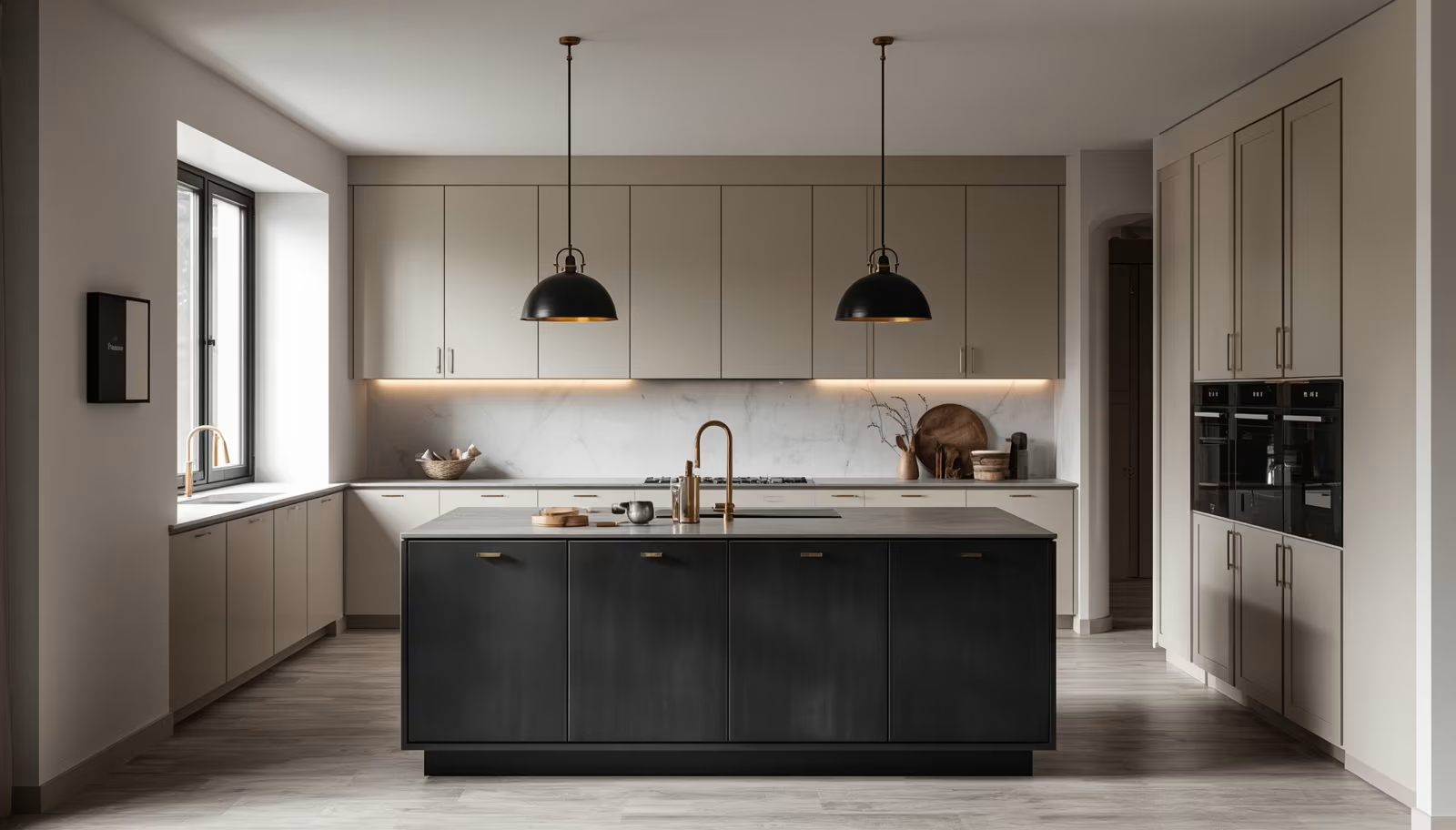
A modern moody kitchen relies on contrasting textures and deep tones to build architectural interest. Placing a black island at the center anchor the room while creating a clear functional focal point. Success lies in balancing these dark surfaces with layered task lighting and organic materials to prevent a cramped feeling.
Introduction
Does a kitchen always need to be bright and white to feel welcoming? Homeowners are shifting away from clinical, sterile spaces toward interiors that offer warmth, depth, and character. Integrating a black island lets you experiment with dark design elements without committing your entire layout to deep shadows.
This approach establishes a sophisticated gathering spot that pairs well with various architectural styles, from industrial lofts to refined urban apartments.
1. Textured Charcoal Surfaces and Quartzite Countertops
Dark kitchens risk looking flat if every surface uses the same smooth finish. Incorporating textured charcoal cabinets alongside a matte black central structure introduces immediate depth. Architects often select materials like wire-brushed oak or riff-cut white oak stained to a deep charcoal hue. This allows the natural wood grain to remain visible under targeted lighting, preventing the room from feeling like a dark void.
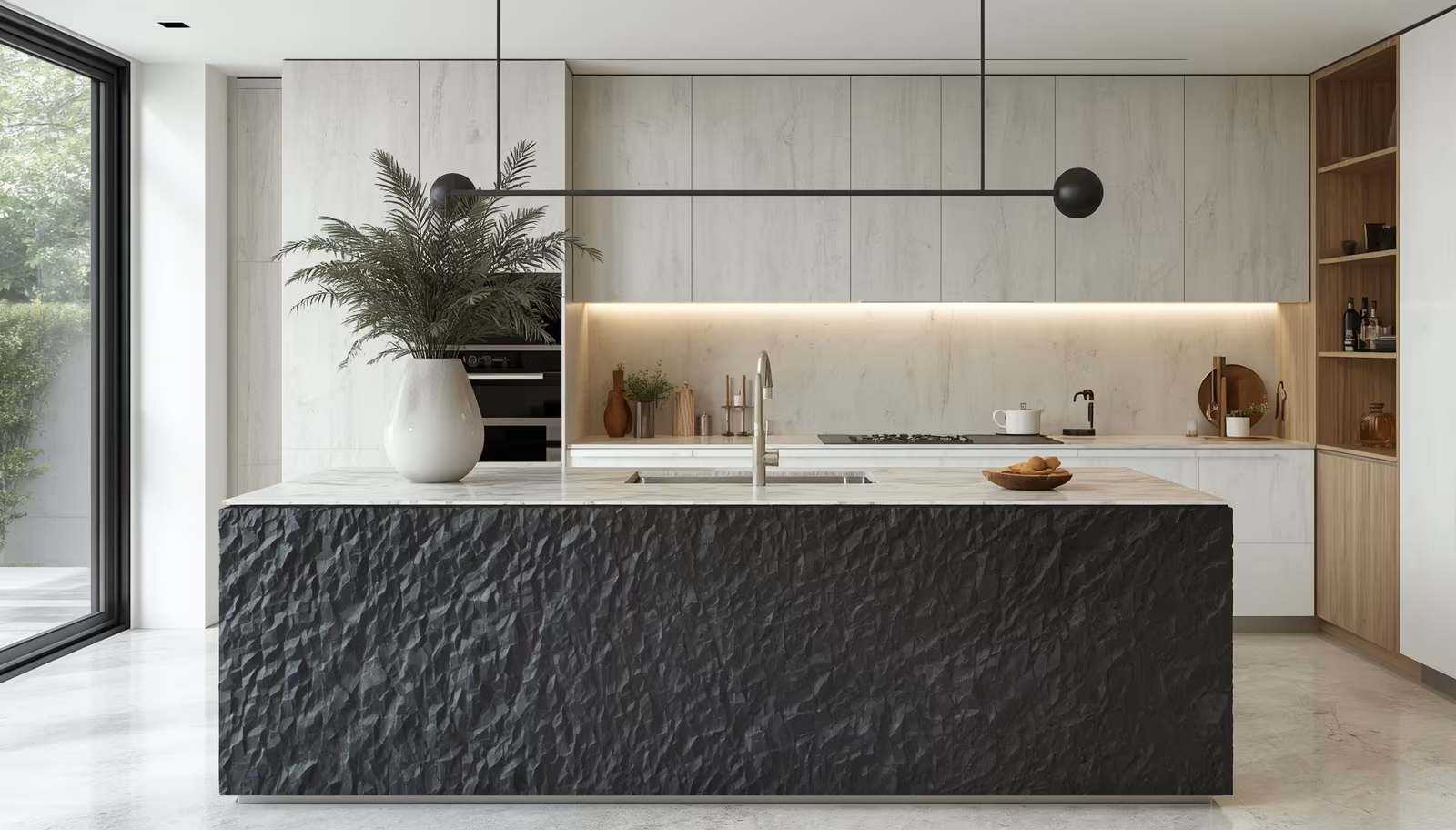
To pull this look together, consider a high-contrast stone choice. A quartzite slab with heavy grey and white veining, such as Super White or Zermatt quartzite, creates a beautiful surface for the main preparation area. The natural movement in the stone breaks up the solid dark blocks of color below.
- Material Depth: Wire-brushed finishes catch light differently throughout the day, altering the room’s mood.
- Visual Contrast: Light-colored quartzite surfaces protect workspace visibility while maintaining a dramatic look.
- Hardware Selection: Matte black or oil-rubbed bronze handles blend in seamlessly, while unlacquered brass adds a bright pop.
During a residential remodel in Seattle in 2024, lead designer Sarah Jenkins resolved a client’s fear of a gloomy kitchen by pairing a matte black base with a polished slab of Calacatta Lincoln marble. The bright white background and bold grey veins of the marble instantly lifted the room, proving that deep tones work beautifully when balanced by natural stone features.
2. Minimalist Flat Panel Cabinets with Integrated Lighting
Clean lines prevent a dark room from feeling cluttered or overwhelming. Flat-panel, handleless cabinets finished in a soft, ultra-matte black look exceptionally clean and sophisticated. Brands like Fenix NTM offer high-tech acrylic surfaces that resist fingerprints, solving a common problem with dark cabinetry in high-traffic homes.
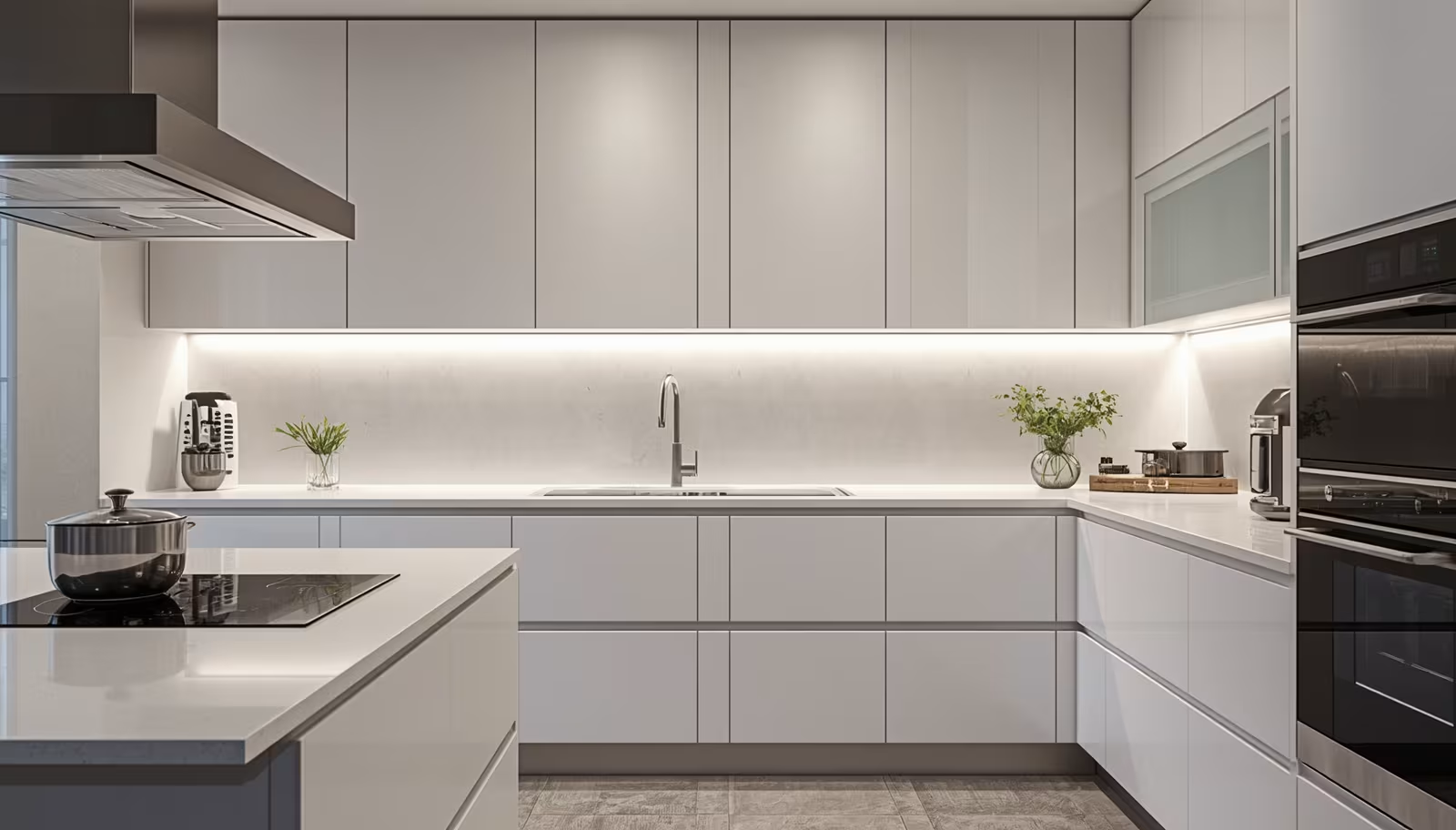
Lighting must be integrated directly into the architecture to ensure the kitchen remains highly functional. Recessed LED strip lights tucked beneath the lip of the island countertop or along the kickplates cast a soft glow downward. This illuminates walkways and makes the heavy central structure look light, almost as if it is floating above the floor.
- Fingerprint Resistance: Modern matte materials prevent oily smudges from ruining the clean look of dark panels.
- Shadow Elimination: Under-cabinet LED strips illuminate work zones without ruining the ambient evening mood.
- Streamlined Geometry: Eliminating traditional hardware keeps the focus entirely on form, material quality, and scale.
At a recent interior design exhibition in Milan, exhibitors demonstrated how concealed warm LED strips with a 2700K color temperature keep dark spaces cozy. Designers showed that running these lights inside open display shelves creates depth, turning everyday glassware into an attractive design feature.
3. Industrial Accents and Reclaimed Wood Ceilings
A modern moody theme works perfectly alongside industrial design elements. Exposing structural concrete columns, brick walls, or plumbing pipes adds a rugged, authentic feel to the room. A large matte black island ground these raw architectural features, turning a chaotic room into a purposeful, organized space.
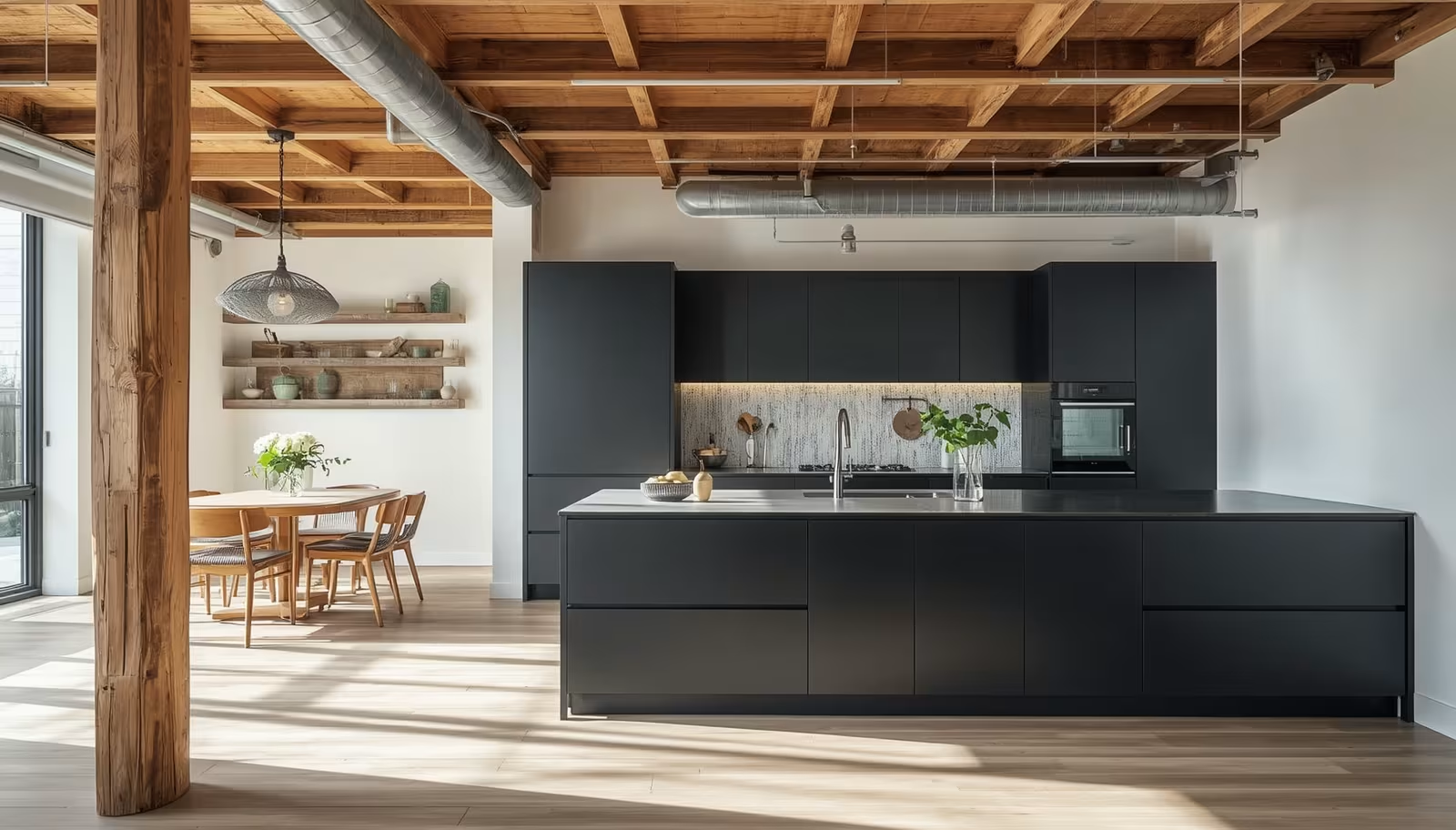
To prevent the industrial elements from feeling too cold or commercial, balance them with warm wood tones overhead. Installing reclaimed barn wood or walnut tongue-and-groove planks on the ceiling draws the eye upward. This clever trick makes the room feel taller while adding an organic texture that softens the hard concrete and metal surfaces below.
- Architectural Balance: Solid black bases ground open-concept floor plans that feature high ceilings.
- Material Warmth: Natural wood ceilings reflect light downward, casting a soft glow over dark workstations.
- Industrial Elements: Matte black fixtures pair naturally with steel window frames and exposed structural beams.
In a converted warehouse apartment in Brooklyn, an editorial team documented a kitchen featuring a five-foot by nine-foot black steel-framed island. The homeowners paired this central piece with original 1920s brickwork and rough-sawn oak ceiling beams. The combination felt warm, historical, and distinctly modern rather than dark or gloomy.
4. Metallic Splendor with Brushed Copper and Brass
Introducing metallic finishes is an excellent way to inject energy into a deep, moody color palette. While chrome can feel cold in a dark setting, warmer metals like brushed copper, champagne bronze, and unlacquered brass provide a stunning contrast. These metals reflect ambient light, adding a jewelry-like polish to dark vertical surfaces.
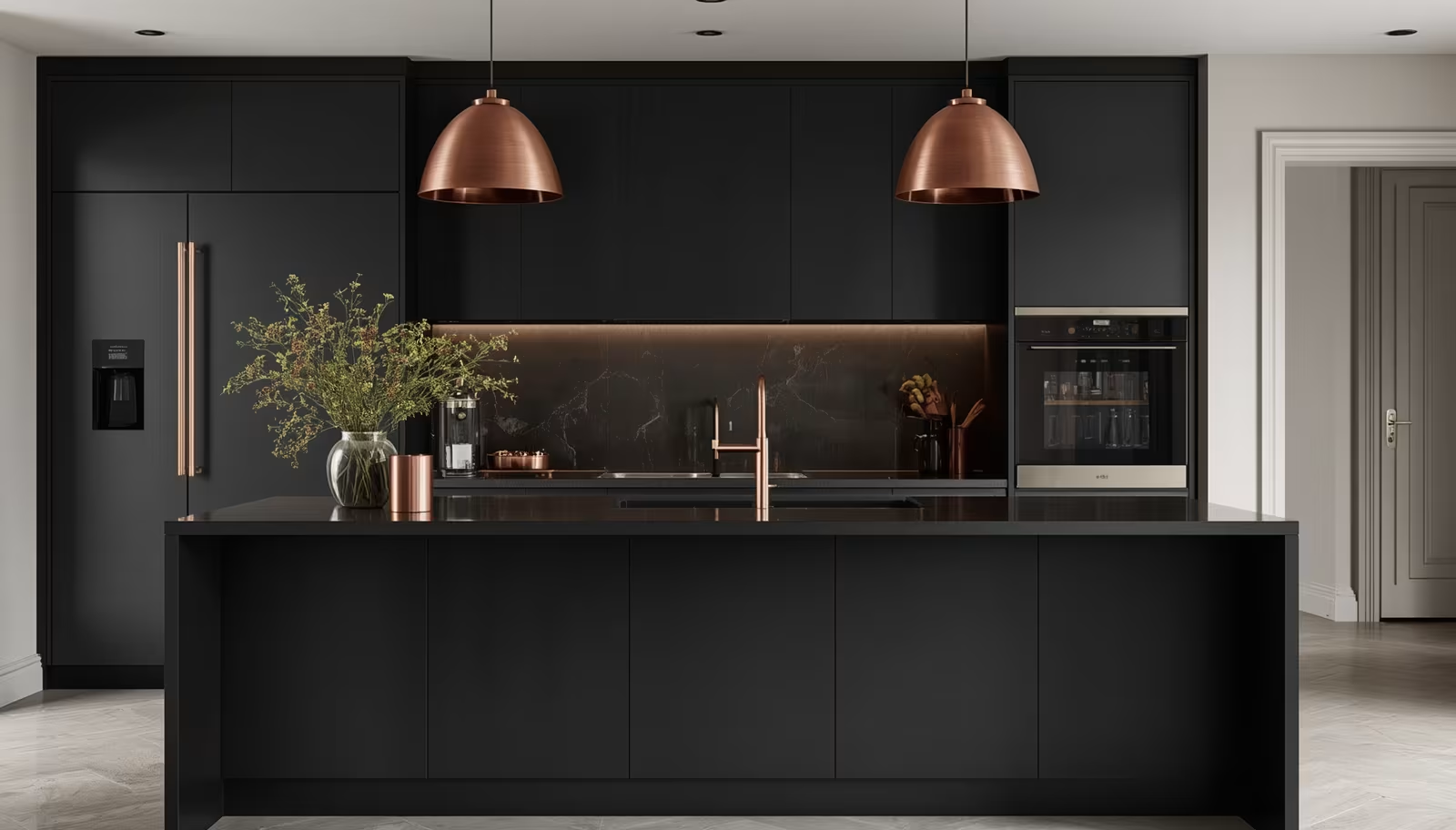
The island is the perfect spot to showcase these metallic accents. Consider installing a brushed brass under-mount sink paired with a matching gooseneck faucet from luxury manufacturers like Waterworks or Kohler. You can carry this metal accent across the room by using matching metal frames on bar stools or choosing pendant lights with metallic interiors.
- Warm Reflections: Copper and brass elements catch ambient light, adding brightness to dark corners.
- Cohesive Accents: Matching plumbing fixtures with cabinet pulls creates a unified look across different work zones.
- Aging Gracefully: Unlacquered brass develops a unique patina over time, enhancing the kitchen’s character.
A residential project completed in Austin in 2025 utilized a solid black island topped with a dark soapstone counter. The designer installed three oversized brushed copper pendant lights directly above the seating area. The warm copper interiors cast a golden light across the dark stone, turning the breakfast bar into an inviting evening gathering spot.
5. Seamless Monolithic Soapstone Enclosures
For a bold, minimalist look, a monolithic island design creates an incredible visual statement. This technique involves wrapping the entire central structure, including the top, sides, and front faces, in the same stone material. Natural soapstone is ideal for this application due to its deep charcoal-to-black coloration and subtle, distinctive veining.
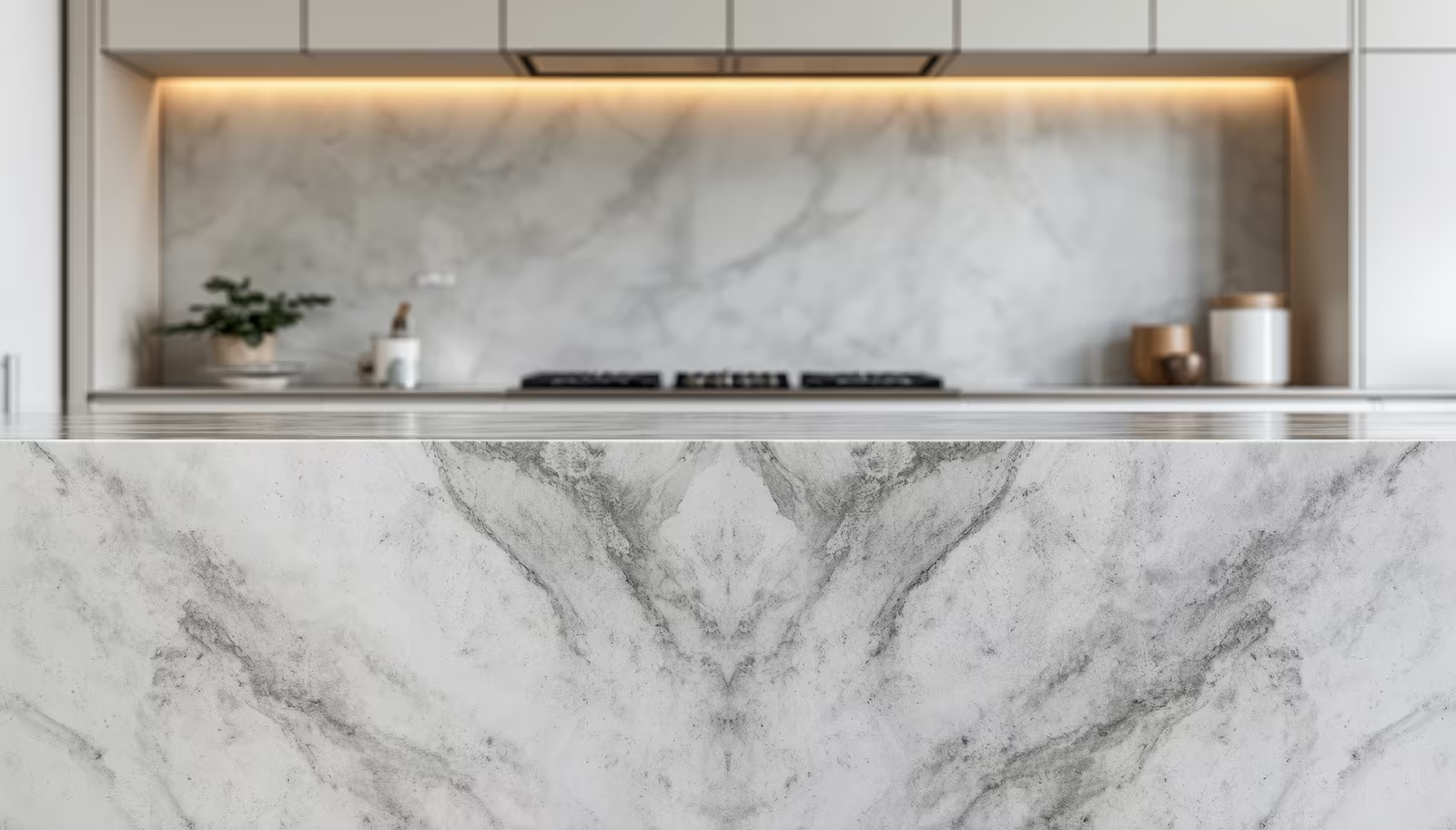
Soapstone offers a unique tactile experience, with a soft, matte texture that feels wonderful to touch. Over time, treated soapstone naturally darkens to a rich, deep black, especially when regularly sealed with mineral oil or specialized wax. This living finish ensures your kitchen develops character and changes beautifully as the years go by.
- Unified Sculpture: A waterfall edge wrapper makes the central preparation station look like a solid piece of stone.
- Tactile Quality: Soapstone offers a smooth surface that feels warmer to the touch than traditional granite or marble.
- Evolving Patina: Regular maintenance with mineral oil deepens the stone’s color, helping to hide minor scuffs and scratches.
An interior design studio in Boston used this exact approach for an avid home cook. They built a ten-foot island using dark Alberene soapstone, extending the material across the countertops and down the side panels to the floor. The seamless look created a striking centerpiece that anchor the open-plan living room.
6. Bold Contrasts with Crisp White Perimeter Cabinets
You do not have to commit to a completely dark room to enjoy a moody aesthetic. Using a high-contrast tuxedo layout lets you enjoy the best of both worlds. Painting your perimeter wall cabinets in a crisp, clean white, like Benjamin Moore’s Chantilly Lace, keeps the rest of the workspace feeling bright, open, and airy.
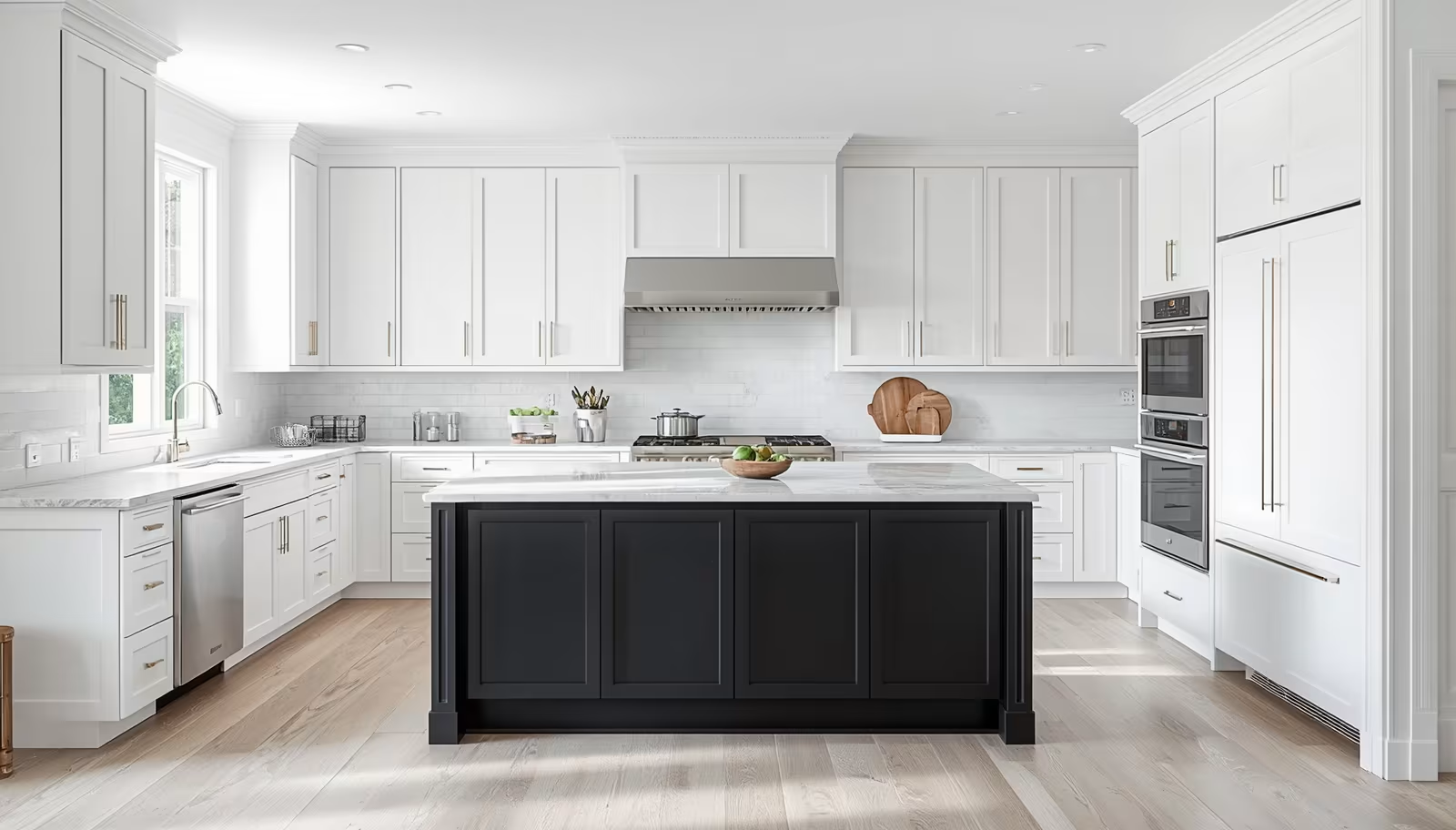
With this layout, the black island stands out as a dramatic accent piece. This design trick works perfectly in smaller homes or spaces with limited natural light, where dark perimeter cabinets might make the room feel cramped. It creates a clear focal point, naturally drawing family and guests toward the central seating area.
- Space Visuals: White perimeter walls bounce natural light around the room, making small footprints feel larger.
- Defined Focal Point: The dark central island stands out sharply against the bright background, emphasizing its design.
- Flexible Styling: A two-tone layout allows you to mix different hardware finishes between the wall and island zones.
A family home renovation in Chicago adopted this layout to brighten a north-facing kitchen. By keeping the wall cabinets bright white and installing a large matte black island from Pottery Barn’s custom kitchen collection, the space retained its family-friendly functionality while gaining a sophisticated, high-end look.
7. Moody Ribbed and Fluted Wood Detailing
Fluted and ribbed details are fantastic ways to add architectural texture to a modern kitchen. Applying vertical wooden dowels or tambour panels to the exterior faces of a black island breaks up large, flat surfaces. This creates a beautiful play of light and shadow that changes depending on the time of day.
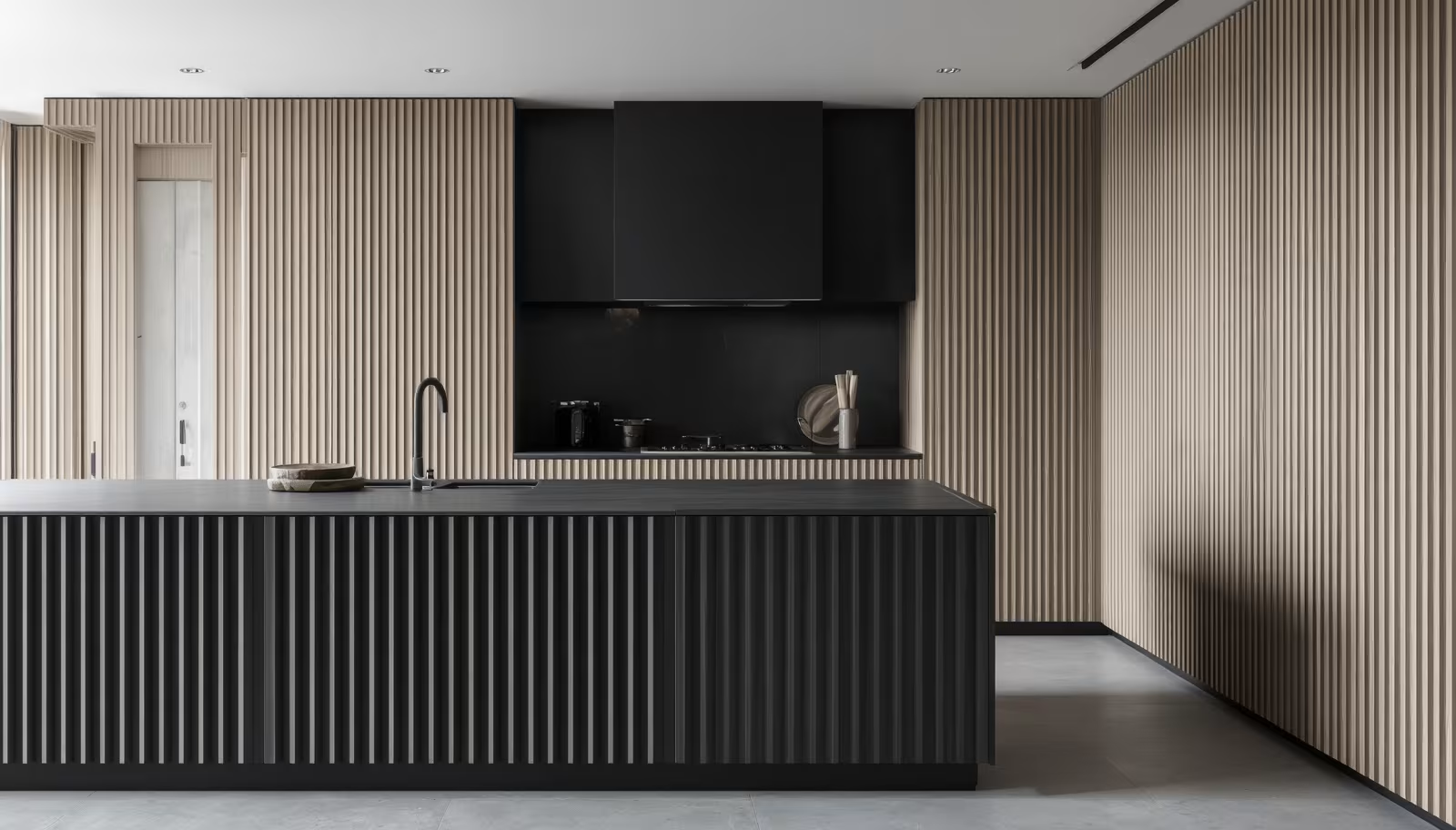
This textured treatment looks wonderful when painted in a deep satin black or a dark charcoal hue. The vertical lines add visual height to the island base, making the entire structure look elegant and light. It also helps disguise cabinet doors and hidden storage compartments, keeping your main seating area looking clean and tidy.
- Light Interaction: Vertical ridges catch light along their edges, creating shifting highlights throughout the day.
- Clever Disguise: Fluted panels conceal storage doors and touch-latches for a clean, streamlined look.
- Visual Height: Vertical lines draw the eye upward, making standard ceilings feel taller.
A design project featured in an architectural digest in Vancouver showcased an oval island wrapped entirely in black fluted walnut panels. The rounded ends softened the room’s layout, allowing family members to move easily through the busy space without bumping into sharp corners.
8. Seamless Transitions in Open-Concept Living
In modern open-concept homes, the kitchen must blend beautifully with the surrounding dining and living spaces. A black island acts as a brilliant visual bridge between these zones. Choosing a dark color palette helps screen small amounts of cooking clutter from the living room, keeping your home looking tidy.
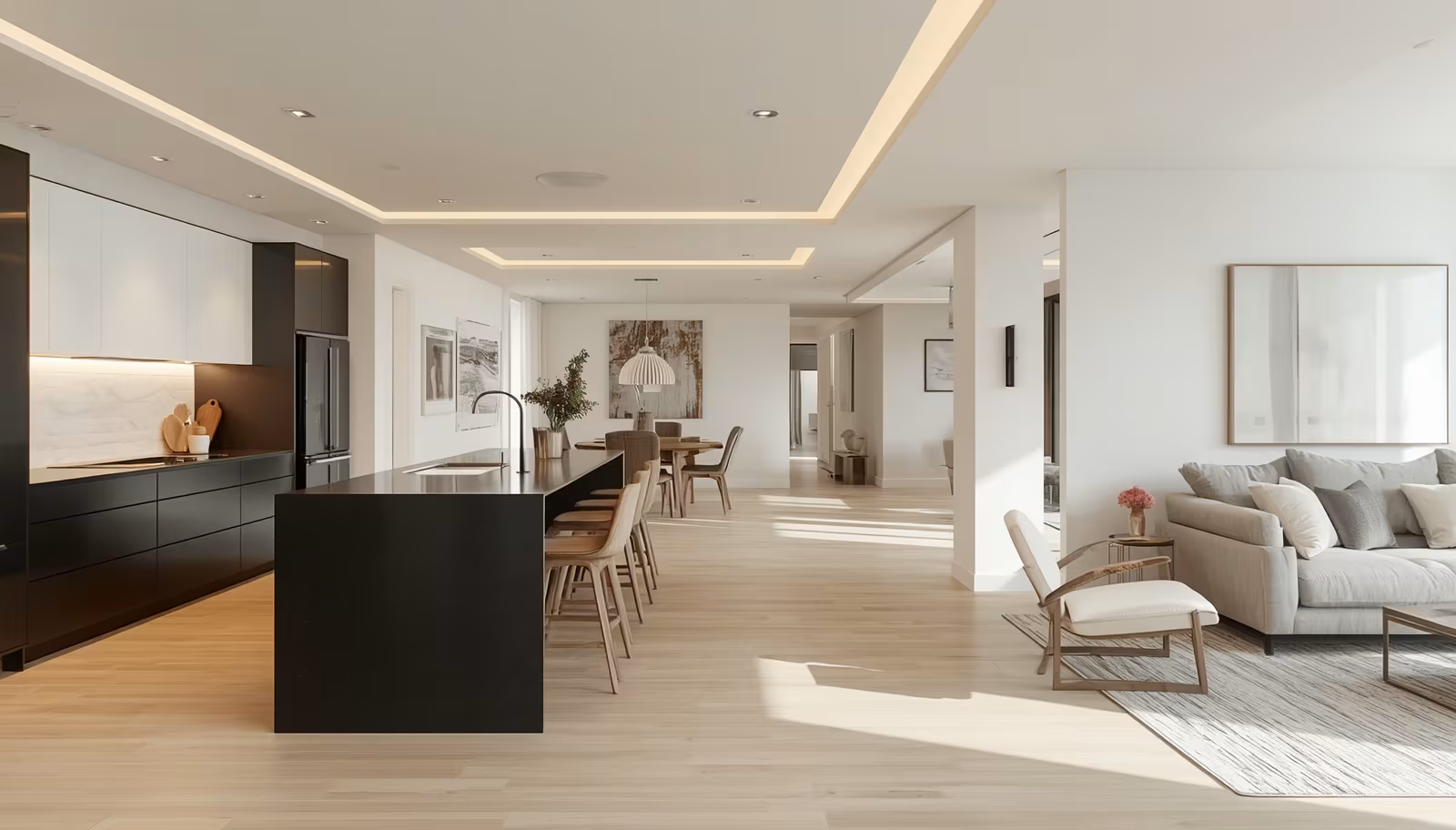
To create a cohesive look, extend the materials used on your island into the adjoining rooms. For example, you can use the same dark wood finish for living room media consoles, floating shelves, or fireplace surrounds. This thoughtful approach connects the distinct zones, making your entire main floor feel like a unified, professionally designed space.
- Visual Continuity: Repeating dark accents across different rooms creates a balanced, harmonious floor plan.
- Clutter Management: Darker surfaces are more forgiving, making small messes less noticeable from the living couch.
- Zoned Layout: A dark central island creates a clear boundary between cooking areas and relaxation spaces.
A modern home build in Toronto used a large black island to divide a high-end kitchen from a formal dining room. The designers used matching black stained oak panels for both the island base and the dining room accent wall, creating a smooth transition between the cooking and entertaining spaces.
Wrap Up
Building a modern moody kitchen around a black island allows you to design a sophisticated space filled with texture and character. By mixing dark tones with rich natural woods, veined stones, and strategic lighting, you can create a dramatic room that remains warm and practical. Focus on balancing textures and incorporating warm metals to ensure your kitchen serves as a welcoming hub for your home.
FAQs Section
Will a black kitchen island make my room look smaller?
A black island will not shrink your space if you balance it with lighter perimeter walls, reflective stone countertops, and proper layered lighting. Incorporating open shelving and under-counter LED strips helps keep the room feeling open and bright.
What is the best countertop material to pair with a black island?
High-contrast stone slabs like white quartzite, heavily veined Calacatta marble, or dark soapstone with prominent white veins look beautiful. These choices break up the solid dark surface while adding natural pattern and texture to your workspace.
How do you clean and maintain matte black kitchen cabinets?
Matte black surfaces are best cleaned using a soft microfiber cloth dipped in warm water and a few drops of mild dish soap. Avoid using abrasive scrubbers or harsh chemical cleaners, as these can leave permanent shiny spots on matte finishes.
Disclaimer
This content shared by Fall Rugs is solely for research and informational purposes. Fall Rugs is not a professional interior design or home renovation consultancy, and the information provided should not be considered professional advice for home improvement or decor. All ideas and suggestions are based on current trends and general knowledge in the home decor industry.