
TL;DR
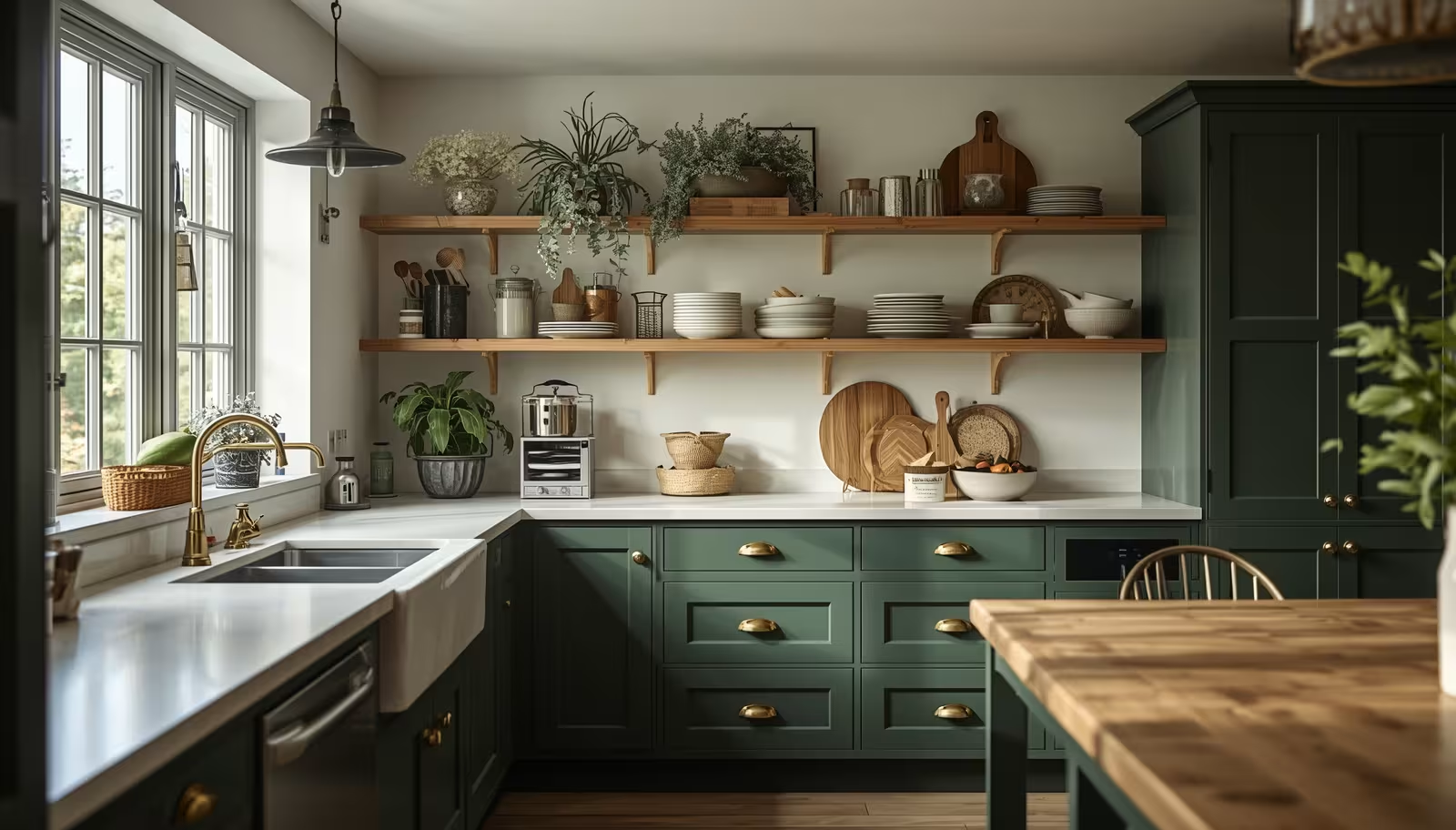
Dark green cabinets pair shadow and warmth in a way white kitchens rarely manage. Pick the right shade, balance it with brass or unlacquered hardware, warm wood, and soft lighting, and a small cottage kitchen instantly feels older, calmer, and more lived in. The fifteen ideas below cover paint, materials, lighting, layout, and styling so the look stays cohesive instead of patchy.
Introduction
Ever walked into a kitchen and felt your shoulders drop a little? That’s usually not the white shaker cabinets doing the work. Cottage kitchens with dark green cabinetry have been showing up across New England farmhouses, Cotswold cottages, and Hudson Valley renovations for a reason: the color reads as both grounded and a little romantic.
This piece walks through fifteen practical ways to bring that mood into a real kitchen, from paint chips you can actually buy to the small styling choices that separate a moody kitchen from a dark, gloomy one.
1. Choose a Paint Shade With the Right Undertone
The undertone matters more than the name on the can. A green with too much blue can feel cold and corporate, while one with too much yellow can drift into olive territory that fights with wood floors.
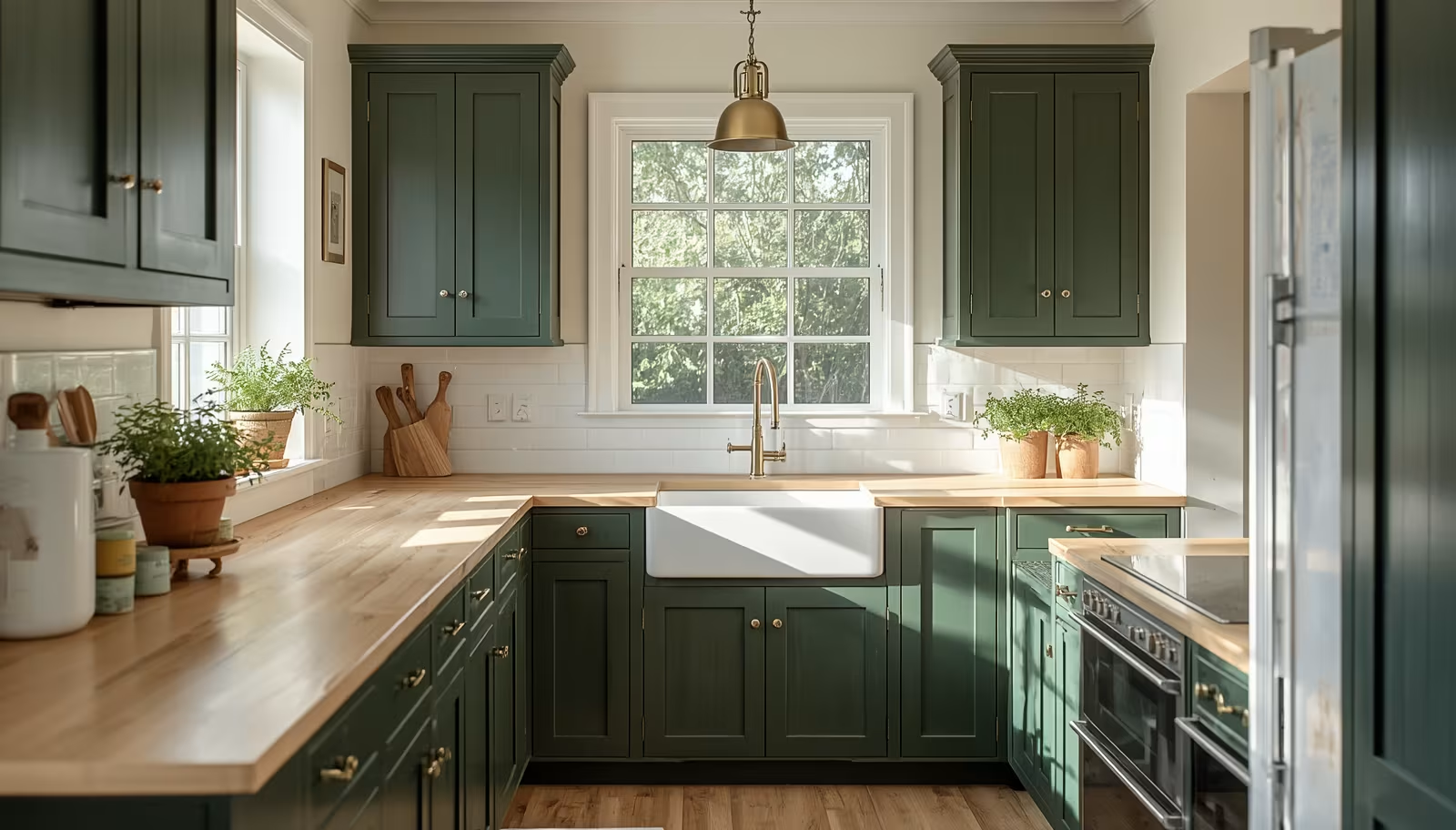
- Farrow & Ball Studio Green No.93 leans warm and slightly black, a favorite among English kitchen brands like deVOL for shaker-style cabinetry.
- Benjamin Moore Essex Green HC-188 is a historic shade from their Williamsburg-era palette, popular in 1990s and early 2000s farmhouse remodels and still common today.
- Sherwin-Williams Rookwood Dark Green SW 2816 comes from their Arts and Crafts collection, a nod to early 1900s bungalow kitchens.
Test Swatches Under Both Light Sources
Paint always shifts between daylight and lamp light. A swatch that looks rich green at noon can read almost black by 8 p.m., which is fine for mood lighting but a problem if the homeowner wants the color visible after dark too.
Match the Sheen to Cabinet Use
A satin or low-sheen finish hides fingerprints better than high gloss, which matters in a working kitchen with kids or frequent cooking. Most professional painters lean toward satin for cabinet doors and semi-gloss only on trim.
2. Balance the Green With Warm, Natural Materials
Dark cabinets need contrast or the whole room collapses into one flat tone. Warm wood, stone, and woven textures do the heavy lifting here.
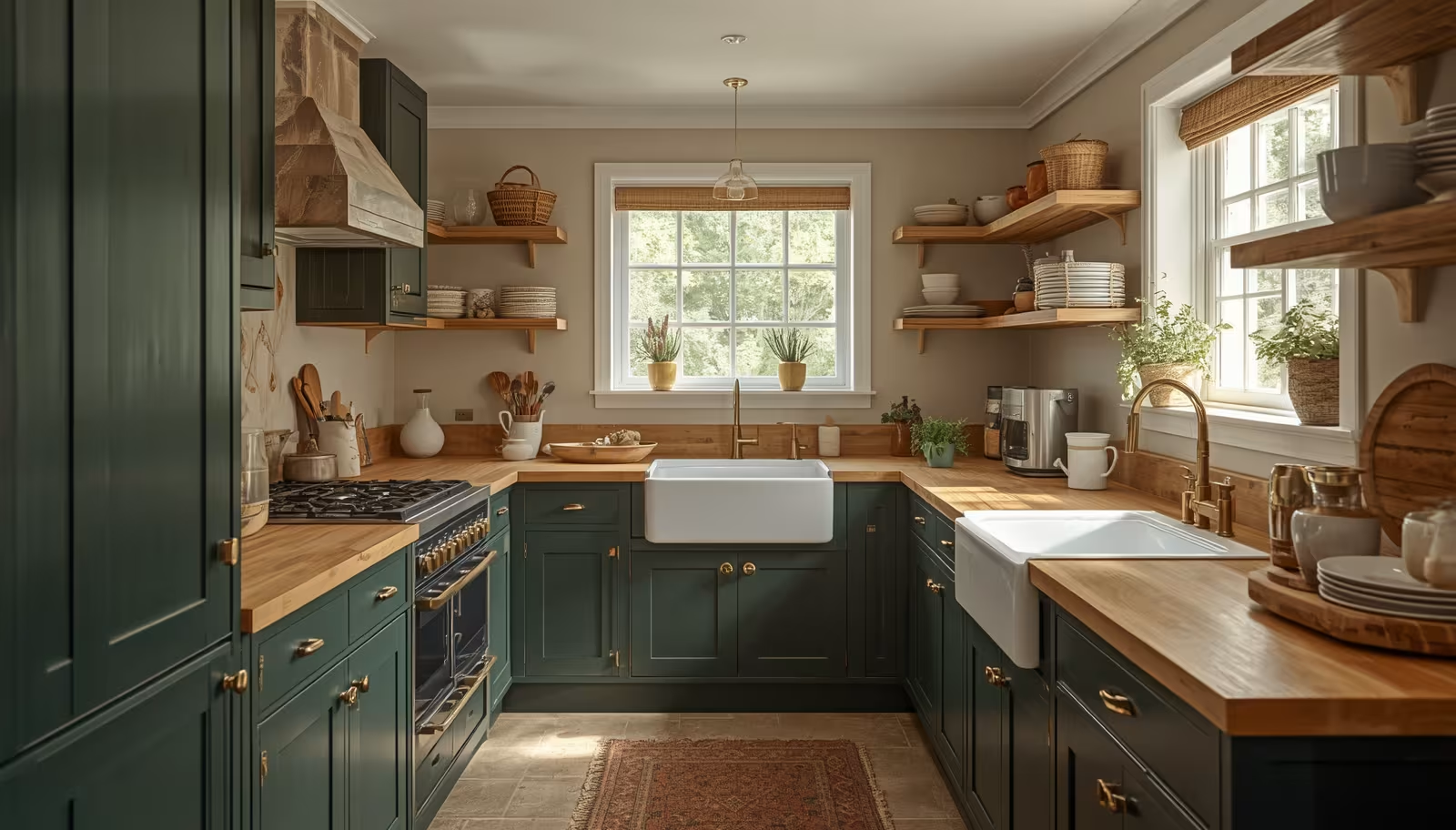
- Butcher block or reclaimed oak countertops soften the cabinet color instead of competing with it.
- Soapstone counters, used in many older New England kitchens, age gracefully and pair well with green tones.
- Open shelving in raw wood breaks up a solid wall of green cabinetry without losing the cottage feel.
Terracotta and Encaustic Tile Backsplashes
Terracotta tile, common in Mediterranean and English country kitchens, adds warmth without pulling attention away from the cabinets. Patterned encaustic tile works too, as long as the palette stays within two or three colors.
Stick With One Dominant Wood Tone
Mixing a honey oak floor with a gray-washed island and walnut shelves usually backfires. Most successful cottage kitchens commit to one wood family, whether that’s white oak, reclaimed pine, or walnut, and repeat it across floor, island, and open shelves.
3. Pick Hardware That Reads as Old, Not New
Hardware is a small detail that carries a surprising amount of the cottage feel. Bright chrome or brushed nickel can make dark green cabinets look modern and a bit cold.
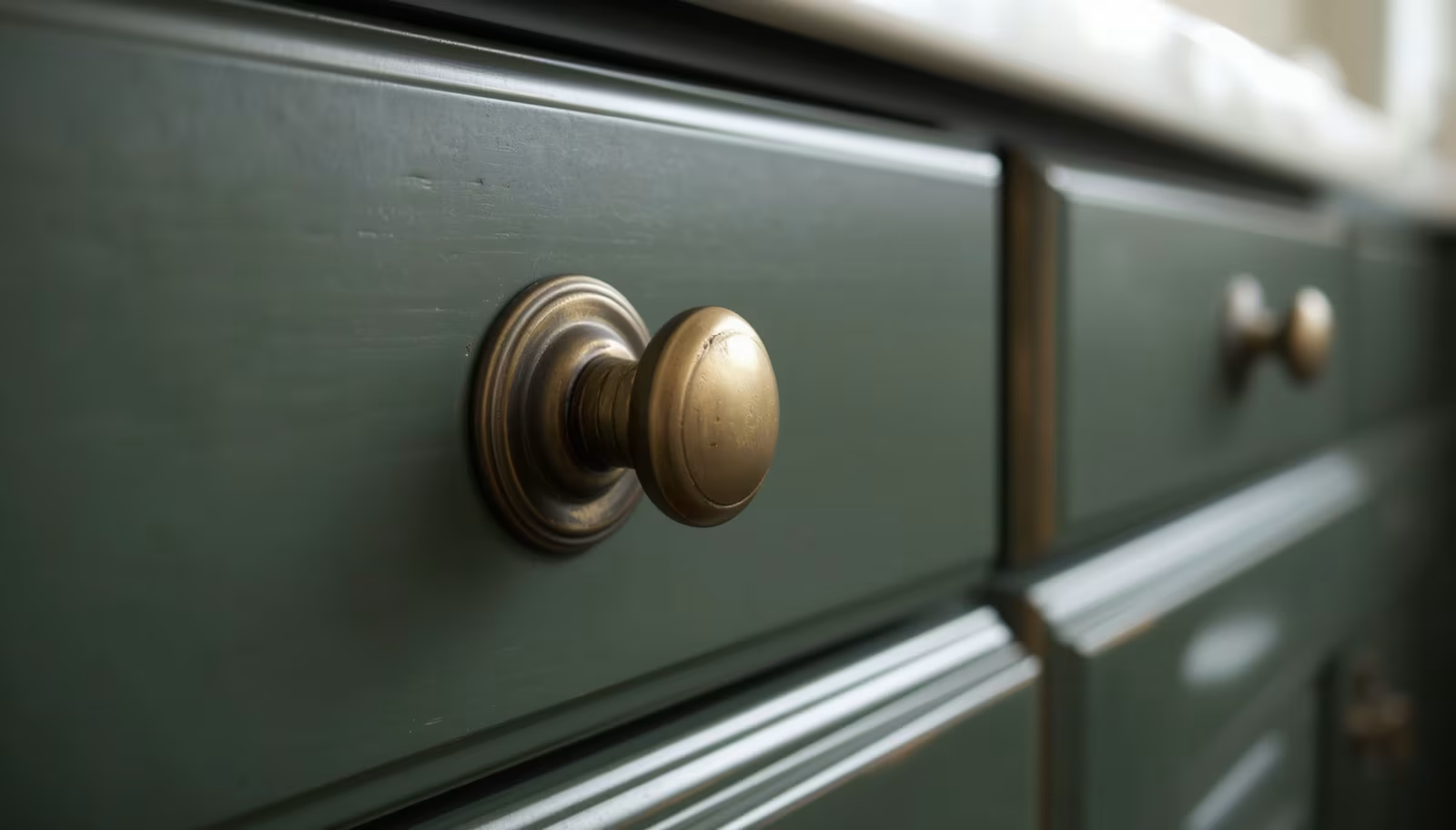
- Unlacquered brass, sold by brands like Rejuvenation and Schoolhouse, develops a soft patina within a year or two of normal kitchen use.
- Black iron pulls and latches suit a more rustic, farmhouse-leaning version of the style.
- Cup pulls and bin pulls, common on Shaker and Victorian-era cabinetry, fit the period look better than long modern bar handles.
Mix Knobs and Pulls Intentionally
Many real cottage kitchens use knobs on upper cabinets and pulls on lower drawers, a pattern borrowed from original Victorian and early twentieth century kitchens rather than a single matched hardware set.
Budget for Hardware Upgrades Separately
A full hardware swap on a mid-size kitchen with 20 to 25 pulls and knobs typically runs between 300 and 700 dollars depending on the brand, which is worth planning for separately from the paint budget.
4. Layer Lighting Instead of Relying on One Fixture
A single overhead light on dark cabinets often looks like a cave. Layered lighting fixes that fast and is one of the cheaper upgrades on this list.
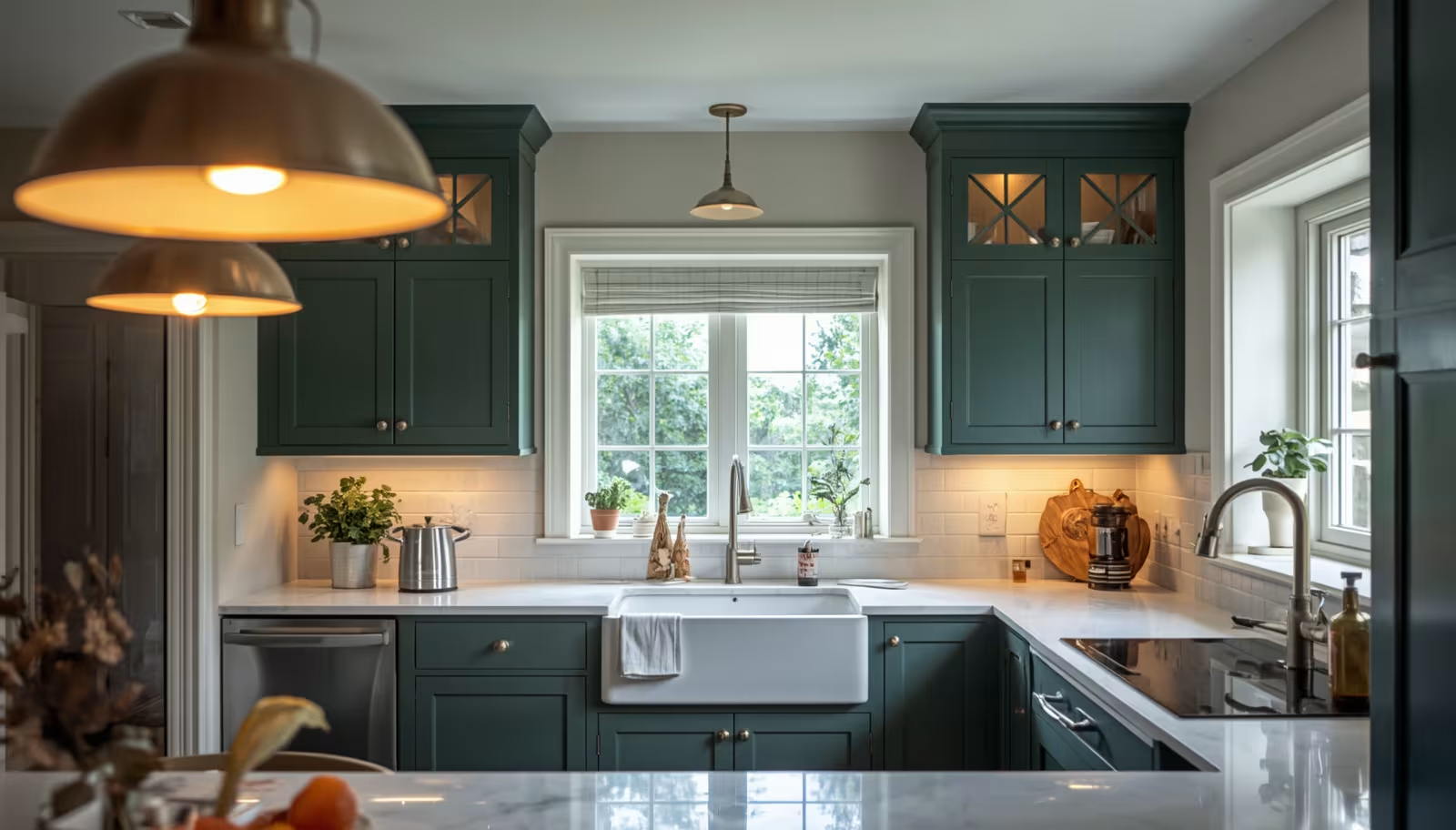
- Under-cabinet LED strips light the counter and stop the green from swallowing the workspace.
- A statement pendant over the sink or island, often in brass or matte black, adds a focal point Pottery Barn and West Elm both sell affordable versions of.
- Picture lights or small sconces over open shelving create the warm glow that photographs so well in moody kitchen renovations.
Warm Bulb Temperature Changes Everything
Bulbs rated above 3000K start to look clinical against dark green paint. Most designers working in this style stick to 2200K to 2700K, the same warm range used in candlelight and older incandescent bulbs.
Don’t Skip Task Lighting at the Sink
A dedicated light directly over the sink, separate from the main fixture, makes dish duty easier and keeps that corner from disappearing into shadow once the sun goes down.
5. Plan a Layout That Suits Small Cottage Footprints
Many cottage kitchens are genuinely small, often under 150 square feet, so the layout has to work harder than it would in an open-plan new build.
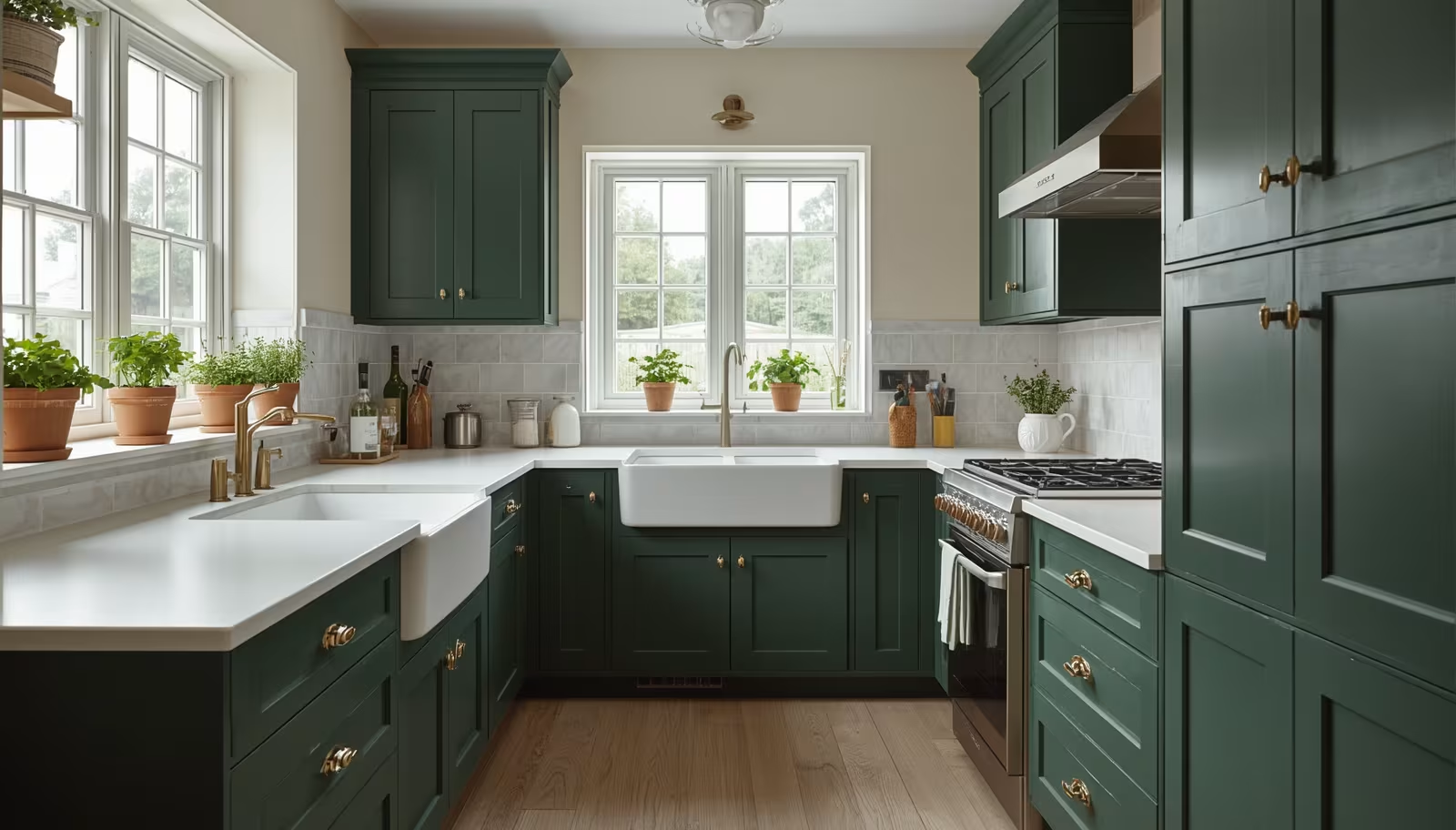
- A galley layout with green base cabinets and lighter upper cabinets or open shelves keeps the room from feeling boxed in.
- An island painted the same dark green as the perimeter cabinets, a look IKEA’s Sektion line makes affordable, ties the room together visually.
- A plate rack above the sink, a classic English cottage detail, adds storage without needing extra wall cabinets.
Keep Walkways at Least 36 Inches
This is a standard kitchen design measurement, and it matters more in small cottage kitchens where every cabinet decision can eat into already tight floor space.
Use Vertical Storage to Free Up Counters
Hooks for pans, a rail for utensils, or a narrow pull-out pantry next to the stove all help a compact kitchen function well without crowding the counters, which keeps the moody color scheme from feeling cluttered too.
6. Finish the Room With Textiles and Small Details
The last ten percent of a moody kitchen comes from soft goods and styling, not cabinetry. This is also the cheapest and most reversible part of the project.
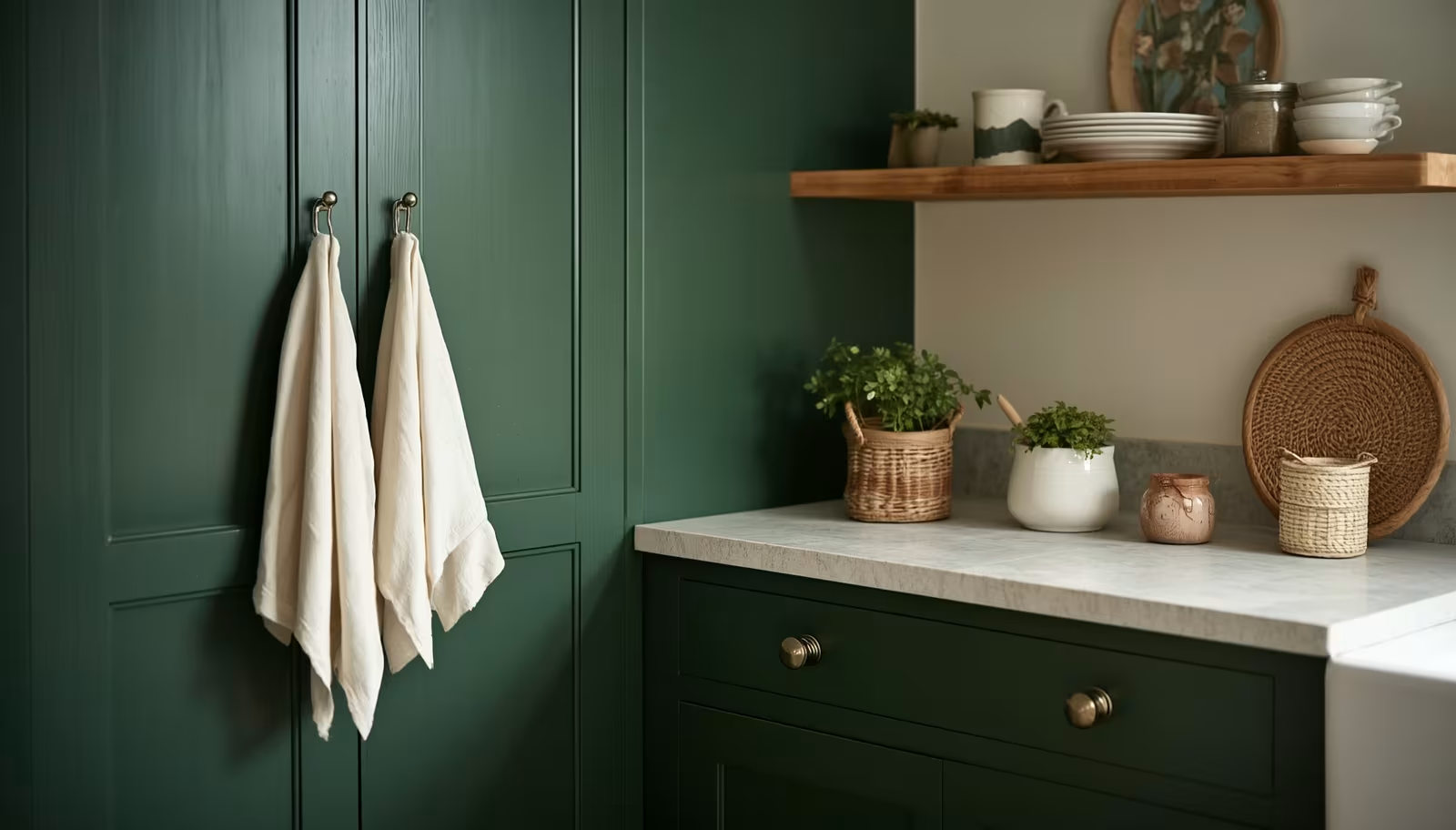
- A washable wool or cotton runner, similar to styles sold by Ruggable, adds texture underfoot and protects original wood or tile floors.
- Linen curtains in a cream or rust tone soften hard cabinet edges and filter harsh daylight.
- Vintage or vintage-style ceramics, often found at flea markets or through brands inspired by Joanna Gaines’s Magnolia line, add warmth without extra cost.
Greenery Without the Upkeep
A single trailing plant or a bundle of dried eucalyptus on the counter adds life to the green palette without demanding daily watering, which matters in a kitchen that already has enough going on.
Keep Counters Mostly Clear
Cottage kitchens look their best when only a handful of objects sit on the counter: a wood board, a ceramic crock, maybe one plant. Too many small appliances or decor pieces flatten the contrast that makes the dark cabinets pop in the first place.
Wrap Up
Dark green cabinets work because they trade brightness for depth, and that trade only pays off when the rest of the kitchen supports it. The right paint undertone, warm materials, aged hardware, layered lighting, a sensible layout, and a light hand with styling are what separate a genuinely cozy cottage kitchen from one that just looks dark. Start with the paint chip, test it in real light, and build outward from there.
FAQs
Do dark green cabinets make a small kitchen feel smaller?
Not usually, as long as the kitchen has enough natural light or layered artificial lighting and at least one lighter surface, such as a pale countertop or open shelving, to balance the depth of the color.
What countertop color goes best with dark green cabinets?
Warm whites, soft creams, and natural stone like soapstone or honed marble tend to work better than stark white or cool gray, since they keep the overall palette warm instead of clinical.
Is dark green cabinetry a passing trend or a lasting choice?
Green has appeared in kitchens since the Arts and Crafts era of the early 1900s and again during the farmhouse boom of the late 2010s, which suggests it behaves more like a recurring classic than a short-lived fad.
Disclaimer
This content shared by Fall Rugs is solely for research and informational purposes. Fall Rugs is not a professional interior design or home renovation consultancy, and the information provided should not be considered professional advice for home improvement or decor. All ideas and suggestions are based on current trends and general knowledge in the home decor industry.