
TL;DR
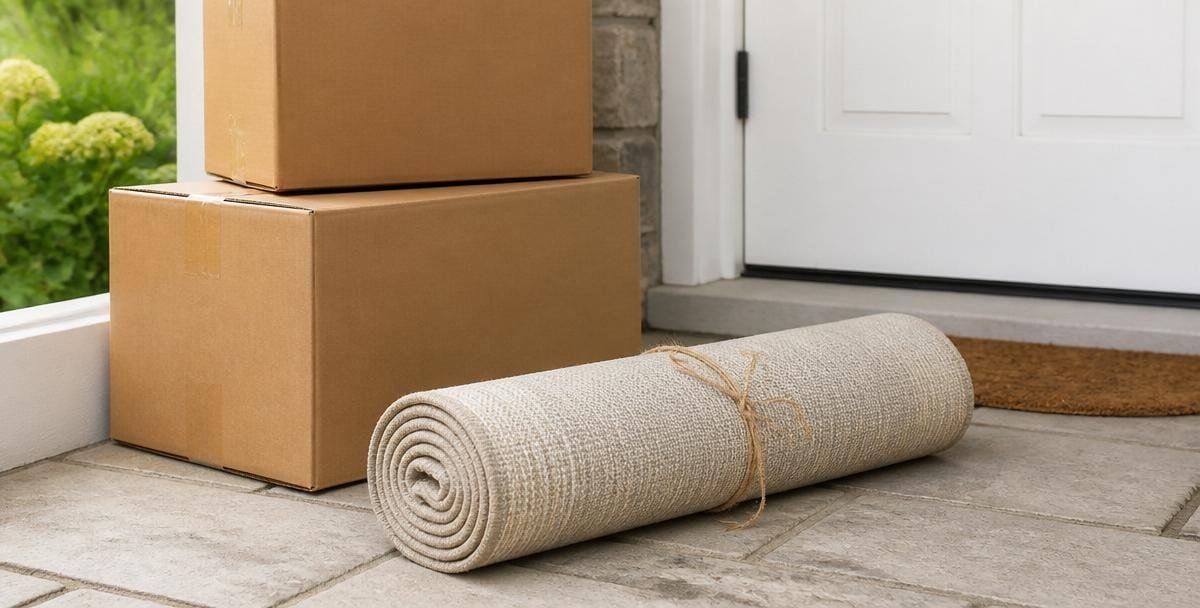
Most Goodwill locations accept area rugs as long as they’re clean, dry, and free of stains, odor, or pet hair. Wall-to-wall carpeting is a different story and almost always gets turned away. Calling your local store before you load up the car saves a wasted trip.
Introduction
You just rolled up a rug that no longer fits your living room, and now you’re staring at it wondering where it belongs next. A trip to the landfill feels wasteful when the rug still has plenty of life left in it. Goodwill is one of the first places most people think of, but donation rules aren’t identical from one store to the next. By the end of this piece, you’ll know what condition your rug needs to be in, which sizes tend to cause trouble, and what to do if your local branch says no.
What Condition Your Rug Needs to Be In
Goodwill runs on resale, not storage. A rug that looks like it belongs in someone’s living room gets a spot on the shelf; one that looks like it belongs in a landfill does not.
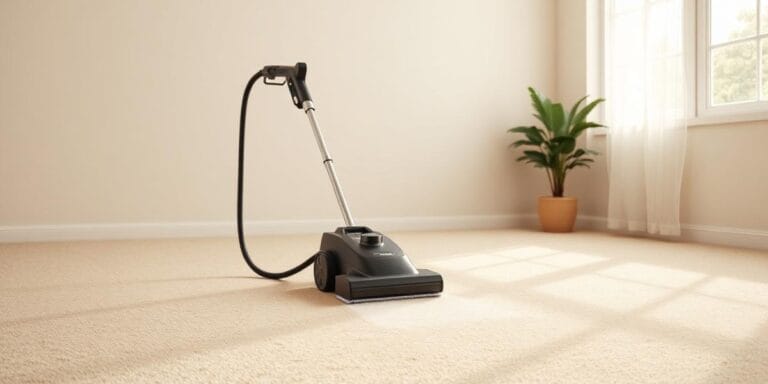
- Vacuum both sides before you fold or roll it up
- Spot clean any visible stains, and run a full wash if the fibers allow it
- Let it dry completely, since a damp rug invites mold in a warehouse bin
- Check the backing for cracking or peeling, a common failure point on older rugs
- Sniff test it. Pet odor and smoke smell are two of the fastest ways a donation gets rejected
Rugs Direct, a retailer that sells home flooring products, notes that stores routinely accept rugs but base the decision on each location’s space and community needs. A rug in resale-ready shape clears that bar far more often than one that just looks “good enough.”
Small Signs Staff Look For
Employees at the donation counter aren’t running a lab test. They’re doing a quick visual and smell check, the same one you’d do if a neighbor handed you a rug over the fence. Cracked latex backing, a musty basement smell, or matted fibers from years under furniture are the details that get a rug pulled aside instead of accepted.
Sizes and Types That Cause the Most Confusion
Not every rug fits neatly into a donation bin, and size is where most of the back-and-forth happens.
- Small accent rugs (2×3 to 4×6 feet) get accepted almost everywhere
- Mid-size area rugs (5×8, 6×9) are usually fine but depend on shelf space that week
- Oversized rugs (9×12 and larger) sometimes get declined simply because they take up too much floor
- Wall-to-wall carpeting is not the same as an area rug and most locations will not take it
- Outdoor and indoor-outdoor rugs are accepted at some branches, refused at others, since resale demand varies by region
Goodwill NNE (Northern New England) lists area rugs directly on its accepted items page, alongside furniture and small appliances, but notes that furniture and bulky goods are subject to each location’s floor capacity. That same logic applies to a 9×12 rug from a brand like Ruggable or a vintage Persian-style piece picked up at a West Elm sale years back. Size and space, not brand, decide the outcome most days.
Regional and Store-Level Differences
Goodwill isn’t one company with one rulebook. It operates through dozens of independent regional organizations across the United States, Canada, and beyond, and each one sets its own accepted-items list.
- Goodwill of Greater Washington lists area and throw rugs as an accepted textile donation, grouped with curtains and bedspreads
- Goodwill of Western and Northern Connecticut includes area rugs on its “gladly accept” list right alongside cookware and small appliances
- Palmetto Goodwill, serving 18 counties in South Carolina, accepts household textiles like rugs even when they’re too worn to resell, since some go into a recycling stream instead of the sales floor
- A store in a dense city with limited backroom space may cap what it takes on a given day, while a suburban location with more square footage says yes more often
This is why calling ahead beats guessing. A five-minute phone call to your nearest branch tells you more than any general policy page, since the person answering the phone knows exactly what’s stacked in the back room that morning.
What Happens After You Drop It Off
Once a rug clears the donation counter, it follows one of two paths depending on its condition and the store’s needs that week.
- Resale-ready rugs go straight to the sales floor, often priced by size and material
- Rugs with light wear but no major damage sometimes get routed to a Goodwill outlet store, where prices drop further
- Textiles too worn for resale can still get baled and sold to recyclers, a revenue stream Palmetto Goodwill has highlighted as a way unusable items still support the mission
- A rug with major damage, like broken backing or heavy staining, gets refused outright rather than accepted and later tossed, since that shifts disposal cost onto the nonprofit
A friend of mine tried donating a rug that had spent a decade under a dining table, backing cracked and one corner frayed past repair. The store staff took one look, explained the disposal cost issue, and pointed to a curbside textile recycling bin two blocks away instead. That’s the outcome for a rug that’s past resale, not a random rejection.
Wrap Up
Goodwill accepts area rugs at most locations, provided they’re clean, dry, odor-free, and structurally sound. Size matters more than brand, since oversized rugs and wall-to-wall carpeting run into space limits that smaller pieces don’t. A quick call to your local branch before you load the car settles any doubt fast, and if that store says no, options like the Salvation Army or a textile recycling bin keep the rug out of a landfill either way.
FAQs
Does Goodwill take wall-to-wall carpeting? No, most locations only accept area and throw rugs, not fitted carpet cut from a floor.
Can I donate a stained or torn rug to Goodwill? Generally no. Stores prioritize resale-ready condition, so significant stains, tears, or odor usually lead to a refusal.
Does Goodwill pick up large rugs from home? Some regional Goodwill locations partner with pickup services for furniture and bulky items, but this varies by area and often comes with a fee, so check your local branch’s policy first.